
اہم نکات
- Chronic fatigue lasting more than 2 to 4 weeks is not normal and deserves medical evaluation — it is one of the top 5 reasons patients visit their GP in Dubai
- Dubai-specific factors including extreme heat, air-conditioned indoor lifestyles, widespread vitamin D deficiency (affecting up to 80-90% of UAE residents), and chronic dehydration are major but often overlooked causes of persistent tiredness
- Simple blood tests can identify the most common medical causes of fatigue — including thyroid disorders, iron deficiency anaemia, vitamin B12 deficiency, and diabetes — with a comprehensive fatigue panel available from AED 99 at DCDC
- Iron deficiency can cause significant fatigue even without full anaemia — ferritin levels below 30 ng/mL are associated with tiredness, and this is especially common in women of childbearing age in the UAE
- Same-day results for routine fatigue blood tests are available at DCDC's on-site laboratory in Dubai Healthcare City, eliminating the multi-day wait that delays diagnosis at many clinics
- A systematic GP consultation at DCDC coordinates the entire fatigue workup — from initial assessment and targeted blood tests to specialist referral if needed — all under one roof with direct insurance billing from 20+ partners
Feeling exhausted despite sleeping eight hours? You are not alone. Fatigue is one of the most common complaints we hear at Doctors Clinic Diagnostic Center (DCDC) in Dubai Healthcare City, and it is particularly prevalent among Dubai residents due to the unique combination of extreme heat, air-conditioned indoor lifestyles, and the physical and emotional demands of expatriate life. The good news: in the majority of cases, a straightforward set of blood tests can pinpoint a treatable cause. This guide covers the 12 most common reasons you feel tired all the time in Dubai, which tests you need, when to worry, and how to get answers — with a comprehensive fatigue workup blood panel available from AED 99.
Chronic fatigue is defined as persistent tiredness lasting more than two to four weeks that is not relieved by rest, and it affects your ability to function at work, at home, or socially. It is distinct from ordinary tiredness after a late night or a busy week. According to the Royal College of General Practitioners, fatigue accounts for up to 10 percent of all GP visits, and in Dubai's demanding environment — where long working hours, extreme temperatures, and cultural transitions are the norm — that figure may be even higher. Understanding the potential causes is the first step toward reclaiming your energy.
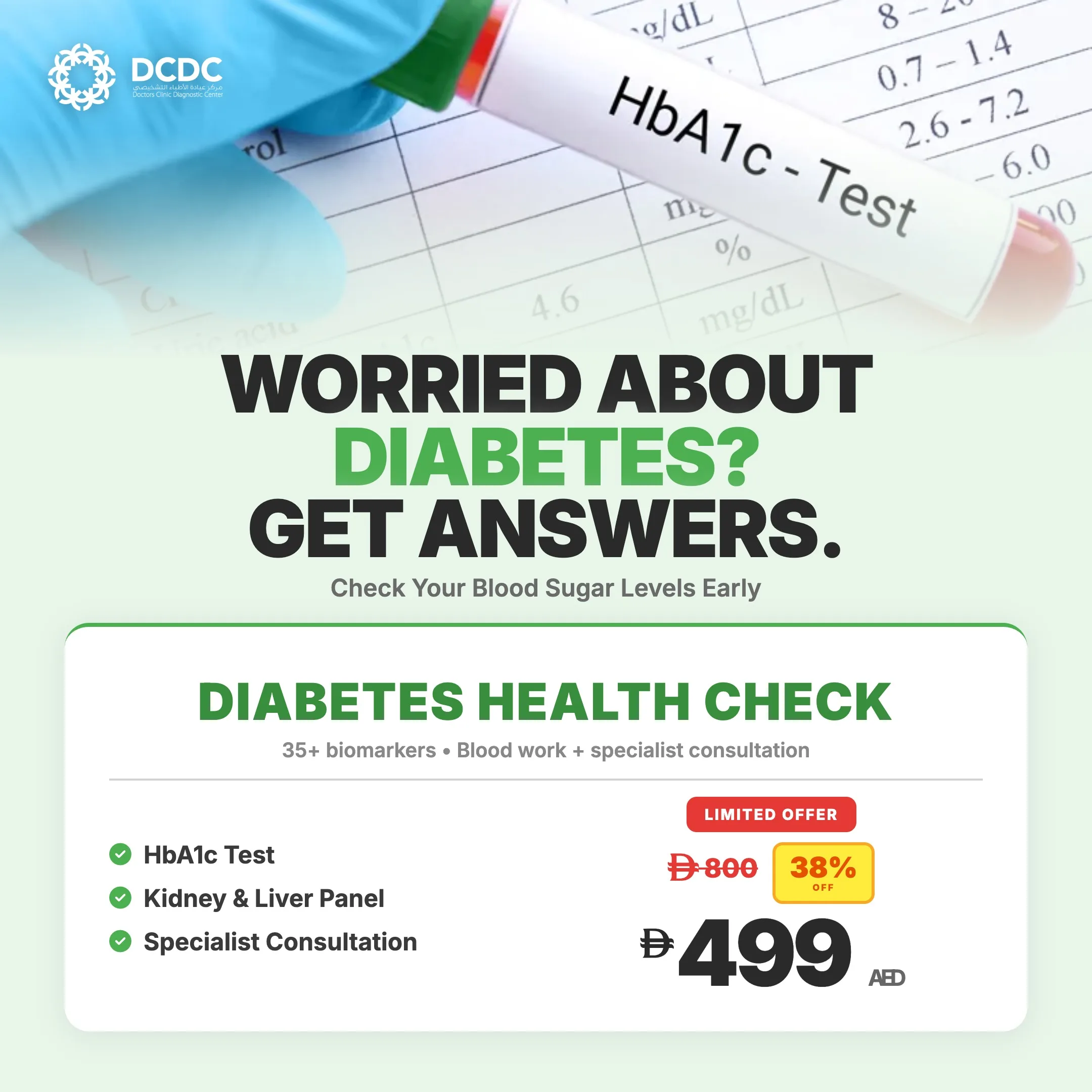
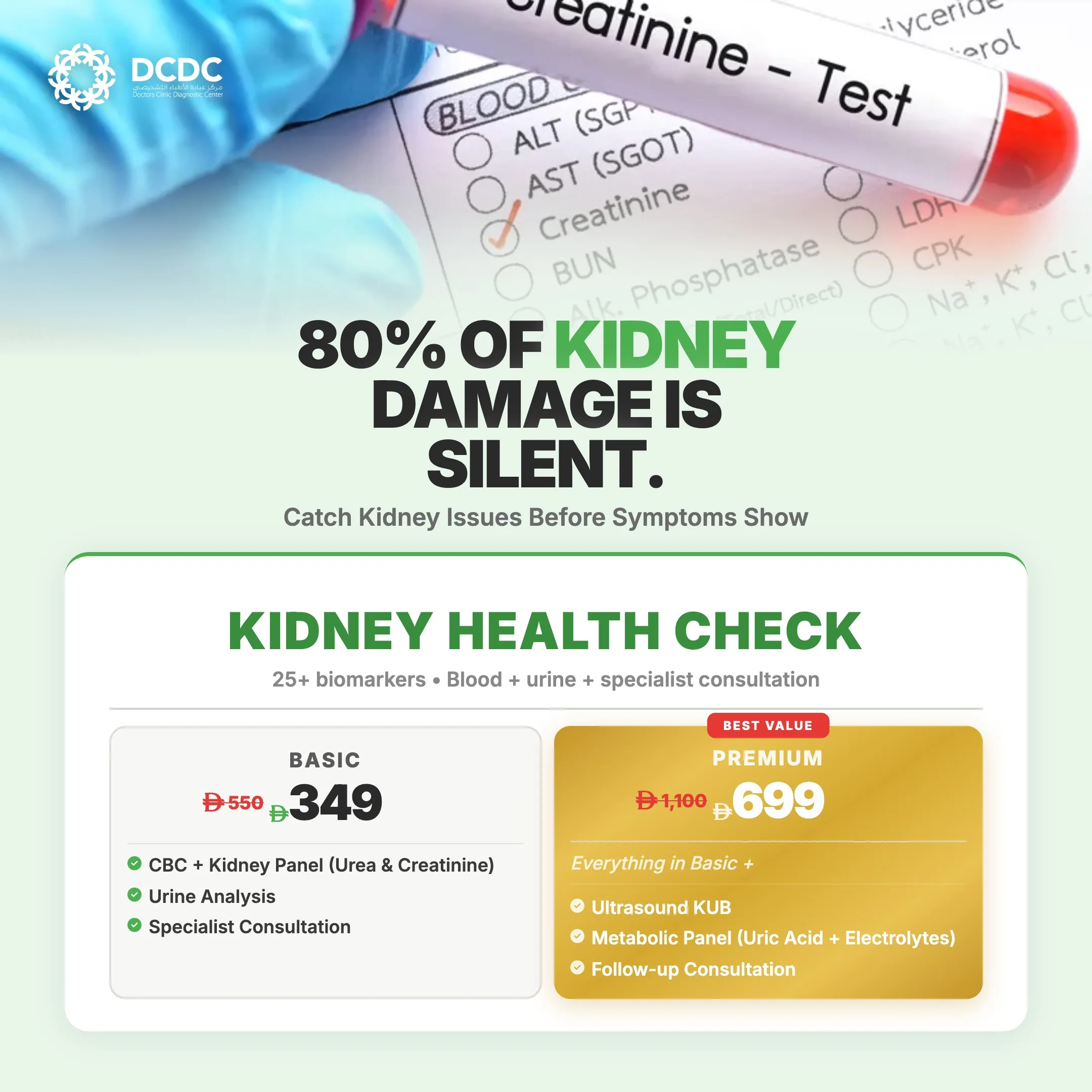
Health Screening Packages
Save with our bundled screening packages — specialist consultation included




Chronic Fatigue Symptom Checklist: When Tiredness Is Not Normal
Not all tiredness is the same. Ordinary fatigue improves with rest, has a clear cause (a poor night's sleep, jet lag, a stressful week), and resolves on its own. Chronic fatigue is different. Review the following checklist — if you recognise three or more of these symptoms persisting for more than two weeks, a medical evaluation is warranted.
- Unrefreshing sleep: You sleep 7 to 9 hours but wake feeling just as tired as when you went to bed
- Physical exhaustion: Activities that used to be easy — climbing stairs, walking to the car park, playing with your children — now leave you drained
- Brain fog: Difficulty concentrating, forgetfulness, struggling to find words, or making more mistakes at work than usual
- Muscle weakness or aches: Generalised heaviness, unexplained muscle soreness, or limbs that feel like lead
- Mood changes: Increased irritability, anxiety, low mood, or emotional flatness that seems out of proportion to circumstances
- Frequent infections: Catching colds, throat infections, or other illnesses more often than your peers
- Appetite or weight changes: Unexplained weight gain or loss, sugar cravings, or loss of interest in food
- Hair, skin, or nail changes: Thinning hair, dry or pale skin, brittle nails, or slow wound healing
- Dizziness or lightheadedness: Especially when standing up quickly, which may indicate anaemia or dehydration
- Exercise intolerance: Prolonged exhaustion after physical activity that used to be manageable, with recovery taking much longer than expected
Dubai-Specific Causes of Chronic Fatigue: Why the UAE Makes You Tired
Living in Dubai exposes you to a unique set of fatigue-causing factors that residents in temperate climates simply do not face. Understanding these Dubai-specific causes is essential because they are often overlooked — both by patients who assume tiredness is just part of life here and by doctors unfamiliar with the local environment.
The Vitamin D Paradox: Deficient Despite Year-Round Sunshine
This is perhaps the most counterintuitive finding in UAE healthcare. Despite living in one of the sunniest regions on earth, studies show that 80 to 90 percent of UAE residents have insufficient vitamin D levels. The reason is behavioural: Dubai's extreme summer temperatures (regularly exceeding 45 degrees Celsius) mean that most people spend the vast majority of their time indoors in air-conditioned environments — commuting in air-conditioned cars, working in air-conditioned offices, shopping in air-conditioned malls, and exercising in air-conditioned gyms. When residents do venture outdoors, high-SPF sunscreen, protective clothing, and tinted car windows further reduce UV exposure. Vitamin D is critical for energy metabolism, muscle function, and immune regulation, and deficiency is strongly associated with chronic fatigue, muscle weakness, and low mood. If you are always tired in Dubai, vitamin D deficiency should be one of the first things your doctor investigates.
Chronic Dehydration in Dubai's Heat
Dehydration is an insidious cause of fatigue in Dubai. Even mild dehydration — a loss of just 1 to 2 percent of body water — can cause fatigue, headaches, difficulty concentrating, and reduced physical performance. In Dubai, the combination of high temperatures (even during the cooler months, relative humidity can be oppressive), heavy air conditioning (which dries the air indoors), high caffeine consumption, and insufficient water intake creates a perfect storm for chronic low-grade dehydration. Many Dubai residents unknowingly operate in a state of mild dehydration for months, especially those who rely on coffee and tea as their primary fluids. During Ramadan, when fasting from water during daylight hours, dehydration-related fatigue becomes particularly acute.
Expat Stress, Sleep Disruption, and Lifestyle Factors
Dubai's expatriate community faces unique psychosocial stressors that contribute to fatigue: separation from family support networks, cultural adjustment, job insecurity tied to visa status, financial pressure from the high cost of living, long working hours (many professionals work 10 to 12 hour days), and social isolation. These chronic stressors elevate cortisol levels, disrupt sleep architecture, and deplete the body's energy reserves. Add to this the prevalence of late-night dining, screen exposure before bed, and irregular sleep schedules driven by global time zone communications, and it becomes clear why so many Dubai residents feel perpetually exhausted.
12 Medical Conditions That Cause Chronic Fatigue
While lifestyle and environmental factors play a significant role, chronic fatigue frequently has an identifiable medical cause. Below are the 12 most common conditions we investigate during a fatigue workup at DCDC, listed in approximate order of prevalence among our Dubai patient population.
1. Iron Deficiency and Iron Deficiency Anaemia
Iron deficiency is the single most common nutritional deficiency worldwide and a leading cause of fatigue, particularly in women of childbearing age. Iron is essential for producing haemoglobin, the protein in red blood cells that carries oxygen to your tissues. When iron stores are depleted, your cells receive less oxygen, leading to fatigue, weakness, pallor, dizziness, shortness of breath on exertion, and poor concentration. Critically, iron deficiency can cause significant fatigue even before it progresses to full anaemia — ferritin levels below 30 ng/mL are associated with tiredness and exercise intolerance, even when haemoglobin is still within the normal range. In Dubai, iron deficiency is especially common among women with heavy menstrual periods, vegetarians and vegans, and those who consume large amounts of tea and coffee (which inhibit iron absorption). A comprehensive iron deficiency anaemia test including full blood count, serum iron, ferritin, and transferrin saturation is essential for any fatigue workup.
2. Thyroid Disorders (Hypothyroidism)
An underactive thyroid (hypothyroidism) is one of the most common and most treatable causes of chronic fatigue. The thyroid gland controls your metabolic rate — when it underperforms, everything slows down. Symptoms include fatigue, weight gain, cold intolerance, constipation, dry skin, hair thinning, brain fog, depression, and menstrual irregularities. Hypothyroidism affects approximately 5 to 10 percent of the population, with women and those over 40 at highest risk. In Dubai, autoimmune thyroid disease (Hashimoto's thyroiditis) is the most common cause, and widespread vitamin D deficiency may increase the risk. A simple TSH blood test can detect thyroid dysfunction, and recognising the signs of thyroid problems early leads to much better outcomes. Treatment with levothyroxine is highly effective and can be life-changing.
3. Vitamin D Deficiency
As discussed above, vitamin D deficiency is epidemic in the UAE, affecting the vast majority of residents. Beyond fatigue, low vitamin D is associated with muscle pain, bone aches, frequent infections, depression, and impaired cognitive function. Research published in the Journal of Clinical Endocrinology and Metabolism has shown that vitamin D supplementation can significantly improve fatigue symptoms in deficient individuals. At DCDC, we recommend checking 25-hydroxyvitamin D levels as part of any fatigue panel, with optimal levels being 40 to 60 ng/mL — far above the 20 ng/mL threshold that many labs use as the lower limit of normal.
4. Vitamin B12 Deficiency
Vitamin B12 is essential for nerve function, red blood cell production, and DNA synthesis. Deficiency causes fatigue, weakness, numbness or tingling in the hands and feet, balance problems, brain fog, and mood disturbances. B12 deficiency is particularly common among vegetarians, vegans, older adults, those taking metformin for diabetes, and people with gastrointestinal conditions affecting absorption. In Dubai's multicultural population, where vegetarian diets are common among South Asian communities, vitamin B12 deficiency is a frequent finding in fatigue workups.
5. Diabetes and Pre-Diabetes
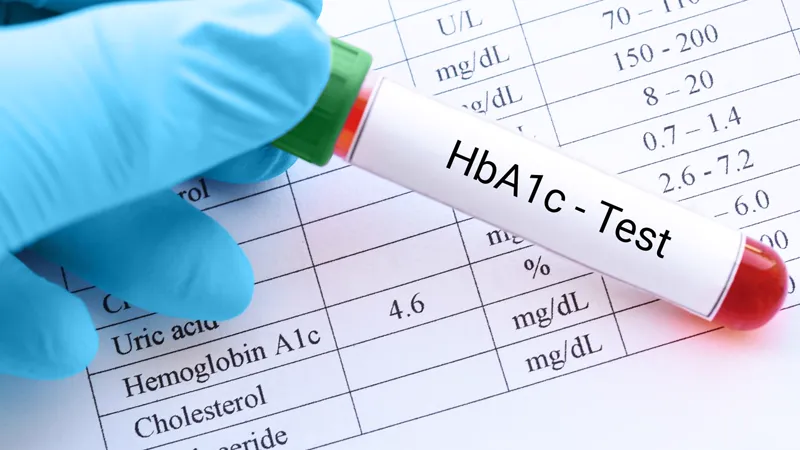
Undiagnosed or poorly controlled diabetes is a major cause of fatigue. When your body cannot effectively use glucose for energy — either because of insufficient insulin (type 1) or insulin resistance (type 2) — cells are starved of fuel despite high blood sugar levels. Fatigue, excessive thirst, frequent urination, blurred vision, and slow wound healing are hallmark symptoms. The UAE has one of the highest rates of diabetes globally, with approximately 16 to 17 percent of the adult population affected and many more in the pre-diabetic range. A fasting blood glucose and HbA1c test can diagnose or rule out diabetes as a cause of your fatigue.
6. Sleep Disorders (Sleep Apnoea, Insomnia)
You may sleep for eight hours yet feel unrefreshed if the quality of your sleep is poor. Obstructive sleep apnoea (OSA) — where the airway repeatedly collapses during sleep, causing brief awakenings — is significantly underdiagnosed in the UAE, particularly among overweight individuals, men, and those who snore. Symptoms include loud snoring, witnessed breathing pauses during sleep, morning headaches, daytime sleepiness, and irritability. Chronic insomnia, where you struggle to fall or stay asleep, is equally debilitating. If your fatigue persists despite normal blood tests, a sleep disorder evaluation may be the next step.
Tired of Feeling Tired? Get Answers Today
Book a comprehensive fatigue workup at DCDC — GP consultation, targeted blood tests from AED 99, and same-day results. Available Sat-Thu 8 AM-10 PM, Fri 9 AM-9 PM. View fatigue blood panel options.
Direct billing with 20+ insurance partners including Daman, AXA, Bupa, MetLife, and Cigna. Free on-site parking at DHCC.
7. Depression and Anxiety
Mental health conditions are a major but frequently overlooked cause of chronic fatigue. Depression causes a profound lack of energy, motivation, and interest in activities, while anxiety keeps the nervous system in a constant state of arousal that is physically exhausting. Both conditions disrupt sleep, appetite, and concentration. In Dubai, where mental health stigma persists and the pressure to maintain a high-performance image is intense, many people present with fatigue as their primary complaint, unaware that an underlying mood disorder is the driving factor. A thorough GP consultation at DCDC includes a mental health screen as part of the fatigue assessment.
8. Chronic Dehydration and Electrolyte Imbalance
As discussed in the Dubai-specific section, chronic dehydration is pervasive among UAE residents. Beyond simple water loss, electrolyte imbalances — particularly low sodium, potassium, or magnesium — can cause significant fatigue, muscle cramps, weakness, irregular heartbeat, and cognitive difficulties. These imbalances are common in Dubai due to excessive sweating, high caffeine intake, and diets low in fruits and vegetables. An electrolyte panel as part of the fatigue workup can identify these correctable imbalances.
9. Chronic Infections
Low-grade chronic infections can drain your energy without producing obvious acute symptoms. These include Epstein-Barr virus (the cause of glandular fever, which can trigger prolonged post-viral fatigue), hepatitis B or C, urinary tract infections, dental infections, and parasitic infections. In Dubai's international community, where residents travel frequently and may have been exposed to infections endemic to their home countries, screening for chronic infections is an important part of the fatigue investigation.
10. Liver and Kidney Disease
Both the liver and kidneys play essential roles in energy metabolism, toxin clearance, and hormone regulation. Early-stage liver disease — including fatty liver, which is increasingly common in the UAE due to sedentary lifestyles and high-calorie diets — can manifest primarily as fatigue before other symptoms appear. Similarly, early chronic kidney disease may cause fatigue, fluid retention, and poor appetite long before kidney function is severely impaired. Liver function tests (ALT, AST, GGT, bilirubin) and kidney function tests (creatinine, eGFR, urea) are standard components of the fatigue blood panel at DCDC.
11. Autoimmune Conditions
Autoimmune diseases — where the immune system mistakenly attacks the body's own tissues — frequently present with fatigue as the earliest and most prominent symptom. Conditions such as rheumatoid arthritis, systemic lupus erythematosus (SLE), coeliac disease, and multiple sclerosis can all cause profound tiredness, often accompanied by joint pain, rashes, digestive symptoms, or other organ-specific signs. If initial blood tests are normal but fatigue persists, your GP at DCDC may recommend autoimmune screening including ANA, ESR, CRP, and coeliac antibodies.
12. Hormonal Imbalances Beyond the Thyroid
Adrenal insufficiency, low testosterone (in men), perimenopausal hormone changes (in women), and elevated cortisol (Cushing's syndrome) can all cause debilitating fatigue. Adrenal fatigue — while not a recognised medical diagnosis — overlaps with a genuine condition called HPA (hypothalamic-pituitary-adrenal) axis dysregulation, which can result from chronic stress and manifests as morning exhaustion, afternoon energy crashes, salt cravings, and difficulty recovering from illness. Hormonal testing including cortisol, DHEA-S, testosterone, oestrogen, and progesterone may be indicated depending on your symptoms and clinical picture.
Essential Blood Tests for Fatigue: What Your Doctor Should Order
A targeted blood panel is the most efficient way to identify — or rule out — the common medical causes of chronic fatigue. At DCDC, our on-site laboratory performs all of these tests with same-day results for routine panels, eliminating the multi-day wait that delays diagnosis at many other clinics. The following table outlines the essential tests in a comprehensive fatigue workup, what each test checks, and what abnormal results may indicate.
| Blood Test | What It Measures | What Abnormal Results May Indicate |
|---|---|---|
| Complete Blood Count (CBC) | Red blood cells, white blood cells, haemoglobin, haematocrit, platelets | Anaemia (iron, B12, folate deficiency), infection, blood disorders, immune dysfunction |
| Thyroid Panel (TSH, Free T4, Free T3) | Thyroid hormone levels and pituitary feedback | Hypothyroidism, hyperthyroidism, Hashimoto's thyroiditis, subclinical thyroid disease |
| Iron Studies (Serum Iron, Ferritin, TIBC, Transferrin Saturation) | Iron stores and iron transport capacity | Iron deficiency (even without anaemia), iron overload, chronic disease-related iron changes |
| Vitamin D (25-OH Vitamin D) | Circulating vitamin D levels | Vitamin D deficiency or insufficiency — extremely common in Dubai residents |
| Vitamin B12 and Folate | Essential B vitamin levels | B12 deficiency (dietary, pernicious anaemia, malabsorption), folate deficiency |
| Fasting Blood Glucose and HbA1c | Current blood sugar and 3-month average glucose control | Diabetes, pre-diabetes, insulin resistance, reactive hypoglycaemia |
| Liver Function Tests (ALT, AST, GGT, Bilirubin, Albumin) | Liver enzyme activity and synthetic function | Fatty liver disease, hepatitis, alcohol-related liver damage, liver inflammation |
| Kidney Function Tests (Creatinine, eGFR, Urea, Electrolytes) | Kidney filtration capacity and electrolyte balance | Chronic kidney disease, dehydration, electrolyte imbalance |
| CRP and ESR (Inflammatory Markers) | Systemic inflammation levels | Chronic infection, autoimmune disease, hidden inflammation |
| Cortisol (Morning) | Adrenal gland function and stress hormone levels | Adrenal insufficiency, Cushing's syndrome, HPA axis dysregulation |
Comprehensive fatigue workup blood panel — all tests available at DCDC's on-site laboratory with same-day results for routine panels. Individual tests from AED 99; comprehensive fatigue panel packages available.
For a thorough overview of blood testing options and preparation requirements, see our complete blood test guide for Dubai.
When to See a Doctor for Fatigue: The Urgency Guide
Not all fatigue requires an urgent medical visit, but certain patterns and accompanying symptoms should prompt you to seek evaluation sooner rather than later. Use this urgency guide to determine when to act.
Seek Same-Day Medical Attention If Fatigue Is Accompanied By
- Chest pain, shortness of breath, or palpitations at rest
- Severe dizziness, fainting, or near-fainting episodes
- Sudden onset of confusion, slurred speech, or weakness on one side
- High fever (above 39 degrees Celsius) that does not respond to paracetamol
- Unexplained severe weight loss (more than 5 percent of body weight in a month)
- Suicidal thoughts or severe depression
Book a GP Appointment Within 1 to 2 Weeks If
- Fatigue has persisted for more than 2 to 4 weeks without an obvious cause
- Tiredness is progressively worsening despite adequate rest
- You notice new or worsening hair loss, skin changes, or weight changes
- Menstrual periods have become heavier, irregular, or absent
- Concentration and memory problems are affecting work performance
- You are experiencing frequent infections or slow healing
- Muscle or joint pain accompanies the tiredness
- You snore loudly or your partner reports that you stop breathing during sleep
The Vitamin D and Fatigue Connection in Dubai
Given its overwhelming prevalence in the UAE, vitamin D deficiency deserves special attention in any discussion of fatigue in Dubai. A landmark study published in the journal Nutrients found that vitamin D supplementation significantly improved fatigue scores in deficient individuals, with benefits observed within 4 to 6 weeks of treatment. The mechanisms linking low vitamin D to fatigue are multiple: vitamin D receptors are found in muscle tissue (affecting physical energy), brain tissue (affecting mood and cognitive function), and immune cells (affecting susceptibility to infections that drain energy).
At DCDC, we have observed that many patients who present with chronic fatigue in Dubai show vitamin D levels below 20 ng/mL — a level classified as deficient by most international guidelines. Dr. Hadeel Elnur notes: "When I see a patient with fatigue in Dubai, vitamin D deficiency is almost always part of the picture. I take a systematic approach — we check vitamin D alongside a comprehensive fatigue panel to avoid missing other contributing causes. Many patients are surprised at how much better they feel once we correct their deficiency with targeted supplementation and address any coexisting conditions."
We typically recommend checking vitamin D levels every 6 to 12 months for Dubai residents, and more frequently for those on supplementation until optimal levels (40 to 60 ng/mL) are achieved and maintained. For more detailed information on this condition, visit our comprehensive guide on vitamin D deficiency in Dubai.
Thyroid Disorders and Fatigue: A Common Hidden Cause
Thyroid disease is one of the most frequently identified treatable causes of chronic fatigue in our practice. Hypothyroidism (underactive thyroid) affects approximately 5 to 10 percent of the general population, but subclinical hypothyroidism — where TSH is mildly elevated but symptoms are present — may affect an additional 4 to 10 percent. In Dubai's population, the combination of vitamin D deficiency (which increases autoimmune thyroid risk), chronic stress, and genetic predisposition in certain ethnic groups makes thyroid dysfunction particularly common.
The challenge with thyroid-related fatigue is that symptoms overlap significantly with other conditions: tiredness, weight gain, brain fog, depression, and cold intolerance can all be attributed to stress, ageing, or lifestyle. This is precisely why blood testing is essential. A TSH test is the most sensitive screening tool — if it is elevated above 4.0 to 5.0 mIU/L, further testing with Free T4, Free T3, and thyroid antibodies (anti-TPO, anti-thyroglobulin) is indicated. At DCDC, our thyroid panel is available with same-day results, and if an abnormality is detected, specialist endocrinology consultation can be arranged promptly. For a deeper understanding, read our guide on hypothyroidism treatment in Dubai.
What to Expect During a Fatigue Workup at DCDC
At Doctors Clinic Diagnostic Center (DCDC) in Dubai Healthcare City, we have designed our fatigue evaluation to be thorough, efficient, and convenient. Here is what a typical fatigue workup looks like from your first call to your results.
Step 1: GP Consultation with Dr. Hadeel Elnur
Your journey begins with a comprehensive consultation with Dr. Hadeel Elnur, General Practitioner. During this 20 to 30 minute appointment, Dr. Elnur will review your complete medical history, current medications, lifestyle factors (sleep, diet, exercise, stress levels), and perform a focused physical examination. She will assess your fatigue pattern — when it started, what makes it better or worse, and what associated symptoms you have — to build a targeted investigation plan. Dr. Elnur explains her approach: "I start by listening carefully to the patient's story. The pattern and associated symptoms often point us toward the most likely cause, which allows me to order a focused panel rather than a scattergun approach. At the same time, I never want to miss a less obvious diagnosis, so the panel is comprehensive enough to cover the common causes."
Step 2: Same-Day Blood Draw at Our On-Site Laboratory
Immediately after your consultation, you can have your blood drawn at DCDC's on-site laboratory — no need to book a separate appointment at an external lab or return another day. Our phlebotomists are experienced in drawing blood efficiently and comfortably, and our laboratory runs comprehensive panels including CBC, thyroid function, iron studies, vitamin D, B12, glucose, HbA1c, liver function, kidney function, and inflammatory markers. Fasting blood tests are best done in the morning, and we recommend attending your appointment before breakfast for the most accurate glucose and lipid results.
Step 3: Same-Day Results and Follow-Up
For routine panels, results are typically available the same day or within 24 hours. Once your results are ready, Dr. Elnur will review them and contact you to discuss findings, explain what the numbers mean in the context of your symptoms, and outline a treatment plan. If a specific condition is identified — hypothyroidism, iron deficiency, vitamin D deficiency, diabetes — treatment can begin immediately. If results suggest a condition requiring specialist evaluation, DCDC's one-stop diagnostic center model means you can be referred to an endocrinologist, cardiologist, or other specialist under the same roof, often within the same week.

General Practitioner
Dr. Hadeel Elnur is a General Practitioner at Doctors Clinic Diagnostic Center (DCDC) in Dubai Healthcare City. She serves as the first point of contact for patients with fatigue, coordinating comprehensive workups and multi-specialty referrals to ensure no cause is missed.
Ramadan, Fasting, and Fatigue in the UAE
During Ramadan, fatigue is extremely common among those who fast. The combination of reduced caloric intake, altered sleep schedules (late-night suhoor, early-morning waking), caffeine withdrawal, dehydration during daylight hours, and changes in medication timing can all contribute to significant tiredness. For most healthy individuals, this fatigue is temporary and manageable with proper hydration during non-fasting hours, balanced iftar and suhoor meals, and maintaining a consistent sleep schedule.
However, Ramadan can unmask or exacerbate underlying medical conditions. If your fatigue during Ramadan is severe, persists well beyond the adjustment period (the first 3 to 5 days), or is accompanied by dizziness, palpitations, or confusion, medical evaluation is warranted. People with diabetes, thyroid disorders, anaemia, or kidney disease should consult their doctor before Ramadan to adjust medications and monitoring schedules. DCDC offers extended evening hours during Ramadan, and our diabetes testing and fasting blood panels can be coordinated around fasting schedules.
Lifestyle Strategies to Combat Fatigue in Dubai
While medical causes should always be investigated first, there are evidence-based lifestyle strategies that can significantly improve energy levels for Dubai residents — either alongside medical treatment or when blood tests return normal results.
- Hydration: Aim for 2.5 to 3.5 litres of water daily in Dubai's climate — more if you exercise or spend time outdoors. Set hourly reminders and keep a water bottle visible at your desk
- Morning sunlight: Get 15 to 20 minutes of direct sun exposure before 9 AM or after 4 PM (October through April) to boost vitamin D naturally and regulate your circadian rhythm
- Sleep hygiene: Maintain consistent sleep and wake times (even on weekends), keep your bedroom cool (18 to 20 degrees Celsius), avoid screens for 60 minutes before bed, and limit caffeine after 2 PM
- Exercise timing: Exercise in the early morning or evening during summer. Even 20 to 30 minutes of moderate activity (walking, swimming, cycling) can improve energy, mood, and sleep quality
- Balanced nutrition: Reduce refined carbohydrates and sugary foods that cause energy crashes. Focus on protein, healthy fats, complex carbohydrates, and iron-rich foods (lean red meat, lentils, dark leafy greens)
- Caffeine management: Limit coffee to 2 to 3 cups daily and consume before 2 PM. Excessive caffeine creates a cycle of stimulation followed by crashes and disrupted sleep
- Stress management: Incorporate daily stress-reduction practices — even 10 minutes of deep breathing, meditation, or a short walk can lower cortisol and improve energy
- Regular health checks: Annual blood panels catch developing deficiencies and conditions early, before fatigue becomes chronic. Health checkup packages at DCDC start from AED 249
DCDC Fatigue Workup: Pricing, Insurance, and Convenience
We understand that cost and convenience are important factors when deciding to investigate fatigue. At DCDC, we have structured our services to make diagnosis as accessible and hassle-free as possible.
- Fatigue blood panel from AED 99: Individual blood tests start from AED 99, with comprehensive fatigue panel packages available that combine the most important tests at a reduced bundled rate
- Health checkup packages from AED 249: Our health checkup packages include blood tests plus GP consultation and are an excellent starting point for fatigue evaluation
- 20+ insurance partners with direct billing: DCDC works with Daman, AXA, Bupa, MetLife, Cigna, and 15+ additional providers — present your insurance card and we handle the billing directly
- Extended operating hours: Open Saturday to Thursday 8 AM to 10 PM and Friday 9 AM to 9 PM, with no appointment needed for blood draws
- Same-day results: Routine blood test results are available within hours at our on-site laboratory — no multi-day waits
- Free on-site parking: Dedicated free parking at Building 64, Block A, Al Razi Medical Complex, DHCC — no parking fees or long walks
- MOHAP Licensed: DCDC operates under MOHAP License No. NIMY7VY5-240925, ensuring the highest standards of care and laboratory quality
With a Google rating of 4.8 out of 5 from over 1,000 verified reviews and a 98 percent patient satisfaction rate, DCDC is trusted by thousands of Dubai residents for their diagnostic and healthcare needs. Average wait time at our clinic is just 15 minutes.
Book Your Fatigue Workup at DCDC Today
Stop guessing why you're tired and get definitive answers. Book a GP consultation with Dr. Hadeel Elnur and same-day blood testing at DCDC. Comprehensive fatigue panels from AED 99 with same-day results. View blood test options or WhatsApp us to book.
Located in Building 64, Block A, Al Razi Medical Complex, Dubai Healthcare City. 4.8/5 Google rating from 1,000+ reviews. Direct billing with 20+ insurance partners.
Chronic Fatigue Syndrome (ME/CFS): When Tests Are Normal but Fatigue Persists
In a small percentage of cases, all standard blood tests return normal, yet severe fatigue persists. If this fatigue has lasted for six months or more and is accompanied by post-exertional malaise (a worsening of symptoms after physical or mental effort), unrefreshing sleep, cognitive impairment (brain fog), and orthostatic intolerance (symptoms worsening with standing), a diagnosis of myalgic encephalomyelitis/chronic fatigue syndrome (ME/CFS) may be considered.
ME/CFS is a complex neurological condition that is diagnosed clinically — there is no single blood test that confirms it. The diagnosis requires excluding other medical and psychiatric conditions that could explain the symptoms. At DCDC, if your initial fatigue workup is normal but symptoms persist, we will systematically rule out less common causes (including adrenal insufficiency, coeliac disease, sleep disorders, and chronic infections) before considering an ME/CFS diagnosis. Management typically involves a combination of activity pacing, sleep optimisation, symptom-targeted medications, and specialist referral. According to the Mayo Clinic, early recognition and appropriate management can significantly improve quality of life.
Frequently Asked Questions About Chronic Fatigue in Dubai
DCDC میں متعلقہ خدمات
دبئی ہیلتھ کیئر سٹی میں ماہرانہ دیکھ بھال اور جدید تشخیص
Frequently Asked Questions
Stop Living with Unexplained Fatigue — Get Answers in Dubai
Chronic fatigue is not something you should simply accept as a consequence of living in Dubai. While the city's extreme climate, demanding work culture, and unique lifestyle factors certainly contribute to tiredness, persistent fatigue that lasts more than two to four weeks, disrupts your daily life, or is accompanied by other symptoms almost always has an identifiable — and treatable — cause.
The path to recovery starts with the right tests. A comprehensive fatigue blood panel can identify the most common causes within hours, not days. At DCDC in Dubai Healthcare City, we have made this process as simple and convenient as possible: walk in for a GP consultation, have your blood drawn at our on-site laboratory the same day, receive results within hours, and start treatment immediately if a cause is found. With health checkup packages from AED 249, direct billing with 20+ insurance partners, free on-site parking, and extended hours seven days a week, there is no reason to keep guessing.
Dr. Hadeel Elnur and the DCDC team are committed to finding the cause of your fatigue — whether it is a vitamin deficiency, thyroid disorder, iron depletion, diabetes, or another condition — and helping you feel like yourself again. Your energy is too important to leave to chance.
ذرائع اور حوالہ جات
یہ مضمون ہماری طبی ٹیم نے جائزہ لیا ہے اور درج ذیل ذرائع کا حوالہ دیتا ہے:
- Mayo Clinic — Fatigue: Symptom Causes
- NHS — Tiredness and Fatigue Overview
- Cleveland Clinic — Fatigue: Possible Causes
- Vitamin D Deficiency Risk Factors in Abu Dhabi and the UAE — PMC (National Library of Medicine)
- Diagnosis and Management of Myalgic Encephalomyelitis/Chronic Fatigue Syndrome — Mayo Clinic Proceedings
- CDC — Evaluation of ME/CFS (Myalgic Encephalomyelitis/Chronic Fatigue Syndrome)
- Evaluating Routine Blood Tests in Individuals with ME/CFS — PMC (National Library of Medicine)
اس سائٹ پر طبی مواد کا جائزہ DHA لائسنس یافتہ ڈاکٹرز نے لیا ہے۔ ہماری دیکھیں تحریری پالیسی مزید معلومات کے لیے۔
تحریر
Dr. Hadeel Elnur
General Practitioner
MD, General Practice
Dr. Hadeel Elnur is a General Practitioner at Doctors Clinic Diagnostic Center (DCDC) in Dubai Healthcare City.
Related Articles on Fatigue, Vitamin Deficiencies, and Blood Testing

Thyroid Disorder Signs Dubai

Iron Deficiency Anemia Test Dubai

Vitamin D Deficiency Dubai

Vitamin B12 Deficiency Dubai
Blood Test Dubai Guide
Diabetes Test Cost Dubai
HbA1c Test Dubai Guide

Hypothyroidism Treatment Dubai

Sleep Apnea & Snoring Dubai
More in Internal Medicine

Stomach Ulcer Dubai: Symptoms & Treatment (2026)
مزید پڑھیںBloating Causes & Treatment in Dubai (2026)
مزید پڑھیں
Anemia Treatment Dubai: Types & Causes (2026)
مزید پڑھیںIBS vs Food Intolerance Dubai: Which Is It? (2026)
مزید پڑھیں
Best Internal Medicine Doctor in Dubai: Dr. Hadi Komshi at DCDC (2026)
مزید پڑھیںDiabetes Specialist in Dubai: Expert Management at DCDC (2026)
مزید پڑھیں© 2026 Doctors Clinic Diagnostic Center (DCDC), Dubai Healthcare City. Originally published at https://doctorsclinicdubai.ae/blog/chronic-fatigue-causes-dubai. All rights reserved. Unauthorized reproduction is prohibited.