Ключевые выводы
- You should see a neurologist if you experience persistent headaches that do not respond to over-the-counter medication, unexplained numbness or tingling, seizures, chronic dizziness, memory problems, or sudden weakness — these are red flags for neurological conditions that require specialist evaluation
- Neurology consultations in Dubai cost from AED 400 to AED 1,500 depending on the facility. At DCDC, comprehensive neurology consultations start from AED 500 and include a full neurological examination with same-day diagnostic imaging coordination
- Stroke warning signs require emergency action — use the FAST method (Face drooping, Arm weakness, Speech difficulty, Time to call emergency). A transient ischaemic attack (mini-stroke) is equally urgent and demands same-day neurological assessment
- DCDC in Dubai Healthcare City offers on-site MRI (Siemens 1.5T wide-bore scanner), CT scan, and laboratory services, enabling rapid neurological diagnosis without referral delays to external imaging centres
- Most major insurance plans in Dubai cover neurology consultations. DCDC provides direct billing with 20+ insurers including Daman, AXA, and Bupa. Self-pay patients can book directly without a GP referral
- Early neurological evaluation significantly improves outcomes for conditions like stroke, epilepsy, multiple sclerosis, and dementia — delaying specialist care because symptoms seem mild can allow treatable conditions to progress
Neurological conditions affect an estimated one in three people worldwide, according to the World Health Organization — making them the leading cause of disability globally. Yet many patients wait months or even years before seeking specialist care, dismissing warning signs as stress, ageing, or fatigue. If you are experiencing persistent headaches, unexplained numbness, memory difficulties, or any symptom that affects your brain, spinal cord, or nerves, a neurology consultation can provide the answers you need. This guide covers the ten most important warning signs that indicate you should see a neurologist in Dubai, what to expect during your consultation at DCDC, current pricing, and when symptoms require emergency attention.
Neurology is the medical specialty dedicated to diagnosing and treating disorders of the nervous system — the brain, spinal cord, peripheral nerves, and muscles. Neurologists are trained to evaluate complex symptoms that often overlap with other medical conditions, using clinical examination techniques, advanced imaging, and electrophysiology studies to reach precise diagnoses. Understanding when your symptoms cross the threshold from a general health concern to a neurological issue can save critical time, particularly for conditions like stroke, epilepsy, and multiple sclerosis where early treatment dramatically changes outcomes.
Health Screening Packages
Save with our bundled screening packages — specialist consultation included






10 Warning Signs You Should See a Neurologist
Not every headache or episode of dizziness warrants a specialist visit, but certain patterns and symptom combinations are strong indicators that a neurological evaluation is needed. The following ten warning signs should prompt you to book a neurology consultation rather than managing symptoms on your own or waiting to see if they resolve.
- 1. Persistent headaches that do not respond to standard treatment: Headaches that occur more than four times per month, have changed in character or intensity, or fail to improve with over-the-counter pain relief may indicate migraine, cluster headache, or a secondary headache disorder that requires neurological investigation
- 2. Numbness, tingling, or pins-and-needles sensations: Persistent or recurring numbness in the hands, feet, face, or limbs — especially when it follows a pattern (one side of the body, glove-and-stocking distribution) — can signal peripheral neuropathy, nerve compression, or central nervous system conditions like multiple sclerosis
- 3. Chronic dizziness or vertigo: Dizziness that persists for weeks, occurs in episodes, or is accompanied by hearing changes, nausea, or unsteadiness may have a neurological cause including vestibular migraine, central vertigo, or brainstem pathology
- 4. Memory problems or cognitive changes: Forgetting recent conversations, struggling to find words, difficulty with planning or decision-making, or personality changes noticed by family members may indicate early cognitive decline, vitamin deficiency, or a treatable neurological condition
- 5. Seizures or episodes of altered consciousness: Any seizure — even a single episode — requires urgent neurological evaluation. Seizures can present as full-body convulsions, brief staring spells, sudden jerking movements, or unexplained loss of awareness
- 6. Vision changes not explained by eye examination: Double vision, visual field loss, temporary blindness in one eye, or visual disturbances like flashing lights or zigzag patterns may originate in the brain or optic nerve rather than the eye itself
- 7. Chronic pain that does not respond to standard treatment: Burning, shooting, or electric-shock-type pain — particularly in the face, limbs, or along nerve pathways — may indicate neuropathic pain, trigeminal neuralgia, or post-herpetic neuralgia that requires specialist management
- 8. Muscle weakness or loss of coordination: Progressive weakness in the arms or legs, difficulty gripping objects, frequent tripping, or problems with fine motor tasks like buttoning a shirt can signal conditions ranging from nerve compression to motor neuron disease
- 9. Tremor or involuntary movements: A new tremor, worsening shaking of the hands or head, or involuntary movements such as twitching, jerking, or sustained muscle contractions should be evaluated to distinguish essential tremor from Parkinson's disease or dystonia
- 10. Sleep disorders with neurological features: Acting out dreams (REM sleep behaviour disorder), excessive daytime sleepiness despite adequate rest, or sleep attacks may have neurological origins including narcolepsy or early neurodegenerative disease
If you recognise any of these warning signs in yourself or a family member, do not wait for symptoms to worsen. Early neurological evaluation can identify treatable conditions, prevent irreversible damage, and provide peace of mind when symptoms turn out to be benign.
Chronic Headaches and Migraines That Don't Respond to Treatment
Headaches are the most common reason patients visit a neurologist, and for good reason — while most headaches are benign, certain headache patterns indicate conditions that require specialist diagnosis and management. If you find yourself taking painkillers several times a week, missing work due to headaches, or noticing that your headaches have changed in frequency, severity, or character, it is time to see a neurologist rather than continuing to self-manage.
Understanding Different Headache Types
A neurologist differentiates between primary headache disorders — conditions where the headache itself is the disease — and secondary headaches caused by an underlying condition. Tension-type headaches produce a bilateral pressing or tightening sensation, often described as a band around the head. They are the most common headache type and usually respond to lifestyle changes, stress management, and occasional analgesics. Migraine headaches are typically unilateral, pulsating, moderate to severe, and associated with nausea, light sensitivity, and sometimes visual aura. Migraines affect approximately 12% of the global population and are a leading cause of disability in people under 50. Cluster headaches are less common but among the most painful conditions known — they cause intense, burning pain around one eye, occurring in clusters over weeks or months with pain-free intervals between cycles.
Red Flags That Require Urgent Neurological Assessment
Certain headache features are red flags that warrant urgent neurological evaluation and often imaging. These include: a sudden, severe headache that reaches maximum intensity within seconds (thunderclap headache, which can indicate subarachnoid haemorrhage); headache with fever and stiff neck (possible meningitis or encephalitis); a progressively worsening headache pattern over weeks or months; headache with neurological symptoms such as weakness, numbness, speech difficulty, or confusion; new-onset headache after age 50; and headache triggered by coughing, straining, or changes in position. Any of these patterns should prompt an urgent visit to a neurologist, not continued self-medication.
Numbness, Tingling, and Unexplained Weakness
Numbness and tingling — medically termed paraesthesia — are among the most common neurological symptoms and can range from completely harmless (sitting in one position too long) to a warning sign of serious disease. The critical distinction lies in the pattern, duration, and associated features.
Common Neurological Causes
Peripheral neuropathy is the most frequent cause of persistent numbness and tingling in the hands and feet. In Dubai's population, diabetic neuropathy is particularly prevalent given the high rates of type 2 diabetes in the UAE and wider Gulf region. Diabetic neuropathy typically begins in the feet and progresses upward in a stocking-and-glove pattern, causing numbness, burning pain, and eventually loss of protective sensation. Carpal tunnel syndrome causes numbness and tingling in the thumb, index, and middle fingers due to compression of the median nerve at the wrist — it is common among office workers, manual labourers, and pregnant women. Multiple sclerosis (MS) can cause episodes of numbness or tingling that last days to weeks and may affect any part of the body, often accompanied by other symptoms such as visual disturbance, weakness, or balance problems.
When to Worry vs Normal Sensations
Occasional tingling after sitting or sleeping in an awkward position is almost always harmless and resolves within minutes once you change position. However, you should see a neurologist when numbness or tingling: persists for more than a few days; follows a specific pattern (one side of the body, both feet, one hand); is progressive or spreading; is accompanied by weakness, pain, or difficulty walking; or occurs with other neurological symptoms like visual changes or bladder problems. A neurological examination and nerve conduction studies can quickly determine whether the cause is peripheral nerve damage, spinal cord compression, or a central nervous system condition.
For patients experiencing symptoms consistent with nerve damage, early diagnosis is essential. Learn more about diagnostic approaches and treatment options in our guide to neuropathy treatment in Dubai, which covers the full range of peripheral nerve conditions and available therapies.
Dizziness, Vertigo, and Balance Problems
Dizziness is one of the most common complaints in medicine, accounting for millions of outpatient visits annually worldwide. However, the term "dizziness" can mean different things — lightheadedness, a spinning sensation, unsteadiness, or a feeling of being about to faint. A neurologist's role is to determine whether dizziness has a peripheral cause (inner ear) or a central cause (brain or brainstem), as the distinction fundamentally changes the diagnosis and management.
Central vs Peripheral Vertigo
Peripheral vertigo originates in the inner ear or vestibular nerve and includes conditions like benign paroxysmal positional vertigo (BPPV), vestibular neuritis, and Meniere's disease. BPPV is the most common cause of vertigo, producing brief but intense spinning episodes triggered by changes in head position — such as rolling over in bed or looking upward. Vestibular neuritis causes prolonged vertigo lasting days to weeks, usually following a viral infection. Meniere's disease produces episodic vertigo with hearing loss, tinnitus, and a feeling of fullness in the ear.
Central vertigo originates in the brain or brainstem and can indicate more serious conditions including vestibular migraine, brainstem stroke, multiple sclerosis, or posterior fossa tumours. Central vertigo often presents with additional neurological symptoms such as double vision, difficulty swallowing, slurred speech, or limb weakness. Unlike BPPV, central vertigo may be continuous rather than positional, and the associated nystagmus (involuntary eye movements) has characteristics that a neurologist can identify during examination.
When Dizziness Indicates Something More Serious
You should see a neurologist for dizziness when: episodes are recurrent and not explained by an ENT evaluation; dizziness is accompanied by headache, visual disturbance, or difficulty speaking; you experience sudden vertigo with new neurological symptoms (this may indicate stroke and requires emergency evaluation); dizziness is progressive and affecting your ability to walk safely; or you have risk factors for stroke including hypertension, diabetes, smoking, or atrial fibrillation. A comprehensive neurological examination can usually distinguish between central and peripheral causes within a single consultation.
Memory Loss and Cognitive Changes
Concerns about memory loss are among the most anxiety-provoking reasons patients seek neurological evaluation. The challenge lies in distinguishing between normal age-related cognitive changes — which affect nearly everyone — and early signs of neurodegenerative disease that benefit from prompt diagnosis and intervention.
Normal Ageing vs Concerning Memory Loss
Normal age-related memory changes include occasionally forgetting where you left your keys, needing more time to learn new information, or temporarily blanking on a word that comes to you later. These changes are annoying but do not interfere with daily functioning. Concerning memory loss involves forgetting recent conversations entirely, repeating questions within the same conversation, getting lost in familiar locations, difficulty managing finances or following recipes that were previously routine, personality or mood changes noticed by others, and losing track of the date or season. When memory problems begin to affect daily activities or are noticed by family members, a formal cognitive assessment is warranted.
Early Signs of Dementia and Alzheimer's Disease
Alzheimer's disease accounts for approximately 60-70% of dementia cases and typically begins with short-term memory impairment before progressing to affect language, spatial navigation, reasoning, and eventually basic daily activities. Other forms of dementia include vascular dementia (often following strokes or chronic cerebrovascular disease), frontotemporal dementia (which may present with personality changes or language difficulties before memory loss), and Lewy body dementia (characterised by visual hallucinations, fluctuating cognition, and Parkinson's-like features). Early diagnosis matters because it allows patients and families to plan ahead, access support services, and begin treatments that can slow symptom progression.
Cognitive Screening and Assessment
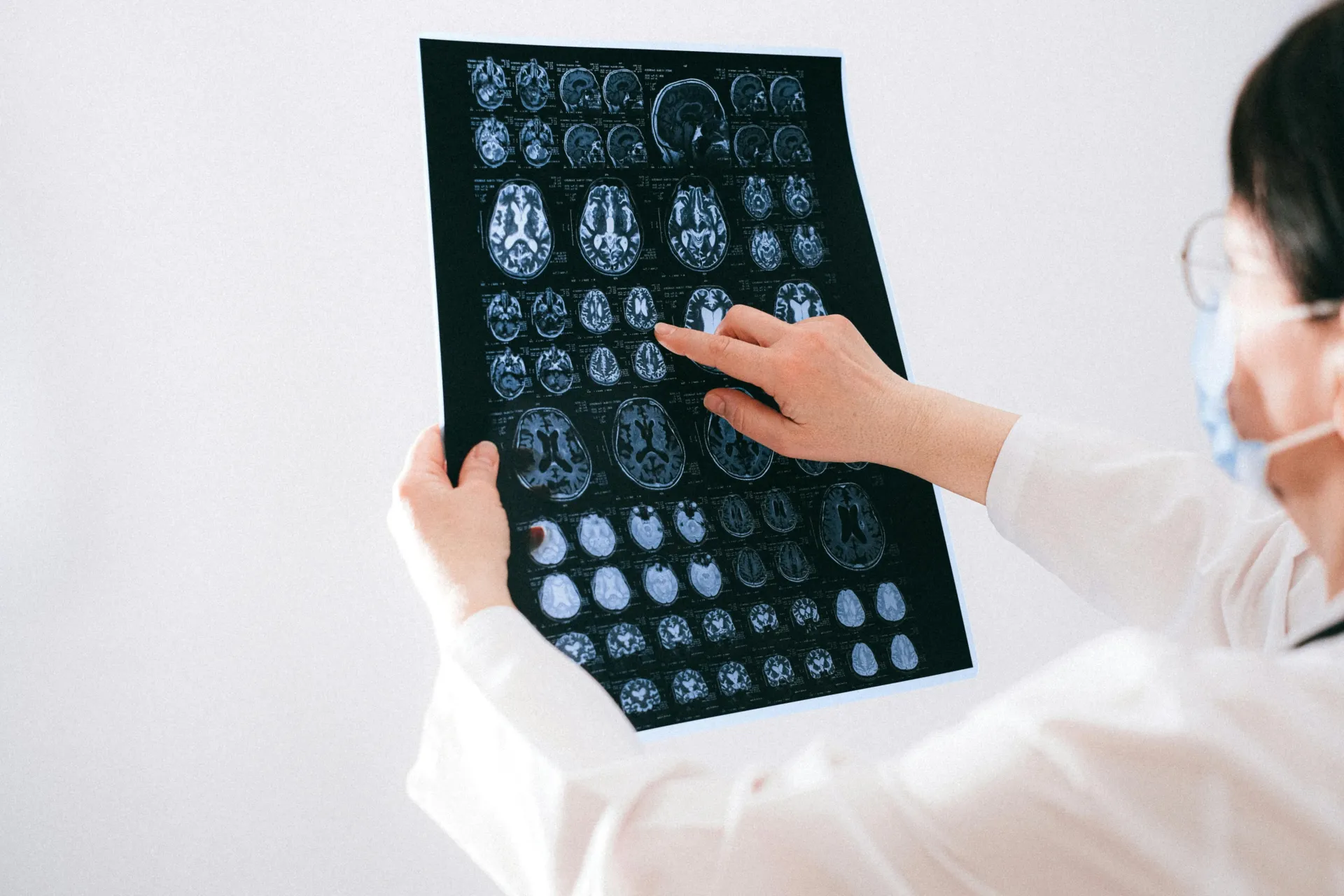
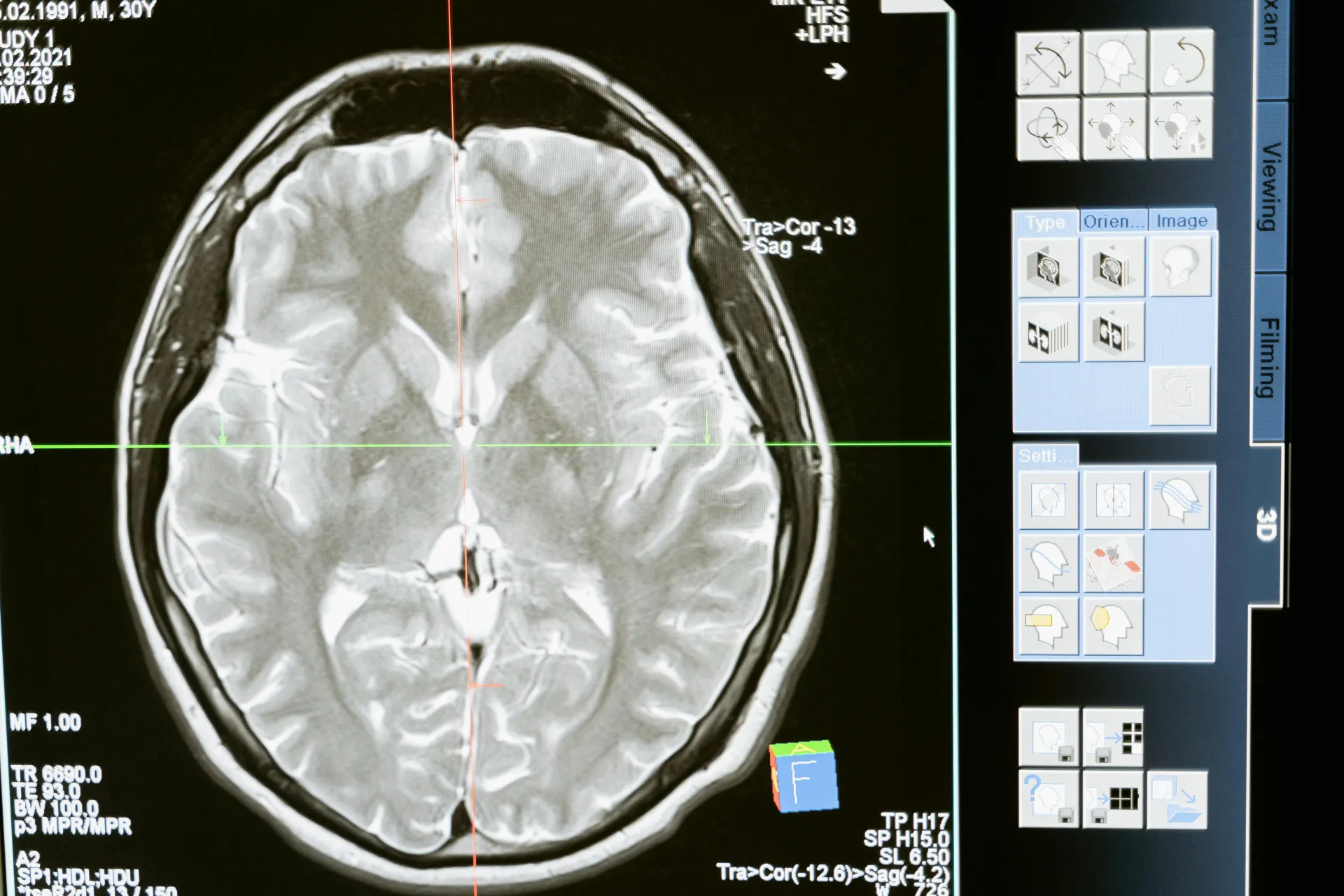
A neurological cognitive assessment includes standardised screening tools such as the Montreal Cognitive Assessment (MoCA) and Mini-Mental State Examination (MMSE), blood tests to exclude reversible causes of cognitive decline (thyroid dysfunction, vitamin B12 deficiency, infections, metabolic disorders), and brain MRI to evaluate for structural changes including hippocampal atrophy, white matter disease, or evidence of prior strokes. At DCDC, cognitive assessments are conducted within the neurology consultation, and brain MRI can be arranged on-site for same-day or next-day imaging.
If you or a family member are concerned about memory changes, structured assessment provides clarity and a path forward. Read our detailed guide to cognitive assessment in Dubai for more information on what the evaluation involves and how to prepare.
Worried About Neurological Symptoms?
Book a neurology consultation at DCDC from AED 500. Same-day appointments available with board-certified neurologists in Dubai Healthcare City.
Call +971 56 403 3528 or WhatsApp us
Seizures and Epilepsy: Recognising the Signs
A seizure is caused by abnormal electrical activity in the brain and can present in many different ways — not just the dramatic full-body convulsions most people associate with the condition. Recognising the different types of seizures is important because some are subtle enough to go undiagnosed for years.
Types of Seizures
Generalised tonic-clonic seizures (formerly called grand mal) involve loss of consciousness, stiffening of the body, and rhythmic jerking of the limbs. These are the most recognisable seizure type and almost always prompt medical attention. Focal (partial) seizures originate in one area of the brain and may cause unusual sensations (strange smells, deja vu, tingling), involuntary movements of one limb or side of the face, or altered awareness without full loss of consciousness. Absence seizures cause brief episodes of staring and unresponsiveness lasting 5-30 seconds, often mistaken for daydreaming — they are most common in children but can occur in adults.
First Seizure Protocol
A first seizure always requires neurological evaluation, even if you feel completely normal afterwards. The evaluation includes a detailed history (ideally with a witness account), neurological examination, blood tests to exclude metabolic causes, brain MRI to look for structural abnormalities, and EEG (electroencephalogram) to assess brain electrical activity. Approximately 50% of patients who have a single unprovoked seizure will have another within five years, and the risk is higher if the MRI or EEG shows abnormalities. A neurologist can assess your individual risk and determine whether anti-epileptic medication is appropriate.
When to Call Emergency Services
Call emergency services immediately if: a seizure lasts longer than five minutes; a second seizure follows quickly without recovery between episodes; the person does not regain consciousness after the seizure stops; the seizure occurs in water; the person is injured during the seizure; it is a first-ever seizure; or the person has difficulty breathing after the seizure. Status epilepticus — a seizure lasting more than five minutes or multiple seizures without recovery — is a medical emergency requiring immediate hospital treatment.
Stroke Warning Signs: When Every Minute Counts
Stroke is the second leading cause of death worldwide and the leading cause of acquired disability in adults. In Dubai, the combination of high rates of hypertension, diabetes, obesity, and a sedentary lifestyle among certain population groups creates a significant stroke burden. Recognising stroke symptoms and acting immediately can be the difference between full recovery and permanent disability — or death.
The FAST Method for Stroke Recognition
The FAST acronym is the most widely taught method for recognising stroke and remembering what to do. F — Face: Ask the person to smile. Does one side of the face droop? A — Arms: Ask the person to raise both arms. Does one arm drift downward? S — Speech: Ask the person to repeat a simple sentence. Is their speech slurred or strange? T — Time: If you observe any of these signs, call emergency services immediately. Every minute of delay reduces the chance of a good outcome. Modern stroke treatment with clot-dissolving medication (thrombolysis) must be administered within 4.5 hours of symptom onset, and mechanical clot retrieval (thrombectomy) is most effective within 6-24 hours.
Stroke Risk Factors in Dubai's Population
Several stroke risk factors are particularly prevalent in Dubai and the wider UAE population. Hypertension affects an estimated 28% of the UAE adult population, and many cases are undiagnosed or inadequately controlled. Type 2 diabetes prevalence in the UAE is among the highest globally at approximately 16%, and diabetes doubles the risk of stroke. High cholesterol, obesity, smoking, and a sedentary lifestyle further compound the risk. Additionally, atrial fibrillation — an irregular heart rhythm that increases stroke risk fivefold — is underdiagnosed in the region. A neurologist works alongside cardiologists and internal medicine physicians to manage these overlapping risk factors comprehensively.
Transient Ischaemic Attack (TIA): The Warning Stroke
A transient ischaemic attack produces the same symptoms as a stroke — sudden weakness, numbness, vision loss, speech difficulty, or confusion — but symptoms resolve within minutes to hours, typically within 24 hours. A TIA is not a minor event: it is a warning that a full stroke may follow. Studies show that approximately 10-15% of TIA patients will have a stroke within 90 days, with the highest risk in the first 48 hours. Anyone experiencing TIA symptoms should seek emergency evaluation and subsequent neurology follow-up for comprehensive stroke prevention. For a complete breakdown of warning signs, read our stroke warning signs guide.
What to Expect at Your DCDC Neurology Consultation
Knowing what to expect at a neurology consultation can reduce anxiety and help you prepare. At DCDC, the process is designed to be efficient, thorough, and patient-centred, with most patients receiving a preliminary assessment and management plan within a single visit.
Arrival and Registration
DCDC is located in Building 64, Block A, Al Razi Medical Complex, Dubai Healthcare City. The clinic offers free parking for patients, and the average wait time is approximately 15 minutes from your scheduled appointment time. Bring your Emirates ID, insurance card (if applicable), any previous medical records, imaging CDs or reports, and a list of your current medications. If your symptoms are episodic (such as seizures or dizziness episodes), it is helpful to keep a diary of events including timing, duration, triggers, and any video recordings.
The Neurological Examination
Your consultation will last 30-45 minutes and includes a comprehensive neurological examination. The neurologist will take a detailed history of your symptoms, followed by systematic examination of mental status, cranial nerves (vision, eye movements, facial sensation and movement, hearing, swallowing), motor function (strength, muscle tone, bulk), sensory function (touch, pain, temperature, vibration, position sense), reflexes, coordination, and gait. This clinical examination is the cornerstone of neurological diagnosis — an experienced neurologist can often localise the problem within the nervous system before any imaging is performed.
Diagnostic Imaging and Tests
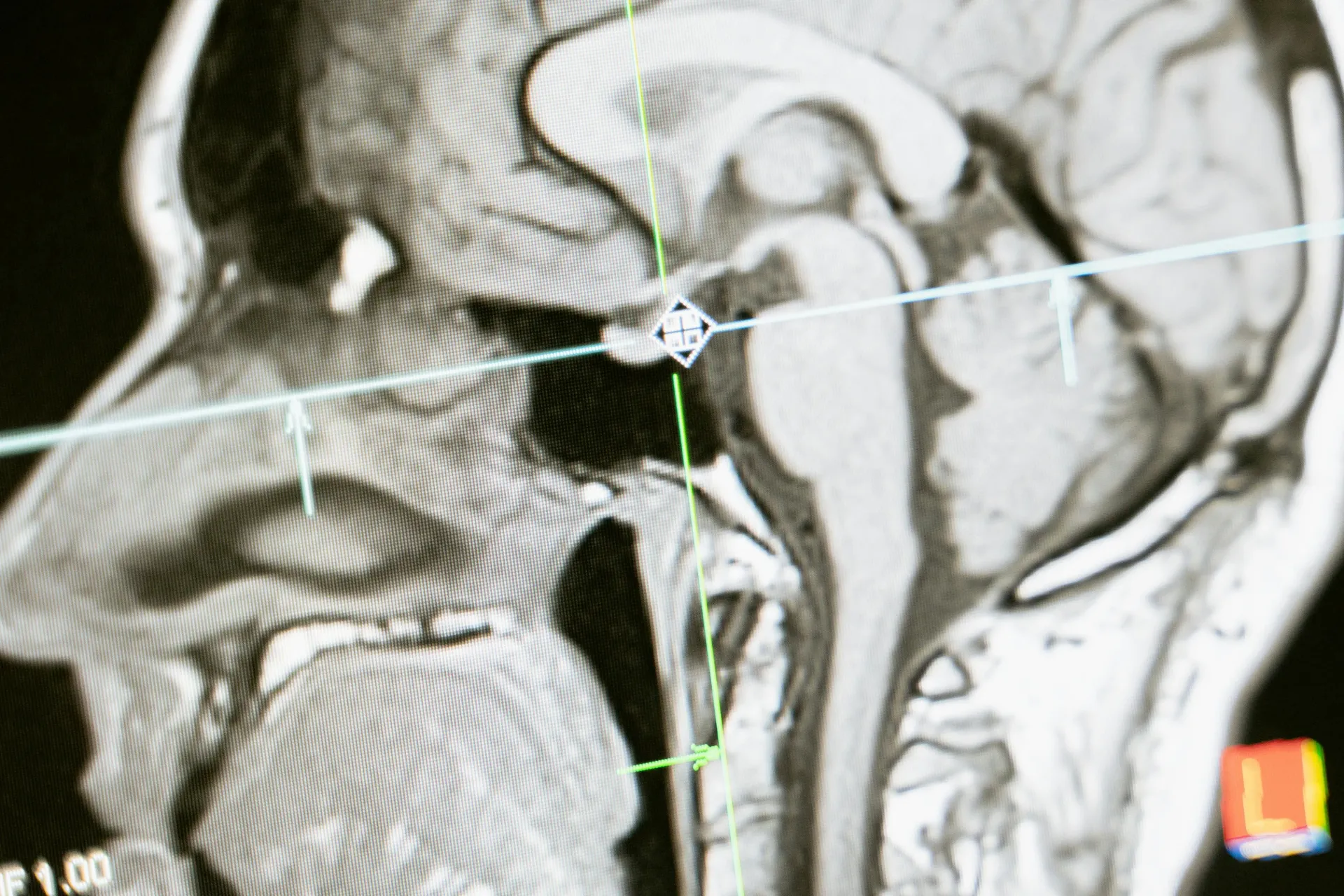
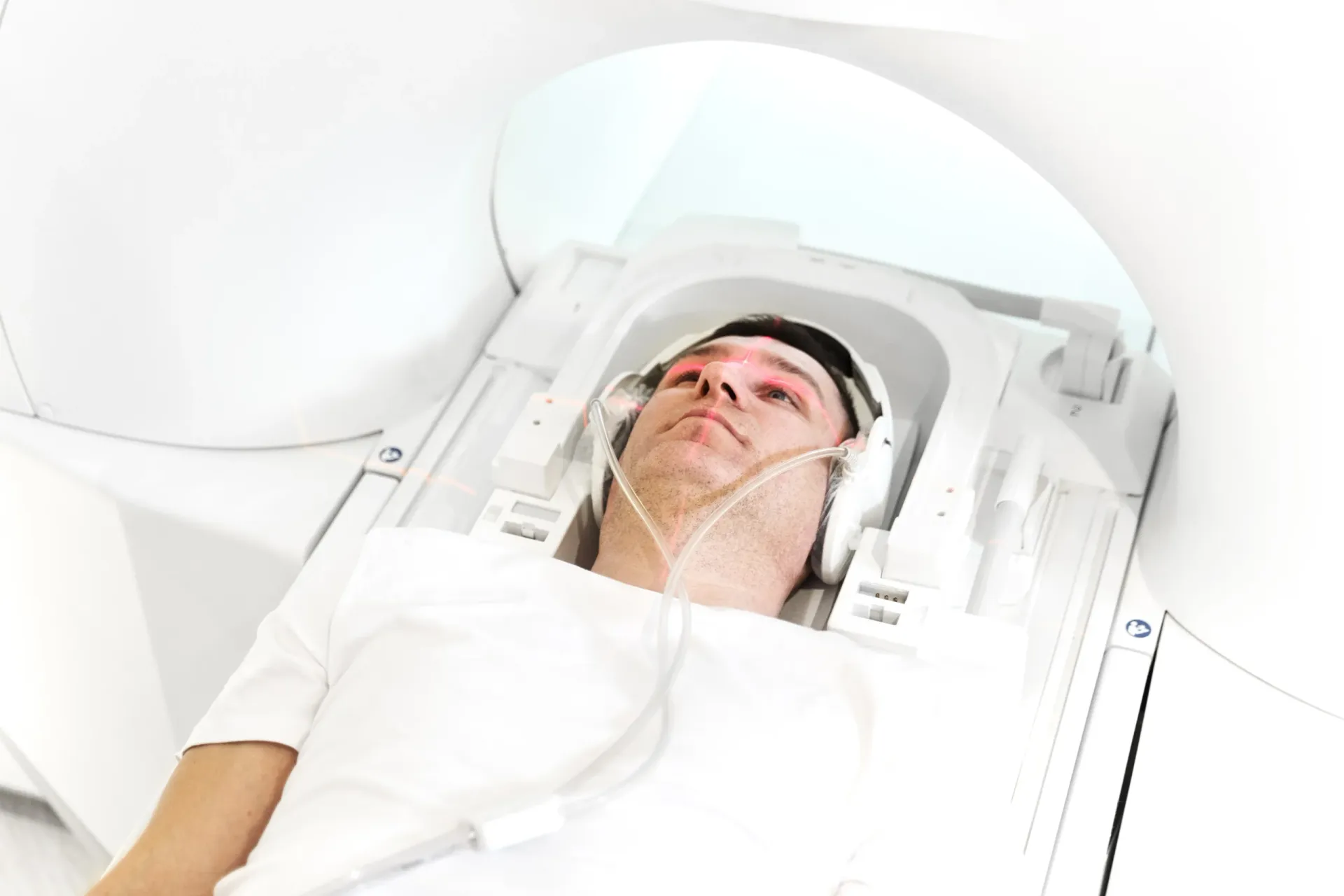
DCDC offers on-site MRI and CT scan coordination for same-day imaging when clinically indicated. Brain MRIs are performed on a Siemens 1.5T wide-bore scanner and are read by subspecialty neuroradiologists — not general radiologists — ensuring that subtle neurological findings are not missed. Blood tests are available on-site through DCDC's laboratory, allowing metabolic, thyroid, vitamin, and inflammatory markers to be checked during the same visit. Nerve conduction studies and EEG can be coordinated through DCDC's specialist network when indicated.
Results and Follow-Up
You will receive an initial assessment and management recommendations during your consultation. Imaging results from MRI and CT scans are typically available within 18-24 hours, and the neurologist will contact you with findings and any treatment adjustments. DCDC accepts direct billing with 20+ insurance providers including Daman, AXA, and Bupa. With a 4.8/5 Google rating from over 1,000 verified patient reviews and a 98% patient satisfaction rate, DCDC's neurology service is designed to provide clear answers, not more uncertainty.
Neurology Consultation Cost in Dubai
Understanding the cost of a neurology consultation helps you plan your visit and compare options across different facility types. The following table provides a comparison of typical neurology consultation costs across Dubai.
| Provider Type | Consultation Cost (AED) | What's Included |
|---|---|---|
| Government Hospital | 200–400 | Basic neurological examination, referral for imaging if needed |
| Private Clinic | 400–800 | Full neurological examination, diagnosis, and treatment plan |
| DCDC (Dubai Healthcare City) | From 500 | Comprehensive neurological exam, same-day imaging coordination, insurance direct billing |
| Specialist Centre | 800–1,500 | Subspecialty evaluation (e.g., epilepsy centre, movement disorder specialist) |
Insurance Coverage for Neurology
Most comprehensive health insurance plans in Dubai cover neurology consultations, typically with a co-pay of AED 0-50 for in-network providers. Insurance patients usually require a GP referral to see a specialist — DCDC's on-site GP team can provide same-day referrals when needed. DCDC offers direct billing with over 20 insurance providers, meaning you do not need to pay upfront and claim reimbursement. Self-pay patients receive transparent pricing before any investigations are ordered, with no hidden fees. Additional diagnostic tests such as brain MRI (from AED 2,000), CT scan (from AED 1,200), and blood panels (from AED 300) carry separate fees.
For a complete breakdown of neurology pricing including follow-up visits, imaging, and diagnostic tests, see our detailed neurologist cost guide which covers every fee component and insurance tip.
How DCDC Neurologists Diagnose Your Condition
Accurate neurological diagnosis relies on a combination of clinical expertise and advanced diagnostic technology. At DCDC, the diagnostic pathway is designed to provide answers as quickly as possible, often within a single visit or within 24-48 hours when imaging is required.
Clinical Neurological Examination
The bedside neurological examination remains the most powerful diagnostic tool in neurology. Before any scan is ordered, the neurologist systematically evaluates higher mental function, cranial nerve integrity, motor and sensory systems, reflexes, cerebellar function, and gait. This examination can often localise a lesion to a specific part of the nervous system — brain, brainstem, spinal cord, nerve root, peripheral nerve, neuromuscular junction, or muscle — which then guides targeted investigation rather than blanket testing.
Advanced Neuroimaging
DCDC's on-site Siemens 1.5T wide-bore MRI scanner provides high-resolution brain and spine imaging essential for diagnosing stroke, multiple sclerosis, brain tumours, disc herniation, and structural abnormalities. The wide-bore design accommodates patients who experience claustrophobia or have a larger body habitus — a significant advantage over older narrow-bore systems. CT scanning is available for urgent assessments including acute stroke evaluation and head injury. Critically, all brain MRIs at DCDC are read by subspecialty neuroradiologists, not general radiologists. Neuroradiologists undergo additional fellowship training specifically in brain and spine imaging, enabling them to detect subtle findings that may be missed on general radiology reads.
Electrophysiology and Additional Studies
For conditions affecting peripheral nerves and muscles, nerve conduction studies (NCS) and electromyography (EMG) measure the speed and strength of electrical signals in nerves and muscles. These tests are essential for diagnosing carpal tunnel syndrome, peripheral neuropathy, radiculopathy, and neuromuscular conditions. EEG (electroencephalogram) records brain electrical activity and is a key investigation for epilepsy diagnosis, helping to classify seizure type and guide treatment selection. DCDC coordinates these specialised studies through its consultant network, with results reviewed within the neurology team.
Dr. Riad Trabulsi's Approach to Neurological Care
According to Dr. Riad Trabulsi, many patients delay seeking neurological care because they dismiss symptoms as stress or ageing. "Early evaluation is critical — conditions like stroke, epilepsy, and multiple sclerosis respond significantly better to treatment when caught early. At DCDC, we aim to provide a thorough assessment with same-day diagnostic coordination so patients leave with clear answers, not more uncertainty."
Dr. Trabulsi emphasises a patient-centred approach that prioritises clear communication and efficient diagnosis. Rather than ordering blanket investigations, he uses the clinical examination to guide targeted testing, reducing unnecessary costs and delays. For chronic neurological conditions such as migraine, epilepsy, and neuropathy, he builds long-term management relationships, adjusting treatment plans as conditions evolve and ensuring patients are active participants in their care decisions.
His approach reflects DCDC's broader philosophy of integrated care — with on-site MRI, CT, laboratory, and multi-specialty coordination, patients benefit from a streamlined diagnostic pathway rather than being referred between multiple external facilities. This is particularly valuable for neurological conditions where timely diagnosis can significantly change outcomes.
Don't Ignore Neurological Warning Signs
DCDC's board-certified neurologists are available for same-day consultations. With on-site MRI, CT, and direct insurance billing, you can get answers quickly at our MOHAP-licensed facility in Dubai Healthcare City.
Call +971 56 403 3528 or WhatsApp to book
Связанные услуги в DCDC
Квалифицированная помощь и современная диагностика в Dubai Healthcare City
Frequently Asked Questions
Final Thoughts
Neurological symptoms are among the most common reasons patients seek medical care, yet many people wait far too long before seeing a specialist. Persistent headaches, numbness, dizziness, memory changes, seizures, tremors, and unexplained weakness are not symptoms to dismiss as stress or ageing — they are your nervous system signalling that something needs investigation. Early neurological evaluation not only provides peace of mind when symptoms are benign, but can be life-saving when they indicate conditions like stroke, epilepsy, or brain tumours that respond best to prompt treatment.
At DCDC in Dubai Healthcare City, you can access board-certified neurologists with same-day appointment availability, on-site MRI and CT for rapid diagnosis, direct insurance billing with 20+ providers, and a comprehensive neurological assessment starting from AED 500. Whether you need reassurance about a worrying symptom or a thorough diagnostic workup for a complex neurological condition, DCDC's neurology team is ready to help. Call +971 56 403 3528 or WhatsApp to book your consultation today.
Источники и ссылки
Эта статья проверена нашей медицинской командой и ссылается на следующие источники:
- World Health Organization (WHO) — Neurological Disorders: Public Health Challenges
- Mayo Clinic — When to See a Neurologist
- NHS — Neurological Conditions Overview
- Cleveland Clinic — 6 Signs It's Time to See a Neurologist
- American Academy of Neurology (AAN) — Patient and Caregiver Resources
Медицинский контент на этом сайте проверяется врачами, лицензированными DHA. См. нашу редакционную политику для получения дополнительной информации.

Автор
Dr. Riad Trabulsi
Neurologist
MD, Neurology
Dr. Riad Trabulsi is a Neurologist at Doctors Clinic Diagnostic Center (DCDC) in Dubai Healthcare City.
Related Articles

Migraine Treatment Dubai: Relief & Prevention
Stroke Warning Signs Dubai: FAST Guide
Neuropathy Treatment Dubai: Nerve Pain Guide
Brain MRI Dubai: What It Detects & Cost
Vertigo Treatment Dubai: Causes & Diagnosis
More in Neurology
Migraine vs Headache Dubai: Key Differences (2026)
Читать далееNeurologist Cost Dubai: From AED 500 (2026)
Читать далее
Best Neurologist in Dubai: Dr. Heike Jacobs at DCDC (2026)
Читать далееGerman Neurologist in Dubai: Dr. Heike Jacobs at DCDC (2026)
Читать далееMigraine Specialist in Dubai: Expert Treatment at DCDC Healthcare City (2026)
Читать далееNeurologist in Dubai Healthcare City: Dr. Heike Jacobs at DCDC (2026)
Читать далее© 2026 Doctors Clinic Diagnostic Center (DCDC), Dubai Healthcare City. Originally published at https://doctorsclinicdubai.ae/blog/when-to-see-neurologist-dubai. All rights reserved. Unauthorized reproduction is prohibited.