Ключевые выводы
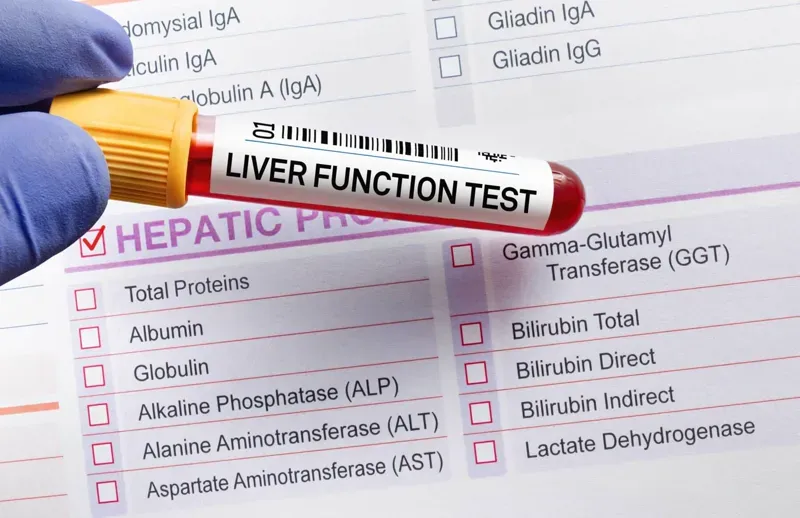
- A liver function test (LFT) measures ALT, AST, ALP, GGT, bilirubin (total and direct), albumin, and total protein — these seven markers together provide a comprehensive picture of liver health, detecting damage, inflammation, and synthetic function
- Liver function testing in Dubai costs from AED 100 for a basic panel (ALT, AST, bilirubin), with comprehensive liver panels including all seven markers available from AED 200 — DCDC offers DHA-regulated pricing at Dubai Healthcare City
- Fasting for 8-12 hours is recommended before an LFT for the most accurate results, particularly for bilirubin and albumin levels — water is always permitted during the fasting period
- Non-alcoholic fatty liver disease (NAFLD) affects approximately 25% of adults in the UAE due to high rates of metabolic syndrome, obesity, and diabetes — most cases are diagnosed incidentally through elevated liver enzymes on routine blood work
- The WHO estimates 2 million deaths annually from liver disease globally, yet early-stage liver conditions are often reversible when detected through routine LFT screening before irreversible damage occurs
- Results at DCDC are typically available same day or within 24 hours, with walk-in appointments available and no referral required for self-pay patients — the American Liver Foundation recommends LFT as part of annual checkups for adults aged 35 and over
Your liver performs over 500 essential functions — from filtering toxins and producing bile to regulating blood sugar and synthesising critical proteins. Yet liver disease is often called the "silent epidemic" because it causes no symptoms until significant damage has occurred. A liver function test (LFT) is a simple blood test that measures key enzymes and proteins to detect liver damage, inflammation, or disease at its earliest and most treatable stage. Whether you are concerned about fatty liver, monitoring medication effects, or simply investing in preventive health, our blood testing services at DCDC offer liver function testing from AED 100 with same-day results in Dubai Healthcare City.
This guide covers everything you need to know about liver function testing in Dubai: what each marker means, normal ranges, how to prepare, costs across different panels, when you should get tested, how to interpret abnormal results, and where to go. Whether this is your first LFT or you are tracking a known condition, this is a comprehensive, medically reviewed resource. Reviewed by Dr. Hadeel Elnur, General Practitioner at DCDC Dubai Healthcare City.
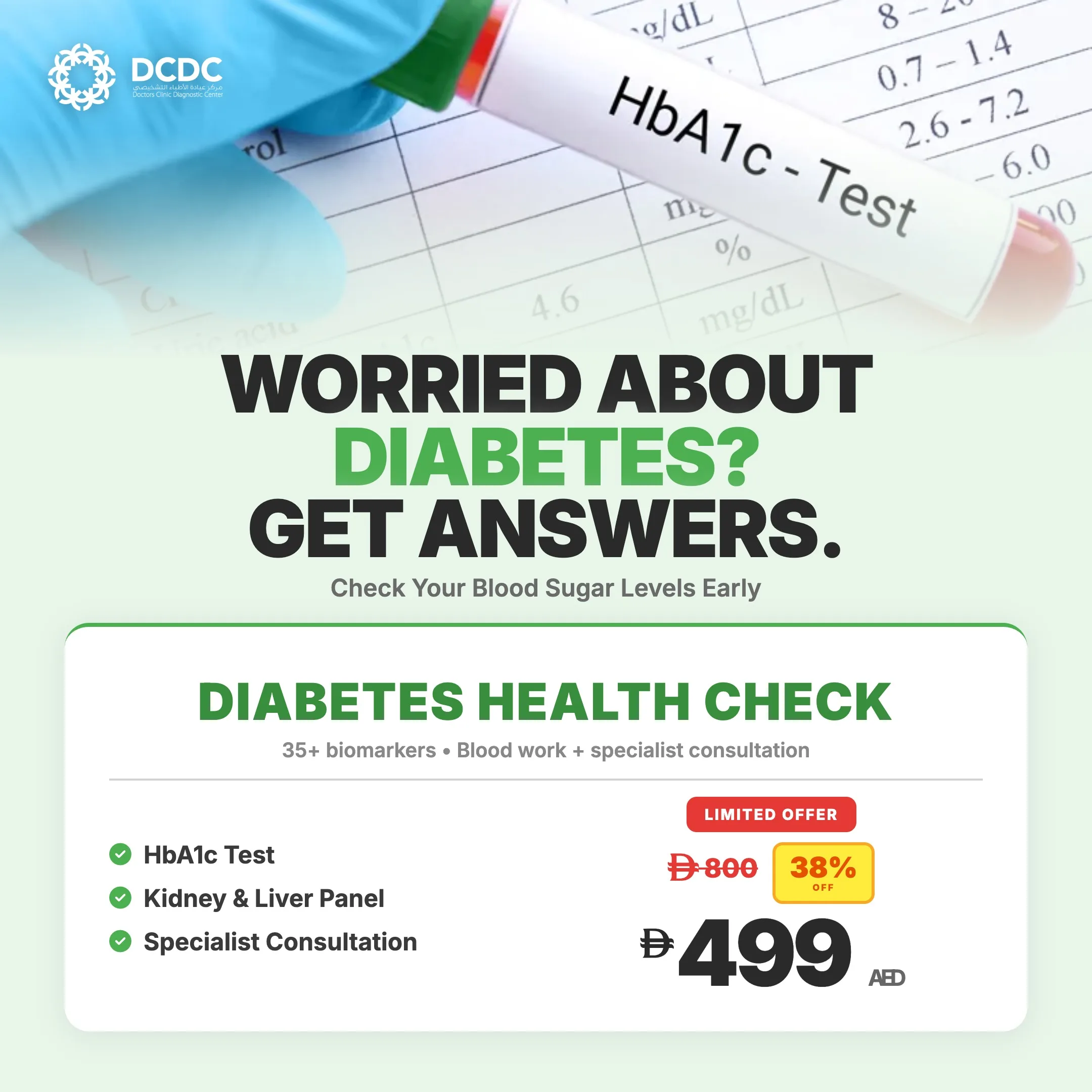
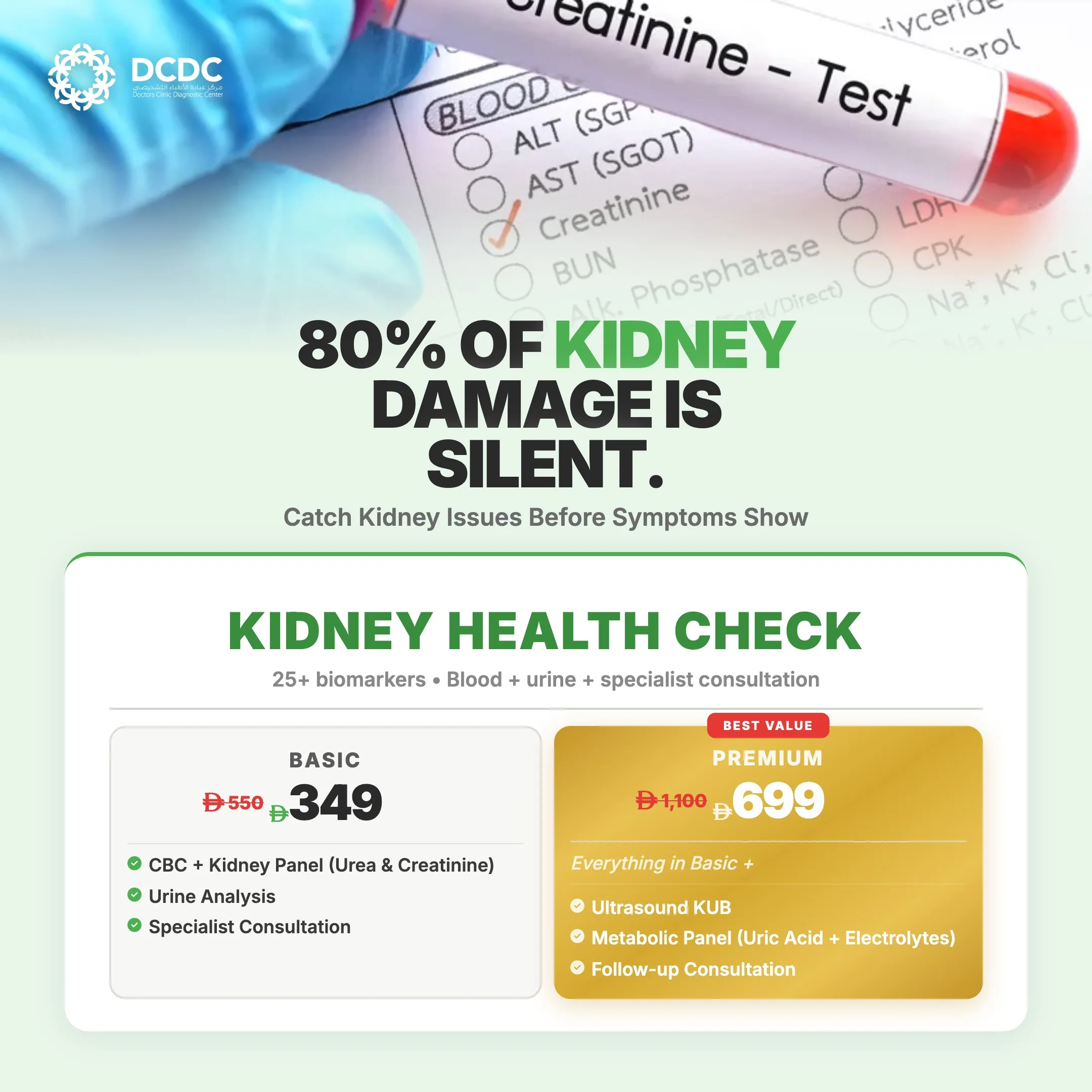
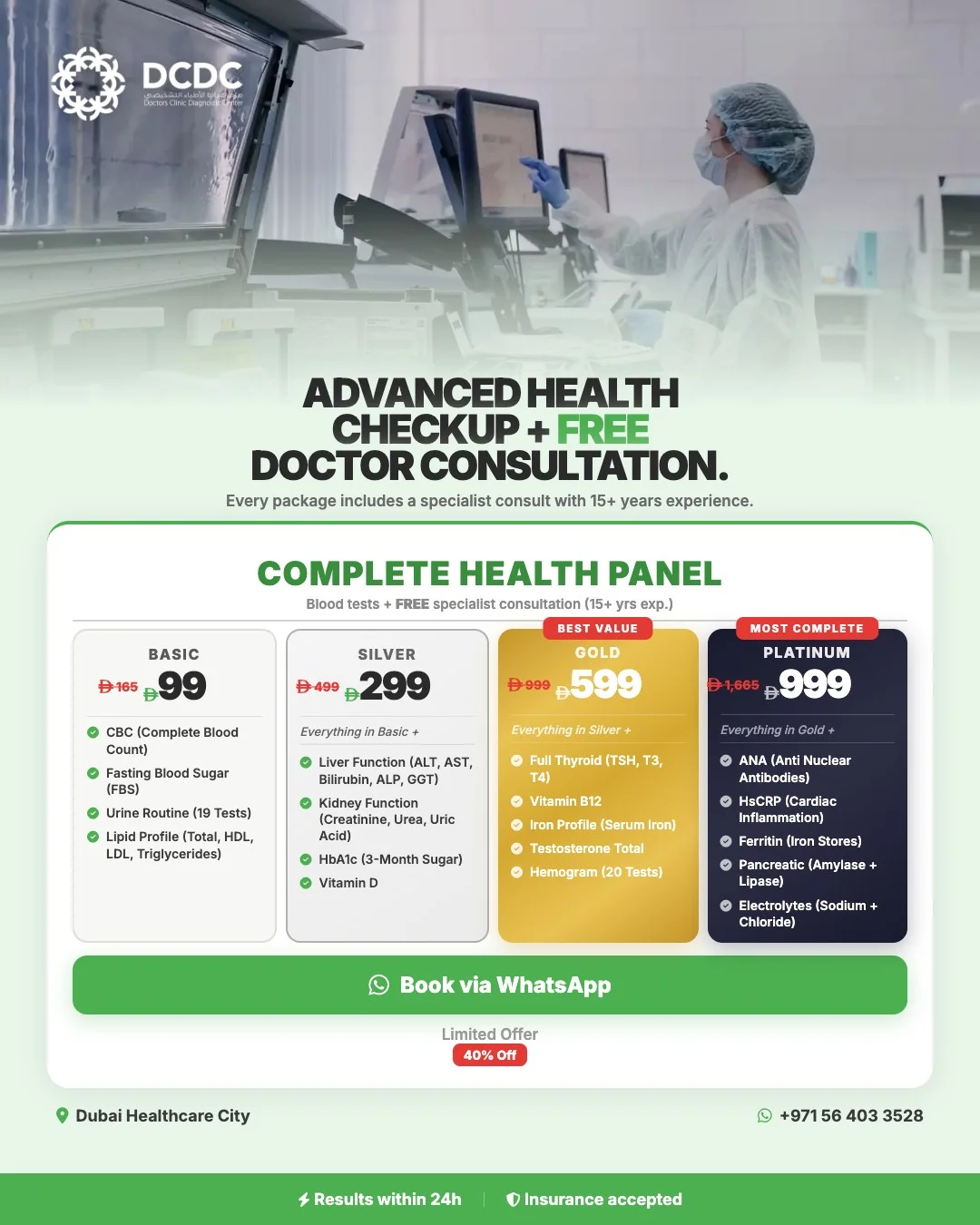
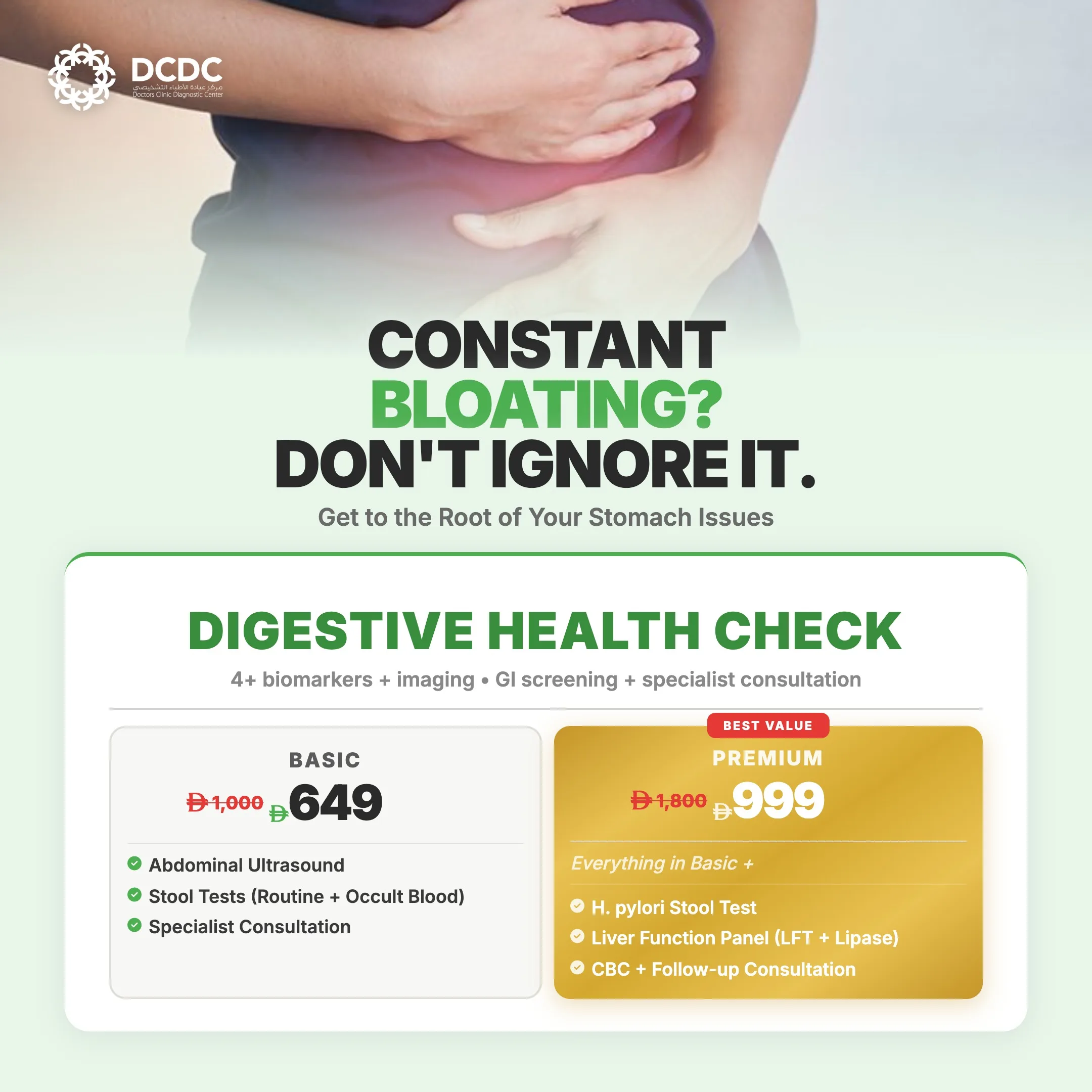
Health Screening Packages
Save with our bundled screening packages — specialist consultation included


What Is a Liver Function Test (LFT)?
A liver function test — also known as an LFT, liver panel, or hepatic function panel — is a group of blood tests that evaluate how well your liver is working and whether it has sustained damage. Despite the name, an LFT does not measure liver "function" directly in most cases. Rather, it measures enzymes that leak out of damaged liver cells, proteins that the liver produces, and waste products that the liver processes. Together, these markers paint a detailed picture of liver health.
The liver is the largest internal organ in the body, weighing approximately 1.5 kilograms in adults. It processes everything you eat, drink, breathe, or absorb through your skin. It produces bile to digest fats, stores glycogen for energy, manufactures blood-clotting factors, metabolises medications, and detoxifies harmful substances. Because it is involved in so many processes, liver disease can affect virtually every system in the body — and because the liver has enormous regenerative capacity, it can sustain significant damage before symptoms appear.
An LFT requires only a small blood sample drawn from a vein in your arm. The procedure takes less than five minutes, and results are typically available the same day. It is one of the most commonly ordered blood tests in clinical practice and is included in most comprehensive health checkup packages. At DCDC in Dubai Healthcare City, LFT testing is available as a walk-in service with no appointment required.
Why You Need a Liver Function Test in Dubai
Dubai's population faces several unique risk factors for liver disease. The UAE has among the highest rates of metabolic syndrome in the world, driven by a combination of sedentary lifestyle, high-calorie diets, obesity, and type 2 diabetes. These metabolic conditions are directly linked to non-alcoholic fatty liver disease (NAFLD), which now affects approximately 25% of the adult population in the region — a figure that has risen sharply over the past two decades alongside increasing urbanisation and lifestyle changes.
Beyond NAFLD, Dubai's multicultural population includes individuals from regions with high hepatitis B and C prevalence, making viral hepatitis screening particularly relevant. The widespread use of medications — from painkillers and antibiotics to supplements and herbal remedies — also puts the liver at risk, as virtually all drugs are metabolised through the liver. Even commonly used medications such as paracetamol (acetaminophen) can cause liver damage at high doses or with prolonged use.
The World Health Organization estimates that liver disease causes approximately 2 million deaths globally each year — roughly 1 million from complications of cirrhosis and 1 million from viral hepatitis and hepatocellular carcinoma. What makes this statistic particularly tragic is that most liver disease is preventable or treatable when detected early. An LFT costing as little as AED 100 can identify liver inflammation or damage years before irreversible cirrhosis develops, giving patients and doctors time to intervene effectively.
For residents and visitors in Dubai, regular liver function testing is especially important if you have any metabolic risk factors, take regular medications, have a family history of liver disease, or have not been screened for hepatitis. The DHA (Dubai Health Authority) includes liver function markers in its recommended preventive health guidelines, and the American Liver Foundation recommends LFT testing as part of routine annual checkups for all adults aged 35 and older.
What Does an LFT Measure? Understanding Each Marker
A comprehensive liver function test measures seven key markers. Each one tells a different part of the story — some indicate liver cell damage, others reflect the liver's ability to produce proteins, and others show how well the liver processes waste products. Here is what each marker means:
ALT (Alanine Aminotransferase)
ALT is an enzyme found primarily inside liver cells (hepatocytes). When liver cells are damaged or inflamed, ALT leaks into the bloodstream, causing levels to rise. ALT is considered the most liver-specific enzyme because it is found in very high concentrations in the liver and only small amounts elsewhere. Elevated ALT is often the first sign of liver problems and is the single most important screening marker for liver disease. Common causes of elevated ALT include fatty liver disease, hepatitis, medication-related liver injury, and excessive alcohol intake.
AST (Aspartate Aminotransferase)
AST is another enzyme released when liver cells are damaged. However, unlike ALT, AST is also found in significant amounts in the heart, muscles, kidneys, and brain. This means elevated AST is less specific to the liver — it can rise after a heart attack, intense exercise, or muscle injury. Doctors often look at the ratio of AST to ALT (the De Ritis ratio) to help determine the cause: an AST/ALT ratio greater than 2 suggests alcohol-related liver disease, while a ratio less than 1 is more typical of NAFLD or viral hepatitis.
ALP (Alkaline Phosphatase)
ALP is an enzyme found in the liver, bile ducts, and bones. Elevated ALP typically indicates a problem with bile flow (cholestasis) rather than direct liver cell damage. Conditions that raise ALP include bile duct obstruction, gallstones blocking the bile duct, certain liver cancers, and bone disorders. ALP is also naturally elevated during pregnancy and in growing children. When ALP is elevated, doctors usually order GGT alongside it to determine whether the elevation is coming from the liver or bones.
GGT (Gamma-Glutamyl Transferase)
GGT is an enzyme found primarily in the liver and bile ducts. It is particularly sensitive to alcohol use and bile duct problems. GGT is often used as a confirmatory test: if ALP is elevated and GGT is also elevated, the source is likely the liver or bile ducts rather than bones. GGT is also a sensitive marker for alcohol consumption — even moderate drinking can elevate GGT levels. Additionally, certain medications, obesity, and metabolic syndrome can raise GGT independently.
Bilirubin (Total and Direct)
Bilirubin is a yellow pigment produced when the body breaks down old red blood cells. The liver processes bilirubin, conjugates it (makes it water-soluble), and excretes it into bile. Elevated bilirubin causes jaundice — yellowing of the skin and eyes. Total bilirubin measures all bilirubin in the blood, while direct (conjugated) bilirubin measures only the portion already processed by the liver. High indirect bilirubin suggests excessive red blood cell breakdown or impaired liver uptake, while high direct bilirubin points to bile duct obstruction or liver excretion problems.
Albumin
Albumin is the most abundant protein in the blood, produced exclusively by the liver. It maintains blood volume, transports hormones and medications, and contributes to fluid balance. Because albumin has a half-life of approximately 20 days, low albumin indicates chronic liver dysfunction rather than acute damage — the liver has been underperforming for weeks. Low albumin is seen in cirrhosis, chronic hepatitis, severe malnutrition, and kidney disease (where albumin leaks out). It is one of the most important markers for assessing the liver's synthetic (manufacturing) capacity.
Total Protein
Total protein measures albumin plus globulins (immune proteins) combined. Low total protein can indicate chronic liver disease or malnutrition, while high total protein may suggest chronic inflammation, infection, or certain blood cancers. When combined with albumin, total protein helps doctors calculate the albumin-to-globulin ratio, which provides additional diagnostic information about liver function and immune status.
If you want a broader understanding of how LFTs fit into overall blood work, our complete blood test guide for Dubai covers all the major panels, including when to combine liver tests with other markers for a comprehensive health picture.
Liver Function Test Normal Ranges Explained
Understanding your LFT results requires knowing the normal reference ranges. Keep in mind that "normal" ranges can vary slightly between laboratories due to different testing methods and equipment. The ranges below are standard values used by most accredited labs in Dubai, aligned with international clinical guidelines:
| Marker | Normal Range | What Elevation Suggests |
|---|---|---|
| ALT (Alanine Aminotransferase) | 7 – 56 U/L | Liver cell damage, hepatitis, fatty liver, medication injury |
| AST (Aspartate Aminotransferase) | 10 – 40 U/L | Liver damage, heart/muscle damage, alcohol-related injury |
| ALP (Alkaline Phosphatase) | 44 – 147 U/L | Bile duct obstruction, bone disease, liver tumours |
| GGT (Gamma-Glutamyl Transferase) | 9 – 48 U/L (men), 9 – 32 U/L (women) | Alcohol use, bile duct disease, metabolic syndrome |
| Bilirubin (Total) | 0.1 – 1.2 mg/dL | Jaundice, bile duct blockage, haemolysis, liver failure |
| Bilirubin (Direct) | 0.0 – 0.3 mg/dL | Bile duct obstruction, cholestasis, hepatitis |
| Albumin | 3.5 – 5.0 g/dL | Low: chronic liver disease, cirrhosis, malnutrition |
| Total Protein | 6.0 – 8.3 g/dL | Low: liver disease. High: chronic inflammation, infection |
Standard liver function test reference ranges. Values may vary slightly between laboratories. Always interpret results in consultation with your doctor.
It is important to note that results within the "normal" range do not always guarantee a healthy liver, and mildly abnormal results do not always indicate disease. Context matters enormously. For example, ALT can be mildly elevated (up to 2x normal) after intense exercise or from obesity alone. Conversely, patients with advanced cirrhosis sometimes have near-normal ALT because so few functional liver cells remain. Your doctor interprets results in the context of your symptoms, medical history, medications, and other test results.
LFT Cost in Dubai: Complete Pricing Guide
Liver function testing in Dubai is affordable and widely available. Costs vary depending on how many markers are included and whether additional tests (like hepatitis screening or imaging) are bundled with the panel. Below is a comprehensive pricing guide for LFT-related tests at DCDC Dubai Healthcare City:
| Test / Package | What's Included | Price (AED) |
|---|---|---|
| Basic LFT | ALT, AST, Bilirubin (total) | from AED 100 |
| Comprehensive Liver Panel | ALT, AST, ALP, GGT, Bilirubin (total + direct), Albumin, Total Protein | from AED 200 |
| Liver + Hepatitis Screening | Full LFT + Hepatitis B (HBsAg, Anti-HBs) + Hepatitis C (Anti-HCV) | from AED 350 |
| Executive Panel (Liver + Kidney + Lipid) | Full LFT + KFT (Creatinine, BUN, eGFR) + Lipid Panel (Cholesterol, LDL, HDL, TG) | from AED 500 |
| Complete Liver Health Package | Full LFT + Hepatitis B & C + Abdominal Ultrasound (liver, gallbladder, bile ducts) | from AED 600 |
Liver function test pricing at DCDC Dubai Healthcare City (2026). Prices are DHA-regulated. Insurance accepted for referred tests.
These prices compare favourably to other facilities in Dubai, where standalone LFT panels typically range from AED 150-400 at hospital-based laboratories. DCDC's in-house DHA-certified laboratory allows faster processing and lower overheads, which translates to competitive pricing. For self-pay patients, no referral is required. Insurance patients should note that most major Dubai health plans cover liver function testing when ordered by a physician. For a broader comparison of diagnostic costs, see our guide to health checkup costs in Dubai.
Get Your Liver Function Test at DCDC
Walk-in LFT testing available at DCDC Dubai Healthcare City. From AED 100, same-day results, DHA-certified laboratory. No appointment needed for basic panels.
WhatsApp us or book online for comprehensive liver health packages
How to Prepare for Your Liver Function Test
Proper preparation ensures accurate LFT results. While some guidelines state that fasting is not strictly required for liver tests, fasting for 8-12 hours before your blood draw is recommended for the most reliable results — particularly for bilirubin and certain protein levels. Here is a complete preparation checklist:
- Fast for 8-12 hours: Avoid all food and beverages (except plain water) for 8-12 hours before your test. Schedule your test for early morning after an overnight fast for easiest compliance
- Drink water freely: Plain water is allowed and encouraged during the fasting period. Good hydration makes the blood draw easier and can slightly improve result accuracy
- Avoid alcohol for 48-72 hours: Alcohol directly affects liver enzymes, particularly GGT and AST. Even a single drink the night before can elevate your results and create a misleading picture
- Inform about medications: Many medications affect liver markers. Tell your doctor about all prescription drugs, over-the-counter medications (especially paracetamol/acetaminophen and NSAIDs), supplements, and herbal remedies you are taking
- Avoid intense exercise for 24 hours: Vigorous physical activity can temporarily raise AST and ALT levels because these enzymes are also found in muscle tissue. Light walking is fine
- Bring previous results: If you have had LFTs before, bring your previous results for comparison. Trends over time are often more meaningful than a single reading
- Wear comfortable clothing: Short sleeves or easily rolled-up sleeves allow quick access to the inner elbow area where blood is drawn
If you accidentally eat before your test, do not panic. Inform the phlebotomist and your doctor — they may still proceed with the test and interpret results with the non-fasting status in mind, or may ask you to return the following morning. At DCDC, our team will advise you on whether to proceed or reschedule based on which specific markers have been ordered.
When Should You Get a Liver Function Test?
The American Liver Foundation recommends liver function testing as part of routine annual health checkups for all adults aged 35 and older. However, many people should be tested earlier or more frequently. You should consider getting an LFT if any of the following apply:
Routine Screening (No Symptoms)
- Adults aged 35 and older — annual LFT as part of routine preventive care
- Individuals with metabolic risk factors — obesity, type 2 diabetes, high cholesterol, metabolic syndrome
- Regular medication users — particularly paracetamol, statins, NSAIDs, methotrexate, or any long-term prescription medication
- People with a family history of liver disease, hepatitis, or liver cancer
- Regular alcohol consumers — even moderate intake warrants periodic liver monitoring
- Individuals from regions with high hepatitis B or C prevalence (South Asia, Southeast Asia, Sub-Saharan Africa, Eastern Mediterranean)
- Anyone who has not had a liver test in more than 2 years
Symptom-Based Testing
- Jaundice — yellowing of the skin or whites of the eyes
- Unexplained fatigue or weakness persisting for more than 2-3 weeks
- Dark urine (tea or cola coloured) or pale/clay-coloured stools
- Pain or discomfort in the upper right abdomen (under the rib cage)
- Unexplained nausea, loss of appetite, or unintended weight loss
- Easy bruising or bleeding — may indicate impaired production of clotting factors
- Swollen abdomen (ascites) or swollen ankles (oedema)
- Itchy skin without an apparent cause — bile salt accumulation
If you have diabetes or are managing metabolic conditions, liver testing should be integrated into your overall monitoring plan. Our diabetes management guide for Dubai explains how metabolic health and liver function are closely interconnected, and why patients with diabetes have a 2-3x higher risk of developing fatty liver disease.
Understanding Abnormal LFT Results
Receiving an abnormal LFT result can be alarming, but it is important to understand that abnormal does not always mean serious disease. Mild elevations are extremely common and often have benign explanations. Here is a framework for understanding what different patterns of abnormal results may indicate:
Mildly Elevated ALT/AST (1-3x Upper Limit)
This is the most common abnormal finding and is often caused by: non-alcoholic fatty liver disease (the most frequent cause in the UAE population), obesity, medications (statins, paracetamol, NSAIDs), recent intense exercise, or mild viral illness. In many cases, repeat testing after addressing the suspected cause shows normalisation. Your doctor may recommend lifestyle modifications and repeat testing in 4-6 weeks.
Moderately Elevated ALT/AST (3-10x Upper Limit)
More significant elevation warrants investigation. Possible causes include: acute viral hepatitis (A, B, or C), autoimmune hepatitis, drug-induced liver injury (particularly from paracetamol overdose), alcohol-related hepatitis, or bile duct obstruction. Your doctor will likely order additional tests including hepatitis serology, autoimmune markers, and possibly imaging such as an abdominal ultrasound.
Severely Elevated ALT/AST (>10x Upper Limit)
Very high elevations (ALT > 500-1000 U/L) indicate significant acute liver injury and require urgent medical attention. Causes include: acute viral hepatitis, paracetamol toxicity, ischaemic hepatitis (shock liver), acute bile duct obstruction, or rare conditions like Wilson disease or Budd-Chiari syndrome. This pattern usually requires hospital admission for monitoring and treatment.
Elevated ALP and GGT (Cholestatic Pattern)
When ALP and GGT are elevated together but ALT/AST are normal or only mildly raised, this suggests a biliary (bile duct) problem rather than direct liver cell damage. Common causes include gallstones obstructing the bile duct, medication effects, primary biliary cholangitis, and biliary tumours. An abdominal ultrasound is usually the first imaging step to look for bile duct dilation or gallstones.
Low Albumin
Low albumin (below 3.5 g/dL) indicates the liver is not producing enough protein, which typically means chronic liver disease — the liver has been dysfunctional for weeks or months. This is seen in cirrhosis, chronic hepatitis, severe malnutrition, and nephrotic syndrome (where albumin leaks through the kidneys). Low albumin in the context of elevated liver enzymes is a more concerning finding than elevated enzymes alone.
Elevated Bilirubin
Elevated total bilirubin (above 1.2 mg/dL) causes visible jaundice at levels above 2.5-3.0 mg/dL. Isolated mild bilirubin elevation with normal other markers is often caused by Gilbert syndrome — a harmless genetic condition affecting 5-10% of the population. Higher bilirubin with other abnormalities suggests bile duct obstruction, hepatitis, or advanced liver disease.
Liver Function Test vs Liver Ultrasound
Patients often ask whether they need a liver function blood test, an ultrasound, or both. These are complementary tests that provide different information — one is not a substitute for the other.
A liver function test (blood test) reveals biochemical information: whether liver cells are damaged (elevated enzymes), whether the liver is producing proteins normally (albumin), and whether bile flow is impaired (bilirubin, ALP). It detects problems at the cellular level and can identify issues before any structural changes are visible on imaging. However, it cannot show the physical structure of the liver, cannot measure liver size, and cannot detect focal lesions like cysts or tumours.
A liver ultrasound provides structural information: the size and shape of the liver, the presence of fatty infiltration, cysts, tumours, cirrhotic changes, bile duct dilation, and gallstones. It can show whether the liver looks normal, fatty, or cirrhotic. However, it cannot measure enzyme levels, cannot detect early-stage inflammation, and may miss early fibrosis that has not yet caused visible structural changes.
In practice, the LFT blood test is the first-line screening tool — it is quick, cheap, and highly sensitive to early liver problems. If abnormalities are found, or if clinical suspicion warrants it, an abdominal ultrasound is typically the next step. Many patients benefit from both tests together, which is why DCDC offers combined packages (LFT + ultrasound from AED 600). For a detailed guide on what abdominal imaging reveals, read our complete guide to abdominal ultrasound.
Risk Factors for Liver Disease in Dubai
Dubai's diverse population and modern lifestyle create a unique combination of liver disease risk factors. Understanding these can help you determine whether you should be getting tested more frequently:
Non-Alcoholic Fatty Liver Disease (NAFLD)
NAFLD is by far the most common liver condition in the UAE, affecting approximately 25% of adults. It occurs when fat accumulates in the liver without significant alcohol consumption. Risk factors include obesity (BMI >30), type 2 diabetes, insulin resistance, high cholesterol, and metabolic syndrome. NAFLD is often called the hepatic manifestation of metabolic syndrome. In its early stages, it is completely reversible with lifestyle modifications — weight loss of just 7-10% can resolve fatty liver in many patients.
Medication-Induced Liver Injury
Drug-induced liver injury (DILI) accounts for approximately 10% of all cases of acute hepatitis. Common culprits include: paracetamol (acetaminophen) — the single most common cause of acute liver failure globally; certain antibiotics (amoxicillin-clavulanate, isoniazid); statins (used for high cholesterol); methotrexate; and herbal/dietary supplements. In the UAE, the widespread availability of over-the-counter medications and supplements increases this risk. Always inform your doctor about every substance you take.
Viral Hepatitis
Dubai's expatriate population includes individuals from regions with high hepatitis prevalence. Hepatitis B is endemic in parts of South and Southeast Asia, China, and Sub-Saharan Africa. Hepatitis C remains prevalent in Egypt, Pakistan, and parts of Central Asia. While UAE vaccination programs have reduced hepatitis B in younger generations, many adults remain unscreened. Chronic viral hepatitis can silently progress to cirrhosis and liver cancer over decades if untreated.
Metabolic Syndrome and Diabetes
The UAE has one of the world's highest diabetes prevalence rates (approximately 16% of the adult population). Diabetes and insulin resistance are independent risk factors for liver disease — diabetic patients have a 2-3x higher risk of developing NAFLD and its progressive form, non-alcoholic steatohepatitis (NASH). The combination of diabetes, obesity, and dyslipidemia creates a particularly high-risk profile for liver disease progression.
Sedentary Lifestyle and Diet
Dubai's climate limits outdoor physical activity for much of the year, contributing to sedentary lifestyles. Combined with high-calorie diets rich in processed foods, sugary beverages, and saturated fats, this creates the metabolic conditions that drive fatty liver disease. Studies show that regular physical activity — even without weight loss — can reduce liver fat content by 20-30%, highlighting the importance of exercise in liver health.
Managing your cholesterol is also integral to liver health, as the liver produces and regulates cholesterol. For more on cholesterol testing and its relationship to metabolic health, see our lipid profile test guide for Dubai.
Where to Get an LFT in Dubai Healthcare City
DCDC (Doctors Clinic Diagnostic Center) is located in Dubai Healthcare City — a dedicated medical free zone with its own metro station, making it easily accessible from anywhere in Dubai. Our DHA-certified in-house laboratory processes liver function tests daily with same-day results available for most panels.
What to Expect at DCDC
- Walk-in availability: No appointment needed for basic and comprehensive LFT panels. Simply arrive during clinic hours
- Quick turnaround: Basic LFT results available same day (typically within 4-6 hours). Comprehensive panels within 24 hours
- Doctor consultation available: Get your results interpreted by a qualified physician on-site. Dr. Hadeel Elnur and other general practitioners can discuss findings and recommend next steps
- Digital results delivery: Results sent to you electronically for easy record-keeping and sharing with other healthcare providers
- Combined packages: Option to add hepatitis screening, ultrasound, or other blood tests at discounted package rates
- Insurance and self-pay: Most major Dubai insurance plans accepted for referred tests. Self-pay patients welcome with no referral required
Dubai Healthcare City is serviced by the Healthcare City Metro Station (Green Line), and DCDC offers validated parking for patients driving to the clinic. Whether you are a resident seeking routine screening or a visitor needing a quick liver check, our laboratory team is equipped to assist.
Book Your Liver Function Test Today
DCDC Dubai Healthcare City — walk-in LFT from AED 100, comprehensive liver panels from AED 200, same-day results. DHA-certified laboratory with no appointment needed.
Call, WhatsApp, or book online to schedule your liver health screening
Liver Function Test in Dubai: Conditions Detected
An LFT can help detect or monitor a wide range of liver conditions. Here are the most common conditions identified through routine liver function testing in the Dubai population:
- Non-Alcoholic Fatty Liver Disease (NAFLD): Fat accumulation in the liver affecting ~25% of UAE adults. Usually presents as mildly elevated ALT with normal bilirubin and albumin. Reversible with weight loss and exercise
- Non-Alcoholic Steatohepatitis (NASH): The progressive inflammatory form of NAFLD. Higher ALT/AST elevations with potential for fibrosis and eventual cirrhosis if untreated
- Hepatitis B: Chronic viral infection that can silently damage the liver over decades. Detected through hepatitis B surface antigen (HBsAg) test alongside LFT
- Hepatitis C: Another viral infection causing chronic liver inflammation. Highly curable with modern antiviral therapy when detected. Anti-HCV antibody test confirms diagnosis
- Alcoholic Liver Disease: Spectrum from fatty liver to alcoholic hepatitis to cirrhosis. Typically shows elevated GGT and AST/ALT ratio >2
- Drug-Induced Liver Injury (DILI): Liver damage from medications or supplements. Usually resolves after stopping the offending agent, but can be severe in acute cases
- Cirrhosis: Advanced scarring of the liver from any chronic liver condition. Shows low albumin, elevated bilirubin, sometimes paradoxically normal or low ALT/AST ("burnt-out" liver)
- Autoimmune Hepatitis: Immune system attacks liver cells. More common in women. Requires immunosuppressive treatment
- Gallstone-Related Disease: Gallstones blocking the bile duct cause elevated ALP, GGT, and direct bilirubin. Common in the UAE population
- Gilbert Syndrome: Benign genetic condition causing mild bilirubin elevation in 5-10% of the population. No treatment needed, but important to identify to avoid unnecessary investigation
Final Thoughts on Liver Testing in Dubai
The liver is remarkably resilient — it can regenerate and recover from significant damage if problems are detected early. This makes the liver function test one of the most valuable screening tools in preventive medicine. For as little as AED 100, you can identify liver inflammation, fatty liver disease, or hepatitis before they progress to irreversible conditions like cirrhosis or liver failure.
Given the high prevalence of NAFLD, metabolic syndrome, and medication use in the Dubai population, regular liver monitoring should be a priority for all adults — not just those with symptoms or known risk factors. The American Liver Foundation's recommendation of annual LFT testing from age 35 is particularly relevant for the UAE population, where metabolic risk factors emerge earlier than in many other regions.
At DCDC Dubai Healthcare City, liver function testing is accessible, affordable, and fast. Whether you need a basic screening panel (from AED 100), a comprehensive liver assessment (from AED 200), or a full liver health package including hepatitis screening and ultrasound (from AED 600), our DHA-certified laboratory delivers accurate results with same-day turnaround. Walk in today or book online — your liver health is too important to leave unchecked.
Связанные услуги в DCDC
Квалифицированная помощь и современная диагностика в Dubai Healthcare City
Frequently Asked Questions
Protect Your Liver Health with Regular Testing
Liver disease is one of the most preventable causes of serious illness, yet it remains under-diagnosed because the liver rarely produces symptoms until damage is advanced. A simple LFT costing from AED 100 can identify problems years before they become irreversible — making it one of the most cost-effective investments in your long-term health. In Dubai, with high rates of metabolic syndrome, medication use, and viral hepatitis exposure, regular liver monitoring is particularly important.
At DCDC Dubai Healthcare City, our DHA-certified laboratory offers same-day liver function testing with walk-in availability, competitive pricing, and immediate physician consultation for result interpretation. Whether you are due for routine screening, managing a known condition, or experiencing symptoms that concern you, our team is here to help. Book online, WhatsApp us, or simply walk in — your liver works tirelessly for you every day, and it deserves to be checked.
Источники и ссылки
Эта статья проверена нашей медицинской командой и ссылается на следующие источники:
- World Health Organization — Global Health Estimates: Leading Causes of Death (Liver Disease)
- Mayo Clinic — Liver Function Tests: Overview and Interpretation
- Cleveland Clinic — Liver Panel (Hepatic Function Panel)
- NHS UK — Liver Function Test Information
- American Liver Foundation — Liver Disease Statistics and Risk Factors
- Journal of Hepatology — NAFLD Prevalence in the Middle East and North Africa Region
Медицинский контент на этом сайте проверяется врачами, лицензированными DHA. См. нашу редакционную политику для получения дополнительной информации.

Автор
Dr. Hadeel Elnur
General Practice
MD, General Practice, DCDC Dubai Healthcare City
Dr. Hadeel Elnur is a General Practitioner at DCDC Dubai Healthcare City. She provides comprehensive primary care, health screenings, and preventive medicine for patients of all ages, with particular expertise in metabolic health, blood test interpretation, and chronic disease management.
Related Articles

Blood Test Dubai: Types, Cost & Fasting Guide

Abdominal Ultrasound: What It Shows & Preparation
Diabetes Management Dubai: Complete Guide

Lipid Profile Test Dubai: Cost & Guide

Health Checkup Cost in Dubai: AED 800-6,000
More in General Health

Post-Surgical Care at Home Dubai: Guide (2026)
Читать далее
Corporate Wellness Dubai: Programs & Cost (2026)
Читать далееPre Employment Medical Test Dubai: Cost (2026)
Читать далее
Bronchitis Treatment Dubai: Symptoms & Care (2026)
Читать далее
Wound Care at Home Dubai: Full Guide (2026)
Читать далее
Dizziness Causes Dubai: When to Get Checked (2026)
Читать далее© 2026 Doctors Clinic Diagnostic Center (DCDC), Dubai Healthcare City. Originally published at https://doctorsclinicdubai.ae/blog/liver-function-test-dubai. All rights reserved. Unauthorized reproduction is prohibited.