
Ключевые выводы
- Your first session is primarily an assessment — expect more questions and testing than hands-on treatment
- The initial appointment typically lasts 45-60 minutes, longer than follow-up sessions
- Bring your doctor's referral letter, insurance card, any imaging reports (MRI, X-ray), and a list of medications
- Wear comfortable, loose-fitting clothing that exposes the affected area
- Your physiotherapist will explain your diagnosis, the expected recovery timeline, and a treatment plan before starting
- You will leave with a home exercise programme — this is not optional, it is a critical part of your recovery
- It is normal to feel some soreness for 24-48 hours after your first session
- Ask your physio about expected outcomes, session frequency, and when you should notice improvement
Booking your first physiotherapy appointment can feel uncertain, especially if you have never been to a physio before. You might wonder whether it will be painful, how long it will take, or whether you need to undress. Knowing exactly what happens — step by step — removes the anxiety and helps you get more value from that first session. Our Physiotherapy service at DCDC offers same-day appointments in Dubai Healthcare City.
This guide walks you through the entire first physiotherapy appointment, from the moment you arrive at the clinic to what happens in the days after. Whether you are seeing a physio for back pain, a sports injury, or post-surgical rehabilitation, the initial assessment process is broadly similar across conditions.



What Should You Bring to Your First Physiotherapy Session?
Arriving prepared makes your first session more productive. Your physiotherapist needs certain information to make an accurate assessment, and having it ready saves time that could otherwise be spent on treatment. Here is your checklist.
- Doctor's referral letter: Required for insurance coverage and provides your physio with the referring doctor's clinical findings
- Insurance card: Bring your physical card or a clear photo. Confirm with the clinic beforehand that they accept your insurance
- Emirates ID: Required for patient registration at DHA-licensed facilities
- Imaging reports: MRI, X-ray, CT scan, or ultrasound results related to your condition. Bring the actual images if possible, not just the written report
- Medication list: Include all current medications, especially painkillers, blood thinners, and muscle relaxants — these affect treatment decisions
- Previous treatment records: If you have had physiotherapy before for the same issue, bring any discharge summaries or exercise programmes
- Comfortable clothing: Wear or bring clothes that allow access to the affected area (see clothing section below)
What Should You Wear to Physiotherapy?
Your physiotherapist needs to see, touch, and move the affected body part. Wearing the right clothing makes the assessment more thorough and the treatment more effective. You do not need to undress fully — your physio will only expose the area being examined and will use draping for modesty.
| Problem Area | What to Wear |
|---|---|
| Lower back / hip | Shorts and a t-shirt. Avoid jeans or belted trousers |
| Knee / ankle / foot | Shorts. Remove shoes and socks for the assessment |
| Shoulder / neck | Tank top or loose t-shirt. Avoid high-neck tops or jackets |
| Elbow / wrist / hand | Short-sleeved top. Roll sleeves above the elbow |
| Full spine assessment | Sports bra (women) or vest/tank top, with shorts |
Recommended clothing by problem area for your physiotherapy assessment
What Happens When You Arrive at the Clinic?
When you arrive at the clinic, you will complete a brief registration process. At a DHA-licensed facility like DCDC, this involves providing your Emirates ID, insurance details, and the referral letter. Some clinics have you fill in a questionnaire about your symptoms and pain levels before you see the physiotherapist. This typically takes 5-10 minutes, so arriving a few minutes early is helpful. For related information, see our guide on First OB-GYN Visit Dubai: What to Expect.
How Does the Physiotherapy Assessment Work?
The assessment is the most important part of your first session. A thorough initial assessment determines the accuracy of your diagnosis, the appropriateness of your treatment plan, and ultimately your outcome. Expect this to take 20-30 minutes of your appointment. Your physiotherapist will cover three key areas.
Step 1: Subjective History (10-15 minutes)
Your physiotherapist will ask detailed questions about your symptoms. This is not small talk — each question helps narrow down the diagnosis. Be specific and honest, even if a question seems unrelated.
- When did the pain start, and was there a specific incident or did it come on gradually?
- Where exactly is the pain? Can you point to it with one finger?
- What makes it worse — sitting, standing, walking, bending, lifting?
- What makes it better — rest, heat, cold, certain positions?
- How does it affect your sleep, work, and daily activities?
- Have you had this problem before? If so, what treatment helped?
- What is your occupation and activity level? Do you exercise regularly?
- Are there any other symptoms like numbness, tingling, weakness, or changes in bladder function?
Step 2: Physical Examination (10-15 minutes)
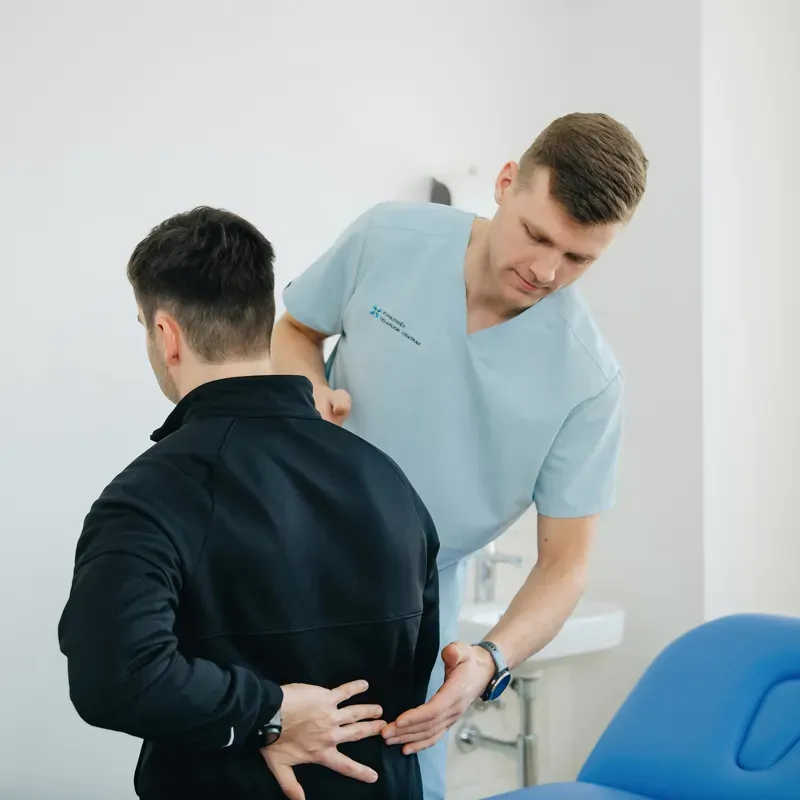
This is the hands-on part of the assessment. Your physiotherapist will test your movement, strength, and joint function systematically. Some tests may reproduce your symptoms — this is expected and helps confirm the diagnosis.
- Observation: Your physio assesses your posture, gait (how you walk), and any visible swelling, bruising, or asymmetry
- Range of motion: You will be asked to move the affected joint in different directions while your physio measures how far you can go
- Strength testing: Resisted movements to identify which muscles are weak or painful
- Special tests: Specific orthopaedic tests designed to identify particular injuries (e.g., ACL test for knee, impingement test for shoulder). Your physio may recommend an MRI scan if structural damage is suspected
- Palpation: Your physio will feel the muscles, tendons, and joints to identify areas of tenderness, swelling, or tension
- Neurological screening: If relevant, reflexes, sensation, and nerve tension tests may be performed
Step 3: Diagnosis and Plan (5-10 minutes)
After the examination, your physiotherapist will explain what they have found. A good physio uses plain language and may draw diagrams or use a skeleton model to help you understand. They will cover the diagnosis, contributing factors, expected recovery timeline, recommended treatment approach, and the number of sessions you are likely to need.
Will You Receive Treatment at the First Session?
Yes, most physiotherapists provide some initial treatment during the first visit, typically in the final 15-20 minutes. This may include gentle manual therapy, techniques such as dry needling, one or two specific exercises taught and practised, and basic pain management advice. The first session treatment is lighter than subsequent sessions because the primary goal is accurate assessment, not maximum treatment.
What Questions Should You Ask Your Physiotherapist?
Your first session is your opportunity to understand your condition and the plan ahead. Engaged patients who ask questions consistently achieve better outcomes. Do not feel rushed — a good physiotherapist expects and welcomes questions. You may also find our Physiotherapy for Seniors Dubai: Falls Prevention helpful.
- What exactly is causing my pain, and what is the clinical name for my condition?
- How many sessions do you estimate I will need, and how often should I come?
- When should I expect to notice improvement?
- Are there activities I should avoid while recovering?
- Should I use ice, heat, or neither at home?
- Can I continue exercising or playing my sport during treatment?
- What should I do if my symptoms get worse between sessions?
- Will I need to see a doctor or get additional imaging?
What Is the Home Exercise Programme and Why Does It Matter?
You will leave your first session with 3-5 home exercises. These are not suggestions — they are a core part of your treatment. Research consistently shows that patients who do their home exercises recover 40-60% faster than those who rely on clinic sessions alone. Your physio sees you for 30-45 minutes once or twice a week; the remaining 166+ hours are your responsibility.
- Perform exercises exactly as demonstrated — quality matters more than quantity
- Follow the prescribed frequency (usually 2-3 times daily for most programmes)
- Note any exercises that increase your pain and report this at your next session
- If you are unsure about technique, ask for a video demonstration or written instructions
What Should You Expect After Your First Session?
It is completely normal to feel some soreness for 24-48 hours after your first physiotherapy session, particularly if manual therapy or deep tissue work was performed. This is similar to the soreness after exercise — it reflects a normal tissue response, not damage. The soreness should settle within two days and should not be significantly worse than your original symptoms.
- Mild soreness: Normal. Apply ice for 15-20 minutes if needed
- Temporary increase in stiffness: Common, especially in the morning after treatment. Gentle movement usually helps
- Feeling better immediately: Also common — manual therapy often provides quick but temporary relief. This does not mean you are cured after one session
- No change: Not unusual. Most conditions require 3-4 sessions before meaningful improvement is noticeable
- Significantly worse pain: Uncommon but possible. Contact your physiotherapist if your symptoms worsen substantially after treatment
Ready to Book Your First Physiotherapy Session?
Our experienced physiotherapy team at DCDC Dubai Healthcare City makes your first visit straightforward and thorough. We accept most major insurance plans and offer same-week appointments.
Send us a WhatsApp message or call to schedule your initial assessment.
Связанные услуги в DCDC
Квалифицированная помощь и современная диагностика в Dubai Healthcare City
Frequently Asked Questions
Making the Most of Your First Session
Your first physiotherapy session sets the foundation for your entire recovery. The more prepared you are — with the right documents, clothing, and questions — the more productive that initial assessment will be. For a full overview of physiotherapy pricing in Dubai, see our cost guide. Remember that the goal of the first visit is accuracy, not speed.
The best physiotherapy outcomes happen when the patient and therapist work as a team. Ask questions, do your home exercises, and communicate openly about your progress. At DCDC, our physiotherapy team is committed to explaining your condition clearly and involving you in every treatment decision. If you are ready to start, book your initial assessment today.
Источники и ссылки
Эта статья проверена нашей медицинской командой и ссылается на следующие источники:
- Chartered Society of Physiotherapy — Your First Physio Appointment
- World Physiotherapy — Policy Statement on Education
- Journal of Orthopaedic & Sports Physical Therapy — Patient Education in Physiotherapy
- National Institute for Health and Care Excellence (NICE) — Physiotherapy Assessment Standards
- British Medical Journal — Home Exercise Adherence in Physiotherapy
Медицинский контент на этом сайте проверяется врачами, лицензированными DHA. См. нашу редакционную политику для получения дополнительной информации.

Автор
Dr. Hadi Komshi
Specialist Internal Medicine
MD, DHA-Licensed
Dr. Hadi Komshi is a DHA-licensed Internal Medicine Specialist at Doctors Clinic Diagnostic Center in Dubai Healthcare City, with extensive experience in managing acute and chronic medical conditions including musculoskeletal pain and rehabilitation.
Related Articles
Complete Guide to Physiotherapy in Dubai (2026)
Physiotherapy Cost in Dubai 2026: Pricing & Insurance

How Many Physiotherapy Sessions Do You Actually Need?
More in Physiotherapy
Physiotherapy Packages Dubai: Save 20%+ (2026)
Читать далее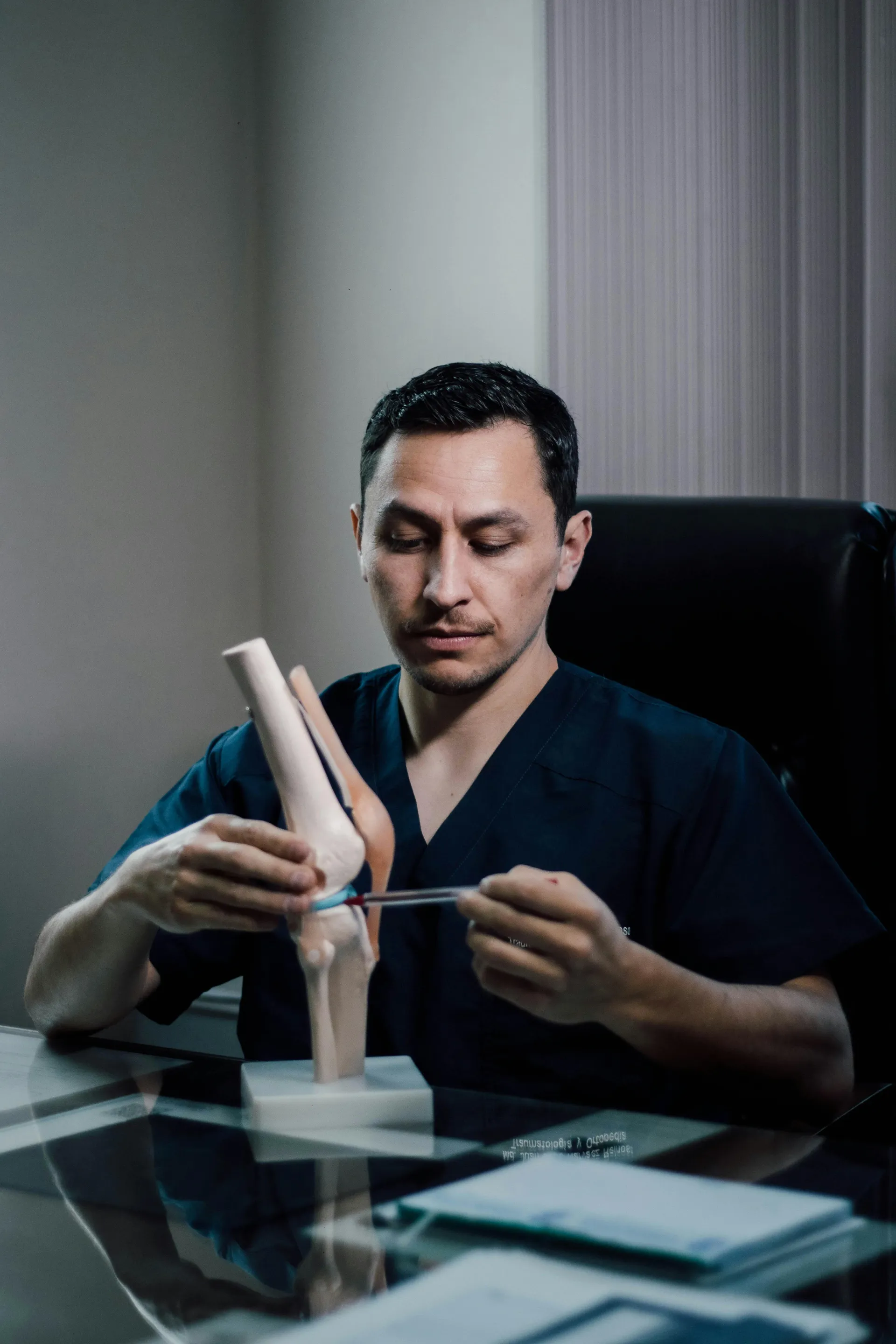
Shoulder Pain Dubai: 7 Causes & When to Worry (2026)
Читать далее
PRP vs Cortisone Dubai: Which Injection? (2026)
Читать далее
PRP Injection for Joints Dubai: From AED 1,500 (2026)
Читать далееPhysiotherapy Cost Dubai: AED 250–500/Session (2026)
Читать далееPhysiotherapy Dubai: Types, Cost & Guide (2026)
Читать далее© 2026 Doctors Clinic Diagnostic Center (DCDC), Dubai Healthcare City. Originally published at https://doctorsclinicdubai.ae/blog/first-physiotherapy-session-what-to-expect. All rights reserved. Unauthorized reproduction is prohibited.