Ключевые выводы
- Стоимость МРТ в Дубае составляет от 900 до 4500 дирхамов в зависимости от части тела и необходимости контрастирования
- Большинство крупных страховых планов покрывают МРТ с предварительным согласованием, а пациенты с самостоятельной оплатой могут избежать ожидания
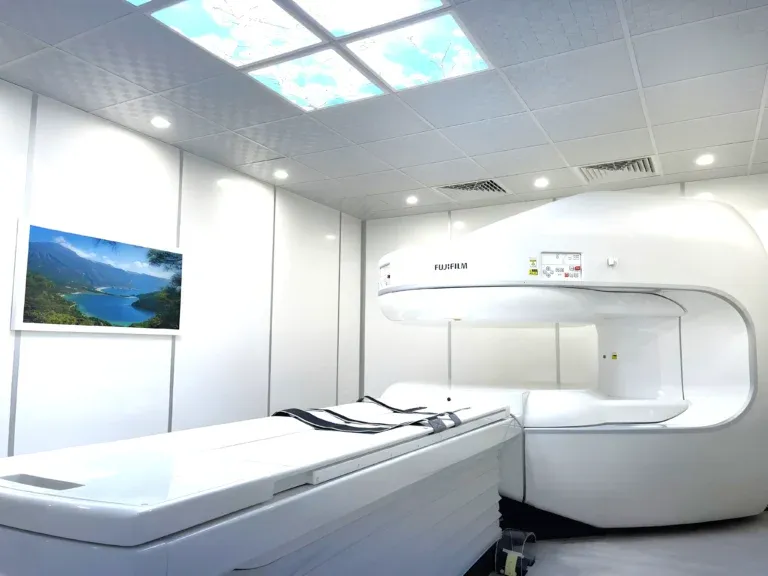
- Открытая МРТ доступна для пациентов с клаустрофобией и хорошо подходит для большинства диагностических задач
- Отсутствие радиационного облучения. МРТ использует магнитные поля, что делает её безопасной для повторных исследований
- Подготовка проста: удобная одежда, без металла, возможно голодание для абдоминальных исследований
- Результаты обычно готовы в течение 24-48 часов от квалифицированного радиолога
Ваш врач назначил МРТ, и теперь вы задаётесь вопросами: Сколько это будет стоить? Покроет ли страховка? Что на самом деле происходит внутри этого аппарата? Если вы в Дубае и ищете ответы, вы попали по адресу. Это руководство охватывает всё от ценообразования и страховки до советов по подготовке и того, чего ожидать во время сканирования.
Это всеобъемлющее руководство объясняет стоимость МРТ в Дубае, варианты страхового покрытия, разницу между открытой и традиционной МРТ, этапы подготовки, что происходит во время сканирования и как справиться с клаустрофобией.


Что такое МРТ и как она работает?
МРТ означает магнитно-резонансную томографию. В отличие от рентгена или компьютерной томографии, использующих радиацию, МРТ использует мощные магниты и радиоволны для создания детальных изображений мягких тканей вашего тела. Представьте это так: ваше тело в основном состоит из воды, и атомы водорода в этой воде реагируют на магнитное поле МРТ. Аппарат улавливает эти реакции и преобразует их в невероятно детальные изображения.
Это делает МРТ особенно ценной для исследования головного и спинного мозга (обнаружение опухолей, инсультов, рассеянного склероза и других неврологических состояний), суставов (оценка разрывов связок, повреждений хрящей и артрита), мягких тканей (исследование мышц, органов и кровеносных сосудов) и сердца (оценка структуры и функции сердца).
МРТ использует нулевое излучение, в отличие от КТ или рентгена, что делает её безопасной для повторных исследований и идеальной для детей и беременных женщин (после первого триместра).
Стоимость МРТ в Дубае: сколько вы заплатите на самом деле
Давайте сначала ответим на вопрос, который задают все: сколько это будет стоить? В Дубае цены на МРТ значительно варьируются в зависимости от нескольких факторов, включая сканируемую часть тела, необходимость контрастного вещества, тип аппарата и тип учреждения.
| Часть тела | Без контраста | С контрастом |
|---|---|---|
| МРТ головного мозга | 900 - 3000 дирхамов | 2800 - 4000 дирхамов |
| МРТ позвоночника (за отдел) | 900 - 3000 дирхамов | 2800 - 4000 дирхамов |
| МРТ колена / плеча | 900 - 2500 дирхамов | 2200 - 3200 дирхамов |
| МРТ брюшной полости / таза | 2500 - 3500 дирхамов | 3200 - 4500 дирхамов |
| МРТ сердца | 3000 - 4000 дирхамов | 3800 - 4500 дирхамов |
Типичные диапазоны цен на МРТ в Дубае (2025). Цены приблизительные и могут варьироваться в зависимости от учреждения.
Что влияет на цену? Сканируемая часть тела (МРТ головного мозга и сердца требуют специализированных протоколов и занимают больше времени), контрастное вещество (некоторые состояния требуют введения гадолиниевого контраста для улучшения чёткости изображения), тип аппарата (открытая МРТ может иметь другую стоимость, чем традиционная закрытая МРТ) и тип учреждения (МРТ в больницах обычно стоит дороже, чем в диагностических центрах).
Страховое покрытие МРТ в Дубае
Вот хорошие новости: большинство комплексных планов медицинского страхования в Дубае покрывают МРТ, когда она медицински необходима. Однако обычно требуется пройти определённую процедуру.
Что нужно для страхового покрытия
Вам понадобится направление врача (письменное назначение от вашего врача с объяснением необходимости МРТ), предварительное согласование (большинство страховщиков требуют предварительного одобрения, которое может занять 24-72 часа), медицинское обоснование (направляющий врач предоставляет клинические причины для исследования) и учреждение в сети (использование сетевого провайдера обычно означает меньшие расходы из собственного кармана).
Основные страховые компании в Дубае, покрывающие МРТ
Большинство крупных страховщиков обеспечивают покрытие МРТ, включая Daman, Saico, NAS, Aetna, BUPA, Cigna и MetLife. Уровни покрытия варьируются: базовые планы могут покрывать 50-80% после франшизы, расширенные планы часто покрывают 80-100% у сетевых провайдеров, а премиальные планы обычно обеспечивают 100% покрытие с минимальной доплатой.
Пациенты с самостоятельной оплатой часто могут записаться на МРТ в тот же день, так как им не нужно ждать предварительного согласования страховки.
Открытая МРТ vs традиционная МРТ: что выбрать?
Если вы слышали, что МРТ-аппараты похожи на лежание в узкой трубе в течение 30 минут, возможно, вы уже чувствуете тревогу. Хорошие новости? Открытая МРТ существует, и это настоящий прорыв для многих пациентов.
Традиционная закрытая МРТ
Традиционная закрытая МРТ имеет туннелеобразную конструкцию, где пациент скользит в узкое отверстие, обеспечивает высочайшее качество и разрешение изображения, более сильное магнитное поле (от 1,5 до 3 Тесла), но может быть сложной для пациентов с клаустрофобией или крупного телосложения.
Открытая МРТ
Открытая МРТ имеет широкую, открытую конструкцию с пространством по бокам, обеспечивает отличное качество изображения для большинства диагностических задач и идеально подходит для пациентов с клаустрофобией, детей или пожилых людей. Она более комфортно вмещает пациентов крупного телосложения, и родители часто могут оставаться с детьми во время сканирования.
Что выбрать? Для большинства пациентов открытая МРТ обеспечивает отличное диагностическое качество при значительном повышении комфорта. Ваш врач может рекомендовать традиционную МРТ для определённых высокоспециализированных исследований, но для рутинной визуализации головного мозга, позвоночника, суставов и брюшной полости открытая МРТ прекрасно справляется.
Подготовка к МРТ: полный чек-лист
Хорошая подготовка делает ваш опыт прохождения МРТ намного более гладким. Вот что нужно сделать перед приёмом:
За день до исследования
Изучите инструкции, чтобы проверить, требуется ли голодание (обычно для МРТ брюшной полости). Подготовьте одежду и выберите удобные вещи без металла, такие как штаны для йоги, спортивные брюки и хлопковые футболки. Снимите украшения заранее — кольца, часы, серьги и пирсинг, если возможно. Откажитесь от кофеина, так как он может усилить тревогу и затруднить сохранение неподвижности. Хорошо выспитесь, поскольку отдых помогает оставаться спокойным и неподвижным.
В день исследования
Приходите за 15-20 минут до назначенного времени, так как вам нужно будет заполнить документы и анкеты безопасности. Принесите направление и любые предыдущие снимки на дисках, если они есть. Принесите Emirates ID и страховую карту, так как они требуются для регистрации. Оставьте ценности дома или храните их в шкафчике (металл не допускается в кабинет сканирования). Посетите туалет, так как вам предстоит лежать неподвижно 20-45 минут.
Что сообщить технологу
Будьте полностью честны в анкете безопасности. Мощные магниты МРТ могут опасно взаимодействовать с металлом в вашем теле. Сообщите о кардиостимуляторах, дефибрилляторах или других сердечных устройствах; кохлеарных имплантах или слуховых аппаратах; любых металлических имплантах, пластинах, винтах или эндопротезах суставов; клипсах для аневризм или сосудистых стентах; наличии металлических фрагментов в анамнезе (от сварки, военной службы, аварий); беременности или возможности беременности; проблемах с почками (важно при использовании контраста); тревожности или клаустрофобии.
Что происходит во время МРТ: шаг за шагом
Точное знание того, чего ожидать, может значительно снизить тревогу. Вот типичный процесс:
1. Переодевание и подготовка
Возможно, вам потребуется переодеться в больничный халат, хотя многие пациенты могут остаться в своей одежде без металла. Вам нужно будет снять все украшения, часы и полностью опустошить карманы.
2. Позиционирование
Вы ляжете на мягкий стол. В зависимости от того, что сканируется, вокруг этой части тела может быть размещена специальная рамка или катушка. Для сканирования головного мозга она размещается вокруг головы. Вам выдадут беруши или наушники (МРТ громкая!) и сигнальную грушу для связи с технологом.
3. Сканирование
Стол въезжает в аппарат (или при открытой МРТ вы размещаетесь внутри открытой структуры). Технолог переходит в операторскую, но может видеть вас через окно и слышать через интерком в любое время. Вы услышите громкие звуки (стук, щелчки и гудение — это совершенно нормально), вам нужно лежать очень неподвижно (движение размывает изображения), вы можете почувствовать тепло (лёгкое ощущение тепла нормально), и сканирование происходит сериями (каждая длится 2-7 минут с короткими паузами между ними).
4. Введение контраста (при необходимости)
Некоторые МРТ требуют гадолиниевого контраста, вводимого через внутривенный катетер. Это выделяет кровеносные сосуды и определённые ткани. Вы можете почувствовать прохладу во время инъекции и кратковременный металлический привкус — оба ощущения временные и нормальные.
5. Завершение
Когда сканирование закончится, вы выедете из аппарата и сможете одеться. Если вы не получали седативные препараты, вы можете водить автомобиль и немедленно вернуться к обычной деятельности.
Как справиться с клаустрофобией во время МРТ
Тревога из-за замкнутых пространств — одно из самых распространённых опасений пациентов. Исследования показывают, что до 37% пациентов испытывают определённый уровень тревоги, связанной с МРТ, но при надлежащей поддержке и техниках подавляющее большинство успешно проходят сканирование.
Перед приёмом
Запросите открытую МРТ и спросите, можно ли провести ваше исследование на аппарате открытой МРТ. Обсудите седацию — лёгкое пероральное успокоительное перед исследованием может значительно помочь. Практикуйте релаксацию — попробуйте дыхательные упражнения или приложения для медитации в дни перед исследованием. Некоторые учреждения позволяют посетить их заранее, чтобы увидеть аппарат и попрактиковаться лежать в нём.
Во время сканирования
Закройте глаза перед въездом в аппарат и держите их закрытыми всё время. Сосредоточьтесь на дыхании — медленные, глубокие вдохи животом (4 счёта на вдох и 6 на выдох). Слушайте музыку — большинство учреждений предлагают наушники с музыкой или подкастами на выбор. Считайте в обратном порядке, чтобы дать мозгу простую задачу для концентрации. Помните, что это временно — большинство исследований занимают 20-45 минут, и вы можете остановиться в любой момент.
Понимание результатов МРТ
После сканирования специализированный врач (радиолог) анализирует каждое изображение. Подготовка заключения обычно занимает 24-48 часов. Заключение отправляется тому, кто назначил исследование (вашему врачу), и затем ваш врач объясняет результаты и обсуждает следующие шаги на контрольном приёме.
Для срочных случаев может быть доступна выдача результатов в тот же день. Пациенты с самостоятельной оплатой часто могут получить результаты напрямую, тогда как застрахованные пациенты обычно получают результаты через направившего врача.
МРТ vs КТ: что вам нужно?
Люди часто задаются вопросом, почему врачи выбирают МРТ вместо КТ или наоборот. МРТ лучше для мягких тканей, головного мозга, позвоночника, суставов, связок, сухожилий и не использует радиацию. КТ лучше для костей, лёгких, быстрой экстренной визуализации, но использует радиацию и быстрее. Для подробного сравнения читайте наше руководство: КТ vs МРТ vs УЗИ: какой метод визуализации вам нужен?
Особые случаи
МРТ во время беременности
МРТ обычно считается безопасной во время беременности, особенно после первого триместра, потому что не использует радиацию. Однако гадолиниевый контраст обычно избегают у беременных женщин, если это не абсолютно необходимо. Всегда сообщайте технологу, если вы беременны или можете быть беременны.
МРТ для детей
Дети могут безопасно проходить МРТ. Основная сложность — удержать их неподвижными. Варианты включают планирование на время естественного сна (для младенцев), использование открытой МРТ, где родитель может оставаться рядом, лёгкую седацию для очень маленьких или тревожных детей, и подготовку с помощью книг или видео, показывающих, чего ожидать.
МРТ с металлическими имплантами
Многие современные импланты безопасны для МРТ или условно совместимы. К ним относятся большинство современных эндопротезов суставов, зубные импланты и хирургическое оборудование. Однако вы должны сообщить технологу обо ВСЁМ металле в вашем теле. Они проверят безопасность перед началом исследования.
Запишитесь на МРТ в DCDC
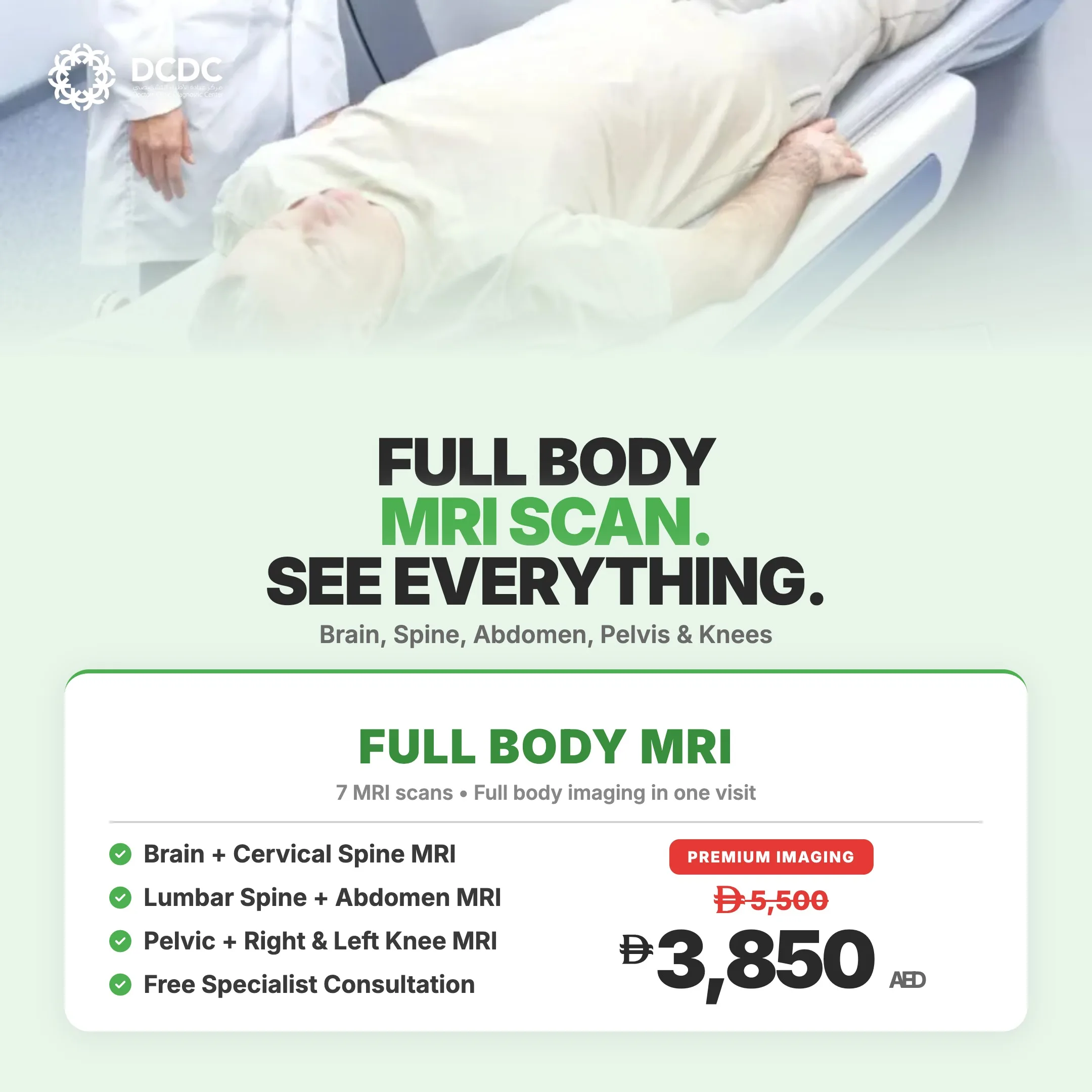
В Doctors Clinic Diagnostic Center в Dubai Healthcare City мы предлагаем как стандартную, так и открытую МРТ с опытными радиологами и быстрой выдачей результатов. Запись в тот же день часто доступна для пациентов с самостоятельной оплатой.
Связанные услуги в DCDC
Квалифицированная помощь и современная диагностика в Dubai Healthcare City
Frequently Asked Questions
Заключение
МРТ — это мощный диагностический инструмент, предоставляющий детальные изображения без радиационного облучения. Независимо от того, имеете ли вы дело с постоянными головными болями, болями в суставах, проблемами с позвоночником или неврологическими симптомами, понимание стоимости МРТ, этапов подготовки и того, чего ожидать, поможет вам подойти к исследованию с уверенностью.
Выбор правильного учреждения имеет значение. Ищите опытных радиологов, современное оборудование, варианты открытой МРТ для комфорта и чёткую коммуникацию от записи до получения результатов. В Doctors Clinic Diagnostic Center в Dubai Healthcare City мы уделяем первостепенное внимание комфорту пациентов и точности диагностики, предлагая как стандартную, так и открытую МРТ с быстрой выдачей результатов.
Источники и ссылки
Эта статья проверена нашей медицинской командой и ссылается на следующие источники:
- Dubai Health Authority — Услуги и стандарты безопасности МРТ
- Министерство здравоохранения ОАЭ — Регулирование диагностической визуализации
- Emirates Radiology Society — Лучшие практики МРТ
- American College of Radiology — Руководства по безопасности МРТ
- RadiologyInfo.org — Информация о безопасности МРТ для пациентов
Медицинский контент на этом сайте проверяется врачами, лицензированными DHA. См. нашу редакционную политику для получения дополнительной информации.
Автор
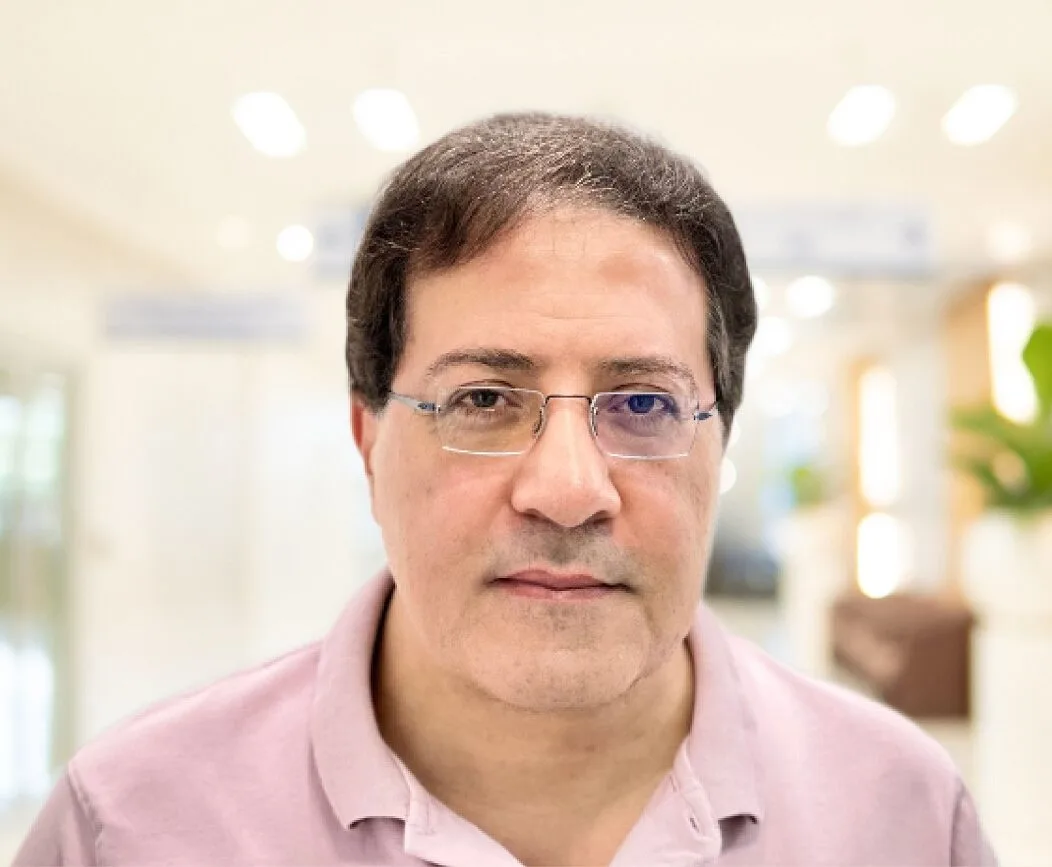
Доктор Осама Эльзамзами
Консультант-радиолог
MD, Fellowship in Diagnostic Radiology
Доктор Осама Эльзамзами — консультант-радиолог с обширным опытом в МРТ, КТ и ультразвуковой диагностике. Специализируется на визуализации опорно-двигательного аппарата и неврологической визуализации в DCDC Dubai Healthcare City.
Похожие статьи
КТ vs МРТ vs УЗИ: какой метод визуализации вам нужен?
Безопасность визуализации для детей: руководство для родителей
Боль в спине: когда необходима визуализация
More in Diagnostic Imaging
X-Ray at Home Dubai: Cost & Guide (2026)
Читать далее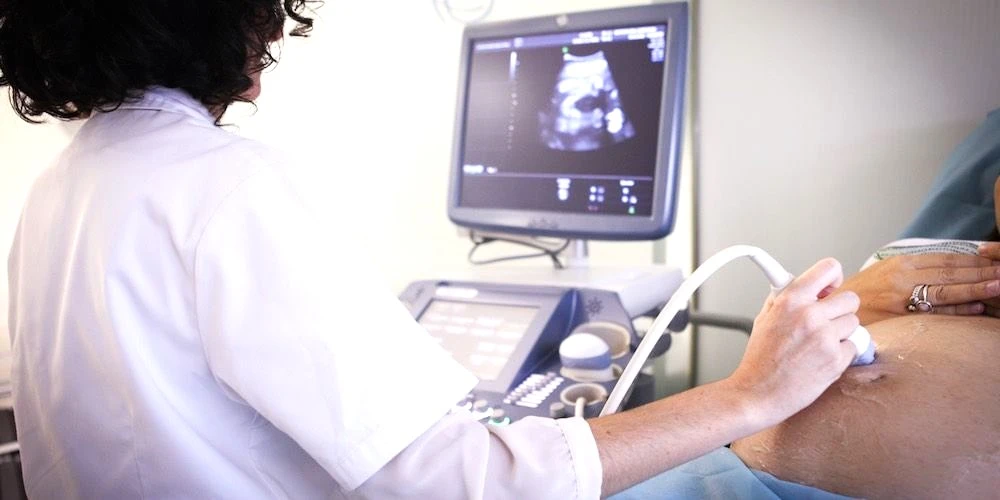
Ultrasound at Home Dubai: From AED 599 (2026)
Читать далее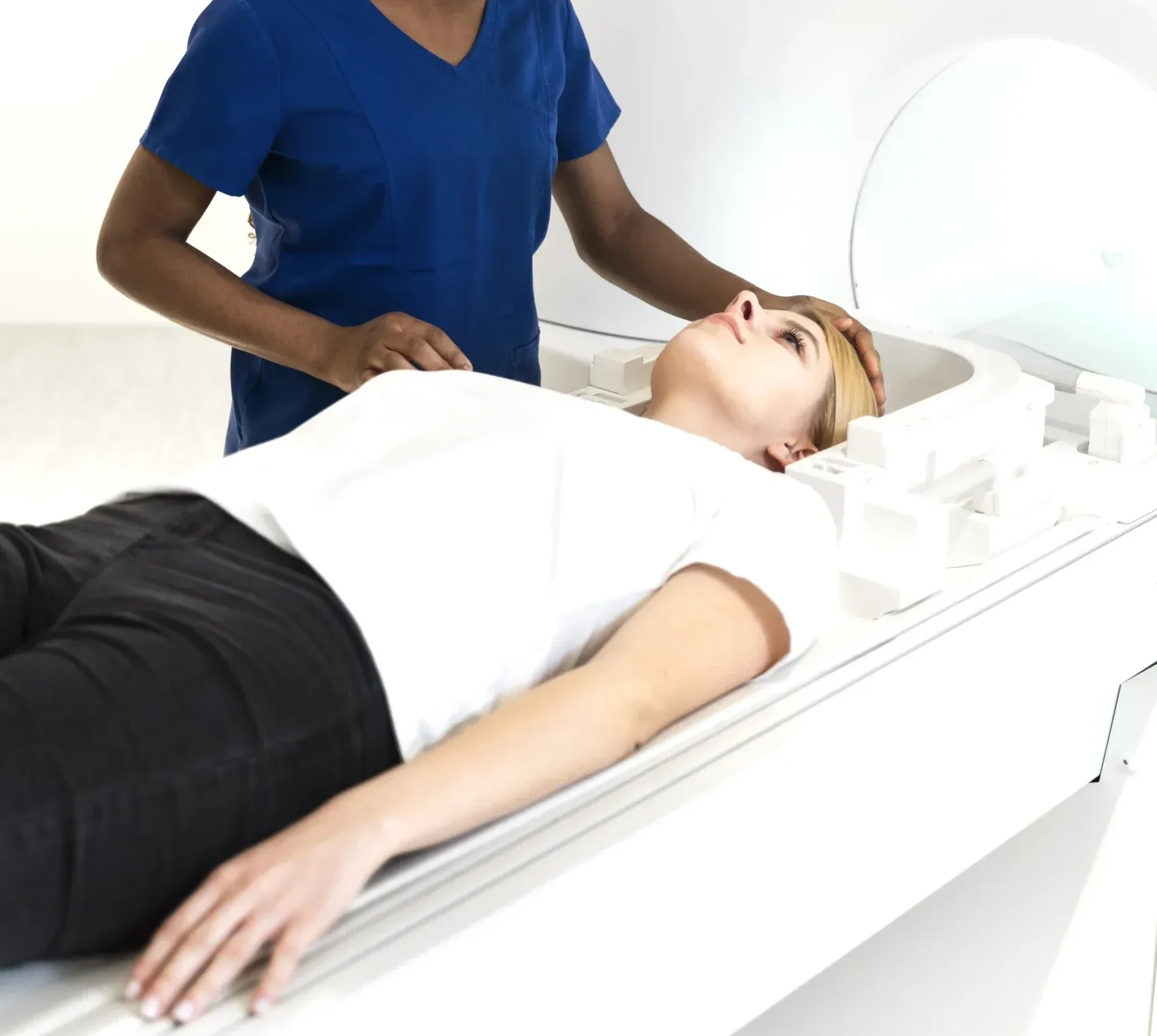
Neck MRI Dubai: What It Shows & Cost (2026)
Читать далее
X-Ray Scan Dubai: Complete Guide (2026)
Читать далее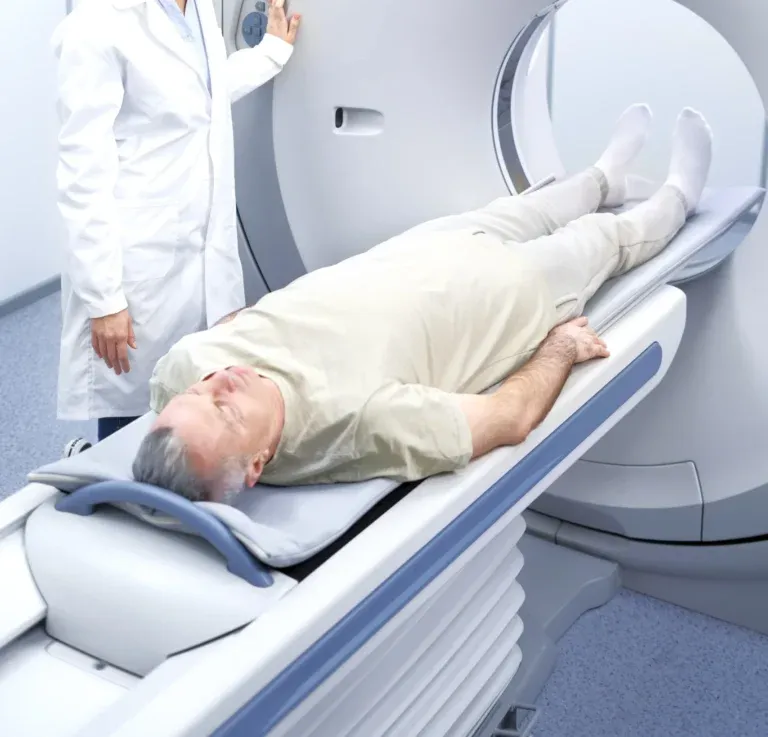
MRI vs Ultrasound Dubai: Which Scan? (2026)
Читать далее
MRI vs X-Ray Dubai: Which Scan Do You Need? (2026)
Читать далее© 2026 Doctors Clinic Diagnostic Center (DCDC), Dubai Healthcare City. Originally published at https://doctorsclinicdubai.ae/blog/complete-guide-to-mri-scan-in-dubai. All rights reserved. Unauthorized reproduction is prohibited.