Ключевые выводы
- Скрининг рака выявляет рак или предраковые изменения до появления симптомов — рак на ранней стадии имеет выживаемость 90-99% по сравнению с 10-30% на поздних стадиях
- Для пяти видов рака существуют доказательные рекомендации по скринингу: молочная железа (маммография), шейка матки (Пап+ВПЧ), толстая кишка (колоноскопия/FIT), легкие (низкодозная КТ для курильщиков) и простата (ПСА — совместное решение)
- Ваш график скрининга зависит от возраста, пола, семейного анамнеза и факторов риска — не каждому нужен каждый тест
- Анализы крови на онкомаркеры (CA-125, ПСА, CEA, AFP) НЕ рекомендуются для общего скрининга у бессимптомных людей — они дают слишком много ложноположительных результатов
- Дубай предлагает медицинские учреждения мирового класса для скрининга рака с более короткими сроками ожидания, чем в большинстве западных стран, по конкурентным ценам
- DCDC Dubai Healthcare City предоставляет комплексный скрининг рака, включая маммографию, УЗИ, анализы крови и консультации специалистов
Рак является третьей ведущей причиной смерти в ОАЭ, однако многие из наиболее распространенных видов рака хорошо поддаются лечению — а некоторые даже излечимы — при раннем выявлении с помощью скрининга. Разница между I и IV стадией — это часто разница между 95% и 15% выживаемостью. Если вы собирались «провериться», но не уверены, какие именно анализы вам нужны, это руководство точно объясняет, какой скрининг рекомендован для вашего возраста и пола, сколько это стоит в Дубае и где его можно пройти.
От маммографии и Пап-мазков до колоноскопии и анализов ПСА — скрининг рака может показаться сложным. Правда в том, что не все виды рака поддаются скринингу, и не каждый тест подходит каждому. Это доказательное руководство устраняет путаницу, предоставляя вам четкий график скрининга по возрастам на основе последних рекомендаций Американского онкологического общества, USPSTF и Управления здравоохранения Дубая.
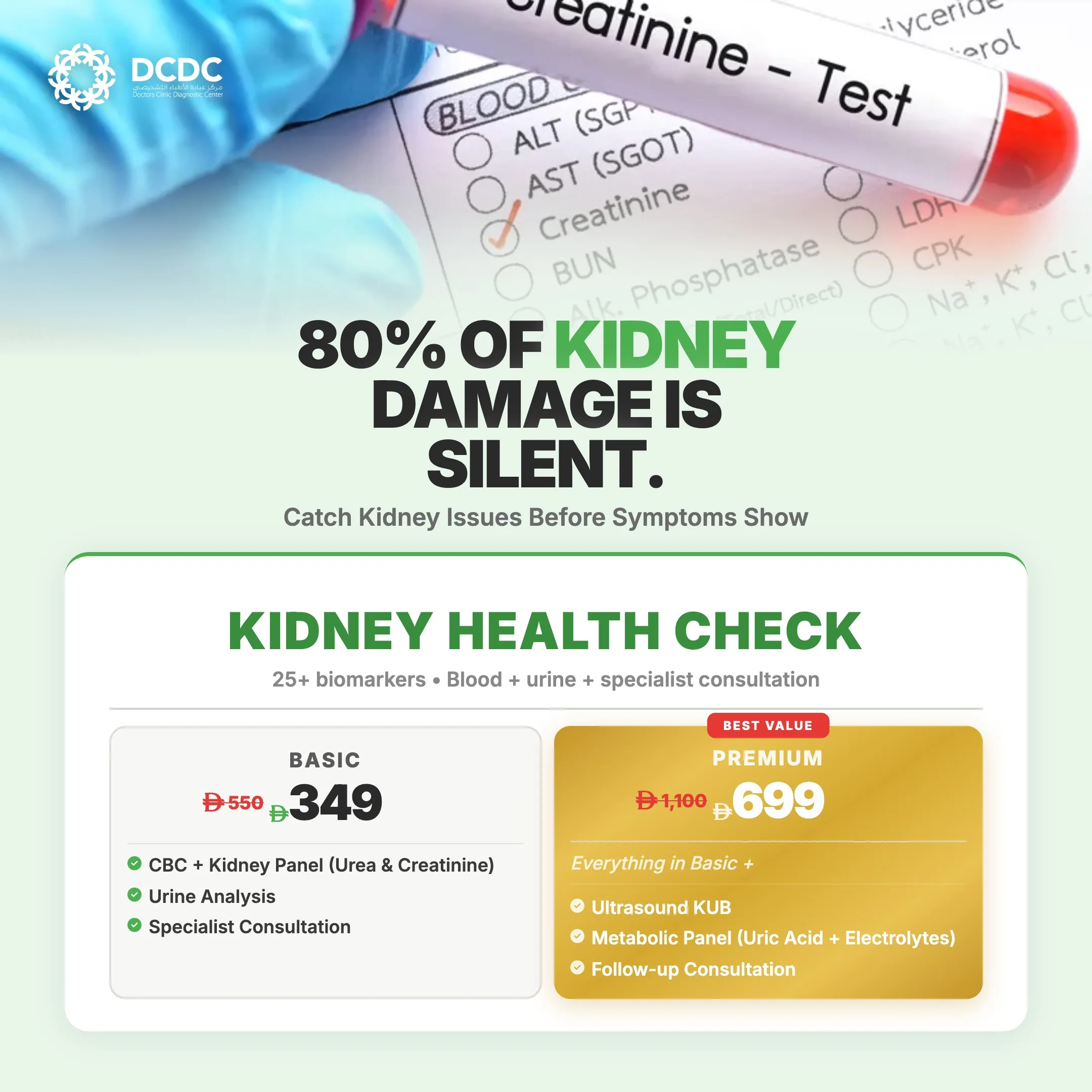
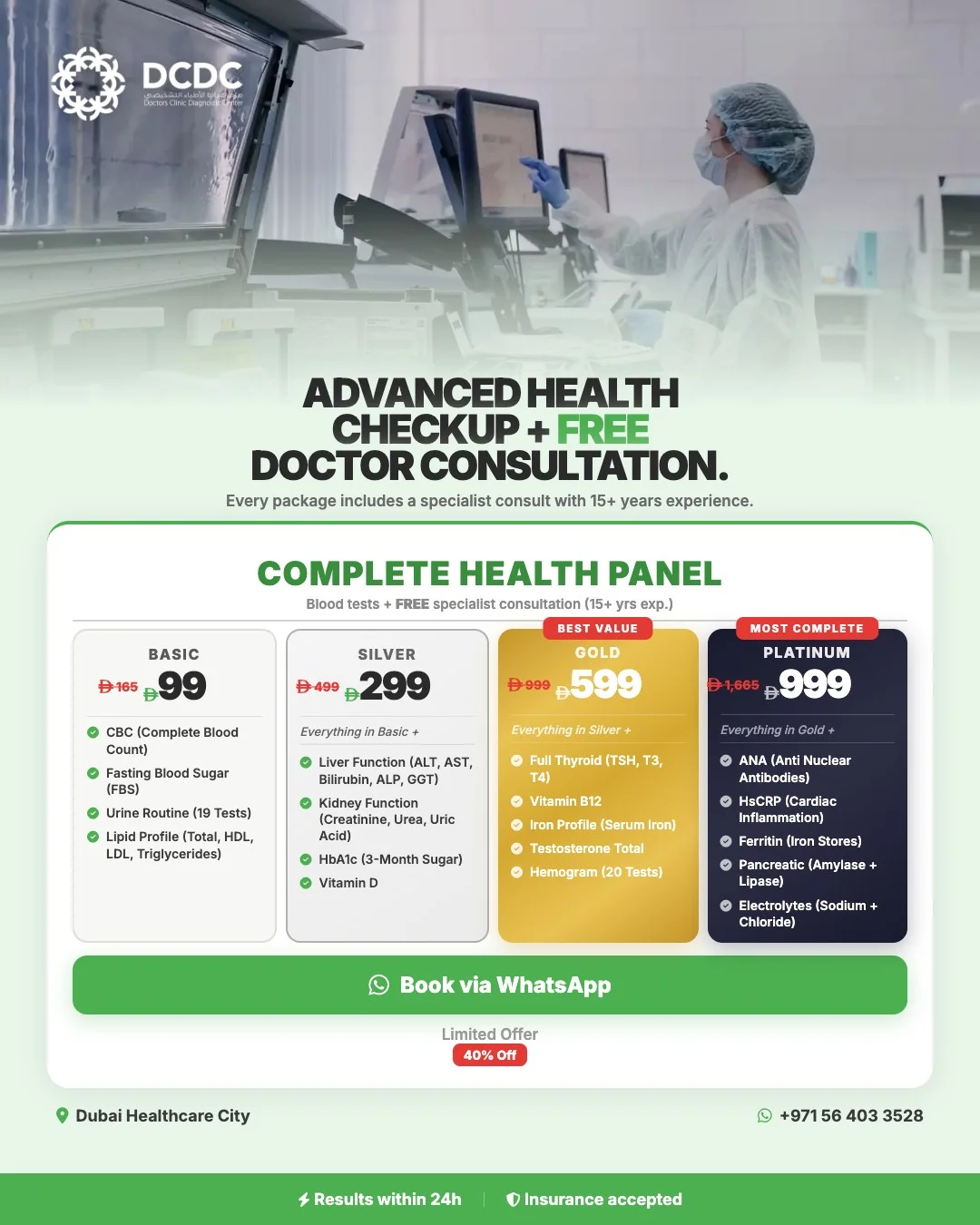
Health Screening Packages
Save with our bundled screening packages — specialist consultation included




Почему скрининг рака спасает жизни: цифры
Самый важный фактор выживаемости при раке — стадия, на которой он диагностирован. Скрининг обнаруживает рак на I стадии — когда он маленький, локализованный и хорошо поддается лечению — по сравнению с симптоматическим выявлением, которое обычно происходит на III или IV стадии, когда рак уже распространился. Пятилетняя выживаемость говорит сама за себя: рак молочной железы на I стадии имеет выживаемость 99%, но падает до 29% на IV стадии. Колоректальный рак на I стадии имеет выживаемость 91%, снижаясь до всего 14% на IV стадии. Рак шейки матки на I стадии имеет выживаемость 92% по сравнению с лишь 17% на IV стадии. Это не маргинальные различия — они представляют разрыв между спасенной и потерянной жизнью.
В ОАЭ рак является третьей причиной смерти после сердечно-сосудистых заболеваний и травм. Наиболее распространенные виды рака среди жителей ОАЭ — рак молочной железы (рак номер один у женщин), колоректальный рак, рак щитовидной железы и рак легких. По данным Управления здравоохранения Дубая, многие из этих видов рака диагностируются на поздних стадиях — именно потому, что показатели скрининга остаются ниже рекомендованных. Хорошая новость в том, что программы скрининга расширяются, страховое покрытие улучшается, а такие учреждения, как DCDC Dubai Healthcare City, делают прохождение необходимых обследований проще, чем когда-либо.
Какие виды рака можно выявить с помощью скрининга?
Не для всех видов рака существуют эффективные скрининговые тесты. Несмотря на десятилетия исследований, нет надежного метода скрининга рака поджелудочной железы, яичников, головного мозга, почек или большинства других видов рака. Доказательный скрининг — когда рандомизированные контролируемые исследования показали, что скрининг снижает смертность от рака — существует только для пяти видов рака. Это единственные тесты, которые крупные медицинские организации рекомендуют для людей без симптомов:
| Вид рака | Скрининговый тест | Кому следует проходить | Начальный возраст | Частота |
|---|---|---|---|---|
| Молочная железа | Маммография | Женщины | 40 (ежегодно) или 50 (каждые 2 года) | Каждые 1-2 года |
| Шейка матки | Пап-мазок + тест на ВПЧ | Женщины | 25 | Каждые 3-5 лет |
| Толстая кишка | Колоноскопия или тест FIT | Все | 45 | Каждые 10 лет (колоноскопия) или ежегодно (FIT) |
| Легкие | Низкодозная КТ | Заядлые курильщики/бывшие курильщики | 50 | Ежегодно |
| Простата | Анализ крови на ПСА | Мужчины (совместное решение) | 50 | Обсудить с врачом |
Доказательные рекомендации по скринингу рака на основе руководств ACS и USPSTF
Скрининг рака по возрасту: ваш персональный график
Возраст 20-39
Скрининг рака в этом возрасте сосредоточен преимущественно на раке шейки матки у женщин. Общий риск рака для людей в возрасте 20-30 лет низкий, но не нулевой — и это возраст для формирования правильных привычек. Если у вас выраженный семейный анамнез рака (особенно родственник первой степени, диагностированный до 50 лет) или известная генетическая мутация, ваш врач может рекомендовать более ранний скрининг для определенных видов рака.
- Скрининг шейки матки (женщины, с 25 лет): Пап-мазок с или без ВПЧ-котестирования каждые 3-5 лет — самый важный скрининговый тест на рак для этой возрастной группы
- Самообследование кожи: Ежемесячные проверки новых или изменяющихся родинок, особенно при светлой коже, солнечных ожогах в анамнезе или семейной истории меланомы
- Самообследование яичек (мужчины): Ежемесячные самопроверки — рак яичка наиболее распространен у мужчин 20-34 лет
- Клинический осмотр молочных желез (женщины): Осведомленность о молочных железах и клинические осмотры в рамках плановых гинекологических визитов, хотя формальный маммографический скрининг еще не начался
- Скрининг на основе риска: Если у родственника первой степени рак молочной железы, обсудите начало скрининга молочной железы за 10 лет до возраста постановки диагноза вашему родственнику
Возраст 40-49
Это десятилетие, когда начинается скрининг рака молочной железы и когда риск рака значительно возрастает. Дискуссия о том, когда начинать маммографию — в 40 или 50 — была в значительной степени решена Американским онкологическим обществом, которое теперь рекомендует, чтобы женщины имели возможность начать ежегодную маммографию в 40 лет и настоятельно рекомендует начать к 45. Если у вас есть факторы риска (семейный анамнез, плотная молочная железа, облучение грудной клетки в прошлом), начало в 40 лет целесообразно.
- Маммография (женщины): Ежегодная или раз в два года маммографическая скрининг с 40-45 лет в зависимости от рекомендаций и индивидуальной оценки риска
- Скрининг шейки матки (женщины): Продолжайте Пап-мазок с ВПЧ-котестированием каждые 3-5 лет
- Колоректальный скрининг (высокий риск): Если у родственника первой степени колоректальный рак или у вас воспалительное заболевание кишечника, обсудите начало колоноскопии до стандартного возраста 45 лет
- Осмотр кожи: Продолжайте ежемесячные самоосмотры и рассмотрите ежегодные визиты к дерматологу при наличии факторов риска
Возраст 50-64
Это наиболее активное десятилетие скрининга. В этот период совпадают несколько скрининговых тестов на рак, и заболеваемость раком значительно возрастает. Если есть время в вашей жизни, когда нужно быть особенно внимательным к скринингу, — это оно. Большинство видов рака, диагностированных в этой возрастной группе, выявляются при скрининге — и большинство излечимы при раннем обнаружении.
- Маммография (женщины): Ежегодная или раз в два года маммография — настоятельно рекомендуется всем женщинам этой возрастной группы
- Скрининг шейки матки (женщины): Продолжайте Пап-мазок с ВПЧ-котестированием каждые 5 лет (или только Пап каждые 3 года)
- Колоноскопия (все): С 45-50 лет, колоноскопия каждые 10 лет или ежегодный FIT-тест — это золотой стандарт профилактики колоректального рака
- КТ легких (курильщики/бывшие курильщики): Ежегодная низкодозная КТ для нынешних или бывших курильщиков 50-80 лет со стажем 20+ пачко-лет, бросивших в течение последних 15 лет
- ПСА-тест (мужчины): Совместное принятие решения с врачом о скрининге ПСА с 50 лет (или с 45 при африканском происхождении или семейном анамнезе рака простаты)
Возраст 65+
Скрининг продолжается в этой возрастной группе, но некоторые тесты могут быть прекращены на основании предыдущей истории скрининга и общего состояния здоровья. Ключевой принцип: скрининг следует продолжать только если вы достаточно здоровы, чтобы получить пользу от лечения обнаруженного рака и перенести его.
- Маммография (женщины): Продолжайте скрининг раз в два года — ACS рекомендует продолжать, пока ожидаемая продолжительность жизни составляет 10+ лет
- Скрининг шейки матки (женщины): Можно прекратить в 65, если проводился адекватный скрининг (три последовательных отрицательных Пап-теста или два отрицательных ВПЧ-теста за последние 10 лет)
- Колоноскопия: Продолжать до 75 лет (рутинно) или 75-85 (индивидуальное решение на основе здоровья и предыдущих результатов) — можно прекратить после 85
- КТ легких: Продолжать ежегодный скрининг, если все еще курите или бросили в течение последних 15 лет, до 80 лет
- ПСА-тест (мужчины): Продолжать совместное принятие решений — скрининг обычно не рекомендуется после 70 лет для мужчин без повышенного риска
Скрининг рака молочной железы
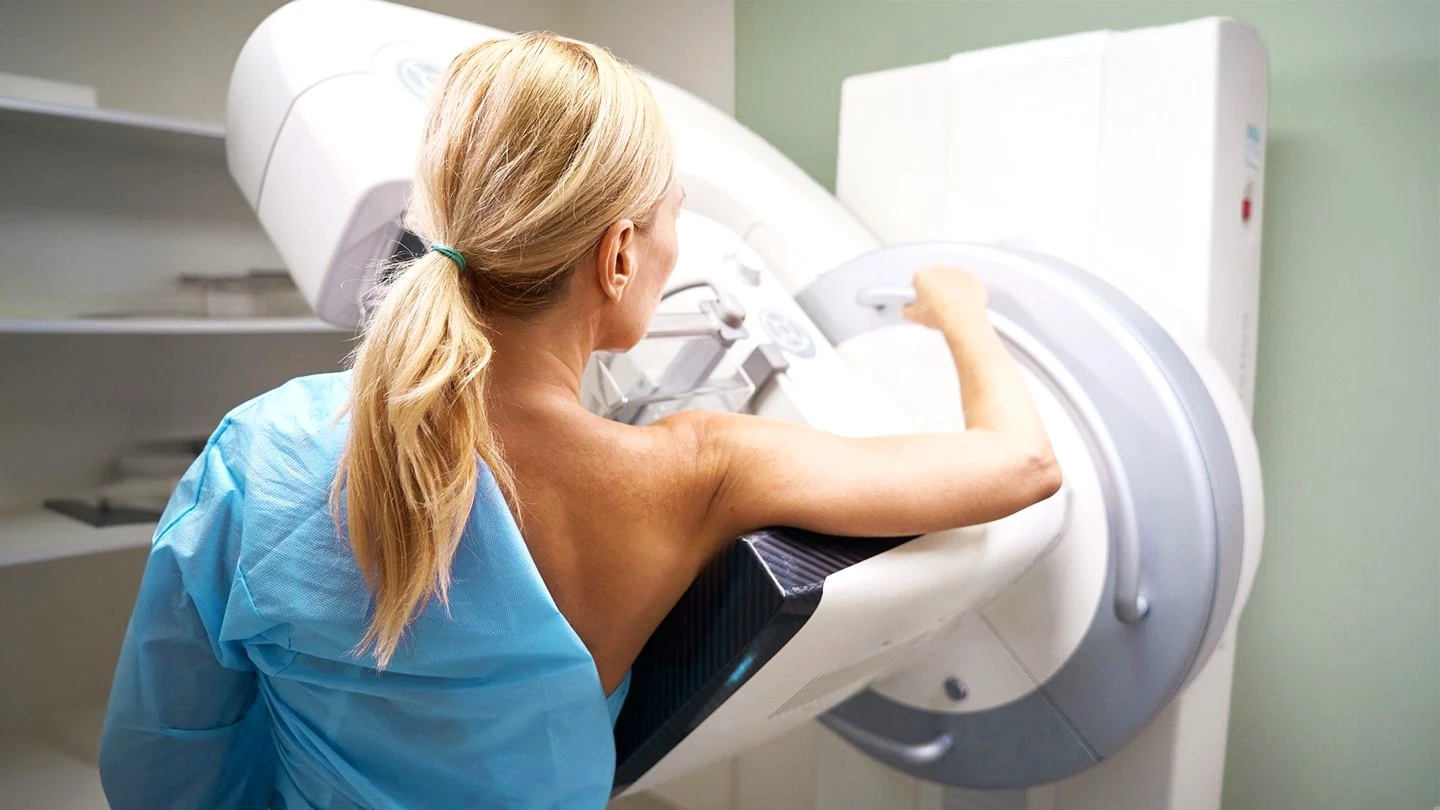
Рак молочной железы — рак номер один у женщин ОАЭ, составляющий примерно 38% всех случаев рака у женщин. Основной инструмент скрининга — маммография, использующая низкодозное рентгеновское излучение для обнаружения опухолей и микрокальцинатов до того, как они станут прощупываемыми. Для женщин с плотной молочной железой (около 50% женщин) дополнительное УЗИ молочных желез повышает частоту обнаружения. Женщины с очень высоким риском — с мутациями BRCA1/2, выраженным семейным анамнезом или облучением грудной клетки в прошлом — могут получить пользу от МРТ молочных желез в дополнение к маммографии. Наше подробное руководство по скринингу рака молочной железы охватывает типы маммографии (2D и 3D), интерпретацию результатов BI-RADS, плотность молочной железы и генетическое тестирование BRCA.
Скрининг рака шейки матки
Рак шейки матки — один из наиболее предотвратимых видов рака благодаря двум мощным инструментам: вакцине против ВПЧ и регулярному скринингу с помощью Пап-мазка и теста на ВПЧ. Скрининг шейки матки выявляет как предраковые изменения (которые можно вылечить до перехода в рак), так и рак шейки матки на ранней стадии. Текущая рекомендация — начать скрининг в 25 лет с Пап-мазком каждые 3 года, тестом на ВПЧ каждые 5 лет или Пап+ВПЧ-котестом каждые 5 лет. Практически все виды рака шейки матки вызваны персистирующей инфекцией ВПЧ, что делает комбинированный подход особенно эффективным. Подробную информацию о процедуре, подготовке и ожиданиях см. в нашем руководстве по скринингу рака шейки матки в Дубае.
Скрининг колоректального рака
Колоректальный рак — второй по распространенности рак в ОАЭ и один из наиболее предотвратимых с помощью скрининга. Золотой стандарт — колоноскопия каждые 10 лет с 45 лет. Во время колоноскопии гастроэнтеролог осматривает всю толстую кишку и может удалить предраковые полипы на месте — эффективно предотвращая рак до его начала. Для тех, кто предпочитает менее инвазивный вариант, FIT (фекальный иммунохимический тест) — простой ежегодный домашний анализ кала, выявляющий скрытую кровь. Положительный результат FIT требует последующей колоноскопии. Анализ ДНК кала (например, Cologuard) — еще один вариант, проводимый каждые 3 года, сочетающий FIT с ДНК-маркерами.
Вам следует начать скрининг раньше 45 лет, если у вас: родственник первой степени с колоректальным раком (начните за 10 лет до его возраста постановки диагноза или в 40, в зависимости от того, что раньше), воспалительное заболевание кишечника (болезнь Крона или язвенный колит), известный генетический синдром (синдром Линча, семейный аденоматозный полипоз) или полипы толстой кишки в анамнезе.
Скрининг рака легких
Рак легких — ведущая причина смерти от рака в мире, в основном потому, что обычно диагностируется на поздней стадии, когда наконец появляются такие симптомы, как постоянный кашель, потеря веса или кровохарканье. Низкодозная КТ (НДКТ) — единственный скрининговый тест, доказанно снижающий смертность от рака легких, и рекомендуется для определенной группы: взрослых 50-80 лет, являющихся нынешними курильщиками или бросившими в течение последних 15 лет, со стажем курения не менее 20 пачко-лет. Национальное исследование скрининга легких показало, что ежегодный скрининг НДКТ снизил смертность от рака легких на 20% в этой группе высокого риска. Скрининг рака легких не рекомендуется для никогда не куривших или легких курильщиков, так как частота ложноположительных результатов перевешивает пользу в популяциях с более низким риском.
Скрининг рака простаты
Скрининг рака простаты с помощью анализа крови на ПСА (простат-специфический антиген) — одна из наиболее обсуждаемых тем в онкологическом скрининге. В отличие от маммографии для рака молочной железы или колоноскопии для колоректального рака, скрининг ПСА имеет более сложный профиль рисков и преимуществ. Тест ПСА может выявить рак простаты рано, но также дает высокий процент ложноположительных результатов — повышенный ПСА может быть вызван доброкачественной гиперплазией предстательной железы (ДГПЖ), простатитом, мочевой инфекцией или даже интенсивными физическими нагрузками. Ложноположительный результат ведет к дополнительным обследованиям, обычно биопсии простаты, которая несет риски кровотечения, инфекции и тревоги.
Кроме того, многие виды рака простаты, обнаруженные при скрининге ПСА, медленно растут и никогда не причинят вреда в течение жизни мужчины — явление, называемое гипердиагностикой. Лечение этих вялотекущих раков (операция, облучение) может вызвать значительные побочные эффекты, включая недержание мочи и эректильную дисфункцию. По этим причинам текущая рекомендация — совместное принятие решения: мужчины 50-70 лет (или 45+ с семейным анамнезом или африканским происхождением) должны провести информированное обсуждение с врачом о потенциальных преимуществах и рисках скрининга ПСА перед принятием решения о тестировании.
Запишитесь на консультацию по скринингу рака
Обсудите ваши потребности в скрининге рака со специалистами DCDC Dubai Healthcare City. Персонализированные рекомендации на основе вашего возраста, пола и факторов риска.
Что насчет онкомаркеров и «анализов крови на рак»?
Это, пожалуй, наиболее неправильно понимаемая область скрининга рака — и та, где пациентов часто вводят в заблуждение клиники wellness, предлагающие «комплексные панели анализов крови на рак». Реальность такова, что ни один анализ крови не может надежно выявить рак у здоровых бессимптомных людей. Онкомаркеры — это белки или вещества, производимые раковыми клетками (или организмом в ответ на рак), которые можно измерить в крови. Теоретически они звучат многообещающе, но на практике имеют критические ограничения: они повышены при многих неонкологических состояниях, пропускают многие реальные раковые заболевания (низкая чувствительность) и генерируют неприемлемое количество ложноположительных результатов, ведущих к ненужной тревоге, визуализации, биопсиям и даже операциям.
| Онкомаркер | Ассоциированный рак | Роль в скрининге | Почему НЕ для скрининга |
|---|---|---|---|
| ПСА | Простата | Только при совместном решении | Ложноположительные результаты, гипердиагностика |
| CA-125 | Яичники | НЕ рекомендуется | Частота ложноположительных 50%+, нет снижения смертности |
| CEA | Толстая кишка | НЕ рекомендуется | Повышен у курильщиков, при воспалении |
| AFP | Печень | Только для группы высокого риска (гепатит B/C) | Низкая чувствительность |
| CA 19-9 | Поджелудочная железа | НЕ рекомендуется | Повышен при многих неонкологических состояниях |
Онкомаркеры и их ограничения как инструментов скрининга
История CA-125 особенно поучительна. Крупные рандомизированные исследования (включая UK Collaborative Trial of Ovarian Cancer Screening с более чем 200 000 женщин) показали, что скрининг CA-125 на рак яичников не снизил смертность от рака яичников, но привел к ненужным операциям у женщин с ложноположительными результатами. Аналогично, уровни CEA могут быть повышены у курильщиков, людей с воспалительными заболеваниями кишечника, заболеваниями печени и многими другими состояниями — что делает его бесполезным как инструмент скрининга в общей популяции.
Где онкомаркеры полезны — это в мониторинге известных раковых заболеваний: отслеживание ответа на лечение, выявление рецидива после лечения и руководство терапевтическими решениями. Если у вас диагностирован рак, ваш онколог может назначить онкомаркеры в рамках наблюдения. Но если клиника wellness предлагает вам «панель анализов крови на рак» для проверки на рак при отсутствии симптомов, поймите, что это не доказательная медицина. Легитимный скрининг рака использует визуализацию (маммография, КТ) и прямой осмотр (колоноскопия, Пап-мазок) — не анализы крови.
Стоимость скрининга рака в Дубае
| Скрининговый тест | Типичная стоимость (AED) |
|---|---|
| Маммография | 300-800 |
| УЗИ молочных желез | 400-800 |
| Пап-мазок | 200-500 |
| Пап + ВПЧ котест | 400-900 |
| Колоноскопия | 3 000-6 000 |
| FIT-тест кала | 100-300 |
| Низкодозная КТ грудной клетки | 800-1 500 |
| Анализ крови на ПСА | 100-300 |
| Панель онкомаркеров | 500-1 200 |
| Пакет скрининга рака | 1 500-3 500 |
Приблизительная стоимость скрининга рака в Дубае (2026)
Страховое покрытие скрининга рака в Дубае варьируется в зависимости от плана и страховщика, но тенденция однозначно положительная. Большинство страховых планов, соответствующих требованиям DHA, покрывают рекомендованные профилактические скрининговые тесты при назначении врачом. Маммография, Пап-мазки и базовые анализы крови обычно покрываются в рамках профилактической помощи. Колоноскопия может потребовать направления и предварительного одобрения, но все чаще покрывается как профилактическая, а не диагностическая процедура. Управление здравоохранения Дубая обязывает все страховые планы включать покрытие профилактической помощи. Мы рекомендуем связаться с вашим страховщиком или нашей стойкой регистрации для подтверждения покрытия перед записью.
Проверьте ваше страховое покрытие
Свяжитесь с нами для подтверждения вашего страхового покрытия скрининга рака в DCDC Dubai Healthcare City.
Факторы риска, требующие более раннего скрининга
- Семейный анамнез рака: Особенно родственники первой степени (родитель, сиблинг, ребенок), диагностированные до 50 лет — это самый важный фактор риска для более раннего скрининга
- Известные генетические мутации: BRCA1/BRCA2 (риск рака молочной железы и яичников), синдром Линча (колоректальный, эндометриальный и другие раки), синдром Ли-Фраумени и другие
- Предыдущий диагноз рака: Личная история любого рака увеличивает риск второго первичного рака и обычно требует более интенсивного наблюдения
- Курение в анамнезе: Нынешнее или бывшее интенсивное курение (20+ пачко-лет) дает право на скрининг рака легких и увеличивает риск рака мочевого пузыря, почек, поджелудочной железы и ряда других
- Хронические инфекции: ВПЧ (рак шейки матки), гепатит B и C (рак печени), H. pylori (рак желудка) — эти инфекции напрямую увеличивают риск рака в пораженных органах
- Воспалительные заболевания: Воспалительные заболевания кишечника (болезнь Крона, язвенный колит) значительно увеличивают риск колоректального рака и требуют более ранней и частой колоноскопии
- Облучение в анамнезе: Предшествующая лучевая терапия грудной клетки (например, при лимфоме Ходжкина) увеличивает риск рака молочной железы и может потребовать более раннего маммографического скрининга и МРТ молочных желез
Если у вас есть какие-либо из этих факторов риска, не ждите стандартного возрастного графика скрининга. Обсудите более ранний и частый скрининг с вашим врачом. В DCDC наши консультации по проверке здоровья включают тщательную оценку рисков, определяющую ваш персонализированный график скрининга на основе вашего индивидуального профиля рисков.
Скрининг рака в DCDC Dubai Healthcare City
- Комплексные пакеты скрининга: Адаптированы к вашему возрасту, полу и факторам риска — никаких лишних тестов, никакого шаблонного подхода
- Маммография и УЗИ молочных желез: Визуализация молочных желез на месте с результатами, проверенными опытными рентгенологами
- Собственная лаборатория: Полный анализ крови включая ОАК, онкомаркеры, гормональные панели и все рутинные скрининговые анализы крови с быстрым выполнением
- Консультации специалистов: Специалисты по внутренним болезням, гинекологии и рентгенологии доступны для комплексной помощи
- Врачи с лицензией DHA: Все наши врачи лицензированы Управлением здравоохранения Дубая и практикуют доказательную медицину
- Запись на этой неделе: Никаких длинных очередей — большинство скрининговых приемов доступны в течение той же недели
- Страховка принимается: Мы работаем со всеми крупными страховыми компаниями в Дубае, включая прямое выставление счетов для большинства планов
DCDC придерживается персонализированного подхода к скринингу рака. Вместо стандартного «онкологического пакета» мы начинаем с комплексной консультации по здоровью, где ваш врач оценивает ваш возраст, пол, семейный анамнез, образ жизни и личную медицинскую историю, чтобы определить, какие именно скрининговые тесты вам подходят. Это означает никаких лишних тестов (которые тратят деньги и создают тревогу от ложноположительных результатов) и никаких пропущенных тестов (которые могут означать задержку диагноза). Это доказательный скрининг, персонализированный для вас.
Запишитесь на скрининг рака
Возьмите здоровье в свои руки. Запишитесь на консультацию по скринингу рака в DCDC Dubai Healthcare City сегодня.
Доступны комплексные пакеты
Связанные услуги в DCDC
Квалифицированная помощь и современная диагностика в Dubai Healthcare City
Frequently Asked Questions
Раннее выявление — ваша лучшая защита
Скрининг рака — это не про страх, а про расширение возможностей. Знание своего риска, понимание необходимых тестов и прохождение скрининга по графику дает вам контроль над здоровьем, как мало что другое. Сами тесты просты: маммография занимает 15 минут, Пап-мазок — 5 минут, ПСА — простой забор крови, а колоноскопия — процедура на полдня под седацией. Неудобство минимально по сравнению с потенциальной пользой обнаружения рака на стадии, когда он хорошо поддается лечению.
Ваш персонализированный график скрининга зависит от возраста, пола и факторов риска. Не каждому нужен каждый тест, а некоторым людям нужен скрининг раньше или чаще, чем предполагают общие рекомендации. Самый важный шаг — поговорить с врачом о том, какие обследования вам подходят, и затем действительно их пройти. Скрининг рака спасает жизни только тогда, когда вы его проходите.
В DCDC Dubai Healthcare City мы привержены доказательному скринингу рака. Мы не будем рекомендовать ненужные тесты, и мы не пропустим тесты, которые вам нужны. Независимо от того, пора ли вам первую маммографию, просрочена колоноскопия, или вы просто хотите комплексную оценку рисков — наша команда готова помочь. Запишитесь на консультацию сегодня — потому что раннее выявление действительно лучшая защита от рака.
Источники и ссылки
Эта статья проверена нашей медицинской командой и ссылается на следующие источники:
- Американское онкологическое общество — Рекомендации по скринингу рака
- Рабочая группа по профилактическим услугам США — Рекомендации по скринингу
- Всемирная организация здравоохранения — Позиционный документ по скринингу рака
- Управление здравоохранения Дубая — Профилактика рака и раннее выявление
- Европейский кодекс против рака — Рекомендации по скринингу
Медицинский контент на этом сайте проверяется врачами, лицензированными DHA. См. нашу редакционную политику для получения дополнительной информации.

Автор
Dr. Hadi Komshi
Специалист по внутренним болезням
MD, специалист по внутренним болезням
Доктор Хади Комши — специалист по внутренним болезням с опытом в профилактическом здравоохранении, управлении хроническими заболеваниями и программах корпоративного оздоровления. Он практикует в DCDC Dubai Healthcare City.
Связанные статьи
Руководство по скринингу рака молочной железы

Скрининг рака шейки матки в Дубае
Корпоративный медосмотр: зачем он нужен

Стоимость маммографии в Дубае: полное руководство
More in General Health

Post-Surgical Care at Home Dubai: Guide (2026)
Читать далее
Corporate Wellness Dubai: Programs & Cost (2026)
Читать далее
Pre Employment Medical Test Dubai: Cost (2026)
Читать далее
Bronchitis Treatment Dubai: Symptoms & Care (2026)
Читать далее
Wound Care at Home Dubai: Full Guide (2026)
Читать далее
Dizziness Causes Dubai: When to Get Checked (2026)
Читать далее© 2026 Doctors Clinic Diagnostic Center (DCDC), Dubai Healthcare City. Originally published at https://doctorsclinicdubai.ae/blog/cancer-screening-dubai. All rights reserved. Unauthorized reproduction is prohibited.