

अपना अपॉइंटमेंट बुक करें
दुबई में DCDC डायग्नोस्टिक सेंटर की सत्यापित रोगी समीक्षाएं
दुबई हेल्थकेयर सिटी से सत्यापित समीक्षाएं और वास्तविक रोगी कहानियां
मैं इस मेडिकल क्लिनिक से बहुत संतुष्ट हूं। मैंने यहां अपनी पहली गर्भावस्था स्क्रीनिंग करवाई। यह किफायती और बहुत पेशेवर था। रेडियोलॉजिस्ट स्वागत करने वाले, दयालु थे और अनुभव बेहतरीन बनाया।
आइज़ान तोकमानबेतोवा
शुक्रवार रात को घुटने में चोट लगी और रविवार शाम को MRI का अपॉइंटमेंट मिला (रविवार दोपहर को बुक किया)। लगभग 2 मिनट इंतजार किया और 30 मिनट से अधिक में हो गया। टीम अद्भुत, मैत्रीपूर्ण और कुशल थी।
किर्स्टन इवांस
डॉ. ओसामा की टीम कोमल और अद्भुत थी। कहीं और बुरे अनुभव के बाद, यहां मेरी पेल्विक जांच बहुत अधिक पेशेवर थी। बढ़िया रिपोर्ट और बहुत सटीक।
मैरी
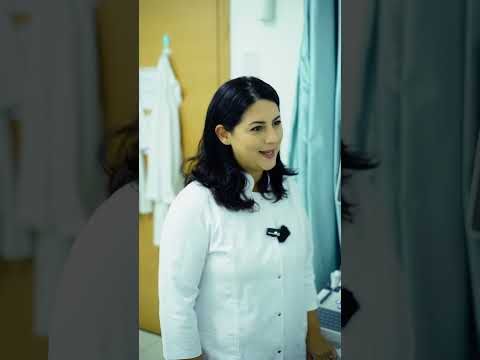

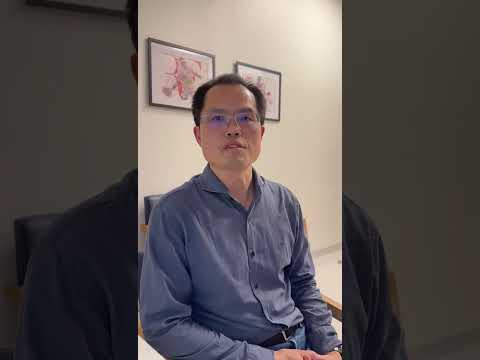
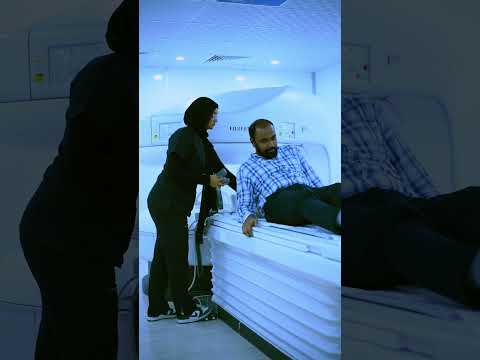

दुबई में रजोनिवृत्ति प्रबंधन: रजोनिवृत्ति उपचार और हार्मोन थेरेपी
अपने संक्रमण को प्रबंधित करें

विशेषज्ञ देखभाल
DCDC दुबई हेल्थकेयर सिटी में महिला विशेषज्ञ
दुबई हेल्थकेयर सिटी में व्यापक रजोनिवृत्ति प्रबंधन सेवाएं। हार्मोन प्रतिस्थापन थेरेपी और रजोनिवृत्ति-पूर्व देखभाल अनुभवी महिला विशेषज्ञों के साथ। उसी दिन की नियुक्तियां उपलब्ध हैं। अपनी परामर्श बुक करें।
विशेषज्ञ देखभाल
DCDC दुबई हेल्थकेयर सिटी में महिला विशेषज्ञ
दुबई में रजोनिवृत्ति प्रबंधन: रजोनिवृत्ति उपचार और हार्मोन थेरेपी
अपने संक्रमण को प्रबंधित करें
दुबई हेल्थकेयर सिटी में व्यापक रजोनिवृत्ति प्रबंधन सेवाएं। हार्मोन प्रतिस्थापन थेरेपी और रजोनिवृत्ति-पूर्व देखभाल अनुभवी महिला विशेषज्ञों के साथ। उसी दिन की नियुक्तियां उपलब्ध हैं। अपनी परामर्श बुक करें।

Dr. Parisa Dini
हमारी सेवाएं देखें
DCDC दुबई हेल्थकेयर सिटी में व्यापक रजोनिवृत्ति प्रबंधन सेवाएं।
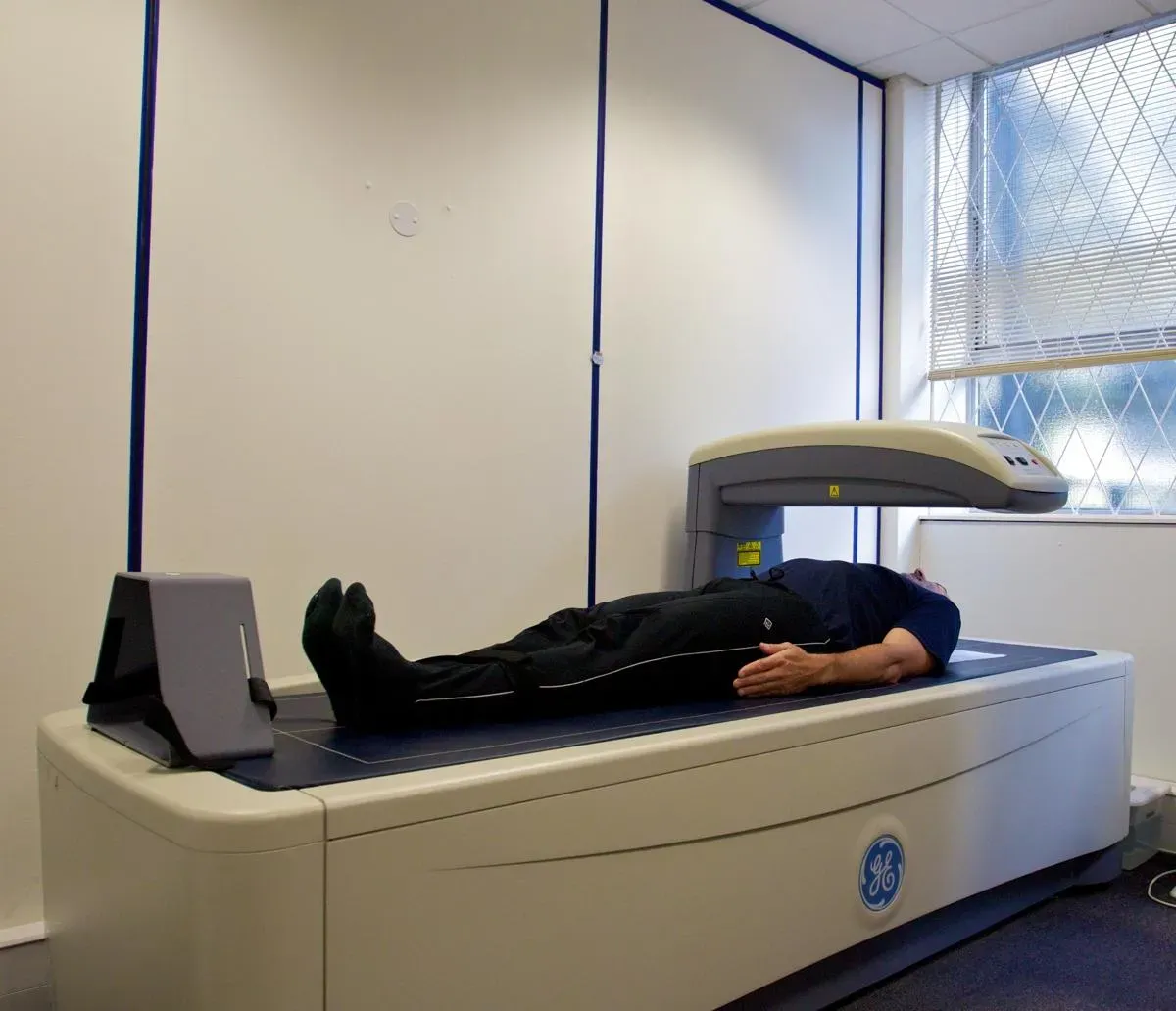
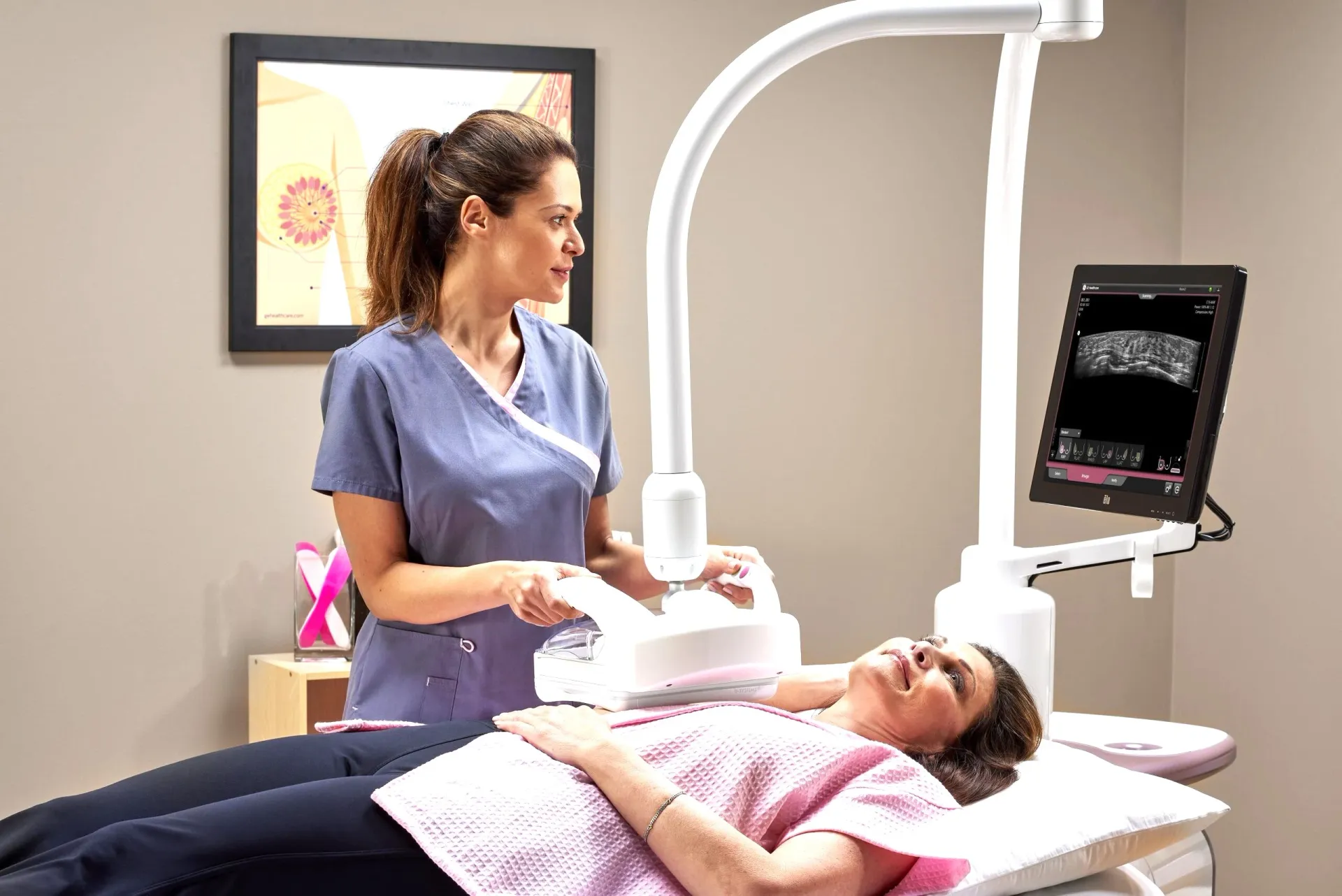

सभी सेवाएं DHA-लाइसेंस प्राप्त विशेषज्ञों द्वारा की जाती हैं
रजोनिवृत्ति प्रबंधन सेवाओं से कौन लाभान्वित हो सकता है
यदि आप रजोनिवृत्ति के लक्षणों से जूझ रहे हैं या हार्मोन प्रतिस्थापन थेरेपी विकल्प खोज रहे हैं, तो हम आपकी मदद के लिए यहां हैं।
Irregular periods (perimenopause)
Hot flashes or night sweats
Mood swings, anxiety, or brain fog
Vaginal dryness or discomfort
Sleep disturbances
Concern about bone health
रजोनिवृत्ति प्रबंधन के लिए DCDC को क्यों चुनें
विशेषज्ञ देखभाल के उच्च मानक
MOHAP लाइसेंस प्राप्त
हम स्वास्थ्य मंत्रालय द्वारा लाइसेंस प्राप्त हैं
अनुभवी विशेषज्ञ
रजोनिवृत्ति में विशेषज्ञ महिला चिकित्सकों की टीम
व्यापक मूल्यांकन
लक्षणों और हार्मोनल स्वास्थ्य का पूर्ण मूल्यांकन
Balanced Care
Risk-assessed HRT and non-hormonal options with clear benefit/risk explanations and monitoring.
Prime DHCC Location
Building 64, Block A, our center with free parking and easy access.
Whole Health Focus
Bone, heart, metabolic, and mental well-being addressed alongside symptom relief.
आपकी आरामदायक यात्रा
आराम, गति और सटीकता के लिए डिज़ाइन की गई एक सरल, चरण-दर-चरण रजोनिवृत्ति स्कैन प्रक्रिया।
रजोनिवृत्ति प्रबंधन सेवा मूल्य निर्धारण
दुबई में रजोनिवृत्ति की कीमतें सेवा के प्रकार और विभिन्न सेवा प्रकार के बीमा कवरेज के अनुसार भिन्न होती हैं।
- स्कैन प्रकार और कंट्रास्ट की आवश्यकता के अनुसार मूल्य भिन्न होते हैं
- रेफरल और सत्यापन के साथ बीमा कवरेज स्वीकृत
- अनुरोध पर तत्काल उद्धरण के साथ पारदर्शी स्व-भुगतान दरें उपलब्ध
मिनटों में बीमा सत्यापन • कोई छिपी फीस नहीं • व्हाट्सएप पर तेज़ प्रतिक्रिया
रोगी गाइड
दौरे के दौरान क्या अपेक्षा करें
हमारी टीम आपके लक्षणों, चिकित्सा इतिहास का व्यापक मूल्यांकन करेगी और आपकी आवश्यकताओं के अनुसार एक कस्टमाइज्ड उपचार योजना प्रदान करेगी।
बीमा और स्थान
बीमा भागीदार
- •दुबई में 20+ बीमा प्रदाता दमन, एक्सा, एडीएनआईसी और अन्य सहित
- •पूर्व-प्राधिकरण सहायता और प्रत्यक्ष बिलिंग (जहां लागू हो)
- •कवरेज सत्यापन दुबई हेल्थकेयर सिटी में आपकी अपॉइंटमेंट से पहले
- •पारदर्शी मूल्य निर्धारण रजोनिवृत्ति प्रबंधन सेवाओं के लिए कोई छिपी फीस नहीं








दुबई हेल्थकेयर सिटी में हमसे मिलें
डॉक्टर्स क्लिनिक डायग्नोस्टिक सेंटर
बिल्डिंग 64, ब्लॉक A, अल राज़ी मेडिकल कॉम्प्लेक्स, दुबई हेल्थकेयर सिटी, दुबई, संयुक्त अरब अमीरात
ऊद मेठा रोड के पास · बुर दुबई, डाउनटाउन दुबई, बिजनेस बे से आसान पहुंच · मुफ्त समर्पित पार्किंग उपलब्ध
कार्य समय
सोम-गुरु, शनि: सुबह 8 - रात 10:30 | रवि: सुबह 8:30 - रात 10:30 | शुक्र: सुबह 9 - रात 10
DCDC में बीमा कैसे काम करता है
कवरेज जांचें
सत्यापित करें कि आपकी योजना रजोनिवृत्ति प्रबंधन को कवर करती है
रेफरल प्राप्त करें
कुछ बीमाकर्ताओं को जीपी रेफरल की आवश्यकता होती है — हम मार्गदर्शन कर सकते हैं
पूर्व-प्राधिकरण
हम आपके बीमाकर्ता से सीधे पूर्व-प्राधिकरण संभालते हैं
सीधी बिलिंग
कोई अग्रिम भुगतान नहीं — हम आपके बीमाकर्ता को सीधे बिल करते हैं
केवल को-पे
आप क्लिनिक में केवल लागू को-पे का भुगतान करते हैं
कवरेज जांचें
सत्यापित करें कि आपकी योजना रजोनिवृत्ति प्रबंधन को कवर करती है
रेफरल प्राप्त करें
कुछ बीमाकर्ताओं को जीपी रेफरल की आवश्यकता होती है — हम मार्गदर्शन कर सकते हैं
पूर्व-प्राधिकरण
हम आपके बीमाकर्ता से सीधे पूर्व-प्राधिकरण संभालते हैं
सीधी बिलिंग
कोई अग्रिम भुगतान नहीं — हम आपके बीमाकर्ता को सीधे बिल करते हैं
केवल को-पे
आप क्लिनिक में केवल लागू को-पे का भुगतान करते हैं
Your Specialist
Dr. Parisa Dini
Specialist OB/GYN
MD, Specialist OB/GYN
English · Persian
रोगी गाइड
रजोनिवृत्ति प्रबंधन: बेहतर जीवन के लिए अनेक विकल्प
रजोनिवृत्ति एक प्राकृतिक चरण है लेकिन कभी-कभी ऐसे लक्षणों के साथ आती है जो जीवन की गुणवत्ता पर असर डालते हैं, और उनमें से अधिकांश को प्रभावी चिकित्सा तरीकों से नियंत्रित किया जा सकता है।
उपचार में हार्मोन थेरेपी, गैर-हार्मोनल उपचार, मनोवैज्ञानिक सहायता और जीवनशैली में बदलाव शामिल हैं।
DCDC में हम प्रत्येक महिला के लिए एक विशेष उपचार योजना तैयार करते हैं जो उनके सामान्य स्वास्थ्य, लक्ष्यों और लक्षणों के स्तर को ध्यान में रखती है।
रजोनिवृत्ति से संबंधित स्थितियां जिन्हें हम प्रबंधित करते हैं
संबंधित लेख
Menopause Treatment in Dubai: Options and Support
A guide to menopause treatment options available in Dubai, from HRT to lifestyle strategies and specialist care.
Finding the Best Menopause Doctor in Dubai
What to look for in a menopause specialist and how to access expert menopause care in Dubai.
Women's Health Screening: Essential Tests at Every Age
Understanding the health screenings recommended for women before, during, and after menopause.
Vitamin D Deficiency in Dubai: Risks and Solutions
Why vitamin D deficiency is common in Dubai and its particular importance for bone health during menopause.
संबंधित सेवाएं
हमारी दुबई हेल्थकेयर सिटी क्लिनिक में उपलब्ध अन्य निदान और परामर्श सेवाओं का अन्वेषण करें।
अक्सर पूछे जाने वाले प्रश्न
दुबई में रजोनिवृत्ति प्रबंधन के बारे में सामान्य प्रश्न।
हम Dubai Healthcare City में रजोनिवृत्ति प्रबंधन प्रदान करते हैं। हमारी अनुभवी विशेषज्ञों की टीम व्यापक परीक्षण और परामर्श के लिए उपलब्ध है। अधिक जानकारी के लिए हमसे संपर्क करें।
अवधि प्रत्येक व्यक्तिगत मामले के अनुसार भिन्न होती है। हमारी टीम आपको पहले से सटीक समय के बारे में सूचित करेगी। अपॉइंटमेंट के लिए हमसे संपर्क करें।
दुबई में अधिकांश प्रमुख बीमा रजोनिवृत्ति प्रबंधन को कवर करते हैं। हम Daman, AXA और Bupa सहित 20 से अधिक बीमा कंपनियों के साथ प्रत्यक्ष बिलिंग प्रदान करते हैं। अपनी कवरेज जांचने के लिए हमसे संपर्क करें।
हमारी टीम आपकी अपॉइंटमेंट से पहले विशिष्ट तैयारी निर्देश देगी। सामान्यतः हम सभी वर्तमान दवाएं और प्रासंगिक चिकित्सा रिकॉर्ड लाने की सलाह देते हैं।
DCDC में हम Dubai Healthcare City में अनुभवी विशेषज्ञों, अत्याधुनिक उपकरणों और उत्कृष्ट रोगी देखभाल के साथ रजोनिवृत्ति प्रबंधन प्रदान करते हैं। हमारी सुविधा MOHAP द्वारा लाइसेंसप्राप्त है और कड़े नैदानिक मानकों का पालन करती है।
रजोनिवृत्ति प्रबंधन के लिए आप +971 54 219 5008 पर फोन करके या हमारी ऑनलाइन बुकिंग प्रणाली के माध्यम से अपॉइंटमेंट ले सकते हैं। हम उपलब्धता के आधार पर उसी दिन की अपॉइंटमेंट सहित लचीले समय की पेशकश करते हैं।
मुख्य तथ्य
चिकित्सा समीक्षा और निरीक्षण
सभी सेवाएं हमारी MOHAP-मान्यता प्राप्त सुविधा में लाइसेंस प्राप्त चिकित्सा पेशेवरों की देखरेख में प्रदान की जाती हैं।