
मुख्य बातें
- Vitamin B12 is essential for nerve function, red blood cell formation, and DNA synthesis — deficiency can cause irreversible neurological damage if left untreated for extended periods
- B12 deficiency affects an estimated 6% of adults under 60 and nearly 20% of adults over 60 globally, with higher rates in vegetarians, vegans, and individuals from South Asia due to predominantly plant-based dietary patterns
- The 8 most common deficiency symptoms are: persistent fatigue, tingling or numbness in hands and feet, brain fog, mood changes, pale or yellowish skin, swollen or sore tongue (glossitis), balance problems, and shortness of breath
- A normal serum B12 level is 200–900 pg/mL — levels below 200 pg/mL indicate deficiency; levels between 200–300 pg/mL are in a clinical grey zone where additional testing (methylmalonic acid, homocysteine) may be recommended
- Vitamin B12 testing in Dubai costs from AED 99 for a serum B12 level — combined panels with folate, MMA, and homocysteine provide more definitive deficiency assessment
- Treatment ranges from oral B12 supplements (1,000–2,000 mcg daily, effective for dietary deficiency) to intramuscular B12 injections (preferred for absorption disorders, severe deficiency, or confirmed neuropathy)
Vitamin B12 deficiency is one of the most common and frequently missed nutritional diagnoses in clinical medicine. Its symptoms — persistent fatigue, tingling in the extremities, brain fog, and mood changes — develop slowly and can mimic numerous other conditions, leading to months or even years of misdiagnosis. Yet B12 deficiency is straightforward to detect with a simple blood test and highly responsive to treatment when identified early. In Dubai, where a large and diverse population includes millions of vegetarians, long-term medication users, and individuals over 50 — all high-risk groups for B12 deficiency — this test should be part of every annual health check. Our blood testing services at DCDC offer vitamin B12 testing from AED 99 with same-day results in Dubai Healthcare City.
This comprehensive guide covers everything you need to know about vitamin B12 testing in Dubai: what B12 does, who is at risk, what symptoms deficiency causes, how to interpret your test results, what the treatment options are, and how much testing costs. Reviewed by Dr. Hadi Nobakht, Specialist Internal Medicine at DCDC Dubai Healthcare City.
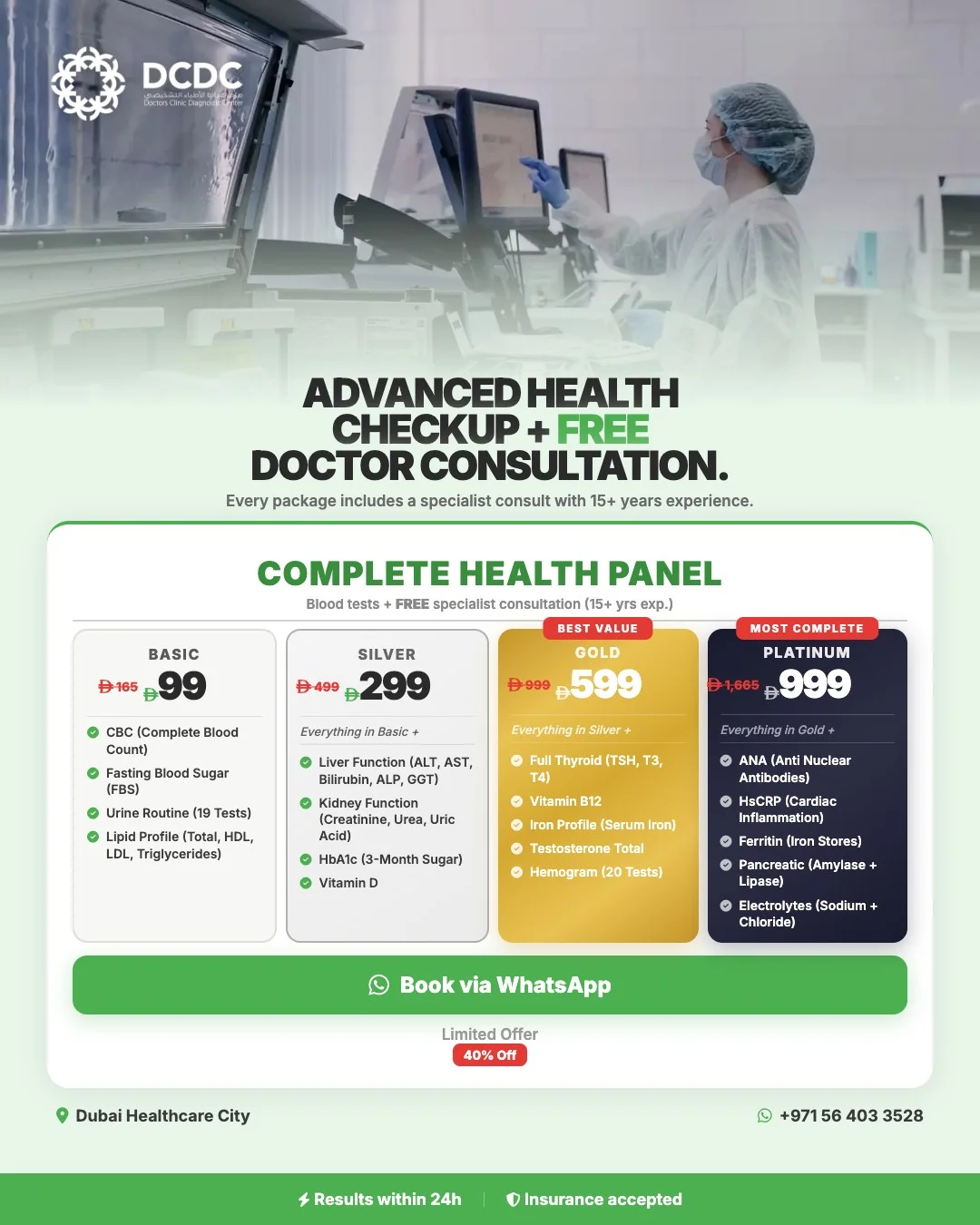
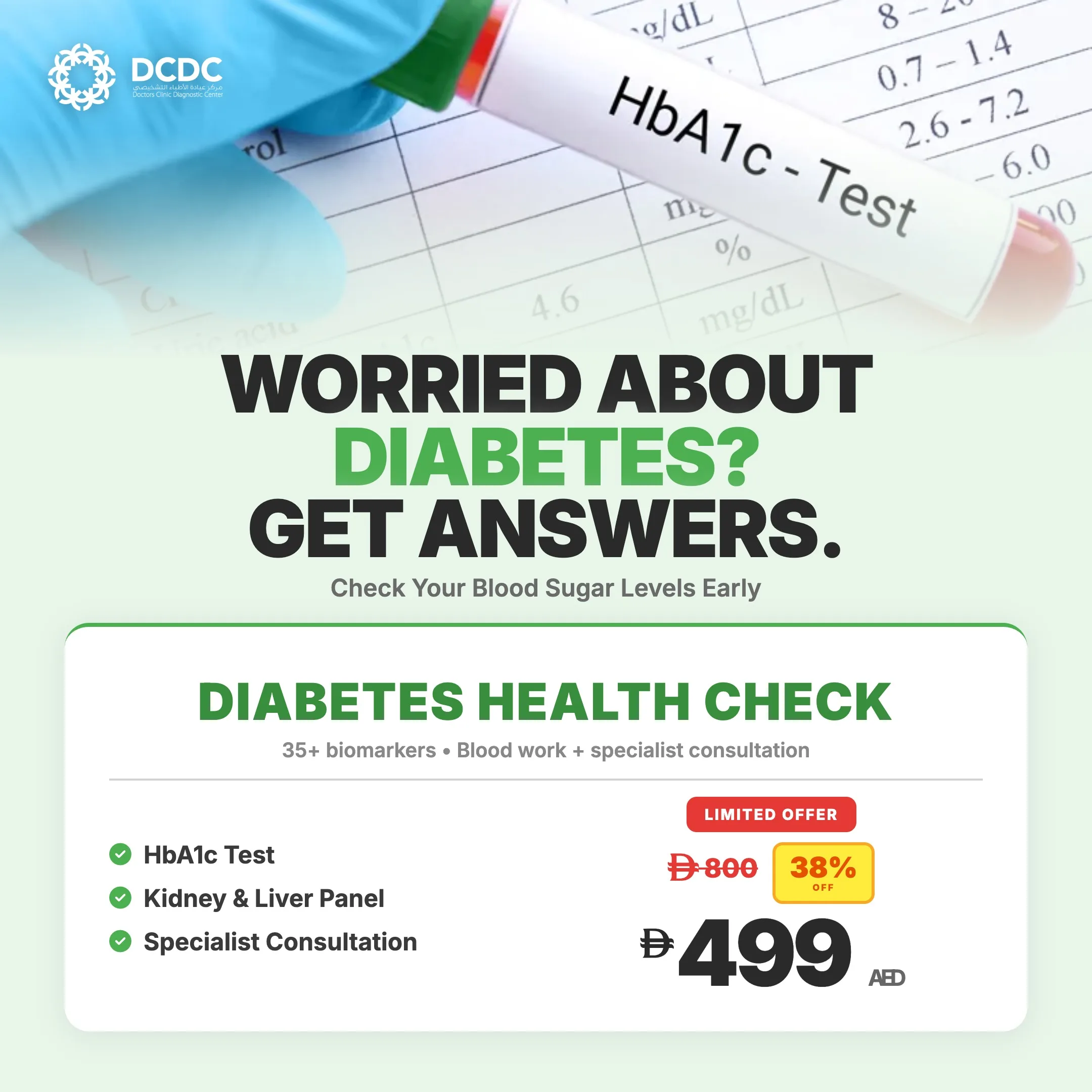
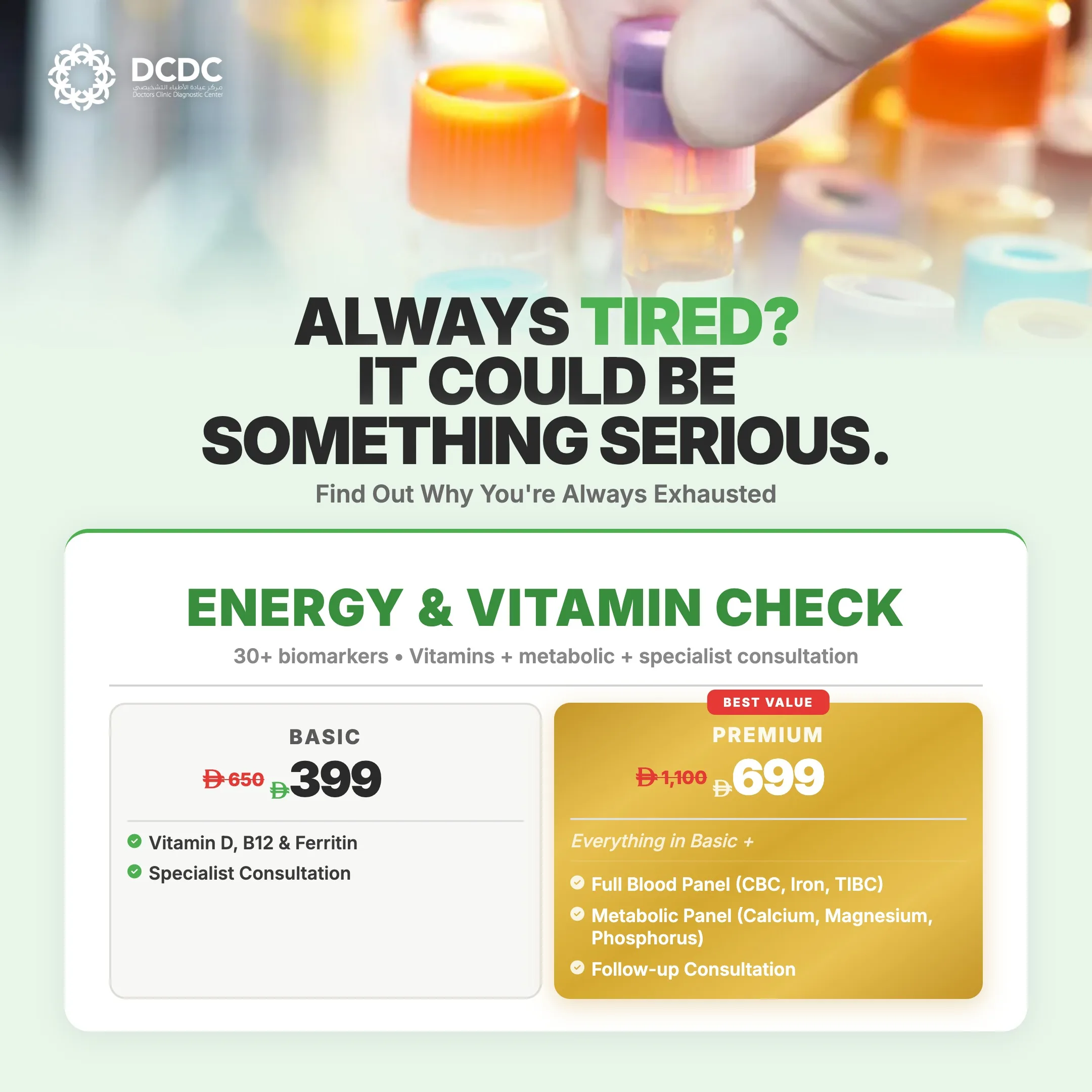
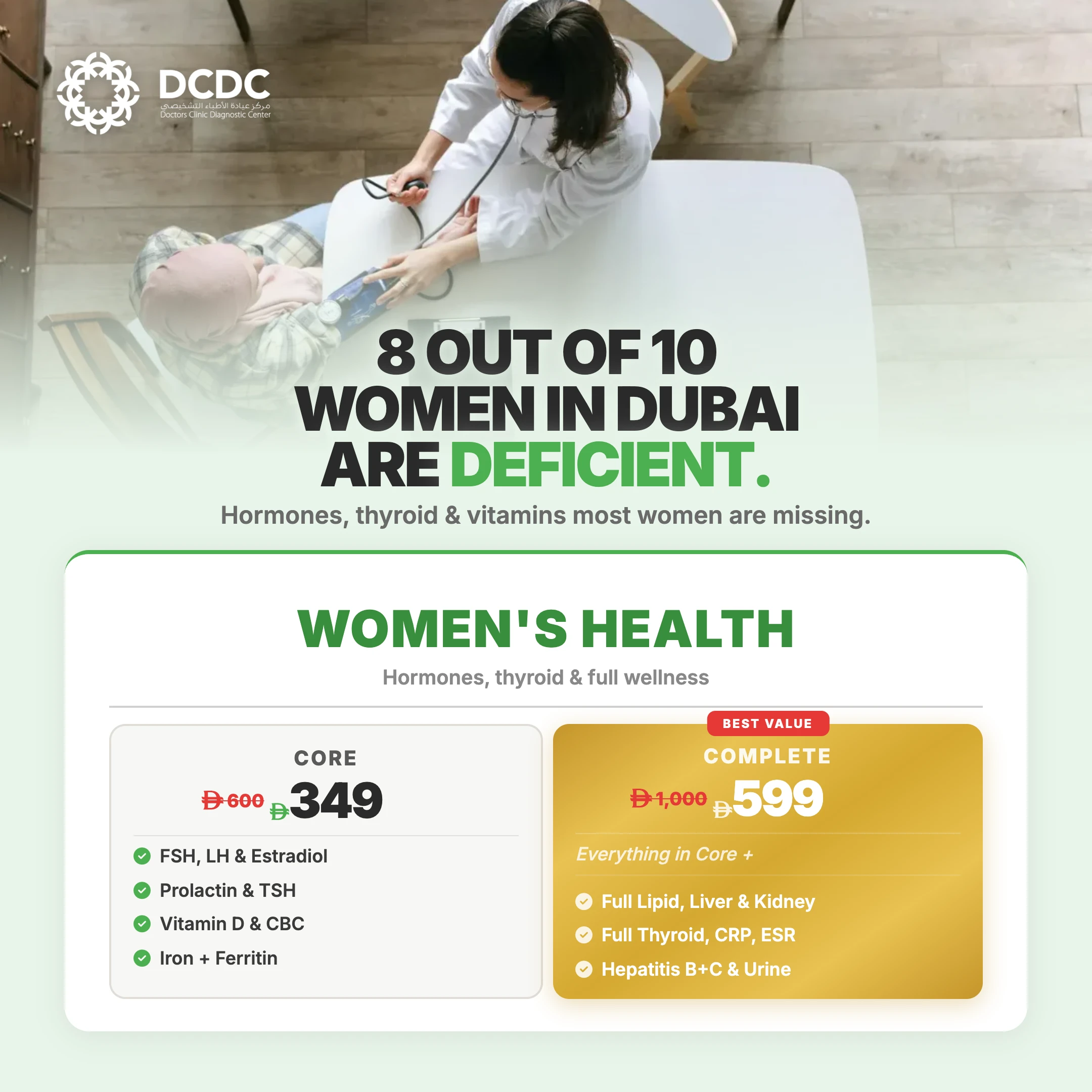
Health Screening Packages
Save with our bundled screening packages — specialist consultation included


What Is Vitamin B12 and Why Your Body Needs It
Vitamin B12 (cobalamin) is a water-soluble vitamin that the human body cannot produce on its own — it must be obtained entirely from dietary sources or supplements. It is found almost exclusively in animal-derived foods: red meat, poultry, fish, shellfish, eggs, dairy products, and fermented foods. This dietary distribution explains why certain populations are at dramatically elevated risk for deficiency.
B12 is essential for three fundamental biological processes. First, red blood cell formation: B12 is required for the maturation of red blood cells. Without it, the body produces abnormally large, immature cells (megaloblasts) that cannot function normally or carry oxygen efficiently — a condition called megaloblastic anaemia. Second, neurological health: B12 is required to maintain the myelin sheath, the protective coating surrounding nerve fibres. Demyelination from B12 deficiency causes the peripheral neuropathy (tingling, numbness) and, in severe cases, subacute combined degeneration of the spinal cord — a serious and potentially irreversible neurological condition. Third, DNA synthesis: B12 works alongside folate in the production of DNA, meaning every dividing cell in the body depends on adequate B12 levels.
The liver stores approximately 2–5 mg of B12, enough to sustain the body for 3–5 years without dietary intake. This long storage capacity is a double-edged advantage: it means deficiency develops slowly and insidiously, making it easy to miss in its early stages. By the time blood levels drop to the deficient range, stores have been depleted for a considerable time. The gradual onset also means that by the time symptoms become pronounced, there is a real risk of neurological damage that may not fully reverse with treatment.
Vitamin B12 Deficiency Symptoms: 8 Warning Signs
B12 deficiency symptoms can affect multiple body systems simultaneously and are easily attributed to other causes — stress, overwork, or other nutritional gaps. Here are the 8 most clinically important warning signs:
1. Persistent Fatigue and Weakness
Unexplained, pervasive fatigue is the most frequently reported symptom of B12 deficiency. It arises from megaloblastic anaemia — because abnormal red blood cells cannot efficiently carry oxygen to tissues, the body operates in a constant state of relative oxygen deprivation. Patients describe this as a deep, bone-level exhaustion that does not resolve with sleep or rest. If you are sleeping 7–8 hours and still feel chronically exhausted, B12 deficiency is a clinically important diagnosis to exclude.
2. Tingling or Numbness (Peripheral Neuropathy)
Pins-and-needles sensations, numbness, or burning in the hands, feet, or legs are among the most distinctive early neurological signs of B12 deficiency. This symptom arises from demyelination — the breakdown of the myelin sheath protecting peripheral nerve fibres. Unlike the fatigue of anaemia, which responds rapidly to treatment, peripheral neuropathy from B12 deficiency can be slow to reverse, and in advanced cases may be permanent. Early detection is therefore particularly important for this symptom.
3. Brain Fog and Cognitive Difficulties
Difficulty concentrating, impaired short-term memory, word-finding difficulty, and a general sense of mental sluggishness are common cognitive manifestations of B12 deficiency. B12 is essential for neurotransmitter synthesis and normal cerebral function. In older adults, severe B12 deficiency can mimic early dementia — and importantly, some of this apparent cognitive decline is reversible with timely B12 repletion, making diagnosis critical.
4. Mood Changes and Depression
B12 is involved in the synthesis of serotonin, dopamine, and other mood-regulating neurotransmitters. Research published in the American Journal of Psychiatry has linked low B12 levels with increased rates of depression and anxiety. Patients with unexplained persistent low mood, irritability, or emotional flatness — particularly in the absence of obvious psychosocial stressors — should have B12 levels checked before other interventions are pursued.
5. Pallor or Jaundice
Megaloblastic anaemia causes pallor (pale skin, pale conjunctivae) as fewer functioning red blood cells circulate. Additionally, the rapid destruction of abnormal red blood cells releases bilirubin, sometimes producing a mild yellowish tinge to the skin and eyes (jaundice). This combination of pallor with mild jaundice — sometimes described as a "lemon-yellow" complexion — is a classic clinical presentation of severe B12 deficiency anaemia.
6. Glossitis (Sore, Swollen Tongue)
Inflammation of the tongue (glossitis) — manifesting as a red, swollen, smooth, and painful tongue — is a relatively specific sign of B12 (or folate) deficiency. The tongue's surface normally has small bumps called papillae; in glossitis, these flatten out, giving the tongue a smooth, shiny appearance. Patients often report difficulty eating or swallowing. This is a direct consequence of impaired DNA synthesis affecting the rapidly dividing cells lining the oral mucosa.
7. Balance Problems and Difficulty Walking
In more advanced deficiency, myelin damage extends to the posterior columns of the spinal cord — the nerve tracts responsible for coordinating movement and maintaining balance. This produces a characteristic unsteady gait, difficulty walking in a straight line, and positive Romberg's test (balance worsens when eyes are closed). This complication — called subacute combined degeneration of the spinal cord — is a medical emergency requiring urgent high-dose B12 treatment.
8. Shortness of Breath and Heart Palpitations
As megaloblastic anaemia progresses, reduced oxygen-carrying capacity causes exertional breathlessness and palpitations — the heart compensates for anaemia by beating faster and with greater force. These cardiovascular symptoms typically indicate clinically significant anaemia and should prompt urgent blood testing including a CBC alongside B12 levels.
Who Is at Risk for Vitamin B12 Deficiency?
Certain populations face dramatically elevated risk for B12 deficiency based on dietary patterns, age-related changes in absorption, specific medical conditions, or medication use. In Dubai's diverse population, several of these risk groups are particularly prevalent:
| Risk Group | Why They Are at Risk | Recommended Testing Frequency |
|---|---|---|
| Vegetarians | Plant-based diets contain minimal B12. B12 is found almost exclusively in animal products. Lacto-ovo vegetarians have some dietary B12 from eggs and dairy but often insufficient amounts | Annual serum B12 testing |
| Vegans | No dietary B12 unless consuming fortified foods or supplements. The highest-risk dietary group — deficiency is near-universal without supplementation over years | Every 6 months if not supplementing; annual if supplementing |
| Adults Over 50 | Gastric atrophy (thinning of the stomach lining) reduces production of hydrochloric acid and intrinsic factor, both essential for B12 absorption. Up to 20% of adults over 60 are B12-deficient | Annual testing from age 50 |
| Metformin Users | Metformin (widely used diabetes medication) reduces B12 absorption by 10–30% through interference with the calcium-dependent ileal receptor for B12-intrinsic factor complex. Risk increases with dose and duration | Annual serum B12 testing for all patients on metformin |
| PPI or H2-Blocker Users | Acid-suppressing medications (omeprazole, pantoprazole, ranitidine) reduce gastric acid needed to liberate B12 from food-bound proteins. Long-term use (>2 years) significantly increases deficiency risk | Annual testing for long-term users (>2 years) |
| Gastric Surgery Patients | Gastrectomy (partial or total) or gastric bypass surgery dramatically reduces or eliminates intrinsic factor production, making dietary B12 absorption impossible. Lifelong B12 supplementation (usually by injection) is required | Every 3–6 months lifelong |
| Crohn's Disease or Coeliac Disease | Inflammation or damage to the terminal ileum (where B12 is absorbed) impairs uptake. Active Crohn's disease or untreated coeliac disease significantly elevates deficiency risk | Annual testing; more frequent during active disease |
| Pregnant and Breastfeeding Women | B12 requirements increase significantly during pregnancy. Maternal B12 deficiency can cause neural tube defects and developmental issues in the infant. Breast milk from a deficient mother contains insufficient B12 | Each trimester and postpartum |
| South Asian Expatriates | Predominantly vegetarian dietary traditions from India, Sri Lanka, Bangladesh, Pakistan mean many South Asian expats have chronically low B12 intake. This is one of the most commonly diagnosed nutritional deficiencies in this community in Dubai | Annual testing |
Vitamin B12 Test: Normal Ranges and How to Interpret Results
The standard test for B12 deficiency is a serum vitamin B12 level (also called serum cobalamin). A blood sample is drawn from a vein in your arm and analysed. For most accurate results, testing in the morning after an overnight fast is recommended, as some foods and supplements may transiently affect serum levels. Here is how to interpret the results:
| Serum B12 Level | Interpretation | Clinical Action |
|---|---|---|
| >400 pg/mL | Optimal — adequate B12 status | No intervention needed. Continue current diet or supplementation if applicable |
| 300 – 400 pg/mL | Low-normal — borderline | Monitor. Consider supplementation if symptoms are present or risk factors apply |
| 200 – 300 pg/mL | Grey zone — possible deficiency | Order additional confirmatory tests: methylmalonic acid (MMA) and homocysteine. Both are elevated in true B12 deficiency even when serum B12 is borderline. Consider empirical supplementation while awaiting results |
| 150 – 200 pg/mL | Likely deficient | Begin treatment. Investigate the underlying cause. Check CBC for macrocytic anaemia |
| <150 pg/mL | Deficient — treatment required | Begin B12 supplementation or injections immediately. Neurological assessment if neuropathy symptoms are present. Investigate cause |
| <100 pg/mL | Severely deficient — urgent treatment | High-dose intramuscular B12 injections. Urgent referral if neurological symptoms present. CBC, MMA, homocysteine, anti-intrinsic factor antibodies to identify pernicious anaemia |
An important caveat: serum B12 is not a perfect marker. Approximately 10–30% of patients with functional B12 deficiency (impaired B12 utilisation at the cellular level) have serum B12 levels that fall within the normal range. If symptoms are strongly suggestive of deficiency but serum B12 is 200–400 pg/mL, measuring methylmalonic acid (MMA) and homocysteine provides more sensitive confirmation. Both rise early in B12 deficiency — before serum levels fall below the normal threshold — making them particularly useful for diagnosing borderline cases.
Additional Tests for Diagnosing B12 Deficiency
Depending on your clinical picture, your physician may order additional tests alongside serum B12 to confirm deficiency, assess severity, and investigate the cause:
- Methylmalonic Acid (MMA): The most sensitive confirmatory test for B12 deficiency. MMA accumulates in tissues when B12 is insufficient. Elevated in functional deficiency even when serum B12 appears borderline. Measured from a blood or urine sample
- Homocysteine: An amino acid that accumulates when B12 (and folate) are inadequate. Elevated homocysteine is associated with both B12 deficiency and increased cardiovascular risk. Both MMA and homocysteine together provide the most definitive biochemical confirmation of cellular B12 deficiency
- Complete Blood Count (CBC): Assesses for megaloblastic anaemia — the characteristically elevated mean corpuscular volume (MCV), indicating large red blood cells. A CBC also shows haemoglobin level and white cell count. Our blood test guide explains CBC in detail
- Folate Level: Folate deficiency causes identical anaemia and can occur alongside B12 deficiency. Testing both simultaneously avoids the risk of treating one and masking the other. B12 and folate are frequently ordered as a combined panel
- Anti-Intrinsic Factor Antibodies and Anti-Parietal Cell Antibodies: These are measured when pernicious anaemia is suspected — an autoimmune condition in which the immune system destroys gastric parietal cells (which produce intrinsic factor, essential for B12 absorption). Pernicious anaemia is the most common cause of severe B12 deficiency in older adults
Vitamin B12 Treatment Options in Dubai
The appropriate treatment for B12 deficiency depends on the underlying cause and the severity of deficiency. There are two main treatment approaches:
Oral Vitamin B12 Supplements
High-dose oral B12 supplementation (typically 1,000–2,000 mcg daily) is effective for most cases of dietary-related deficiency — including vegetarians, vegans, and those with mild to moderate deficiency from age-related reduced absorption. Counterintuitively, even when intrinsic factor is absent or limited, approximately 1% of a very high oral dose is absorbed by passive diffusion in the intestine — enough to correct deficiency over time. This makes high-dose oral B12 a viable option even for some patients with pernicious anaemia, though monitoring is essential.
Intramuscular B12 Injections
Intramuscular injections of cyanocobalamin or hydroxocobalamin are the preferred treatment for: confirmed pernicious anaemia, severe deficiency with neurological symptoms (neuropathy, subacute combined degeneration), post-gastric surgery patients with absent intrinsic factor, any situation where oral absorption is known to be impaired, or when rapid and complete correction of severe deficiency is clinically urgent. An induction course typically involves injections every other day for two weeks, followed by maintenance injections every 3 months (or monthly for neurological involvement). Hydroxocobalamin is preferred in most cases as it is retained longer in the body than cyanocobalamin. B12 injections are available at DCDC and can be administered quickly during a clinic visit.
Dietary Sources of Vitamin B12
For individuals with mild deficiency from dietary restriction, increasing consumption of B12-rich foods is an important adjunct to supplementation. The richest food sources include: liver and kidney (the highest concentrations of any food), clams and oysters, beef and lamb, tuna and salmon, dairy products (milk, cheese, yoghurt), eggs (particularly the yolk), and fortified foods (plant milks, breakfast cereals, nutritional yeast). For strict vegans, dietary modification alone is insufficient — supplementation is essential.
Vitamin B12 Test Cost in Dubai (2026)
B12 testing in Dubai is affordable and accessible. Here is a full breakdown of vitamin B12 test options and costs at DCDC Dubai Healthcare City:
| Test | What Is Included | DCDC Price (AED) | Turnaround |
|---|---|---|---|
| Serum Vitamin B12 Level | Serum cobalamin measurement | From AED 99 | Same day |
| B12 + Folate Panel | Serum B12 + serum folate | From AED 150 | Same day |
| B12 + Folate + CBC | Serum B12, folate, complete blood count | From AED 200 | Same day |
| Comprehensive B12 Deficiency Panel | Serum B12, folate, MMA, homocysteine, CBC | From AED 350 | 24–48 hours |
| Comprehensive Vitamin & Mineral Panel | B12, Vitamin D, Folate, Iron, Ferritin, Zinc | From AED 450 | 24–48 hours |
Insurance coverage: vitamin B12 testing is covered by most major Dubai health insurance plans when ordered by a physician for investigation of symptoms. DCDC accepts direct billing from more than 20 insurers including Daman, AXA Gulf, Bupa Arabia, MetLife, and Cigna. Self-pay testing is always available at competitive DHA-regulated pricing. For a full overview of all vitamin and blood test costs in Dubai, see our complete blood test guide.
Vitamin B12 Deficiency in Dubai: Why It Is So Common
Dubai's population composition creates a uniquely high-prevalence environment for B12 deficiency. The expatriate population — which comprises over 85% of the UAE's total population — includes millions of individuals from South Asian countries (India, Pakistan, Sri Lanka, Bangladesh, Nepal, the Philippines) where predominantly vegetarian dietary traditions are widespread. A 2019 study published in the Indian Journal of Clinical Biochemistry found B12 deficiency in 47% of vegetarian adults in South Asia — a figure that reflects a dietary pattern millions of Dubai residents maintain throughout their time in the UAE.
Additionally, Dubai's workforce includes a large proportion of individuals over 50 — the age group where age-related gastric atrophy begins to substantially impair B12 absorption even from an omnivorous diet. And the UAE's extremely high rates of type 2 diabetes mean a large proportion of the population is on metformin — one of the most common drug causes of B12 depletion. For context on how nutritional testing fits into overall preventive health monitoring, our full body checkup guide explains how comprehensive health packages combine vitamin, metabolic, and organ function testing.
Vitamin B12 vs Vitamin D Deficiency: Key Differences
Both B12 and vitamin D deficiency are extremely common in Dubai, and both cause fatigue and mood symptoms — leading to frequent confusion between the two. Here is how they differ clinically, and why testing for both simultaneously is often valuable:
- Primary symptom overlap: Both cause fatigue, mood changes, and muscle weakness. However, B12 uniquely causes neurological symptoms (tingling, numbness, balance problems) that do not occur with vitamin D deficiency. Vitamin D deficiency more prominently causes bone pain and muscle aches
- Risk groups: Vitamin D deficiency is nearly universal in Dubai due to sun avoidance and indoor lifestyles — it affects all dietary patterns. B12 deficiency is specifically elevated in vegetarians, vegans, elderly adults, metformin users, and those with gastric or intestinal conditions
- Testing: Both are measured by separate simple blood tests. A comprehensive micronutrient panel can test both simultaneously alongside iron, ferritin, folate, and other key markers for a complete nutritional picture
- Irreversibility of complications: Severe B12 deficiency can cause irreversible neurological damage if untreated for extended periods. Vitamin D deficiency, while serious, does not carry the same risk of permanent neurological damage. This makes B12 deficiency diagnosis time-sensitive in patients with neurological symptoms
Where to Get a B12 Test in Dubai Healthcare City
DCDC is located in Dubai Healthcare City (Building 64, Block G), accessible by the Healthcare City Metro Station (Green Line). Our DHA-certified in-house laboratory processes serum B12 levels the same day, with combined panels including MMA and homocysteine available within 24–48 hours. Walk-in testing is available for self-pay patients with no appointment or referral needed. A physician consultation to discuss results and plan treatment is available on-site on the same visit.
DCDC में संबंधित सेवाएं
दुबई हेल्थकेयर सिटी में विशेषज्ञ देखभाल और उन्नत निदान
Frequently Asked Questions
Don't Let B12 Deficiency Go Undetected
Vitamin B12 deficiency is one of the most treatable conditions in medicine — and also one of the most commonly missed. Its gradual onset, vague early symptoms, and the long window before clinical signs become pronounced mean that millions of people worldwide are living with declining B12 status without knowing it. In Dubai, where a large proportion of the population consists of vegetarians, South Asian expatriates, adults over 50, and long-term metformin users, the undiagnosed burden of B12 deficiency is likely substantial.
The stakes are real: left untreated for long enough, B12 deficiency can cause irreversible neurological damage — damage that does not fully reverse even with optimal treatment. But the test is straightforward, inexpensive, and available the same day. A serum B12 level from AED 99 at DCDC Dubai Healthcare City can identify deficiency before it reaches the stage of permanent harm. If you fall into any of the high-risk groups, if you have experienced persistent fatigue, tingling, or brain fog that you have not been able to explain, adding a B12 level to your next blood test costs almost nothing and could provide important answers.
At DCDC Dubai Healthcare City, vitamin B12 testing is available as a walk-in same-day service, with physician consultation available on-site to discuss your results and recommend the most appropriate supplementation or treatment plan. Whether you need a simple single B12 level, a combined folate and CBC panel, or a comprehensive micronutrient assessment, our team is ready to help. Book online, call, or walk in — finding out your B12 status is a straightforward, affordable investment in your long-term health.
स्रोत एवं संदर्भ
यह लेख हमारी चिकित्सा टीम द्वारा समीक्षित है और निम्नलिखित स्रोतों का संदर्भ देता है:
- National Institutes of Health Office of Dietary Supplements — Vitamin B12 Fact Sheet
- British Society for Haematology — Guidelines for the Diagnosis and Treatment of Cobalamin and Folate Disorders
- Mayo Clinic — Vitamin B12 Deficiency: Symptoms, Causes and Treatment
- Cleveland Clinic — Vitamin B12 Deficiency: Causes, Symptoms and Treatment
- BMJ — Diagnosis and Management of Vitamin B12 Deficiency (Clinical Review)
इस साइट पर चिकित्सा सामग्री DHA-लाइसेंस प्राप्त चिकित्सकों द्वारा समीक्षित है। हमारी देखें संपादकीय नीति अधिक जानकारी के लिए।

लेखक
Dr. Hadi Nobakht
Specialist Internal Medicine
MD, Internal Medicine
Dr. Hadi Nobakht is a Specialist in Internal Medicine at DCDC Dubai Healthcare City. He provides comprehensive diagnosis and management of complex medical conditions, with particular expertise in nutritional medicine, metabolic health, preventive screening, and internal medicine for Dubai's diverse adult population.
Related Articles
Blood Test Cost Dubai: Types, Prices & Fasting Guide

Full Body Checkup Dubai: What Is Included & Cost
Liver Function Test Dubai: LFT Guide & Normal Ranges

Vitamin D Deficiency Dubai: Signs, Test & Treatment
More in Laboratory

Blood Test Packages Dubai: From AED 249 (2026)
और पढ़ें
Vitamin D Test Cost Dubai: From AED 99 (2026)
और पढ़ेंAutoimmune Panel Test Dubai: ANA & Guide (2026)
और पढ़ेंBlood Test at Home in Dubai: Home Collection Service & Walk-In Alternative (2026)
और पढ़ेंCheapest Blood Test in Dubai: Affordable Lab Packages from AED 49 (2026)
और पढ़ेंCRP vs ESR: Which Inflammation Test Do You Need? Dubai Guide (2026)
और पढ़ें© 2026 Doctors Clinic Diagnostic Center (DCDC), Dubai Healthcare City. Originally published at https://doctorsclinicdubai.ae/blog/vitamin-b12-test-dubai. All rights reserved. Unauthorized reproduction is prohibited.