मुख्य बातें
- Dr. Mersad Moosavi at DCDC Healthcare City is a fellowship-trained orthopedic surgeon with 14+ years of experience treating sports injuries from recreational fitness to competitive athletics
- Common sports injuries treated include ACL and meniscus tears, rotator cuff injuries, ankle sprains, fractures, tendon injuries (Achilles, patellar), and muscle strains
- DCDC offers on-site MRI and X-ray for same-day imaging, eliminating delays between injury and diagnosis
- Treatment options range from conservative management (physiotherapy, PRP therapy, bracing) to surgical intervention (arthroscopic reconstruction, fracture fixation) depending on injury severity
- In-house physiotherapy at DCDC provides structured sports-specific rehabilitation coordinated directly with Dr. Mersad for optimal recovery
- Most major insurance plans accepted — call or WhatsApp DCDC for urgent sports injury consultations
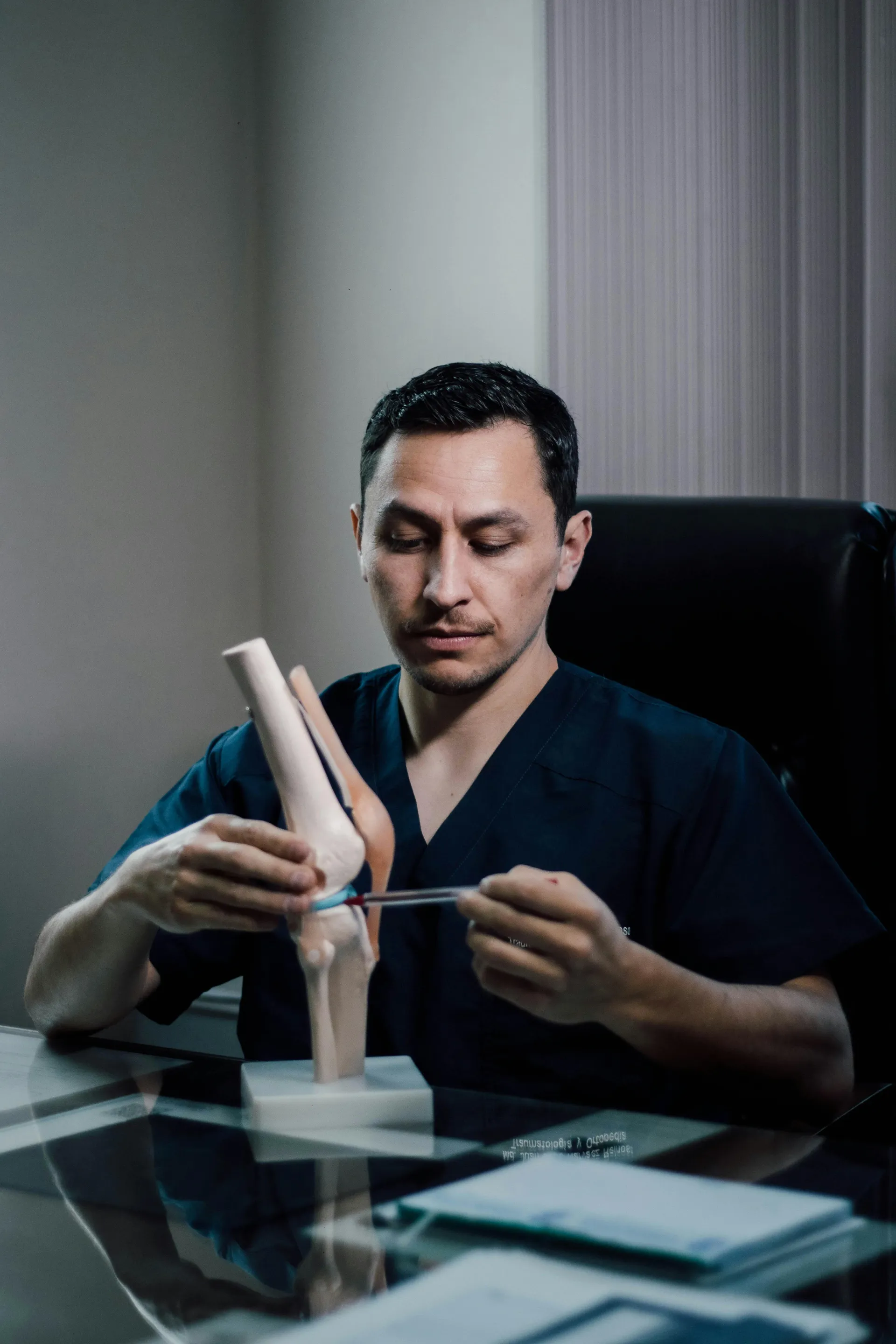
Dubai's active lifestyle — from football and padel to running, swimming, CrossFit, and weekend hiking — means sports injuries are among the most common reasons people seek orthopedic care. When you sustain a sports injury, you need rapid, accurate diagnosis and a treatment plan that gets you back to your sport safely. Dr. Mersad Moosavi at DCDC (Doctors Clinic Diagnostic Centre) in Dubai Healthcare City is an orthopedic surgeon with over 14 years of experience in diagnosing and treating the full spectrum of sports injuries — from acute ligament tears and fractures to chronic overuse conditions.
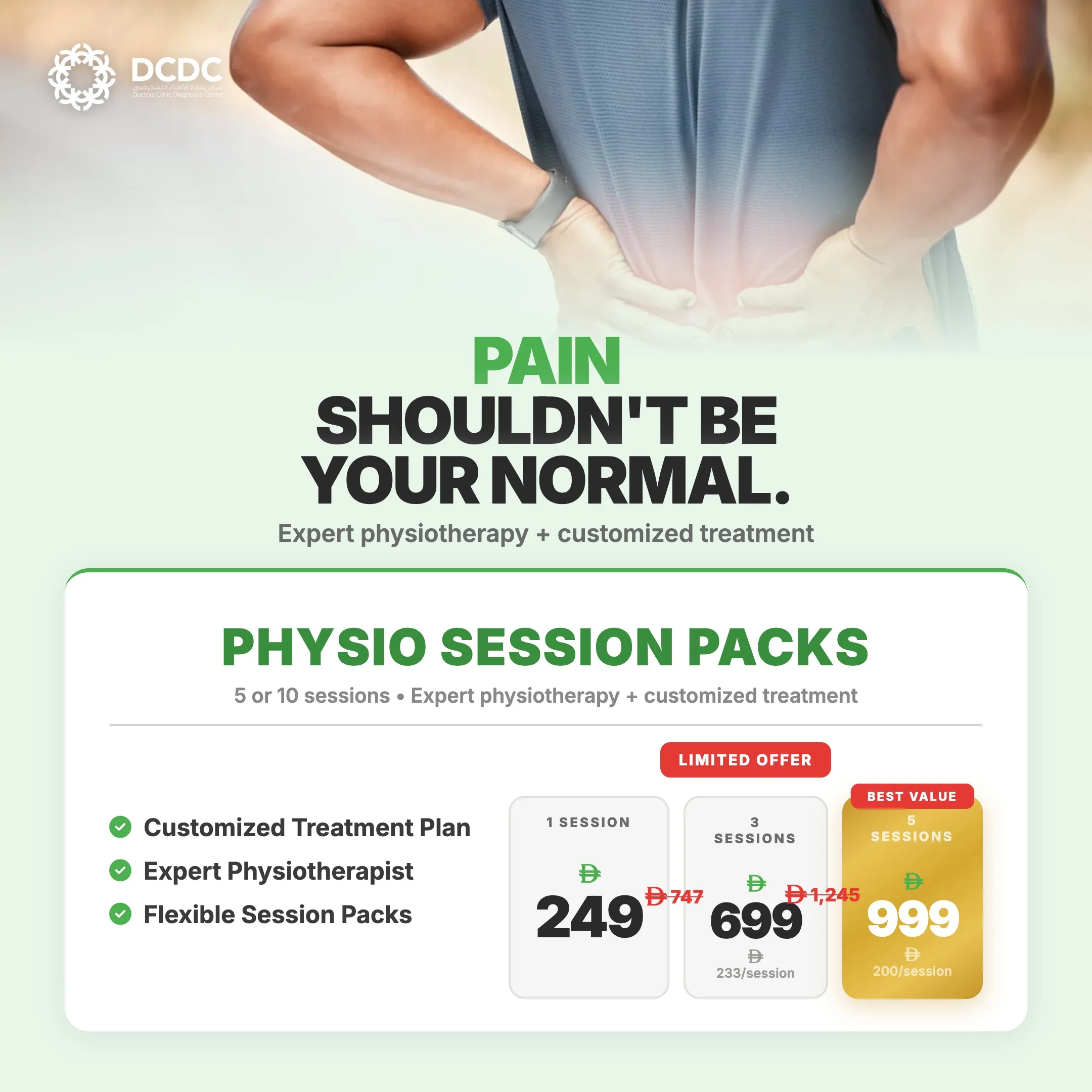
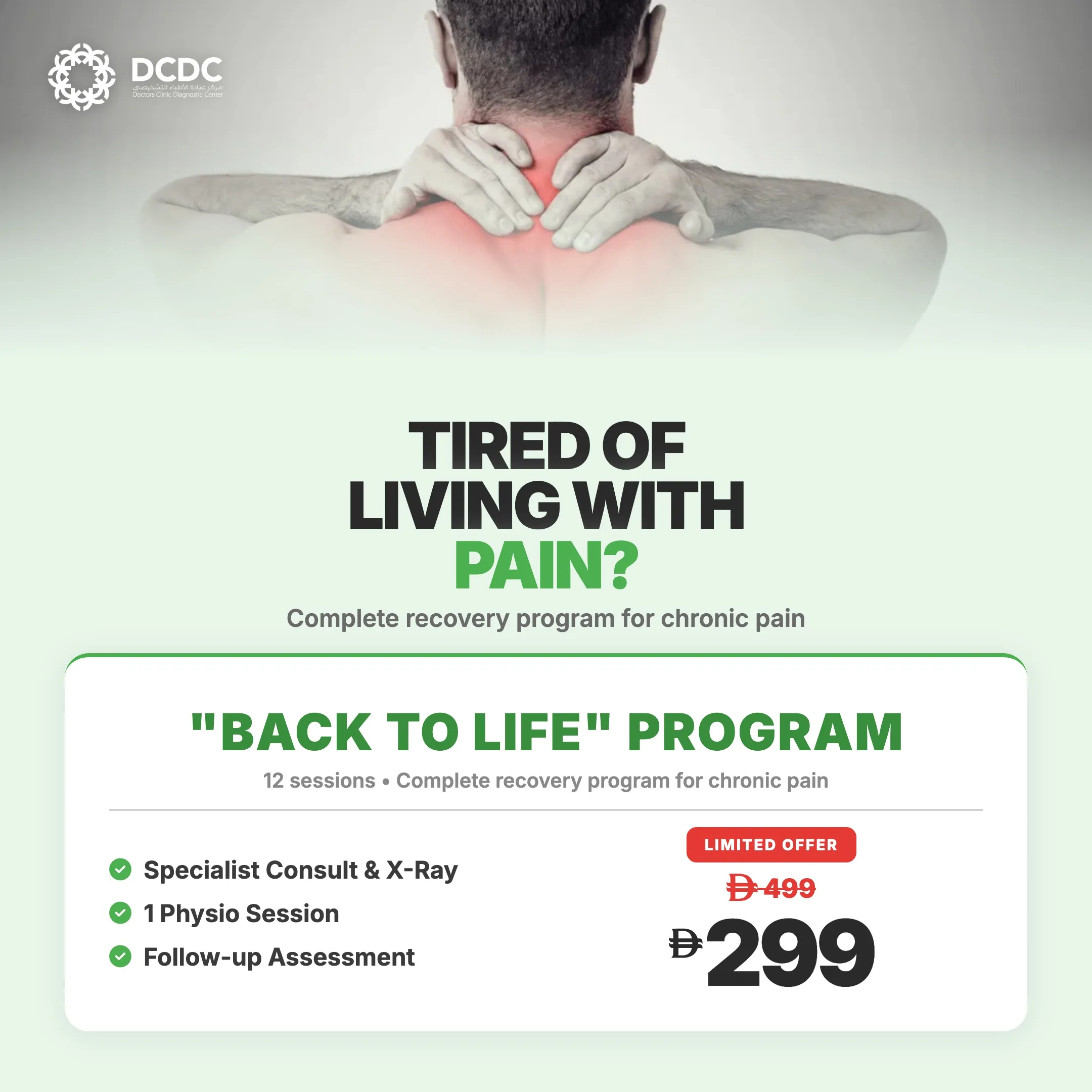
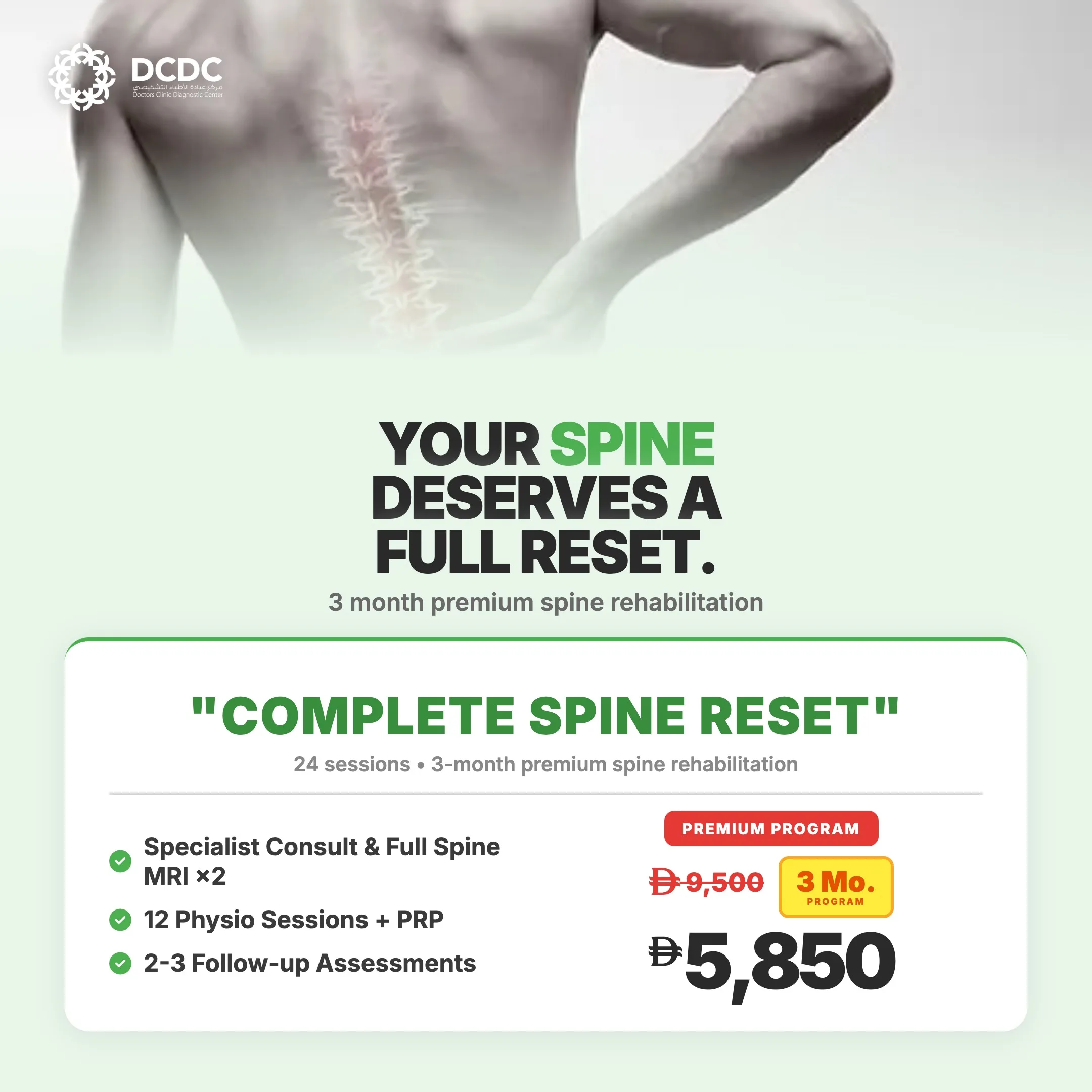
Common Sports Injuries Treated at DCDC
Sports injuries range from minor muscle strains that heal with rest to major ligament tears and fractures that require surgical repair. Dr. Mersad treats all categories of sports injury with a systematic approach: accurate diagnosis first, then the most appropriate treatment — whether conservative or surgical.
Knee Injuries
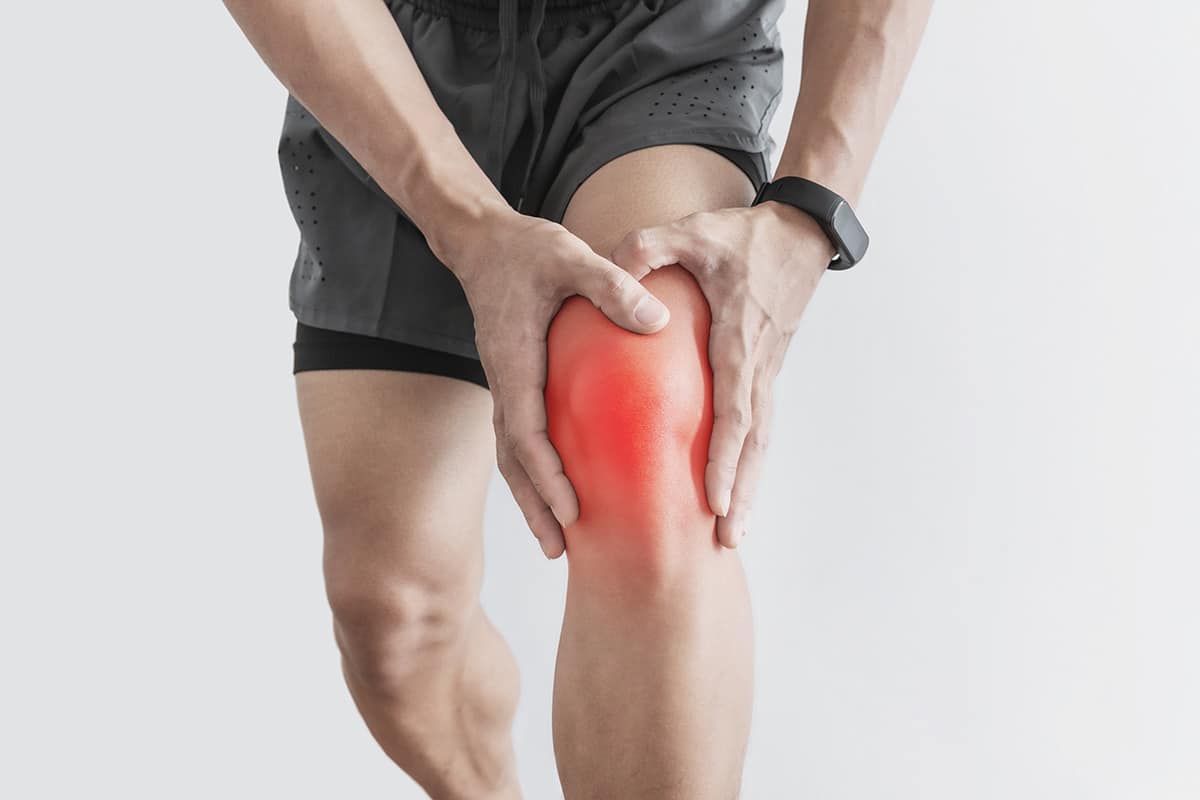
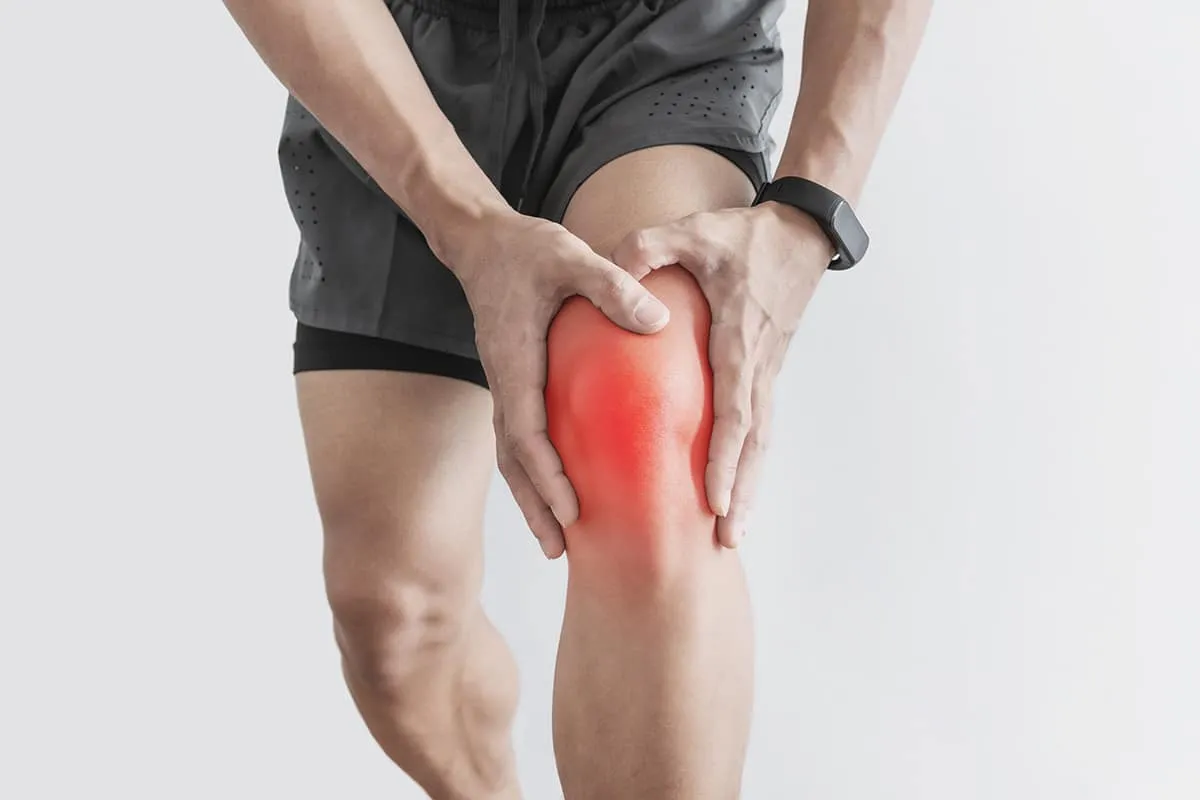
The knee is the most commonly injured joint in sports, bearing enormous forces during running, jumping, cutting, and pivoting movements.
- ACL tear (anterior cruciate ligament): One of the most serious knee injuries in sport, typically occurring during sudden deceleration, pivoting, or landing from a jump. Partial tears may be managed conservatively; complete tears in active individuals usually require arthroscopic ACL reconstruction using a tendon graft
- Meniscus tear: The meniscus is a C-shaped cartilage that cushions the knee joint. Tears cause pain, swelling, catching, and locking. Treatment depends on tear location and pattern — some tears can be repaired arthroscopically, while others require partial meniscectomy
- MCL and LCL sprains: Ligament sprains on the inner (MCL) or outer (LCL) side of the knee, usually from direct impact or twisting forces. Most heal with bracing and physiotherapy without surgery
- Patellofemoral pain (runner's knee): Pain at the front of the knee, common in runners and cyclists. Managed with physiotherapy focusing on hip and quadriceps strengthening, patellar taping, and activity modification
- Patellar tendinopathy (jumper's knee): Overuse condition of the tendon below the kneecap, common in basketball, volleyball, and jumping sports. Treated with eccentric exercise programmes, PRP therapy, and graduated return to sport
Shoulder Injuries
- Rotator cuff tear: Tears of the shoulder's stabilising tendons, ranging from partial tears (managed with physiotherapy) to complete tears (often requiring arthroscopic repair). Common in throwing sports, swimming, and overhead activities
- Shoulder dislocation: The ball of the shoulder joint comes out of the socket, usually from a fall or collision. First dislocations are reduced (put back) and immobilised; recurrent dislocations may require surgical stabilisation (Bankart repair)
- Labral tear (SLAP lesion): Tear of the cartilage rim around the shoulder socket, causing pain, clicking, and instability. Diagnosed with MRI and treated with physiotherapy or arthroscopic repair
- AC joint injury: Acromioclavicular joint separation from a fall onto the shoulder. Most grades are managed conservatively; severe separations may require surgery
- Shoulder impingement: Compression of rotator cuff tendons between the shoulder bones during overhead movements. Treated with physiotherapy, corticosteroid injection, and technique modification
Ankle and Foot Injuries
- Ankle sprain: The most common sports injury globally. Most sprains respond to RICE (rest, ice, compression, elevation) and physiotherapy. Severe sprains with ligament rupture may require bracing or rarely surgical repair
- Achilles tendon injuries: Tendinopathy (chronic overuse pain) or acute rupture. Tendinopathy is treated with eccentric exercises and PRP; complete ruptures typically require surgical repair followed by structured rehabilitation
- Plantar fasciitis: Heel pain from inflammation of the plantar fascia, common in runners. Managed with stretching, orthotics, shockwave therapy, and PRP injections in resistant cases
- Stress fractures: Overuse fractures, particularly in the metatarsal bones (foot) and tibia (shin). Require rest, activity modification, and investigation for underlying factors (vitamin D deficiency, female athlete triad)
Other Common Sports Injuries
- Muscle strains: Hamstring, quadriceps, calf, and groin strains from overstretching or sudden acceleration. Managed with physiotherapy, graduated return to activity, and prevention programmes
- Tennis elbow (lateral epicondylitis): Overuse pain on the outside of the elbow. Treated with eccentric exercises, bracing, PRP, and technique modification
- Golfer's elbow (medial epicondylitis): Similar to tennis elbow but affecting the inner elbow. Same treatment approach with focus on wrist flexor strengthening
- Fractures: From acute trauma — collarbone (common in cycling falls), wrist (fall on outstretched hand), ankle, and finger fractures. Treatment ranges from casting to surgical fixation depending on fracture type and location
- Concussion: While primarily managed by neurologists, Dr. Mersad evaluates athletes with associated neck and spine injuries from contact sports
Sports Injury Diagnosis at DCDC
Accurate diagnosis is the foundation of effective sports injury treatment. At DCDC, Dr. Mersad follows a systematic diagnostic approach:
- Clinical history: Mechanism of injury (how it happened), immediate symptoms, sport and position played, previous injuries, and current functional limitations
- Physical examination: Specific clinical tests for each suspected injury — for example, Lachman test and anterior drawer for ACL, McMurray test for meniscus, apprehension test for shoulder instability. Dr. Mersad's 14+ years of experience mean he can often identify the injury with clinical examination alone
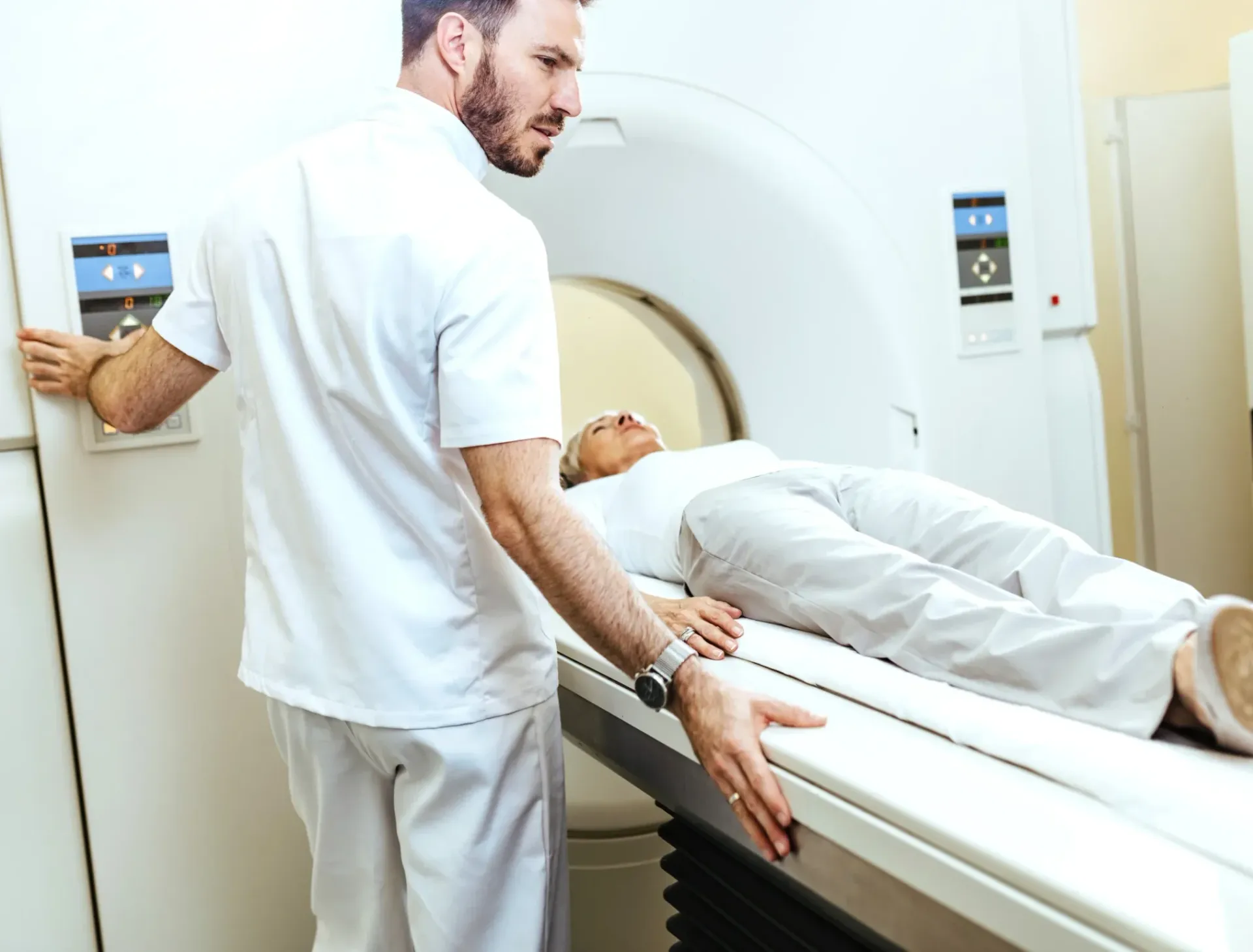
- MRI (on-site): DCDC's in-house MRI provides detailed soft tissue imaging — essential for diagnosing ligament tears, meniscus injuries, tendon damage, labral tears, and stress fractures. Same-day MRI eliminates the typical wait for external imaging
- X-ray (on-site): For fracture detection, joint alignment assessment, and ruling out bony injuries. Available immediately
- Ultrasound: Dynamic imaging useful for tendon injuries, muscle tears, and guided injections
Treatment Options: Conservative and Surgical
Dr. Mersad follows a conservative-first philosophy — recommending surgery only when it is clearly the best option for the patient's injury, sport, and goals. Treatment options at DCDC include:
Conservative (Non-Surgical) Treatment
- Structured physiotherapy: DCDC's in-house physiotherapy team provides sport-specific rehabilitation programmes designed in coordination with Dr. Mersad. Programmes target injury healing, strength restoration, and safe return to sport
- PRP (Platelet-Rich Plasma) therapy: Regenerative injection using concentrated platelets from the patient's own blood to accelerate healing of tendons, ligaments, and muscles. Particularly effective for tendinopathy, partial ligament tears, and chronic muscle injuries
- Corticosteroid injections: Anti-inflammatory injections for acute inflammation in joints, bursa, or around tendons. Provides rapid pain relief, though typically limited in the number of repeat injections
- Bracing and taping: Functional braces for knee and ankle instability, taping techniques for patellar tracking issues and ankle support
- Activity modification and training advice: Adjusting training load, technique, and equipment to reduce re-injury risk and address underlying biomechanical factors
Surgical Treatment
- ACL reconstruction: Arthroscopic surgery to replace the torn ACL with a tendon graft (hamstring or patellar tendon). Rehabilitation takes 9-12 months for full return to pivoting sports
- Meniscus repair or meniscectomy: Arthroscopic surgery to repair or trim a torn meniscus. Repair preserves more cartilage but requires longer rehabilitation
- Rotator cuff repair: Arthroscopic reattachment of torn shoulder tendons to the bone. Rehabilitation typically takes 4-6 months
- Shoulder stabilisation (Bankart repair): Arthroscopic surgery for recurrent shoulder dislocations. Reattaches the torn labrum and tightens the joint capsule
- Fracture fixation: Surgical stabilisation of fractures with plates, screws, or wires when casting alone cannot achieve adequate alignment and healing
- Achilles tendon repair: Surgical repair of complete Achilles ruptures, followed by structured rehabilitation
Book a Sports Injury Consultation With Dr. Mersad Moosavi
Call or WhatsApp DCDC for urgent or scheduled sports injury consultations. On-site MRI, X-ray, PRP therapy, and physiotherapy available at Dubai Healthcare City.
Most major insurance plans accepted with direct billing.
Return to Sport: Getting It Right
One of the most critical aspects of sports injury management is determining when it is safe to return to sport. Returning too early risks re-injury or chronic problems; returning too late means unnecessary loss of fitness and participation. Dr. Mersad and DCDC's physiotherapy team use objective criteria to guide return-to-sport decisions:
- Strength testing: Injured limb strength must reach at least 90% of the uninjured side before returning to sport
- Range of motion: Full range of motion restored in the injured joint
- Functional testing: Sport-specific movements (hopping, cutting, jumping, throwing) performed without pain or apprehension
- Graduated return: Progressive increase in training intensity and sport-specific activities before full competition clearance
- Psychological readiness: Confidence in the injured area is essential — fear of re-injury can itself increase the risk of re-injury
Sports Popular in Dubai and Their Common Injuries
| Sport | Common Injuries | Treatment Approach |
|---|---|---|
| Football (Soccer) | ACL tear, meniscus tear, ankle sprain, hamstring strain | MRI diagnosis, arthroscopic surgery or physiotherapy, PRP |
| Padel / Tennis | Tennis elbow, shoulder impingement, ankle sprain, Achilles tendon | Physiotherapy, PRP, technique modification |
| Running / Marathon | Runner's knee, plantar fasciitis, shin splints, stress fracture | Physiotherapy, orthotics, training load adjustment |
| CrossFit / Gym | Rotator cuff injury, lower back injury, knee pain | Clinical assessment, MRI, physiotherapy, injection therapy |
| Swimming | Swimmer's shoulder, neck pain | Physiotherapy, stroke technique correction |
| Cycling | Collarbone fracture, knee pain, back pain | Fracture fixation, bike fitting, physiotherapy |
Common sports injuries in Dubai and treatment approaches at DCDC
When to See a Sports Injury Doctor
Not every sports-related ache requires a doctor visit, but you should seek specialist evaluation if:
- You heard a pop or snap during the injury — this often indicates a ligament or tendon tear
- You cannot bear weight on the injured leg or use the injured arm normally
- The joint is swollen significantly within hours of injury — rapid swelling suggests internal bleeding (haemarthrosis)
- The joint feels unstable — as if it could give way or dislocate
- Pain persists beyond 1-2 weeks despite rest and basic first aid
- You have a visible deformity — suggesting fracture or dislocation
- You have recurrent injuries to the same area — this may indicate an underlying structural problem
Why DCDC for Sports Injury Treatment
- Expert orthopedic surgeon: Dr. Mersad Moosavi has 14+ years of experience and 20+ published research papers
- Same-day imaging: On-site MRI and X-ray for rapid, accurate diagnosis
- PRP therapy: Regenerative injection treatment prepared and administered on-site
- Integrated physiotherapy: Sport-specific rehabilitation coordinated between surgeon and physiotherapy team
- Conservative-first approach: Surgery recommended only when genuinely necessary
- Bilingual care: Persian and English consultations available
DCDC में संबंधित सेवाएं
दुबई हेल्थकेयर सिटी में विशेषज्ञ देखभाल और उन्नत निदान
Sports Injury Treatment
Expert diagnosis and recovery plans for all types of sports injuries
अपॉइंटमेंट बुक करेंPRP Therapy
Platelet-rich plasma injections to accelerate healing of tendons and ligaments
अपॉइंटमेंट बुक करेंOrthopedic Consultation
Specialist musculoskeletal evaluation and treatment planning
अपॉइंटमेंट बुक करेंFrequently Asked Questions
Get Back to Your Sport With Expert Care
A sports injury does not have to mean the end of your athletic goals. With accurate diagnosis, appropriate treatment — whether conservative or surgical — and structured rehabilitation, most sports injuries can be fully resolved. The key is getting expert evaluation early and following a proper recovery plan rather than trying to push through pain or guessing at the problem.
Dr. Mersad Moosavi at DCDC Healthcare City provides the complete sports injury pathway: expert clinical assessment, same-day MRI and imaging, PRP regenerative therapy, and coordinated physiotherapy — all under one roof. His 14+ years of orthopedic experience and conservative-first approach ensure that you receive the right treatment for your specific injury.
Book your sports injury consultation by calling or sending a WhatsApp message to DCDC. Urgent and scheduled appointments available.
स्रोत एवं संदर्भ
यह लेख हमारी चिकित्सा टीम द्वारा समीक्षित है और निम्नलिखित स्रोतों का संदर्भ देता है:
- American Academy of Orthopaedic Surgeons (AAOS) — Sports Injury Treatment Guidelines
- British Journal of Sports Medicine — Return to Sport After ACL Reconstruction
- Dubai Health Authority (DHA) — Licensed Healthcare Professionals Directory
- International Olympic Committee — Consensus Statement on Sports Injury Prevention
इस साइट पर चिकित्सा सामग्री DHA-लाइसेंस प्राप्त चिकित्सकों द्वारा समीक्षित है। हमारी देखें संपादकीय नीति अधिक जानकारी के लिए।
लेखक
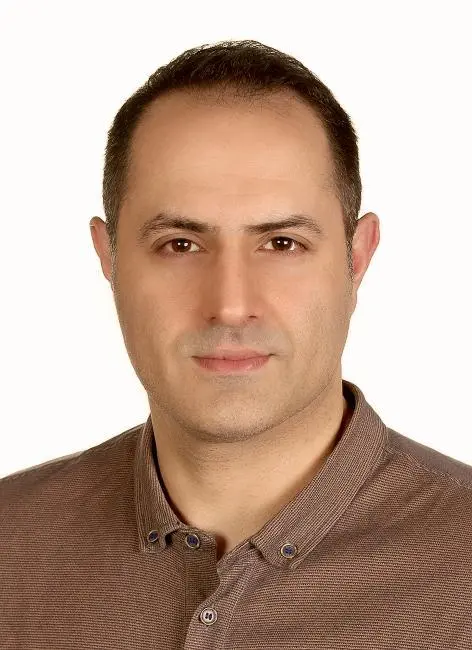
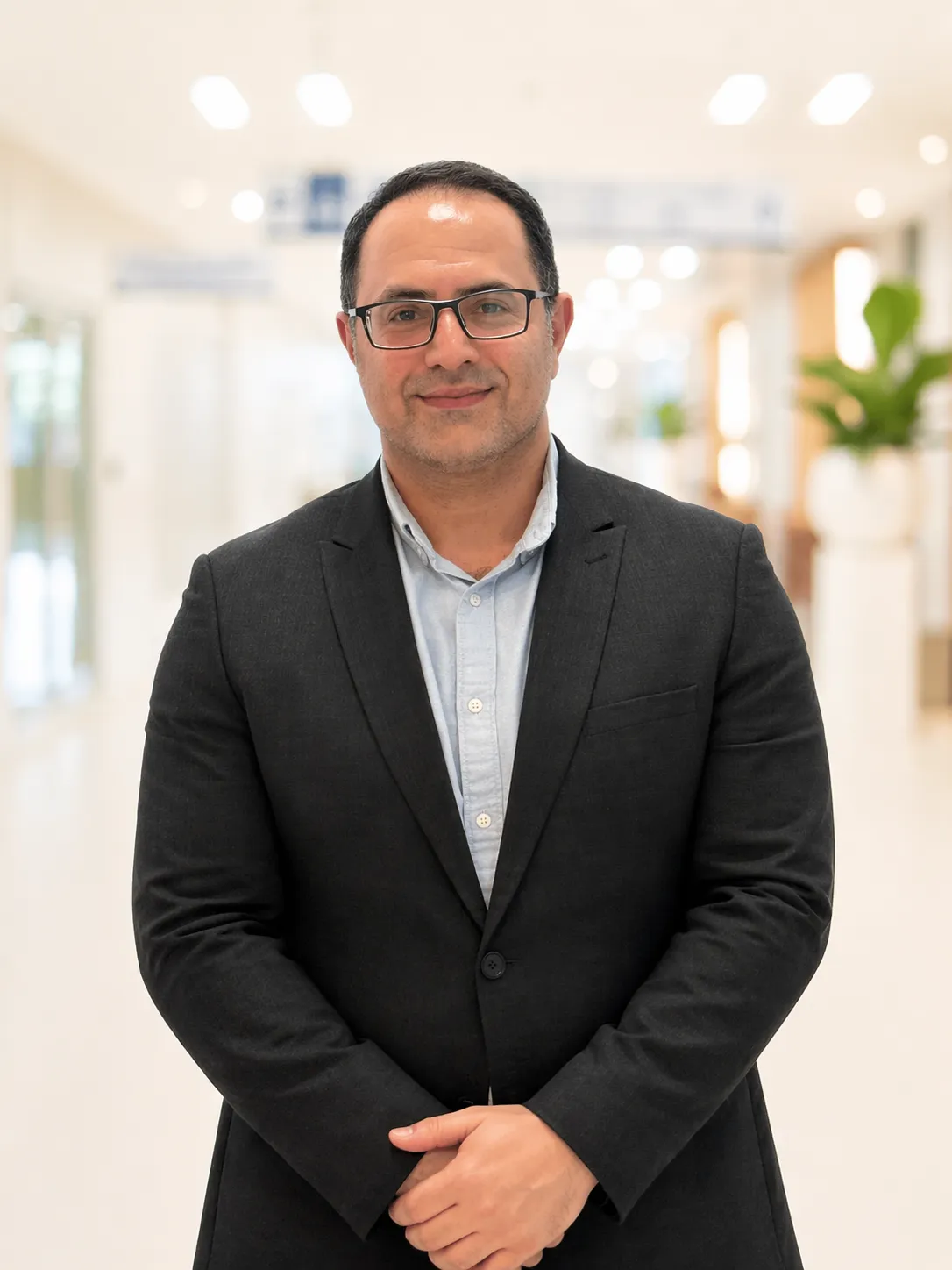
Dr. Mersad Moosavi
Specialist Orthopaedic Surgeon, Spine Surgery
MD, Spine Surgery Fellowship
Dr. Mersad Moosavi is a Specialist Orthopaedic Surgeon at DCDC Dubai Healthcare City with over 14 years of experience. He treats the full spectrum of sports injuries from ACL tears to fractures, offering both conservative and surgical treatment. He speaks Persian and English.
Related Articles
Best Orthopedic Surgeon in Dubai: Dr. Mersad Moosavi
ACL Injury Recovery Guide
PRP Injection for Joints in Dubai
Knee MRI Scan in Dubai

Sports Physiotherapy in Dubai
Meniscus Tear Treatment in Dubai
More in Orthopedics
Orthopedic Consultation Cost Dubai (2026)
और पढ़ेंACL Reconstruction Surgery in Dubai: Cost (2026)
और पढ़ेंBest Orthopedic Surgeon in Dubai: Dr. Mersad Moosavi at DCDC (2026)
और पढ़ेंIranian Orthopedic Surgeon in Dubai: Dr. Mersad Moosavi at DCDC (2026)
और पढ़ेंKnee Replacement Surgery in Dubai: Cost, Recovery & Best Surgeon (2026)
और पढ़ें
Orthopedic Surgeon in Dubai Healthcare City: Dr. Mersad Moosavi (2026)
और पढ़ें© 2026 Doctors Clinic Diagnostic Center (DCDC), Dubai Healthcare City. Originally published at https://doctorsclinicdubai.ae/blog/sports-injury-doctor-dubai. All rights reserved. Unauthorized reproduction is prohibited.