
मुख्य बातें
- Food intolerance tests in Dubai cost from AED 500 for a basic 96-food IgG panel to AED 1,500 for a comprehensive intolerance + allergy package. DCDC offers walk-in testing at Dubai Healthcare City with results in 5-7 business days.
- Food intolerance (IgG-mediated) is fundamentally different from food allergy (IgE-mediated). Intolerance causes delayed symptoms (bloating, fatigue, headaches, skin issues) appearing 4-72 hours after eating, while allergies cause immediate, potentially life-threatening reactions within minutes.
- Up to 20% of the population reports food intolerance symptoms. Common trigger foods include dairy, gluten/wheat, eggs, soy, corn, and yeast — but individual triggers vary widely, which is why testing is valuable.
- IgG food sensitivity panels can test 96-200+ food items from a single blood sample. No fasting is required, but patients should avoid antihistamines for 3-5 days before testing for optimal accuracy.
- The elimination diet remains the gold standard for confirming food intolerances, but IgG testing provides a targeted starting point — guiding which foods to eliminate rather than guessing blindly.
- Results categorise each food as normal, borderline, moderate, or high reactivity. A structured elimination and reintroduction protocol guided by your doctor is the recommended next step after receiving results.
If you have been struggling with persistent bloating after meals, unexplained fatigue, recurring headaches, irritable bowel symptoms, or skin problems that never fully resolve — a food intolerance test may finally give you answers. Unlike immediate food allergies that cause obvious reactions, food intolerances produce delayed symptoms that appear 4 to 72 hours after eating, making it nearly impossible to identify triggers through observation alone. At DCDC Dubai Healthcare City, our allergy testing services include comprehensive IgG food sensitivity panels that test 96 to 200+ foods from a single blood draw — with results available within one week and personalised dietary guidance from our medical team. This guide covers everything you need to know about food intolerance testing in Dubai: what it is, how it works, what it costs, and how to use your results effectively.
From understanding the difference between food allergy and food intolerance, to knowing which panel is right for your symptoms, comparing costs across Dubai, and interpreting your results — this is the most comprehensive food intolerance testing guide for Dubai residents. Reviewed by Dr. Hadeel Elnur, MD General Practice at DCDC Dubai Healthcare City.
Health Screening Packages
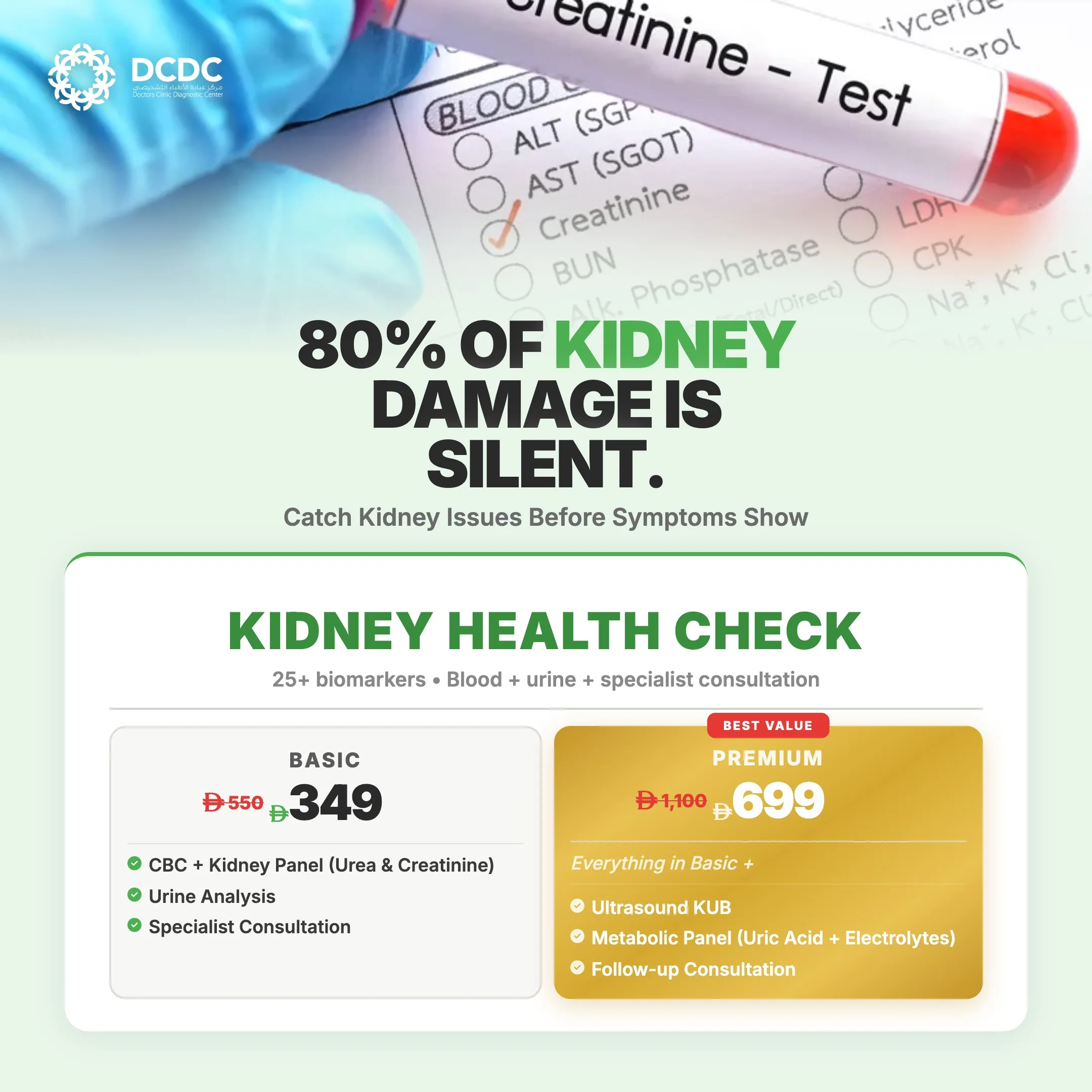
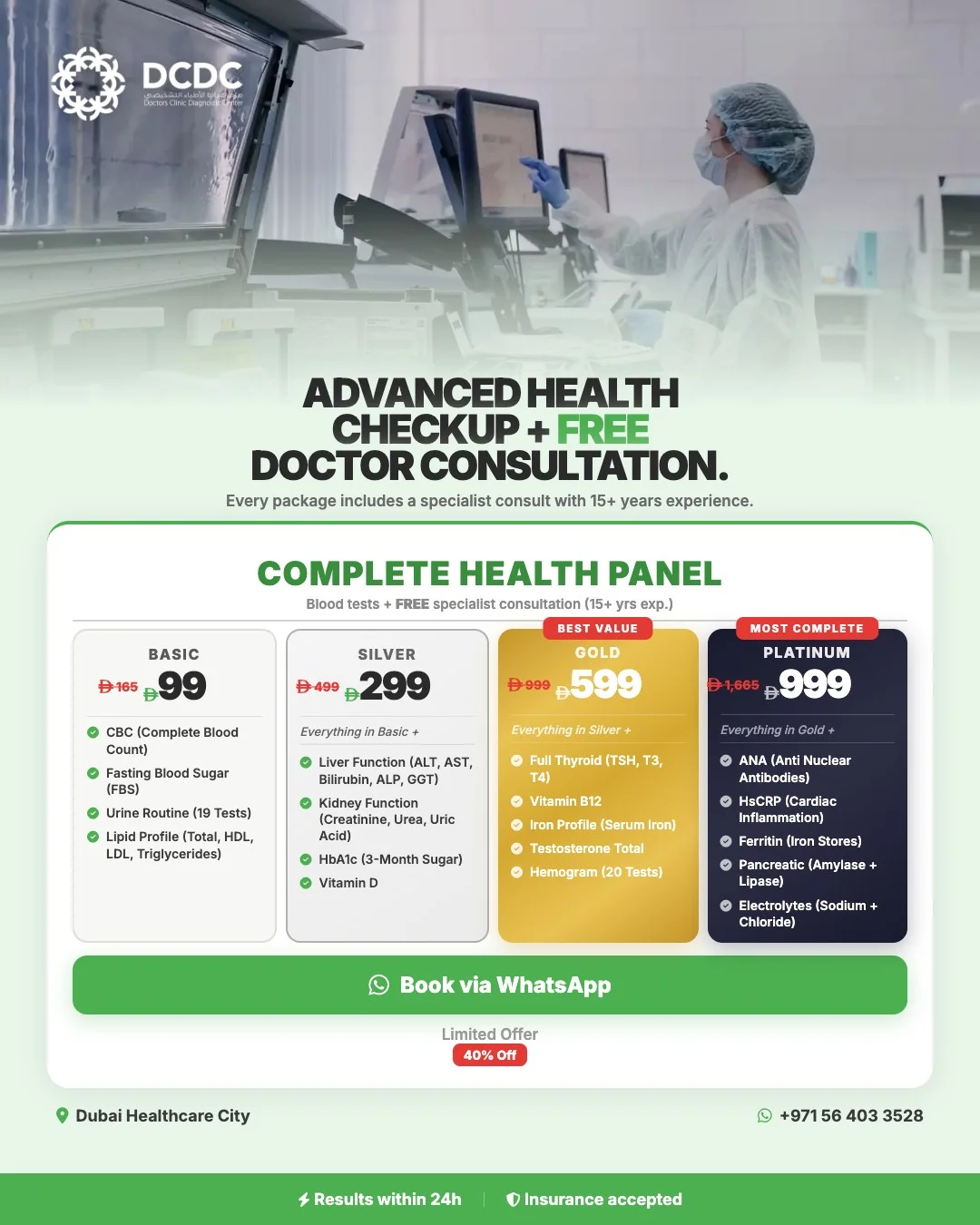
Save with our bundled screening packages — specialist consultation included




What Is a Food Intolerance Test? Understanding Sensitivity Testing
A food intolerance test — also called a food sensitivity test or IgG food panel — is a blood test that measures your immune system's Immunoglobulin G (IgG) antibody response to specific foods. When your body produces elevated IgG antibodies against a particular food, it suggests that food may be triggering an inflammatory response that leads to chronic symptoms.
Unlike a food allergy test (which measures IgE antibodies and detects immediate, potentially dangerous reactions), a food intolerance test identifies delayed hypersensitivity reactions — the kind that cause vague, chronic symptoms you might never connect to your diet. You might eat eggs on Monday morning and experience a migraine on Tuesday evening, or consume dairy at lunch and feel joint stiffness the next morning. These delayed connections are what make food intolerances so difficult to identify without testing.
The test itself is straightforward: a standard blood sample is drawn from your arm (similar to any routine blood test) and sent to a specialised laboratory where it is tested against a panel of food-specific IgG antibodies. Panels range from 96 foods (basic) to 200+ foods (comprehensive), covering everything from common staples like wheat, dairy, and eggs to less obvious triggers like specific spices, additives, and preservatives.
It is important to understand what a food intolerance test can and cannot do. It can identify foods that your immune system is reacting to, providing a targeted list of potential triggers to investigate through an elimination diet. It cannot definitively diagnose a food intolerance on its own — elevated IgG levels indicate immune exposure and reactivity, but clinical correlation (symptom improvement upon elimination) is needed to confirm the intolerance. This is why results should always be interpreted with a healthcare provider who can guide a structured elimination and reintroduction protocol.
Food Allergy vs Food Intolerance: Key Differences
One of the most common sources of confusion is the difference between a food allergy and a food intolerance. These are fundamentally different conditions involving different immune pathways, different symptoms, different levels of danger, and different tests. Understanding the distinction is essential before deciding which test you need.
| Feature | Food Allergy (IgE) | Food Intolerance (IgG) |
|---|---|---|
| Immune pathway | IgE antibodies | IgG antibodies (or non-immune mechanisms) |
| Reaction timing | Immediate: minutes to 2 hours | Delayed: 4 to 72 hours |
| Severity | Potentially life-threatening (anaphylaxis) | Uncomfortable but not dangerous |
| Symptoms | Hives, swelling, throat closing, vomiting, anaphylaxis | Bloating, fatigue, headaches, joint pain, skin irritation, brain fog |
| Amount needed | Tiny trace can trigger reaction | Usually dose-dependent — small amounts may be tolerated |
| Prevalence | 2-4% of adults | 15-20% of population reports symptoms |
| Test type | Specific IgE blood test or skin prick test | IgG food panel (blood test) |
| Treatment | Strict avoidance + carry epinephrine | Temporary elimination then gradual reintroduction |
Food allergy vs food intolerance: key clinical differences
A critical point: Food allergies are diagnosed by IgE testing (skin prick test or specific IgE blood test), while food intolerances are investigated using IgG panels. If you suspect you have a true food allergy — meaning you experience immediate reactions like swelling, hives, or difficulty breathing after eating a specific food — you need an IgE allergy blood test rather than an IgG food intolerance panel. If your symptoms are delayed, chronic, and non-life-threatening, a food intolerance test is the appropriate investigation.
Some patients have both conditions — for example, a true IgE allergy to peanuts and an IgG intolerance to dairy. In such cases, both types of testing may be recommended. At DCDC, our doctors assess your symptom pattern to recommend the right panel or combination of panels.
Signs You Need a Food Intolerance Test in Dubai
Food intolerance symptoms are often vague, chronic, and affect multiple body systems — which is why many people suffer for years without realising food is the culprit. The following signs suggest you may benefit from food sensitivity testing:
Digestive Symptoms
- Chronic bloating — feeling distended after meals, especially when you cannot identify a consistent trigger food
- Irritable bowel syndrome (IBS) — alternating diarrhoea and constipation, abdominal cramping, excessive gas
- Nausea after eating — particularly when it occurs with various foods rather than one specific item
- Acid reflux or heartburn — especially if it persists despite medication
Systemic Symptoms
- Chronic fatigue — persistent tiredness not explained by sleep deprivation, thyroid dysfunction, or iron deficiency
- Recurring headaches or migraines — especially those without a clear trigger
- Joint pain or stiffness — vague musculoskeletal discomfort without a clear cause
- Brain fog — difficulty concentrating, mental sluggishness after meals
- Unexplained weight fluctuation — particularly water retention and bloating-related weight changes
Skin Symptoms
- Eczema or dermatitis — chronic or recurring patches that do not fully respond to topical treatment
- Acne — persistent adult acne, particularly cystic or hormonal-pattern acne that worsens with certain foods
- Rosacea — facial flushing and redness linked to dietary triggers
- Urticaria (non-acute) — chronic hives without an identifiable allergic trigger
If you have seen multiple doctors for these symptoms without resolution, or if you have been diagnosed with IBS and told it is just stress — food intolerance testing provides a concrete avenue of investigation. Many patients at our clinic report significant symptom improvement within 4-6 weeks of eliminating their identified trigger foods. For more information on comprehensive testing options, read our complete guide to allergy testing in Dubai.
Types of Food Intolerance Tests Available in Dubai
Several different approaches to food intolerance testing are available in Dubai. Understanding what each one measures — and its limitations — helps you make an informed choice.
1. IgG Food Sensitivity Blood Panel
This is the most common and widely available food intolerance test in Dubai. A blood sample is analysed for IgG antibody reactivity against a panel of foods using ELISA (enzyme-linked immunosorbent assay) or microarray technology.
- Panel sizes: 96 foods (basic), 150 foods (extended), or 200+ foods (comprehensive)
- Sample type: Venous blood draw (standard blood test from arm)
- Results timeline: 5-7 business days
- Preparation: No fasting required. Avoid antihistamines for 3-5 days before testing. Eat your normal diet (including foods you suspect) in the 4 weeks before testing so antibodies are detectable
- What it measures: IgG antibody levels against each food, reported as normal, borderline, moderate, or high reactivity
- Best for: Identifying delayed food sensitivities causing digestive issues, fatigue, headaches, or skin problems
2. IgG4 Food Sensitivity Panel
Some laboratories specifically measure IgG4 — a subclass of IgG — rather than total IgG. IgG4 is sometimes considered more specific for food intolerance, though the clinical significance of IgG4 versus total IgG remains debated in the immunology community.
3. Hydrogen Breath Test
This test specifically diagnoses lactose intolerance and fructose malabsorption — two of the most common food intolerances. After ingesting a measured amount of lactose or fructose, breath samples are collected over 2-3 hours to measure hydrogen and methane levels. Elevated gas production indicates malabsorption.
4. Elimination Diet (Gold Standard)
The elimination diet remains the gold standard for diagnosing food intolerances according to major allergy organisations. It involves removing suspected foods for 2-6 weeks and systematically reintroducing them one at a time while monitoring symptoms. While highly accurate, it is time-consuming, requires significant discipline, and is difficult to execute without guidance. IgG testing is most valuable as a tool to guide and shorten the elimination process — rather than eliminating dozens of foods blindly, you can focus on those showing elevated antibody levels.
5. Mediator Release Test (MRT)
MRT measures changes in the volume of white blood cells when exposed to foods and chemicals, indicating mediator release (inflammation). It tests both immune and non-immune food sensitivities. This test is less widely available in Dubai but offered at some specialised clinics.
Food Intolerance Test Cost in Dubai: Complete Pricing
Food intolerance testing costs in Dubai vary based on the number of foods tested, the laboratory technology used, and whether you combine it with other panels. Below is a comprehensive breakdown of pricing at DCDC Dubai Healthcare City:
| Test Type | Foods/Items Tested | Price (AED) | Results Timeline |
|---|---|---|---|
| Basic Food Intolerance Panel (IgG) | 96 foods | From AED 500 | 5-7 business days |
| Comprehensive Food Panel (IgG) | 200+ foods | From AED 900 | 5-7 business days |
| Food + Environmental Allergy Combo | 200+ foods + environmental allergens | From AED 1,200 | 5-7 business days |
| IgE Allergy Panel (immediate allergies) | 40-100 allergens | From AED 400 | 24-48 hours |
| Complete Intolerance + Allergy Package | 200+ foods (IgG) + full IgE panel | From AED 1,500 | 5-7 business days |
Food intolerance and allergy test pricing at DCDC Dubai Healthcare City (2026). Prices may vary — contact the clinic for current rates.
These prices are inclusive of the blood draw, laboratory analysis, results report, and a follow-up consultation to interpret findings. Insurance coverage varies — some plans cover food intolerance testing when ordered for clinical indications such as chronic IBS or eczema, while others classify it as a wellness test. Our reception team can verify your coverage before testing.
Compared to at-home food intolerance kits (which typically cost AED 800-2,000 and require you to mail a finger-prick sample abroad), clinic-based testing offers several advantages: a proper venous blood draw yields a more reliable sample, results are interpreted by a doctor, and you receive guidance on implementing dietary changes. For context on other laboratory testing costs, see our health checkup cost guide for Dubai.
Ready to Identify Your Food Triggers?
Book a food intolerance test at DCDC Dubai Healthcare City. IgG panels testing 96-200+ foods from AED 500. Walk-in appointments available, results within one week.
Call or WhatsApp to book — most insurance plans accepted
How Food Sensitivity Testing Works at DCDC
The food intolerance testing process at DCDC Dubai Healthcare City is straightforward and designed to be as convenient as possible. Here is what to expect from consultation to results:
Step 1: Initial Consultation
Your doctor reviews your symptoms, medical history, current diet, and any previous investigations. Based on this assessment, they recommend the appropriate panel size and type. If your symptoms suggest a true food allergy (immediate reactions), they may recommend an IgE panel instead of — or in addition to — the IgG intolerance panel.
Step 2: Blood Collection
A standard venous blood sample is drawn from your arm — the same as any routine blood test. The procedure takes less than 5 minutes. No fasting is required, but you should:
- Avoid antihistamines (cetirizine, loratadine, fexofenadine) for 3-5 days before the test
- Continue eating your normal diet in the weeks before testing — including foods you suspect may be causing problems. If you have already eliminated a food for more than 4 weeks, IgG levels may have dropped and the test may not detect it
- Inform the doctor if you are taking immunosuppressive medications (steroids, biologics) as these can affect results
- Stay well hydrated to make the blood draw easier
Step 3: Laboratory Analysis
Your blood sample is analysed using ELISA technology against each food in the panel. The laboratory measures the concentration of food-specific IgG antibodies and categorises each food's reactivity level. The analysis is performed in an accredited laboratory facility meeting DHA standards.
Step 4: Results and Interpretation
Results are typically available within 5-7 business days. You receive a detailed report showing your IgG reactivity to each tested food, categorised by severity. A follow-up appointment with your doctor is included to interpret results, create a personalised elimination plan, and discuss the reintroduction timeline.
The entire process — from initial consultation to receiving your elimination diet plan — typically takes 7-10 days. Walk-in testing is available for the blood draw if you have already had a consultation, or you can book everything in a single appointment. If you are also considering other laboratory investigations, our blood test guide covers all available panels and pricing.
Common Foods Tested in Intolerance Panels
IgG food intolerance panels cover a wide range of foods grouped by category. The comprehensive 200+ food panel at DCDC includes the following categories:
Dairy and Eggs
Cow's milk (casein and whey separately), goat's milk, sheep's milk, cheese varieties, yoghurt, butter, egg white, egg yolk. Dairy is the most common food intolerance trigger — studies suggest up to 65-70% of the global population has some degree of lactose malabsorption, and dairy proteins (casein, whey) are frequent IgG triggers independent of lactose intolerance.
Grains and Gluten
Wheat, barley, rye, oats, spelt, kamut, corn/maize, rice, quinoa, buckwheat, millet, amaranth. Gluten-containing grains are among the top triggers — non-coeliac gluten sensitivity affects an estimated 6-13% of the population and is distinct from coeliac disease (which requires different testing).
Proteins
Beef, chicken, lamb, pork, turkey, duck, salmon, tuna, cod, shrimp, crab, lobster, squid. Animal proteins are less commonly reactive than dairy or grains, but elevated IgG to specific proteins is not uncommon.
Fruits and Vegetables
The panel tests 40-60 individual fruits and vegetables including tomato, potato, onion, garlic, broccoli, spinach, celery, apple, banana, citrus fruits, grapes, berries, avocado, and tropical fruits. Nightshade vegetables (tomato, potato, peppers, aubergine) are notable triggers for some individuals, particularly those with joint pain.
Nuts, Seeds, and Legumes
Almonds, cashews, walnuts, peanuts, pistachios, hazelnuts, sesame, sunflower seeds, flaxseed, soy, lentils, chickpeas, kidney beans. Soy deserves special mention as it is hidden in hundreds of processed foods and is a common intolerance trigger.
Herbs, Spices, and Others
Yeast (baker's and brewer's), coffee, cocoa/chocolate, black tea, green tea, ginger, turmeric, cinnamon, black pepper, chilli, mustard, vanilla, and food additives. Yeast intolerance is frequently identified and can explain symptoms triggered by bread, beer, wine, fermented foods, and even some supplements.
Understanding Your Food Intolerance Test Results
When your results arrive, each food will be classified into a reactivity category based on the concentration of food-specific IgG antibodies detected. Understanding these categories is essential for knowing what action to take:
- Normal / No reactivity (Green): IgG levels are within the normal range. These foods are unlikely to be causing symptoms and can be continued in your diet without concern.
- Borderline / Mild reactivity (Yellow): IgG levels are slightly elevated. These foods may be contributing to symptoms if consumed frequently or in large quantities. A rotation approach (eating them no more than every 3-4 days) is typically recommended rather than full elimination.
- Moderate reactivity (Orange): IgG levels are clearly elevated. These foods are likely contributing to your symptoms and should be eliminated for 8-12 weeks before attempting reintroduction.
- High reactivity (Red): IgG levels are significantly elevated. These foods should be fully eliminated for a minimum of 12-16 weeks. They are the most likely drivers of your symptoms.
Important context for interpreting results: Having elevated IgG to a food does not automatically mean you are intolerant to it. IgG antibodies can reflect regular dietary exposure — if you eat large quantities of a food daily, you may produce elevated IgG without it causing symptoms. This is why the elimination-reintroduction protocol is critical: it confirms whether removing the food actually resolves symptoms. Your doctor will help you distinguish between clinically significant results and incidental findings.
Most patients find that 3-8 foods show moderate or high reactivity, with another 5-15 foods in the borderline range. It is rare (and should raise questions) if a result shows 30+ foods as highly reactive — this may indicate a leaky gut issue or testing methodology concerns rather than true intolerance to all those foods. If you also want to check for immediate allergies alongside your intolerance results, consider reading about the IgE allergy blood test which measures a completely different immune pathway.
What to Do After Getting Your Results
Receiving your food intolerance results is just the beginning — the real benefit comes from the structured dietary changes that follow. Here is a step-by-step approach to implementing your results effectively:
Phase 1: Elimination (Weeks 1-12)
- Remove all high-reactivity (red) foods completely from your diet
- Remove all moderate-reactivity (orange) foods completely
- Rotate borderline (yellow) foods — eat no more than once every 3-4 days
- Keep a symptom diary documenting changes in digestive symptoms, energy, skin, headaches, and joint pain
- Ensure nutritional adequacy — if eliminating dairy, ensure calcium and vitamin D intake from other sources; if eliminating grains, ensure adequate fibre
Phase 2: Assessment (Week 12)
After 8-12 weeks of elimination, assess your symptoms. Most patients notice significant improvement within 4-6 weeks if the identified foods were indeed causing their symptoms. If symptoms have improved, proceed to reintroduction. If no improvement is noticed, discuss with your doctor — other causes may need investigation.
Phase 3: Reintroduction (Weeks 12-20+)
- Reintroduce one food at a time, starting with moderate-reactivity foods
- Eat a normal portion of the reintroduced food for 3 consecutive days
- Monitor for symptoms over the next 72 hours (remember, reactions are delayed)
- If no symptoms return, that food can likely be added back to your regular diet in moderation
- If symptoms return, re-eliminate that food and try again in 3-6 months
- Wait 4-5 days between reintroducing different foods so you can clearly attribute any symptoms
This process requires patience — a full reintroduction protocol can take 2-3 months — but it provides definitive answers about your individual triggers. Many patients find they can eventually tolerate previously reactive foods in small amounts or on a rotation basis, even if they cannot consume them daily.
Nutritional deficiency is a real concern during extended elimination diets. If you are removing multiple food groups (such as dairy and grains simultaneously), your doctor may recommend specific supplements or monitoring. Checking your baseline nutritional status with a vitamin D test and other micronutrient panels before starting elimination is advisable — particularly in Dubai where vitamin D deficiency is already extremely prevalent.
Food Intolerance Testing for Children in Dubai
Children can develop food intolerances just as adults can — and in fact, food sensitivities may be more impactful in children because they affect growth, development, behaviour, and school performance. Common signs of food intolerance in children include:
- Chronic stomach aches — recurrent abdominal pain without a clear medical cause
- Eczema — persistent or recurring skin patches, especially if they flare unpredictably
- Behavioural changes — irritability, hyperactivity, difficulty concentrating, mood swings after eating
- Poor growth or failure to thrive — if a child is not gaining weight or growing as expected
- Chronic nasal congestion — persistent mucus production without infection
- Recurrent ear infections — some studies link dairy intolerance to chronic otitis media in children
- Reflux in infants — excessive spitting up, colic, and unsettled behaviour may indicate cow's milk protein intolerance
IgG food intolerance testing can be performed on children from age 2 onwards. For younger infants, a supervised elimination diet (removing suspected foods from the breastfeeding mother's diet or switching to a hypoallergenic formula) is the preferred approach, guided by a paediatrician.
Important considerations for paediatric food intolerance testing: the panel should be appropriate for the child's actual diet (there is no point testing foods the child has never eaten), results must be interpreted conservatively to avoid unnecessary dietary restriction during critical growth periods, and any elimination diet in a child should be supervised by a healthcare provider to ensure nutritional adequacy. At DCDC, our team has experience with paediatric food sensitivity cases and will create an age-appropriate plan that does not compromise nutrition.
Food Intolerance Test in Dubai: Why Location Matters
Dubai's multicultural population and unique dietary landscape make food intolerance testing particularly relevant here. Several factors specific to Dubai and the UAE affect food sensitivities:
- Diverse dietary exposure: Dubai residents eat cuisines from around the world — South Asian, Middle Eastern, European, East Asian, American — exposing the immune system to a wider variety of food proteins than in most countries
- Processed food prevalence: The UAE has one of the highest per-capita consumption rates of processed and imported foods in the region, increasing exposure to additives, preservatives, and hidden allergens like soy and corn derivatives
- Climate stress: Dubai's extreme heat may affect gut permeability and immune function, potentially increasing susceptibility to food sensitivities
- Relocation and diet changes: Many expats significantly change their diet after moving to Dubai — introducing new foods while reducing others — which can trigger new sensitivities
- Vitamin D deficiency: Widespread in Dubai despite the sunshine, vitamin D deficiency is linked to increased intestinal permeability and immune dysregulation, potentially worsening food intolerances
Choosing a DHA-regulated clinic like DCDC for your food intolerance test ensures your sample is handled correctly, results are produced by an accredited laboratory, and — critically — a qualified doctor interprets your findings and guides your elimination plan. At-home kits and unregulated testing providers may produce results without proper medical oversight, leading to unnecessarily restrictive diets or missed diagnoses.
Book Your Food Intolerance Test at DCDC Dubai
Getting tested at DCDC Dubai Healthcare City is simple and convenient. Here is how to book and what to expect:
- Location: DCDC, Dubai Healthcare City, Building 64, Block A — easily accessible with free parking available
- Booking: Call, WhatsApp, or book online. Walk-in appointments are available for blood draws
- Timing: The blood draw takes less than 5 minutes. Results are available in 5-7 business days
- Preparation: No fasting needed. Stop antihistamines 3-5 days before. Continue eating normally
- Insurance: Most major Dubai insurance plans accepted. Coverage verified before testing
- Follow-up: Results consultation included — your doctor will explain findings and create a personalised elimination plan
Whether you choose the basic 96-food panel (from AED 500) or the comprehensive 200+ food panel (from AED 900), you receive a complete service: professional blood collection, accredited laboratory analysis, detailed results report, and medical interpretation with a dietary action plan. For patients wanting a thorough investigation, the Complete Intolerance + Allergy Package (from AED 1,500) covers both IgG food sensitivities and IgE immediate allergies in one comprehensive assessment.
Stop Guessing — Get Tested Today
Book your food intolerance test at DCDC Dubai Healthcare City. Comprehensive IgG panels from AED 500. Same-week results with personalised dietary guidance from our medical team.
Walk-in available or book by phone/WhatsApp — Dubai Healthcare City, Building 64
Frequently Asked Questions About Food Intolerance Testing
Below we address the most common questions patients ask about food intolerance testing. If your question is not covered here, contact our team for personalised advice.
DCDC में संबंधित सेवाएं
दुबई हेल्थकेयर सिटी में विशेषज्ञ देखभाल और उन्नत निदान
Frequently Asked Questions
Final Thoughts on Food Intolerance Testing
Food intolerances are remarkably common — affecting up to 20% of the population — yet they remain under-diagnosed because their delayed, vague symptoms make it nearly impossible to identify triggers through observation alone. A food intolerance test provides a scientific starting point, transforming months of trial-and-error elimination into a targeted, efficient process guided by your actual immune response data.
The key to getting value from food intolerance testing is understanding what it is and what it is not. It is a guide — not a definitive diagnosis. The results tell you which foods your immune system is reacting to, but confirming clinical relevance requires the elimination-reintroduction protocol. When used correctly under medical guidance, the combination of IgG testing plus structured elimination produces excellent outcomes for many patients with chronic digestive issues, fatigue, headaches, and skin problems.
At Doctors Clinic Diagnostic Center (DCDC) in Dubai Healthcare City, we offer comprehensive food intolerance panels testing 96-200+ foods, with results interpreted by our medical team and personalised dietary guidance included. Whether you choose the basic panel from AED 500 or the complete intolerance + allergy package from AED 1,500, you receive professional testing, accredited laboratory analysis, and ongoing medical support for your elimination journey. Walk-in testing is available, and most major insurance plans are accepted.
स्रोत एवं संदर्भ
यह लेख हमारी चिकित्सा टीम द्वारा समीक्षित है और निम्नलिखित स्रोतों का संदर्भ देता है:
- World Allergy Organization (WAO) — Food Allergy and Intolerance Classification
- NHS UK — Food Intolerance: Overview, Symptoms, and Diagnosis
- Mayo Clinic — Food Allergy: Symptoms, Causes, and Diagnosis
- NICE Guidelines — Food Allergy in Under 19s: Assessment and Diagnosis (CG116)
- European Academy of Allergy and Clinical Immunology (EAACI) — Molecular Allergology User's Guide
- Journal of Allergy and Clinical Immunology — IgG4-Mediated Food Sensitivity and Elimination Diets
इस साइट पर चिकित्सा सामग्री DHA-लाइसेंस प्राप्त चिकित्सकों द्वारा समीक्षित है। हमारी देखें संपादकीय नीति अधिक जानकारी के लिए।

लेखक
Dr. Hadeel Elnur
General Practitioner
MD General Practice
Dr. Hadeel Elnur is a General Practitioner at DCDC Dubai Healthcare City with expertise in primary care, preventive medicine, and diagnostic testing. She helps patients identify food intolerances and develop effective elimination strategies to improve their quality of life.
Related Articles

Allergy Testing Dubai: IgE, Skin Prick & Cost
IgE Allergy Blood Test Dubai: Cost & Guide

Blood Test Dubai: Types, Cost & Fasting Guide

Vitamin D Deficiency Dubai: Signs & Treatment

Health Checkup Cost in Dubai: AED 800-6,000
More in General Health

Post-Surgical Care at Home Dubai: Guide (2026)
और पढ़ें
Corporate Wellness Dubai: Programs & Cost (2026)
और पढ़ें
Pre Employment Medical Test Dubai: Cost (2026)
और पढ़ें
Bronchitis Treatment Dubai: Symptoms & Care (2026)
और पढ़ें
Wound Care at Home Dubai: Full Guide (2026)
और पढ़ें
Dizziness Causes Dubai: When to Get Checked (2026)
और पढ़ें© 2026 Doctors Clinic Diagnostic Center (DCDC), Dubai Healthcare City. Originally published at https://doctorsclinicdubai.ae/blog/food-intolerance-test-dubai. All rights reserved. Unauthorized reproduction is prohibited.