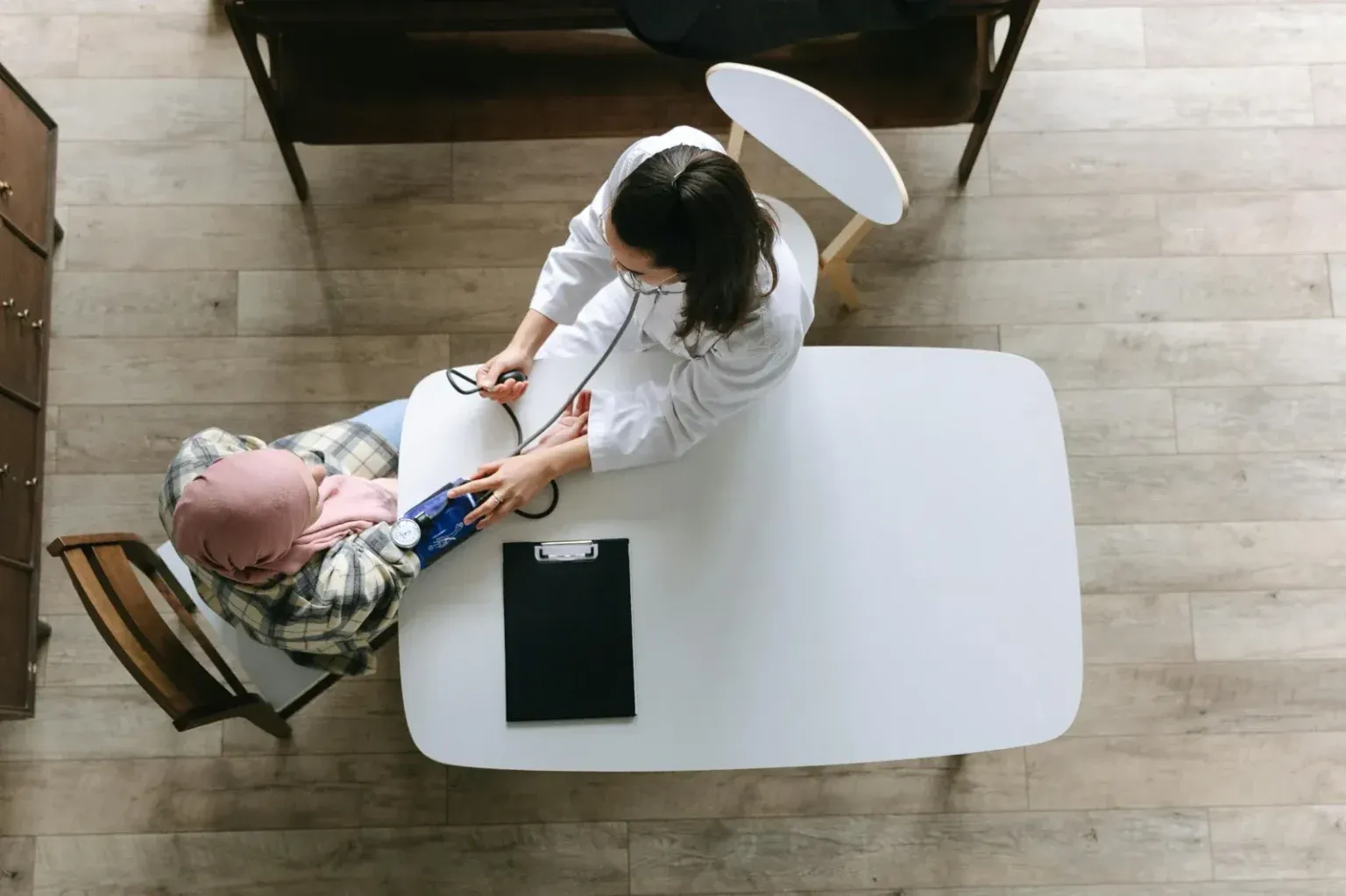
मुख्य बातें
- सर्वाइकल कैंसर नियमित स्क्रीनिंग (पैप स्मीयर + HPV टेस्ट) से लगभग पूरी तरह रोका जा सकता है — शुरुआती पहचान में इलाज की दर लगभग 100% है
- 25-65 वर्ष की सभी महिलाओं की जांच होनी चाहिए: हर 3 साल में पैप स्मीयर, हर 5 साल में HPV को-टेस्ट, या हर 5 साल में HPV प्राइमरी स्क्रीनिंग
- HPV (ह्यूमन पैपिलोमावायरस) 99.7% सर्वाइकल कैंसर का कारण है — HPV वैक्सीन सबसे खतरनाक स्ट्रेन (16 और 18) से बचाती है और दुबई में 9-45 वर्ष की आयु के लिए उपलब्ध है
- असामान्य पैप स्मीयर का मतलब कैंसर नहीं है — अधिकांश असामान्यताएं मामूली (ASCUS, LSIL) हैं और अपने आप ठीक हो जाती हैं, खासकर 30 से कम उम्र की महिलाओं में
- स्क्रीनिंग में 5 मिनट से कम समय लगता है, हल्की असुविधा होती है लेकिन दर्दनाक नहीं होती, और आपकी जान बचा सकती है
- DCDC दुबई हेल्थकेयर सिटी अनुभवी स्त्री रोग विशेषज्ञों द्वारा 5-7 दिनों में रिजल्ट के साथ पैप स्मीयर + HPV को-टेस्ट प्रदान करता है
सर्वाइकल कैंसर दुनिया में सबसे अधिक रोकथाम योग्य कैंसर में से एक है — फिर भी यह हर साल विश्व स्तर पर 340,000 से अधिक महिलाओं की जान लेता है। जीवन और मृत्यु के बीच का अंतर अक्सर एक साधारण स्क्रीनिंग टेस्ट होता है जिसमें पांच मिनट से भी कम समय लगता है। यदि आप अपनी सर्वाइकल कैंसर स्क्रीनिंग टालती रही हैं, या यदि आपको नहीं पता कि कब शुरू करें, तो यह गाइड पैप स्मीयर, HPV टेस्टिंग, स्क्रीनिंग शेड्यूल, दुबई में लागत और रिजल्ट असामान्य आने पर क्या होता है — सब कुछ कवर करती है।
UAE में, सर्वाइकल कैंसर महिलाओं में सबसे आम कैंसर में शामिल है, बावजूद इसके कि यह लगभग पूरी तरह रोका जा सकता है। चाहे आपकी पहली स्क्रीनिंग का समय हो या आपके पास किसी असामान्य रिजल्ट के बारे में सवाल हों, यह साक्ष्य-आधारित गाइड आपको हर कदम पर मार्गदर्शन करती है — HPV को समझने से लेकर दुबई में स्क्रीनिंग प्रक्रिया में नेविगेट करने, रिजल्ट की व्याख्या करने और विशेषज्ञ देखभाल कब लेनी है, यह जानने तक।
Health Screening Packages
Save with our bundled screening packages — specialist consultation included
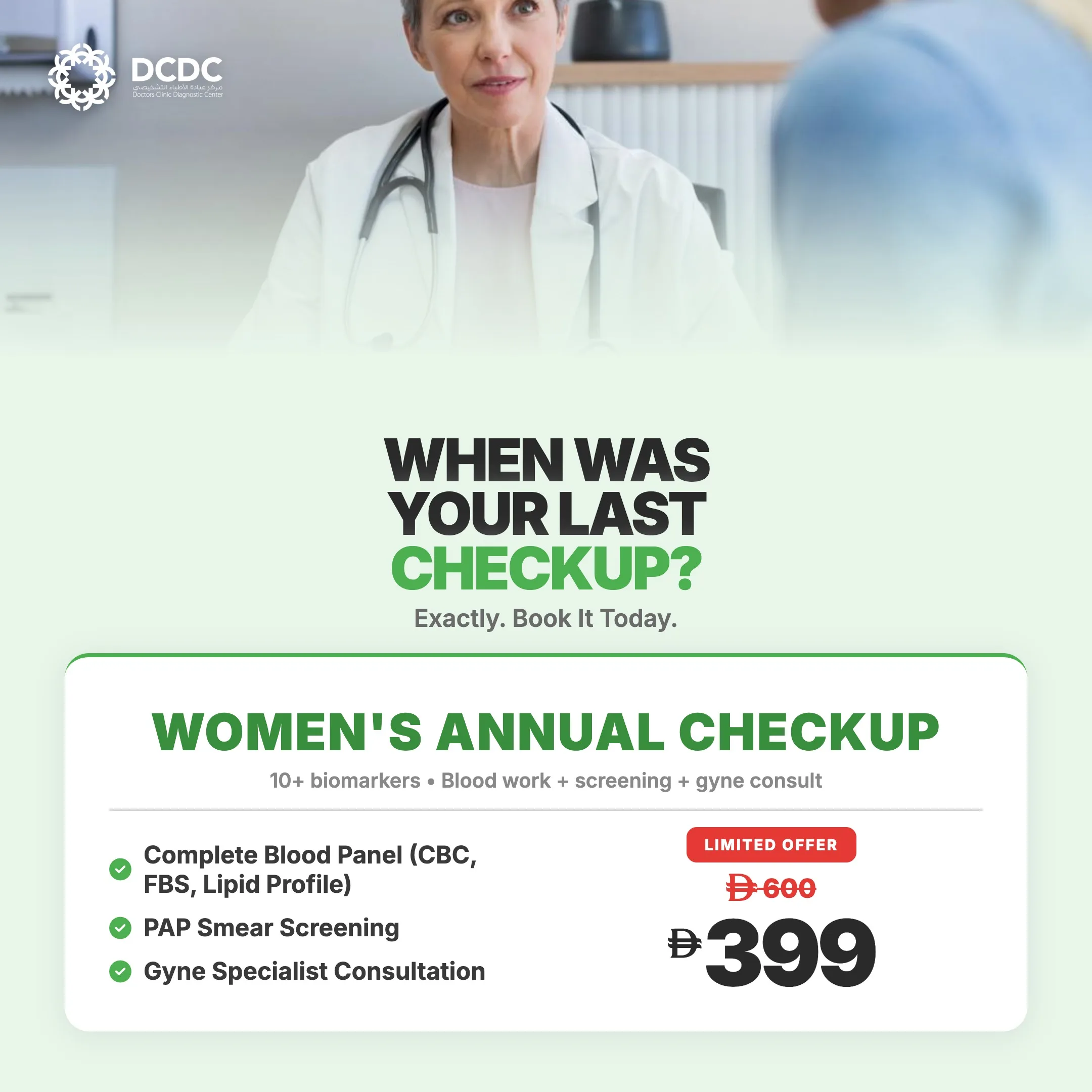
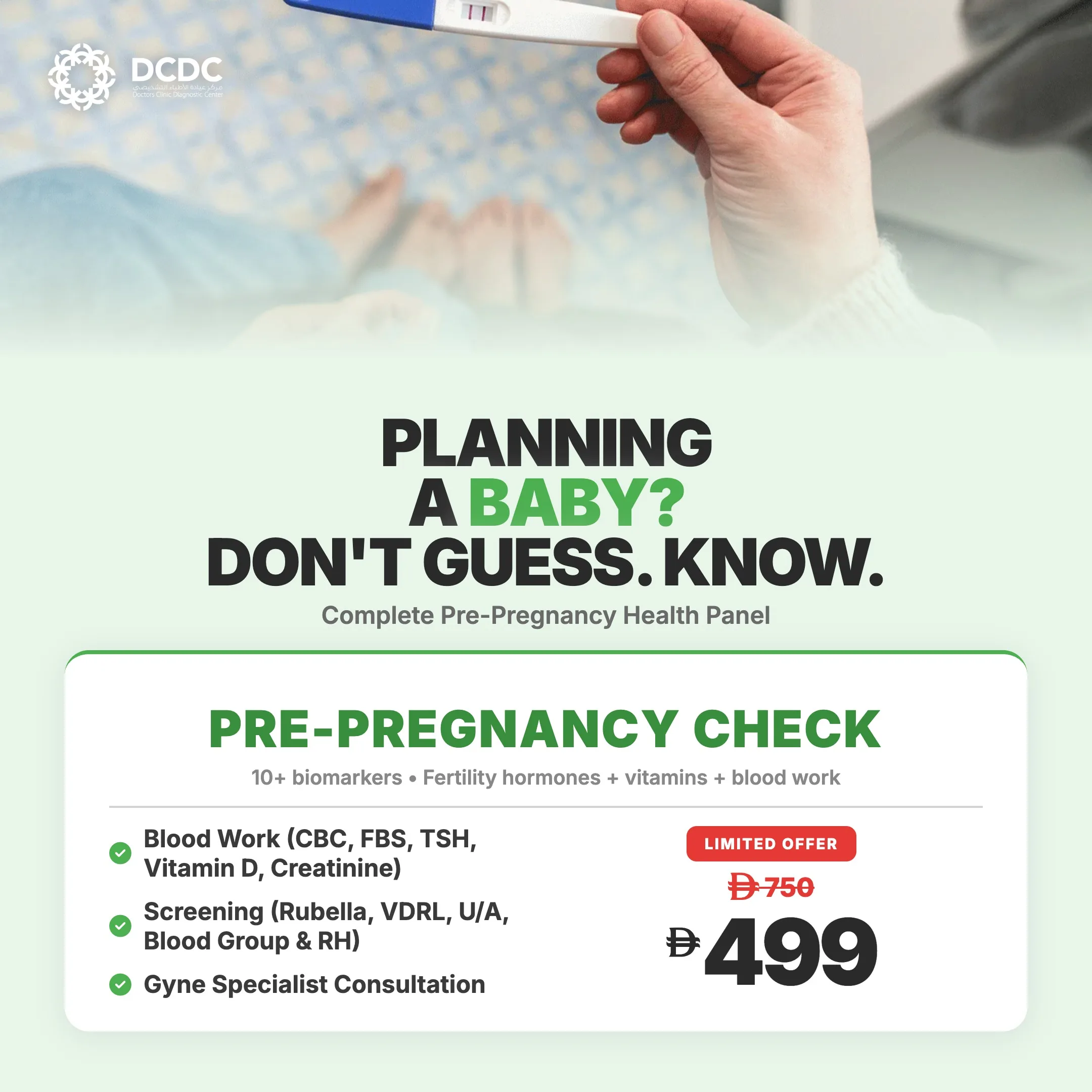
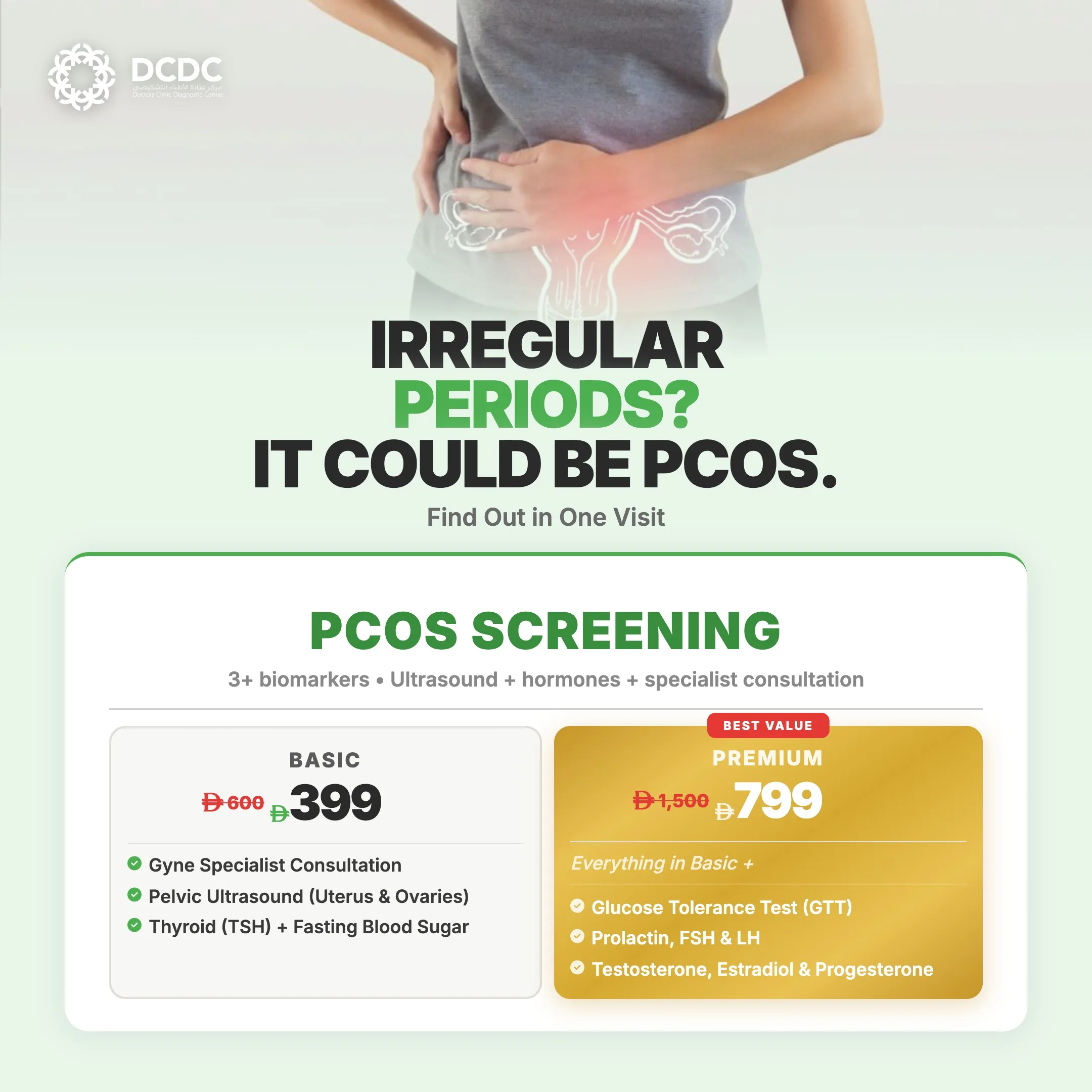

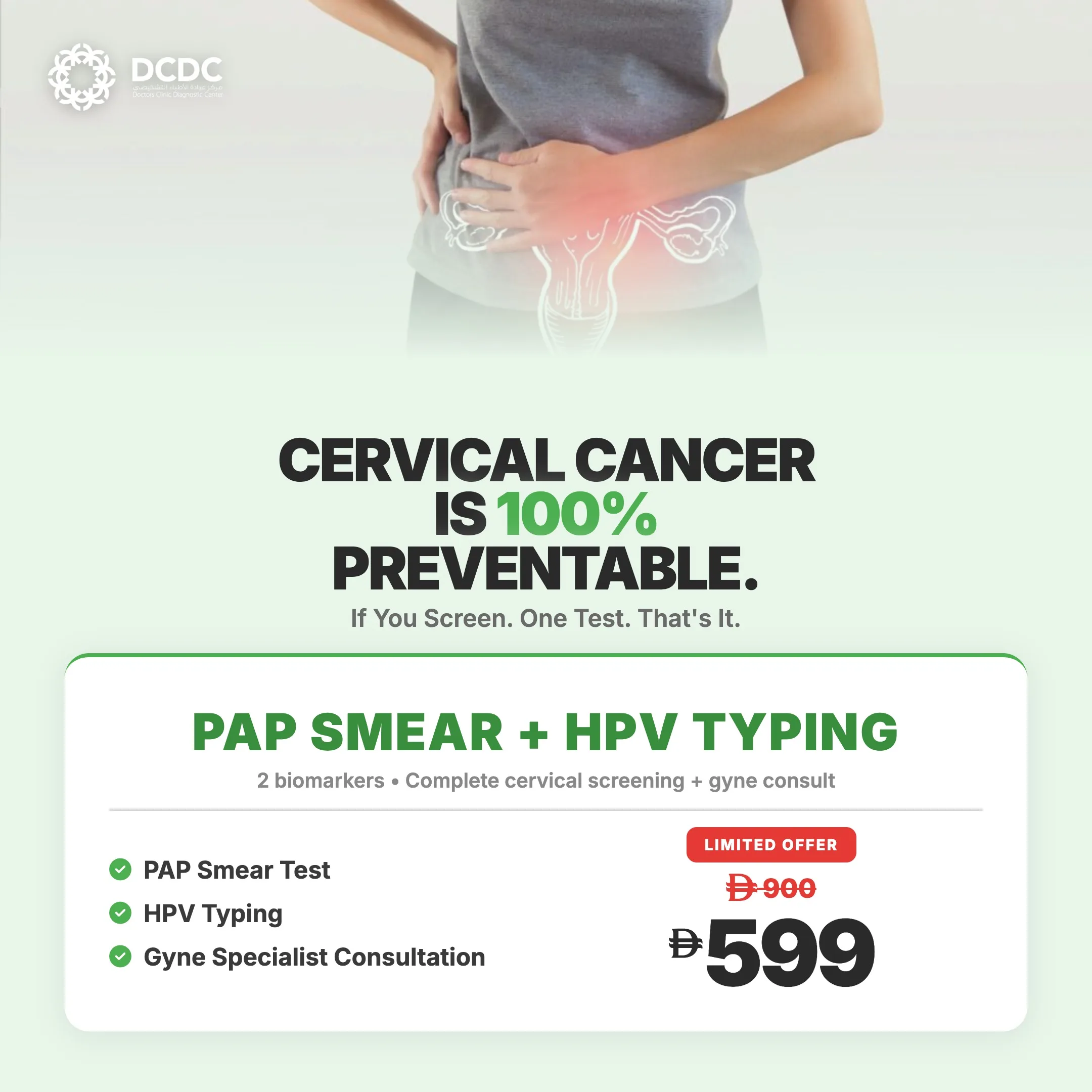

सर्वाइकल कैंसर स्क्रीनिंग क्यों महत्वपूर्ण है
सर्वाइकल कैंसर रातोंरात नहीं होता। एक लगातार HPV संक्रमण को प्रीकैंसरस स्टेज (जिसे सर्वाइकल इंट्राएपिथेलियल नियोप्लेसिया, या CIN कहा जाता है) से होते हुए इनवेसिव कैंसर बनने में 10 से 20 साल लगते हैं। यह लंबी विंडो ही वह चीज है जो स्क्रीनिंग को इतना प्रभावी बनाती है: यह कैंसर विकसित होने से सालों पहले — कभी-कभी दशकों पहले — असामान्य सेल परिवर्तनों को पकड़ लेती है, जब इलाज सरल, प्रभावी और लगभग हमेशा इलाज योग्य होता है।
प्रीकैंसरस स्टेज पर इलाज सीधा होता है। एक छोटी आउटपेशेंट प्रक्रिया असामान्य कोशिकाओं को पूरी तरह से हटा सकती है, जिसमें इलाज की दर 100% के करीब होती है। इसके विपरीत, उन्नत स्टेज पर निदान किए गए सर्वाइकल कैंसर की पांच साल की जीवित रहने की दर केवल 17% है। अंतर स्क्रीनिंग का है।
UAE में, सर्वाइकल कैंसर 15-44 वर्ष की महिलाओं में चौथा सबसे आम कैंसर है, इंटरनेशनल एजेंसी फॉर रिसर्च ऑन कैंसर (IARC) के डेटा के अनुसार। UAE में उम्र-मानकीकृत घटना दर लगभग 5.7 प्रति 100,000 महिलाएं है। हालांकि यह वैश्विक औसत से कम है, कई मामलों का अभी भी बाद के चरणों में निदान किया जाता है क्योंकि महिलाएं स्क्रीनिंग में देरी करती हैं या पूरी तरह छोड़ देती हैं। विश्वस्तरीय स्वास्थ्य सेवा ढांचे वाले देश में, किसी भी महिला का उन्नत-स्टेज सर्वाइकल कैंसर का निदान नहीं होना चाहिए — और नियमित स्क्रीनिंग इसे रोकने का सबसे प्रभावी तरीका है।
HPV को समझना: सर्वाइकल कैंसर का संबंध
HPV क्या है?
ह्यूमन पैपिलोमावायरस (HPV) दुनिया में सबसे आम यौन संचारित संक्रमण है। HPV के 200 से अधिक प्रकार हैं, लेकिन केवल लगभग 14 को कैंसर पैदा करने के लिए "उच्च जोखिम" के रूप में वर्गीकृत किया गया है। अधिकांश यौन रूप से सक्रिय वयस्क — लगभग 80% — अपने जीवनकाल में कम से कम एक HPV संक्रमण से ग्रस्त होंगे। अधिकांश मामलों में, प्रतिरक्षा प्रणाली 1 से 2 साल के भीतर बिना किसी लक्षण या स्वास्थ्य समस्या के वायरस को स्वाभाविक रूप से साफ कर देती है।
खतरा तब पैदा होता है जब उच्च जोखिम वाला HPV संक्रमण सालों तक बिना साफ हुए बना रहता है। HPV टाइप 16 और 18 के लगातार संक्रमण दुनिया भर में सभी सर्वाइकल कैंसर का लगभग 70% के लिए जिम्मेदार हैं। कुल मिलाकर, सभी उच्च जोखिम वाले HPV स्ट्रेन सर्वाइकल कैंसर के 99.7% मामलों के लिए जिम्मेदार हैं — जो HPV को लगभग हर सर्वाइकल कैंसर निदान का आवश्यक कारण बनाता है।
HPV के प्रकार: कम जोखिम बनाम उच्च जोखिम
| प्रकार | HPV स्ट्रेन | ये क्या कारण बनते हैं |
|---|---|---|
| कम जोखिम | 6, 11 | जेनिटल वॉर्ट्स; बहुत कम ही कैंसर से जुड़े |
| उच्च जोखिम | 16, 18, 31, 33, 45, 52, 58 | सर्वाइकल कैंसर, एनल कैंसर, ऑरोफेरिंजियल कैंसर, वल्वर कैंसर, वेजाइनल कैंसर, पीनाइल कैंसर |
HPV टाइप 16 और 18 अकेले लगभग 70% सर्वाइकल कैंसर का कारण बनते हैं। HPV वैक्सीन (Gardasil 9) ऊपर सूचीबद्ध सभी स्ट्रेन को कवर करती है।
सर्वाइकल स्क्रीनिंग टेस्ट की व्याख्या
पैप स्मीयर (पैप टेस्ट)
पैप स्मीयर (जिसे पैप टेस्ट भी कहा जाता है) 70 से अधिक वर्षों से सर्वाइकल कैंसर स्क्रीनिंग की आधारशिला रहा है। पैप स्मीयर के दौरान, गर्भाशय ग्रीवा की सतह से कोशिकाओं का एक छोटा नमूना एकत्र किया जाता है और किसी भी असामान्यता के लिए माइक्रोस्कोप के तहत जांच की जाती है। टेस्ट प्रीकैंसरस सेल परिवर्तनों (डिस्प्लेसिया) और कम सामान्य रूप से, वास्तविक कैंसर कोशिकाओं का पता लगाता है। पैप स्मीयर कैंसर बनने से सालों पहले असामान्यताओं की पहचान कर सकता है, जिससे डॉक्टरों को उनकी निगरानी या इलाज करने का समय मिलता है। आधुनिक लिक्विड-बेस्ड पैप स्मीयर (ThinPrep) ने पारंपरिक स्लाइड विधि की तुलना में सटीकता में सुधार किया है, झूठे नकारात्मक परिणामों को काफी कम किया है। पैप स्मीयर प्रक्रिया, तैयारी और क्या उम्मीद करें, इसके विस्तृत गाइड के लिए, हमारी दुबई में पैप स्मीयर टेस्ट की पूरी गाइड पढ़ें।
HPV टेस्ट
HPV टेस्ट सर्वाइकल कोशिकाओं में उच्च जोखिम वाले HPV DNA की उपस्थिति की जांच करता है। पैप स्मीयर के विपरीत, जो पहले से हुए सेल परिवर्तनों को देखता है, HPV टेस्ट वायरस की पहचान करता है — अक्सर किसी भी सेल परिवर्तन के दिखाई देने से पहले। यह HPV टेस्ट को अकेले पैप स्मीयर से अधिक संवेदनशील बनाता है। नकारात्मक HPV टेस्ट मजबूत आश्वासन प्रदान करता है कि अगले कई वर्षों में सर्वाइकल कैंसर विकसित होने की संभावना बेहद कम है, यही कारण है कि दिशानिर्देश अब HPV टेस्टिंग शामिल होने पर स्क्रीनिंग के बीच लंबे अंतराल (5 साल) की अनुमति देते हैं।
पैप + HPV को-टेस्ट
दोनों टेस्ट का संयोजन — जिसे को-टेस्ट कहा जाता है — 30 वर्ष और उससे अधिक उम्र की महिलाओं में सर्वाइकल कैंसर स्क्रीनिंग के लिए गोल्ड स्टैंडर्ड माना जाता है। को-टेस्ट 99% से अधिक महत्वपूर्ण सर्वाइकल असामान्यताओं को पकड़ता है क्योंकि दोनों टेस्ट एक-दूसरे के पूरक हैं: पैप स्मीयर मौजूदा सेल परिवर्तनों का पता लगाता है जबकि HPV टेस्ट उन महिलाओं की पहचान करता है जिनमें भविष्य में परिवर्तन विकसित होने का जोखिम है। जब दोनों टेस्ट नकारात्मक होते हैं, तो अगले 5 वर्षों में सर्वाइकल कैंसर विकसित होने की संभावना लगभग शून्य होती है, यही कारण है कि को-टेस्ट 5 साल के स्क्रीनिंग अंतराल की अनुमति देता है।
प्रक्रिया: वास्तव में क्या होता है
कई महिलाएं स्क्रीनिंग से बचती हैं क्योंकि उन्हें नहीं पता क्या उम्मीद करें। यहां बताया गया है कि सर्वाइकल स्क्रीनिंग अपॉइंटमेंट के दौरान स्टेप बाय स्टेप वास्तव में क्या होता है। आप परीक्षा टेबल पर लेटेंगी और पैर स्टिरप्स में रखेंगी। स्त्री रोग विशेषज्ञ धीरे से एक स्पेकुलम — एक चिकना, ल्यूब्रिकेटेड उपकरण — योनि में डालती हैं ताकि गर्भाशय ग्रीवा दिख सके। गर्भाशय ग्रीवा की सतह और सर्वाइकल कैनाल से कोशिकाओं को धीरे से एकत्र करने के लिए एक छोटा मुलायम ब्रश या स्पैटुला उपयोग किया जाता है। नमूना संग्रह में लगभग 30 सेकंड लगते हैं। स्पेकुलम हटा दिया जाता है और अपॉइंटमेंट पूरी हो जाती है। पूरी प्रक्रिया शुरू से अंत तक 5 मिनट से कम लेती है। अधिकांश महिलाएं संवेदना को हल्की असुविधा के रूप में वर्णित करती हैं — हल्का दबाव या चुटकी — लेकिन दर्दनाक नहीं। यदि आप चिंतित हैं, तो अपनी स्त्री रोग विशेषज्ञ को बताएं; वे छोटा स्पेकुलम उपयोग कर सकती हैं, अधिक ल्यूब्रिकेशन लगा सकती हैं, और आपको अधिक आरामदायक महसूस कराने के लिए हर कदम पर बात कर सकती हैं।
स्क्रीनिंग कब शुरू करें और कितनी बार
| आयु वर्ग | अनुशंसित स्क्रीनिंग | आवृत्ति |
|---|---|---|
| 21 से कम | स्क्रीनिंग की आवश्यकता नहीं | लागू नहीं |
| 21-29 | केवल पैप स्मीयर | हर 3 साल |
| 30-65 | पैप + HPV को-टेस्ट या केवल पैप स्मीयर | हर 5 साल (को-टेस्ट) या हर 3 साल (केवल पैप) |
| 65 से अधिक | पर्याप्त पूर्व स्क्रीनिंग होने पर बंद कर सकती हैं | अपनी स्त्री रोग विशेषज्ञ से चर्चा करें |
| हिस्टेरेक्टॉमी के बाद | यदि गर्भाशय ग्रीवा हटा दी गई है और CIN2+ का कोई इतिहास नहीं है तो बंद कर सकती हैं | लागू नहीं |
ACOG, ACS और USPSTF दिशानिर्देशों पर आधारित। आपकी स्त्री रोग विशेषज्ञ व्यक्तिगत जोखिम कारकों के आधार पर अलग शेड्यूल की सिफारिश कर सकती हैं।
ये औसत जोखिम वाली महिलाओं के लिए सामान्य दिशानिर्देश हैं। कुछ स्थितियों वाली महिलाओं को अधिक बार स्क्रीनिंग की आवश्यकता होती है, जिसमें HIV के साथ जी रही महिलाएं, इम्युनोसप्रेस्ड महिलाएं (जैसे अंग प्रत्यारोपण प्राप्तकर्ता या दीर्घकालिक इम्युनोसप्रेसिव दवा पर रहने वाली), गर्भ में DES (डायथाइलस्टिलबेस्ट्रोल) एक्सपोज़र का इतिहास रखने वाली महिलाएं, और पहले CIN2, CIN3 या सर्वाइकल कैंसर के लिए इलाज करा चुकी महिलाएं शामिल हैं। यदि इनमें से कोई भी आप पर लागू होता है, तो व्यक्तिगत स्क्रीनिंग शेड्यूल के लिए अपनी स्त्री रोग विशेषज्ञ से बात करें।
अपनी सर्वाइकल स्क्रीनिंग बुक करें
DCDC दुबई हेल्थकेयर सिटी में अपना पैप स्मीयर और HPV टेस्ट शेड्यूल करें। 5-7 कार्य दिवसों में रिजल्ट।
अपने रिजल्ट को समझना
सामान्य रिजल्ट
सामान्य पैप स्मीयर का मतलब है कि कोई असामान्य कोशिकाएं नहीं पाई गईं। यदि आपका HPV टेस्ट भी नकारात्मक है, तो सर्वाइकल कैंसर विकसित होने का आपका जोखिम बहुत कम है और आप मानक स्क्रीनिंग शेड्यूल का पालन कर सकती हैं — अपनी उम्र और उपयोग किए गए स्क्रीनिंग के प्रकार के आधार पर 3 या 5 साल में अगले टेस्ट के लिए लौटें। सामान्य रिजल्ट सबसे आम परिणाम है: स्क्रीन की जाने वाली अधिकांश महिलाओं को आश्वस्त करने वाले रिजल्ट मिलते हैं।
असामान्य पैप स्मीयर रिजल्ट
असामान्य पैप स्मीयर का मतलब यह नहीं है कि आपको कैंसर है। सर्वाइकल स्क्रीनिंग के बारे में समझने योग्य सबसे महत्वपूर्ण बातों में से यह एक है। अधिकांश असामान्यताएं मामूली हैं और अक्सर बिना किसी उपचार के अपने आप ठीक हो जाती हैं। यहां बताया गया है कि विभिन्न रिजल्ट का क्या मतलब है:
| रिजल्ट | इसका क्या मतलब है | अगले कदम |
|---|---|---|
| ASCUS (अनिश्चित महत्व की एटिपिकल स्क्वैमस कोशिकाएं) | हल्की असामान्य कोशिकाएं पाई गईं, लेकिन अस्पष्ट कि HPV से संबंधित हैं या नहीं। सबसे आम असामान्य रिजल्ट। | HPV टेस्ट (रिफ्लेक्स टेस्टिंग)। यदि HPV नकारात्मक, 3 साल में को-टेस्ट दोहराएं। यदि HPV पॉजिटिव, कोल्पोस्कोपी। |
| LSIL (लो-ग्रेड स्क्वैमस इंट्राएपिथेलियल लीज़न) | हल्के सेल परिवर्तन, आमतौर पर HPV के कारण। अक्सर 1-2 साल में अपने आप ठीक हो जाता है। | 25 से कम उम्र की महिलाओं के लिए: 12 महीने में पैप दोहराएं। 25+ महिलाओं के लिए: कोल्पोस्कोपी की सिफारिश। |
| HSIL (हाई-ग्रेड स्क्वैमस इंट्राएपिथेलियल लीज़न) | मध्यम से गंभीर सेल परिवर्तन। यदि अनुपचारित छोड़ दिया जाए तो कैंसर में बढ़ने का उच्च जोखिम। | बायोप्सी के साथ कोल्पोस्कोपी। CIN2 या CIN3 की पुष्टि होने पर उपचार (LEEP या कोन बायोप्सी)। |
| ASC-H (एटिपिकल स्क्वैमस कोशिकाएं, HSIL को बाहर नहीं किया जा सकता) | असामान्य कोशिकाएं जो उच्च-ग्रेड हो सकती हैं लेकिन पैप स्मीयर पर निश्चित नहीं हैं। | असामान्यता की सीमा निर्धारित करने के लिए बायोप्सी के साथ कोल्पोस्कोपी। |
| AGC (एटिपिकल ग्लैंडुलर कोशिकाएं) | सर्वाइकल कैनाल या गर्भाशय अस्तर से असामान्य ग्लैंडुलर कोशिकाएं। कम आम लेकिन गहन मूल्यांकन की आवश्यकता। | कोल्पोस्कोपी, एंडोसर्वाइकल सैंपलिंग, और संभवतः उम्र और नैदानिक संदर्भ के आधार पर एंडोमेट्रियल बायोप्सी। |
ASCUS और LSIL सबसे आम असामान्य रिजल्ट हैं और आमतौर पर गंभीर नहीं होते। HSIL और AGC को तत्काल फॉलो-अप की आवश्यकता होती है।
HPV पॉजिटिव लेकिन सामान्य पैप
यह सबसे आम और सबसे अधिक चिंता पैदा करने वाले रिजल्ट में से एक है जो महिलाओं को मिलता है। इसका मतलब है कि आपकी सर्वाइकल कोशिकाओं में एक उच्च जोखिम वाला HPV स्ट्रेन मौजूद है, लेकिन वायरस ने अभी तक पैप स्मीयर पर कोई दृश्य सेल परिवर्तन नहीं किया है। यह वास्तव में अपेक्षाकृत आश्वस्त करने वाली खोज है — आपकी प्रतिरक्षा प्रणाली संभवतः संक्रमण से लड़ रही है, और लगभग 90% मामलों में, वायरस 2 साल के भीतर स्वाभाविक रूप से साफ हो जाएगा। अनुशंसित फॉलो-अप 12 महीनों में को-टेस्ट (पैप + HPV) दोहराना है। यदि उस समय HPV बना रहता है, या पैप असामान्य हो जाता है, तो आपकी स्त्री रोग विशेषज्ञ कोल्पोस्कोपी की सिफारिश करेंगी। यदि 12 महीने के फॉलो-अप पर दोनों टेस्ट सामान्य हैं, तो आप नियमित स्क्रीनिंग पर लौट सकती हैं।
कोल्पोस्कोपी क्या है?
कोल्पोस्कोपी कोल्पोस्कोप नामक एक मैग्निफाइंग उपकरण का उपयोग करके गर्भाशय ग्रीवा की नजदीकी जांच है। यह तब की जाती है जब स्क्रीनिंग रिजल्ट आगे की जांच का सुझाव देते हैं। प्रक्रिया के दौरान, स्त्री रोग विशेषज्ञ गर्भाशय ग्रीवा पर एक हल्का सिरका घोल (एसिटिक एसिड) लगाती हैं, जो असामान्य क्षेत्रों को सफेद कर देता है, जिससे वे आवर्धन के तहत दिखाई देते हैं। यदि संदिग्ध क्षेत्र पहचाने जाते हैं, तो प्रयोगशाला विश्लेषण के लिए एक छोटा ऊतक नमूना (बायोप्सी) लिया जाता है। पूरी प्रक्रिया 10 से 15 मिनट लेती है। हालांकि बायोप्सी एक संक्षिप्त, तेज चुटकी का कारण बन सकती है, अधिकांश महिलाएं प्रक्रिया को अच्छी तरह सहन करती हैं। कोल्पोस्कोपी उतनी डरावनी नहीं है जितनी लगती है — इसे उसी स्पेकुलम जांच के अधिक विस्तृत संस्करण के रूप में सोचें जो आप पैप स्मीयर के दौरान करवाती हैं, आवर्धित विज़ुअलाइज़ेशन के अतिरिक्त लाभ के साथ।
HPV वैक्सीन: स्क्रीनिंग से बेहतर है रोकथाम
Gardasil 9: HPV वैक्सीन
Gardasil 9 वैक्सीन उपलब्ध सबसे व्यापक HPV वैक्सीन है। यह 9 HPV टाइप से सुरक्षा प्रदान करती है: टाइप 6, 11, 16, 18, 31, 33, 45, 52 और 58। यह 90% जेनिटल वॉर्ट्स पैदा करने वाले दो कम जोखिम वाले टाइप (टाइप 6 और 11) और लगभग 90% HPV-संबंधित कैंसर के लिए जिम्मेदार सात उच्च जोखिम वाले टाइप को कवर करती है। क्लिनिकल ट्रायल्स ने दिखाया है कि वायरस के संपर्क से पहले दिए जाने पर लक्षित HPV टाइप के कारण होने वाले प्रीकैंसरस सर्वाइकल लीज़न को रोकने में वैक्सीन लगभग 100% प्रभावी है। वैक्सीन इन HPV टाइप के खिलाफ एंटीबॉडी उत्पन्न करने के लिए आपकी प्रतिरक्षा प्रणाली को उत्तेजित करके काम करती है, दीर्घकालिक सुरक्षा प्रदान करती है। टीकाकरण शुरू होने की उम्र के आधार पर इसमें 2 या 3 खुराक की आवश्यकता होती है।
किसे टीका लगवाना चाहिए?
- 9-14 वर्ष (अनुशंसित): 2 खुराक, 6-12 महीने के अंतराल पर। यह आदर्श उम्र है क्योंकि प्रतिरक्षा प्रतिक्रिया सबसे मजबूत होती है और टीकाकरण किसी भी संभावित HPV एक्सपोज़र से पहले होता है
- 15-45 वर्ष: 3 खुराक, 0, 2 और 6 महीने पर। UAE में वयस्कों के लिए 45 वर्ष तक वैक्सीन मंजूर और उपलब्ध है
- यौन गतिविधि शुरू होने के बाद: यदि आप पहले से यौन रूप से सक्रिय हैं तो भी वैक्सीन प्रभावी है। आप कुछ HPV टाइप के संपर्क में आई हो सकती हैं लेकिन संभवतः Gardasil 9 द्वारा कवर किए गए सभी नौ नहीं
- पुरुष: HPV वैक्सीन लड़कों और पुरुषों के लिए भी अनुशंसित है। यह जेनिटल वॉर्ट्स, एनल कैंसर और ऑरोफेरिंजियल कैंसर को रोकती है, और महिला साथियों को HPV संचरण कम करती है
- पहले से असामान्य पैप स्मीयर आया है: टीकाकरण अभी भी अनुशंसित है, क्योंकि यह उन HPV टाइप से सुरक्षा प्रदान करती है जिनके आप अभी तक संपर्क में नहीं आई हैं
दुबई में HPV वैक्सीन की लागत
HPV वैक्सीन (Gardasil 9) दुबई में लगभग 800 से 1,500 AED प्रति खुराक है, स्वास्थ्य सुविधा के आधार पर। पूर्ण टीकाकरण श्रृंखला (2 या 3 खुराक) की कुल लागत 1,600 से 4,500 AED के बीच होती है। UAE में कुछ बीमा योजनाएं HPV टीकाकरण को कवर करती हैं, विशेष रूप से बच्चों और किशोरों के लिए, निवारक देखभाल लाभों के हिस्से के रूप में। दुबई हेल्थ अथॉरिटी (DHA) ने अपने स्कूल टीकाकरण कार्यक्रमों में HPV टीकाकरण शामिल किया है, जिससे पात्र छात्रों को बिना किसी लागत के वैक्सीन उपलब्ध है। बीमा कवरेज के बिना भी, वैक्सीन असाधारण मूल्य का प्रतिनिधित्व करती है: सर्वाइकल कैंसर के इलाज की आजीवन लागत (100,000+ AED) रोकथाम की लागत से कहीं अधिक है।
दुबई में सर्वाइकल स्क्रीनिंग की लागत
| टेस्ट | लागत सीमा (AED) |
|---|---|
| पैप स्मीयर | 200 - 500 |
| HPV टेस्ट | 300 - 600 |
| पैप + HPV को-टेस्ट | 400 - 900 |
| कोल्पोस्कोपी | 800 - 1,500 |
| HPV वैक्सीन (प्रति खुराक) | 800 - 1,500 |
कीमतें 2026 में दुबई बाजार के औसत पर आधारित अनुमानित हैं। सुविधा और बीमा कवरेज के अनुसार लागत भिन्न हो सकती है।
दुबई में अधिकांश व्यापक बीमा योजनाएं सर्वाइकल कैंसर स्क्रीनिंग को निवारक देखभाल के हिस्से के रूप में कवर करती हैं, विशेष रूप से जब स्त्री रोग विशेषज्ञ द्वारा निर्धारित हो। DHA एसेंशियल बेनिफिट्स प्लान निवारक स्क्रीनिंग के कवरेज को अनिवार्य करता है, और अधिकांश नियोक्ता-प्रायोजित उन्नत योजनाओं में पैप स्मीयर और HPV टेस्ट शामिल हैं। यदि आप अपने कवरेज के बारे में अनिश्चित हैं, तो अपने बीमा प्रदाता को कॉल करें या अपॉइंटमेंट से पहले क्लिनिक से लाभों की पुष्टि करने को कहें। स्वयं भुगतान करने वाली रोगियों के लिए, DCDC सहित कई क्लीनिक पैप + HPV को-टेस्ट के लिए पैकेज मूल्य निर्धारण प्रदान करते हैं, जो प्रत्येक टेस्ट को अलग से ऑर्डर करने की तुलना में अधिक किफायती है।
आज ही अपनी स्क्रीनिंग बुक करें
अपनी सर्वाइकल स्क्रीनिंग में देरी न करें। DCDC दुबई हेल्थकेयर सिटी में पैप स्मीयर और HPV टेस्ट बुक करें।
DCDC दुबई हेल्थकेयर सिटी में सर्वाइकल कैंसर स्क्रीनिंग
दुबई हेल्थकेयर सिटी में DCDC (डॉक्टर्स क्लिनिक डायग्नोस्टिक सेंटर) एक आरामदायक, निजी और पेशेवर वातावरण में व्यापक सर्वाइकल कैंसर स्क्रीनिंग सेवाएं प्रदान करता है। यहां बताया गया है कि हम क्या प्रदान करते हैं:
- अनुभवी महिला और पुरुष स्त्री रोग विशेषज्ञ सर्वाइकल स्क्रीनिंग, कोल्पोस्कोपी और HPV प्रबंधन में विशेषज्ञता के साथ
- पैप स्मीयर + HPV को-टेस्ट अधिकतम सटीकता के लिए उन्नत लिक्विड-बेस्ड साइटोलॉजी (ThinPrep) का उपयोग करते हुए
- 5-7 कार्य दिवसों में रिजल्ट, फॉलो-अप परामर्श में आपकी स्त्री रोग विशेषज्ञ द्वारा रिजल्ट की समीक्षा और व्याख्या के साथ
- इन-हाउस लेबोरेटरी कुशल नमूना प्रसंस्करण और गुणवत्ता नियंत्रण के लिए
- अधिकांश प्रमुख बीमा योजनाएं स्वीकार की जाती हैं, जिसमें Daman, Oman Insurance, AXA, MetLife और अन्य शामिल हैं
- वॉक-इन और अपॉइंटमेंट उपलब्धता, कार्यदिवसों और सप्ताहांत सहित लचीली शेड्यूलिंग के साथ
हमारी स्त्री रोग टीम सर्वाइकल स्क्रीनिंग को सुलभ और तनाव-मुक्त बनाने के लिए प्रतिबद्ध है। हम समझते हैं कि कई महिलाएं प्रक्रिया के बारे में चिंतित महसूस करती हैं, और हमारी टीम हर कदम समझाने, सवालों का जवाब देने और पूरी प्रक्रिया में आपको आरामदायक महसूस कराने के लिए समय लेती है। दुबई हेल्थकेयर सिटी (DHCC) में स्थित, हम पूरे दुबई की रोगियों की सेवा करते हैं, जिसमें ऊद मेथा, बर दुबई, कामा, अल जद्दाफ, बिजनेस बे, डाउनटाउन दुबई और अन्य शामिल हैं।
अपने स्वास्थ्य की रक्षा करें
सर्वाइकल कैंसर स्क्रीनिंग में 5 मिनट लगते हैं और आपकी जान बचा सकती है। आज ही DCDC में अपना अपॉइंटमेंट बुक करें।
महिला स्त्री रोग विशेषज्ञों के साथ उपलब्ध
DCDC में संबंधित सेवाएं
दुबई हेल्थकेयर सिटी में विशेषज्ञ देखभाल और उन्नत निदान
Cervical Cancer Screening
Pap smear and HPV testing for early cervical cancer detection
अपॉइंटमेंट बुक करेंWomen's Health Consultation
Expert gynecological evaluation and screening guidance
अपॉइंटमेंट बुक करेंUltrasound Scan
Pelvic ultrasound for comprehensive reproductive health assessment
अपॉइंटमेंट बुक करेंFrequently Asked Questions
स्क्रीनिंग जान बचाती है — आज ही अपनी बुक करें
सर्वाइकल कैंसर उन बहुत कम कैंसर में से एक है जो लगभग पूरी तरह से रोका जा सकता है। नियमित स्क्रीनिंग (पैप स्मीयर + HPV टेस्ट) और HPV टीकाकरण का संयोजन सर्वाइकल कैंसर को सार्वजनिक स्वास्थ्य खतरे के रूप में समाप्त करने की शक्ति रखता है — और विश्व स्वास्थ्य संगठन ने 2030 तक ऐसा करने का वैश्विक लक्ष्य निर्धारित किया है। स्क्रीनिंग प्रक्रिया त्वरित है, टेस्ट विश्वसनीय हैं, और शुरुआती पहचान का मतलब है कि इलाज सरल और अत्यधिक प्रभावी है। दुबई में किसी भी महिला को उन्नत सर्वाइकल कैंसर का निदान होने का कोई कारण नहीं है जबकि पांच मिनट का टेस्ट इसे विकसित होने से सालों पहले पकड़ सकता है।
यदि आपकी सर्वाइकल स्क्रीनिंग बाकी है, या यदि आपकी कभी जांच नहीं हुई है, तो अब कार्रवाई करने का समय है। यदि आपको असामान्य रिजल्ट मिला है और चिंतित हैं, तो जान लें कि अधिकांश असामान्यताएं कैंसर नहीं हैं और अत्यधिक इलाज योग्य हैं। सबसे महत्वपूर्ण कदम पहला है: अपॉइंटमेंट बुक करना।
DCDC दुबई हेल्थकेयर सिटी में, हमारी स्त्री रोग टीम पैप स्मीयर + HPV को-टेस्ट, विशेषज्ञ रिजल्ट व्याख्या और दयालु फॉलो-अप देखभाल के साथ व्यापक सर्वाइकल कैंसर स्क्रीनिंग प्रदान करती है। चाहे यह आपकी पहली स्क्रीनिंग हो या दसवीं, हम अनुभव को आरामदायक, जानकारीपूर्ण और संपूर्ण बनाने के लिए यहां हैं। आपका स्वास्थ्य पांच मिनट के योग्य है।
स्रोत एवं संदर्भ
यह लेख हमारी चिकित्सा टीम द्वारा समीक्षित है और निम्नलिखित स्रोतों का संदर्भ देता है:
- विश्व स्वास्थ्य संगठन — सर्वाइकल कैंसर उन्मूलन पहल: स्क्रीनिंग दिशानिर्देश
- अमेरिकन कैंसर सोसाइटी — सर्वाइकल कैंसर स्क्रीनिंग दिशानिर्देश
- ACOG — अपडेटेड सर्वाइकल कैंसर स्क्रीनिंग अनुशंसाएं
- NHS — सर्वाइकल स्क्रीनिंग प्रोग्राम
- दुबई हेल्थ अथॉरिटी — कैंसर स्क्रीनिंग दिशानिर्देश
इस साइट पर चिकित्सा सामग्री DHA-लाइसेंस प्राप्त चिकित्सकों द्वारा समीक्षित है। हमारी देखें संपादकीय नीति अधिक जानकारी के लिए।

लेखक
Dr. Parisa Dini
कंसल्टेंट प्रसूति एवं स्त्री रोग विशेषज्ञ
MD, कंसल्टेंट प्रसूति एवं स्त्री रोग विशेषज्ञ
Dr. Parisa Dini DCDC दुबई हेल्थकेयर सिटी में कंसल्टेंट प्रसूति एवं स्त्री रोग विशेषज्ञ हैं, जिनके पास मेनोपॉज मैनेजमेंट, हार्मोन रिप्लेसमेंट थेरेपी, पेरिमेनोपॉज केयर और निवारक महिला स्वास्थ्य में व्यापक अनुभव है।
संबंधित लेख
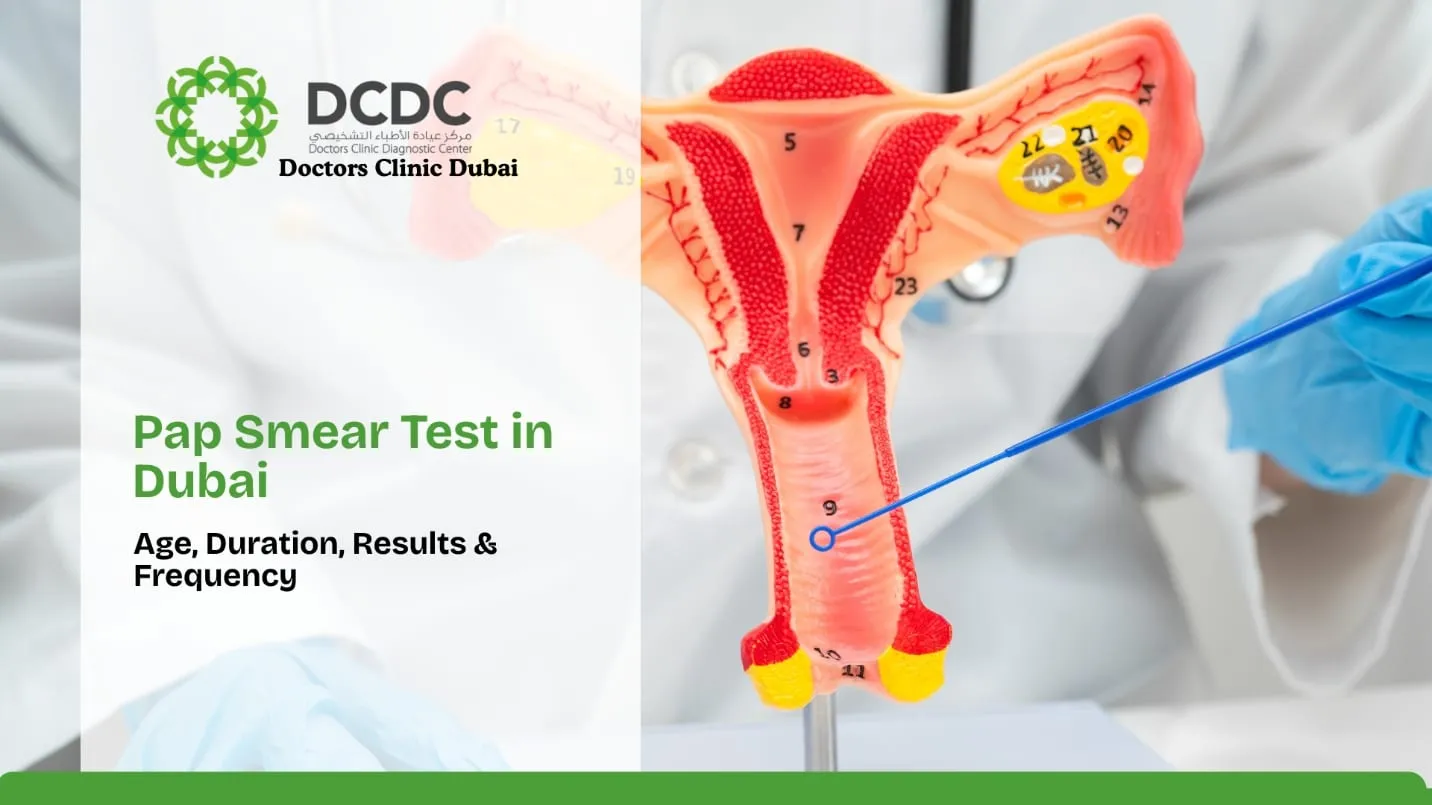
दुबई में पैप स्मीयर टेस्ट: पूरी गाइड
ब्रेस्ट कैंसर स्क्रीनिंग गाइड
दुबई में महिला स्वास्थ्य स्क्रीनिंग
दुबई में कैंसर स्क्रीनिंग: पूरी गाइड
More in Women's Health

AMH Test Cost Dubai: Pricing Guide (2026)
और पढ़ें
Perimenopause vs Menopause Dubai: Signs (2026)
और पढ़ें
Mother & Baby Home Care Dubai: Guide (2026)
और पढ़ें
Gestational Diabetes Dubai: Screening (2026)
और पढ़ें
Mammogram Preparation Dubai: What to Expect (2026)
और पढ़ें
CA-125 Test Dubai: Ovarian Cancer Marker (2026)
और पढ़ें© 2026 Doctors Clinic Diagnostic Center (DCDC), Dubai Healthcare City. Originally published at https://doctorsclinicdubai.ae/blog/cervical-cancer-screening-dubai. All rights reserved. Unauthorized reproduction is prohibited.