
Prenez votre rendez-vous
Avis verifies des patients du centre de diagnostic DCDC a Dubai
Avis verifies et temoignages reels de patients de Dubai Healthcare City
Je suis très satisfaite de cette clinique médicale. J'ai fait mon premier dépistage de grossesse ici. C'était abordable et très professionnel. Le radiologue était accueillant, gentil et a rendu l'expérience formidable.
Aizhan Tokmanbetova
Je me suis blessée au genou vendredi soir et j'ai obtenu un rendez-vous IRM dimanche soir (réservé dimanche après-midi). J'ai attendu environ 2 minutes et c'était terminé en un peu plus de 30 minutes. L'équipe était incroyable, sympathique et efficace.
Kirsten Evans
L'équipe du Dr Osama était douce et incroyable. Après une mauvaise expérience ailleurs, mon examen pelvien ici était beaucoup plus professionnel. Excellent rapport et très précis.
Mary




Traitement de la Maladie Rénale Chronique à Dubaï : Gestion CKD et Soins de l'Insuffisance Rénale
Soins à Long Terme et Contrôle des Risques

Protéger la Fonction
Ralentir la progression avec des plans par étapes
Contrôler les Risques
Pression artérielle, diabète, anémie, santé osseuse
Soins le Jour Même
Créneaux de néphrologie le jour même si disponibles
La maladie rénale chronique est une condition à long terme qui nécessite une gestion constante pour ralentir la progression et protéger votre santé. Des soins précoces et réguliers aident à prévenir les complications et à retarder l'insuffisance rénale. Notre traitement de la maladie rénale chronique fournit des services complets de gestion CKD et de soins de l'insuffisance rénale.
Au Doctors Clinic Diagnostic Center à Dubai Healthcare City, notre équipe de néphrologues gère les stades 1 à 5 de la CKD en mettant l'accent sur le contrôle de la pression artérielle, la gestion du diabète, le traitement de l'anémie, la santé osseuse et les conseils nutritionnels rénaux. Nous fournissons des soins rénaux à long terme avec des plans de traitement basés sur des directives et une surveillance fréquente pour préserver votre fonction rénale.
Situé dans notre clinique rénale près d'Oud Metha à Umm Hurair 2, notre équipe spécialisée en CKD propose des rendez-vous le jour même lorsque disponibles. Nous adaptons votre plan de soins en fonction de votre stade de CKD, de vos objectifs et de votre mode de vie, en fournissant un soutien personnalisé tout au long de votre parcours de traitement.
Protéger la Fonction
Ralentir la progression avec des plans par étapes
Contrôler les Risques
Pression artérielle, diabète, anémie, santé osseuse
Soins le Jour Même
Créneaux de néphrologie le jour même si disponibles
Traitement de la Maladie Rénale Chronique à Dubaï : Gestion CKD et Soins de l'Insuffisance Rénale
Soins à Long Terme et Contrôle des Risques
La maladie rénale chronique est une condition à long terme qui nécessite une gestion constante pour ralentir la progression et protéger votre santé. Des soins précoces et réguliers aident à prévenir les complications et à retarder l'insuffisance rénale. Notre traitement de la maladie rénale chronique fournit des services complets de gestion CKD et de soins de l'insuffisance rénale.
Au Doctors Clinic Diagnostic Center à Dubai Healthcare City, notre équipe de néphrologues gère les stades 1 à 5 de la CKD en mettant l'accent sur le contrôle de la pression artérielle, la gestion du diabète, le traitement de l'anémie, la santé osseuse et les conseils nutritionnels rénaux. Nous fournissons des soins rénaux à long terme avec des plans de traitement basés sur des directives et une surveillance fréquente pour préserver votre fonction rénale.
Situé dans notre clinique rénale près d'Oud Metha à Umm Hurair 2, notre équipe spécialisée en CKD propose des rendez-vous le jour même lorsque disponibles. Nous adaptons votre plan de soins en fonction de votre stade de CKD, de vos objectifs et de votre mode de vie, en fournissant un soutien personnalisé tout au long de votre parcours de traitement.

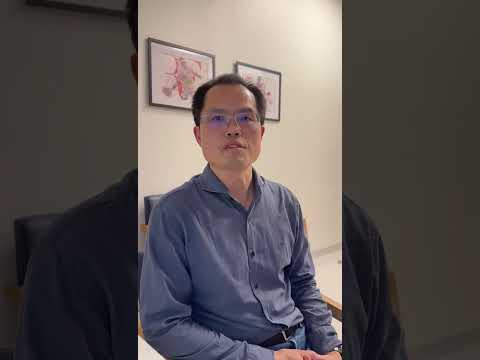
Dr. Manish Tripathi
Découvrez nos services
Services traitement de la maladie rénale chronique complets au DCDC Dubai Healthcare City.



Tous les services realises par des specialistes agrees DHA
Qui devrait beneficier de Traitement de la Maladie Rénale Chronique ?
Des soins néphrologiques réguliers sont essentiels si vous avez une CKD ou des facteurs de risque rénaux majeurs.
Diagnostic de CKD (à tout stade)
Diabète (Type 1 ou 2)
Hypertension artérielle
Antécédents familiaux d'insuffisance rénale
Infections rénales récurrentes
Protéines dans l'urine
Pourquoi Choisir DCDC pour les Soins CKD à Dubaï ?
Clinique de néphrologie agréée MOHAP à Dubai Healthcare City avec plans CKD par étapes, sécurité des médicaments et conseils nutritionnels. Rendez-vous le jour même souvent disponibles ; capacité limitée.
Agréé MOHAP
Établissement agréé à DHCC (licence MOHAP NIMY7VY5-240925) avec normes de sécurité strictes.
Spécialistes CKD
Néphrologues expérimentés dans les stades 1-5, l'anémie, la santé osseuse et le contrôle de l'hypertension.
Accès le Jour Même
Consultations CKD le jour même si disponibles ; besoins urgents prioritaires.
Sécurité des Médicaments
Dosage rénal, vérification des interactions médicamenteuses et évitement des néphrotoxines.
Soutien Assurance
Conseils de couverture pour les analyses, l'imagerie et les médicaments.
Emplacement DHCC Prime
Bâtiment 64, Bloc A, Dubai Healthcare City avec accès facile et parking.
Votre visite en tout confort
Un processus d'examen Traitement simple, etape par etape, concu pour le confort, la rapidite et la precision.
Frais de Gestion
Les tarifs Traitement à Dubaï varient selon le type de service et la couverture d'assurance pour différents types de services.
- Les tarifs varient selon le type d'examen et la necessite de produit de contraste
- Couverture d'assurance acceptee avec ordonnance et verification
- Tarifs transparents pour paiement direct avec devis instantane sur demande
Verification d'assurance en quelques minutes - Pas de frais caches - Reponse rapide sur WhatsApp
Guide du patient
À Quoi S'Attendre Lors de Votre Visite CKD
Soins par étapes avec surveillance, sécurité des médicaments et conseils de mode de vie pour protéger la fonction rénale.
Assurance et localisation
Partenaires d'assurance
- •Plus de 20 assureurs à Dubaï dont Daman, AXA, ADNIC et d'autres
- •Assistance pré-autorisation et facturation directe (le cas échéant)
- •Vérification de la couverture avant votre rendez-vous dans notre clinique de Dubai Healthcare City
- •Tarification transparente sans frais cachés pour les services de traitement de la maladie rénale chronique








Rendez-nous visite a Dubai Healthcare City
Doctors Clinic Diagnostic Center
Batiment 64, Bloc A, Al Razi Medical Complex, Dubai Healthcare City, Dubai, EAU
Pres de Oud Metha Road - Acces facile depuis Bur Dubai, Downtown Dubai, Business Bay - Parking gratuit dedie disponible
Horaires d'ouverture
Lun-Jeu, Sam : 8h - 22h30 | Dim : 8h30 - 22h30 | Ven : 9h - 22h
Comment fonctionne l'assurance chez DCDC
Vérifier la couverture
Vérifiez que votre plan couvre Traitement de la Maladie Rénale Chronique
Obtenir une référence
Certains assureurs exigent une référence du médecin — nous pouvons vous guider
Pré-autorisation
Nous gérons la pré-autorisation directement avec votre assureur
Facturation directe
Pas de paiement initial — nous facturons directement votre assureur
Co-paiement uniquement
Vous ne payez que le co-paiement applicable à la clinique
Vérifier la couverture
Vérifiez que votre plan couvre Traitement de la Maladie Rénale Chronique
Obtenir une référence
Certains assureurs exigent une référence du médecin — nous pouvons vous guider
Pré-autorisation
Nous gérons la pré-autorisation directement avec votre assureur
Facturation directe
Pas de paiement initial — nous facturons directement votre assureur
Co-paiement uniquement
Vous ne payez que le co-paiement applicable à la clinique
Your Specialist
Dr. Manish Tripathi
Specialist Nephrologist
MD, Specialist Nephrologist
English · Hindi
Guide du patient
Chronic Kidney Disease: Understanding Stages, Treatment, and Living Well
Chronic Kidney Disease is a progressive condition in which the kidneys gradually lose their ability to filter waste products, regulate fluid balance, and maintain electrolyte and acid-base homeostasis. Affecting an estimated 10-13% of the global population, CKD is often called a silent disease because significant kidney function can be lost before symptoms become noticeable. In the UAE, the high prevalence of diabetes and hypertension makes CKD particularly relevant, and early screening of at-risk populations is essential for timely intervention and preservation of kidney function.
The kidneys perform numerous vital functions beyond waste filtration. They regulate blood pressure through the renin-angiotensin system, produce erythropoietin to stimulate red blood cell production, activate vitamin D for bone health, and maintain precise electrolyte and fluid balance. When kidney function declines, all these systems are affected, leading to hypertension, anemia, bone disease, fluid retention, and electrolyte disturbances. Understanding these interconnections explains why CKD management involves far more than monitoring kidney function alone and requires a comprehensive approach addressing all affected systems.
Treatment of CKD focuses on slowing progression and managing complications at each stage. Blood pressure control with target levels below 130/80 mmHg using ACE inhibitors or ARBs (which also reduce proteinuria) is fundamental. For diabetic patients, achieving optimal blood sugar control and using SGLT2 inhibitors (which provide kidney-protective benefits independent of blood sugar lowering) significantly improves outcomes. Dietary modifications including sodium restriction, appropriate protein intake, and management of potassium and phosphorus levels help reduce the workload on damaged kidneys. Avoiding nephrotoxic medications, particularly NSAIDs, and adjusting drug doses based on kidney function prevents further harm.
Living with CKD requires ongoing education, monitoring, and support. Regular follow-up with your nephrologist allows early detection of progression, timely adjustment of medications, and proactive management of complications including anemia, bone mineral disorders, metabolic acidosis, and cardiovascular risk. For patients approaching Stage 5, preparation for renal replacement therapy (dialysis or transplantation) should begin well in advance. Understanding your options, establishing dialysis access if needed, and undergoing transplant evaluation early provides the best outcomes. With proper management, many CKD patients maintain good quality of life for years, and kidney transplant recipients often return to full, active lives.
CKD-Related Conditions We Manage
Diabetic Nephropathy
Management of kidney damage caused by diabetes with blood sugar optimization, ACE/ARB therapy, and SGLT2 inhibitors.
Hypertensive Nephrosclerosis
Treatment of kidney damage from chronic high blood pressure with targeted BP control and kidney-protective medications.
Renal Anemia
Diagnosis and treatment of anemia from reduced erythropoietin production with iron supplementation and ESA therapy.
CKD-Mineral Bone Disease
Management of calcium, phosphorus, and parathyroid hormone imbalances to prevent bone weakening and vascular calcification.
Metabolic Acidosis
Correction of acid buildup in the blood that occurs with declining kidney function, using bicarbonate supplementation.
Fluid Overload and Edema
Management of fluid retention with diuretics, sodium restriction, and fluid intake guidance based on kidney function.
Articles associés
Kidney Health: Prevention Tips Everyone Should Know
Practical strategies for protecting your kidneys, from hydration and diet to avoiding nephrotoxic substances.
Hypertension: The Silent Killer and Its Impact on Kidneys
Understanding how high blood pressure damages kidneys and the importance of early detection and treatment.
Renal Doppler Ultrasound: Assessing Kidney Blood Flow
How Doppler ultrasound evaluates kidney blood flow and helps diagnose renal vascular conditions.
Diabetes Management in Dubai: Protecting Your Kidneys
Essential strategies for managing diabetes to prevent kidney complications and preserve long-term health.
Services connexes
Decouvrez d'autres services de diagnostic et de consultation disponibles dans notre clinique de Dubai Healthcare City.
Questions frequentes
Questions courantes sur Traitement de la Maladie Rénale Chronique a Dubai.
La CKD a 5 stades basés sur le eGFR (fonction rénale). Le stade 1 est un dommage léger avec fonction normale, tandis que le stade 5 est une insuffisance rénale. Notre objectif est de vous maintenir dans les premiers stades.
Un régime favorable aux reins limite généralement le sel, et parfois les protéines, le potassium ou le phosphore, selon votre stade. Nous fournissons des conseils spécifiques.
Oui, à mesure que la fonction rénale diminue, les déchets s'accumulent et l'anémie peut se développer, causant de la fatigue. Traiter ces problèmes aide à améliorer l'énergie.
La plupart des personnes atteintes de CKD n'ont pas besoin de dialyse. Avec une gestion appropriée, nous visons à prévenir la progression vers l'insuffisance rénale.
Cela varie de tous les 3 mois à une fois par an, selon le stade et la stabilité de votre maladie.
Faits cles
Supervision medicale
Tous les services sont fournis sous la supervision de professionnels medicaux agrees dans notre etablissement accredite MOHAP.