
Prenez votre rendez-vous
Avis verifies des patients du centre de diagnostic DCDC a Dubai
Avis verifies et temoignages reels de patients de Dubai Healthcare City
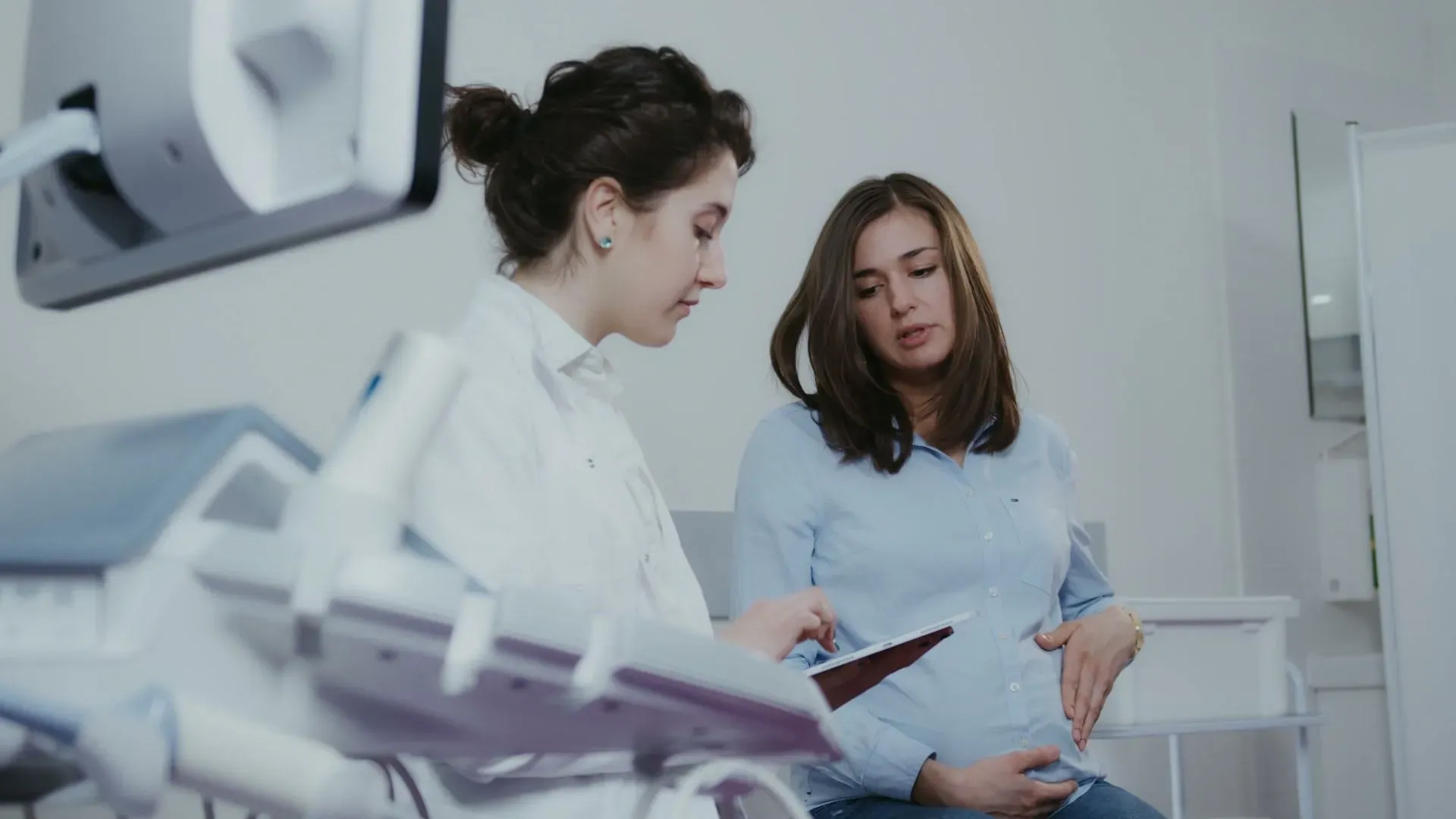
Je suis très satisfaite de cette clinique médicale. J'ai fait mon premier dépistage de grossesse ici. C'était abordable et très professionnel. Le radiologue était accueillant, gentil et a rendu l'expérience formidable.
Aizhan Tokmanbetova
Je me suis blessée au genou vendredi soir et j'ai obtenu un rendez-vous IRM dimanche soir (réservé dimanche après-midi). J'ai attendu environ 2 minutes et c'était terminé en un peu plus de 30 minutes. L'équipe était incroyable, sympathique et efficace.
Kirsten Evans
L'équipe du Dr Osama était douce et incroyable. Après une mauvaise expérience ailleurs, mon examen pelvien ici était beaucoup plus professionnel. Excellent rapport et très précis.
Mary


Test de Pap Smear à Dubaï : dépistage du cancer du col utérin et test HPV
Test Pap et HPV avec des spécialistes femmes à Dubai Healthcare City
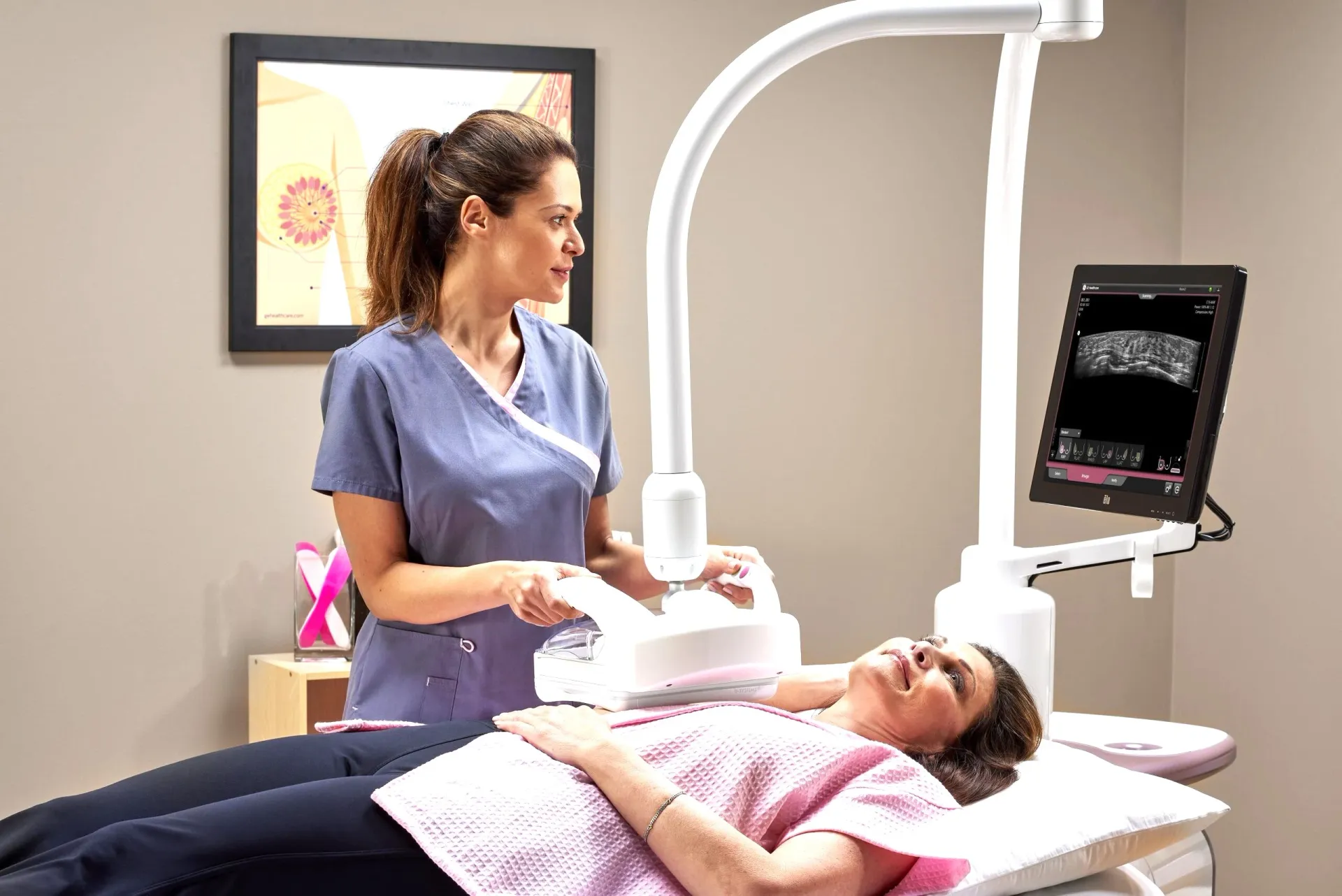
Soins spécialisés
Dépistage du cancer du col utérin au DCDC Dubai Healthcare City
Test de Pap Smear à Dubai Healthcare City. Dépistage du cancer du col utérin et test HPV avec médecins femmes spécialisées. Rendez-vous le même jour. Réservez maintenant.
Soins spécialisés
Dépistage du cancer du col utérin au DCDC Dubai Healthcare City
Test de Pap Smear à Dubaï : dépistage du cancer du col utérin et test HPV
Test Pap et HPV avec des spécialistes femmes à Dubai Healthcare City
Test de Pap Smear à Dubai Healthcare City. Dépistage du cancer du col utérin et test HPV avec médecins femmes spécialisées. Rendez-vous le même jour. Réservez maintenant.

Dr. Parisa Dini
Découvrez nos services
Services dépistage du cancer du col utérin complets au DCDC Dubai Healthcare City.
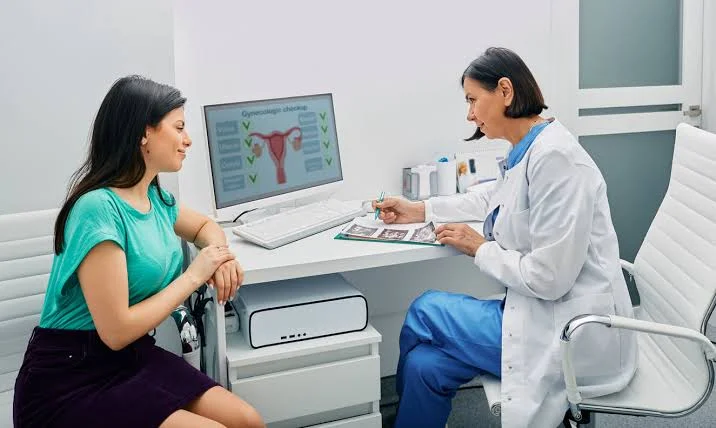
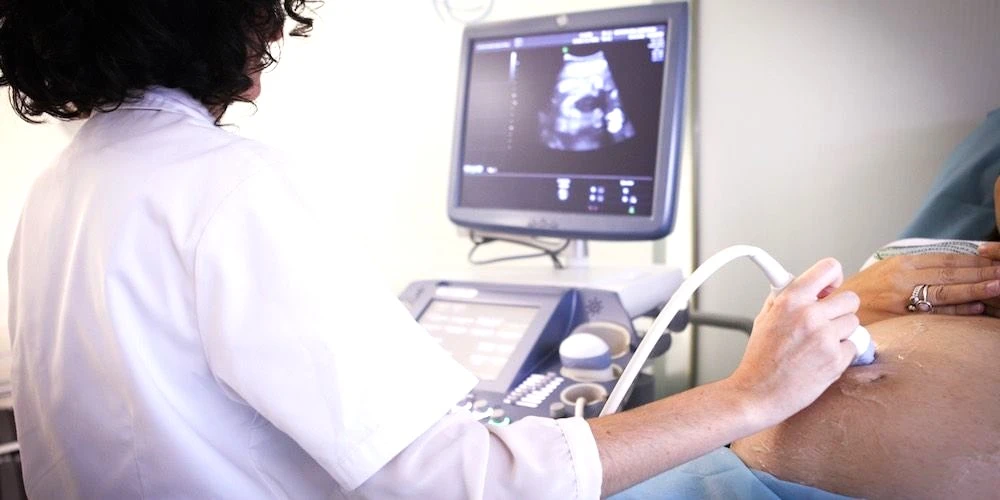

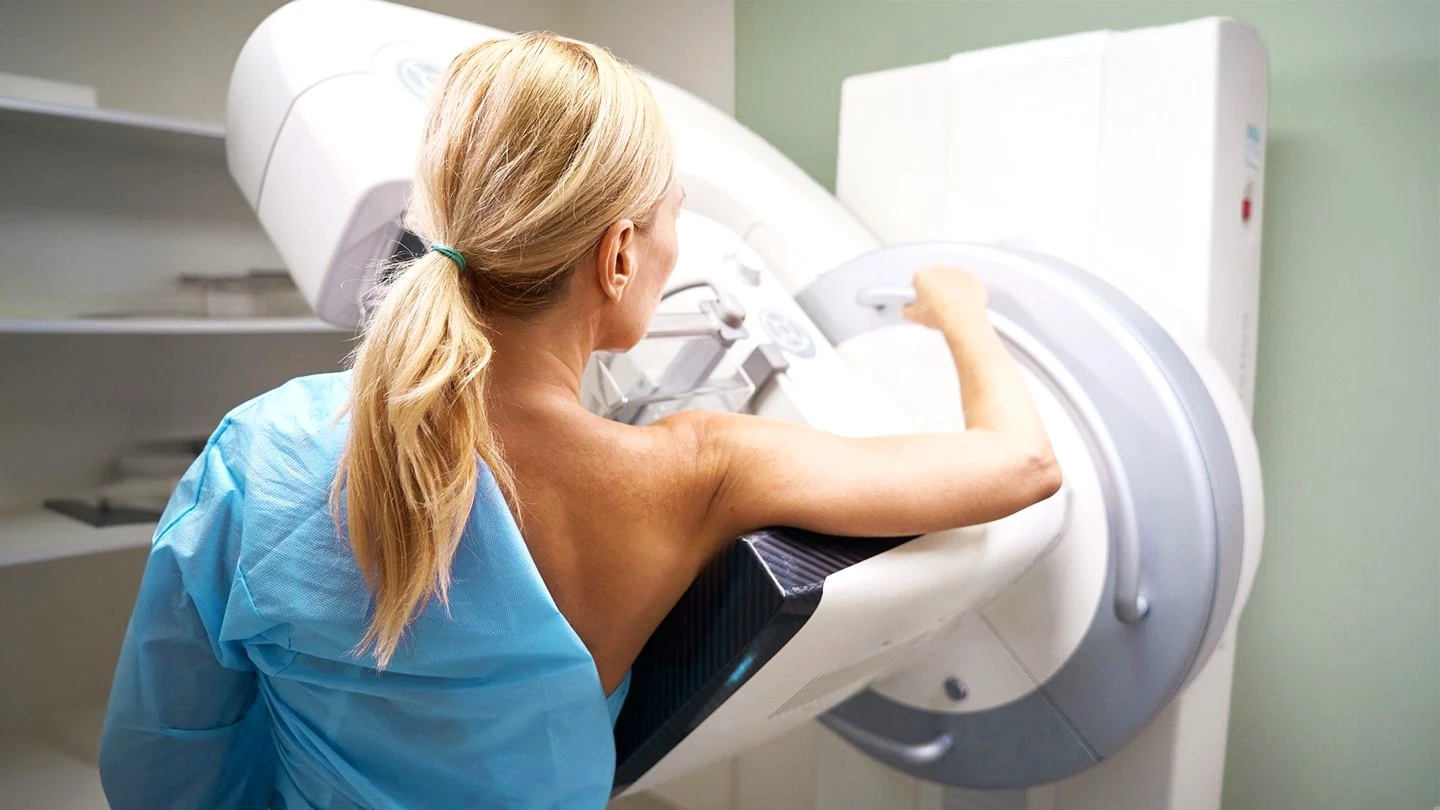
Tous les services realises par des specialistes agrees DHA
Qui devrait faire un dépistage du cancer du col utérin
Les femmes sexuellement actives et souhaitant détecter les maladies tôt.
Women starting at age 21
Every 3 years for ages 21-29
Every 5 years for ages 30-65 (with HPV test)
More frequent if history of abnormal results
Women with weakened immune systems
Women who have never had a Pap smear regardless of age
Pourquoi choisir DCDC pour le dépistage du cancer du col utérin
Soins médicaux avancés et sécurisés
MOHAP Licensed Clinic
Licensed facility in DHCC (MOHAP license NIMY7VY5-240925) following strict clinical and infection control standards.
Female Gynecologists
Experienced female specialists performing Pap and cervical screening with sensitivity and clear explanations.
Same-Day Screening
Same-day Pap/HPV appointments often available; slots are limited. Book early.
Comprehensive Follow-up
Clear next steps for abnormal results, including colposcopy referrals and HPV vaccination guidance.
Prime DHCC Location
Building 64, Block A, our facility with free dedicated parking and easy access.
Private & Confidential
Respectful, discreet screening environment with quick turnaround and communication.
Votre visite en tout confort
Un processus d'examen Dépistage simple, etape par etape, concu pour le confort, la rapidite et la precision.
Tarifs du dépistage du cancer du col utérin
Les tarifs Dépistage à Dubaï varient selon le type de service et la couverture d'assurance pour différents types de services.
- Les tarifs varient selon le type d'examen et la necessite de produit de contraste
- Couverture d'assurance acceptee avec ordonnance et verification
- Tarifs transparents pour paiement direct avec devis instantane sur demande
Verification d'assurance en quelques minutes - Pas de frais caches - Reponse rapide sur WhatsApp
Guide du patient
À quoi s'attendre pendant le test
Une procédure simple et rapide avec des médecins femmes spécialisées dans un environnement sûr et confidentiel.
Assurance et localisation
Partenaires d'assurance
- •Plus de 20 assureurs à Dubaï dont Daman, AXA, ADNIC et d'autres
- •Assistance pré-autorisation et facturation directe (le cas échéant)
- •Vérification de la couverture avant votre rendez-vous dans notre clinique de Dubai Healthcare City
- •Tarification transparente sans frais cachés pour les services de dépistage du cancer du col utérin








Rendez-nous visite a Dubai Healthcare City
Doctors Clinic Diagnostic Center
Batiment 64, Bloc A, Al Razi Medical Complex, Dubai Healthcare City, Dubai, EAU
Pres de Oud Metha Road - Acces facile depuis Bur Dubai, Downtown Dubai, Business Bay - Parking gratuit dedie disponible
Horaires d'ouverture
Lun-Jeu, Sam : 8h - 22h30 | Dim : 8h30 - 22h30 | Ven : 9h - 22h
Comment fonctionne l'assurance chez DCDC
Vérifier la couverture
Vérifiez que votre plan couvre Dépistage du cancer du col utérin
Obtenir une référence
Certains assureurs exigent une référence du médecin — nous pouvons vous guider
Pré-autorisation
Nous gérons la pré-autorisation directement avec votre assureur
Facturation directe
Pas de paiement initial — nous facturons directement votre assureur
Co-paiement uniquement
Vous ne payez que le co-paiement applicable à la clinique
Vérifier la couverture
Vérifiez que votre plan couvre Dépistage du cancer du col utérin
Obtenir une référence
Certains assureurs exigent une référence du médecin — nous pouvons vous guider
Pré-autorisation
Nous gérons la pré-autorisation directement avec votre assureur
Facturation directe
Pas de paiement initial — nous facturons directement votre assureur
Co-paiement uniquement
Vous ne payez que le co-paiement applicable à la clinique
Your Specialist
Dr. Parisa Dini
Specialist OB/GYN
MD, Specialist OB/GYN
English · Persian
Guide du patient
Pourquoi le dépistage précoce du cancer du col est-il salvateur ?
Le dépistage du col de l'utérus révèle les modifications cellulaires avant qu'elles ne deviennent cancéreuses, rendant le traitement plus efficace et moins invasif.
Le test cellulaire (PAP) est combiné à la détection du HPV pour offrir les plus hauts niveaux de détection précoce.
La femme qui respecte les rendez-vous de dépistage régulier réduit de plus de 80 % le risque de cancer du col avancé.
Ce que le dépistage révèle
Articles associés
Pap Smear Test in Dubai: Everything You Need to Know
A comprehensive guide to Pap smear testing, preparation, procedure, and understanding your results.
Women's Health Screening: Essential Tests for Every Age
Discover the key preventive screenings every woman should have, from cervical to breast cancer checks.
Breast Cancer: Early Signs and Symptoms to Watch For
Learn about breast cancer warning signs and the importance of early detection through regular screening.
Obstetrics and Gynecology in Dubai: Comprehensive Care
An overview of the full range of OB-GYN services available at our clinic.
Services connexes
Decouvrez d'autres services de diagnostic et de consultation disponibles dans notre clinique de Dubai Healthcare City.
Questions frequentes
Questions courantes sur Dépistage du cancer du col utérin a Dubai.
Nous proposons Dépistage du cancer du col utérin à Dubai Healthcare City. Notre équipe de spécialistes expérimentés est disponible pour un examen et une consultation complète. Contactez-nous pour plus d'informations.
La durée varie selon chaque cas individuel. Notre équipe vous informera à l'avance du temps exact nécessaire. Contactez-nous pour prendre un rendez-vous.
La plupart des grandes assurances à Dubaï couvrent Dépistage du cancer du col utérin. Nous proposons une facturation directe avec plus de 20 compagnies d'assurance, dont Daman, AXA et Bupa. Contactez-nous pour vérifier votre couverture.
Notre équipe vous donnera des instructions de préparation spécifiques avant votre rendez-vous. En général, nous recommandons d'apporter tous vos médicaments actuels et vos dossiers médicaux pertinents.
Chez DCDC, nous proposons Dépistage du cancer du col utérin avec des spécialistes expérimentés, des équipements de pointe et des soins aux patients de premier ordre à Dubai Healthcare City. Notre établissement est agréé par MOHAP et suit des normes cliniques strictes.
Vous pouvez prendre rendez-vous pour Dépistage du cancer du col utérin par téléphone au +971 54 219 5008 ou via notre système de réservation en ligne. Nous proposons des horaires flexibles, y compris des rendez-vous le jour même si disponibles.
Faits cles
Supervision medicale
Tous les services sont fournis sous la supervision de professionnels medicaux agrees dans notre etablissement accredite MOHAP.