Points cles
- Ultrasound preparation varies by scan type: abdominal scans require 8-12 hours of fasting, pelvic scans require a full bladder, and thyroid or breast ultrasounds need no special preparation at all
- Ultrasound uses zero radiation, making it one of the safest diagnostic imaging methods available for patients of all ages, including pregnant women and children
- At DCDC in Dubai Healthcare City, ultrasound scans start from AED 399 with results available within 18-24 hours and same-day reporting for urgent cases
- Wearing loose, comfortable clothing with easy access to the scan area speeds up the examination and improves patient comfort throughout the 15-45 minute procedure
- Proper preparation directly affects image quality — following your fasting or hydration instructions means clearer images and more accurate diagnosis on the first visit
- DCDC offers walk-in availability and same-day appointments with subspecialty radiologists who interpret scans in their specific area of expertise, not as generalists
Preparing for an ultrasound scan in Dubai does not have to be confusing. Whether your doctor has ordered an abdominal, pelvic, pregnancy, thyroid, or Doppler ultrasound, each type has specific preparation steps that directly affect the quality of your images and the accuracy of your diagnosis. This guide covers every preparation instruction you need, what to expect during and after the scan, and how ultrasound services work at Doctors Clinic Diagnostic Center (DCDC) in Dubai Healthcare City — where scans start from AED 399 and results are typically available within 18-24 hours.
Ultrasound is one of the most frequently ordered diagnostic imaging examinations worldwide, and for good reason. It is painless, uses no ionizing radiation, produces real-time images, and provides critical diagnostic information for a wide range of medical conditions. However, many patients arrive at their appointment unsure whether they should have eaten, how much water to drink, or what clothing to wear. Incorrect preparation can lead to suboptimal images that may need to be repeated, costing you additional time and money. This comprehensive preparation guide is based on the clinical protocols followed at DCDC and aligns with international guidelines from the American College of Radiology and the American Institute of Ultrasound in Medicine.



What Is an Ultrasound Scan?
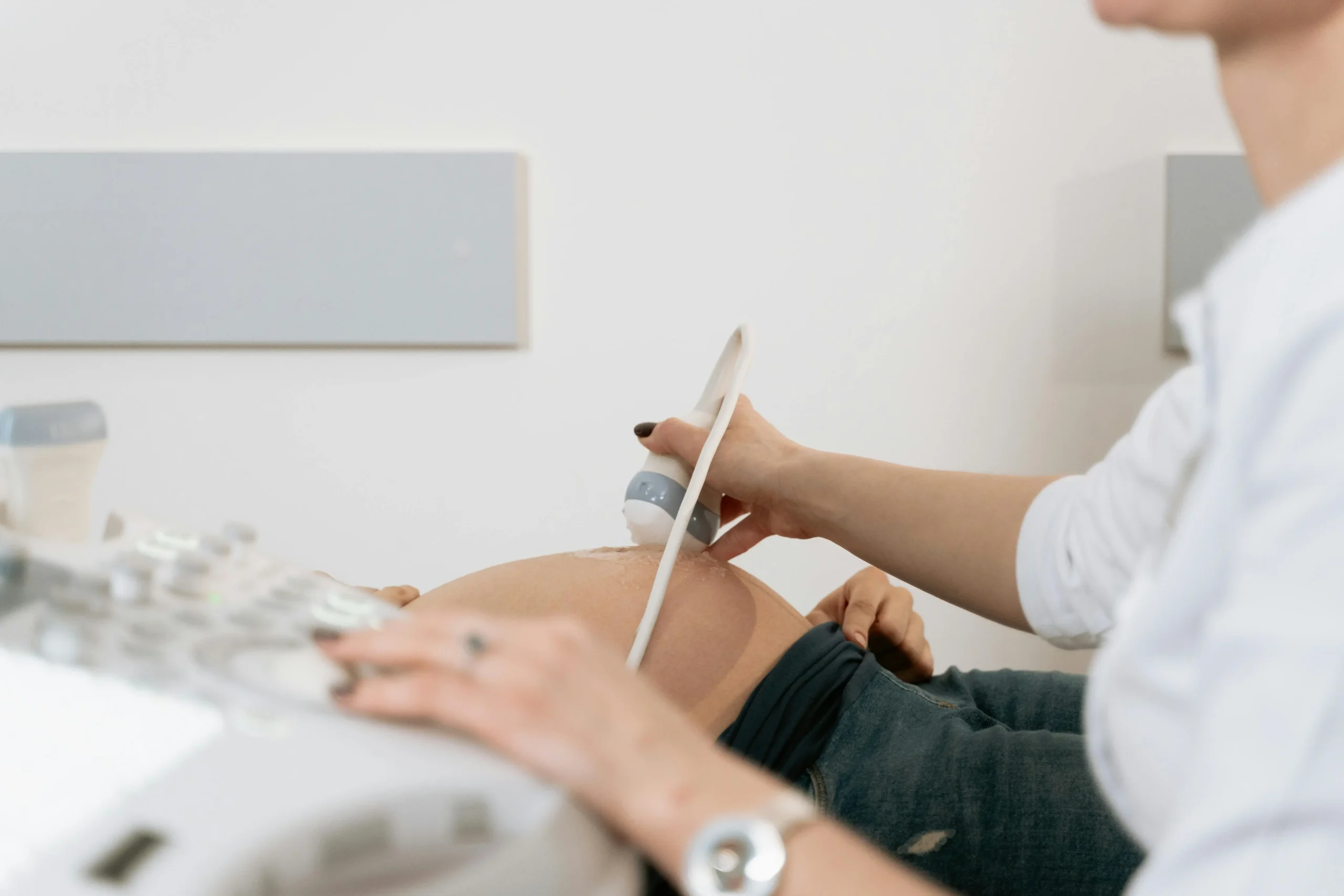
An ultrasound scan (also called sonography or ultrasonography) is a diagnostic imaging technique that uses high-frequency sound waves — typically between 2 and 18 megahertz — to create real-time images of the organs, tissues, and blood vessels inside the body. A handheld device called a transducer is placed on the skin over the area being examined. The transducer emits sound waves that travel into the body, bounce off internal structures, and return as echoes. A computer processes these echoes into detailed grayscale images displayed on a monitor, allowing the radiologist to evaluate the size, shape, texture, and blood flow of internal organs.
Unlike X-rays and CT scans, ultrasound uses zero ionizing radiation, which is why it is the preferred imaging method during pregnancy and for repeated examinations in children. The technology has advanced significantly in recent years, with modern ultrasound systems offering exceptional image resolution that rivals more expensive imaging modalities for many clinical applications. At DCDC, our ultrasound suites are equipped with modern systems that deliver high-resolution imaging across all body regions, enabling our subspecialty radiologists to detect subtle findings that might be missed on older equipment.
Ultrasound examinations are performed by qualified sonographers and interpreted by radiologists. The scan itself is painless — you may feel mild pressure as the transducer is pressed against the skin, along with the sensation of warm gel applied to the scan area. Most ultrasound examinations take between 15 and 45 minutes depending on the type and complexity of the study.
Types of Ultrasound Scans Available in Dubai
Dubai's healthcare facilities offer the full spectrum of diagnostic ultrasound services. Understanding which type of ultrasound your doctor has ordered is the first step in preparing correctly, because preparation requirements vary by scan type. The following table summarizes the most common ultrasound examinations available in Dubai and their respective preparation needs.
| Ultrasound Type | What It Examines | Preparation Required |
|---|---|---|
| Abdominal Ultrasound | Liver, gallbladder, pancreas, spleen, kidneys, aorta | Fasting 8-12 hours |
| Pelvic Ultrasound | Uterus, ovaries, bladder, prostate | Full bladder (drink 1 litre of water 1 hour before) |
| Pregnancy / Obstetric Ultrasound | Fetus, placenta, amniotic fluid, cervical length | First trimester: full bladder; second/third trimester: none |
| Thyroid Ultrasound | Thyroid gland, lymph nodes in the neck | No preparation needed |
| Breast Ultrasound | Breast tissue, axillary lymph nodes | No preparation needed |
| Doppler Ultrasound | Blood flow in arteries and veins (carotid, renal, leg vessels) | Varies — carotid: none; renal: fasting; leg: none |
| Musculoskeletal Ultrasound | Tendons, ligaments, joints, muscles, soft tissue | No preparation needed |
| Scrotal Ultrasound | Testes, epididymis, scrotal structures | No preparation needed |
| 3D/4D Ultrasound | Three-dimensional fetal imaging | Hydration recommended; no fasting |
Common ultrasound types available in Dubai and their preparation requirements.
As you can see, the preparation spectrum ranges from no preparation at all (thyroid, breast, musculoskeletal) to several hours of fasting (abdominal) or specific hydration protocols (pelvic). The sections below provide detailed, step-by-step preparation instructions for each major scan type.
How to Prepare for an Abdominal Ultrasound
An abdominal ultrasound evaluates the liver, gallbladder, bile ducts, pancreas, spleen, kidneys, and abdominal aorta. Proper preparation is essential because food in the stomach and intestinal gas from digestion significantly degrade image quality. When you eat, the gallbladder contracts to release bile for digestion, making it appear small and difficult to evaluate. Gas from digestion creates bright reflections that obscure the pancreas and other retroperitoneal structures.
Abdominal Ultrasound Fasting Rules
- Fast for 8-12 hours before your appointment. If your scan is scheduled for the morning, stop eating after dinner the night before. For afternoon appointments, have a light early breakfast and then stop eating
- Water is permitted — you may drink small amounts of plain water during the fasting period. Avoid juice, milk, coffee, tea, and carbonated drinks as these stimulate digestive activity
- Take essential medications as prescribed with a small sip of water. Do not skip heart, blood pressure, thyroid, or seizure medications. If uncertain, contact your prescribing doctor
- Avoid chewing gum and smoking before the scan, as both cause you to swallow air, which increases intestinal gas and reduces image quality
- Do not skip the fast — if you have eaten within the fasting window, inform the radiology team. They may reschedule your scan rather than proceed with suboptimal images
- Diabetic patients should schedule their abdominal ultrasound for the earliest available morning slot to minimize the fasting period and reduce the risk of hypoglycemia. Bring a snack to eat immediately after the scan
For a more in-depth look at what the abdominal scan evaluates, what conditions it can detect, and how to interpret the findings, read our complete abdominal ultrasound guide.
"Proper preparation directly affects ultrasound image quality," explains Dr. Osama Elzamzami, DCDC's subspecialty radiologist. "Patients who follow fasting and hydration guidelines receive clearer images, enabling more accurate diagnosis. What distinguishes our practice at DCDC is that each scan is interpreted by a radiologist with subspecialty training in the relevant body system, not by a generalist."
How to Prepare for a Pelvic Ultrasound
A pelvic ultrasound examines the uterus, ovaries, fallopian tubes, and bladder in women, or the prostate, bladder, and seminal vesicles in men. This scan requires the opposite preparation from an abdominal ultrasound: instead of fasting, you need a full bladder. A distended bladder pushes loops of bowel out of the pelvis and creates an acoustic window that allows the sound waves to pass through to the pelvic organs, producing much clearer images.
Pelvic Ultrasound Full Bladder Protocol
- Drink approximately 1 litre (4 glasses) of water finishing about 1 hour before your appointment time. This gives your kidneys enough time to filter the water into the bladder
- Do not empty your bladder after drinking. You need to arrive with your bladder comfortably full — not painfully distended, but noticeably full
- Avoid caffeinated beverages as they have a diuretic effect and may cause you to urinate before the scan
- No fasting is required for a pelvic-only ultrasound. You may eat normally before and after the scan
- If your bladder is not full enough when you arrive, the sonographer may ask you to drink more water and wait 20-30 minutes before starting the examination
- Transvaginal ultrasound (an internal pelvic scan using a slim transducer) does not require a full bladder. In fact, you will be asked to empty your bladder before this part of the exam if it is performed after the transabdominal portion
Women undergoing pelvic ultrasound for gynecological symptoms such as irregular bleeding, pelvic pain, or suspected ovarian cysts should note that the timing of the scan relative to their menstrual cycle can affect what the radiologist sees. Discuss timing with your referring doctor if you are being investigated for a specific condition. You may also find our pelvic ultrasound guide for women helpful for understanding what the scan can reveal.
Pregnancy Ultrasound Preparation
Pregnancy ultrasound is among the most anticipated medical appointments for expectant parents, and preparation requirements change as the pregnancy progresses. Obstetric ultrasound is safe for both mother and baby, uses no radiation, and provides vital information about fetal development, placental position, and amniotic fluid volume.
First Trimester (Weeks 6-13)
Early pregnancy scans, including the dating scan and nuchal translucency screening, are often performed transabdominally and may also include a transvaginal component. For the transabdominal approach, you should drink 2-3 glasses of water about 1 hour before the appointment to partially fill the bladder. A full bladder at this early stage provides a window to see the small gestational sac and embryo. If a transvaginal scan is performed, you will be asked to empty your bladder.
Second and Third Trimesters (Weeks 14-40)
From the second trimester onward, the growing uterus and increased amniotic fluid provide a natural acoustic window, so a full bladder is generally not required. You should eat and drink normally before the appointment. Staying well hydrated in the days leading up to your anatomy scan (typically performed around weeks 18-22) can improve amniotic fluid clarity and help produce better images of fetal structures.
3D/4D Pregnancy Ultrasound
Three-dimensional and four-dimensional pregnancy ultrasounds produce detailed surface images of the baby's face and body. Good hydration is key to image quality. Drink plenty of water in the 2-3 days before your scheduled 3D/4D scan. The best images are typically obtained between weeks 26 and 32 when there is adequate amniotic fluid around the face and the baby is large enough to show recognizable features. No fasting is required.
Thyroid and Breast Ultrasound: No Special Preparation Needed
Not every ultrasound requires advance preparation, and this is good news for patients who need thyroid or breast imaging. Both thyroid and breast ultrasounds are performed on superficial structures that are easily accessible with a high-frequency transducer, and neither requires fasting, a full bladder, or any dietary changes.
Thyroid Ultrasound Preparation
- No fasting required — eat and drink normally before the appointment
- Wear a top with an open neckline or a shirt that can be easily pulled down from the collar area to expose the front of the neck
- Remove necklaces and scarves before the examination
- Arrive with clean, dry skin on the neck area — no lotions or creams, as they can interfere with the ultrasound gel
- The scan typically takes 15-20 minutes and evaluates the thyroid gland, surrounding lymph nodes, and parathyroid glands
Breast Ultrasound Preparation
- No fasting or full bladder required
- Wear a two-piece outfit so you only need to remove the top garment. A hospital gown will be provided
- Do not apply deodorant, powder, or lotion to the breast or underarm area on the day of the scan, as these products can create artifacts on the images
- Bring previous imaging — if you have had prior mammograms or breast ultrasounds at another facility, bring the reports or images so the radiologist can compare findings
- The scan typically takes 15-30 minutes and may include evaluation of the axillary (armpit) lymph nodes
Musculoskeletal and Doppler Ultrasound Preparation
Musculoskeletal ultrasound is used to evaluate tendons, ligaments, muscles, joints, and soft tissue masses, commonly for sports injuries, shoulder pain, carpal tunnel syndrome, and joint effusions. No fasting or hydration preparation is needed for musculoskeletal ultrasound. Simply wear clothing that allows easy access to the area being examined — shorts for a knee scan, a tank top for a shoulder scan, or a short-sleeved shirt for an elbow or wrist examination.
Doppler ultrasound evaluates blood flow through arteries and veins. It is commonly used to assess the carotid arteries (stroke risk screening), leg veins (deep vein thrombosis detection), renal arteries (renovascular hypertension), and blood flow in the placenta during pregnancy. Preparation for Doppler ultrasound depends on the specific vessels being examined.
- Carotid Doppler: No preparation needed. Wear a shirt with an open collar and remove neck jewelry
- Lower extremity venous Doppler (DVT scan): No fasting required. Wear loose-fitting trousers or shorts that can be easily rolled up above the thigh
- Renal artery Doppler: Fasting for 8-12 hours is required, same as an abdominal ultrasound, because intestinal gas impairs visualization of the renal arteries
- Obstetric Doppler: No special preparation beyond normal pregnancy scan preparation
For a detailed breakdown of Doppler ultrasound types, indications, and costs, see our dedicated guide on Doppler ultrasound in Dubai.
General Preparation Tips for All Ultrasound Types
Regardless of the specific ultrasound type, several universal preparation guidelines apply to every scan. Following these tips ensures a smooth, efficient appointment and the best possible image quality.
- Wear loose, comfortable clothing that provides easy access to the area being scanned. Two-piece outfits are preferable to one-piece dresses or jumpsuits
- Leave jewelry at home or be prepared to remove watches, bracelets, necklaces, or body piercings near the scan area
- Bring your doctor's referral or request form to ensure the correct scan is performed and the radiologist has clinical context
- Bring previous imaging reports from other facilities if relevant — comparison with prior studies improves diagnostic accuracy
- Bring your Emirates ID or passport and insurance card if applicable
- Arrive 10-15 minutes early to complete registration and paperwork before your scan time
- Inform the sonographer about any relevant surgical history, allergies, current medications, or implanted devices before the scan begins
- Ask questions — the sonography team is happy to explain the process, but note that the sonographer cannot provide a diagnosis during the scan. The official report comes from the interpreting radiologist
Book Your Ultrasound at DCDC Dubai Healthcare City
Walk-ins welcome and same-day appointments available. Ultrasound scans from AED 399 with subspecialty radiologist interpretation and results within 18-24 hours. Direct billing with 20+ insurance providers.
Or call us for immediate assistance
What to Expect During Your Ultrasound at DCDC
Understanding the patient journey removes anxiety and helps you plan your visit. At DCDC in Dubai Healthcare City (Building 64, Block A, Al Razi Medical Complex), the ultrasound experience is designed to be straightforward, comfortable, and efficient from check-in to results delivery.
Step-by-Step Patient Journey
- Arrival and registration (5-10 minutes): Check in at reception with your Emirates ID, insurance card, and doctor's referral. DCDC offers direct billing with over 20 insurance providers including Daman, AXA, and Bupa, so there is no need to pay upfront and claim later. Self-pay patients receive transparent pricing with no hidden fees. Free parking is available in the building
- Pre-scan consultation (2-3 minutes): The sonographer reviews your referral, confirms which scan has been ordered, asks about your preparation (fasting status or bladder fullness), and explains what will happen during the examination
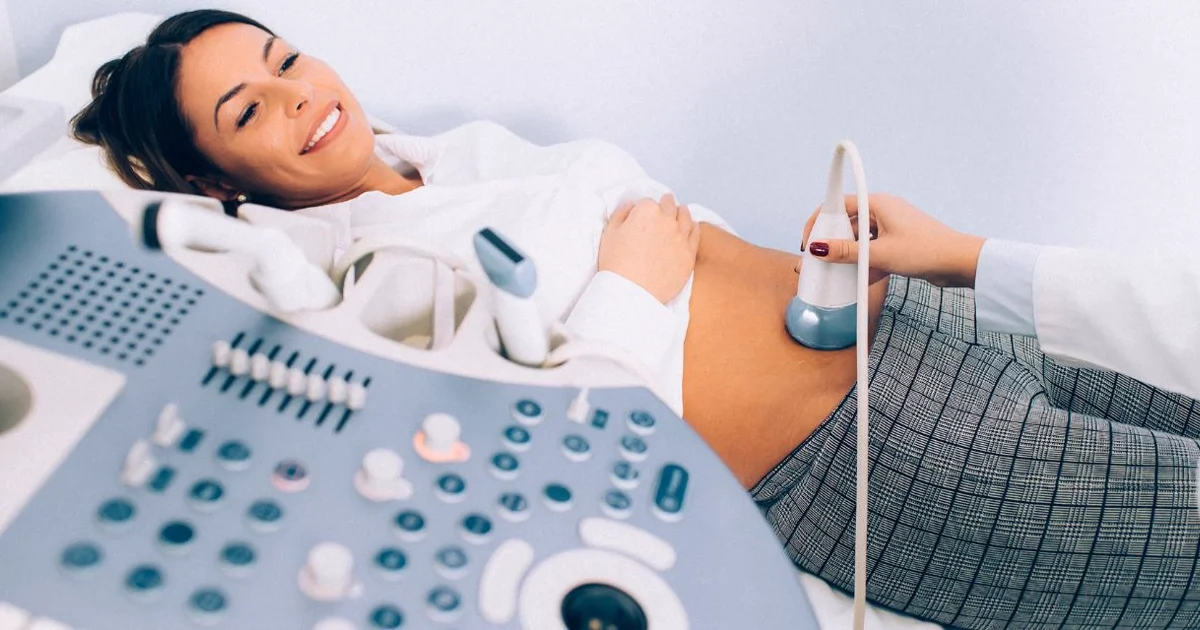
- The scan (15-45 minutes): You will be asked to lie on an examination table, typically on your back. The sonographer applies a water-based gel to the skin over the scan area — the gel eliminates air between the transducer and your skin, allowing the sound waves to transmit efficiently. The transducer is then moved across the skin with gentle pressure. You may be asked to change positions, take a deep breath and hold it, or roll onto your side during the scan. The images appear on the monitor in real time
- After the scan (2-3 minutes): The gel is wiped off with a towel. You can get dressed and resume normal activities immediately. There are no side effects, no recovery period, and no restrictions on driving, eating, or physical activity after an ultrasound
- Results delivery (18-24 hours): Your ultrasound images are reviewed and interpreted by one of DCDC's subspecialty radiologists — a specialist with focused training in the body system being examined, not a generalist reading all scan types. The formal report is delivered to your referring physician and made available through the DCDC patient portal. For urgent cases, same-day reporting is available
DCDC is a MOHAP-licensed facility (License No. NIMY7VY5-240925) located in Dubai Healthcare City, a free zone dedicated exclusively to healthcare. The clinic maintains a 4.8 out of 5 Google rating from over 1,000 patient reviews with 98% patient satisfaction — a reflection of the team's commitment to clinical excellence and patient-centered care. The clinic is open Saturday through Thursday from 8 AM to 10 PM and Friday from 9 AM to 9 PM, offering significantly more flexibility than hospital radiology departments with standard working hours.
Ultrasound Cost in Dubai
Ultrasound is one of the most affordable diagnostic imaging modalities available, making it an accessible first-line investigation for a wide range of symptoms. Costs in Dubai vary depending on the facility type (hospital versus clinic), the specific scan, and whether insurance coverage applies. The table below provides the pricing structure at DCDC for the most commonly requested ultrasound examinations.
| Ultrasound Type | DCDC Price Range |
|---|---|
| Abdominal Ultrasound | From AED 399 |
| Pelvic Ultrasound | From AED 399 |
| Thyroid Ultrasound | From AED 399 |
| Breast Ultrasound | From AED 399 |
| Pregnancy / Obstetric Ultrasound | From AED 500 |
| Doppler Ultrasound | From AED 500 |
| Musculoskeletal Ultrasound | From AED 399 |
| 3D/4D Pregnancy Ultrasound | AED 500-800 |
Ultrasound pricing at DCDC Dubai Healthcare City. Prices include the scan, radiologist report, and digital image storage. Insurance patients should confirm coverage with their provider.
At DCDC, ultrasound scans start from AED 399 — a price that includes the scan itself, the full radiologist interpretation, and digital image storage accessible through the patient portal. Insurance patients benefit from direct billing with over 20 providers, eliminating the need for upfront payment and reimbursement claims. Self-pay patients receive transparent, all-inclusive pricing with no surprise charges. For current pricing and insurance verification, contact DCDC by phone or WhatsApp.
How to Read Your Ultrasound Results
After your ultrasound, the interpreting radiologist generates a formal report that is sent to your referring physician. Understanding the basic structure of an ultrasound report can help you feel more informed when discussing results with your doctor, though it is important to note that the radiologist's report should always be interpreted in the context of your overall clinical picture by your treating physician.
Anatomy of an Ultrasound Report
- Clinical indication: The reason the ultrasound was ordered — for example, "right upper quadrant pain, rule out gallstones" or "routine pregnancy dating scan." This tells the radiologist what clinical question needs to be answered
- Technique: Describes how the scan was performed — the type of transducer used, whether Doppler was employed, and any limitations encountered during the examination (such as bowel gas obscuring the pancreas or patient body habitus limiting visualization)
- Findings: The detailed description of each organ or structure examined, including measurements (organ dimensions, lesion sizes, fetal measurements), echogenicity (brightness or darkness compared to surrounding tissue), and any abnormalities identified. Terms like "echogenic" (bright), "hypoechoic" (darker than expected), "anechoic" (completely black, indicating fluid), and "heterogeneous" (mixed appearance) are commonly used
- Impression / Conclusion: The radiologist's summary diagnosis or differential diagnosis based on the findings. This is the most important section for your referring physician and typically contains actionable diagnostic conclusions such as "cholelithiasis (gallstones) confirmed" or "normal fetal anatomy survey, no anomalies detected"
- Recommendations: If further imaging or follow-up is needed, the radiologist will suggest next steps — for example, "correlate with CT for further characterization" or "recommend follow-up ultrasound in 6 months to assess stability"
At DCDC, results are typically available within 18-24 hours and accessible through the patient portal. For urgent cases — such as suspected ectopic pregnancy, deep vein thrombosis, or acute appendicitis — same-day reporting is prioritized. Avoid the temptation to self-diagnose based on isolated terms in the report. A finding of "hepatic steatosis" (fatty liver), for example, may range from a benign incidental finding requiring only dietary modification to a marker of more significant metabolic disease requiring further investigation. Your doctor will explain what the findings mean for your specific situation.
When to See a Doctor After Your Ultrasound
In most cases, your ultrasound results will be discussed at a scheduled follow-up appointment with your referring physician. However, certain ultrasound findings or post-scan symptoms warrant more urgent medical attention. Contact your doctor promptly or seek immediate care if you experience any of the following after receiving your results.
- The report mentions a suspicious mass or tumor — solid masses in the liver, kidney, breast, thyroid, or other organs may require urgent further investigation with contrast-enhanced imaging or biopsy
- Signs of an ectopic pregnancy — if the ultrasound shows a gestational sac outside the uterus or free fluid in the pelvis with a positive pregnancy test, this is a medical emergency
- Deep vein thrombosis (DVT) confirmed — a blood clot in the leg veins requires immediate anticoagulation treatment to prevent pulmonary embolism
- Abdominal aortic aneurysm identified — aneurysms above 5.5 cm carry a risk of rupture and typically require urgent vascular surgery referral
- Severe hydronephrosis — significant kidney obstruction may require urgent intervention to prevent kidney damage
- New or worsening symptoms — if you develop severe pain, fever, heavy bleeding, or other new symptoms before your follow-up appointment, do not wait for the scheduled visit
- Pregnancy concerns — absence of fetal heartbeat, significantly abnormal fetal measurements, or very low amniotic fluid levels may require urgent obstetric consultation
For non-urgent findings such as simple cysts, mild fatty liver, small benign-appearing nodules, or minor measurement variations, your referring physician will advise on appropriate follow-up at your next scheduled appointment. Many ultrasound findings are incidental and benign, requiring monitoring rather than immediate treatment.
Common Mistakes That Affect Ultrasound Image Quality
Even with the best ultrasound equipment and the most experienced sonographer, image quality ultimately depends on patient preparation. The following common mistakes can compromise your scan and potentially lead to the need for a repeat examination.
- Eating before an abdominal scan: Food causes gallbladder contraction and intestinal gas, both of which significantly impair image quality. If you have eaten, the gallbladder may not be evaluable at all
- Arriving with an empty bladder for a pelvic scan: Without a full bladder, the pelvic organs are obscured by overlying bowel loops. The scan may need to be rescheduled or converted to a transvaginal-only examination
- Excessive bladder fullness for a pelvic scan: An overly distended bladder can compress the uterus and ovaries, distorting their appearance. Aim for "comfortably full," not painfully stretched
- Applying body lotion or oil to the scan area: Certain skincare products create a barrier that prevents the ultrasound gel from coupling properly with the skin, degrading sound wave transmission
- Wearing tight, restrictive clothing: Difficulty accessing the scan area delays the appointment and may limit the sonographer's ability to position the transducer optimally
- Not bringing relevant medical history: Without clinical context, the radiologist cannot tailor the examination or the report to address the specific clinical question
Ready to Schedule Your Ultrasound in Dubai?
DCDC offers walk-in availability and same-day ultrasound appointments in Dubai Healthcare City. Subspecialty radiologist interpretation, results within 18-24 hours, and direct insurance billing. From AED 399.
WhatsApp us for quick booking
Services associés au DCDC
Soins spécialisés et diagnostics avancés à Dubai Healthcare City
Frequently Asked Questions
Final Thoughts
Ultrasound preparation is straightforward once you know which type of scan you are having. Abdominal scans require fasting, pelvic scans require a full bladder, pregnancy scans change with trimester, and many common ultrasounds — thyroid, breast, musculoskeletal — require no special preparation at all. Following the correct preparation instructions is not a minor detail: it directly determines whether the radiologist can obtain the diagnostic images needed to answer your doctor's clinical question on the first visit, avoiding the inconvenience and cost of a repeat examination.
At Doctors Clinic Diagnostic Center in Dubai Healthcare City, our ultrasound services are built around three principles: accessibility, expertise, and speed. Scans start from AED 399 with walk-in availability and same-day appointments. Every scan is interpreted by a subspecialty radiologist with focused training in the specific body system being examined — abdominal, obstetric, pelvic, or vascular — not by a generalist reading all scan types. And results are delivered within 18-24 hours, with same-day reporting for urgent cases. If you need an ultrasound in Dubai, we invite you to experience the DCDC difference: advanced imaging technology, subspecialist interpretation, and genuine patient-centered care, all in one visit. Contact us by phone, WhatsApp, or visit us at Building 64, Block A, Al Razi Medical Complex, Dubai Healthcare City.
Sources et references
Cet article a ete revise par notre equipe medicale et fait reference aux sources suivantes :
- RadiologyInfo.org — Ultrasound: General Information
- NHS — Ultrasound Scan
- Mayo Clinic — Abdominal Ultrasound
- American College of Obstetricians and Gynecologists (ACOG) — Ultrasound Exams
- Cleveland Clinic — Ultrasound
- World Health Organization — Diagnostic Imaging: Ultrasonography
Le contenu medical de ce site est revise par des medecins agrees DHA. Voir notre politique editoriale pour plus d'informations.

Redige par
Dr. Osama Elzamzami
Diagnostic Radiologist
MD, FRCR
Dr. Osama Elzamzami is a Diagnostic Radiologist at Doctors Clinic Diagnostic Center (DCDC) in Dubai Healthcare City.
Related Articles
Abdominal Ultrasound: Complete Guide
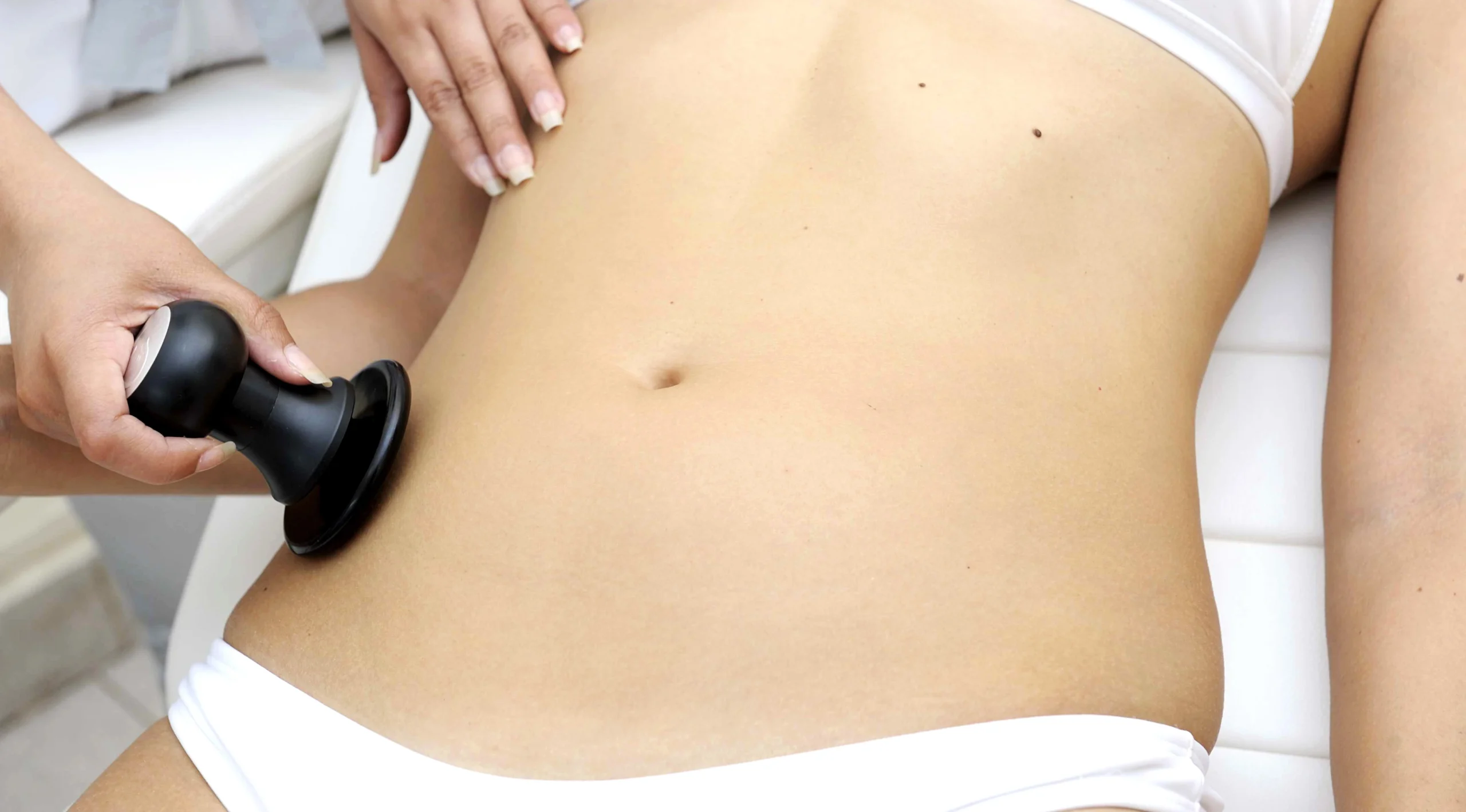
Pelvic Ultrasound Guide for Women

Doppler Ultrasound Cost Dubai
Ultrasound Cost Dubai: Pricing Guide
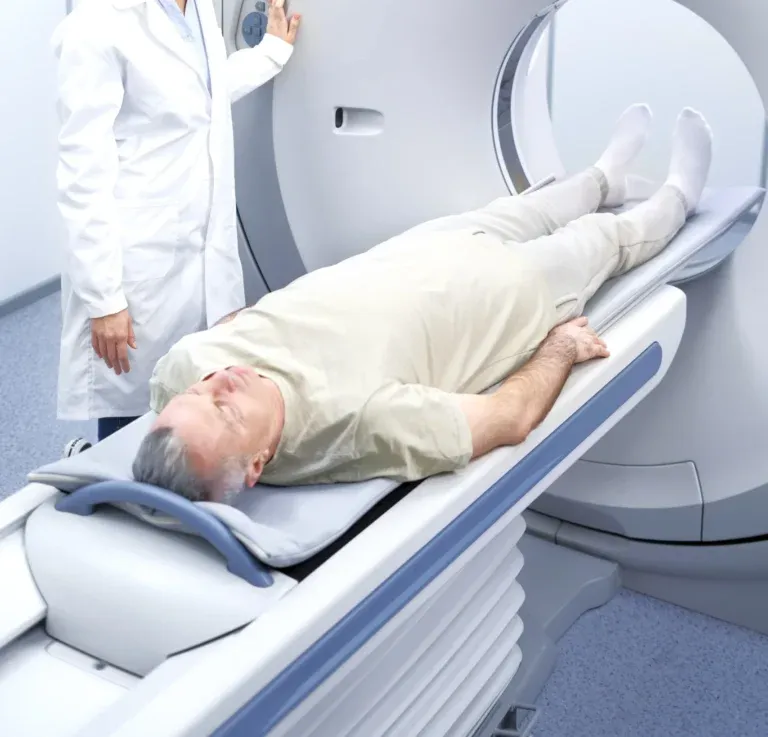
Early Pregnancy Scan Importance
More in Diagnostic Imaging
3D vs 2D Mammogram Dubai: Key Differences (2026)
Lire la suite
X-Ray at Home Dubai: Cost & Guide (2026)
Lire la suite
Ultrasound at Home Dubai: From AED 599 (2026)
Lire la suite
Neck MRI Dubai: What It Shows & Cost (2026)
Lire la suite
X-Ray Scan Dubai: Complete Guide (2026)
Lire la suiteMRI vs Ultrasound Dubai: Which Scan? (2026)
Lire la suite© 2026 Doctors Clinic Diagnostic Center (DCDC), Dubai Healthcare City. Originally published at https://doctorsclinicdubai.ae/blog/ultrasound-preparation-dubai. All rights reserved. Unauthorized reproduction is prohibited.