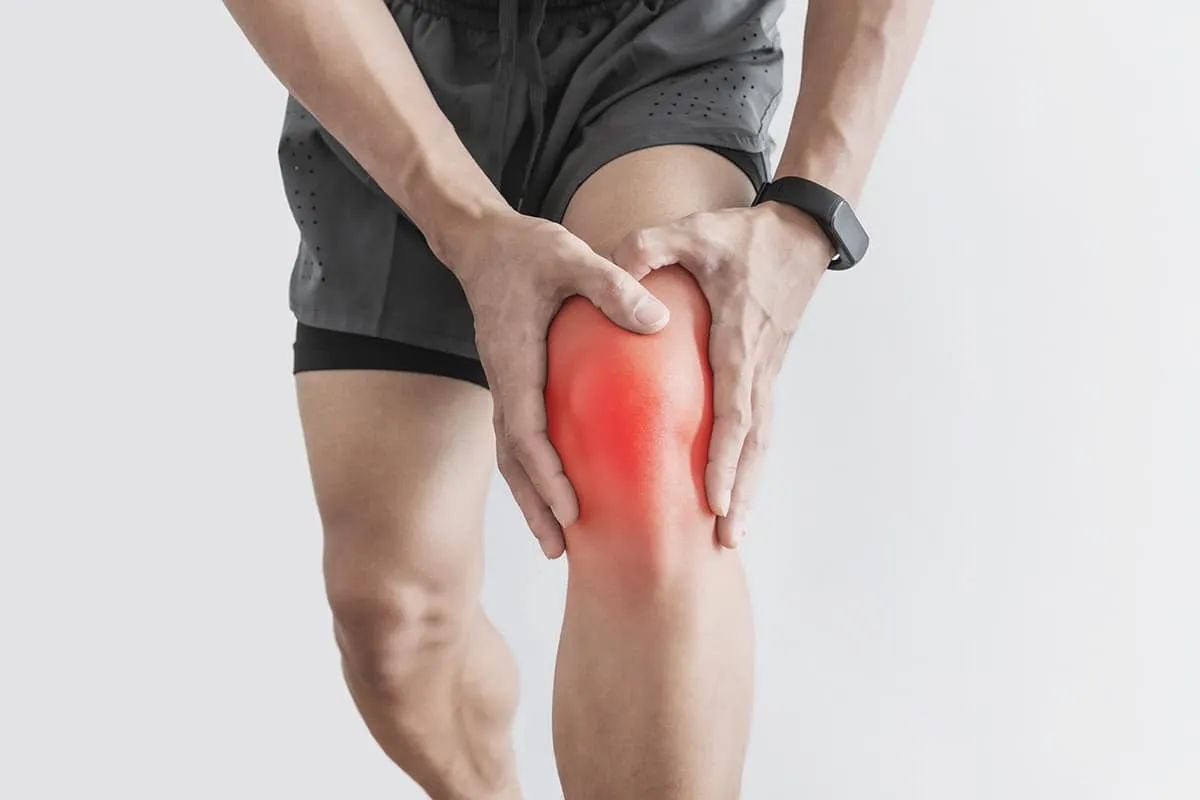
Points cles
- La therapie PRP coute 1 500-3 000 AED par seance et accelere la guerison de 20-30% pour de nombreuses blessures
- Toutes les dechirures du LCA ne necessitent pas de chirurgie : les dechirures partielles et les personnes moins actives peuvent se retablir avec la reeducation seule
- Delais de recuperation : claquages musculaires 2-6 semaines, blessures tendineuses 6-12 semaines, reconstruction chirurgicale 6-9 mois
- Consultez un medecin si vous ne pouvez pas supporter votre poids, avez entendu un craquement, ou presentez un gonflement ou une instabilite significatifs
- Le PRP favorise une veritable guerison tissulaire ; la cortisone ne reduit l'inflammation que temporairement
- Reprendre le sport trop tot est la cause n°1 de rechute, donc obtenez l'accord de votre kinesitherapeute d'abord
Vous avez senti quelque chose craquer pendant votre match de padel. Maintenant votre genou gonfle et vous vous demandez : est-ce grave ? Aurais-je besoin d'une chirurgie ? Pourrai-je rejouer dans un mois ? Les blessures sportives sont extremement courantes dans la communaute active de Dubai, et obtenir le bon traitement rapidement fait toute la difference dans la vitesse et la qualite de votre recuperation.
Les blessures sportives les plus courantes a Dubai
La culture sportive unique de Dubai cree des schemas de blessures specifiques. Que vous fassiez partie de l'engouement pour le padel, jouiez au football avec des collegues, alliez a la salle de sport ou couriez le long de la Marina, certaines blessures reviennent regulierement :
Blessures au genou
- Dechirures du LCA : Courantes au football, padel et basketball, generalement lors de pivots ou d'atterrissages
- Dechirures du menisque : Surviennent souvent lors de mouvements de torsion ; peuvent accompagner les dechirures du LCA
- Tendinite rotulienne ("genou du sauteur") : Blessure de surmenage due aux sauts et courses repetes
- Syndrome femoro-patellaire : Douleur autour de la rotule, courante chez les coureurs et cyclistes
Blessures a l'epaule
- Dechirures de la coiffe des rotateurs : Dues aux sports avec mouvements au-dessus de la tete, a la musculation ou aux chutes
- Conflit sous-acromial : Pincement des tendons lors de l'elevation du bras
- Lesions SLAP : Lesions du labrum courantes dans les sports de lancer
- Instabilite de l'epaule : Luxations repetees, surtout dans les sports de contact
Blessures au coude et au bras
- Tennis elbow : Malgre son nom, plus courant a cause de la musculation et du padel
- Golf elbow : Douleur a l'interieur du coude due aux prises repetees
- Claquages des biceps et triceps : Generalement lies a la musculation
Blessures du membre inferieur et du pied
- Entorses de cheville : La blessure sportive la plus courante
- Tendinite d'Achille : Blessure de surmenage courante chez les coureurs
- Fasciite plantaire : Douleur au talon due a la course ou a des chaussures inadequates
- Claquages du mollet : Courants chez les athletes d'age moyen reprenant le sport
Le saviez-vous ? Les entorses de cheville representent jusqu'a 30% de toutes les blessures sportives, et sans reeducation appropriee, 40% des personnes developpent une instabilite chronique menant a des entorses repetees. (Source : British Journal of Sports Medicine)
Comprendre la therapie PRP
Le Plasma Riche en Plaquettes (PRP) est devenu l'une des avancees les plus passionnantes en medecine du sport. Voici comment il fonctionne et quand il est utile :
Comment fonctionne le PRP
- Prelevement sanguin : Environ 30-60 ml de sang sont preleves de votre bras (comme une prise de sang)
- Traitement : Le sang est centrifuge pendant 10-15 minutes pour separer les composants
- Concentration : Les plaquettes sont concentrees a 5-10 fois les niveaux normaux
- Injection : Le plasma concentre est injecte dans la zone lesee, souvent guide par echographie
Les plaquettes contiennent des centaines de proteines appelees facteurs de croissance qui declenchent naturellement la guerison. En les concentrant au site de la blessure, nous accelerons essentiellement le processus de reparation naturel de votre corps.
Ce que le PRP traite le mieux
- Blessures tendineuses chroniques : Tennis elbow, golf elbow, tendinite rotulienne, tendinite d'Achille
- Blessures musculaires : Claquages des ischio-jambiers, dechirures du mollet
- Blessures ligamentaires : Dechirures partielles, entorses chroniques
- Arthrose legere : Degenerescence des articulations du genou et de la hanche
A quoi s'attendre apres le PRP
- Jours 1-5 : Augmentation de la douleur et du gonflement (c'est la reponse de guerison qui s'active)
- Semaines 2-4 : Amelioration progressive a mesure que la reparation tissulaire commence
- Semaines 4-8 : Amelioration significative chez la plupart des patients
- Mois 2-3 : Effets complets realises ; certains patients ont besoin d'injections supplementaires
Couts du traitement PRP a Dubai (2025)
| Traitement | Fourchette de prix (AED) |
|---|---|
| Injection PRP unique | 1 500 - 3 000 |
| Forfait 3 seances | 4 000 - 7 500 |
| PRP guide par echographie | 2 000 - 3 500 |
| Consultation en medecine du sport | 300 - 500 |
Quand la chirurgie est-elle necessaire ?
La bonne nouvelle : de nombreuses blessures sportives guerissent sans chirurgie. Mais certaines situations necessitent une intervention chirurgicale :
Chirurgie generalement necessaire
- Dechirures completes du LCA chez les athletes actifs : Pour reprendre les sports avec pivots
- Grandes dechirures de la coiffe des rotateurs : Dechirures transfixiantes qui ne peuvent pas guerir seules
- Dechirures significatives du menisque : Notamment les dechirures "en anse de seau" causant un blocage
- Rupture complete du tendon d'Achille : Chez les personnes actives souhaitant reprendre le sport
- Fractures deplacees : Os necessitant un realignement
Chirurgie souvent evitable
- Dechirures partielles du LCA : Beaucoup guerissent avec la kinesitherapie et une attelle
- Petites dechirures de la coiffe des rotateurs : Surtout chez les adultes plus ages avec des demandes d'activite moindres
- Tennis elbow : Repond bien au PRP et a la kinesitherapie dans la plupart des cas
- Tendinopathies chroniques : Generalement traitees de maniere non chirurgicale d'abord
Apercu de la recherche : Les etudes montrent que 60-70% des patients avec des dechirures partielles du LCA peuvent reprendre le sport sans chirurgie grace a un programme de reeducation structure, bien que les dechirures completes chez les athletes necessitent generalement une reconstruction. (Source : American Journal of Sports Medicine)
Delais de recuperation : A quoi s'attendre de maniere realiste
L'une des questions les plus courantes est : "Combien de temps avant de pouvoir rejouer ?" Voici un guide realiste :
| Blessure | Traitement conservateur | Post-chirurgie |
|---|---|---|
| Entorse de cheville (Grade 2) | 4-6 semaines | N/A (chirurgie rare) |
| Claquage des ischio-jambiers (Grade 2) | 4-8 semaines | N/A |
| Tennis elbow | 6-12 semaines | 3-6 mois |
| Dechirure de la coiffe des rotateurs | 8-12 semaines (partielle) | 4-6 mois |
| Dechirure du LCA | 3-6 mois (sports limites) | 6-9 mois |
| Rupture du tendon d'Achille | 6-9 mois | 6-9 mois |
Les delais varient selon les individus. La reprise du sport necessite des tests fonctionnels, pas seulement du temps ecoule.
Le processus de reeducation
Que vous ayez eu une chirurgie ou non, la reeducation est la cle d'une recuperation reussie. Ecourter la reeducation est la cause n°1 de rechute.
Phase 1 : Protection (jours a semaines)
- Controler le gonflement (glace, compression, elevation)
- Proteger la blessure (attelle, bequilles si necessaire)
- Maintenir l'amplitude de mouvement dans des limites sures
Phase 2 : Renforcement (semaines a mois)
- Charge progressive de la structure lesee
- Restaurer l'amplitude de mouvement complete
- Developper la force et l'endurance musculaires
Phase 3 : Reprise du sport (semaines a mois)
- Exercices specifiques au sport a intensite croissante
- Entrainement d'agilite, plyometrie et puissance
- Reussir les tests fonctionnels avant l'autorisation complete
Quand consulter un medecin
Signes d'alerte necessitant une evaluation :
- Incapacite a supporter son poids sur le membre blesse
- Deformation visible ou gonflement important
- Avoir entendu ou senti un "craquement" au moment de la blessure
- L'articulation semble instable ou se derobe
- Engourdissement ou picotements
- Douleur qui ne s'ameliore pas apres 5-7 jours de repos
Blesse ? Beneficiez de soins experts en medecine du sport
Au Doctors Clinic Diagnostic Center a Dubai Healthcare City, notre equipe orthopedique est specialisee dans les blessures sportives. Nous proposons une evaluation complete, une IRM sur place et une therapie PRP pour vous permettre de reprendre votre sport en toute securite.
Services associés au DCDC
Soins spécialisés et diagnostics avancés à Dubai Healthcare City
Frequently Asked Questions
Conclusion
Les blessures sportives font partie integrante de la vie active a Dubai, mais un traitement et une reeducation appropries font toute la difference dans votre recuperation. Que vous ayez besoin d'une therapie PRP, de kinesitherapie ou d'une chirurgie, obtenir le bon diagnostic rapidement previent les complications a long terme et vous permet de reprendre votre sport plus vite.
N'oubliez pas : reprendre le sport trop tot est la principale cause de rechute. Travaillez avec votre equipe medicale, suivez votre programme de reeducation et obtenez l'autorisation appropriee avant de reprendre une activite complete. Vos performances athletiques futures dependent de la qualite de votre recuperation maintenant.
Sources et references
Cet article a ete revise par notre equipe medicale et fait reference aux sources suivantes :
- Dubai Sports Council - Sante des athletes et prevention des blessures
- Dubai Health Authority - Normes de medecine du sport
- Ministere de la Sante des EAU - Directives de reeducation
- American Academy of Orthopaedic Surgeons - Directives PRP
- British Journal of Sports Medicine - Medecine regenerative
Le contenu medical de ce site est revise par des medecins agrees DHA. Voir notre politique editoriale pour plus d'informations.
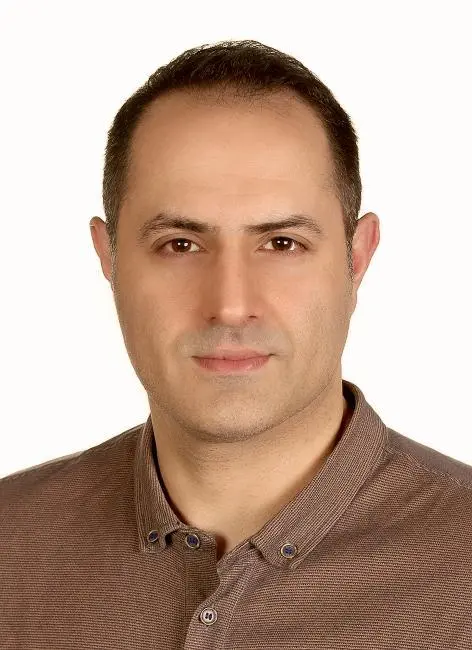
Redige par
Dr. Mersad Moosavi
Chirurgien orthopediste consultant
MD, Fellowship en medecine du sport
Le Dr. Mersad Moosavi est chirurgien orthopediste consultant specialise dans les blessures sportives, la preservation articulaire et la medecine regenerative. Il traite des athletes, des amateurs aux professionnels, au DCDC Dubai Healthcare City.
Articles connexes
Douleurs dorsales : causes, traitements et quand faire une IRM
Guide complet de l'IRM a Dubai
Bilan de sante executif : rester en forme a tout age
More in Orthopedics
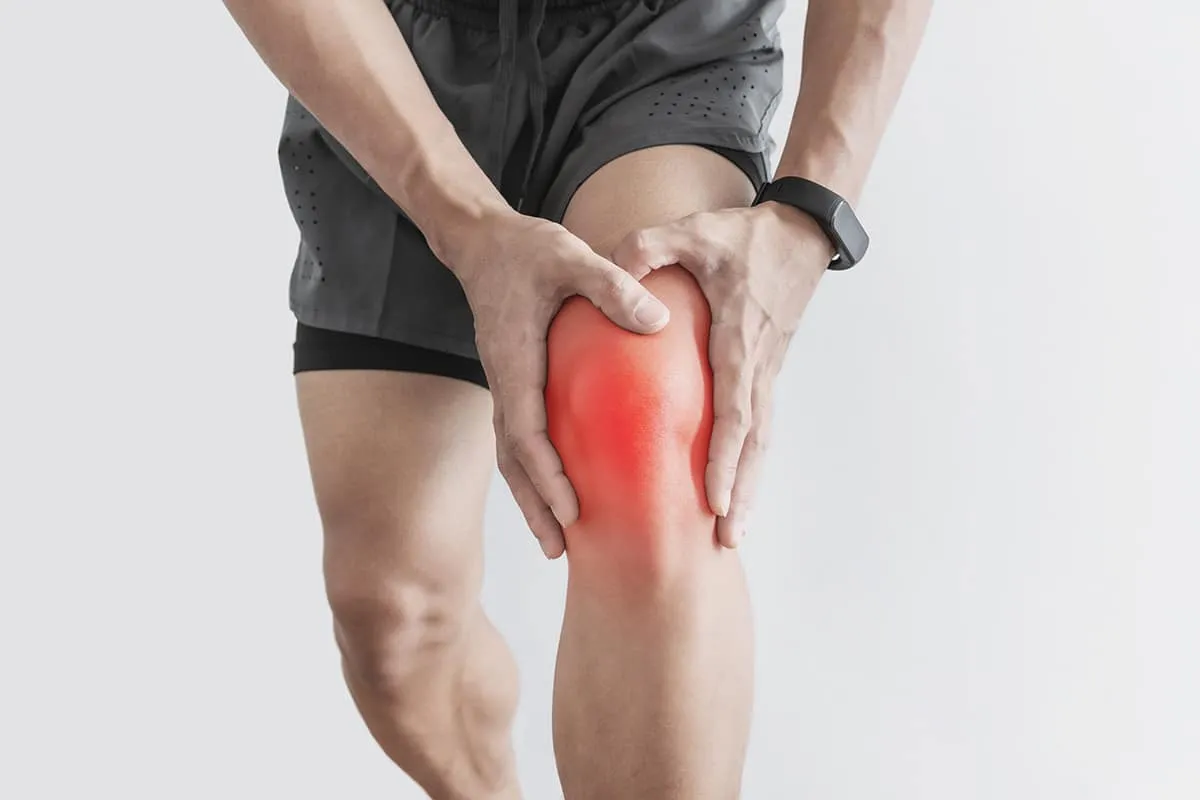
PRP Knee Injection Dubai: Cost & Guide (2026)
Lire la suite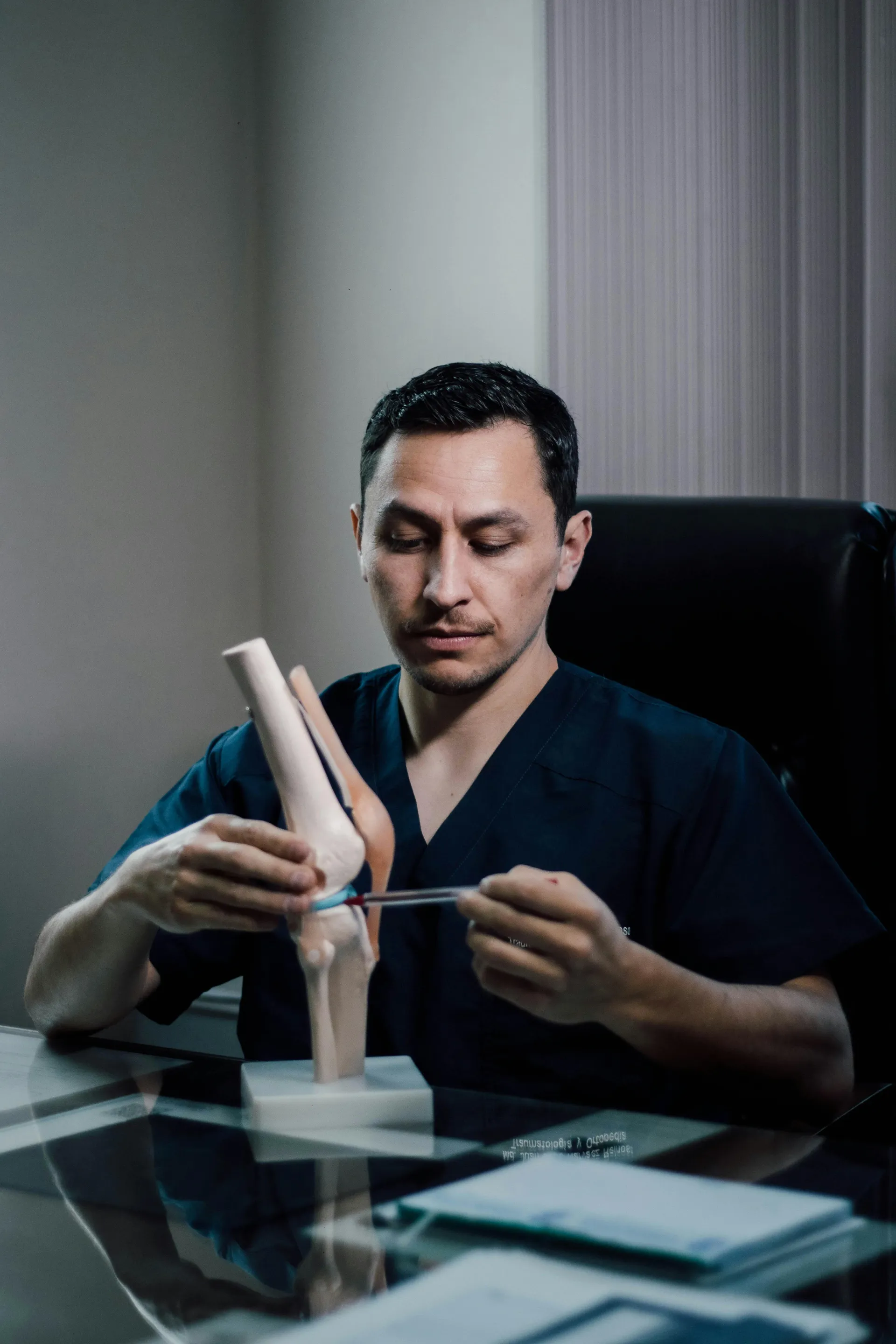
Orthopedic Consultation Cost Dubai (2026)
Lire la suiteACL Reconstruction Surgery in Dubai: Cost (2026)
Lire la suite
Best Orthopedic Surgeon in Dubai: Dr. Mersad Moosavi at DCDC (2026)
Lire la suiteIranian Orthopedic Surgeon in Dubai: Dr. Mersad Moosavi at DCDC (2026)
Lire la suiteKnee Replacement Surgery in Dubai: Cost, Recovery & Best Surgeon (2026)
Lire la suite© 2026 Doctors Clinic Diagnostic Center (DCDC), Dubai Healthcare City. Originally published at https://doctorsclinicdubai.ae/blog/sports-injury-recovery-dubai. All rights reserved. Unauthorized reproduction is prohibited.