Points cles
- Start pre-operative testing 2–4 weeks before surgery — this allows time for abnormal results to be investigated, medications to be adjusted, and specialist clearances to be obtained without delaying your surgery date
- Standard pre-op tests include CBC, metabolic panel, coagulation studies, ECG, and chest X-ray — your surgeon and anaesthesiologist determine which specific tests you need based on your age, health conditions, and the type of surgery
- Stop blood thinners 5–7 days before surgery — warfarin, aspirin, clopidogrel, and herbal supplements like fish oil and ginkgo must be discontinued under your doctor's guidance to reduce bleeding risk
- Insurance pre-authorisation is mandatory for elective surgery in Dubai — your provider must approve the procedure, hospital stay, and anaesthesia before the surgery date, which can take 3–7 working days
- Fasting is required before general anaesthesia — no solid food for 6–8 hours and no clear liquids for 2 hours before your scheduled surgery time to prevent aspiration
- Complete your entire pre-op workup in a single visit at DCDC — GP consultation, blood tests from AED 99, ECG, and chest X-ray are all available on-site at Dubai Healthcare City with same-day results for routine tests
If you have surgery scheduled in Dubai, your surgeon will require a set of pre-operative medical tests to confirm you are fit for the procedure and anaesthesia. These tests — which typically include blood work, an ECG, and sometimes a chest X-ray — help your surgical team identify hidden risks, plan the safest anaesthetic approach, and prepare for any complications. At DCDC, we offer comprehensive health checkup packages that can be tailored for pre-surgical clearance, with all tests completed under one roof in Dubai Healthcare City.
This guide covers everything you need to know about pre-surgery medical tests in Dubai: which tests are required for different surgery types, the timeline for completing them, medications you must stop or continue, what to tell your doctor, insurance and cost considerations, and a step-by-step walkthrough of the pre-operative assessment process at DCDC. Whether you are preparing for minor day surgery or a major procedure, following this checklist will help ensure your surgery proceeds safely and on schedule.
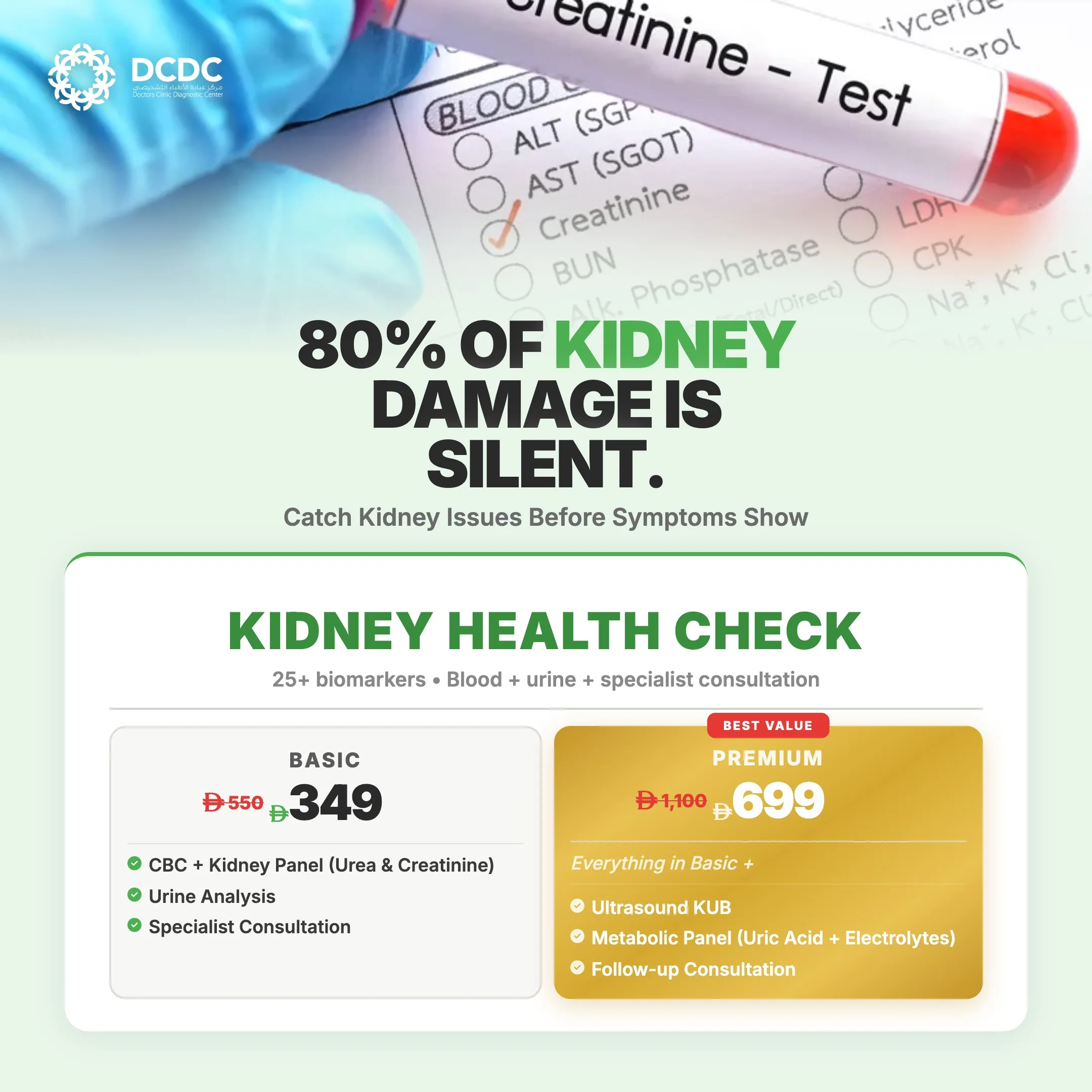
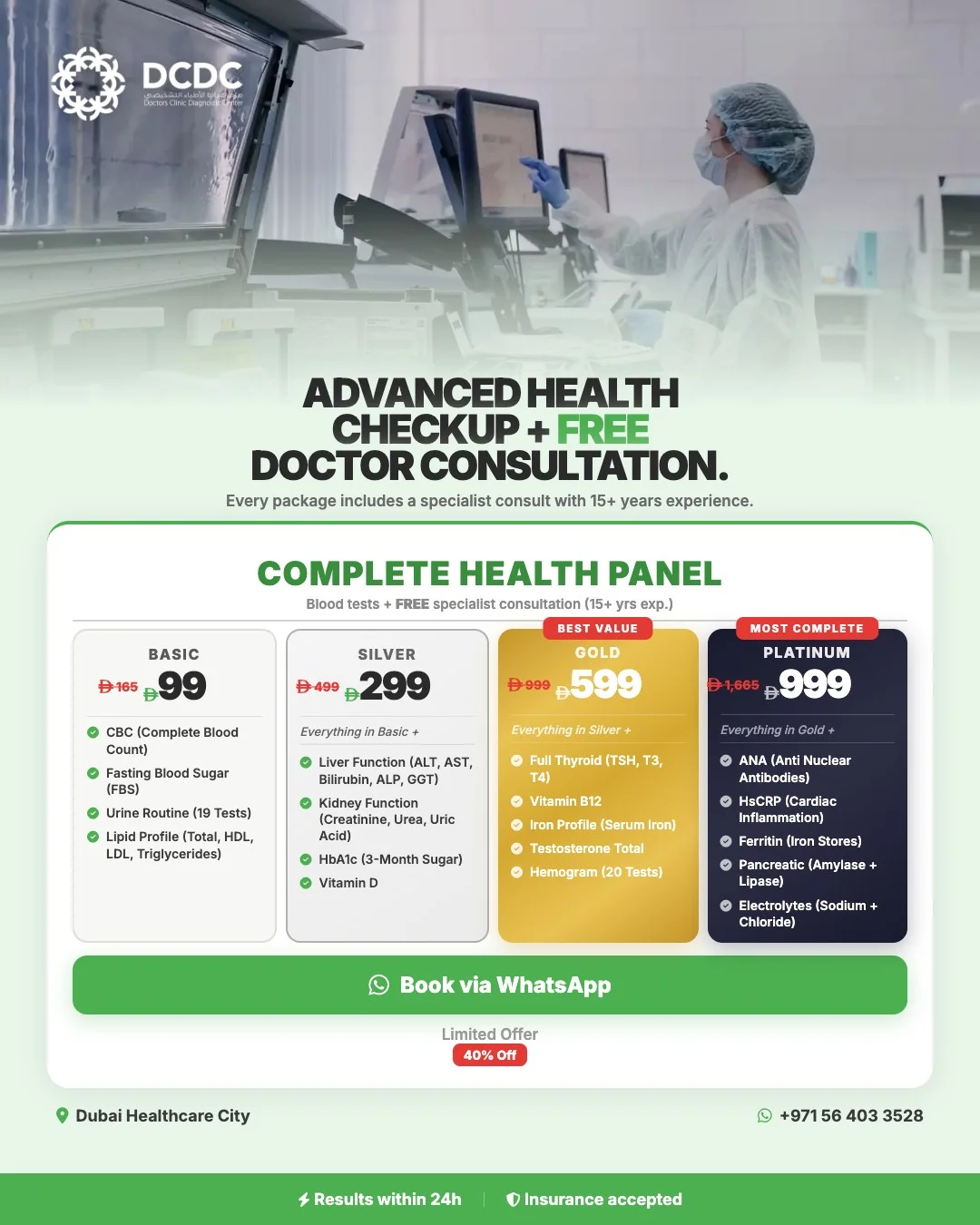
Health Screening Packages
Save with our bundled screening packages — specialist consultation included




Why Pre-Operative Tests Are Essential
Pre-operative testing serves a critical safety function. Surgery and anaesthesia place significant physiological stress on the body — even routine procedures require your heart, lungs, kidneys, and liver to function well enough to tolerate the process and recover afterward. According to the American Society of Anesthesiologists (ASA), a thorough pre-operative assessment reduces the risk of unexpected complications during surgery by identifying conditions that may not be apparent from your medical history alone.
The specific tests your surgeon orders depend on several factors: your age, existing medical conditions (diabetes, hypertension, heart disease, kidney disease), current medications (especially blood thinners and diabetes drugs), and the type and complexity of the surgery. A healthy 25-year-old having a minor procedure may only need basic blood work, while a 60-year-old with diabetes having joint replacement surgery will need comprehensive testing including cardiac evaluation.
In Dubai, pre-operative testing is also an insurance and regulatory requirement. The Dubai Health Authority (DHA) and MOHAP mandate that healthcare facilities perform appropriate pre-surgical assessments before elective procedures. Your insurance provider will require documented medical clearance as part of the pre-authorisation process for surgery.
Standard Pre-Surgery Blood Tests
Blood tests form the foundation of every pre-operative assessment. They reveal information about your blood's ability to clot, your organ function, infection status, and overall metabolic health. For a detailed overview of blood testing procedures and preparation, see our Blood Test Dubai Guide. The following tests are most commonly ordered before surgery:
Complete Blood Count (CBC)
The CBC is ordered before virtually every surgical procedure. It measures your red blood cells (to check for anaemia), white blood cells (to detect infection or immune issues), haemoglobin levels (to assess oxygen-carrying capacity), and platelet count (to evaluate your blood's clotting ability). Anaemia — a low haemoglobin level — is one of the most common findings that can delay surgery, as it increases the risk of needing a blood transfusion during the procedure. If your haemoglobin is below 10 g/dL, your surgeon may postpone elective surgery until it is corrected with iron supplements or other treatment.
Coagulation Studies (PT/INR and aPTT)
Coagulation tests measure how quickly and effectively your blood clots. Prothrombin Time (PT) and International Normalised Ratio (INR) assess the extrinsic clotting pathway, while Activated Partial Thromboplastin Time (aPTT) evaluates the intrinsic pathway. These tests are essential for patients on blood-thinning medications (warfarin, heparin) and for any surgery with a significant bleeding risk. An elevated INR (above 1.5) typically needs to be corrected before elective surgery can proceed.
Comprehensive Metabolic Panel (CMP)
The CMP includes 14 measurements that evaluate your kidney function (creatinine, BUN, eGFR), liver function (ALT, AST, ALP, bilirubin), electrolyte balance (sodium, potassium, chloride, bicarbonate), and blood glucose. Kidney function is particularly important because the kidneys filter anaesthetic drugs and other medications used during surgery. Electrolyte imbalances — especially abnormal potassium levels — can cause dangerous heart rhythm disturbances under anaesthesia and must be corrected before proceeding.
Blood Typing and Crossmatch
For major surgeries where blood loss is expected (orthopaedic joint replacement, cardiac surgery, major abdominal surgery), a blood type and screen or type and crossmatch is performed. This determines your ABO blood group and Rh factor and identifies any antibodies in your blood that could cause a transfusion reaction. Having compatible blood units available before surgery is a critical safety measure.
Additional Blood Tests
- Fasting blood glucose and HbA1c: Required for diabetic patients and recommended for patients over 45. Poorly controlled diabetes (HbA1c above 8.5%) significantly increases surgical site infection risk and may delay elective surgery
- Thyroid function tests (TSH): For patients with known thyroid conditions or symptoms suggesting thyroid dysfunction. Uncontrolled hyper- or hypothyroidism affects heart rate and metabolic response to anaesthesia
- Hepatitis B, Hepatitis C, and HIV screening: Required by many hospitals in Dubai as part of pre-operative protocols, both for patient safety and infection control during the procedure
- Pregnancy test (beta-hCG): Mandatory for all women of childbearing age before any surgery involving anaesthesia or radiation exposure. This is a standard safety protocol in all Dubai hospitals
- Urine analysis: Screens for urinary tract infections, kidney disease, and undiagnosed diabetes. Active UTI may delay surgery due to the risk of systemic infection
ECG, Chest X-Ray, and Other Pre-Op Tests
Beyond blood work, your pre-operative assessment may include cardiac and respiratory evaluations. These tests help the anaesthesiologist assess your heart and lung function before administering anaesthesia. At DCDC, ECG and chest X-ray are available on-site, so you can complete your entire pre-operative workup in a single visit. For a comprehensive understanding of cardiac testing, read our ECG Test Dubai Guide.
Electrocardiogram (ECG/EKG)
An ECG records the electrical activity of your heart and can detect arrhythmias, previous heart attacks, conduction abnormalities, and signs of heart muscle thickening. The NICE guidelines recommend an ECG for patients over 65, patients with cardiovascular risk factors (hypertension, diabetes, high cholesterol, smoking history), and any patient undergoing intermediate or major surgery regardless of age. The test takes less than 5 minutes, is completely painless, and results are available immediately. ECG is available from AED 150 at DCDC.
Chest X-Ray
A pre-operative chest X-ray evaluates the lungs for infection, fluid, masses, or chronic lung disease, and assesses heart size and shape. It is recommended for patients with known respiratory conditions (asthma, COPD), smokers, patients over 60, and those undergoing thoracic or upper abdominal surgery. At DCDC, digital chest X-rays are performed on-site with results available the same day. For more details on imaging and pricing, see our Chest X-Ray Cost Dubai guide.
Additional Investigations
- Echocardiogram: An ultrasound of the heart, recommended for patients with known heart disease, heart murmurs, heart failure symptoms, or poor exercise tolerance before major surgery
- Pulmonary function tests (spirometry): For patients with asthma, COPD, or other chronic lung diseases undergoing thoracic or upper abdominal surgery
- Cardiac stress test: May be required for patients with suspected coronary artery disease or poor functional capacity (unable to climb two flights of stairs) before major non-cardiac surgery
- CT or MRI: Sometimes needed for surgical planning purposes, such as assessing the anatomy before complex procedures
Required Tests by Surgery Type
The table below summarises which pre-operative tests are typically required based on the type of surgery you are having. Your surgeon and anaesthesiologist may add or remove tests based on your individual health profile. This table serves as a general guide aligned with international guidelines from the ASA and NICE.
| Surgery Type | Blood Tests | ECG | Chest X-Ray | Additional Tests |
|---|---|---|---|---|
| Minor / Day Surgery (e.g., skin excision, dental extraction, endoscopy) | CBC, basic metabolic panel | If age >65 or cardiac history | Not routine | Pregnancy test if applicable |
| Intermediate Surgery (e.g., hernia repair, laparoscopic cholecystectomy, tonsillectomy) | CBC, CMP, coagulation studies | If age >50 or risk factors | If respiratory symptoms or age >60 | Blood glucose, urinalysis |
| Major Abdominal Surgery (e.g., colorectal, bariatric, hysterectomy) | CBC, CMP, coagulation, blood type & crossmatch | Yes | Yes | HbA1c if diabetic, liver function panel |
| Orthopaedic Surgery (e.g., joint replacement, spinal fusion, ACL repair) | CBC, CMP, coagulation, blood type & screen | Yes | If age >60 or lung disease | Bone-specific imaging (X-ray/MRI), DVT risk assessment |
| Cardiac Surgery (e.g., CABG, valve replacement) | CBC, CMP, coagulation, blood type & crossmatch, lipid panel | Yes | Yes | Echocardiogram, coronary angiogram, carotid Doppler, pulmonary function tests |
| Dental Surgery Under GA (e.g., wisdom teeth extraction, implants under sedation) | CBC, coagulation studies | If age >65 or cardiac history | Not routine | Dental imaging (OPG/CBCT), pregnancy test if applicable |
| Cosmetic / Plastic Surgery (e.g., rhinoplasty, liposuction, abdominoplasty) | CBC, CMP, coagulation studies | If age >40 or risk factors | If age >50 or smoker | HbA1c if diabetic, hepatitis/HIV screening |
Test requirements vary by patient age, health status, and anaesthesia type. Always confirm your specific requirements with your surgeon.
Book Your Pre-Surgery Tests at DCDC
Complete your entire pre-operative workup in a single visit — GP consultation, blood tests from AED 99, ECG, and chest X-ray, all on-site at Dubai Healthcare City. View our health checkup packages from AED 249.
Your Pre-Surgery Timeline: Week-by-Week Checklist
Timing matters in pre-operative preparation. Starting too late can delay your surgery; starting too early may mean tests expire and need repeating. Most surgeons and hospitals in Dubai accept pre-operative test results that are within 30 days of the surgery date, though some tests (like blood type) remain valid longer. Here is your week-by-week preparation timeline.
2–4 Weeks Before Surgery
- Schedule your pre-operative assessment: Book a GP consultation at DCDC to review your medical history, current medications, and order all required tests
- Submit insurance pre-authorisation: Contact your insurance provider or ask your hospital's insurance desk to submit the pre-authorisation request for the surgery. This process typically takes 3–7 working days in Dubai
- Gather your medical records: Collect recent test results, hospital discharge summaries, medication lists, and allergy documentation to bring to your pre-operative appointment
- Discuss medications with your doctor: Identify which medications need to be stopped, continued, or adjusted before surgery — especially blood thinners, diabetes medications, and supplements
- Arrange post-surgery support: Plan for someone to drive you home, help at home during recovery, and take time off work as recommended by your surgeon
1 Week Before Surgery
- Stop blood-thinning medications as directed by your doctor (warfarin 5 days before, clopidogrel 5–7 days before, aspirin 7 days before unless instructed otherwise)
- Stop herbal supplements and vitamins: Discontinue fish oil, vitamin E, ginkgo biloba, garlic supplements, ginger, and St. John's Wort — all of these can increase bleeding risk
- Confirm all test results are available: Call DCDC or your testing facility to ensure all results have been reported and any abnormalities have been addressed
- Complete any specialist clearances: If your GP or surgeon referred you to a cardiologist, pulmonologist, or other specialist, ensure their clearance letters are completed
- Confirm your surgery logistics: Verify the hospital, time, location, and any specific instructions from your surgeon's office
Day Before Surgery
- Begin fasting as instructed: For general anaesthesia, no solid food after midnight (or 6–8 hours before surgery). Clear liquids (water, black coffee, apple juice without pulp) may be allowed up to 2 hours before
- Take prescribed medications: Continue blood pressure, heart, and anti-seizure medications with a small sip of water unless told otherwise. Your anaesthesiologist will specify which medications to take the morning of surgery
- Shower with antimicrobial soap: Many surgeons recommend bathing with chlorhexidine (Hibiscrub) the night before surgery to reduce skin bacteria and surgical site infection risk
- Pack your hospital bag: Bring Emirates ID or passport, insurance card, all test results and clearance letters, a list of current medications, loose comfortable clothing for discharge, and personal hygiene items
- Remove nail polish and jewellery: Nail polish interferes with the pulse oximeter used to monitor your oxygen levels during surgery. Remove all jewellery, piercings, and body accessories
Day of Surgery
- Continue fasting: No food, gum, or candy. Ask your anaesthesiologist if clear liquids are permitted up to 2 hours before the scheduled time
- Take only approved medications: Swallow prescribed pills with a minimal sip of water as instructed
- Do not smoke: Smoking on the day of surgery increases the risk of respiratory complications during and after anaesthesia
- Arrive at the hospital 1–2 hours early: This allows time for registration, pre-op nursing assessment, IV line placement, and meeting the anaesthesiologist
- Leave valuables at home: Do not bring excessive cash, expensive watches, or other valuables to the hospital
Medications to Stop Before Surgery
Certain medications and supplements must be discontinued before surgery to reduce the risk of excessive bleeding, adverse drug interactions with anaesthesia, or metabolic complications. Never stop any medication without your doctor's specific instruction — some medications (like beta-blockers or anti-seizure drugs) can be dangerous to stop abruptly. The guidelines below are based on recommendations from the American College of Chest Physicians and the American Society of Anesthesiologists.
| Medication / Supplement | When to Stop | Notes |
|---|---|---|
| Warfarin (Coumadin) | 5 days before surgery | INR checked day before surgery; bridging with heparin may be needed for high-risk patients |
| Aspirin (low-dose) | 7 days before surgery | May be continued for cardiac patients at surgeon's discretion |
| Clopidogrel (Plavix) | 5–7 days before | Discuss with cardiologist if you have coronary stents — stopping too early risks stent thrombosis |
| Rivaroxaban (Xarelto), Apixaban (Eliquis) | 2–3 days before | Shorter half-life than warfarin; timing depends on kidney function |
| Metformin (Glucophage) | Day of surgery | Risk of lactic acidosis; hold on surgery day and 48 hours after, especially with contrast dye |
| Fish oil, Vitamin E, Ginkgo, Garlic | 7–10 days before | Increase bleeding risk; often overlooked by patients |
| NSAIDs (ibuprofen, diclofenac) | 3–5 days before | Impair platelet function; switch to paracetamol for pain relief |
| ACE inhibitors / ARBs | Day of surgery (morning dose) | May cause low blood pressure under anaesthesia; anaesthesiologist will advise |
Always follow your specific surgeon's and anaesthesiologist's instructions. This table provides general guidance only.
Medications to Continue Before Surgery
Some medications must not be stopped before surgery, as abrupt discontinuation can be dangerous:
- Beta-blockers (atenolol, metoprolol, bisoprolol): Continue on the morning of surgery with a sip of water. Sudden discontinuation can cause rebound hypertension and tachycardia
- Thyroid medications (levothyroxine): Take as usual on the morning of surgery
- Anti-seizure medications: Never stop without neurologist guidance; breakthrough seizures during surgery are life-threatening
- Asthma inhalers: Bring them to the hospital and use as prescribed. Inform the anaesthesiologist about your asthma
- Cardiac medications (statins, calcium channel blockers): Continue as prescribed unless specifically instructed otherwise
What to Tell Your Doctor Before Surgery
Complete and honest disclosure to your surgeon, GP, and anaesthesiologist is essential for your safety. Withholding information — even if it seems minor — can lead to dangerous situations during surgery. Here is what you must communicate before any surgical procedure:
- Complete medication list: Include prescription drugs, over-the-counter medications, herbal supplements, vitamins, and recreational substances. Many patients forget to mention supplements, but products like fish oil, garlic extract, and ginkgo biloba significantly affect bleeding risk
- All allergies: Drug allergies (especially antibiotics, anaesthetics, latex, and iodine/contrast dye), food allergies, and the type of reaction you experienced (rash, swelling, breathing difficulty, anaphylaxis)
- Previous anaesthesia experiences: Any problems with anaesthesia in the past — nausea, vomiting, difficult intubation, delayed awakening, or malignant hyperthermia (a rare but potentially fatal reaction to certain anaesthetic agents)
- Family history of anaesthesia complications: Malignant hyperthermia and certain enzyme deficiencies (pseudocholinesterase deficiency) run in families and affect anaesthetic drug choices
- Chronic conditions: Diabetes, hypertension, heart disease, lung disease, kidney disease, liver disease, bleeding disorders, sleep apnoea, and obesity all affect surgical risk and anaesthetic management
- Smoking and alcohol use: Smoking increases respiratory complications and impairs wound healing. Heavy alcohol use affects liver function and can cause withdrawal symptoms during hospitalisation. Ideally, stop smoking 4–8 weeks before elective surgery
- Pregnancy or possibility of pregnancy: Many anaesthetic agents and surgical procedures carry risks during pregnancy. A pregnancy test is mandatory before surgery for women of childbearing age
- Dental work and loose teeth: Loose or capped teeth can be damaged or dislodged during intubation. Inform the anaesthesiologist so precautions can be taken
What to Expect at DCDC: Your Pre-Op Assessment Journey
At Doctors Clinic Diagnostic Center (DCDC) in Dubai Healthcare City, we have designed our pre-operative assessment process to be efficient, thorough, and completed in a single visit. As a one-stop diagnostic centre with an on-site laboratory, ECG, and digital X-ray under one roof, we eliminate the need for multiple appointments at different facilities. Here is what your pre-operative assessment visit looks like:
Step 1: GP Consultation with Dr. Hadeel Elnur
Your assessment begins with a comprehensive consultation with Dr. Hadeel Elnur, our General Practitioner who serves as the first point of contact and coordinates multi-specialty pre-surgical workups. Dr. Hadeel takes a systematic approach to pre-surgical assessment: "When a patient comes to me for pre-operative clearance, I start by reviewing their complete medical history, current medications, and the specific surgery they are having. I then perform a focused physical examination — heart, lungs, abdomen — and order the appropriate tests based on their risk profile and the surgeon's requirements. My goal is to identify any issues that could complicate the surgery and address them proactively, so there are no surprises on the day of the procedure."
During this consultation, Dr. Hadeel reviews your surgeon's test requirements, performs a physical examination, assesses your ASA physical status classification, and creates a personalised testing plan. If specialist referrals are needed (cardiology clearance, pulmonology assessment), she coordinates these within the DCDC multi-specialty network.
Step 2: On-Site Blood Tests
Immediately after your GP consultation, you proceed to the DCDC laboratory — located in the same building — for blood collection. Pre-operative blood panels are available from AED 99, and most routine results (CBC, metabolic panel, coagulation studies) are available same day or within 24 hours. There is no need to visit a separate lab or wait days for an appointment. For preparation tips, review our Lab Test Preparation Dubai guide.
Step 3: ECG and Chest X-Ray
If your pre-operative plan includes an ECG and/or chest X-ray, these are performed on-site during the same visit. The ECG takes approximately 5 minutes with immediate results, and the digital chest X-ray takes under 10 minutes with same-day reporting. DCDC also has multi-slice CT available on-site for cases requiring more advanced imaging as part of surgical planning.
Step 4: Results Review and Clearance Letter
Once all results are available, Dr. Hadeel reviews them in the context of your planned surgery. If everything is normal, she issues a formal medical fitness certificate (clearance letter) addressed to your surgeon and anaesthesiologist, confirming you are fit for surgery and anaesthesia. If any abnormalities are found — such as anaemia, abnormal ECG, elevated blood sugar, or impaired kidney function — she will discuss the findings with you, initiate treatment if needed, and communicate with your surgeon about the best course of action.
DCDC is located in Building 64, Block A, Al Razi Medical Complex, Dubai Healthcare City, with free dedicated on-site parking. We are open Saturday through Thursday from 8 AM to 10 PM and Friday from 9 AM to 9 PM. As a MOHAP-licensed facility (License No. NIMY7VY5-240925) with a 4.8/5 Google rating from over 1,000 verified reviews and a 98% patient satisfaction rate, DCDC is trusted by patients and surgeons across Dubai for reliable pre-operative assessments.
Insurance and Cost Considerations in Dubai
Understanding the financial aspects of pre-operative testing in Dubai helps you avoid unexpected costs and delays. For a broader look at health screening pricing, see our Health Checkup Cost Dubai guide.
Insurance Pre-Authorisation for Surgery
In the UAE, virtually all elective surgeries performed under health insurance require prior authorisation (pre-approval) from your insurance provider. This process verifies that the procedure is medically necessary, confirms coverage under your policy, and pre-approves the estimated costs. Key points to understand:
- Submit early: Pre-authorisation requests typically take 3–7 working days to process. Submit at least 2–3 weeks before your planned surgery date to avoid delays
- GP referral may be required: Many insurance plans in Dubai require a GP referral before specialist or surgical treatment is covered. Your GP consultation at DCDC satisfies this requirement
- Pre-operative tests are usually covered: When linked to an approved surgery, pre-operative blood tests, ECG, and imaging are typically covered under your insurance plan as part of the surgical episode
- Know your co-payment: Check your policy for surgical co-payment percentages, deductibles, and any sub-limits on anaesthesia, hospital room category, or implants
DCDC Pricing for Pre-Operative Tests
DCDC works with 20+ insurance partners including Daman, AXA, Bupa, MetLife, and Cigna, offering direct billing so you pay only your co-payment at the time of the visit. For patients paying out-of-pocket or with reimbursement plans, our pre-operative testing is competitively priced:
- Pre-operative blood panel: From AED 99 (CBC, basic metabolic panel, coagulation studies)
- Comprehensive blood work: From AED 199 (full metabolic panel, liver function, thyroid, HbA1c, hepatitis screening)
- ECG: From AED 150
- Chest X-ray: From AED 120
- Health checkup packages: From AED 249 (can be customised for pre-surgical requirements)
- GP consultation for surgical clearance: From AED 200
Special Considerations for Specific Patient Groups
Diabetic Patients
Diabetes is one of the most common conditions requiring careful pre-operative management. Poorly controlled blood sugar increases the risk of surgical site infections, poor wound healing, and cardiovascular events during surgery. Your pre-operative workup should include fasting glucose, HbA1c (ideally below 8%), and a comprehensive metabolic panel. If your HbA1c is above 8.5%, your surgeon may recommend postponing elective surgery until your diabetes is better controlled. Metformin should be held on the day of surgery, and insulin doses are typically adjusted — your endocrinologist and anaesthesiologist will provide a specific plan.
Patients with Heart Conditions
Patients with known heart disease, previous heart attacks, heart failure, arrhythmias, or coronary stents require the most thorough pre-operative cardiac evaluation. This typically includes a 12-lead ECG, echocardiogram, and possibly a cardiac stress test or cardiology consultation. Patients with coronary stents face a particular challenge: stopping antiplatelet medications (clopidogrel) for surgery increases the risk of stent thrombosis, while continuing them increases surgical bleeding risk. This decision must be made jointly by the cardiologist and surgeon.
Elderly Patients (Over 65)
Older adults generally require more comprehensive pre-operative testing due to the higher prevalence of undiagnosed conditions. A complete pre-operative workup for elderly patients typically includes CBC, comprehensive metabolic panel, coagulation studies, ECG, chest X-ray, blood glucose, and urinalysis — regardless of the surgery type. Functional assessment (can the patient climb two flights of stairs without stopping?) helps predict the ability to tolerate anaesthesia and recover from surgery.
Patients on Blood Thinners
Managing anticoagulant and antiplatelet therapy around surgery requires careful coordination between your prescribing doctor, surgeon, and anaesthesiologist. The key decisions involve when to stop the blood thinner, whether bridging therapy (short-acting injectable heparin) is needed during the gap, and when to restart after surgery. Coagulation studies (PT/INR for warfarin patients, anti-Xa levels for DOAC patients) should be checked before surgery to confirm the medication has cleared adequately.
What to Bring to Your Surgery: Pre-Op Checklist
Being well-organised on the day of surgery reduces stress and ensures the hospital admissions process goes smoothly. For a broader overview of health screening and diagnostic preparation, review our Full Body Checkup Dubai Guide. Here is your complete checklist:
- Emirates ID or passport — required for hospital registration
- Insurance card and pre-authorisation approval letter
- Pre-operative test results — blood tests, ECG printout, chest X-ray report, specialist clearance letters
- List of current medications with dosages and frequency
- List of allergies documented in writing
- Surgeon's consent forms if provided in advance
- Comfortable, loose clothing for discharge — avoid tight-fitting garments over the surgical site
- Personal items: Phone and charger, reading material, lip balm (lips get dry from fasting and anaesthesia), comfortable slippers
- Leave at home: Jewellery, watches, large amounts of cash, contact lenses (switch to glasses), nail polish (including gel/acrylic)
Ready to Complete Your Pre-Surgery Tests?
DCDC offers same-day pre-operative testing with direct billing to 20+ insurers. Located in Dubai Healthcare City with free parking and open until 10 PM Saturday–Thursday. Call or WhatsApp us to book your pre-op assessment today.
Understanding ASA Physical Status Classification
During your pre-operative assessment, your anaesthesiologist will assign you an ASA Physical Status Classification — a standardised system developed by the American Society of Anesthesiologists that rates your overall health on a scale of I to VI. This classification helps predict your risk of complications during and after surgery and guides the anaesthesiologist's approach to your care.
- ASA I: A normal, healthy patient with no significant medical conditions. Lowest surgical risk
- ASA II: A patient with mild systemic disease (e.g., well-controlled diabetes, mild asthma, social smoking, BMI 30–40). Slightly elevated but still low risk
- ASA III: A patient with severe systemic disease (e.g., poorly controlled diabetes, COPD, BMI >40, active hepatitis, alcohol dependence, pacemaker). Moderate risk
- ASA IV: A patient with severe systemic disease that is a constant threat to life (e.g., recent heart attack, ongoing cardiac ischaemia, severe valve disease, sepsis). High risk — surgery only when essential
- ASA V: A moribund patient not expected to survive without the operation. Emergency surgery only
Your ASA classification influences which pre-operative tests are ordered. ASA I patients undergoing minor surgery may need minimal testing, while ASA III–IV patients require comprehensive evaluation regardless of the surgery type. Understanding your classification helps you appreciate why your doctor is ordering specific tests.
Common Reasons Pre-Operative Clearance Is Delayed
In our experience at DCDC, the following issues are the most common reasons pre-operative clearance is delayed or surgery is postponed. Being aware of these potential pitfalls allows you to address them early:
- Uncontrolled blood pressure: Systolic blood pressure consistently above 180 mmHg or diastolic above 110 mmHg on the day of surgery will typically result in postponement. If you have hypertension, ensure your medications are optimised in the weeks before surgery
- Uncontrolled diabetes: HbA1c above 8.5% or blood glucose above 250 mg/dL on the day of surgery may delay the procedure. Work with your doctor to improve control 4–6 weeks before your scheduled date
- Abnormal coagulation: INR above 1.5 or abnormal aPTT in patients on blood thinners who did not stop them in time. Follow the medication stoppage timeline precisely
- Anaemia: Haemoglobin below 10 g/dL increases transfusion risk and may require iron therapy or blood transfusion before surgery
- Active infection: Fever, active respiratory infection, urinary tract infection, or skin infection near the surgical site will delay surgery until the infection is treated
- Missing or expired test results: Tests older than 30 days typically need to be repeated. Start testing 2–3 weeks before surgery to avoid this issue
- Insurance pre-authorisation not received: Without confirmed insurance approval, the hospital cannot proceed with elective surgery. Submit the request early and follow up actively
- New cardiac findings: An abnormal ECG, new heart murmur, or symptoms suggesting cardiac disease require cardiology evaluation before clearance is given
Post-Clearance: What Happens Next
Once you receive your medical clearance from your GP and all specialist consultations are complete, the final steps before surgery are straightforward. Your clearance letter, along with all test results, is sent to your surgeon and the hospital's anaesthesia department. The anaesthesiologist reviews your file before the day of surgery and may contact you if additional information is needed.
On the day of surgery, you will meet your anaesthesiologist in the pre-operative holding area. They will confirm your identity, review your allergies, verify your fasting status, discuss the anaesthesia plan, and answer any last-minute questions. An IV line is placed, and you may receive a mild sedative to help you relax before being wheeled into the operating theatre. Your pre-operative preparation is complete — the work you did in the weeks leading up to this moment ensures the safest possible outcome.
For patients concerned about recovery after surgery, learning about CBC blood testing and lipid profile testing can be helpful, as these are commonly repeated post-operatively to monitor your recovery and ensure no complications have developed.
Services associés au DCDC
Soins spécialisés et diagnostics avancés à Dubai Healthcare City
Frequently Asked Questions
Prepare Thoroughly, Operate Safely
Pre-operative testing is not a bureaucratic formality — it is a critical safety step that protects you during one of the most vulnerable moments in medical care. By completing your pre-surgical tests on time, disclosing your full medical history honestly, following medication instructions carefully, and arriving on surgery day well-prepared, you give your surgical team the best possible conditions to deliver a safe, successful outcome.
The most common causes of surgery delays and cancellations — missing test results, uncontrolled blood pressure or blood sugar, failure to stop blood-thinning medications, and incomplete insurance pre-authorisation — are all preventable with proper planning. Use the timelines and checklists in this guide to stay ahead of each step.
At DCDC Dubai Healthcare City, we simplify the pre-operative assessment process by offering GP consultation, on-site laboratory, ECG, and chest X-ray — all completed in a single visit with same-day results for routine tests. With direct billing to 20+ insurers and a 4.8/5 patient satisfaction rating, we are here to make your surgical preparation as smooth and stress-free as possible. Contact us to schedule your pre-operative assessment.
Sources et references
Cet article a ete revise par notre equipe medicale et fait reference aux sources suivantes :
- NICE Guideline NG45 — Routine Preoperative Tests for Elective Surgery
- American Society of Anesthesiologists — ASA Physical Status Classification System
- American Academy of Family Physicians — Preoperative Testing Before Noncardiac Surgery: Guidelines and Recommendations
- American College of Chest Physicians — Perioperative Management of Antithrombotic Medications
- European Society of Anaesthesiology and Intensive Care — Pre-operative Evaluation of Adults Undergoing Elective Non-cardiac Surgery
- MedlinePlus — Tests and Visits Before Surgery
Le contenu medical de ce site est revise par des medecins agrees DHA. Voir notre politique editoriale pour plus d'informations.

Redige par
Dr. Hadeel Elnur
General Practitioner
MD, General Practice
Dr. Hadeel Elnur is a General Practitioner at Doctors Clinic Diagnostic Center (DCDC) in Dubai Healthcare City.
Related Articles

Blood Test Dubai Guide

ECG Test Dubai Guide

Chest X-Ray Cost Dubai

Health Checkup Cost Dubai

Lab Test Preparation Dubai

Full Body Checkup Dubai Guide
More in General Health

Post-Surgical Care at Home Dubai: Guide (2026)
Lire la suite
Corporate Wellness Dubai: Programs & Cost (2026)
Lire la suite
Pre Employment Medical Test Dubai: Cost (2026)
Lire la suite
Bronchitis Treatment Dubai: Symptoms & Care (2026)
Lire la suite
Wound Care at Home Dubai: Full Guide (2026)
Lire la suite
Dizziness Causes Dubai: When to Get Checked (2026)
Lire la suite© 2026 Doctors Clinic Diagnostic Center (DCDC), Dubai Healthcare City. Originally published at https://doctorsclinicdubai.ae/blog/pre-surgery-medical-tests-dubai. All rights reserved. Unauthorized reproduction is prohibited.