Points cles
- Most hip replacement patients stand and take steps within 24 hours of surgery -- early mobilization is critical
- Hip precautions (no crossing legs, no bending past 90 degrees) typically last 6-12 weeks depending on surgical approach
- Anterior approach hip replacements have fewer precautions and faster early recovery than posterior approach
- Gait progression: walker for 2-3 weeks, cane for 2-4 weeks, independent walking by week 6-8
- Most patients drive an automatic car at 4-6 weeks and return to desk work at 2-4 weeks
- Swimming, cycling, and golf are excellent long-term activities after hip replacement; avoid high-impact sports
- Full recovery takes 3-6 months, though many patients feel significantly better by week 6-8
Your hip has been replaced, and the grinding bone-on-bone pain that defined your daily life is gone. What replaces it now is a different kind of challenge: structured rehabilitation that takes your new joint from a surgical success to a functional reality. This guide walks you through every milestone from the moment you wake up after surgery to the day you walk confidently without thinking about your hip at all. Our Post Surgical Rehabilitation service at DCDC offers same-day appointments in Dubai Healthcare City.
At DCDC's post-surgical rehabilitation program, we track hip replacement recovery using specific, measurable milestones rather than vague timelines. Knowing exactly what to expect at each stage helps you stay motivated during the challenging early weeks and prevents you from either doing too little or too much.


What Are the Key Milestones After Hip Replacement?
Hip replacement recovery is remarkably predictable. While every patient is different, the vast majority follow this progression closely. The table below summarizes the major milestones, and each phase is covered in detail below.
| Timeframe | Mobility Milestone | Strength Milestone | Daily Life Milestone |
|---|---|---|---|
| Day 1 | Stand with walker, take 5-10 steps | Quad set, ankle pumps | Use raised toilet seat |
| Week 1 | Walk 30-50m with walker, climb 3-4 stairs | Heel slides, hip abduction in bed | Shower with chair, dress with reacher |
| Week 2-4 | Walk 100m+ with walker/cane, climb full flight of stairs | Standing hip exercises, gentle strengthening | Light housework, short car rides as passenger |
| Month 2-3 | Walk 500m+ with cane or independently | Resistance band exercises, stationary cycling | Drive automatic car, return to desk work, short flights |
| Month 4-6 | Walk 1km+ independently, no limp | Gym exercises, pool exercises, progressive resistance | Full daily activities, golf, swimming, travel |
Milestones are for uncomplicated total hip replacement. Revision surgeries and complex cases may progress slower.
What Are Hip Precautions and Why Do They Matter?
Hip precautions are specific movement restrictions designed to prevent dislocation of your new hip joint while the surrounding soft tissues heal. The type and duration of precautions depend on your surgical approach. Dislocation is the most feared early complication, occurring in 1-3% of patients, and most dislocations happen because precautions were not followed.
Posterior Approach Precautions (Most Common)
- No flexion past 90 degrees: Do not bend your hip beyond a right angle. This means no sitting in low chairs, no bending to tie shoes, and no bringing your knee toward your chest.
- No crossing your legs: Keep your knees apart at all times, including when sleeping (use a pillow between knees).
- No internal rotation: Do not turn your toes inward. When lying down, keep toes pointing to the ceiling or slightly outward.
- Duration: Typically 6-12 weeks, until your surgeon confirms the soft tissues have healed.
Anterior Approach: Fewer Restrictions
If your surgeon used an anterior approach (from the front of the hip), precautions are typically less strict and shorter in duration. Many anterior approach surgeons allow flexion past 90 degrees from the start and have minimal rotation restrictions. The main precaution is usually avoiding extreme extension (leg behind the body) and external rotation for 4-6 weeks. Ask your surgeon specifically which approach was used and what precautions apply to you.
What Exercises Should You Do in the First Week?
The first week is about getting mobile safely while respecting hip precautions. Your physiotherapist will see you in the hospital within 24 hours and guide you through these initial exercises. These simple movements prevent blood clots, reduce swelling, and begin activating the muscles around your new hip. For related information, see our guide on Shoulder Surgery Recovery: Exercises & Timeline.
- Ankle pumps: Every hour while awake. Pump feet up and down 20 times. This is your most important blood clot prevention exercise.
- Quad sets: Tighten your thigh muscle, pressing the back of your knee into the bed. Hold 5 seconds, repeat 10 times, 3-4 times daily.
- Gluteal sets: Squeeze your buttock muscles together. Hold 5 seconds, repeat 10 times. This activates the most important hip stabilizer.
- Heel slides: Lying flat, slide your heel toward your buttock, bending the hip and knee. Stay within precaution limits (below 90 degrees). 10 reps, 3 times daily.
- Supine hip abduction: Lying flat, slide your operated leg sideways away from the midline, then return. 10 reps, 3 times daily.
- Walking with walker: Gradually increase distance from 5-10 steps on Day 1 to 30-50 meters by the end of week 1.
How Does Gait Progression Work After Hip Replacement?
Progressing from a walker to independent walking is one of the most visible signs of recovery. Rushing this progression leads to limping patterns that become habitual and difficult to correct. Your physiotherapist will advance you based on strength and gait quality, not just time.
| Walking Aid | Typical Duration | Advancement Criteria |
|---|---|---|
| Walker (frame) | Day 1 to week 2-3 | Can walk 50m+ without significant pain or fatigue |
| Single cane (opposite hand) | Week 2-3 to week 6-8 | No Trendelenburg sign (hip drop), even stride length |
| No aid | Week 6-8 onwards | Normal gait pattern, adequate hip abductor strength, no limp |
The cane is held in the OPPOSITE hand to the operated hip. This is a common source of confusion.
What Exercises Should You Do at Weeks 2-6?
As pain decreases and confidence builds, your exercise program progresses to include standing exercises and more challenging movements. This phase is where most patients begin attending outpatient physiotherapy 2-3 times per week.
- Standing hip abduction: Holding a countertop, lift your operated leg sideways. This strengthens the gluteus medius, which prevents limping.
- Standing hip extension: Holding support, move your operated leg straight behind you. Strengthens the gluteus maximus.
- Standing marching: Lift your knee toward your chest (within precaution limits). Builds hip flexor strength and balance.
- Sit-to-stand practice: Use a raised chair initially. Focus on pushing through both legs equally. Progress to a normal-height chair as strength improves.
- Stair climbing: "Up with the good, down with the bad." Lead with the operated leg going down, and the non-operated leg going up.
- Stationary cycling: Begin with a raised seat and partial rotations. Excellent for hip mobility and cardiovascular fitness.
What Happens During Months 2-6?
By month 2, most patients are walking with a cane or independently, and hip precautions are being lifted. This phase is about building strength, endurance, and confidence to return to all activities. Physiotherapy sessions typically reduce to 1-2 per week, with a strong focus on home exercises. You may also find our Spine Surgery Rehab: What to Expect helpful.
- Resistance band exercises: Hip abduction, extension, and flexion against increasing resistance.
- Leg press or wall squats: Progressive quadriceps and gluteal strengthening.
- Pool exercises: Walking in water, leg swings, and gentle swimming provide excellent low-impact strengthening.
- Balance training: Single-leg standing, wobble boards, and tandem walking to restore proprioception.
- Longer walks: Gradually increase walking distance and pace. Aim for 30-45 minutes of walking daily by month 3.
- Golf, cycling, swimming: These activities are typically approved at month 3-4 and are ideal lifelong exercises after hip replacement.
Had a Hip Replacement?
Whether your surgery was yesterday or three months ago, our post-surgical rehabilitation team at DCDC Dubai Healthcare City can create a milestone-based program to optimize your recovery.
Book a Consultation
When Can You Drive, Fly, and Return to Work?
These practical milestones matter as much to patients as the clinical ones. Your readiness depends on which hip was replaced, your type of car, and the physical demands of your job.
| Activity | Typical Timeline | Requirements |
|---|---|---|
| Drive automatic (right hip) | 4-6 weeks | Off narcotic pain medication, can brake firmly, can get in/out of car safely |
| Drive automatic (left hip) | 2-4 weeks | Comfortable getting in/out of car, off pain medication |
| Short flight (under 4 hours) | 4-6 weeks | Aisle seat, walk every 30-45 minutes, compression stockings, blood thinner if prescribed |
| Long-haul flight | 8-12 weeks | Same as short flight but with higher DVT risk; discuss with surgeon |
| Desk work | 2-4 weeks | Ergonomic chair, regular walking breaks every 30 minutes |
| Standing/walking work | 6-8 weeks | May need modified duties initially |
| Physical labor | 3-4 months | Functional capacity assessment recommended |
What Is the Difference Between Total and Partial Hip Replacement Recovery?
Partial hip replacement (hemiarthroplasty) replaces only the femoral head, while total hip replacement replaces both the ball and socket. Partial replacements are typically performed after hip fractures in older patients. Recovery from partial replacement is generally faster in the initial weeks because less bone and soft tissue are disturbed, but the rehabilitation principles are the same. Total hip replacement patients tend to achieve better long-term function because the entire worn joint surface is replaced.
Services associés au DCDC
Soins spécialisés et diagnostics avancés à Dubai Healthcare City
Post-Surgical Rehabilitation
Structured programs for hip replacement recovery with clear milestones
Prendre rendez-vousPhysiotherapy
Evidence-based physiotherapy for pain relief, gait correction, and strengthening
Prendre rendez-vousOrthopedic Clinic
Comprehensive orthopedic evaluation and hip surgery follow-up care
Prendre rendez-vousQuestions frequentes
Final Thoughts
Hip replacement is one of the most successful surgeries in modern medicine, with over 95% of patients reporting significant pain relief and improved quality of life. But the surgery alone does not get you there -- structured rehabilitation does. Each milestone you hit, from your first steps with a walker to walking independently without a limp, represents real, measurable progress.
At DCDC Dubai Healthcare City, our rehabilitation team uses milestone-based tracking to keep your recovery on course. For a broader perspective on post-surgical recovery, read our complete post-surgery physiotherapy guide, or see how knee replacement rehab compares in our knee replacement recovery guide.
Sources et references
Cet article a ete revise par notre equipe medicale et fait reference aux sources suivantes :
- American Academy of Orthopaedic Surgeons - Total Hip Replacement Rehabilitation
- The Journal of Arthroplasty - Outcomes After Anterior vs Posterior Approach THR
- Dubai Health Authority - Orthopedic Rehabilitation Standards
- National Institute for Health and Care Excellence - Hip Replacement Recovery
- World Health Organization - Rehabilitation Best Practices
Le contenu medical de ce site est revise par des medecins agrees DHA. Voir notre politique editoriale pour plus d'informations.

Redige par
Dr. Hadi Komshi
Specialist Internal Medicine
MD, DHA-Licensed
Dr. Hadi Komshi is a DHA-licensed Internal Medicine Specialist at Doctors Clinic Diagnostic Center in Dubai Healthcare City, with extensive experience in managing acute and chronic medical conditions including musculoskeletal pain and rehabilitation.
Related Articles
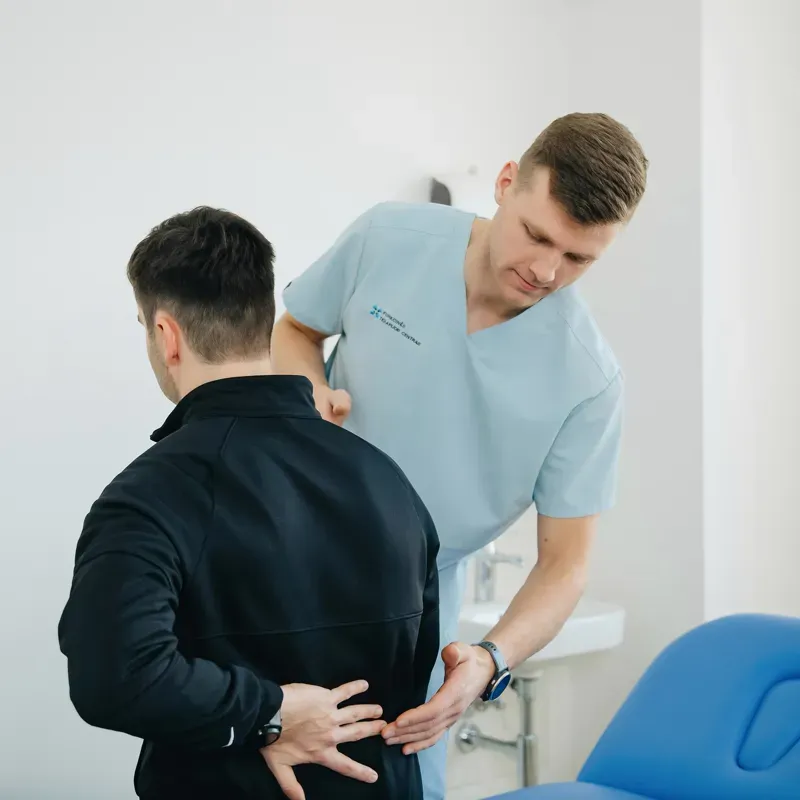
Complete Guide to Physiotherapy in Dubai: Types, Costs & What to Expect
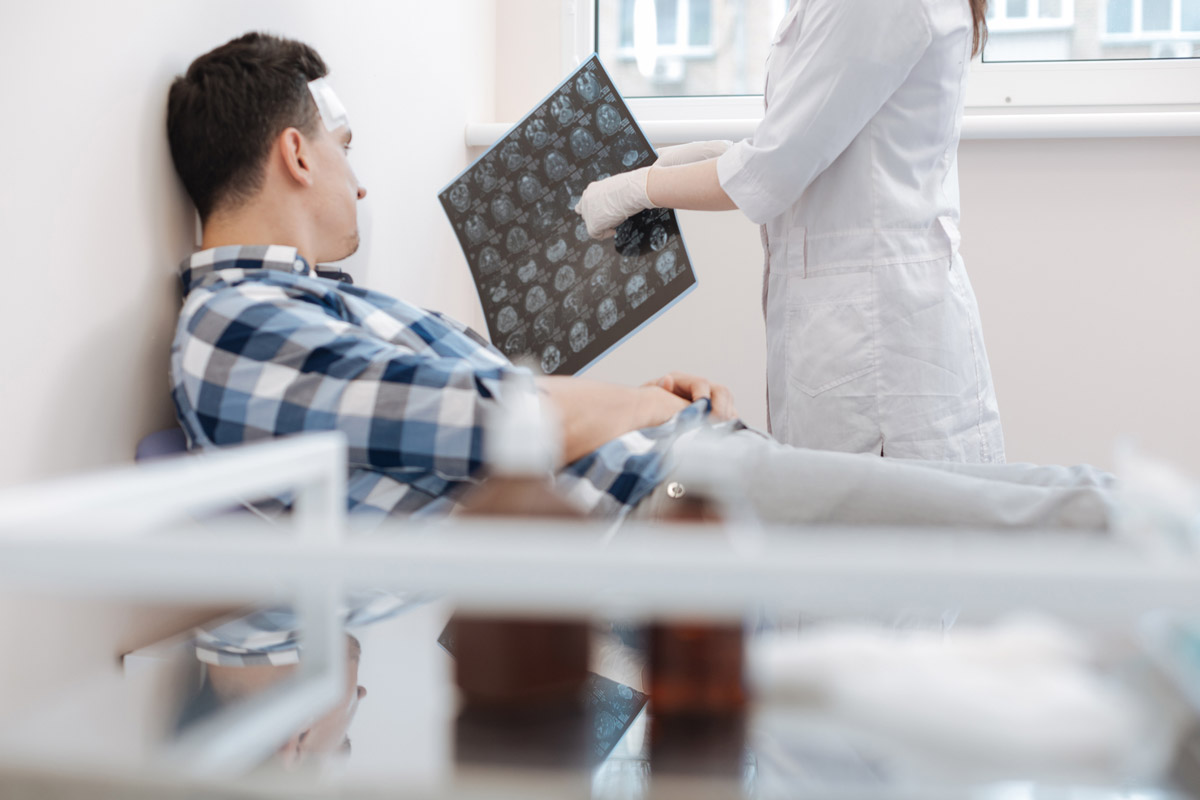
Post-Surgery Physiotherapy Recovery Roadmap
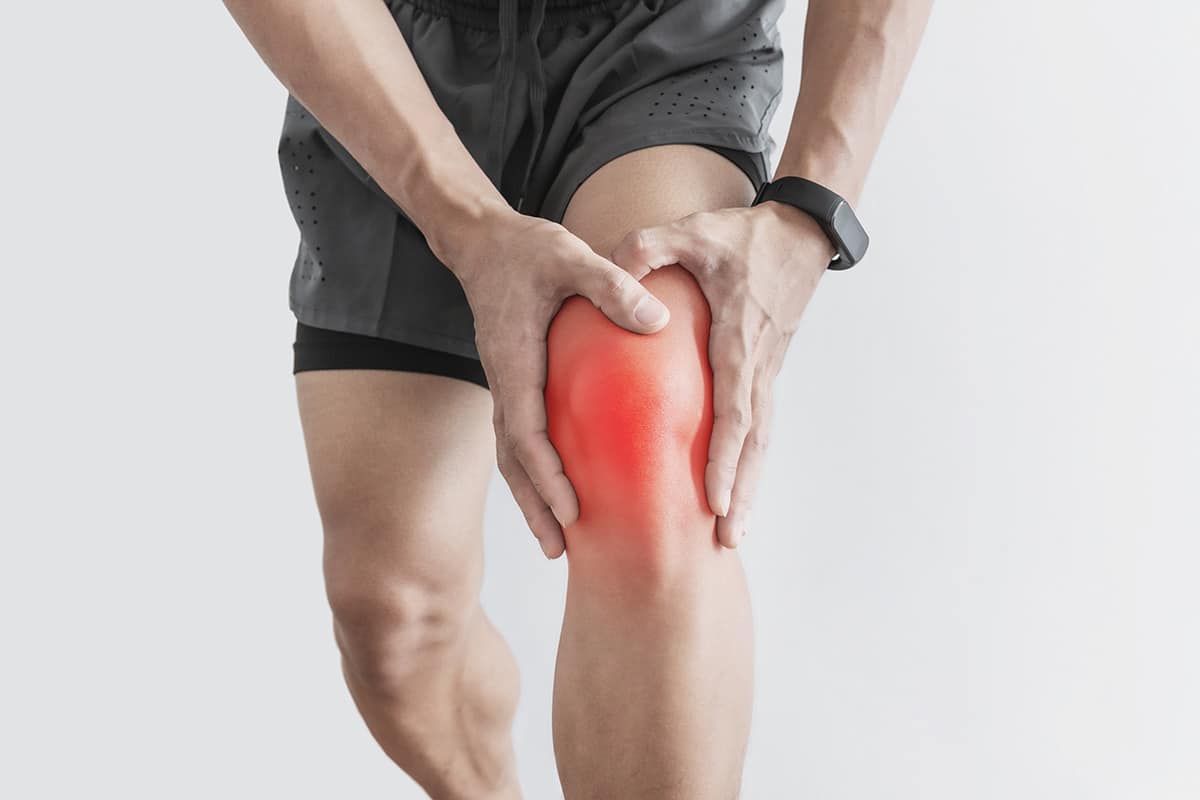
Physiotherapy After Knee Replacement: Recovery Guide
How Many Physiotherapy Sessions Do You Need?
More in Physiotherapy
Shoulder Pain Dubai: 7 Causes & When to Worry (2026)
Lire la suite
PRP vs Cortisone Dubai: Which Injection? (2026)
Lire la suite
PRP Injection for Joints Dubai: From AED 1,500 (2026)
Lire la suitePhysiotherapy Dubai: Types, Cost & Guide (2026)
Lire la suitePhysiotherapy Cost Dubai: AED 250–500/Session (2026)
Lire la suiteArthritis: Physiotherapy Management Guide (2026)
Lire la suite© 2026 Doctors Clinic Diagnostic Center (DCDC), Dubai Healthcare City. Originally published at https://doctorsclinicdubai.ae/blog/hip-replacement-rehabilitation-milestones. All rights reserved. Unauthorized reproduction is prohibited.