Points cles
- Gastritis is inflammation of the stomach lining, while GERD is chronic acid reflux affecting the esophagus -- they affect different organs and require different treatment approaches.
- H. pylori infection is the leading cause of chronic gastritis worldwide, affecting roughly 50% of the global population and an even higher proportion in the Middle East.
- GERD is caused by dysfunction of the lower esophageal sphincter (LES), allowing stomach acid to flow back into the esophagus, and affects approximately 20% of Western populations.
- The two conditions can coexist -- a patient may have both gastritis and GERD simultaneously -- making accurate diagnosis essential before starting treatment.
- Diagnostic testing differs: gastritis is identified through H. pylori breath testing and endoscopy, while GERD is diagnosed via symptom assessment, pH monitoring, and endoscopy.
- Treatment strategies diverge: gastritis often requires H. pylori eradication therapy (triple therapy), while GERD focuses on proton pump inhibitors, lifestyle modifications, and in some cases anti-reflux surgery.
- At DCDC in Dubai Healthcare City, on-site H. pylori breath testing (from AED 300), blood panels, and abdominal ultrasound allow same-day workup for both conditions.
Burning stomach pain, nausea after meals, a sour taste in the back of your throat -- these overlapping symptoms send thousands of patients to gastroenterology clinics in Dubai every year wondering the same thing: is this gastritis or GERD? Both conditions involve stomach acid and share several symptoms, but they affect different parts of the digestive tract, arise from different causes, and require distinct treatment plans. Getting the distinction right matters because treating one when you actually have the other -- or both -- can leave you managing symptoms for months without real relief.
This guide provides a comprehensive, side-by-side comparison of gastritis and gastroesophageal reflux disease (GERD). We cover symptoms, causes, risk factors, diagnostic approaches, treatment options, dietary considerations, and what happens when both conditions coexist. We also describe what a gastroenterology evaluation looks like at Doctors Clinic Diagnostic Center (DCDC) in Dubai Healthcare City, so you know exactly what to expect if you decide to get assessed.
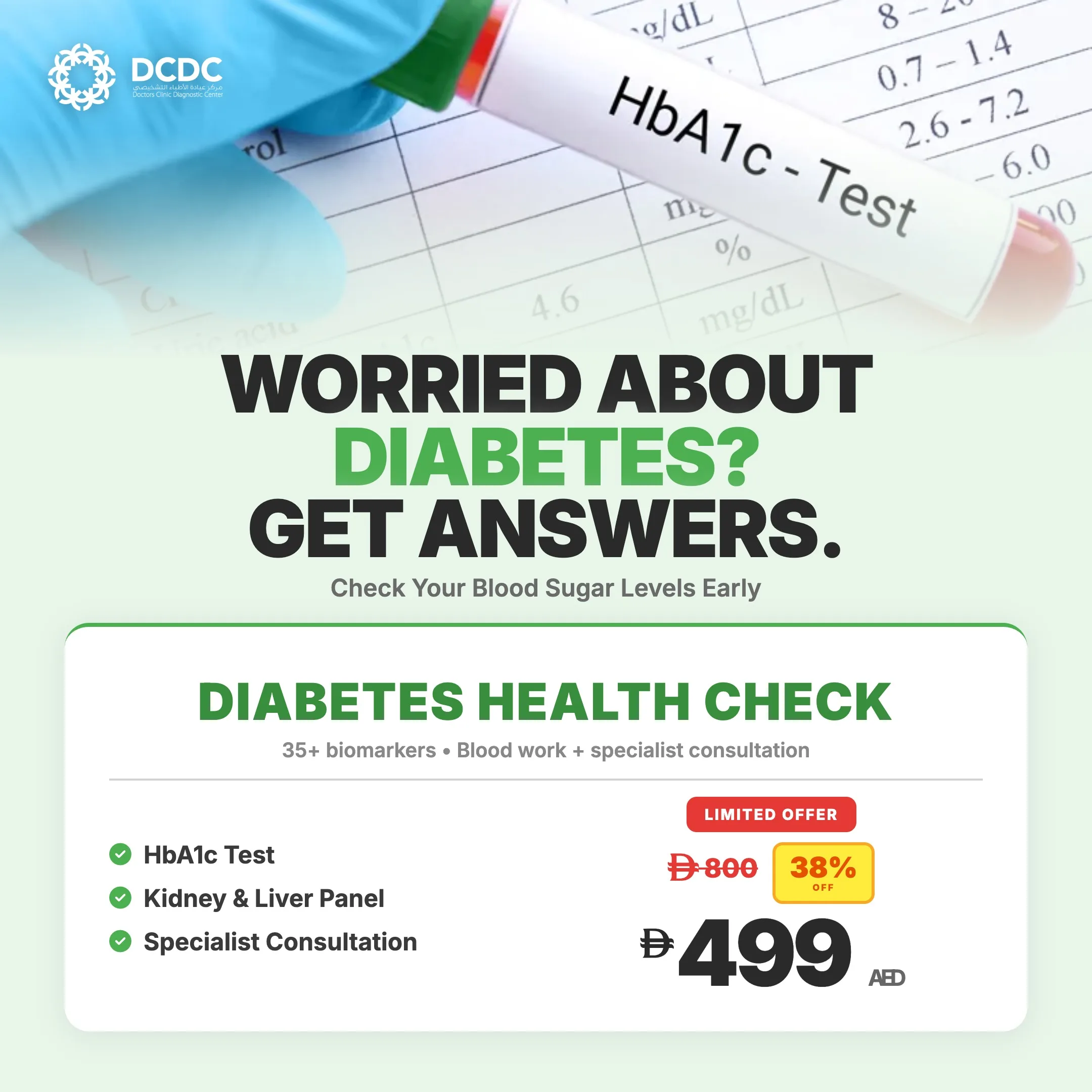
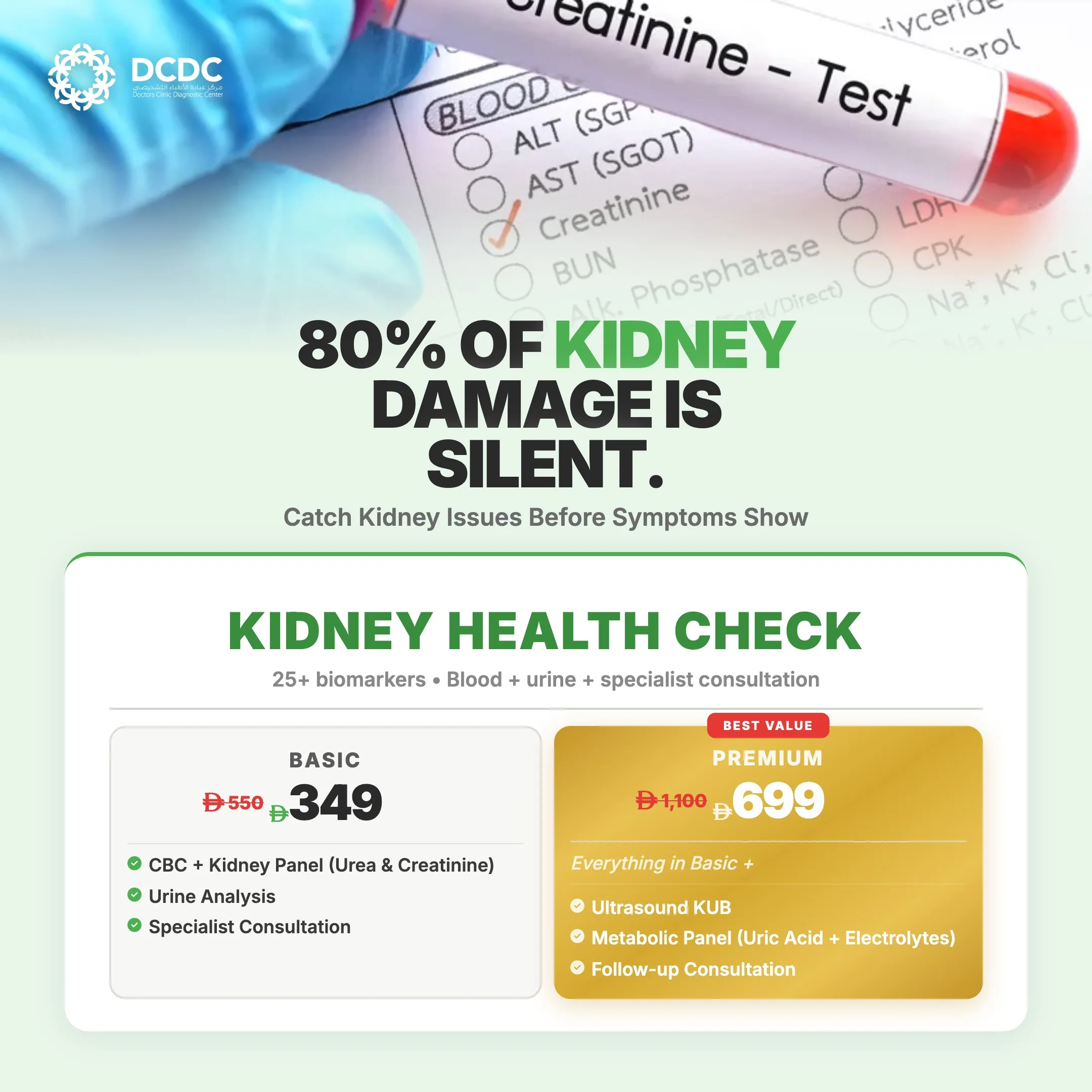
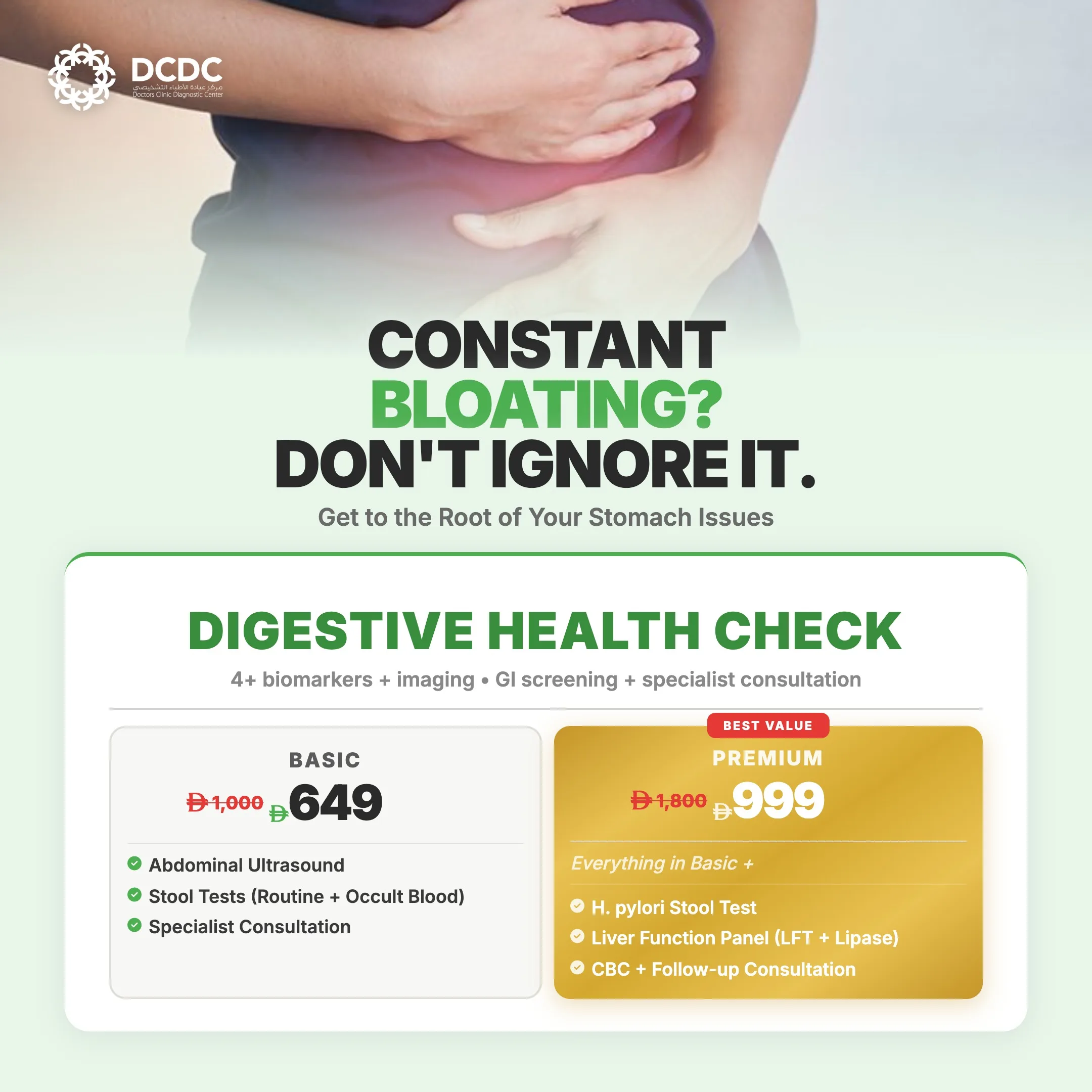
Health Screening Packages
Save with our bundled screening packages — specialist consultation included



What Is Gastritis?
Gastritis is inflammation of the gastric mucosa -- the protective lining of the stomach. When this lining becomes irritated, damaged, or eroded, the stomach loses part of its defense against the hydrochloric acid it produces to digest food, leading to pain, nausea, and a range of upper gastrointestinal symptoms. Gastritis can be acute (sudden onset, often resolving within days) or chronic (persisting for weeks, months, or years).
The most common cause of chronic gastritis worldwide is infection with Helicobacter pylori (H. pylori), a spiral-shaped bacterium that colonises the stomach lining. The World Gastroenterology Organisation estimates that H. pylori infects approximately 50% of the global population, with prevalence rates exceeding 70% in parts of the Middle East and Africa. Other common causes include chronic use of nonsteroidal anti-inflammatory drugs (NSAIDs) such as ibuprofen and aspirin, excessive alcohol consumption, severe physiological stress (critical illness, major surgery), bile reflux, and autoimmune gastritis, in which the body's immune system attacks the stomach lining's parietal cells.
Types of Gastritis
- Acute gastritis: Rapid-onset inflammation, often caused by NSAID use, alcohol binge, severe stress, or food poisoning. Symptoms appear suddenly and typically resolve once the trigger is removed.
- Chronic gastritis: Gradual, long-term inflammation most commonly caused by H. pylori infection. May be asymptomatic for years while silently damaging the stomach lining.
- Erosive gastritis: Involves visible erosion of the stomach lining, which can lead to bleeding. Often caused by NSAIDs or alcohol.
- Autoimmune gastritis: The immune system targets parietal cells, reducing acid production and impairing vitamin B12 absorption, potentially causing pernicious anaemia.
What Is GERD?
Gastroesophageal reflux disease (GERD) is a chronic condition in which stomach acid and, occasionally, bile flow backward from the stomach into the esophagus. This happens when the lower esophageal sphincter (LES) -- a ring of muscle at the junction of the esophagus and stomach -- relaxes inappropriately or becomes weakened, failing to close properly after food passes into the stomach. While occasional acid reflux is normal and experienced by most people, GERD is diagnosed when reflux occurs frequently (typically two or more times per week) and causes troublesome symptoms or complications.
The esophagus, unlike the stomach, lacks a robust mucosal barrier against acid. Repeated exposure to gastric acid damages the esophageal lining, causing the hallmark burning sensation known as heartburn. Over time, untreated GERD can lead to esophagitis (inflammation of the esophageal lining), esophageal strictures (narrowing), Barrett's esophagus (precancerous cellular changes), and in rare cases, esophageal adenocarcinoma. GERD affects approximately 20% of Western populations, and its prevalence is rising in the Middle East due to dietary changes and increasing obesity rates.
Common GERD Triggers
- Dietary triggers: Fatty or fried foods, chocolate, caffeine, citrus, tomato-based sauces, spicy foods, carbonated drinks, and peppermint
- Lifestyle factors: Eating large meals or lying down within 2-3 hours after eating, smoking, and alcohol consumption
- Obesity: Excess abdominal fat increases intra-abdominal pressure on the stomach, promoting reflux
- Hiatal hernia: A portion of the stomach pushes through the diaphragm, weakening the LES mechanism
- Medications: Certain drugs including calcium channel blockers, antihistamines, sedatives, and some asthma medications can relax the LES
- Pregnancy: Hormonal changes and increased abdominal pressure during pregnancy frequently cause or worsen GERD
Gastritis vs GERD: Side-by-Side Comparison
The table below highlights the core differences between gastritis and GERD across the features that matter most for diagnosis and treatment.
| Feature | Gastritis | GERD |
|---|---|---|
| Primary location | Stomach lining (gastric mucosa) | Esophagus (esophageal mucosa) |
| Core problem | Inflammation or erosion of the stomach lining | Acid reflux from stomach into esophagus due to LES dysfunction |
| Most common cause | H. pylori infection, NSAID overuse | LES weakness or dysfunction, obesity, hiatal hernia |
| Hallmark symptom | Epigastric pain or burning (upper central abdomen) | Heartburn (retrosternal burning rising toward the throat) |
| Nausea / vomiting | Common, especially after meals | Less common; regurgitation of acid or food is more typical |
| Acid regurgitation | Uncommon | Very common -- sour or bitter taste in the mouth |
| Worsened by eating | Pain may worsen during or shortly after eating | Symptoms typically worse after large meals and when lying down |
| Symptom timing | During or within 30 minutes of eating | 30 min to 2 hours after eating, worse at night or when reclining |
| Bloating / early satiety | Common | Less common |
| Chronic cough / hoarseness | Rare | Common (laryngopharyngeal reflux) |
| Key diagnostic test | H. pylori breath test, stool antigen test, endoscopy with biopsy | Clinical symptom assessment, esophageal pH monitoring, endoscopy |
| First-line treatment | H. pylori eradication (triple therapy) + PPIs; stop NSAIDs | Proton pump inhibitors (PPIs) + lifestyle and dietary modifications |
| Surgical option | Rarely needed | Fundoplication for refractory GERD |
| If untreated | Peptic ulcers, gastric bleeding, increased stomach cancer risk (with H. pylori) | Esophagitis, strictures, Barrett's esophagus, esophageal cancer risk |
Gastritis and GERD both involve stomach acid but affect different organs and follow different disease pathways. Accurate diagnosis determines the correct treatment plan.
Symptom Comparison: How to Tell Gastritis from GERD
While gastritis and GERD share some overlapping symptoms -- particularly upper abdominal discomfort and nausea -- several distinguishing features can help you and your doctor differentiate between the two. The location, timing, and character of your symptoms provide important diagnostic clues.
Symptoms That Suggest Gastritis
- Gnawing or burning pain in the upper central abdomen (epigastrium): This is the most characteristic gastritis symptom. The pain is typically localised to the area just below the sternum and above the navel.
- Nausea and vomiting: Stomach lining inflammation frequently triggers nausea, particularly during or shortly after eating.
- Feeling of fullness or bloating after small meals (early satiety): Inflammation reduces the stomach's ability to accommodate food comfortably.
- Loss of appetite: Chronic gastritis commonly reduces the desire to eat due to persistent discomfort.
- Dark, tarry stools (melena) or vomiting blood (hematemesis): These are red-flag signs indicating erosive gastritis with bleeding and require immediate medical attention.
Symptoms That Suggest GERD
- Heartburn (retrosternal burning): A burning sensation that starts behind the breastbone and rises toward the throat. This is the hallmark GERD symptom, reported by over 75% of patients.
- Acid regurgitation: A sour or bitter-tasting fluid backing up into the mouth, especially when bending over or lying down.
- Difficulty swallowing (dysphagia): A sensation of food sticking in the chest, which may indicate esophageal inflammation or narrowing.
- Chronic cough, hoarseness, or sore throat: Acid reaching the upper airway causes laryngopharyngeal reflux symptoms that many patients mistake for a respiratory problem.
- Chest pain: GERD can cause non-cardiac chest pain that mimics angina, making it essential to rule out heart disease before attributing chest pain to reflux.
- Worsening symptoms when lying down or at night: Gravity no longer helps keep acid in the stomach, so GERD symptoms characteristically worsen in a supine position.
For a deeper look at acid reflux symptoms, diagnosis, and management strategies available in Dubai, see our detailed guide on GERD treatment options in Dubai.
Causes and Risk Factors Compared
Understanding what causes each condition helps explain why treatment strategies differ so significantly. While both involve stomach acid, the underlying mechanisms are distinct.
Gastritis Causes and Risk Factors
- H. pylori infection: The dominant cause of chronic gastritis globally. Transmission occurs through contaminated food, water, or person-to-person contact. Prevalence is particularly high in the Middle East.
- NSAID use: Regular use of ibuprofen, aspirin, naproxen, and other NSAIDs damages the stomach's protective mucosal barrier.
- Excessive alcohol consumption: Alcohol directly irritates and erodes the stomach lining.
- Bile reflux: Backflow of bile from the small intestine into the stomach causes chemical irritation of the gastric mucosa.
- Autoimmune response: The body attacks its own stomach lining cells, most commonly affecting the fundus (upper stomach).
- Severe stress or critical illness: Major surgery, burns, sepsis, and ICU stays can trigger stress gastritis.
- Smoking: Damages the mucosal lining and impairs blood flow to the stomach wall.
GERD Causes and Risk Factors
- Lower esophageal sphincter dysfunction: The primary mechanism. The LES relaxes at inappropriate times (transient LES relaxations) or has reduced baseline pressure.
- Hiatal hernia: Anatomical displacement of the gastroesophageal junction above the diaphragm disrupts the anti-reflux barrier.
- Obesity: Excess abdominal adiposity increases gastric pressure and promotes reflux. Central (abdominal) obesity is a particularly strong risk factor.
- Delayed gastric emptying: When the stomach empties slowly, there is more opportunity for acid to reflux upward.
- Pregnancy: Hormonal effects on the LES combined with mechanical pressure from the growing uterus.
- Dietary and lifestyle habits: Large, high-fat meals; eating late at night; caffeine; smoking; and alcohol all promote reflux episodes.
- Certain medications: Drugs that relax smooth muscle (calcium channel blockers, nitrates, benzodiazepines) can weaken the LES.
Both conditions are notably common in Dubai due to a combination of factors: the popularity of spicy and rich cuisine, high work-related stress levels, irregular eating schedules, frequent NSAID use for musculoskeletal pain, and rising obesity rates across the UAE.
How Each Condition Is Diagnosed
Accurate diagnosis is critical because treating GERD when the real problem is H. pylori gastritis, or vice versa, delays effective treatment. The diagnostic pathways for the two conditions overlap in some areas but differ in key respects.
Diagnosing Gastritis
- H. pylori testing: This is the first-line investigation for chronic gastritis. Options include the urea breath test (non-invasive, highly accurate), stool antigen test, and blood antibody test. The breath test is the gold standard for active infection detection.
- Blood tests: A complete blood count (CBC) can reveal anaemia (suggesting bleeding), and inflammatory markers may be elevated. Vitamin B12 and iron levels help assess for autoimmune gastritis consequences.
- Upper endoscopy (esophagogastroduodenoscopy): A flexible camera is passed into the stomach to directly visualise the mucosal lining. Biopsies can confirm the type and severity of gastritis and detect H. pylori.
- Stool tests: Testing for occult blood can identify low-level gastrointestinal bleeding not visible to the patient.
Diagnosing GERD
- Clinical symptom assessment: GERD is often diagnosed clinically based on typical symptoms (heartburn, regurgitation) and response to a trial of proton pump inhibitor (PPI) therapy.
- Upper endoscopy: Recommended when symptoms are severe, chronic, or accompanied by alarm features (dysphagia, weight loss, anaemia). Endoscopy can identify esophagitis, strictures, or Barrett's esophagus.
- Ambulatory esophageal pH monitoring: A catheter or wireless capsule measures acid exposure in the esophagus over 24-48 hours. This is the gold standard for quantifying acid reflux.
- Esophageal manometry: Measures the pressure and function of the LES and esophageal muscles. Useful when surgery is being considered or when the diagnosis is unclear.
For a full breakdown of gastritis treatment approaches, including H. pylori eradication protocols and dietary strategies, see our dedicated guide.
Treatment Options: Gastritis vs GERD
While both conditions may involve proton pump inhibitors (PPIs) as part of the treatment plan, the overall therapeutic approach differs substantially based on the underlying cause.
Treating Gastritis
H. pylori eradication (when infection is confirmed): The standard treatment is triple therapy -- a proton pump inhibitor combined with two antibiotics (typically clarithromycin and amoxicillin or metronidazole) taken for 14 days. Successful eradication resolves the underlying cause and allows the stomach lining to heal. A follow-up breath test is performed 4-6 weeks after completing therapy to confirm the infection has been cleared.
- Proton pump inhibitors (PPIs): Omeprazole, esomeprazole, or pantoprazole reduce acid production, giving the damaged stomach lining time to heal. Treatment duration is typically 4-8 weeks.
- Stop offending agents: If NSAIDs are causing the gastritis, discontinuation is essential. If NSAIDs cannot be stopped (e.g., for cardiovascular protection), a concurrent PPI is prescribed for gastric protection.
- Antacids and H2 blockers: Over-the-counter antacids (aluminium/magnesium hydroxide) and H2 receptor antagonists (famotidine) provide symptomatic relief while the lining heals.
- Cytoprotective agents: Sucralfate and bismuth subsalicylate coat and protect the damaged stomach lining, and bismuth compounds also have antibacterial activity against H. pylori.
- Alcohol cessation: Stopping alcohol intake is critical in alcohol-induced gastritis, as continued use prevents mucosal healing.
- Vitamin B12 supplementation: Required in autoimmune gastritis where parietal cell destruction impairs intrinsic factor production and B12 absorption.
Treating GERD
- Proton pump inhibitors (PPIs): The cornerstone of GERD treatment. Standard-dose PPIs (e.g., omeprazole 20 mg or esomeprazole 40 mg once daily) are taken for 8 weeks initially, then reassessed. Some patients require long-term maintenance therapy.
- H2 receptor antagonists: Famotidine can be used for mild GERD or as add-on therapy for nighttime symptoms when PPIs alone are insufficient.
- Lifestyle and dietary modifications: Elevating the head of the bed 15-20 cm, avoiding meals 2-3 hours before bedtime, weight loss if overweight, and avoiding trigger foods (fatty, fried, spicy, acidic, caffeinated) are essential non-pharmacological measures.
- Alginate-based antacids: Products like Gaviscon create a foam barrier on top of the gastric contents, physically blocking reflux. These are particularly useful for post-meal symptoms.
- Prokinetic agents: Medications that improve gastric emptying (e.g., domperidone) may be added when delayed emptying contributes to reflux.
- Anti-reflux surgery (fundoplication): For patients with confirmed GERD who do not respond adequately to PPIs or who wish to discontinue long-term medication, laparoscopic Nissen fundoplication wraps the upper stomach around the LES to reinforce the anti-reflux barrier.
Experiencing Stomach Pain or Heartburn?
Book a gastroenterology consultation at DCDC in Dubai Healthcare City. On-site H. pylori breath testing, blood panels, and abdominal ultrasound are available for same-day diagnosis. GI consultations from AED 250.
Same-day appointments available | 20+ insurance partners with direct billing
When Gastritis and GERD Coexist
Gastritis and GERD are not mutually exclusive. In clinical practice, a meaningful proportion of patients present with both conditions simultaneously, which complicates diagnosis and treatment. Several scenarios explain how the two can coexist.
- H. pylori and reflux: A patient with chronic H. pylori gastritis may also have an independently weak LES, resulting in concurrent acid reflux. Interestingly, some research suggests that H. pylori infection in the stomach body may actually reduce acid production (due to atrophic gastritis), which can theoretically reduce GERD symptoms. However, antral-predominant H. pylori gastritis can increase acid output and worsen reflux.
- NSAID use with reflux: A patient using NSAIDs for arthritis or chronic pain may develop gastritis from the medication while also having pre-existing GERD.
- Shared risk factors: Smoking, alcohol consumption, obesity, and high-stress lifestyles increase the risk for both conditions independently.
- Overlapping PPI treatment: Both conditions respond to acid suppression with PPIs, which can mask an underlying gastritis when the patient is being treated for GERD symptoms alone.
When both conditions are suspected, a thorough workup is essential. This typically includes H. pylori testing to identify or exclude gastritis, combined with a careful symptom assessment and possibly endoscopy to evaluate both the stomach lining and the esophageal mucosa in a single procedure. The treatment plan must then address both conditions: eradicating H. pylori if present, managing reflux with lifestyle changes and PPIs, and monitoring for complications of both.
Diet and Lifestyle: Gastritis vs GERD Recommendations
Dietary and lifestyle modifications play a significant role in managing both conditions, though the specific recommendations differ in some important ways.
Dietary Guidance for Gastritis
- Avoid stomach irritants: Alcohol, caffeine, spicy foods, and highly acidic foods (citrus, vinegar, tomatoes) directly irritate an inflamed stomach lining.
- Eat smaller, more frequent meals: Smaller meals reduce the volume of acid the stomach needs to produce at any one time.
- Choose bland, easily digestible foods during flares: Rice, bananas, boiled vegetables, lean proteins, and oatmeal are generally well tolerated.
- Avoid NSAIDs: Switch to paracetamol (acetaminophen) for pain relief whenever possible, as it does not damage the stomach lining.
- Probiotics: Emerging evidence supports probiotics (particularly Lactobacillus and Saccharomyces boulardii strains) as adjuncts during and after H. pylori eradication therapy to reduce side effects and improve eradication rates.
Dietary Guidance for GERD
- Avoid reflux trigger foods: Fatty or fried foods, chocolate, peppermint, garlic, onions, citrus, tomatoes, and carbonated beverages are the most commonly reported triggers.
- Do not eat within 2-3 hours of bedtime: Lying down with a full stomach increases reflux episodes significantly.
- Elevate the head of your bed: Raising the head end of the bed by 15-20 cm (using bed risers or a wedge pillow) uses gravity to reduce nocturnal reflux.
- Lose weight if overweight: Even modest weight loss (5-10% of body weight) significantly reduces GERD symptom severity and frequency.
- Avoid tight-fitting clothing: Garments that compress the abdomen increase intra-abdominal pressure and promote reflux.
- Quit smoking: Smoking reduces LES pressure, increases acid secretion, and impairs saliva production (which normally helps neutralise esophageal acid).
At DCDC, dietary counselling is available as part of the gastroenterology consultation, including guidance on the low-FODMAP diet for patients with overlapping IBS symptoms and structured elimination approaches to identify individual food triggers.
If H. pylori infection is suspected as a contributing factor, our guide on H. pylori testing at DCDC explains the breath test procedure, costs, and what results mean for your treatment plan.
When to See a Doctor: Urgency Guide
Not every episode of heartburn or stomach discomfort requires a medical visit, but certain patterns and warning signs should prompt you to seek professional evaluation without delay.
See a Doctor Soon (Within 1-2 Weeks)
- Upper abdominal pain or heartburn persisting for more than 2 weeks despite over-the-counter antacids
- Recurring nausea or loss of appetite affecting your daily life or causing unintentional weight loss
- Symptoms that keep coming back after a course of PPIs
- Needing to take antacids or acid-reducing medication more than twice per week
- Family history of stomach cancer, especially with concurrent digestive symptoms
Seek Urgent Medical Attention (Same Day)
- Vomiting blood or material that looks like coffee grounds
- Black, tarry stools (melena) suggesting gastrointestinal bleeding
- Severe, sudden abdominal pain that does not subside
- Difficulty swallowing that is worsening progressively or food getting stuck
- Unexplained weight loss of more than 5% of body weight over 3-6 months
- Chest pain -- always seek evaluation to rule out cardiac causes before assuming it is GERD-related
What to Expect at DCDC: Your GI Consultation Journey
At Doctors Clinic Diagnostic Center in Dubai Healthcare City, we take a systematic approach to diagnosing and managing gastritis and GERD. Our MOHAP-licensed clinic, rated 4.8 out of 5 from over 1,000 verified patient reviews, offers a streamlined evaluation process designed to reach a diagnosis as quickly as possible -- often within a single visit.
- Step 1 -- Arrival and registration: The clinic is located in Building 64, Block A, Al Razi Medical Complex, Dubai Healthcare City, with free parking available. Average wait time is approximately 15 minutes from your scheduled appointment.
- Step 2 -- Detailed symptom history: Your doctor will take a thorough history covering symptom duration, timing, triggers, medication use (especially NSAIDs), dietary habits, alcohol and smoking status, family history, and any previous investigations or treatments.
- Step 3 -- Physical examination: A focused abdominal and upper GI examination to assess for tenderness, bloating, and other clinical signs.
- Step 4 -- On-site diagnostic testing: Based on clinical suspicion, same-day testing may include an H. pylori urea breath test (from AED 300), comprehensive blood panels (CBC, inflammatory markers, liver and kidney function, iron studies, vitamin B12) with same-day results for routine tests, and abdominal ultrasound to evaluate the stomach, liver, gallbladder, and pancreas.
- Step 5 -- Diagnosis and treatment plan: Once results are available, your doctor will explain whether you have gastritis, GERD, both, or another condition entirely, and develop a personalised treatment plan including medications, dietary recommendations, and lifestyle modifications.
- Step 6 -- Dietary counselling: Patients with gastritis, GERD, or overlapping conditions receive tailored dietary guidance, including low-FODMAP recommendations when IBS symptoms are also present.
- Step 7 -- Follow-up: A follow-up appointment is scheduled to assess treatment response. For H. pylori gastritis, a repeat breath test is performed 4-6 weeks after completing eradication therapy to confirm the infection has been cleared.
"In my clinical experience, many patients arrive assuming they have GERD because heartburn is such a well-known symptom, but when we test for H. pylori, we find that chronic gastritis is the real underlying problem -- or that both conditions are present. A proper diagnostic workup, rather than empirical acid-suppression therapy alone, is what separates effective treatment from symptom management that goes on for months. The H. pylori breath test is quick, non-invasive, and gives us a clear answer within a single visit," says Dr. Hadeel Elnur, General Practitioner at DCDC.
Gastritis and GERD in Dubai: Why These Conditions Are So Common
Dubai's multicultural population, fast-paced lifestyle, and dining culture create a perfect storm for upper gastrointestinal conditions. Several Dubai-specific factors contribute to the high prevalence of both gastritis and GERD in the emirate.
- Diverse cuisine with high spice content: Dubai's food scene spans dozens of cuisines, many featuring heavy spice use, chilli, and rich sauces that can trigger both gastric irritation and reflux.
- Late-night dining culture: Eating large meals at 9 PM or later -- common in Dubai's social and restaurant culture -- is one of the strongest modifiable risk factors for GERD.
- High-stress professional environment: The demanding work culture in Dubai contributes to stress-related digestive symptoms and irregular eating patterns.
- NSAID overuse: Over-the-counter availability and frequent use of NSAIDs for headaches, back pain, and joint pain makes NSAID-induced gastritis common.
- H. pylori prevalence: Many residents originate from regions with high H. pylori endemicity (South Asia, Middle East, Africa), contributing to elevated gastritis rates.
- Rising obesity rates: The UAE has one of the highest obesity rates in the Middle East, directly increasing GERD risk through elevated intra-abdominal pressure.
Complications of Untreated Gastritis and GERD
Neither gastritis nor GERD should be dismissed as minor conditions. Left untreated over months or years, both can lead to serious complications.
Gastritis Complications
- Peptic ulcers: Chronic H. pylori gastritis is the leading cause of gastric and duodenal ulcers, which can bleed or perforate.
- Gastric bleeding: Erosive gastritis can cause acute or chronic bleeding, leading to iron-deficiency anaemia.
- Gastric atrophy and intestinal metaplasia: Long-standing H. pylori gastritis can cause the stomach lining to thin and undergo precancerous cellular changes.
- Gastric cancer: H. pylori is classified as a Group 1 carcinogen by the WHO. Eradicating the infection significantly reduces stomach cancer risk.
- Pernicious anaemia: Autoimmune gastritis destroys parietal cells, impairing vitamin B12 absorption.
GERD Complications
- Erosive esophagitis: Chronic acid exposure inflames and erodes the esophageal lining, causing pain and potentially bleeding.
- Esophageal stricture: Repeated inflammation leads to scar tissue formation and narrowing of the esophagus, making swallowing difficult.
- Barrett's esophagus: The esophageal lining undergoes metaplasia (cellular change) in response to chronic acid exposure. Barrett's is a precancerous condition requiring surveillance.
- Esophageal adenocarcinoma: A small percentage of Barrett's esophagus cases progress to esophageal cancer.
- Respiratory complications: Chronic aspiration of refluxed acid can cause or worsen asthma, chronic cough, and recurrent pneumonia.
- Dental erosion: Frequent acid regurgitation damages tooth enamel, particularly on the back surfaces of the upper teeth.
Get an Accurate Diagnosis at DCDC Dubai Healthcare City
Do not let gastritis or GERD go undiagnosed. Our team provides comprehensive GI evaluations with on-site blood testing, H. pylori breath tests, and abdominal ultrasound -- all under one roof.
98% patient satisfaction | Walk-ins welcome Sat-Thu 8 AM - 10 PM, Fri 9 AM - 9 PM
Can Gastritis Turn Into GERD (or Vice Versa)?
Gastritis does not transform into GERD and GERD does not transform into gastritis -- they are fundamentally different disease processes affecting different organs. However, the relationship between them is more nuanced than a simple either/or distinction.
Chronic gastritis, particularly when caused by H. pylori, can alter acid secretion patterns. Antral-predominant gastritis may increase acid production, which can theoretically worsen existing reflux tendencies. Conversely, gastritis affecting the stomach body can reduce acid output through atrophy, which may actually decrease reflux symptoms. Additionally, both conditions share common risk factors -- obesity, smoking, alcohol, stress, and certain dietary habits -- so developing one does not protect against the other, and patients should be evaluated for both when symptoms are ambiguous.
The key clinical takeaway: if you have been treated for one condition and your symptoms persist, the other condition (or both together) should be investigated.
Services associés au DCDC
Soins spécialisés et diagnostics avancés à Dubai Healthcare City
Gastroenterology
Comprehensive digestive health diagnosis and treatment including GERD and gastritis
Prendre rendez-vousBlood Tests
H. pylori testing, inflammatory markers, and comprehensive metabolic panels
Prendre rendez-vousAbdominal Ultrasound
Non-invasive imaging to evaluate digestive organ health
Prendre rendez-vousQuestions frequentes
Final Thoughts
Gastritis and GERD are among the most common upper gastrointestinal conditions encountered in clinical practice in Dubai, and their overlapping symptoms often lead to confusion, misdiagnosis, or incomplete treatment. The fundamental distinction is straightforward: gastritis is inflammation of the stomach lining (most often from H. pylori or NSAIDs), while GERD is acid reflux into the esophagus (most often from LES dysfunction). Getting this distinction right determines whether treatment targets the infection, the reflux mechanism, or both.
If you have been self-managing stomach symptoms with antacids or over-the-counter PPIs for more than a few weeks without lasting improvement, a proper diagnostic evaluation is the logical next step. An H. pylori breath test can be done in minutes, blood panels provide objective data on inflammation and nutritional deficiencies, and an ultrasound can rule out structural abnormalities -- all on-site at DCDC with same-day results for most tests.
At Doctors Clinic Diagnostic Center in Dubai Healthcare City, our team provides thorough GI evaluations in a single visit, with 98% patient satisfaction and over 20 insurance partners for direct billing. Whether your symptoms suggest gastritis, GERD, or both, we can help you get a clear diagnosis and an effective treatment plan.
Sources et references
Cet article a ete revise par notre equipe medicale et fait reference aux sources suivantes :
- Mayo Clinic - Gastritis: Symptoms, Causes, and Treatment
- NHS - Gastro-oesophageal Reflux Disease (GORD)
- Cleveland Clinic - GERD (Gastroesophageal Reflux Disease)
- NIDDK - Gastritis and Gastropathy
- American College of Gastroenterology - ACG Clinical Guideline: Treatment of Helicobacter pylori Infection
- World Gastroenterology Organisation - Helicobacter pylori in Developing Countries
Le contenu medical de ce site est revise par des medecins agrees DHA. Voir notre politique editoriale pour plus d'informations.

Redige par
Dr. Hadeel Elnur
General Practitioner
MD, General Practice
Dr. Hadeel Elnur is a General Practitioner at Doctors Clinic Diagnostic Center (DCDC) in Dubai Healthcare City.
Related Articles
Acid Reflux Dubai: GERD Symptoms & Care (2026)

Gastritis Treatment Dubai: Symptoms & Relief (2026)

H. Pylori Test Cost Dubai: From AED 300 (2026)
IBS Treatment Dubai: Symptoms & Relief (2026)

Endoscopy Dubai: Types, Cost & Guide (2026)
Plus dans Internal Medicine
Endoscopy Dubai: Types, Cost & Guide (2026)
Lire la suiteUric Acid & Gout Treatment Dubai: Guide (2026)
Lire la suite
Low Testosterone Symptoms & Treatment Dubai (2026)
Lire la suite
Stomach Ulcer Dubai: Symptoms & Treatment (2026)
Lire la suiteBloating Causes & Treatment in Dubai (2026)
Lire la suite
Anemia Treatment Dubai: Types & Causes (2026)
Lire la suite© 2026 Doctors Clinic Diagnostic Center (DCDC), Dubai Healthcare City. Originally published at https://doctorsclinicdubai.ae/blog/gastritis-vs-gerd-dubai. All rights reserved. Unauthorized reproduction is prohibited.