Points cles
- Abdominal CT scans detect a wide range of conditions including appendicitis, kidney stones, tumors, bowel obstruction, and aortic aneurysm
- Scans with IV contrast provide better detail for evaluating tumors, infections, and blood vessels; non-contrast is sufficient for kidney stones
- Preparation may include fasting for 4-6 hours and drinking oral contrast depending on the clinical question
- The scan itself takes 5-15 minutes and is painless, though results may be available within hours for emergencies
- Radiation dose is approximately 8-10 mSv, which is justified when the clinical question demands the level of detail CT provides
An abdominal CT scan is one of the most commonly ordered diagnostic imaging tests worldwide. It uses X-ray technology to create detailed cross-sectional images of the organs, blood vessels, and structures within the abdomen and pelvis. From acute emergencies like appendicitis and kidney stones to cancer staging and chronic pain evaluation, a CT scan of the abdomen provides rapid, detailed diagnostic information that often determines the next step in treatment.
Whether your doctor has ordered an abdominal CT for acute abdominal pain, unexplained symptoms, or as part of a diagnostic workup, understanding what the test can detect, how to prepare, and what to expect helps you feel informed and ready. This guide covers the full range of conditions diagnosed by abdominal CT, explains the difference between contrast and non-contrast scans, and addresses common questions about preparation, radiation, and cost in Dubai.


What Does an Abdominal CT Scan Detect?
An abdominal CT scan provides detailed visualization of virtually every structure between the diaphragm and the pelvis. The range of conditions it can detect is remarkably broad:
Emergency Conditions
- Appendicitis: CT is over 95% accurate for diagnosing appendicitis, showing the inflamed, enlarged appendix, surrounding fat stranding, and any complications like abscess or perforation
- Kidney stones (urolithiasis): Non-contrast CT is the gold standard for detecting kidney and ureteral stones as small as 1-2mm, and can identify the exact location, size, and any obstruction
- Bowel obstruction: CT clearly shows dilated bowel loops upstream of the obstruction, the transition point, and the likely cause (adhesions, hernia, tumor)
- Diverticulitis: Inflammation and infection of colonic diverticula, including complications like abscess formation or perforation
- Aortic aneurysm and dissection: Life-threatening conditions requiring urgent diagnosis. CT angiography shows the aneurysm size, extent, and any rupture
- Mesenteric ischemia: Reduced blood flow to the intestines, detectable on CT with IV contrast
- Internal bleeding: Active hemorrhage, hematomas, and splenic or hepatic lacerations from trauma
Cancer Evaluation
- Tumor detection: Liver, kidney, pancreatic, colon, and ovarian tumors are all well-visualized on contrast-enhanced CT
- Cancer staging: CT determines tumor size, local invasion, lymph node involvement, and distant metastases
- Treatment monitoring: Serial CT scans track tumor response to chemotherapy, immunotherapy, or radiation
- Post-surgical surveillance: Monitoring for cancer recurrence after surgery
Other Conditions
- Liver disease: Fatty liver, cirrhosis, hepatic cysts, and liver abscesses
- Pancreatitis: Acute and chronic pancreatitis with complications including necrosis and pseudocysts
- Gallstones: While ultrasound is the first-line test, CT detects complicated gallstone disease and biliary obstruction
- Kidney conditions: Renal masses, cysts, infections, and congenital abnormalities
- Adrenal masses: Adrenal adenomas, pheochromocytomas, and metastases
- Lymphadenopathy: Enlarged lymph nodes suggesting infection, lymphoma, or metastatic cancer
- Hernias: Inguinal, femoral, umbilical, and internal hernias with or without incarcerated bowel
CT With Contrast vs Without Contrast
One of the most common questions about abdominal CT is whether contrast is needed. The answer depends entirely on what your doctor is looking for.
| Type | When Used | Advantages | Considerations |
|---|---|---|---|
| Non-contrast CT | Kidney stones, acute pain screening, calcium detection, follow-up of known findings | No IV needed, no allergy risk, no fasting required, fast | Limited for soft tissue characterization and vascular assessment |
| CT with IV contrast | Tumor evaluation, infection, vascular conditions, cancer staging, liver/kidney assessment | Superior soft tissue detail, shows blood flow, enhances organ visualization | Requires IV, fasting 4-6 hours, contrast allergy risk, kidney function check needed |
| CT with oral contrast | Bowel assessment, post-surgical evaluation, suspected bowel perforation | Opacifies bowel lumen, distinguishes bowel from other structures | Must drink contrast 1-2 hours before scan, mildly unpleasant taste |
| CT with both IV and oral contrast | Complex abdominal evaluation, cancer staging, trauma | Most comprehensive assessment of all abdominal structures | Requires both preparation steps, longer overall process |
Your doctor determines the appropriate contrast protocol based on the specific clinical question being investigated.
For acute kidney stone evaluation, a non-contrast CT is the gold standard because stones are naturally bright on CT and contrast is unnecessary. For evaluating abdominal masses, infections, or vascular conditions, IV contrast dramatically improves diagnostic accuracy by showing how blood flows through and around abnormalities.
How to Prepare for an Abdominal CT Scan
Preparation varies depending on whether contrast will be used:
For Non-Contrast CT
- No fasting is typically required
- Wear comfortable clothing without metal buckles or zippers near the abdomen
- Remove jewelry, belts, and any metal accessories
- Inform the technologist if you are or might be pregnant
For Contrast-Enhanced CT
- Fasting: Do not eat for 4-6 hours before the scan. Clear liquids are usually permitted
- Kidney function: A recent creatinine blood test may be required to ensure your kidneys can safely process the contrast dye
- Allergy history: Inform the clinic of any previous reactions to contrast dye, iodine, or shellfish allergies. Pre-medication with steroids and antihistamines may be given if there is a prior mild reaction
- Medications: Continue all regular medications unless specifically instructed otherwise. Metformin users may need to hold the medication for 48 hours after contrast
- Oral contrast: If oral contrast is ordered, you will need to drink the contrast solution 1-2 hours before the scan. The solution has a mildly unpleasant taste but is well-tolerated by most patients
- Hydration: Drink extra water after the scan to help flush the contrast from your system
For detailed preparation advice including what to eat and drink before scanning, see our comprehensive CT scan preparation guide.
What Happens During the Scan
The abdominal CT scan process is straightforward and painless:
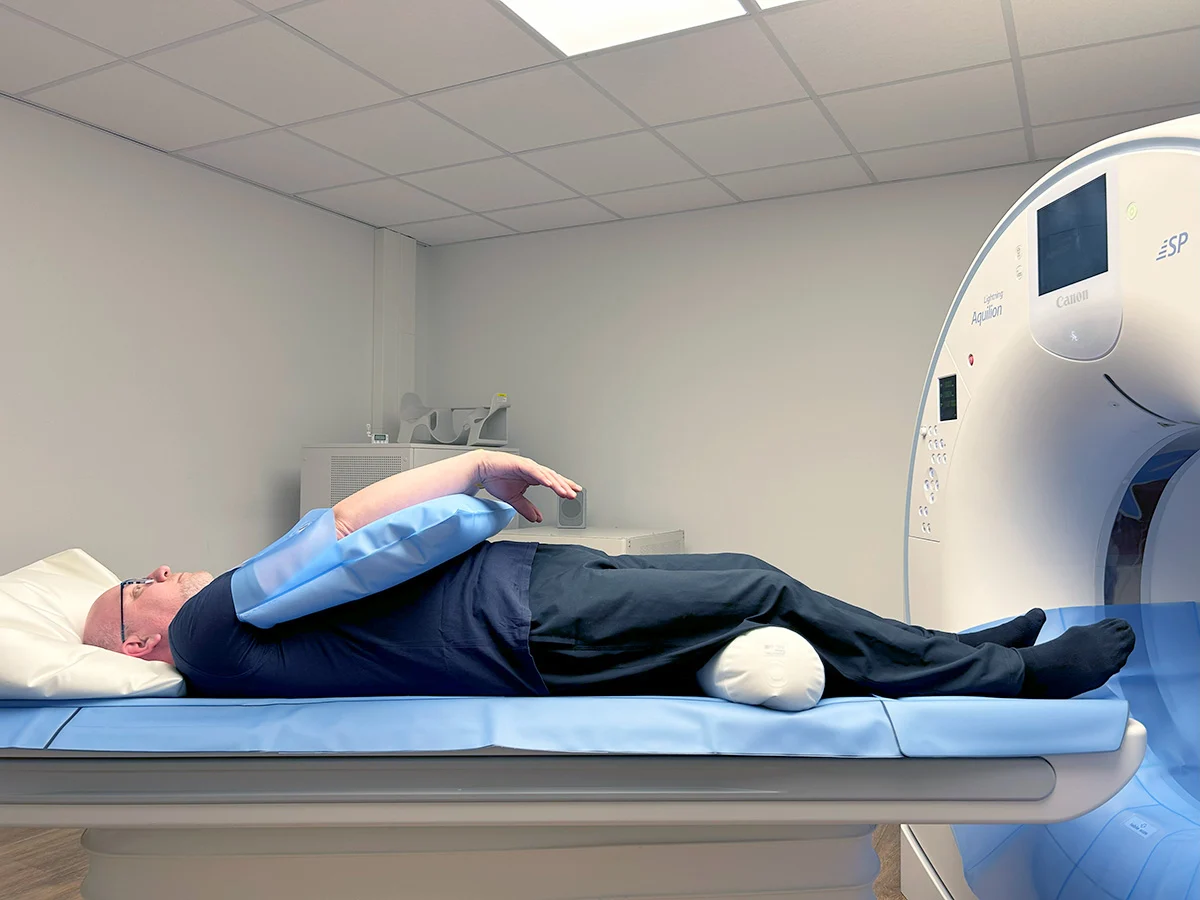
- You lie on your back on the CT table with your arms positioned above your head
- If IV contrast is being used, a small cannula is inserted into a vein in your arm
- The table slides smoothly into the CT ring (which is wide and open, not a tunnel)
- You will be asked to hold your breath for 10-20 seconds during scanning to prevent motion blur
- If contrast is injected, you may feel a brief warm sensation throughout your body and a metallic taste in your mouth. These are normal and temporary.
- The scan itself takes 5-15 minutes depending on the protocol
- You can get dressed and leave immediately after. If sedation was not used (it typically is not for CT), you can drive and resume normal activities
Radiation Dose and Safety
An abdominal CT scan delivers approximately 8-10 mSv of radiation. This is significantly more than a chest X-ray (0.02 mSv) but is considered an acceptable and well-justified dose for the diagnostic information it provides. For context, the average person receives about 2-3 mSv of natural background radiation per year.
Modern CT scanners use dose reduction technologies including iterative reconstruction, automatic tube current modulation, and organ-specific shielding to minimize radiation while maintaining image quality. At DCDC, our CT scanner incorporates the latest dose optimization protocols.
The key principle is that CT should be ordered when the clinical benefit clearly outweighs the minimal risk. For emergency conditions like appendicitis or bowel obstruction, the diagnostic value is enormous. For non-urgent conditions, your doctor may consider alternatives like ultrasound or MRI when they can provide adequate diagnostic information without radiation.
Abdominal CT Scan Cost in Dubai
| Service | Cost Range (AED) | When Typically Ordered |
|---|---|---|
| CT abdomen without contrast | 800 - 1,500 | Kidney stones, follow-up imaging, acute pain screening |
| CT abdomen with IV contrast | 1,200 - 2,500 | Tumor evaluation, infection, vascular assessment |
| CT abdomen and pelvis with contrast | 1,500 - 3,000 | Cancer staging, comprehensive abdominal evaluation |
| CT abdomen with oral and IV contrast | 1,800 - 3,500 | Complex evaluation, post-surgical assessment |
| Emergency CT abdomen | 1,500 - 3,000 | Acute appendicitis, bowel obstruction, trauma |
Prices vary by facility and protocol. Most abdominal CTs are covered by insurance when medically indicated.
Most health insurance plans in Dubai cover abdominal CT scans when ordered by a physician for medical indications. Emergency CTs are virtually always covered. Prior authorization may be required for elective or follow-up scans depending on your insurance plan.
"The abdominal CT scan is one of the most powerful diagnostic tools in modern medicine. In emergency settings, it can diagnose appendicitis, bowel obstruction, or internal bleeding within minutes and directly determine whether surgery is needed. For cancer patients, it provides essential staging information that guides every treatment decision. The key is ensuring the scan is ordered appropriately and interpreted by experienced radiologists," explains Dr. Osama Elzamzami.
Abdominal CT Scanning at DCDC
Our CT scan services include full abdominal and pelvic imaging with contrast options. Results reported by experienced radiologists with fast turnaround.
Advanced Diagnostic Imaging at DCDC Dubai Healthcare City
At Doctors Clinic Diagnostic Center, our CT scanner delivers detailed abdominal imaging with optimized dose protocols. Located in Dubai Healthcare City with convenient access.
Services associés au DCDC
Soins spécialisés et diagnostics avancés à Dubai Healthcare City
Questions frequentes
Final Thoughts
The abdominal CT scan remains one of the most versatile and valuable diagnostic imaging tests available. Its ability to rapidly and accurately diagnose a wide spectrum of conditions, from life-threatening emergencies to subtle chronic diseases, makes it an essential tool in modern healthcare. Understanding when contrast is needed, how to prepare, and what to expect helps you approach the test with confidence.
If your doctor has recommended an abdominal CT scan, the test is likely the most appropriate imaging study for your specific situation. The diagnostic information it provides often determines the treatment pathway and can be the difference between early intervention and delayed diagnosis.
For comprehensive abdominal CT imaging in Dubai, Doctors Clinic Diagnostic Center in Dubai Healthcare City offers state-of-the-art scanning with experienced radiologists and efficient reporting.
Sources et references
Cet article a ete revise par notre equipe medicale et fait reference aux sources suivantes :
- American College of Radiology - Appropriateness Criteria for Abdominal Pain
- Radiological Society of North America - CT Abdomen Protocols
- American College of Emergency Physicians - CT in Emergency Settings
- European Society of Radiology - CT Dose Optimization
- Journal of the American College of Radiology - Contrast Safety
Le contenu medical de ce site est revise par des medecins agrees DHA. Voir notre politique editoriale pour plus d'informations.

Redige par
Dr. Osama Elzamzami
Consultant Radiologist
MD, Radiology
Dr. Osama Elzamzami is a Consultant Radiologist specializing in diagnostic imaging including CT, MRI, DEXA, and ultrasound at DCDC Dubai Healthcare City.
Related Articles
CT Scan Cost Dubai: Complete Guide
CT Scan Preparation Guide
CT Scan vs MRI: Which Do You Need?
Abdominal Ultrasound Complete Guide
More in Diagnostic Imaging
MRI vs X-Ray Dubai: Which Scan Do You Need? (2026)
Lire la suite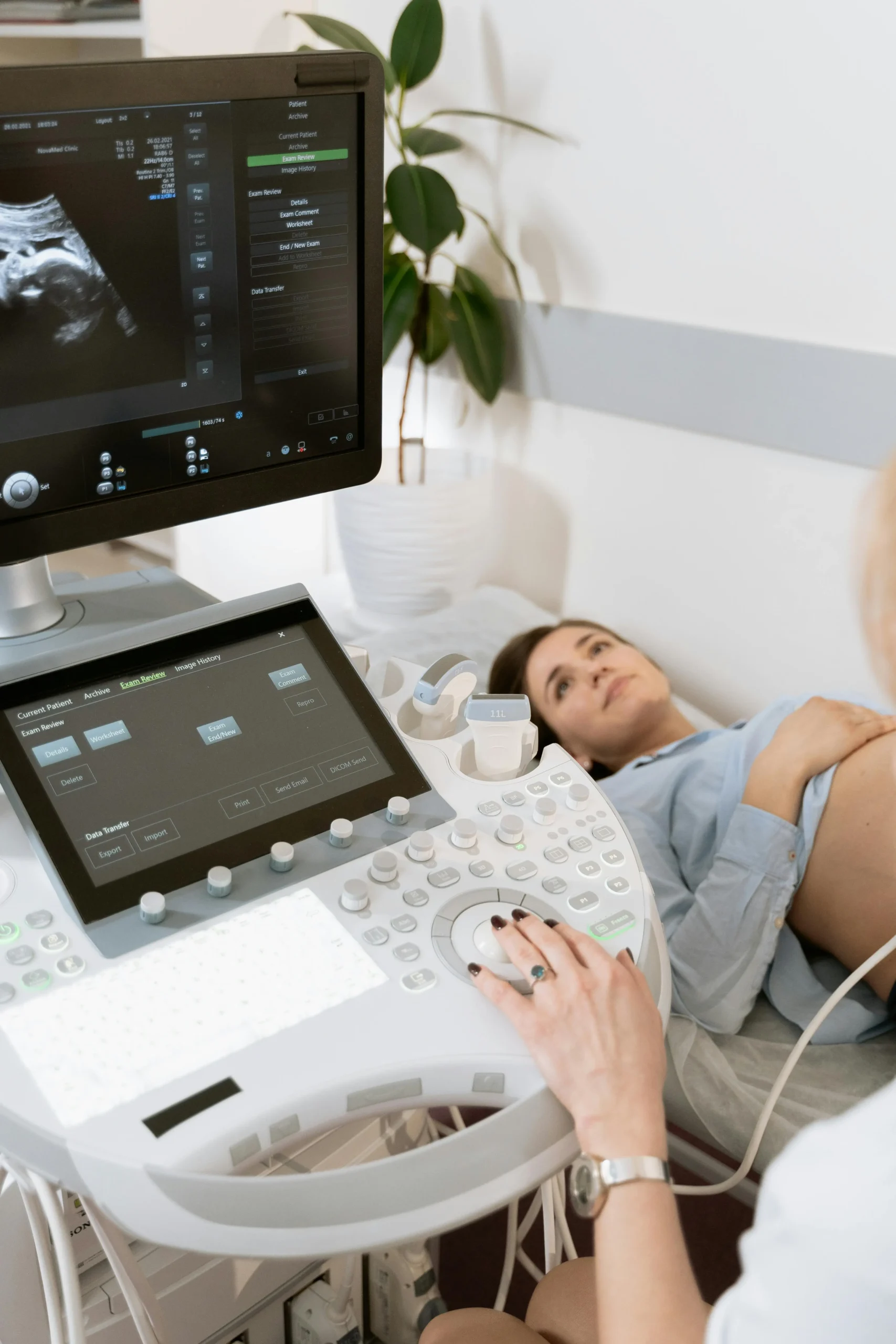
Kidney Ultrasound vs CT Dubai: Which Test? (2026)
Lire la suite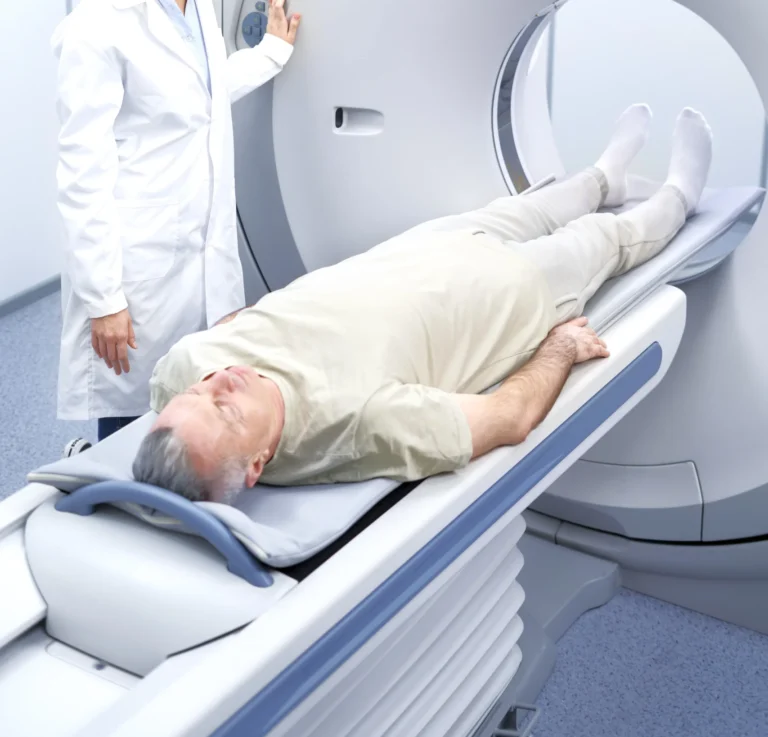
MRI Preparation Dubai: Complete Guide (2026)
Lire la suite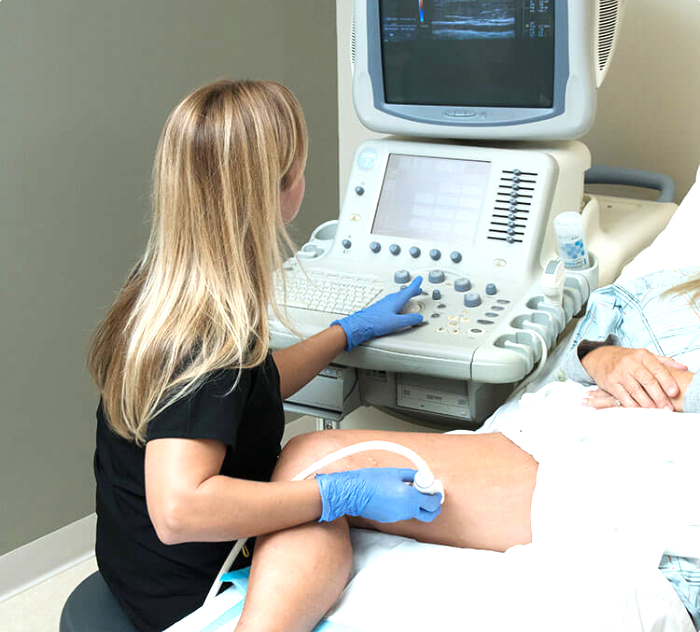
Penile Doppler Dubai: ED Diagnosis Guide (2026)
Lire la suite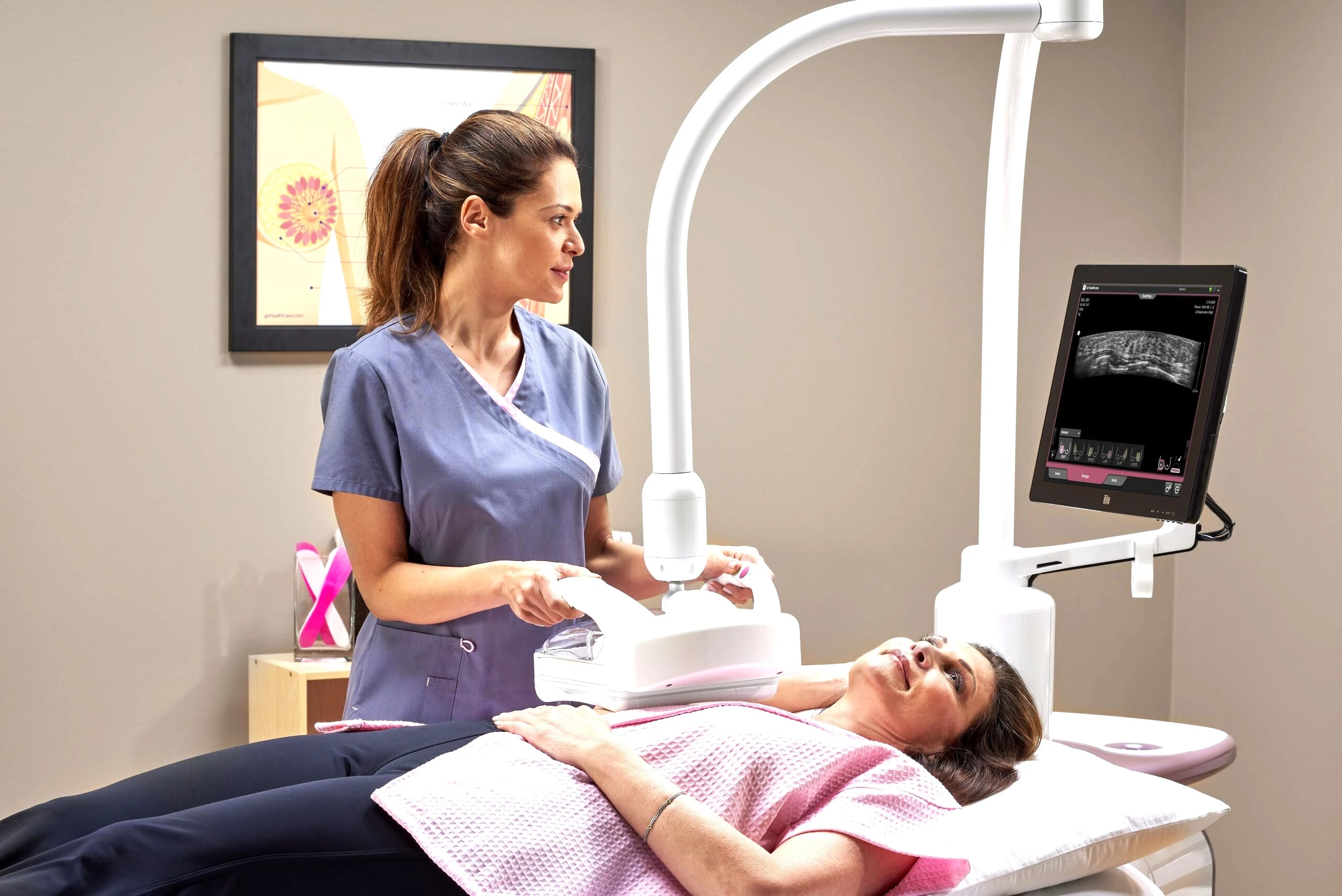
Breast Ultrasound Dubai: Cost & Guide (2026)
Lire la suiteCT Scan Cost Dubai: Prices & Types (2026)
Lire la suite© 2026 Doctors Clinic Diagnostic Center (DCDC), Dubai Healthcare City. Originally published at https://doctorsclinicdubai.ae/blog/abdominal-ct-scan-guide. All rights reserved. Unauthorized reproduction is prohibited.