
I-book ang Iyong Appointment
Mga Na-verify na Review ng Pasyente ng DCDC Diagnostic Center sa Dubai
Mga na-verify na review at totoong kwento ng pasyente mula sa Dubai Healthcare City
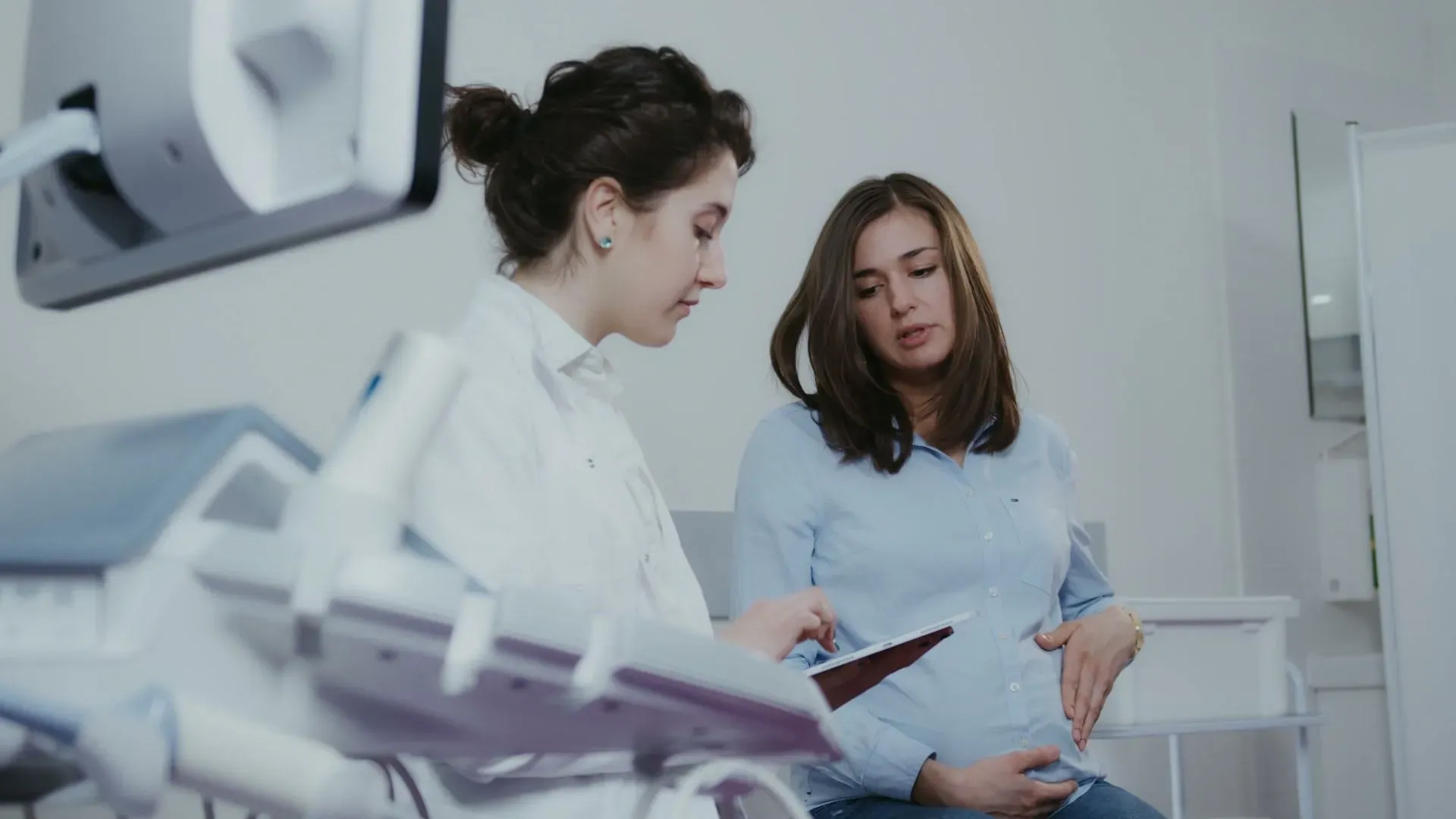
Lubos akong nasiyahan sa medikal na klinikang ito. Dito ko ginawa ang aking unang pregnancy screening. Abot-kaya at napaka-propesyonal. Ang radiologist ay malugod, mabait, at nagpaganda ng karanasan.
Aizhan Tokmanbetova
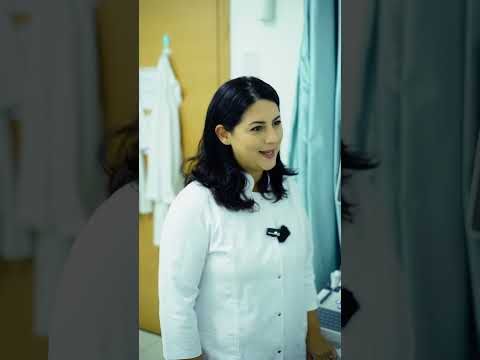
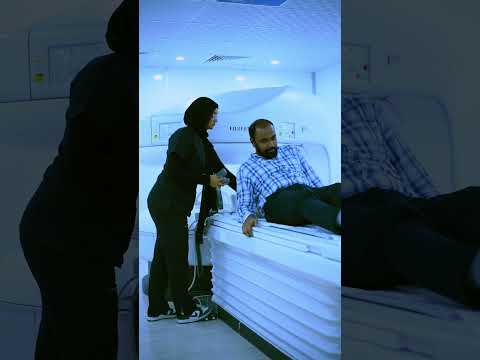
Nasaktan ang tuhod ko noong Biyernes ng gabi at nakakuha ng MRI appointment noong Linggo ng hapon (na-book noong Linggo ng hapon). Naghintay ng mga 2 minuto lang at natapos sa mahigit 30 minuto. Kamangha-mangha, magiliw, at mahusay ang team.
Kirsten Evans
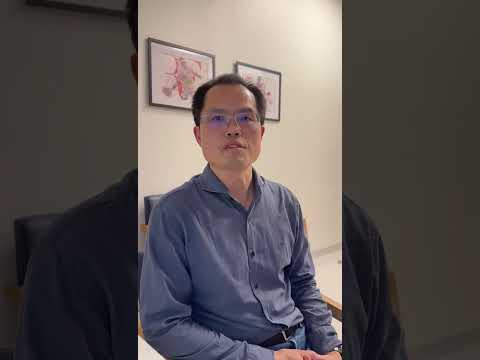
Ang team ni Dr. Osama ay malambot at kamangha-mangha. Pagkatapos ng masamang karanasan sa ibang lugar, ang aking pelvic exam dito ay mas propesyonal. Magandang report at napaka-tumpak.
Mary


Pap Smear Test sa Dubai: Cervical Cancer Screening at HPV Test
Pap at HPV Testing na may Mga Babaeng Espesyalista sa Dubai Healthcare City
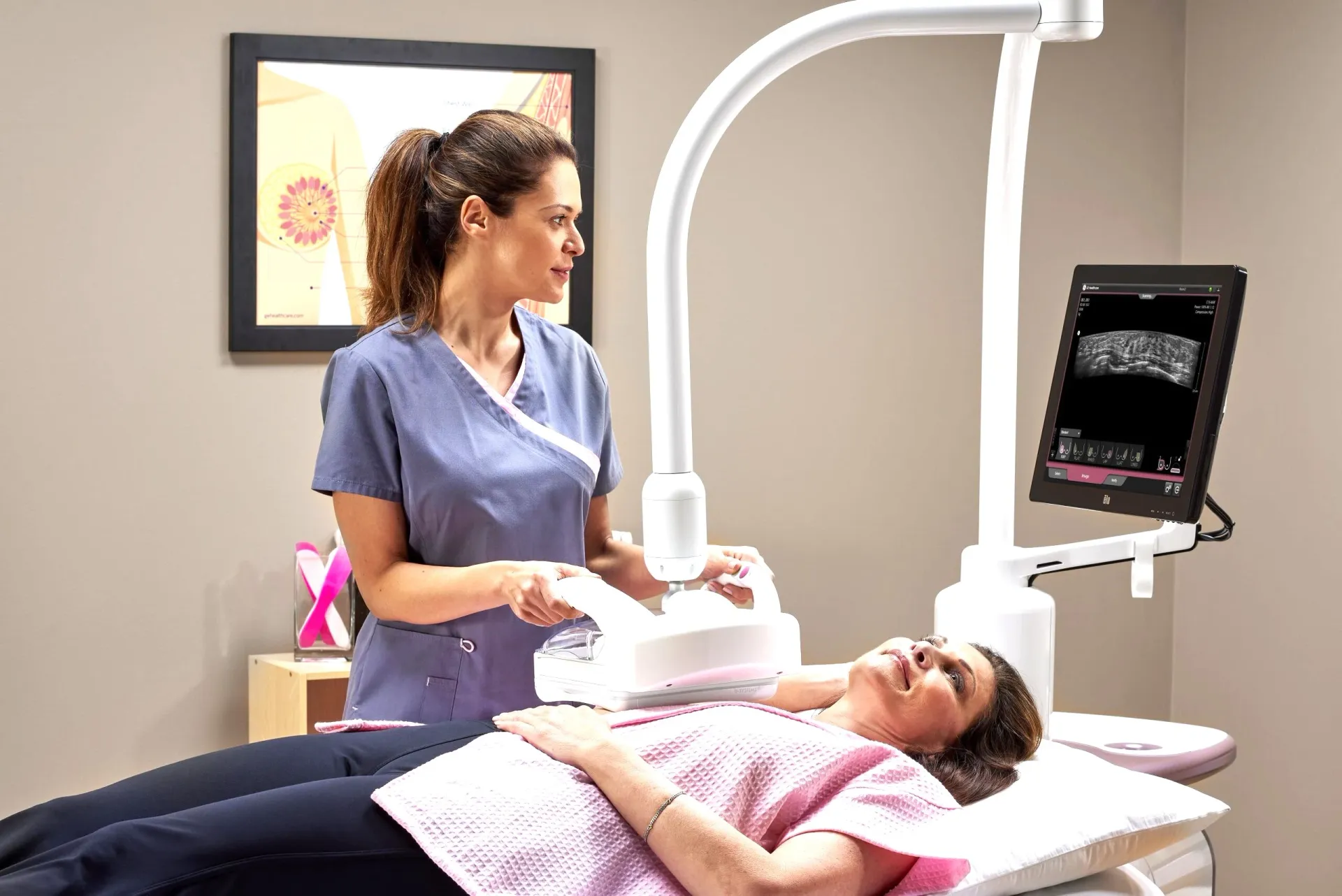
Dalubhasang Pangangalaga
Cervical cancer screening sa DCDC Dubai Healthcare City
Pap smear test sa Dubai Healthcare City. Cervical cancer screening at HPV test na may mga dalubhasang babaeng doktor. Same-day appointments. Mag-book na.
Dalubhasang Pangangalaga
Cervical cancer screening sa DCDC Dubai Healthcare City
Pap Smear Test sa Dubai: Cervical Cancer Screening at HPV Test
Pap at HPV Testing na may Mga Babaeng Espesyalista sa Dubai Healthcare City
Pap smear test sa Dubai Healthcare City. Cervical cancer screening at HPV test na may mga dalubhasang babaeng doktor. Same-day appointments. Mag-book na.

Dr. Parisa Dini
Tuklasin ang Aming mga Serbisyo
Komprehensibong serbisyo sa screening para sa cervical cancer sa DCDC Dubai Healthcare City.
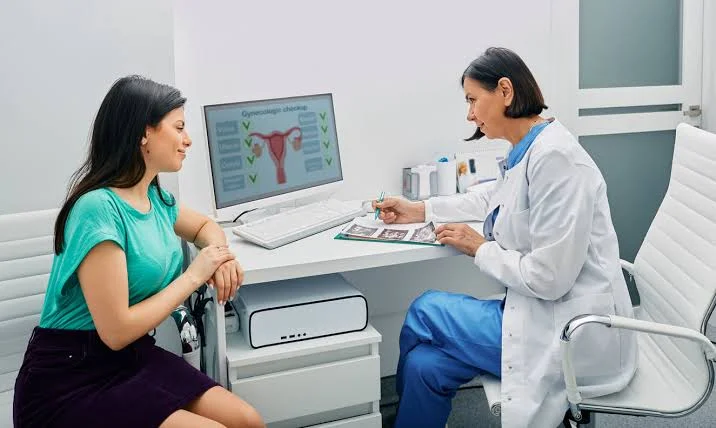
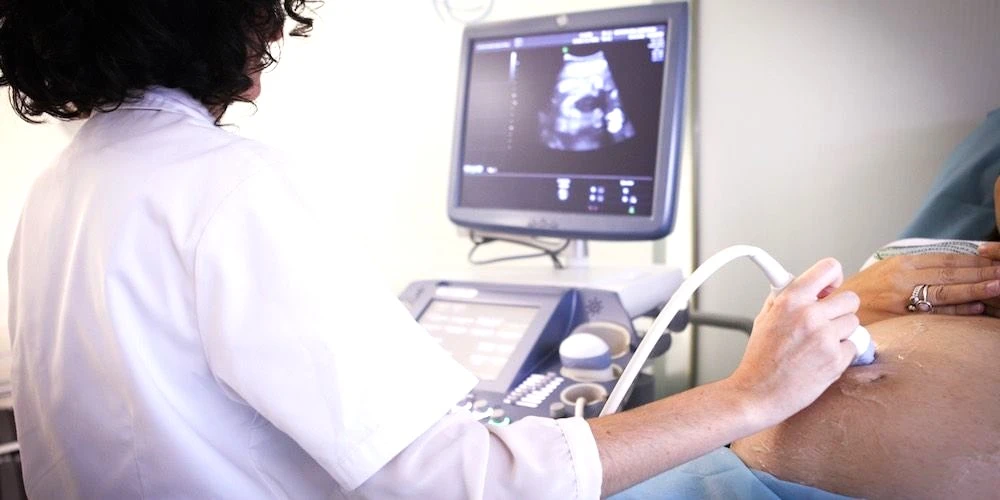

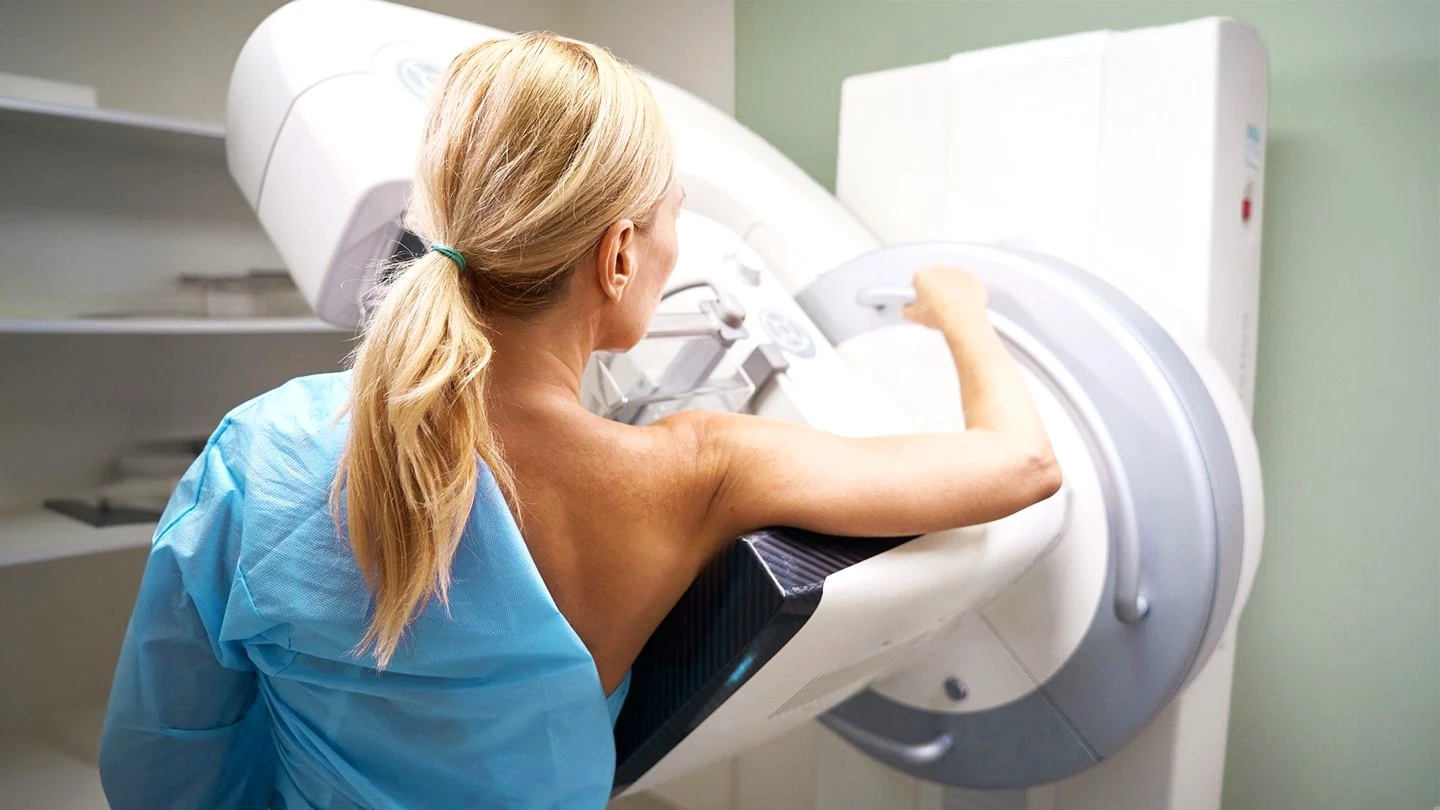
Lahat ng serbisyo ay ginagawa ng mga DHA-licensed na espesyalista
Sino ang Dapat Magpa-screen para sa Cervical Cancer
Mga babaeng sexually active at gustong matukoy agad ang mga sakit.
Women starting at age 21
Every 3 years for ages 21-29
Every 5 years for ages 30-65 (with HPV test)
More frequent if history of abnormal results
Women with weakened immune systems
Women who have never had a Pap smear regardless of age
Bakit Piliin ang DCDC para sa Cervical Cancer Screening
Advanced at ligtas na medikal na pangangalaga
MOHAP Licensed Clinic
Licensed facility in DHCC (MOHAP license NIMY7VY5-240925) following strict clinical and infection control standards.
Female Gynecologists
Experienced female specialists performing Pap and cervical screening with sensitivity and clear explanations.
Same-Day Screening
Same-day Pap/HPV appointments often available; slots are limited. Book early.
Comprehensive Follow-up
Clear next steps for abnormal results, including colposcopy referrals and HPV vaccination guidance.
Prime DHCC Location
Building 64, Block A, our facility with free dedicated parking and easy access.
Private & Confidential
Respectful, discreet screening environment with quick turnaround and communication.
Ang Iyong Komportableng Pagbisita
Isang simple, hakbang-hakbang na proseso ng Cervical scan na dinisenyo para sa kaginhawahan, bilis, at katumpakan.
Presyo ng Cervical Cancer Screening
Ang presyo ng Cervical sa Dubai ay nag-iiba ayon sa uri ng serbisyo at insurance coverage para sa iba't ibang uri ng serbisyo.
- Ang presyo ay nag-iiba ayon sa uri ng scan at kung kailangan ng contrast
- Tinatanggap ang insurance coverage na may referral at verification
- Transparent na self-pay rate na available na may instant na presyo kapag hiniling
Verification ng insurance sa ilang minuto • Walang nakatagong bayad • Mabilis na sagot sa WhatsApp
Gabay para sa Pasyente
Ano ang Aasahan sa Test
Simple at mabilis na procedure na may mga dalubhasang babaeng doktor sa ligtas at private na kapaligiran.
Insurance at Lokasyon
Mga Kasosyo sa Insurance
- •20+ na insurance provider sa Dubai kabilang ang Daman, AXA, ADNIC, at iba pa
- •Suporta sa pre-authorization at direct billing (kung naaangkop)
- •Verification ng coverage bago ang iyong appointment sa aming klinika sa Dubai Healthcare City
- •Transparent na presyo na walang nakatagong bayad para sa mga serbisyo ng cervical cancer screening








Bisitahin Kami sa Dubai Healthcare City
Doctors Clinic Diagnostic Center
Building 64, Block A, Al Razi Medical Complex, Dubai Healthcare City, Dubai, UAE
Malapit sa Oud Metha Road · Madaling puntahan mula sa Bur Dubai, Downtown Dubai, Business Bay · May libreng dedikadong parking
Oras ng Trabaho
Lun-Huw, Sab: 8AM - 10:30PM | Lin: 8:30AM - 10:30PM | Biy: 9AM - 10PM
Paano Gumagana ang Insurance sa DCDC
Suriin ang Coverage
I-verify na sakop ng iyong plano ang Cervical Cancer Screening
Kumuha ng Referral
Ang ilang insurer ay nangangailangan ng GP referral — maaari ka naming gabayan
Pre-Autorisation
Kami ang mag-aasikaso ng pre-auth nang direkta sa iyong insurer
Direktang Pagsingil
Walang bayad sa una — direkta kaming nagbi-bill sa iyong insurer
Co-Pay Lang
Ikaw ay magbabayad lamang ng anumang naaangkop na co-pay sa klinika
Suriin ang Coverage
I-verify na sakop ng iyong plano ang Cervical Cancer Screening
Kumuha ng Referral
Ang ilang insurer ay nangangailangan ng GP referral — maaari ka naming gabayan
Pre-Autorisation
Kami ang mag-aasikaso ng pre-auth nang direkta sa iyong insurer
Direktang Pagsingil
Walang bayad sa una — direkta kaming nagbi-bill sa iyong insurer
Co-Pay Lang
Ikaw ay magbabayad lamang ng anumang naaangkop na co-pay sa klinika
Your Specialist
Dr. Parisa Dini
Specialist OB/GYN
MD, Specialist OB/GYN
English · Persian
Gabay para sa Pasyente
Bakit ang Maagang Screening ng Cervical Cancer ay Nagliligtas ng Buhay?
Ang cervical screening ay naghahayag ng mga pagbabago sa selula bago sila maging kanser, na ginagawang mas epektibo at hindi gaanong invasive ang paggamot.
Ang pagsusuri ng selula (PAP) ay pinagsama sa pagtukoy ng HPV upang magbigay ng pinakamataas na antas ng maagang pagtukoy.
Ang babaeng sumusunod sa regular na iskedyul ng screening ay nagpapababa ng panganib ng advanced cervical cancer ng higit sa 80%.
Ano ang Inihahayag ng Screening
Mga Kaugnay na Artikulo
Pap Smear Test in Dubai: Everything You Need to Know
A comprehensive guide to Pap smear testing, preparation, procedure, and understanding your results.
Women's Health Screening: Essential Tests for Every Age
Discover the key preventive screenings every woman should have, from cervical to breast cancer checks.
Breast Cancer: Early Signs and Symptoms to Watch For
Learn about breast cancer warning signs and the importance of early detection through regular screening.
Obstetrics and Gynecology in Dubai: Comprehensive Care
An overview of the full range of OB-GYN services available at our clinic.
Mga Kaugnay na Serbisyo
Galugarin ang iba pang serbisyo sa diagnostics at konsultasyon na available sa aming klinika sa Dubai Healthcare City.
Mga Madalas Itanong
Mga karaniwang tanong tungkol sa Cervical Cancer Screening sa Dubai.
Nag-aalok kami ng Cervical Cancer Screening sa Dubai Healthcare City. Ang aming team ng mga bihasang espesyalista ay available para sa komprehensibong pagsusuri at konsultasyon. Makipag-ugnayan sa amin para sa karagdagang impormasyon.
Ang tagal ay nag-iiba depende sa bawat indibidwal na kaso. Aabisuhan kayo ng aming team nang maaga tungkol sa eksaktong oras. Makipag-ugnayan sa amin para sa appointment.
Karamihan sa mga pangunahing insurance sa Dubai ay sumasaklaw sa Cervical Cancer Screening. Nag-aalok kami ng direct billing sa mahigit 20 insurance companies, kasama na ang Daman, AXA at Bupa. Makipag-ugnayan sa amin upang suriin ang iyong coverage.
Ibibigay ng aming team ang mga tukoy na tagubilin sa paghahanda bago ang iyong appointment. Sa pangkalahatan, inirerekomenda namin na dalhin ang lahat ng kasalukuyang gamot at mga kaugnay na medikal na rekord.
Sa DCDC, nag-aalok kami ng Cervical Cancer Screening na may mga bihasang espesyalista, makabagong kagamitan at pinakamataas na kalidad ng pangangalaga sa pasyente sa Dubai Healthcare City. Ang aming pasilidad ay lisensyado ng MOHAP at sumusunod sa mahigpit na mga pamantayang pangklinika.
Maaari kang mag-book ng appointment para sa Cervical Cancer Screening sa pamamagitan ng pagtawag sa +971 54 219 5008 o sa pamamagitan ng aming online booking system. Nag-aalok kami ng flexible na mga oras kasama na ang same-day appointments kung available.
Mga Pangunahing Katotohanan
Medikal na Pagsusuri at Pamamahala
Lahat ng serbisyo ay ibinibigay sa ilalim ng pamamahala ng mga lisensyadong propesyonal sa medisina sa aming MOHAP-accredited na pasilidad.