Mga Pangunahing Punto
- Non-contrast CT is the gold standard for kidney stones with 94-98% sensitivity, while ultrasound detects stones with 72-85% sensitivity but uses zero radiation
- Ultrasound is the recommended first-line test for kidney cysts, hydronephrosis, and renal screening because it is safe, affordable, and provides real-time imaging
- CT scan is essential for acute kidney stone emergencies, complex renal masses, and surgical planning where precise anatomical detail is required
- Kidney ultrasound at DCDC starts from AED 399 with no radiation exposure; CT scan starts from AED 600 with results reported within 18-24 hours
- Dubai residents face higher kidney stone risk due to hot climate and dehydration, making choosing the right imaging test crucial for fast, accurate diagnosis
- Subspecialty radiologist interpretation at DCDC catches findings that generalist reads may miss, improving diagnostic accuracy for both ultrasound and CT kidney studies
If your doctor suspects a kidney problem, one of the first decisions is which imaging test to order: a renal ultrasound or a CT scan. Both tests visualise the kidneys, ureters, and surrounding structures, but they use fundamentally different technology and each excels in different clinical scenarios. Making the right choice means faster diagnosis, lower cost, and in many cases avoiding unnecessary radiation. This guide breaks down the evidence behind each modality so you can understand why your doctor recommended one over the other.
Below you will find a side-by-side comparison of kidney ultrasound and CT scan covering accuracy, radiation exposure, cost in Dubai, preparation, and condition-specific recommendations. Whether you are dealing with kidney stones, a renal cyst, chronic kidney disease, or unexplained flank pain, this article provides the clinical evidence you need.



Kidney Ultrasound vs CT Scan: Side-by-Side Comparison
Before diving into the details, this comprehensive comparison table summarises the key differences between renal ultrasound and CT scan. Use it as a quick reference, then read the detailed sections below for the clinical nuance behind each factor.
| Feature | Kidney Ultrasound | CT Scan (Non-Contrast) |
|---|---|---|
| Technology | High-frequency sound waves (no radiation) | X-ray beams with computer reconstruction (ionising radiation) |
| Radiation dose | Zero | 3-10 mSv per study |
| Kidney stone sensitivity | 72-85% (operator-dependent) | 94-98% (gold standard) |
| Kidney stone specificity | 90-100% | 96-100% |
| Hydronephrosis detection | 93-98% (excellent) | 95-100% (excellent) |
| Renal cyst evaluation | Excellent for simple cysts | Better for complex cyst characterisation |
| Renal mass detection | Good for large masses | Superior for small masses and staging |
| Ureteric stone detection | Limited (46% sensitivity) | Excellent (95-100%) |
| Scan duration | 15-20 minutes | 5-10 minutes |
| Preparation required | Full bladder recommended | None for non-contrast; fasting for contrast studies |
| Contrast agent | Not required (optional microbubble contrast) | Iodinated contrast for CT urogram |
| Patient comfort | No pain, no enclosed space, no noise | Quick but involves lying in scanner ring |
| Repeatable safely | Yes, unlimited (no cumulative risk) | Should be limited due to cumulative radiation |
| Safe in pregnancy | Yes (first-line test for pregnant patients) | No (radiation risk to foetus) |
| Safe in kidney failure | Yes (no contrast needed) | Non-contrast CT is safe; iodinated contrast requires caution |
| Real-time imaging | Yes (live anatomical assessment) | No (static cross-sectional images) |
| Cost at DCDC (AED) | From AED 399 | From AED 600 |
Kidney ultrasound and CT scan are complementary tests. Ultrasound is the safer, lower-cost first-line option; CT provides superior detail for stones, masses, and surgical planning.
How Kidney Ultrasound Works
A kidney ultrasound uses high-frequency sound waves (typically 2-5 MHz for abdominal/renal imaging) transmitted through a handheld transducer placed against the skin of the flank and abdomen. These sound waves bounce off internal structures and return to the transducer, where a computer converts them into real-time images of the kidneys, collecting system, and surrounding tissues.
The examination is performed with the patient lying on their side or back. A water-based gel is applied to the skin to improve sound wave transmission. The sonographer systematically images both kidneys in multiple planes, measuring kidney length (normal: 9-12 cm in adults), assessing cortical thickness, and evaluating for hydronephrosis, stones, cysts, or masses. The entire study typically takes 15-20 minutes.
One of ultrasound's greatest strengths is its ability to provide real-time, dynamic imaging. The radiologist can watch blood flow through the renal arteries and veins using Doppler mode, assess the degree of obstruction by observing ureteric jets entering the bladder, and guide needle placement during biopsy or drainage procedures. For a deeper look at blood flow assessment, see our guide on renal Doppler ultrasound.
How CT Scan of the Kidneys Works
A CT (Computed Tomography) scan uses a rotating X-ray tube and detector array to capture hundreds of cross-sectional images of the kidneys and urinary tract. A computer reconstructs these slices into detailed 2D and 3D images that reveal the size, shape, position, and internal structure of the kidneys with exceptional clarity.
For kidney stone evaluation, a non-contrast CT (also called a CT KUB or stone protocol CT) is the standard approach. No intravenous contrast is needed because kidney stones appear as bright white densities against the darker surrounding tissue. The scan takes only 5-10 minutes and requires no special preparation. CT can detect stones as small as 1-2 mm and precisely measures their size, location, and density (Hounsfield units), which helps predict stone composition and guide treatment decisions.
When evaluating renal masses, infections, or vascular abnormalities, a contrast-enhanced CT (CT urogram) is performed. Intravenous iodinated contrast is injected, and images are acquired in multiple phases (pre-contrast, arterial, nephrographic, and excretory) to characterise blood supply, enhancement patterns, and urinary tract anatomy. For more on CT scan types and what they cost in Dubai, visit our CT scan cost guide.
Kidney Stone Detection: Ultrasound vs CT Accuracy
Kidney stones are among the most common reasons for renal imaging, particularly in Dubai where the hot climate increases dehydration and stone formation. The choice between ultrasound and CT has significant implications for diagnostic accuracy.
CT Scan: The Gold Standard for Kidney Stones
Non-contrast CT is widely recognised as the gold standard for kidney stone detection. Systematic reviews report sensitivity of 94-98% and specificity of 96-100%. CT detects stones regardless of their composition (calcium, uric acid, cystine, or struvite) and precisely measures their size and location. The American College of Radiology (ACR) Appropriateness Criteria rate non-contrast CT as the most appropriate initial imaging study for acute flank pain with suspected urolithiasis.
CT also provides critical information that ultrasound cannot: it identifies the exact position of ureteric stones (which cause the most pain and often require intervention), measures stone density to predict composition, and detects alternative diagnoses such as appendicitis, ovarian pathology, or aortic aneurysm that may mimic kidney stone symptoms.
Ultrasound: Radiation-Free Stone Detection
Renal ultrasound detects kidney stones with a sensitivity of 72-85% and specificity of 90-100%, though performance varies significantly with operator experience and patient body habitus. Ultrasound excels at detecting stones within the kidney itself (renal pelvis and calyces) but has limited ability to visualise ureteric stones, with sensitivity as low as 46% for mid-ureteric calculi.
However, ultrasound's indirect signs of obstruction are highly reliable. The detection of hydronephrosis (swelling of the kidney's collecting system due to blocked urine flow) has a sensitivity of 93-98%, making ultrasound an excellent screening tool. If ultrasound shows hydronephrosis without a visible stone, a follow-up CT can then be performed to locate the obstructing calculus. For a comprehensive look at kidney stone causes and treatments in Dubai, see our kidney stones treatment guide.
When Ultrasound Is the Better Choice for Kidney Imaging
Despite CT's superiority for stone detection, there are numerous clinical scenarios where kidney ultrasound is the preferred or recommended first-line test:
- Initial screening for kidney problems: When kidney disease is suspected but not yet characterised, ultrasound provides a safe, comprehensive overview of kidney size, shape, cortical thickness, and echogenicity without radiation
- Simple renal cyst evaluation: Ultrasound accurately identifies and classifies simple renal cysts (Bosniak I), which are almost always benign and require no follow-up
- Hydronephrosis detection: With 93-98% sensitivity, ultrasound is highly reliable for detecting urinary tract obstruction and is often the first test ordered for patients with suspected blockage
- Chronic kidney disease monitoring: Patients with CKD require serial imaging to monitor kidney size and progression. Ultrasound is ideal because it involves no radiation and no nephrotoxic contrast agents
- Pregnant patients: Ultrasound is the only recommended first-line imaging modality for kidney problems during pregnancy, as CT radiation poses risk to the developing foetus
- Paediatric patients: Children are more sensitive to radiation. Ultrasound is the preferred initial test for kidney evaluation in children and adolescents
- Patients with kidney failure: Iodinated CT contrast can worsen kidney function. Non-contrast ultrasound safely evaluates the kidneys without any risk to remaining renal function
- Follow-up of known stones: For patients with a known history of kidney stones who need serial monitoring, ultrasound avoids the cumulative radiation of repeated CT scans
- Renal blood flow assessment: Doppler ultrasound evaluates renal artery stenosis, renal vein thrombosis, and transplant kidney perfusion, none of which CT can assess without contrast
- Image-guided procedures: Kidney biopsies, cyst aspirations, and nephrostomy placements are performed under real-time ultrasound guidance
When CT Scan Is the Better Choice for Kidney Imaging
CT is preferred or necessary in the following clinical situations where its superior resolution and diagnostic accuracy provide essential information:
- Acute renal colic (sudden severe flank pain): Non-contrast CT is the standard of care for acute flank pain with suspected kidney stones. It identifies the stone, locates it precisely, and rules out alternative diagnoses
- Ureteric stones: Stones lodged in the ureter (the tube connecting kidney to bladder) are poorly seen on ultrasound but clearly visible on CT
- Surgical planning for stone removal: Before lithotripsy (ESWL) or ureteroscopy, CT provides the precise stone measurements, density, and anatomical relationships needed for treatment planning
- Complex renal masses: When ultrasound identifies a suspicious solid mass or complex cyst, CT with contrast is needed to characterise the lesion, assess enhancement patterns, and stage potential renal cell carcinoma
- Renal trauma: After abdominal injury, contrast-enhanced CT rapidly assesses kidney lacerations, vascular injuries, and urine leaks
- Renal artery aneurysm or dissection: CT angiography provides detailed vascular mapping of the renal arteries
- Pre-surgical anatomical mapping: Before partial nephrectomy or donor nephrectomy, CT precisely maps renal vasculature, collecting system anatomy, and tumour extent
- Inconclusive ultrasound: When ultrasound findings are unclear (due to patient body habitus, bowel gas, or equivocal findings), CT provides a definitive answer
Condition-Specific Recommendations: Which Test for Which Problem
The ideal imaging choice depends on the specific kidney condition being evaluated. Here is what clinical guidelines and radiological evidence recommend for the most common renal conditions:
| Kidney Condition | Recommended First Test | When to Add the Other Test |
|---|---|---|
| Acute kidney stone (first episode, severe pain) | Non-contrast CT | Ultrasound only if CT unavailable or patient is pregnant |
| Recurrent kidney stones (monitoring) | Ultrasound | CT if ultrasound is inconclusive or stone burden assessment needed |
| Simple renal cyst | Ultrasound | CT only if cyst appears complex (Bosniak IIF or higher) |
| Suspected renal mass or tumour | Ultrasound (screening) | CT with contrast for characterisation and staging |
| Chronic kidney disease (CKD) | Ultrasound | CT rarely needed; avoid iodinated contrast if eGFR is low |
| Haematuria (blood in urine) | Ultrasound + CT urogram | Both are often ordered together for comprehensive evaluation |
| Urinary tract obstruction | Ultrasound | CT if obstruction is confirmed but cause is unclear |
| Renal artery stenosis | Doppler ultrasound | CT angiography if Doppler is inconclusive or surgery is planned |
| Kidney infection (pyelonephritis) | Ultrasound | CT if abscess or complicated infection is suspected |
| Polycystic kidney disease (PKD) | Ultrasound | MRI preferred over CT for volume measurement and monitoring |
| Kidney trauma | Contrast-enhanced CT | Ultrasound for FAST exam in emergency department |
| Pre-operative kidney assessment | CT with contrast | Ultrasound for basic assessment if CT contraindicated |
This table reflects current ACR Appropriateness Criteria and published evidence-based guidelines. Your doctor may modify the approach based on your specific clinical circumstances.
Understanding the stages of kidney disease and their implications for imaging is important. Our detailed CKD stages guide explains how kidney function levels influence which tests are safe and recommended.
Radiation Exposure: Understanding the Risks
One of the most significant differences between kidney ultrasound and CT scan is radiation exposure. Ultrasound uses zero ionising radiation, making it inherently safe for all patients regardless of age, pregnancy status, or how many times the test is repeated. This radiation-free advantage is one of the primary reasons ultrasound remains the first-line imaging tool for many kidney conditions.
A non-contrast CT of the kidneys delivers approximately 3-10 mSv of radiation, depending on the protocol and the patient's body size. To put this in perspective, this is equivalent to roughly 1-3 years of natural background radiation exposure. While a single CT scan poses minimal risk, the concern arises with repeated imaging. Patients with recurrent kidney stones, for example, may undergo multiple CT scans over their lifetime. Modern low-dose CT protocols have reduced radiation by up to 84% while maintaining diagnostic sensitivity above 90%, but ultrasound monitoring remains the safer long-term option for stone surveillance.
For certain populations, radiation avoidance is especially important. Children have more actively dividing cells and a longer remaining lifespan in which radiation effects could manifest. Pregnant women must avoid CT to protect the developing foetus. Young adults with recurrent stones should discuss with their doctor whether ultrasound surveillance is appropriate between acute episodes to minimise lifetime radiation dose.
Cost Comparison: Kidney Ultrasound vs CT Scan in Dubai
Cost is a practical consideration for patients in Dubai, whether paying out-of-pocket or with insurance co-payments. The price difference between kidney ultrasound and CT scan reflects differences in equipment costs, scan complexity, and whether contrast material is required.
| Test Type | DCDC Price (AED) | Dubai Market Range (AED) | Contrast Needed? |
|---|---|---|---|
| Kidney ultrasound (renal US) | From AED 399 | AED 300 - 600 | No |
| Renal Doppler ultrasound | From AED 500 | AED 400 - 800 | No |
| Non-contrast CT KUB (stone protocol) | From AED 600 | AED 500 - 1,500 | No |
| CT urogram (with contrast) | From AED 900 | AED 800 - 2,500 | Yes (iodinated IV contrast) |
| CT abdomen and pelvis with contrast | From AED 1,000 | AED 900 - 3,000 | Yes (iodinated IV contrast) |
Prices reflect 2026 rates. DCDC offers direct billing with 20+ insurance partners. Contrast-enhanced studies incur additional cost for the contrast material and pre-scan blood work.
At DCDC, kidney ultrasound starts from AED 399, while CT scan starts from AED 600. Both are covered by most major insurance plans with direct billing available through our 20+ insurance partners. For a comprehensive comparison of ultrasound pricing across different body regions, see our ultrasound cost guide. If you need pricing details for CT studies, our CT scan cost guide covers all scan types.
Book Your Kidney Imaging at DCDC
Same-day appointments available for both kidney ultrasound and CT scan. Subspecialty radiologist interpretation. Results within 18-24 hours, same-day for urgent cases. Direct insurance billing with 20+ partners.
What to Expect at DCDC: Your Kidney Imaging Experience
Whether you are coming for a kidney ultrasound or a CT scan, DCDC in Dubai Healthcare City provides a streamlined, patient-centred experience from arrival to results. Here is what to expect for each type of scan:
Kidney Ultrasound at DCDC
Before your appointment: You may be asked to drink water and arrive with a comfortably full bladder, as this helps visualise the lower ureters and bladder. No fasting is required. Wear loose, comfortable clothing. During the scan: You will lie on an examination bed in a private room. The sonographer applies warm gel to your abdomen and flanks, then moves a handheld transducer over the skin. You may be asked to turn onto your side, take a deep breath, or hold your breath briefly to optimise image quality. The scan is completely painless and takes approximately 15-20 minutes. After the scan: You can resume all normal activities immediately. There is no recovery time. Your images are interpreted by a subspecialty radiologist, and results are typically available within 18-24 hours via the digital patient portal. Urgent findings are communicated to your referring doctor the same day.
CT Scan of the Kidneys at DCDC
Before your appointment: For a non-contrast CT (stone protocol), no preparation is needed. For contrast-enhanced CT, you will need to fast for 4 hours before the scan and may need a recent blood test to check kidney function (eGFR/creatinine). During the scan: You lie on the CT table, which slides through the scanner ring. DCDC's multi-slice CT scanner captures detailed cross-sectional images in just 5-10 minutes. If contrast is used, a small IV line is placed and you may feel a brief warm sensation when the contrast is injected. After the scan: For non-contrast studies, you can leave immediately. If contrast was used, you are monitored briefly and advised to drink extra fluids. Results are interpreted by a subspecialty radiologist and available within 18-24 hours, with same-day reporting for urgent cases.
DCDC is located in Building 64, Block A, Al Razi Medical Complex, Dubai Healthcare City. Free parking is available. Opening hours are Saturday to Thursday 8 AM to 10 PM, and Friday 9 AM to 9 PM. Same-day appointments are available for both kidney ultrasound and CT scan.
Why Subspecialty Radiologist Interpretation Matters
The accuracy of any imaging test depends not only on the technology but critically on who reads the images. At DCDC, all kidney ultrasound and CT studies are interpreted by subspecialty-trained radiologists, not general practitioners or technicians. This distinction makes a meaningful difference in diagnostic accuracy.
"Kidney imaging often contains subtle findings that require subspecialty training to detect and interpret correctly. A small renal cortical lesion that a generalist might dismiss as a simple cyst could represent an early-stage renal cell carcinoma when carefully evaluated with our imaging protocols. Similarly, subtle asymmetry in kidney perfusion on Doppler may indicate early renal artery stenosis. My subspecialty training in diagnostic radiology means I apply systematic, evidence-based protocols to every kidney study, ensuring that clinically significant findings are identified and communicated to the referring physician promptly," explains Dr. Osama Elzamzami, MD, FRCR, Subspecialty Radiologist at DCDC.
DCDC uses state-of-the-art ultrasound equipment and a multi-slice CT scanner, both of which produce high-resolution images that enable the subspecialty radiologist to detect smaller and more subtle abnormalities. Combined with DCDC's 4.8/5 Google rating from 1,000+ verified reviews and 98% patient satisfaction rate, patients can be confident in both the technology and the expertise behind their results.
When You Need Both Ultrasound and CT
In many clinical scenarios, ultrasound and CT are not competitors but complementary tests that together provide a more complete picture of kidney health. Your doctor may order both tests in the following situations:
- Haematuria workup: Blood in the urine requires both ultrasound (to assess the kidneys and bladder) and CT urogram (to evaluate the ureters and rule out urothelial malignancy). This combination is the standard of care for patients over 40 with unexplained haematuria
- Complex renal cyst characterisation: Ultrasound may identify a cyst with internal echoes or septations. CT with contrast then classifies the cyst using the Bosniak system to determine whether it needs monitoring, biopsy, or surgery
- Kidney stone with infection: Ultrasound is used first to confirm hydronephrosis and guide emergency nephrostomy placement, while CT identifies the obstructing stone's exact location and size for definitive treatment planning
- Renal transplant evaluation: Doppler ultrasound monitors blood flow and detects complications such as rejection or renal artery stenosis, while CT may be needed for vascular mapping or complex post-operative complications
- Equivocal ultrasound findings: If ultrasound findings are uncertain (borderline hydronephrosis, unclear mass versus prominent column of Bertin), CT resolves the question definitively
Kidney Stones in Dubai: Why Choosing the Right Test Matters
Dubai and the broader UAE region have one of the highest rates of kidney stone disease in the world. The hot, arid climate causes significant fluid loss through perspiration, leading to concentrated urine and increased crystal formation. Studies estimate that kidney stone prevalence in the Gulf region is 2-3 times higher than in temperate climates, with an estimated 1 in 5 adults experiencing at least one stone episode.
For Dubai residents, this elevated risk makes choosing the right kidney imaging test particularly important. A first-time acute stone episode with severe flank pain generally warrants CT for its superior diagnostic accuracy and ability to guide treatment decisions. However, for patients with known recurrent stones who need periodic monitoring, repeated CT scans would deliver unnecessary cumulative radiation. In these cases, alternating between ultrasound surveillance and selective CT when clinically indicated is the evidence-based approach.
Laboratory testing also plays an important role alongside imaging. A kidney function test (blood creatinine and eGFR) helps assess whether kidney stones have caused any functional damage and determines whether contrast-enhanced CT is safe to perform. At DCDC, both imaging and laboratory services are available under one roof, allowing your doctor to get a complete picture from a single visit.
DCDC Pricing, Insurance, and Booking
DCDC offers transparent, competitive pricing for all kidney imaging studies. Kidney ultrasound starts from AED 399 and CT scan starts from AED 600, with direct billing available for patients insured with any of DCDC's 20+ insurance partners. Out-of-pocket patients benefit from straightforward pricing with no hidden fees.
- Location: Building 64, Block A, Al Razi Medical Complex, Dubai Healthcare City
- Hours: Saturday to Thursday 8 AM - 10:30 PM, Friday 9 AM - 10 PM
- Google Rating: 4.8/5 from 1,000+ verified reviews
- Patient satisfaction: 98% satisfaction rate
- Licensing: MOHAP licensed facility
- Insurance: 20+ partners with direct billing
- Parking: Free parking available
- Results: 18-24 hours standard, same-day for urgent cases
- Portal: Digital patient portal for accessing results online
- Equipment: Multi-slice CT scanner and state-of-the-art ultrasound equipment
- Additional imaging: Siemens 1.5T wide-bore MRI also available if further evaluation is needed
Schedule Your Kidney Imaging Today
At Doctors Clinic Diagnostic Center (DCDC) in Dubai Healthcare City, our subspecialty radiologists use advanced imaging technology to deliver accurate, timely kidney diagnoses. Same-day appointments, direct insurance billing, and results within 18-24 hours.
Kidney Ultrasound vs CT Scan: Quick Decision Guide
To summarise the clinical decision-making process, use the following guide. Remember that your doctor's recommendation takes priority, as they have access to your full medical history and clinical context.
- Choose ultrasound first if: You need a general kidney assessment, are pregnant, are a child or young adult, have chronic kidney disease, need to monitor known cysts, want to avoid radiation, or need a cost-effective screening test
- Choose CT first if: You have acute severe flank pain with suspected stones, need pre-surgical planning, have a suspicious renal mass requiring characterisation, experienced kidney trauma, or had an inconclusive ultrasound
- You may need both if: You have blood in your urine, a complex renal cyst, stones with infection, or your ultrasound findings need CT confirmation
- Consider MRI instead if: You are pregnant and ultrasound is inconclusive, have contrast allergy preventing CT, or have a complex cystic lesion requiring detailed soft tissue characterisation. For information on how CT and MRI differ more broadly, see our CT vs MRI comparison guide
Kaugnay na Serbisyo sa DCDC
Dalubhasang pangangalaga at advanced diagnostics sa Dubai Healthcare City
Frequently Asked Questions
Final Thoughts
Kidney ultrasound and CT scan are both essential tools in renal imaging, each with distinct advantages. Ultrasound offers a safe, radiation-free, cost-effective first-line assessment ideal for screening, monitoring, and evaluating patients who cannot receive radiation or contrast. CT delivers superior diagnostic accuracy for kidney stones, complex masses, and emergency presentations where speed and precision are paramount.
The right choice depends on your specific clinical situation: the suspected condition, your medical history, pregnancy status, kidney function, and whether you have had previous imaging. In many cases, the two tests complement each other, with ultrasound serving as the initial screening tool and CT providing definitive characterisation when needed.
At Doctors Clinic Diagnostic Center (DCDC) in Dubai Healthcare City, both kidney ultrasound and CT are available with subspecialty radiologist interpretation, ensuring that your imaging study is not only technically excellent but expertly analysed. With same-day appointments, direct insurance billing, and results within 18-24 hours, DCDC makes kidney imaging accessible, accurate, and convenient for all Dubai residents.
Mga Sanggunian at Reperensya
Ang artikulong ito ay sinuri ng aming medikal na team at tumutukoy sa mga sumusunod na sanggunian:
- American College of Radiology - Appropriateness Criteria: Acute Onset Flank Pain
- RadiologyInfo.org - Renal (Kidney) Ultrasound
- National Institutes of Health (PMC) - Renal Relevant Radiology: Use of Ultrasound in Kidney Disease
- Mayo Clinic - Kidney Stones Diagnosis and Treatment
- European Association of Urology - Guidelines on Urolithiasis
- NICE - Renal and Ureteric Stones: Assessment and Management
Ang medikal na nilalaman sa site na ito ay sinusuri ng mga DHA-licensed na manggagamot. Tingnan ang aming patakarang editorial para sa higit pang impormasyon.

Isinulat ni
Dr. Osama Elzamzami
Diagnostic Radiologist
MD, FRCR
Dr. Osama Elzamzami is a Diagnostic Radiologist at Doctors Clinic Diagnostic Center (DCDC) in Dubai Healthcare City.
Related Articles
Kidney Stones Dubai: Causes & Treatment (2026)
![Ultrasound Cost Dubai: AED 300-800 by Type [2026 Prices]](/wp-media/blog/ultrasound-scan-guide.webp)
Ultrasound Cost Dubai: AED 300-800 by Type [2026 Prices]
CT Scan Cost Dubai: Prices & Types (2026)
Renal Doppler Ultrasound: Kidney Blood Flow (2026)
Higit pa sa Diagnostic Imaging
CT Scan Cost Dubai: Prices & Types (2026)
Basahin Pa
DEXA Scan Dubai: Cost, T-Score & Who Needs It (2026)
Basahin Pa![Full Body MRI Cost Dubai: AED 5,000-15,000 [2026]](/wp-media/blog/full-body-mri-scan.webp)
Full Body MRI Cost Dubai: AED 5,000-15,000 [2026]
Basahin Pa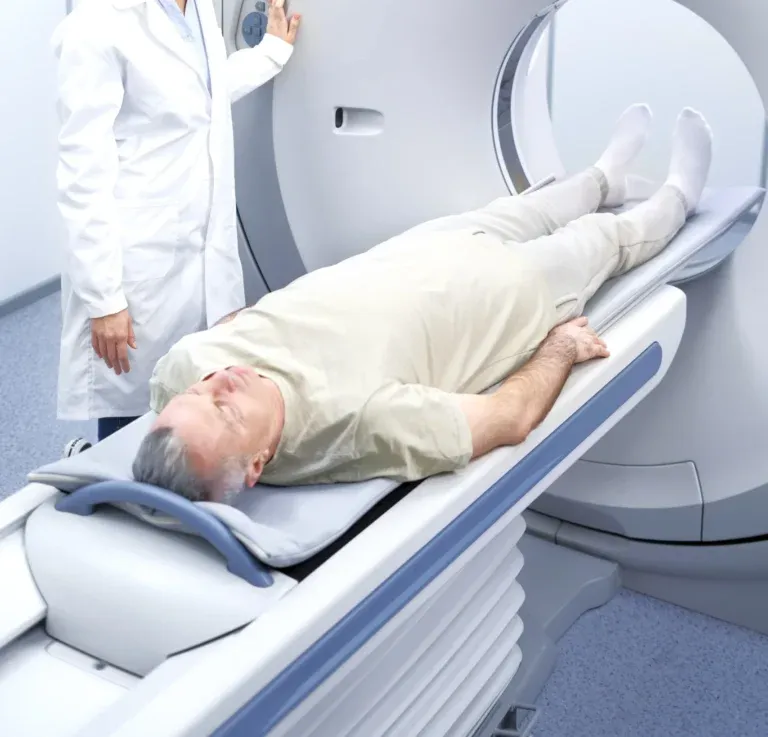
MRI Preparation Dubai: Complete Guide (2026)
Basahin Pa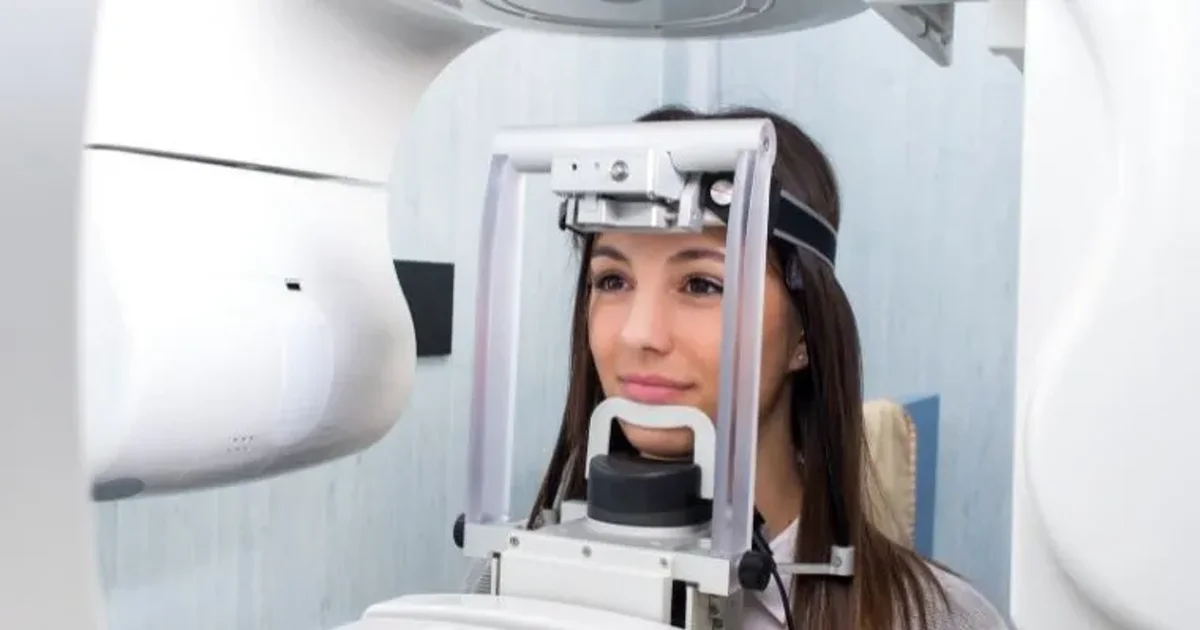
CBCT Scan: 3D Dental Imaging Guide Dubai (2026)
Basahin Pa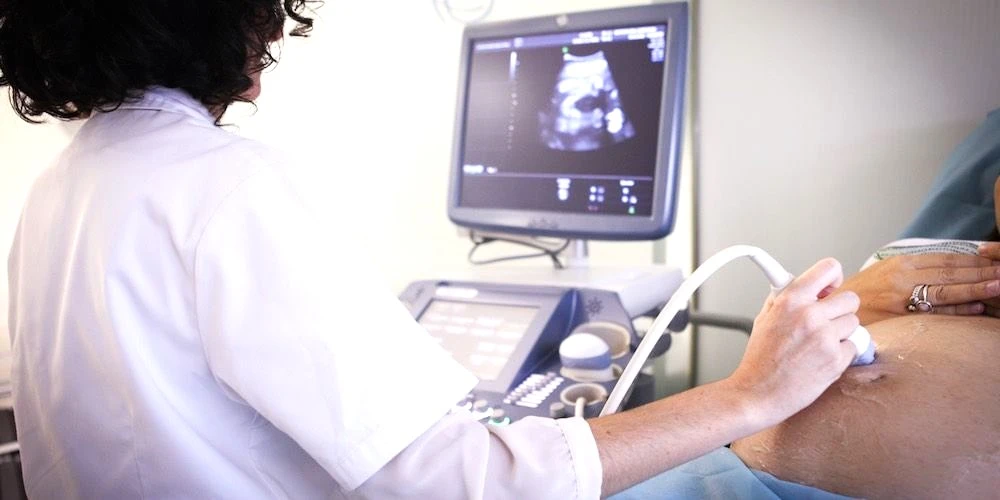
Ultrasound Preparation Dubai: What to Expect (2026)
Basahin Pa© 2026 Doctors Clinic Diagnostic Center (DCDC), Dubai Healthcare City. Originally published at https://doctorsclinicdubai.ae/blog/kidney-ultrasound-vs-ct-scan-dubai. All rights reserved. Unauthorized reproduction is prohibited.