Mga Pangunahing Punto
- A kidney function test (KFT) measures creatinine, blood urea nitrogen (BUN), estimated GFR, electrolytes (sodium, potassium, bicarbonate, chloride), and sometimes uric acid — together these markers reveal how effectively your kidneys are filtering waste and maintaining the body's chemical balance
- KFT testing in Dubai costs from AED 99 for a basic panel (creatinine + BUN) to AED 149–350 for a comprehensive renal panel with eGFR and full electrolytes — DCDC offers DHA-regulated pricing with same-day results
- The UAE has one of the highest rates of diabetes and hypertension in the world — the two leading causes of chronic kidney disease (CKD). More than 850 million people worldwide have CKD and the vast majority are undiagnosed
- Chronic kidney disease has five stages based on eGFR: Stage 1 (eGFR ≥90) to Stage 5 (eGFR <15, kidney failure). Most people have no symptoms until Stage 3 or later — making routine KFT screening critically important
- No fasting is required for most kidney function tests — however, staying well hydrated before the blood draw ensures the most accurate creatinine and GFR readings
- CKD detected at Stages 1 to 3 can often be slowed or stabilised with blood pressure control, optimised diabetes management, and lifestyle changes — early detection through annual KFT screening is the most effective preventive tool available
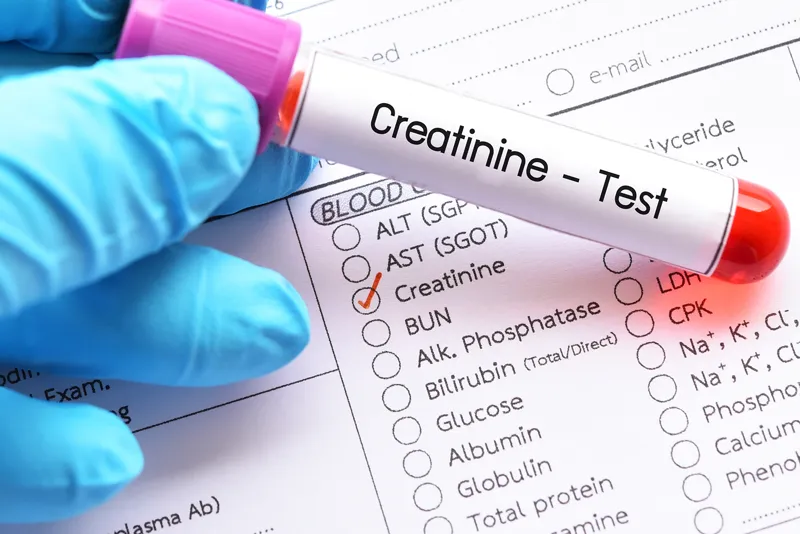
Your kidneys perform one of the most demanding jobs in the body — filtering approximately 180 litres of blood every single day to remove waste products, regulate fluid balance, control blood pressure, and maintain the precise chemical composition that keeps every organ functioning. Despite this critical role, kidney disease develops silently, producing no noticeable symptoms until a significant proportion of function has already been permanently lost. A kidney function test (KFT) is a straightforward blood test that can detect kidney damage, impaired filtration, and electrolyte imbalances at their earliest and most treatable stage. Whether you have risk factors for kidney disease or simply want a comprehensive preventive screen, our blood testing services at DCDC offer kidney function testing from AED 99 with same-day results in Dubai Healthcare City.
This comprehensive guide covers everything you need to know about kidney function testing in Dubai: what each KFT marker measures, normal reference ranges, how to read your eGFR, the five stages of chronic kidney disease, how to prepare for the test, how much it costs, and when you should be tested. Reviewed by Dr. Hadi Nobakht, Specialist Internal Medicine at DCDC Dubai Healthcare City.
Health Screening Packages
Save with our bundled screening packages — specialist consultation included






What Is a Kidney Function Test (KFT)?
A kidney function test — also called a renal function test, renal panel, or comprehensive metabolic panel (CMP) — is a group of blood tests that evaluate how effectively your kidneys are filtering waste products from the blood and maintaining the body's fluid and electrolyte balance. No single marker tells the complete story of kidney health, but together a panel of creatinine, BUN, eGFR, and electrolytes provides a clinically comprehensive and actionable picture.
The kidneys are two bean-shaped organs located in the posterior abdomen, one on each side of the spine. Each kidney contains approximately one million tiny filtering units called nephrons. Blood enters each nephron at high pressure; waste products, excess electrolytes, and water are filtered out and excreted as urine, while essential proteins, blood cells, and needed minerals are retained. When nephrons are damaged — most commonly by diabetes, chronic hypertension, or prolonged use of nephrotoxic drugs — filtration efficiency declines progressively, and waste products begin to accumulate in the bloodstream.
A KFT requires only a small blood sample drawn from a vein in your arm. Some comprehensive kidney assessments also include a urine test — either a urinalysis or a urine albumin-to-creatinine ratio (ACR) — to detect protein leaking through damaged kidney filters. At DCDC Dubai Healthcare City, standard KFT blood results are available the same day from our on-site MOHAP-licensed laboratory.
KFT Markers Explained: What Each Test Measures
A comprehensive kidney function test evaluates multiple markers, each revealing a different aspect of renal health. Here is what each one means and why it matters clinically:
Creatinine
Creatinine is a waste product generated continuously and at a relatively constant rate by muscle metabolism. Because the kidneys filter virtually all creatinine from the blood, blood creatinine levels are a reliable, reproducible indicator of kidney filtration efficiency. Rising creatinine means declining kidney function — the kidneys are no longer clearing waste as effectively as they should. Normal ranges differ between men (0.7–1.3 mg/dL) and women (0.6–1.1 mg/dL) because men typically have greater muscle mass and therefore produce more creatinine. Creatinine is the cornerstone of KFT assessment and is the primary input for calculating estimated GFR.
eGFR (Estimated Glomerular Filtration Rate)
The estimated GFR is calculated from your serum creatinine level, age, and sex using a validated equation (the 2021 CKD-EPI equation is now the international standard). It estimates how many millilitres of blood your kidneys can filter per minute. eGFR is the single most clinically important number in kidney health — it is used to stage chronic kidney disease, guide medication dosing, and determine when specialist nephrology referral or dialysis planning is required. A normal eGFR is 90 mL/min/1.73m² or above.
BUN (Blood Urea Nitrogen)
Urea is a waste product formed in the liver from the breakdown of dietary and body protein. It is filtered by the kidneys and excreted in urine. Elevated BUN indicates that the kidneys are not clearing urea efficiently — but BUN is less specific to kidney function than creatinine, because BUN also rises with dehydration, high protein intake, gastrointestinal bleeding, steroid use, and muscle catabolism even when the kidneys are functioning normally. The BUN-to-creatinine ratio helps distinguish renal causes (ratio 10–20) from pre-renal causes such as dehydration (ratio >20). Normal BUN is 7–20 mg/dL.
Electrolytes: Sodium, Potassium, Bicarbonate, Chloride
The kidneys are the primary regulators of the body's electrolyte composition and acid-base balance. Abnormal electrolyte levels frequently accompany declining kidney function and can directly threaten cardiac rhythm and cellular function. Potassium (normal: 3.5–5.0 mEq/L) is the most critical — hyperkalaemia (elevated potassium, above 5.5 mEq/L) from CKD can precipitate life-threatening arrhythmias and is one of the most dangerous complications of advanced kidney disease. Sodium (normal: 136–145 mEq/L) reflects fluid balance. Bicarbonate (normal: 22–29 mEq/L) indicates acid-base status — low bicarbonate (metabolic acidosis) is very common in moderate-to-advanced CKD. Chloride (98–107 mEq/L) balances sodium and contributes to acid-base assessment.
Uric Acid
Uric acid is a breakdown product of purines, which are found in meat, organ meats, shellfish, and alcohol. The kidneys filter approximately 70% of all uric acid produced each day. When kidney function declines, uric acid accumulates — and conversely, chronically elevated uric acid itself damages kidney tubular cells over time, creating a vicious cycle. Elevated uric acid (above 7.0 mg/dL in men, 6.0 mg/dL in women) also causes gout. Testing uric acid alongside creatinine provides a more complete picture of kidney metabolic load, particularly relevant in the UAE population given commonly high-purine dietary patterns.
KFT Normal Ranges: Complete Reference Table
The following reference ranges are standard values used by accredited laboratories in Dubai, aligned with KDIGO (Kidney Disease Improving Global Outcomes) and National Kidney Foundation guidelines. Note that ranges may vary slightly between laboratories depending on analysers and reagents:
| Marker | Normal Range | What Abnormal Levels Suggest |
|---|---|---|
| Creatinine (Men) | 0.7 – 1.3 mg/dL | Elevated: reduced kidney filtration, dehydration, muscle breakdown. Low: very low muscle mass |
| Creatinine (Women) | 0.6 – 1.1 mg/dL | Elevated: reduced kidney filtration, dehydration. Low: low muscle mass, pregnancy |
| eGFR | ≥90 mL/min/1.73m² | <90: CKD staging applies (see table below). <15: kidney failure (Stage 5 CKD) |
| BUN (Blood Urea Nitrogen) | 7 – 20 mg/dL | Elevated: kidney disease, dehydration, high protein diet, GI bleeding. Low: malnutrition, liver failure |
| Sodium | 136 – 145 mEq/L | Low: fluid overload, SIADH, adrenal insufficiency. High: dehydration, diabetes insipidus |
| Potassium | 3.5 – 5.0 mEq/L | High (>5.5): CKD, ACE inhibitors, spironolactone — cardiac risk. Low (<3.5): diuretics, vomiting, poor intake |
| Bicarbonate (CO2) | 22 – 29 mEq/L | Low: metabolic acidosis (CKD, diabetes). High: metabolic alkalosis (vomiting, diuretics) |
| Chloride | 98 – 107 mEq/L | Abnormalities typically mirror sodium and bicarbonate changes |
| Uric Acid (Men) | 3.4 – 7.0 mg/dL | Elevated: gout, CKD, high-purine diet. Low: rare (some medications) |
| Uric Acid (Women) | 2.4 – 6.0 mg/dL | Elevated: gout, kidney disease, pre-eclampsia in pregnancy |
The 5 Stages of Chronic Kidney Disease (CKD)
Chronic kidney disease is classified into five stages based on the estimated GFR, often combined with the degree of albuminuria (protein in urine). CKD staging guides treatment decisions, monitoring frequency, and when specialist nephrology care becomes necessary. Critically, most patients in Stages 1 and 2 are entirely asymptomatic — which is precisely why routine screening matters.
| CKD Stage | eGFR (mL/min/1.73m²) | Kidney Function | Typical Symptoms | Management Focus |
|---|---|---|---|---|
| Stage 1 | ≥90 | Normal or high filtration with markers of kidney damage (protein in urine, structural abnormality) | None — detected only through urine protein or imaging abnormality | Treat underlying cause (diabetes, hypertension). Annual KFT + urine ACR monitoring |
| Stage 2 | 60 – 89 | Mildly reduced | None — still largely asymptomatic | Blood pressure optimisation, lifestyle modification, annual KFT monitoring |
| Stage 3a | 45 – 59 | Mildly to moderately reduced | Mild fatigue, mild fluid retention may begin. Many still asymptomatic | Nephrology referral recommended, medication dose adjustment, dietary sodium and protein guidance |
| Stage 3b | 30 – 44 | Moderately to severely reduced | Fatigue, fluid retention, anaemia, rising blood pressure | Active nephrology management, treat anaemia of CKD, phosphate restriction, bone health monitoring |
| Stage 4 | 15 – 29 | Severely reduced | Significant fatigue, nausea, fluid overload, bone pain, itching (pruritus) | Prepare for renal replacement therapy — dialysis or kidney transplant planning begins |
| Stage 5 | <15 | Kidney failure (end-stage renal disease) | Severe uraemia: confusion, extreme fatigue, vomiting, oedema, dyspnoea | Dialysis or kidney transplantation required for survival |
The critical clinical insight from CKD staging is that by the time noticeable symptoms appear, kidney function has typically declined to Stage 3 or below — meaning 40–60% of filtration capacity has already been permanently lost. This is why KDIGO guidelines recommend annual KFT screening for all individuals with diabetes, hypertension, obesity, or a family history of kidney disease.
How to Prepare for a Kidney Function Test
KFTs are among the most straightforward blood tests to prepare for. Unlike lipid or glucose testing, they do not require strict fasting. Here is what you should do:
- Stay well hydrated: Drink at least one to two glasses of water before your appointment. Dehydration concentrates creatinine in the blood, producing falsely elevated results and a misleadingly low eGFR. Good hydration is the single most important preparation step for a KFT
- Fasting is not required for a standard KFT blood draw — you may eat and drink normally. If your KFT is combined with a cholesterol or glucose test, those components require 10–12 hours of fasting and your doctor will specify this
- Avoid strenuous exercise the day before: Heavy physical activity temporarily raises creatinine due to muscle breakdown and increased protein turnover. Light activity or rest in the 24 hours before your test produces the most representative baseline results
- Avoid very high protein meals: A very large protein meal (e.g., a large meat-heavy dinner) the evening before can transiently elevate both creatinine and BUN. Eat normally but avoid excessive protein loading in the 12–24 hours before testing
- List all medications and supplements: NSAIDs (ibuprofen, diclofenac), ACE inhibitors, ARBs, metformin, certain antibiotics, and creatine sports supplements can all affect kidney markers. Your doctor needs this information to accurately interpret results
- Bring previous KFT results: Trends over time — whether creatinine is stable, slowly rising, or rapidly increasing — often provide more diagnostic information than any single isolated result. A persistently elevated reading is far more meaningful than a one-off elevated value
Who Should Get a Kidney Function Test?
Annual KFT screening is strongly recommended for high-risk groups, and symptom-based testing is indicated whenever kidney problems are suspected. Here is a comprehensive guide to who should be tested and how often:
High-Risk Groups Requiring Annual Screening
- Diabetes (Type 1 or 2): The leading single cause of CKD globally. Diabetic nephropathy affects up to 40% of people with diabetes over time. Annual KFT plus urine albumin-to-creatinine ratio (ACR) is the international standard of care for all diabetic patients
- Hypertension: The second leading cause of CKD. Chronically elevated blood pressure damages the delicate glomerular capillaries supplying the nephrons. Annual KFT monitoring is strongly recommended for all patients with diagnosed hypertension
- Obesity and Metabolic Syndrome: Both are independent risk factors for CKD. The UAE has among the highest rates of obesity and metabolic syndrome in the world, making this a priority screening population
- Family History of Kidney Disease: Polycystic kidney disease, Alport syndrome, and inherited nephrotic syndromes significantly increase personal risk. Individuals with an affected first-degree relative should begin screening early
- Regular NSAID or Painkiller Use: Chronic use of ibuprofen, diclofenac, and naproxen is a significant cause of analgesic nephropathy — gradual, cumulative kidney damage from sustained NSAID exposure
- Recurrent Kidney Stones: Frequent stone formation reflects abnormal kidney handling of calcium, oxalate, or uric acid, and is an independent risk factor for progressive CKD
- Adults Over 60: eGFR naturally declines approximately 1 mL/min/1.73m² per year after age 40. Annual monitoring distinguishes physiological age-related decline from pathological CKD requiring treatment
Symptom-Based Testing
- Persistent fatigue and weakness not explained by other causes
- Swelling (oedema) of the ankles, feet, face, or around the eyes — fluid retention from impaired kidney excretion
- Foamy or frothy urine — a visible sign of protein leaking through damaged kidney filters
- Blood in the urine (haematuria) — visible or detected on dipstick urinalysis
- Reduced urine output or significant changes in urination frequency
- Persistent high blood pressure not responding adequately to medications
- Unexplained nausea, loss of appetite, or a persistent metallic taste — early signs of uraemia (waste product accumulation)
- Itching skin (uraemic pruritus) without a clear dermatological explanation — a sign of phosphate and waste accumulation in advanced CKD
Kidney Function Test Cost in Dubai (2026)
KFT pricing in Dubai depends on the markers ordered, whether the test is bundled into a health package, and whether you are paying through insurance or self-pay. At DCDC, all pricing is DHA-regulated and transparent with no hidden fees. Here is a full breakdown:
| KFT Panel | Markers Included | DCDC Price (AED) | Turnaround |
|---|---|---|---|
| Basic KFT | Creatinine + BUN | From AED 99 | Same day |
| Standard KFT with eGFR | Creatinine, BUN, eGFR, Uric Acid | From AED 130 | Same day |
| Comprehensive KFT Panel | Creatinine, BUN, eGFR, Sodium, Potassium, Bicarbonate, Chloride, Uric Acid | From AED 149 | Same day |
| Full Renal Panel | Comprehensive KFT + Urine ACR + Urinalysis | From AED 250 | Same/next day |
| Diabetes & Kidney Monitoring Package | KFT + HbA1c + Fasting Glucose + Urine ACR + Blood Pressure Assessment | From AED 350 | Same day |
Most major Dubai insurance plans cover kidney function tests when ordered by a physician for a medical indication. DCDC accepts direct billing from more than 20 insurers including Daman, AXA Gulf, Bupa Arabia, MetLife, Cigna, and MSH International. Self-pay patients are welcome with no referral required. For a broader view of blood test costs in Dubai, our complete blood test cost guide covers all major panels.
Why Dubai Residents Face Elevated Kidney Disease Risk
The UAE faces a significant and growing chronic kidney disease burden driven by some of the world's highest rates of the two primary CKD risk factors. The International Diabetes Federation estimates approximately 16% of UAE adults have type 2 diabetes — roughly triple the global average. The UAE also reports hypertension in approximately 30% of adults. Both conditions, when poorly controlled over years, progressively damage the small blood vessels supplying the kidney's filtering units, leading to the gradual decline in eGFR that characterises diabetic and hypertensive nephropathy.
The Global Kidney Health Atlas estimates that more than 850 million people worldwide have CKD, with the vast majority undiagnosed in Stages 1 and 2 because there are no symptoms. In Dubai, where a large proportion of the working-age population is managing diabetes and hypertension — often sub-optimally due to busy work schedules and incomplete healthcare engagement — the scale of undiagnosed early CKD is likely significant.
Regular kidney function testing — available for as little as AED 99 — is among the most cost-effective preventive healthcare investments a Dubai resident can make. For a broader understanding of how liver health and kidney health are interconnected — particularly in patients with metabolic syndrome — our liver function test guide explains why monitoring both organ systems simultaneously provides the most complete metabolic health picture.
KFT vs Urine Tests: Do You Need Both?
A blood KFT and a urine test are complementary investigations that answer different questions about kidney health. The blood KFT measures how effectively the kidneys are filtering waste from the blood — it detects reduced filtration capacity (declining eGFR). A urine albumin-to-creatinine ratio (ACR) detects what is leaking through damaged kidney filters — specifically albumin (protein), which should not appear in urine in significant quantities.
Importantly, urine albumin — called microalbuminuria at very low levels — can be detected years before eGFR begins to fall. It is often the first measurable indicator of diabetic nephropathy. For this reason, international guidelines (KDIGO 2024) recommend annual urine ACR alongside annual blood KFT for all patients with diabetes or hypertension. The two tests together provide the earliest possible detection window for kidney disease, giving physicians the maximum opportunity for effective intervention.
What Happens If Your KFT Is Abnormal?
An abnormal KFT result begins a diagnostic process — not a final diagnosis. The appropriate response depends on which markers are abnormal, by how much, and in what clinical context:
- Mildly elevated creatinine with eGFR 60–89 (Stage 2): Likely causes include dehydration, recent intense exercise, high protein intake, or early CKD. Repeat after rehydrating and resting. If persistently elevated, add urine ACR and kidney imaging
- eGFR 45–59 (Stage 3a CKD): Nephrology referral is recommended. Additional workup includes urine ACR, PTH, haemoglobin, iron studies, and phosphate. Medication dose review and dietary guidance are initiated
- Elevated potassium >5.5 mEq/L (hyperkalaemia): Requires urgent clinical review. Hyperkalaemia from CKD can cause life-threatening ventricular arrhythmias. Dietary potassium restriction, medication review, and cardiac monitoring may be required immediately
- Low bicarbonate (metabolic acidosis): Very common in CKD Stage 3 and above. Treatment with oral sodium bicarbonate has been shown in clinical trials to slow the rate of eGFR decline — correcting acidosis is an active therapeutic intervention, not merely a marker
- Elevated uric acid alongside abnormal creatinine: Suggests combined gout and CKD risk. Urate-lowering therapy (allopurinol) may be beneficial for both conditions when clinically indicated
Where to Get a Kidney Function Test in Dubai Healthcare City
DCDC is located in Dubai Healthcare City (Building 64, Block G), a dedicated medical free zone served by the Healthcare City Metro Station on the Green Line. Our DHA-certified in-house laboratory processes kidney function tests daily with same-day results. Patients can walk in without an appointment, and a specialist Internal Medicine physician is available on-site to discuss and interpret results immediately.
- Walk-in testing: No appointment or referral needed for self-pay patients. Blood draw typically completed within 15 minutes of arrival
- Same-day results: Basic and comprehensive KFT results typically available within 4–6 hours. Full renal panels within 24 hours
- Specialist physician interpretation: On-site Internal Medicine consultation to discuss findings and plan next steps, including nephrology referral if indicated
- Digital result delivery: Results sent electronically for easy record-keeping and sharing with nephrologists or other specialists
- Comprehensive packages: Combine KFT with HbA1c, lipid panel, urine ACR, liver function, and full body checkup at discounted package rates
- Insurance and self-pay: Direct billing with 20+ major insurers. Transparent self-pay pricing with no hidden fees
Kaugnay na Serbisyo sa DCDC
Dalubhasang pangangalaga at advanced diagnostics sa Dubai Healthcare City
Frequently Asked Questions
Protect Your Kidneys with Early Screening
Chronic kidney disease is one of the most prevalent and under-diagnosed conditions in Dubai's population. With the UAE reporting some of the world's highest rates of diabetes and hypertension — the two leading causes of CKD — routine kidney function testing is not a luxury but a medical necessity for a large proportion of residents. By the time CKD becomes symptomatic, a significant and often irreversible proportion of kidney function has already been lost. A KFT costing as little as AED 99 can detect early-stage kidney disease when intervention is still highly effective.
At Stages 1 and 2, CKD can frequently be stabilised or even improved with aggressive blood pressure control, optimised diabetes management, cessation of nephrotoxic medications, and lifestyle modification. At Stage 3, specialist nephrology care can dramatically slow progression. Even at Stage 4, careful management delays the need for dialysis by years — and dialysis itself carries significant cost, lifestyle impact, and morbidity. Every stage of earlier intervention is more effective and less expensive than treating kidney failure.
At DCDC Dubai Healthcare City, kidney function testing is accessible, affordable, and fast. Whether you need a basic creatinine check (from AED 99), a comprehensive renal panel with eGFR and electrolytes (from AED 149), or a full diabetes and kidney monitoring package (from AED 350), our DHA-certified laboratory delivers accurate same-day results with specialist physician review. Walk in today or book online — your kidneys deserve the same attention you give every other vital organ.
Mga Sanggunian at Reperensya
Ang artikulong ito ay sinuri ng aming medikal na team at tumutukoy sa mga sumusunod na sanggunian:
- KDIGO Clinical Practice Guideline for the Evaluation and Management of CKD (2024)
- National Kidney Foundation — Understanding eGFR and Kidney Disease Staging
- Mayo Clinic — Kidney Function Tests: Overview and Purpose
- International Diabetes Federation — UAE Diabetes Statistics (2023 Atlas)
- Global Kidney Health Atlas — Worldwide CKD Prevalence and Burden (2024)
- Cleveland Clinic — Creatinine Blood Test and Kidney Function
Ang medikal na nilalaman sa site na ito ay sinusuri ng mga DHA-licensed na manggagamot. Tingnan ang aming patakarang editorial para sa higit pang impormasyon.

Isinulat ni
Dr. Hadi Nobakht
Specialist Internal Medicine
MD, Internal Medicine
Dr. Hadi Nobakht is a Specialist in Internal Medicine at DCDC Dubai Healthcare City. He provides comprehensive diagnosis and management of complex medical conditions with particular expertise in renal medicine, metabolic health, chronic disease management, and preventive care for adults across all age groups and backgrounds.
Related Articles
Blood Test Cost Dubai: Types, Prices & Fasting Guide
Liver Function Test Dubai: LFT Guide & Normal Ranges
Full Body Checkup Dubai: What Is Included & Cost
Chronic Kidney Disease Stages Dubai: Management Guide
More in Laboratory

Blood Test Packages Dubai: From AED 249 (2026)
Basahin Pa
Vitamin D Test Cost Dubai: From AED 99 (2026)
Basahin PaAutoimmune Panel Test Dubai: ANA & Guide (2026)
Basahin PaBlood Test at Home in Dubai: Home Collection Service & Walk-In Alternative (2026)
Basahin PaCheapest Blood Test in Dubai: Affordable Lab Packages from AED 49 (2026)
Basahin PaCRP vs ESR: Which Inflammation Test Do You Need? Dubai Guide (2026)
Basahin Pa© 2026 Doctors Clinic Diagnostic Center (DCDC), Dubai Healthcare City. Originally published at https://doctorsclinicdubai.ae/blog/kidney-function-test-dubai-guide. All rights reserved. Unauthorized reproduction is prohibited.