Mga Pangunahing Punto
- Ang banayad na cramping (2-4 na oras), light spotting (1-2 araw), at sandaling pagkahilo ay normal na mga side effect pagkatapos ng HSG test
- Ang lagnat na higit sa 38 degrees Celsius, malakas na pagdurugo na bumabasa ng isang pad kada oras, o mabahong discharge ay mga warning sign na nangangailangan ng agarang medikal na atensyon
- Karamihan ng mga kababaihan ay ganap na gumagaling sa loob ng 24 hanggang 48 oras at maaaring bumalik sa trabaho kinabukasan
- Ang malubhang mga komplikasyon tulad ng impeksyon o allergic reaction ay nangyayari sa mas mababa sa 1-2% ng mga kaso
- Kadalasan maaari kang subukang magbuntis sa parehong cycle pagkatapos ng HSG, at iminumungkahi ng ilang pag-aaral ang pansamantalang fertility boost
Pagkatapos makumpleto ang isang HSG test, maraming kababaihan ang nagtatanong kung aling mga sintomas ang normal na bahagi ng recovery at alin ang maaaring senyales ng problema. Ang magandang balita ay ang HSG ay isang napaka-ligtas na prosedyur, at karamihan ng mga side effect ay banayad at kusang nawawala sa loob ng isang araw o dalawa. Gayunpaman, ang pag-alam ng pagkakaiba sa pagitan ng inaasahang diskomport at mga warning sign ay makakatulong sa iyo na mag-recover nang may kumpiyansa at humingi agad ng tulong kung kinakailangan.
Sinasaklaw ng gabay na ito ang bawat side effect na maaari mong maranasan pagkatapos ng hysterosalpingography, mula sa karaniwan at hindi nakakapinsala hanggang sa bihira at nakababahala. Nagbibigay din kami ng malinaw na recovery timeline para malaman mo kung kailan mo maaaring bumalik sa iyong normal na gawain, bumalik sa exercise, ipagpatuloy ang pakikipagtalik, at simulan ang pagsubok na magbuntis.
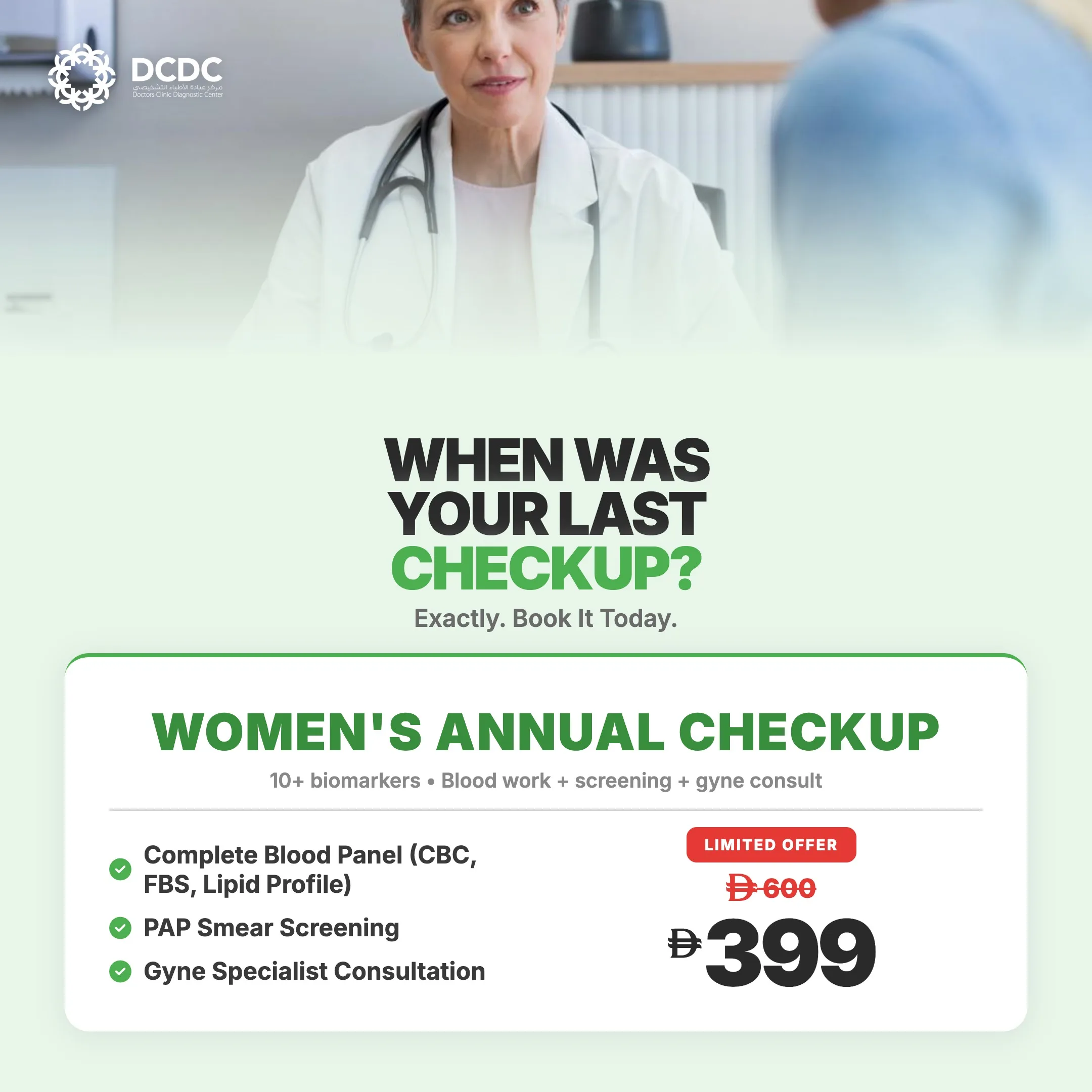
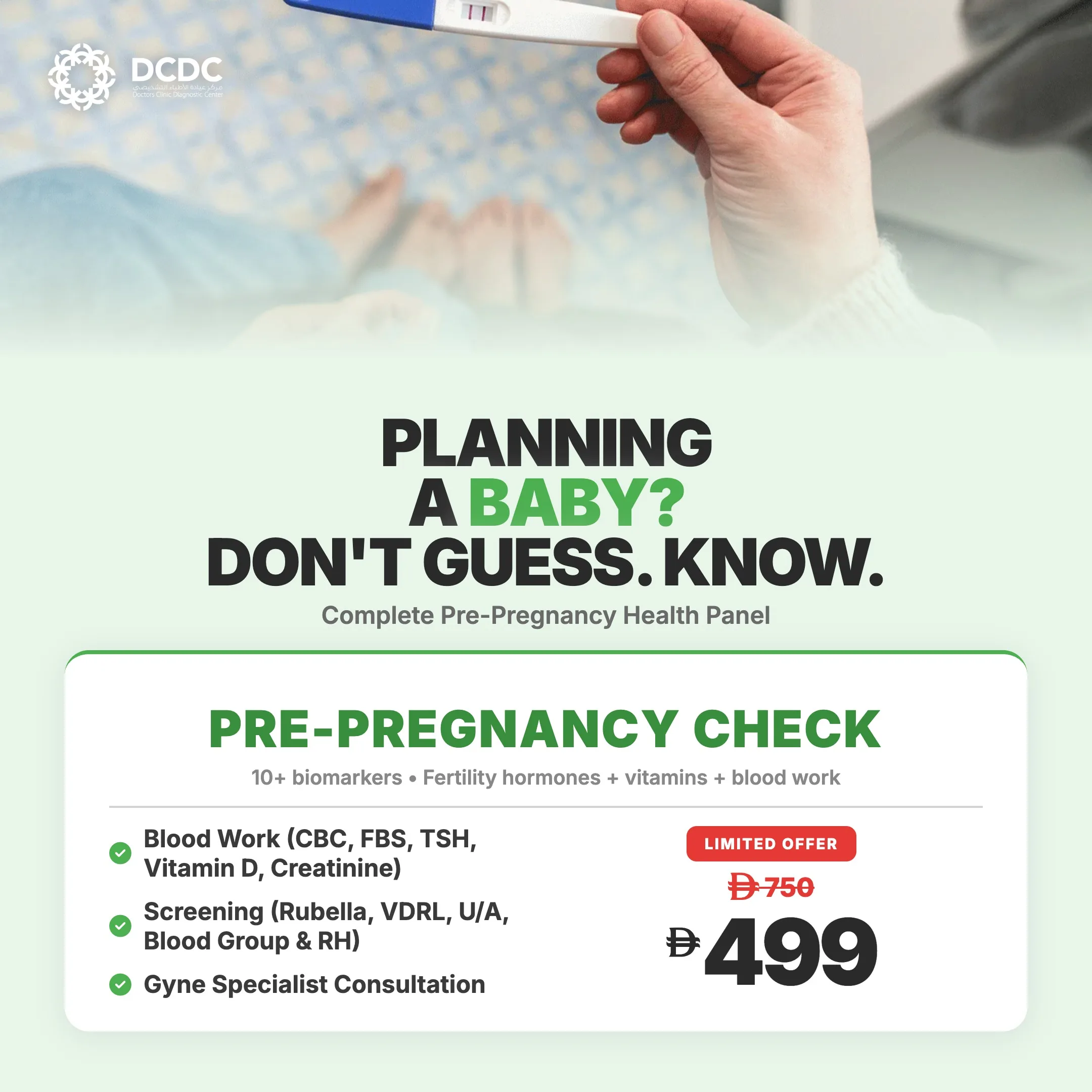
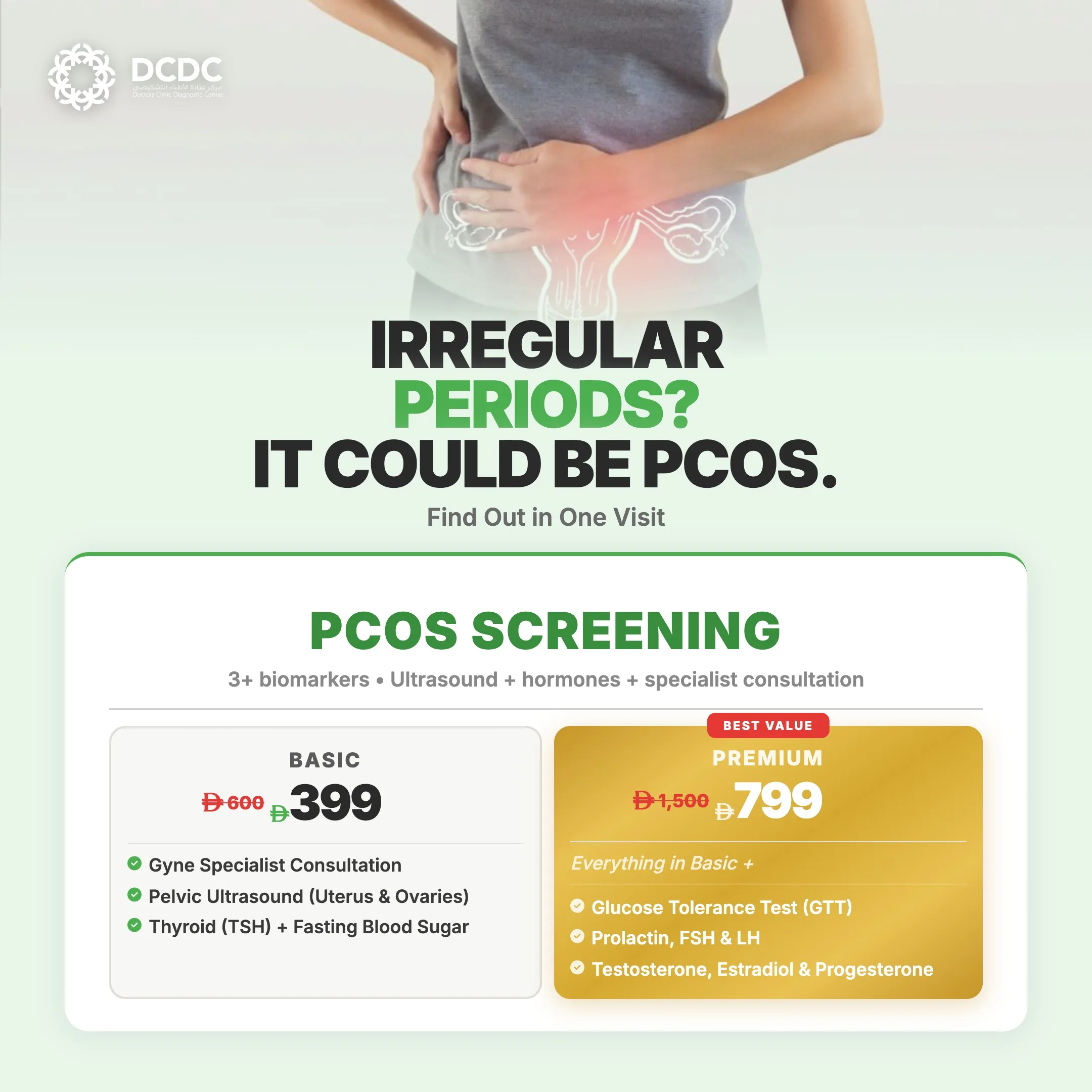
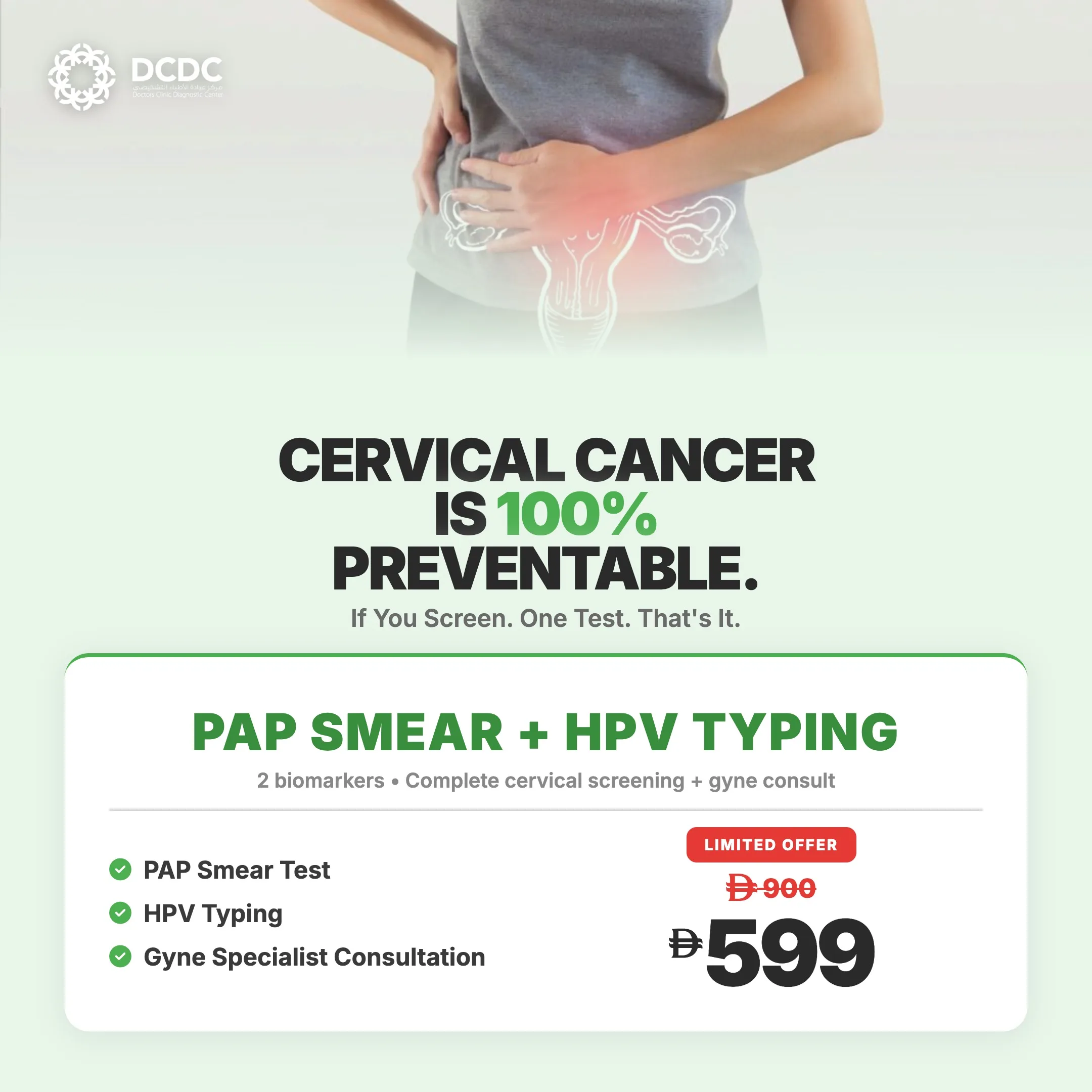
Health Screening Packages
Save with our bundled screening packages — specialist consultation included


Mga Normal na Side Effect Pagkatapos ng HSG
Ang mga sumusunod na side effect ay nararanasan ng karamihan ng mga kababaihan pagkatapos ng HSG test. Ito ay natural na tugon sa prosedyur at karaniwang hindi nangangailangan ng anumang medikal na interbensyon maliban sa basic self-care.
Cramping (Tumatagal ng 2-4 na Oras)
Ang banayad hanggang katamtamang cramping ang pinakakaraniwang side effect pagkatapos ng HSG. Ang matris ay nag-cocontract bilang tugon sa contrast dye na inilagay sa panahon ng test, katulad ng menstrual cramps. Karamihan ng mga kababaihan ay natutuklasan na ang cramping ay umabot sa pinakamataas sa loob ng unang 30 minuto pagkatapos ng prosedyur at unti-unting humuhupa sa susunod na 2 hanggang 4 na oras. Ang over-the-counter pain relief tulad ng ibuprofen o paracetamol ay karaniwang sapat. Makakatulong din ang mainit na compress sa ibabang tiyan.
Light Spotting (Tumatagal ng 1-2 Araw)
Ang light vaginal spotting o maliit na halaga ng pink o brownish discharge ay normal sa loob ng 1 hanggang 2 araw pagkatapos ng HSG. Ang spotting na ito ay nagmumula sa paglalagay ng catheter sa cervix at hindi senyales ng pinsala. Kadalasan isang panty liner lang ang kailangan mo. Ang spotting ay dapat mas magaan kaysa sa normal na regla at hindi dapat magkaroon ng mga blood clots.
Sandaling Pagkahilo o Lightheadedness
Ang ilang kababaihan ay sandaling nakararamdam ng lightheadedness o pagkahilo kaagad pagkatapos ng prosedyur. Ito ay karaniwang isang vasovagal response na dulot ng cervical manipulation at hindi mapanganib. Karaniwan itong nawawala sa loob ng ilang minuto ng pagpapahinga sa recovery area. Ang pagkain ng magaan na meryenda at pag-inom ng tubig pagkatapos ng test ay nakakatulong na maiwasan ito.
Normal pero Hindi Inaasahang mga Side Effect
Ang ilang mga side effect ay maaaring magulat sa mga kababaihan dahil mukhang walang kaugnayan sa isang uterine procedure. Ang mga ito ay itinuturing pa ring normal at walang dahilan para mag-alala.
Sakit ng Balikat o Upper Abdominal Discomfort
Isa ito sa mga side effect na nagugulat sa maraming kababaihan. Kung ang maliit na halaga ng contrast dye ay tumutulo sa abdominal cavity sa pamamagitan ng fallopian tubes (na talagang senyales na ang iyong mga tubo ay bukas), maaari nitong ma-irritate ang diaphragm at magdulot ng referred pain sa shoulder tip area. Ang sensasyon na ito ay maaaring tumagal ng ilang oras ngunit kusang nawawala habang inaabsorb ng katawan ang dye. Ang paghiga at pagpapahinga ay karaniwang nakakatulong.
Pagduduwal
Ang banayad na pagduduwal pagkatapos ng HSG ay maaaring mangyari dahil sa vasovagal response, sa mismong cramping, o sa anxiety na kaugnay ng prosedyur. Ito ay karaniwang maikli at hindi humahantong sa pagsusuka. Kung ikaw ay madaling maduwal sa panahon ng mga medikal na prosedyur, banggitin ito sa iyong doktor bago ang test para makapagbigay sila ng gabay.
Malinaw na Discharge
Ang malinaw o bahagyang may kulay na watery discharge ay normal sa loob ng hanggang 24 oras pagkatapos ng test. Ito ay simpleng natitirang contrast dye na umaagos mula sa matris at vaginal canal. Ito ay hindi nakakapinsala at walang dapat ikabahala. Gumamit ng panty liner para sa komport.
Kailan Tatawag sa Iyong Doktor: Mga Warning Sign
Bagaman bihira ang malubhang mga komplikasyon pagkatapos ng HSG, mahalaga na malaman ang mga warning sign. Makipag-ugnayan sa iyong doktor o pumunta sa emergency department kung naranasan mo ang alinman sa mga sumusunod na sintomas pagkatapos ng iyong HSG test.
- Lagnat na 38 degrees Celsius (100.4 degrees Fahrenheit) o mas mataas, lalo na kung lumabas ito 1 hanggang 3 araw pagkatapos ng prosedyur, dahil maaaring magpahiwatig ito ng impeksyon
- Malakas na vaginal bleeding na bumabasa ng isang pad sa loob ng mas mababa sa isang oras, dahil hindi ito normal na post-HSG bleeding
- Mabahong vaginal discharge, na maaaring senyales ng impeksyon na nagde-develop sa matris o fallopian tubes
- Matinding o lumalala na sakit ng tiyan na hindi tumutugon sa over-the-counter pain medication
- Mga senyales ng allergic reaction sa contrast dye, kabilang ang pantal, hirap sa paghinga, pamamaga ng mukha o lalamunan, o malawakang rash
- Pagkahimatay o matagalang pagkahilo na tumatagal ng higit sa 30 minuto pagkatapos ng prosedyur
Kung naranasan mo ang alinman sa mga sintomas na ito, huwag maghintay para makita kung kusang mawawala. Ang maagang paggamot ng mga komplikasyon ay nagdudulot ng mas magandang resulta.
Ligtas na HSG Testing sa DCDC Dubai
Sa Doctors Clinic Diagnostic Center sa Dubai Healthcare City, ang aming HSG test ay sumusunod sa mahigpit na safety protocol na may malinaw na aftercare guidance na ibinibigay sa bawat pasyente.
Mga Bihirang Komplikasyon ng HSG
Ang malubhang mga komplikasyon mula sa HSG ay hindi karaniwan, ngunit ang pag-unawa sa mga ito ay nakakatulong sa iyo na gumawa ng informed na desisyon tungkol sa prosedyur at makilala ang mga problema nang maaga kung mangyari.
Pelvic Infection (Humigit-kumulang 1% na Panganib)
Ang impeksyon ang pinakakaraniwang malubhang komplikasyon ng HSG, ngunit naaapektuhan lamang nito ang humigit-kumulang 1 sa bawat 100 kababaihan. Mas mataas ang panganib sa mga kababaihang may kasaysayan ng pelvic inflammatory disease o umiiral na sakit sa tubo. Ang mga sintomas ay karaniwang lumilitaw 2 hanggang 7 araw pagkatapos ng prosedyur at kabilang ang lagnat, tumataas na pelvic pain, at abnormal na vaginal discharge. Ang paggamot ng antibiotics ay epektibo kapag sinimulan kaagad. Ang ilang doktor ay nagre-reseta ng prophylactic antibiotics bago ang prosedyur para sa mga kababaihang mas mataas ang panganib.
Allergic Reaction sa Contrast Dye
Ang mga allergic reaction sa iodine-based contrast dye na ginagamit sa HSG ay bihira ngunit maaaring mula sa banayad (skin rash, pangangati) hanggang sa malubha (anaphylaxis). Kung mayroon kang kilalang allergy sa iodine o contrast media, o kung nagkaroon ka ng nakaraang reaction sa contrast dye sa panahon ng CT scan o iba pang imaging study, ipaalam sa iyong doktor bago ang prosedyur. Maaaring gamitin ang alternatibong contrast agent o pre-medication na may antihistamines at steroids.
Uterine Perforation
Ang uterine perforation sa panahon ng HSG ay sobrang bihira at mas karaniwang nauugnay sa mahirap na catheter placement. Maaari itong magdulot ng biglaang matinding sakit at karaniwang nadedetect agad ng radiologist sa fluoroscopy images. Sa karamihan ng mga kaso, ang maliit na perforation ay gumagaling sa sarili nito nang walang interbensyon, bagaman kailangan ang monitoring. Ang komplikasyong ito ay mas mababa ang posibilidad kapag ang prosedyur ay ginagawa ng experienced na radiologist.
Radiation Exposure
Ang HSG ay gumagamit ng maliit na halaga ng fluoroscopic radiation. Ang dosis ay napakababa, katumbas ng ilang araw ng natural background radiation, at itinuturing na ligtas. Gayunpaman, ito ang dahilan kung bakit hindi ginagawa ang test sa panahon ng pagbubuntis. Palaging ipaalam sa iyong doktor kung may anumang posibilidad na ikaw ay buntis bago ang prosedyur.
HSG Recovery Timeline
Ang pag-unawa sa karaniwang recovery timeline ay nakakatulong sa iyo na planuhin ang iyong iskedyul at malaman kung ano ang aasahan sa bawat araw pagkatapos ng prosedyur.
| Panahon | Ano ang Aasahan | Mga Rekomendasyon |
|---|---|---|
| Araw 1 (Araw ng Prosedyur) | Cramping sa loob ng 2-4 na oras, light spotting, posibleng pagkahilo o pagduduwal, watery discharge mula sa natitirang contrast dye | Magpahinga sa bahay, uminom ng ibuprofen kung kinakailangan, gumamit ng mainit na compress, manatiling hydrated, iwasan ang mabigat na aktibidad |
| Araw 2-3 | Minimal o walang cramping, maaaring magpatuloy ang light spotting, bahagyang pagkapagod sa ilang kababaihan | Ipagpatuloy ang normal na araw-araw na aktibidad kabilang ang trabaho, patuloy na iwasan ang swimming pool, bathtub, at hot tub |
| Araw 4-7 | Lahat ng side effect ay dapat naresolba na, normal na vaginal discharge ang bumalik | Maaari mong ipagpatuloy ang lahat ng normal na aktibidad kabilang ang exercise at pakikipagtalik |
Karamihan ng mga kababaihan ay ganap na normal na pakiramdam sa araw 2 o 3 pagkatapos ng HSG test.
Kailan Mo Maaaring Ipagpatuloy ang mga Aktibidad Pagkatapos ng HSG?
Isa sa mga pinaka-praktikal na tanong ng mga kababaihan pagkatapos ng HSG ay tungkol sa kung kailan sila maaaring bumalik sa kanilang regular na gawain. Narito ang gabay sa mga partikular na aktibidad.
Pagbalik sa Trabaho
Karamihan ng mga kababaihan ay maaaring bumalik sa trabaho sa parehong araw o kinabukasan pagkatapos ng HSG. Kung ang iyong trabaho ay nangangailangan ng mabigat na pag-buhat o nakakapagod na pisikal na aktibidad, isaalang-alang ang pagpahinga sa natitirang bahagi ng araw ng prosedyur. Ang mga desk job at magaan na trabaho ay karaniwang maaaring ipagpatuloy sa loob ng ilang oras pagkatapos ng test.
Exercise
Ang magaan na paglalakad ay ayos sa araw ng prosedyur. Ang mas matinding exercise tulad ng pagtakbo, weight training, o high-intensity workouts ay dapat ipagpaliban ng 24 hanggang 48 oras para hayaan ang anumang cramping na ganap na mawala. Pakinggan ang iyong katawan at dahan-dahang bumalik.
Pakikipagtalik
Karamihan ng mga doktor ay nagrerekomenda na maghintay ng hindi bababa sa 48 oras pagkatapos ng HSG bago makipagtalik. Ito ay nagpapahintulot sa cervix na ganap na magsara at nagpapababa ng maliit na panganib ng pagpasok ng bacteria sa matris. Maaaring irekomenda ng ilang doktor na maghintay hanggang sa ganap na huminto ang spotting. Sundin ang mga partikular na tagubilin na ibinigay ng iyong doktor.
Paliligo at Paglangoy
Maaari kang mag-shower nang normal sa araw ng prosedyur. Gayunpaman, iwasan ang soaking baths, hot tubs, swimming pools, at dagat ng hindi bababa sa 48 oras pagkatapos ng HSG. Ang mga kapaligiran na ito ay maaaring magpasok ng bacteria habang ang cervix ay bumabalik pa sa normal na saradong posisyon. Ang shower ay ganap na ayos sa panahong ito.
Kailan Ka Maaaring Subukang Magbuntis Pagkatapos ng HSG?
Maraming kababaihan ang sumasailalim sa HSG bilang bahagi ng kanilang fertility evaluation, kaya isa ito sa mga pinakamahalagang tanong. Ang magandang balita ay hindi mo kailangang maghintay nang matagal.
Maaari kang subukang magbuntis sa parehong menstrual cycle ng iyong HSG test. Sa katunayan, iminumungkahi ng ilang pananaliksik na maaaring may sandaling fertility boost sa 1 hanggang 3 buwan pagkatapos ng HSG, lalo na kapag ginamit ang oil-based contrast dye. Ang isang teorya ay ang flushing effect ng dye ay maaaring mag-clear ng minor debris o mucus mula sa fallopian tubes, na bahagyang nagpapabuti ng kanilang function.
Kung ang iyong mga resulta ng HSG ay nagpapakita ng bukas at malusog na mga tubo at normal na uterine cavity, maaaring hikayatin ka ng iyong doktor na subukang magbuntis nang natural sa mga buwan kaagad pagkatapos ng test bago isaalang-alang ang mas advanced na fertility treatment. Kung may mga blockage o abnormalidad na natagpuan, tatalakayin ng iyong doktor ang mga susunod na hakbang, na maaaring kabilang ang karagdagang pagsusuri o surgical intervention.
DCDC Aftercare: Ano ang Kaibahan Namin sa Dubai
Sa Doctors Clinic Diagnostic Center sa Dubai Healthcare City, naniniwala kami na ang aftercare ay katulad ng kahalagahan ng prosedyur mismo. Ang aming aftercare protocol ay dinisenyo para matiyak na suportado ka sa buong recovery mo.
- Post-procedure monitoring period sa klinika bago ka i-discharge, tinitiyak na komportable ka at stable
- Nakasulat na aftercare instructions sa iyong gustong wika, kasama ang malinaw na listahan ng normal vs. warning signs
- Direktang contact line sa aming radiology team para sa anumang katanungan o alalahanin na lumabas pagkatapos mong umalis sa klinika
- Same-day results discussion kasama ang iyong referring doctor o ang aming team, para maunawaan mo agad ang iyong mga findings
- Follow-up coordination kasama ang iyong gynecologist para matiyak ang maayos na transition sa susunod na hakbang sa iyong fertility plan
Kung naranasan mo ang anumang nakababahalang sintomas pagkatapos ng iyong HSG sa DCDC, available ang aming team para tumulong sa iyo. Para sa mga emergency sa labas ng clinic hours, ang pinakamalapit na emergency facility ay ang Mediclinic City Hospital, na matatagpuan sa loob ng Dubai Healthcare City, o maaari kang tumawag sa Dubai Health Authority emergency line.
Mga Tip para sa mas Maayos na Recovery
- Uminom ng ibuprofen (400 mg) mga 30 minuto bago ang prosedyur para mabawasan ang post-procedure cramping
- Mag-ayos na may maghahatid sa iyo pauwi pagkatapos ng test, lalo na kung ikaw ay madaling mahilo sa panahon ng mga medikal na prosedyur
- Maghanda ng mainit na compress o heating pad sa bahay para sa anumang natitirang cramping
- Manatiling well hydrated pagkatapos ng prosedyur, dahil nakakatulong ito sa iyong katawan na i-flush ang natitirang contrast dye
- Magsuot ng komportable at maluwag na damit sa iyong appointment para makapagpahinga ka pagkatapos
- Magplano ng tahimik na gabi pagkatapos ng prosedyur, kahit okay ang pakiramdam mo, bilang pag-iingat
- Iwasan ang tampons sa loob ng 48 oras at gumamit ng pads o panty liners sa halip para sa anumang spotting
Para sa kumpletong gabay sa paghahanda para sa prosedyur, basahin ang aming artikulo tungkol sa paano maghanda para sa HSG test. Kung gusto mong maunawaan ang buong prosedyur bago ang iyong appointment, ang aming kumpletong HSG test guide ay sumasaklaw sa lahat mula simula hanggang katapusan.
Kailangan ng HSG Test sa DCDC Dubai?
Ang aming experienced radiology team sa Doctors Clinic Diagnostic Center ay nagsasagawa ng HSG tests na may komport at kaligtasan ng pasyente bilang pangunahing priyoridad. I-book ang iyong HSG test at makatanggap ng komprehensibong pre- at post-procedure care.
O tumawag sa amin para sa karagdagang impormasyon tungkol sa prosedyur at proseso ng recovery.
Kaugnay na Serbisyo sa DCDC
Dalubhasang pangangalaga at advanced diagnostics sa Dubai Healthcare City
HSG Test
Fluoroscopy-guided fallopian tube and uterine imaging for fertility assessment
Mag-book ng AppointmentPregnancy Care
Comprehensive prenatal support from conception to delivery
Mag-book ng AppointmentWomen's Health Consultation
Expert gynecological evaluation and personalized care plans
Mag-book ng AppointmentFrequently Asked Questions
Mga Pangwakas na Saloobin
Ang HSG ay isang ligtas at matagal nang itinatag na diagnostic procedure na may napakababang complication rate. Ang pinakakaraniwang mga side effect, kabilang ang banayad na cramping, light spotting, at sandaling pagkahilo, ay pansamantala at nawawala sa loob ng isang araw o dalawa. Ang malubhang mga komplikasyon tulad ng impeksyon o allergic reactions ay bihira, nangyayari sa mas mababa sa 1-2% ng mga kaso, at maaaring gamutin kapag natukoy nang maaga.
Ang susi sa maayos na recovery ay ang pag-alam kung ano ang aasahan at pag-unawa sa pagkakaiba sa pagitan ng normal na post-procedure symptoms at mga tunay na warning sign. Kung naranasan mo ang lagnat, malakas na pagdurugo, matinding sakit, o mabahong discharge pagkatapos ng iyong HSG, huwag mag-atubiling makipag-ugnayan sa iyong doktor o pumunta sa isang emergency facility.
Sa Doctors Clinic Diagnostic Center, nagbibigay kami ng masusing aftercare instructions at nananatiling available para sa anumang post-procedure questions. Ang iyong komport at kaligtasan ay aming priyoridad mula sa sandaling pumasok ka para sa iyong test hanggang sa ganap kang gumaling. Para sa impormasyon tungkol sa mga bayarin at insurance, bisitahin ang aming HSG test cost sa Dubai guide.
Mga Sanggunian at Reperensya
Ang artikulong ito ay sinuri ng aming medikal na team at tumutukoy sa mga sumusunod na sanggunian:
- American College of Obstetricians and Gynecologists - Hysterosalpingography
- Fertility and Sterility - Complications of Hysterosalpingography
- Radiological Society of North America - HSG Patient Information
- Human Reproduction - Fertility Outcomes After HSG
- Dubai Health Authority - Patient Safety Guidelines
Ang medikal na nilalaman sa site na ito ay sinusuri ng mga DHA-licensed na manggagamot. Tingnan ang aming patakarang editorial para sa higit pang impormasyon.

Isinulat ni
Dr. Osama Elzamzami
Consultant Radiologist
MD, Radiology
Si Dr. Osama Elzamzami ay isang Consultant Radiologist na espesyalista sa diagnostic imaging kabilang ang MRI, CT, ultrasound, at fluoroscopy procedures tulad ng HSG sa DCDC Dubai Healthcare City.
Mga Kaugnay na Artikulo
Masakit ba ang HSG Test? Tapat na Sagot mula sa isang Radiologist
Paano Maghanda para sa HSG Test
Pagbubuntis Pagkatapos ng HSG: Ano ang Sinasabi ng Ebidensya
Ano ang HSG Test? Lahat ng Kailangan Mong Malaman
Women's Health Screening: Kumpletong Gabay
More in Women's Health

Perimenopause vs Menopause Dubai: Signs (2026)
Basahin Pa
Mother & Baby Home Care Dubai: Guide (2026)
Basahin Pa
Gestational Diabetes Dubai: Screening (2026)
Basahin Pa
Mammogram Preparation Dubai: What to Expect (2026)
Basahin Pa
CA-125 Test Dubai: Ovarian Cancer Marker (2026)
Basahin PaMammogram vs Breast Ultrasound Dubai (2026)
Basahin Pa© 2026 Doctors Clinic Diagnostic Center (DCDC), Dubai Healthcare City. Originally published at https://doctorsclinicdubai.ae/blog/hsg-test-side-effects-recovery. All rights reserved. Unauthorized reproduction is prohibited.