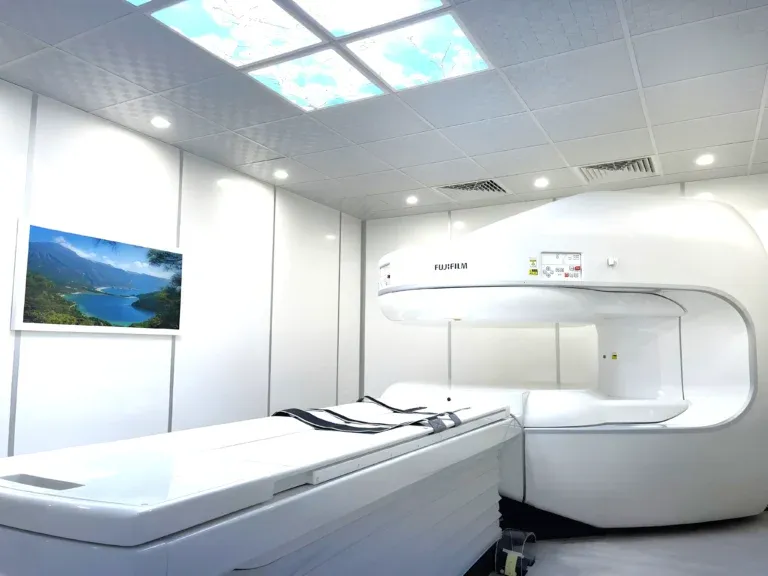
Mga Pangunahing Punto
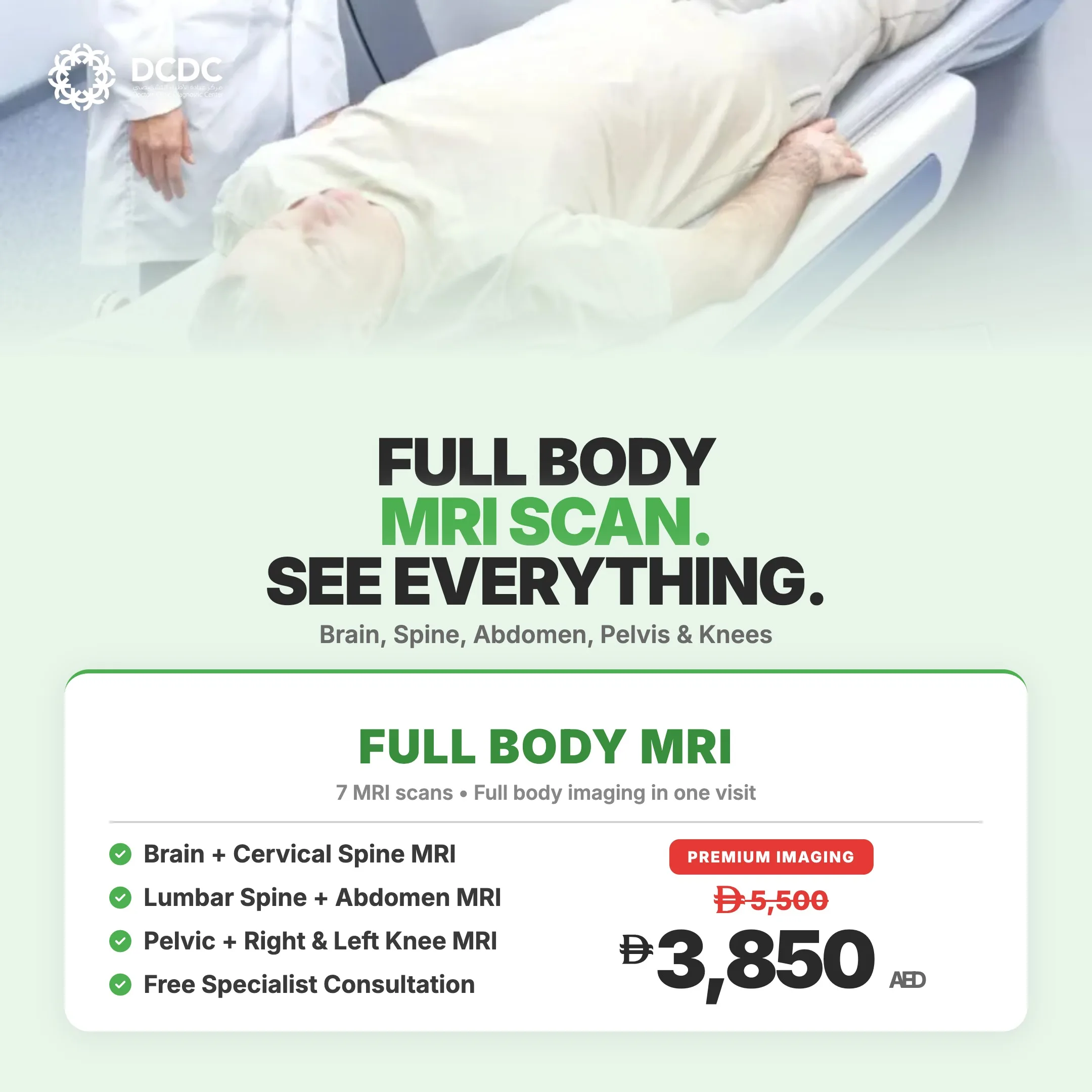
- Ang MRI scan sa Dubai ay nagkakahalaga ng AED 900-4,500 depende sa bahagi ng katawan at kung kailangan ng contrast
- Karamihan sa mga major insurance plan ay sumasaklaw sa MRI na may pre-authorization, habang ang self-pay na pasyente ay maaaring maiwasan ang paghihintay
- Ang Open MRI ay available para sa mga claustrophobic na pasyente at gumagana nang maayos para sa karamihan ng diagnostic na pangangailangan
- Walang radiation exposure. Gumagamit ang MRI ng magnetic fields, kaya ligtas ito para sa paulit-ulit na scan
- Simple lang ang paghahanda: komportableng damit, walang metal, at posibleng pag-aayuno para sa abdominal scan
- Ang mga resulta ay karaniwang makukuha sa loob ng 24-48 oras mula sa isang kwalipikadong radiologist
Nag-order ang iyong doktor ng MRI, at ngayon ay nagtatanong ka: Magkano ito? Sasaklawin ba ito ng aking insurance? Ano ba talaga ang nangyayari sa loob ng makina na iyon? Kung ikaw ay nasa Dubai at naghahanap ng mga sagot, nasa tamang lugar ka na. Sinasaklaw ng gabay na ito ang lahat mula sa presyo at insurance hanggang sa mga tip sa paghahanda at kung ano ang aasahan sa panahon ng iyong scan.
Ipinapaliwanag ng kumpletong gabay na ito ang gastos ng MRI scan sa Dubai, mga opsyon sa insurance coverage, ang pagkakaiba ng Open MRI at tradisyonal na MRI, mga hakbang sa paghahanda, kung ano ang nangyayari sa panahon ng scan, at kung paano haharapin ang claustrophobia.


Ano ang MRI at Paano Ito Gumagana?
Ang MRI ay nangangahulugang Magnetic Resonance Imaging. Hindi tulad ng X-ray o CT scan na gumagamit ng radiation, gumagamit ang MRI ng malakas na magnet at radio wave para gumawa ng detalyadong larawan ng mga soft tissue ng iyong katawan. Isipin mo ito ng ganito: ang iyong katawan ay halos lahat tubig, at ang mga hydrogen atom sa tubig na iyon ay tumutugon sa magnetic field ng MRI. Nadedetek ng makina ang mga tugon na iyon at kino-convert ang mga ito sa napakadetalyadong mga larawan.
Ginagawa nitong partikular na mahalaga ang MRI para sa pagsusuri ng utak at spinal cord (pagde-detect ng tumor, stroke, multiple sclerosis, at iba't ibang neurological na kondisyon), mga kasukasuan (pag-evaluate ng napilas na ligament, cartilage damage, at arthritis), soft tissue (pagsusuri ng mga kalamnan, organ, at blood vessel), at puso (pag-assess ng cardiac structure at function).
Gumagamit ang MRI ng zero radiation, hindi tulad ng CT scan o X-ray, kaya ligtas ito para sa paulit-ulit na pagsusuri at ideal para sa mga bata at buntis na kababaihan (pagkatapos ng unang trimester).
Gastos ng MRI Scan sa Dubai: Magkano Talaga ang Babayaran Mo
Sagutin natin ang tanong na palaging itinatanong ng lahat: magkano ito? Sa Dubai, ang presyo ng MRI ay malaki ang pagkakaiba batay sa iba't ibang salik kabilang ang bahagi ng katawan na isi-scan, kung kailangan ng contrast dye, uri ng makina, at uri ng pasilidad.
| Bahagi ng Katawan | Walang Contrast | May Contrast |
|---|---|---|
| Brain MRI | AED 900 - 3,000 | AED 2,800 - 4,000 |
| Spine MRI (bawat rehiyon) | AED 900 - 3,000 | AED 2,800 - 4,000 |
| Knee / Shoulder MRI | AED 900 - 2,500 | AED 2,200 - 3,200 |
| Abdominal / Pelvic MRI | AED 2,500 - 3,500 | AED 3,200 - 4,500 |
| Cardiac MRI | AED 3,000 - 4,000 | AED 3,800 - 4,500 |
Karaniwang MRI Price Range sa Dubai (2025). Ang mga presyo ay tinatayang halaga at maaaring mag-iba ayon sa pasilidad.
Ano ang nakakaapekto sa presyo? Bahagi ng katawan na isi-scan (ang brain at cardiac MRI ay nangangailangan ng espesyal na protocol at mas matagal), contrast dye (ang ilang kondisyon ay nangangailangan ng gadolinium contrast na ini-inject, na nagpapabuti ng kalinawan ng larawan), uri ng makina (maaaring magkaiba ang presyo ng Open MRI kaysa sa tradisyonal na closed MRI), at uri ng pasilidad (ang hospital-based MRI ay karaniwang mas mahal kaysa sa diagnostic center).
Insurance Coverage para sa MRI sa Dubai
Narito ang magandang balita: karamihan sa komprehensibong health insurance plan sa Dubai ay sumasaklaw sa MRI scan kapag kinakailangan sa medikal. Gayunpaman, karaniwan na may prosesong kasama.
Ano ang Kailangan Mo para sa Insurance Coverage
Kakailanganin mo ang referral ng doktor (nakasulat na utos mula sa iyong physician na nagpapaliwanag kung bakit kailangan ang MRI), pre-authorization (karamihan sa mga insurer ay nangangailangan ng advance approval, na maaaring tumagal ng 24-72 oras), medical justification (nagbibigay ang referring doctor ng clinical na dahilan para sa scan), at network facility (ang paggamit ng in-network na provider ay karaniwang nangangahulugan ng mas mababang out-of-pocket na gastos).
Mga Pangunahing Insurance Provider sa Dubai na Sumasaklaw sa MRI
Karamihan sa mga pangunahing insurer ay nagbibigay ng MRI coverage, kabilang ang Daman, Saico, NAS, Aetna, BUPA, Cigna, at MetLife. Nag-iiba ang coverage level: maaaring saklawin ng Essential plan ang 50-80% pagkatapos ng deductible, ang Enhanced plan ay madalas na sumasaklaw ng 80-100% sa network provider, at ang Premium plan ay karaniwang nagbibigay ng 100% coverage na may kaunting co-pay.
Ang mga self-pay na pasyente ay madalas na makakakuha ng same-day MRI appointment dahil hindi na nila kailangang maghintay ng insurance pre-authorization.
Open MRI vs. Tradisyonal na MRI: Alin ang Pipiliin Mo?
Kung narinig mo na ang MRI machine ay parang nakahiga sa isang makitid na tubo ng 30 minuto, maaaring nararamdaman mo na ang kaba. Ang magandang balita? Ang Open MRI ay umiiral, at ito ay isang game-changer para sa maraming pasyente.
Tradisyonal na Closed MRI
Ang tradisyonal na closed MRI ay may tunnel-like na disenyo kung saan dumudulas ang pasyente sa isang makitid na bore, pinakamataas na image quality at resolution, mas malakas na magnetic field (1.5T hanggang 3T), ngunit maaaring maging mahirap para sa claustrophobic o mas malalaking pasyente.
Open MRI
Ang Open MRI ay may maluwang at bukas na disenyo na may espasyo sa mga gilid, mahusay na image quality para sa karamihan ng diagnostic na pangangailangan, at ideal para sa mga claustrophobic na pasyente, mga bata, o matatanda. Mas komportable itong tumatanggap ng mas malalaking pasyente, at ang mga magulang ay madalas na makakapananatili kasama ang mga bata sa panahon ng scan.
Alin ang pipiliin mo? Para sa karamihan ng mga pasyente, ang Open MRI ay nagbibigay ng mahusay na diagnostic quality habang dramatikong pinapabuti ang comfort. Maaaring irekomenda ng iyong doktor ang tradisyonal na MRI para sa ilang napaka-espesyal na pagsusuri, ngunit para sa routine na brain, spine, joint, at abdominal imaging, mahusay ang pagganap ng Open MRI.
Paghahanda para sa Iyong MRI: Isang Kumpletong Checklist
Ang magandang paghahanda ay nagpapadali sa iyong karanasan sa MRI. Narito ang gagawin bago ang iyong appointment:
Araw Bago
Suriin ang iyong mga tagubilin kung kailangan ng pag-aayuno (karaniwang para sa abdominal MRI). Ihanda ang iyong damit at pumili ng mga komportableng item na walang metal tulad ng yoga pants, sweatpants, at cotton t-shirt. Alisin ang alahas nang maaga sa pamamagitan ng pagtanggal ng mga singsing, relo, hikaw, at body piercing kung maaari. Iwasan ang caffeine dahil maaari itong magpataas ng anxiety at gawing mas mahirap ang pagtigil. Magkaroon ng magandang tulog dahil ang pagiging well-rested ay tumutulong sa iyo na manatiling kalmado at tahimik.
Sa Mismong Araw
Dumating ng 15-20 minuto nang maaga dahil kakailanganin mong kumpletuhin ang mga papeles at safety questionnaire. Dalhin ang iyong referral at anumang dating imaging CD kung mayroon ka. Dalhin ang iyong Emirates ID at insurance card dahil kinakailangan ang mga ito para sa registration. Iwan ang mga mahahalagang gamit sa bahay o ilagay ang mga ito sa locker (walang metal na pinapayagan sa scan room). Gamitin ang banyo dahil nakahiga kang hindi gumagalaw ng 20-45 minuto.
Ano ang Sasabihin sa Technologist
Maging ganap na tapat sa iyong safety questionnaire. Ang malakas na magnet ng MRI ay maaaring makipag-interact nang mapanganib sa metal sa iyong katawan. Ipaalam sa kanila ang tungkol sa mga pacemaker, defibrillator, o iba pang cardiac device; cochlear implant o hearing aid; anumang metal implant, plate, screw, o joint replacement; aneurysm clip o vascular stent; kasaysayan ng metal fragment (mula sa welding, military service, aksidente); pagbubuntis o posibilidad ng pagbubuntis; mga problema sa bato (mahalaga kung gagamit ng contrast); at anxiety o claustrophobia.
Ano ang Nangyayari sa Panahon ng MRI: Hakbang-Hakbang
Ang pag-alam nang eksakto kung ano ang aasahan ay dramatikong nakababawas ng anxiety. Narito ang karaniwang proseso:
1. Pagpapalit at Paghahanda
Maaaring kailanganin mong magpalit sa hospital gown, kahit na maraming pasyente ang maaaring magsuot ng sarili nilang damit na walang metal. Aalisin mo ang lahat ng alahas, relo, at lubusang aalisan ng laman ang iyong mga bulsa.
2. Pagpoposisyon
Hihiga ka sa isang may padding na mesa. Depende sa kung ano ang isi-scan, maaaring may ilagay na espesyal na frame o coil sa bahagi ng katawan na iyon. Para sa brain scan, inilalagay ito sa paligid ng iyong ulo. Bibigyan ka ng earplug o headphone (maingay ang MRI!) at isang squeeze ball para mag-signal sa technologist.
3. Ang Scan
Dumudulas ang mesa papasok sa makina (o sa Open MRI, nakaposisyon ka sa loob ng bukas na istruktura). Lumilipat ang technologist sa control room ngunit nakikita ka niya sa bintana at naririnig ka sa intercom sa lahat ng oras. Maririnig mo ang malakas na tunog (ang pagkatok, pag-click, at pagbuzz ay ganap na normal), kailangan mong manatiling napaka-tahimik (ang paggalaw ay lumalabo sa mga larawan), maaari kang makaramdam ng init (ang bahagyang pag-init ay normal), at ang scan ay nangyayari sa mga sequence (bawat isa ay tumatagal ng 2-7 minuto na may maiikling paghinto sa pagitan).
4. Contrast Injection (Kung Kailangan)
Ang ilang MRI ay nangangailangan ng gadolinium contrast, na ini-inject sa pamamagitan ng IV. Naha-highlight nito ang mga blood vessel at ilang tissue. Maaari kang makaramdam ng malamig na sensasyon sa panahon ng injection at isang maikling metallic na lasa, na parehong pansamantala at normal.
5. Pagkumpleto
Kapag natapos ang scan, dadulas ka palabas at maaari nang magpalit ng damit. Maliban kung ikaw ay binigyan ng sedation, maaari kang magmaneho at ipagpatuloy ang normal na mga aktibidad kaagad.
Pamamahala sa Claustrophobia sa Panahon ng MRI
Ang pakiramdam ng pagka-anxious tungkol sa mga saradong espasyo ay isa sa mga pinakakaraniwang alalahanin ng mga pasyente. Ipinapakita ng mga pag-aaral na hanggang 37% ng mga pasyente ay nakakaranas ng antas ng MRI-related anxiety, ngunit sa tamang suporta at pamamaraan, ang malaking karamihan ay matagumpay na nakumpleto ang kanilang mga scan.
Bago ang Iyong Appointment
Humiling ng Open MRI at itanong kung maaaring gawin ang iyong scan sa Open MRI machine. Pag-usapan ang sedation dahil ang banayad na oral sedative na iniinom bago ang scan ay maaaring makatulong nang malaki. Mag-praktis ng relaxation sa pamamagitan ng pagsubok ng mga breathing exercise o meditation app sa mga araw bago. Pinapayagan ng ilang pasilidad na bumisita nang maaga para makita ang makina at mag-praktis na humiga dito.
Sa Panahon ng Scan
Isara ang iyong mga mata bago pumasok at panatilihin itong nakapikit sa buong oras. Tumutok sa paghinga na may mabagal at malalim na paghinga mula sa iyong tiyan (4 na bilang papasok at 6 na bilang palabas). Makinig ng musika dahil karamihan sa mga pasilidad ay nag-aalok ng headphone na may iyong piniling musika o podcast. Magbilang nang pabaligtad para bigyan ang iyong isip ng simpleng gawain kung saan tutukan. Tandaan na ito ay pansamantala dahil karamihan sa mga scan ay 20-45 minuto, at maaari kang huminto kahit kailan.
Pag-unawa sa Iyong Mga Resulta ng MRI
Pagkatapos ng iyong scan, sinusuri ng isang espesyalistang physician (radiologist) ang bawat larawan. Ang report generation ay karaniwang nakukumpleto sa loob ng 24-48 oras. Ang report ay ipinapadala sa sinumang nag-utos ng scan (pagpapadala sa iyong doktor), at pagkatapos ay ipinapaliwanag ng iyong doktor ang mga natuklasan at tinatalakay ang mga susunod na hakbang sa iyong follow-up.
Para sa mga urgent na kaso, maaaring available ang same-day reporting. Ang mga self-pay na pasyente ay madalas na makakatanggap ng mga resulta nang direkta, habang ang mga insured na pasyente ay karaniwang nakakakuha ng mga resulta sa pamamagitan ng kanilang referring physician.
MRI vs. CT Scan: Alin ang Kailangan Mo?
Madalas na nagtatanong ang mga tao kung bakit pumipili ang mga doktor ng MRI kaysa sa CT scan o vice versa. Ang MRI ay mas maganda para sa soft tissue, utak, spine, kasukasuan, ligament, tendon, at walang radiation. Ang CT Scan ay mas maganda para sa mga buto, baga, mabilisang emergency imaging, ngunit gumagamit ng radiation at mas mabilis. Para sa detalyadong paghahambing, basahin ang aming gabay: CT vs MRI vs Ultrasound: Aling Imaging Test ang Kailangan Mo?
Mga Espesyal na Konsiderasyon
MRI sa Panahon ng Pagbubuntis
Ang MRI ay karaniwang itinuturing na ligtas sa panahon ng pagbubuntis, lalo na pagkatapos ng unang trimester, dahil hindi ito gumagamit ng radiation. Gayunpaman, ang gadolinium contrast ay karaniwang iniiwasan sa mga buntis na kababaihan maliban kung lubos na kinakailangan. Laging ipaalam sa technologist kung ikaw ay buntis o maaaring buntis.
MRI para sa mga Bata
Ang mga bata ay ligtas na makapag-undergo ng MRI scan. Ang pangunahing hamon ay ang pagpapanatili sa kanilang tahimik. Kasama sa mga opsyon ang pag-schedule sa natural na oras ng tulog (para sa mga sanggol), paggamit ng Open MRI kung saan maaaring manatili ang magulang na malapit, banayad na sedation para sa mga napakaliit o anxious na bata, at paghahanda gamit ang mga libro o video na nagpapakita kung ano ang aasahan.
MRI na may Metal Implant
Maraming modernong implant ang MRI-safe o MRI-conditional. Kasama rito ang karamihan ng modernong joint replacement, dental implant, at surgical hardware. Gayunpaman, kailangan mong sabihin sa iyong technologist ang LAHAT ng metal sa iyong katawan. Bine-verify nila ang kaligtasan bago magpatuloy.
I-schedule ang Iyong MRI sa DCDC
Sa Doctors Clinic Diagnostic Center sa Dubai Healthcare City, nag-aalok kami ng parehong standard at Open MRI na mga opsyon na may mga may-karanasang radiologist at mabilis na turnaround sa mga resulta. Madalas na available ang same-day appointment para sa mga self-pay na pasyente.
Kaugnay na Serbisyo sa DCDC
Dalubhasang pangangalaga at advanced diagnostics sa Dubai Healthcare City
Frequently Asked Questions
Mga Pangwakas na Kaisipan
Ang MRI scan ay isang makapangyarihang diagnostic tool na nagbibigay ng detalyadong mga larawan nang walang radiation exposure. Kung ikaw man ay nakikitungo sa paulit-ulit na pananakit ng ulo, sakit sa kasukasuan, problema sa spine, o neurological na sintomas, ang pag-unawa sa gastos ng MRI, mga hakbang sa paghahanda, at kung ano ang aasahan ay tumutulong sa iyo na harapin ang iyong scan nang may kumpiyansa.
Mahalaga ang pagpili ng tamang pasilidad. Maghanap ng mga may-karanasang radiologist, modernong kagamitan, mga opsyon sa Open MRI para sa comfort, at malinaw na komunikasyon mula sa booking hanggang sa mga resulta. Sa Doctors Clinic Diagnostic Center sa Dubai Healthcare City, binibigyang-priyoridad namin ang comfort ng pasyente at diagnostic accuracy, na nag-aalok ng parehong standard at Open MRI na may mabilis na turnaround sa mga resulta.
Mga Sanggunian at Reperensya
Ang artikulong ito ay sinuri ng aming medikal na team at tumutukoy sa mga sumusunod na sanggunian:
- Dubai Health Authority - MRI Services and Safety Standards
- UAE Ministry of Health - Diagnostic Imaging Regulations
- Emirates Radiology Society - MRI Best Practices
- American College of Radiology - MRI Safety Guidelines
- RadiologyInfo.org - Patient MRI Safety Information
Ang medikal na nilalaman sa site na ito ay sinusuri ng mga DHA-licensed na manggagamot. Tingnan ang aming patakarang editorial para sa higit pang impormasyon.

Isinulat ni
Dr. Osama Elzamzami
Consultant Radiologist
MD, Fellowship in Diagnostic Radiology
Si Dr. Osama Elzamzami ay isang Consultant Radiologist na may malawak na karanasan sa MRI, CT, at ultrasound imaging. Dalubhasa siya sa musculoskeletal at neurological imaging sa DCDC Dubai Healthcare City.
Mga Kaugnay na Artikulo
CT vs MRI vs Ultrasound: Aling Imaging Test ang Kailangan Mo?
Kaligtasan sa Pediatric Imaging: Gabay para sa mga Magulang
Sakit sa Likod: Kailan Kailangan ang Imaging
More in Diagnostic Imaging

X-Ray at Home Dubai: Cost & Guide (2026)
Basahin Pa
Ultrasound at Home Dubai: From AED 599 (2026)
Basahin Pa
Neck MRI Dubai: What It Shows & Cost (2026)
Basahin Pa
X-Ray Scan Dubai: Complete Guide (2026)
Basahin Pa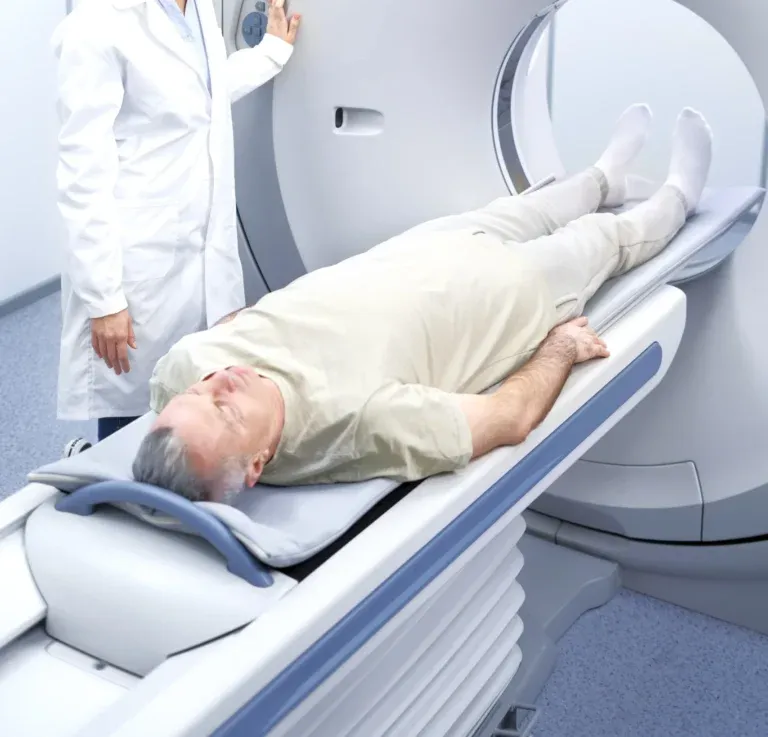
MRI vs Ultrasound Dubai: Which Scan? (2026)
Basahin Pa
MRI vs X-Ray Dubai: Which Scan Do You Need? (2026)
Basahin Pa© 2026 Doctors Clinic Diagnostic Center (DCDC), Dubai Healthcare City. Originally published at https://doctorsclinicdubai.ae/blog/complete-guide-to-mri-scan-in-dubai. All rights reserved. Unauthorized reproduction is prohibited.