Mga Pangunahing Punto
- Bloating affects roughly 1 in 5 adults worldwide and is even more common in hot climates like Dubai, where dehydration and dietary habits play a major role.
- Common treatable causes include IBS, SIBO, food intolerances, H. pylori infection, gastritis, and celiac disease -- all of which can be diagnosed with targeted testing.
- Red-flag symptoms such as unexplained weight loss, blood in stool, persistent vomiting, or worsening pain require urgent medical evaluation.
- Breath tests, blood panels, stool analysis, and abdominal ultrasound are available on-site at DCDC for same-day diagnostic workups.
- Dubai-specific factors like heat-related dehydration, AC-induced fluid shifts, Ramadan fasting patterns, and dining-out culture can all contribute to chronic bloating.
- A structured elimination diet guided by a specialist is far more reliable than self-diagnosed food avoidance and helps prevent unnecessary dietary restrictions.
Bloating is one of the most common digestive complaints seen at gastroenterology clinics in Dubai. According to the Rome Foundation Global Epidemiology Study, approximately 17.7% of the global population experiences bloating at least once per week -- and in hot, fast-paced urban environments like Dubai, the prevalence can be even higher. Whether you feel an uncomfortable fullness after meals, visible abdominal distension, or persistent pressure that disrupts your daily life, understanding the root cause is the first step toward lasting relief.
At Doctors Clinic Diagnostic Center (DCDC) in Dubai Healthcare City, we take a systematic approach to bloating. Rather than masking symptoms, our team identifies the underlying trigger through targeted diagnostic testing -- from breath tests and blood panels to abdominal imaging -- all under one roof. This guide covers the most common causes of bloating, when you should seek medical attention, what tests are available, and how our specialists can help you feel better.
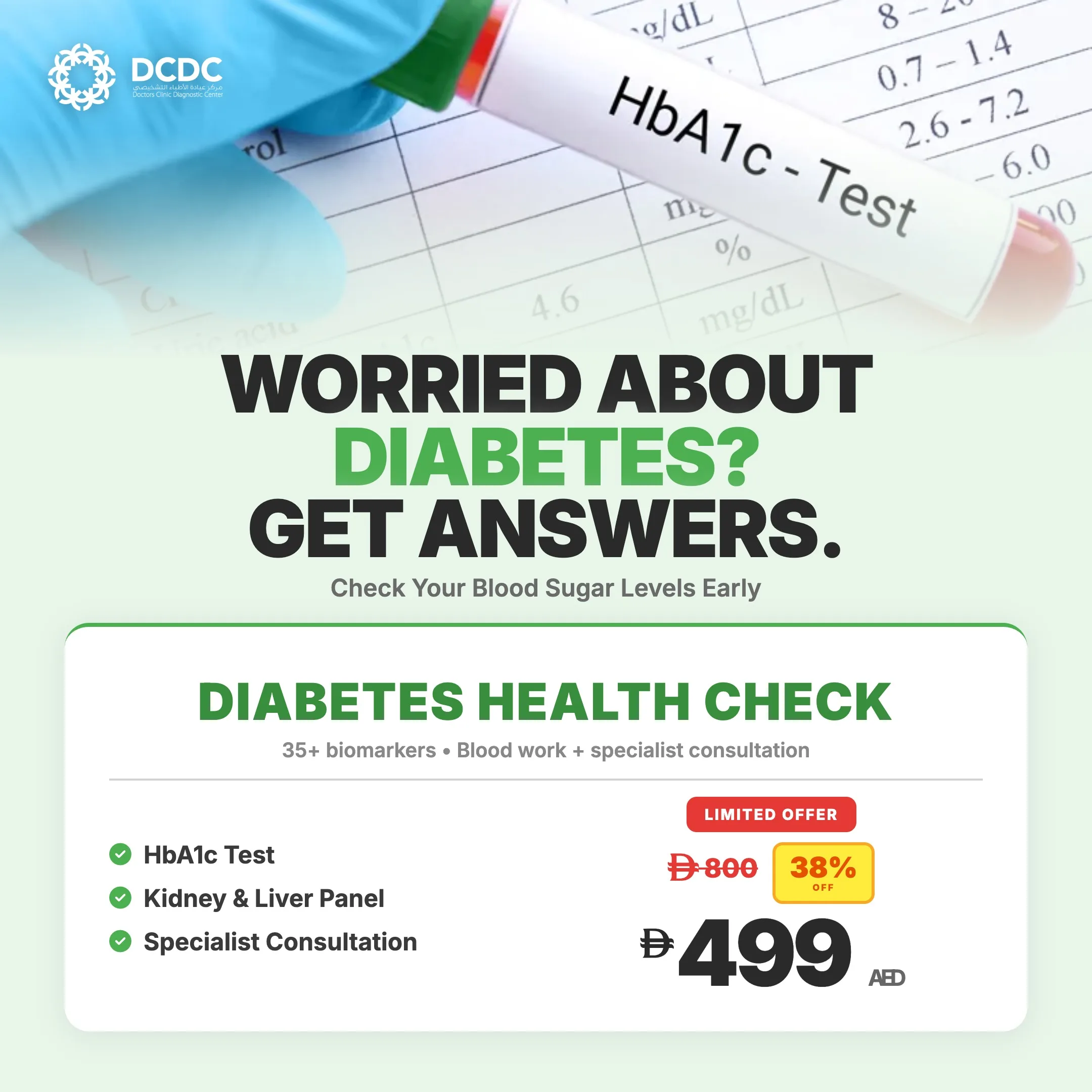
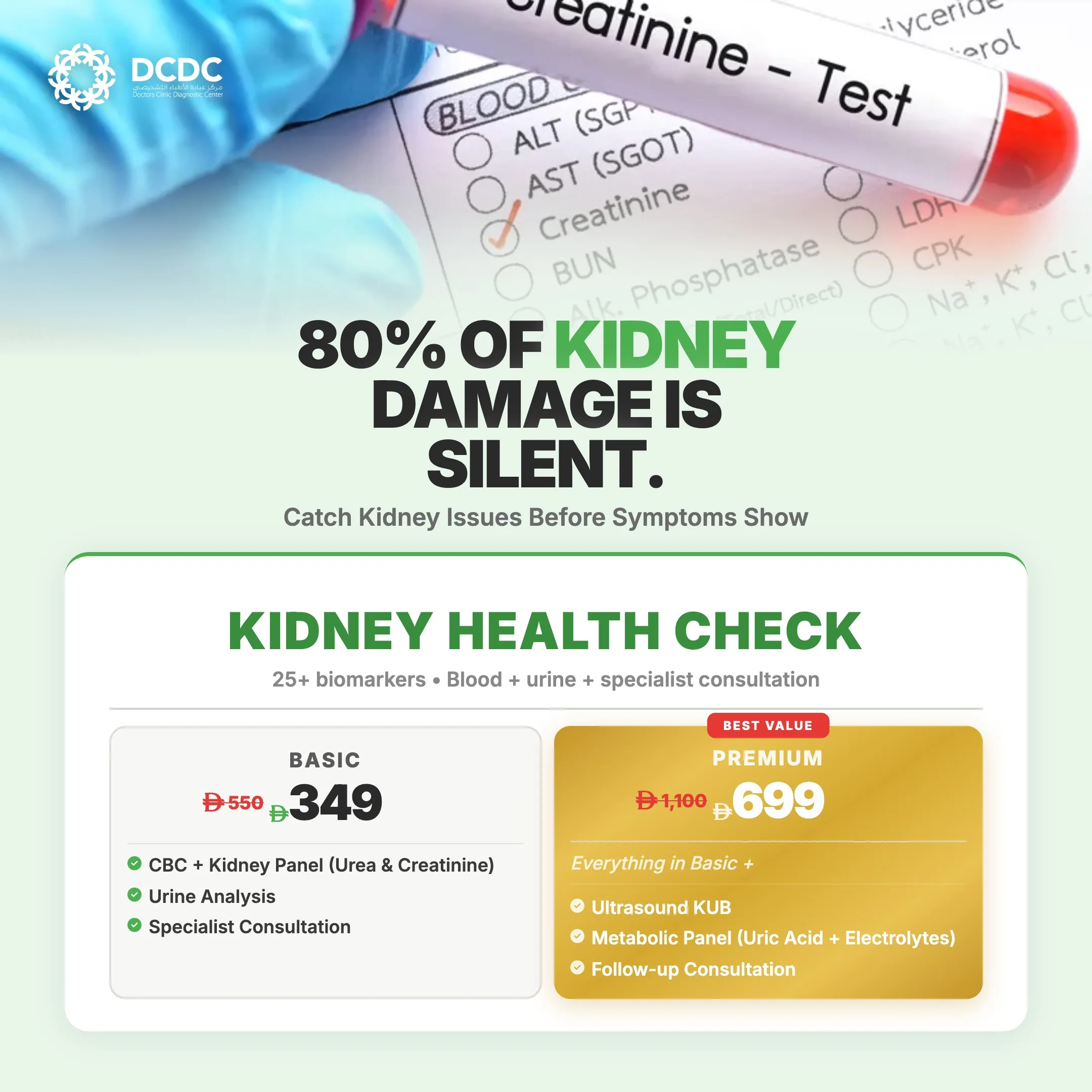
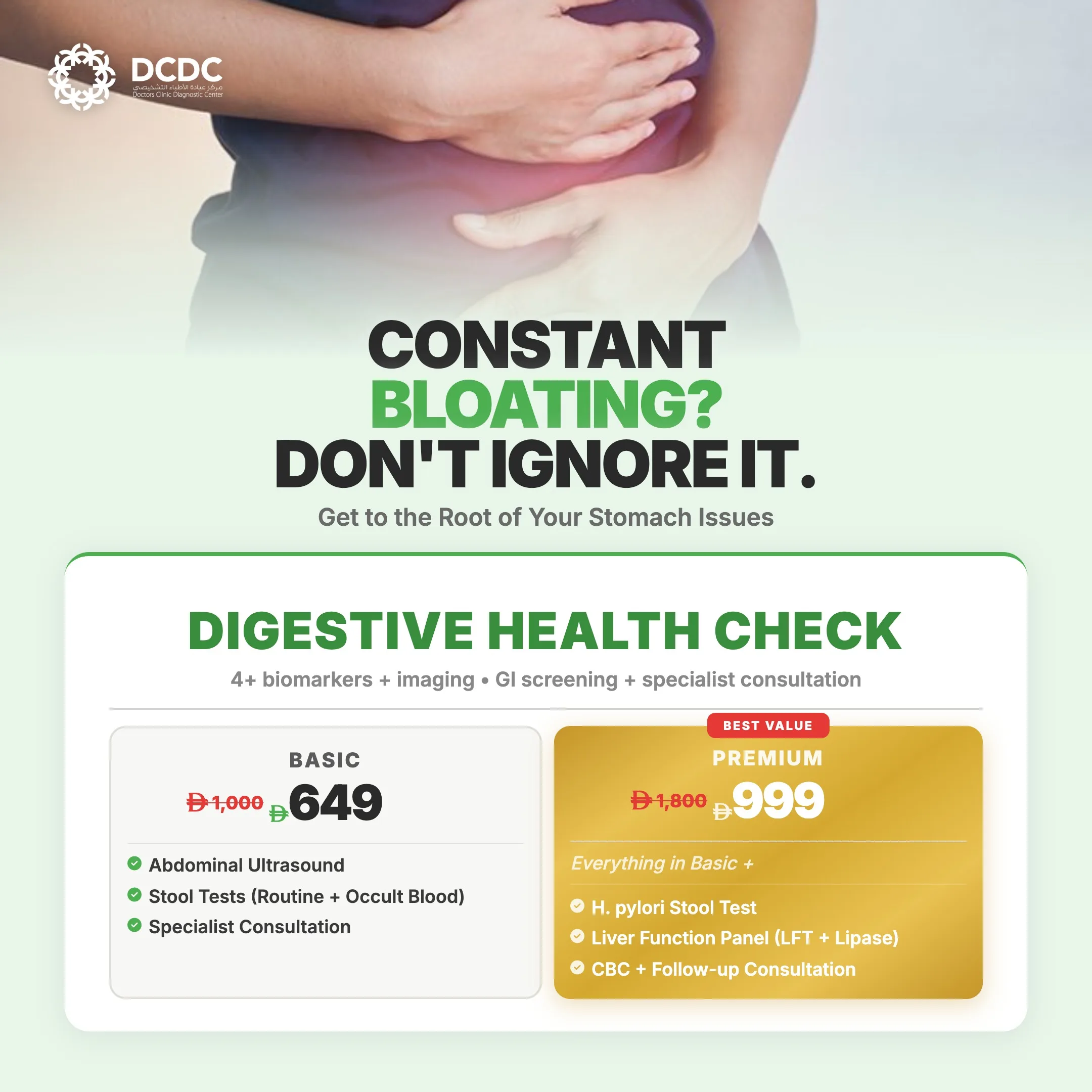
Health Screening Packages
Save with our bundled screening packages — specialist consultation included



What Is Bloating? Understanding the Symptom
Bloating refers to a sensation of fullness, tightness, or swelling in the abdomen. It may or may not be accompanied by visible distension (a measurable increase in abdominal girth). Under the latest Rome V diagnostic criteria, functional bloating is defined as recurrent abdominal fullness or pressure occurring at least one day per week for three months, with symptom onset at least six months prior.
It is important to distinguish between occasional bloating -- which most people experience after a heavy meal or during hormonal changes -- and chronic bloating that occurs daily or near-daily. Occasional bloating usually resolves on its own, but persistent bloating often signals an underlying gastrointestinal condition that warrants investigation.
Bloating vs. Distension
Bloating is the subjective feeling of abdominal fullness or pressure. Distension is the objective, measurable increase in abdominal circumference. Some patients experience bloating without visible distension, while others have clear distension without much discomfort. Both presentations deserve clinical evaluation if they are persistent, as the underlying mechanisms -- including visceral hypersensitivity, altered gut motility, and gas production -- may differ.
Top 10 Causes of Bloating
Bloating can stem from a wide range of causes, from benign dietary triggers to conditions requiring medical treatment. Below are the ten most common causes we evaluate at DCDC.
- Irritable Bowel Syndrome (IBS): A disorder of gut-brain interaction affecting up to 11% of the global population. Bloating is reported by 75-90% of IBS patients and is often accompanied by alternating diarrhea and constipation.
- Small Intestinal Bacterial Overgrowth (SIBO): An abnormal increase in bacteria in the small intestine that produces excess gas. SIBO is found in up to 78% of patients with IBS symptoms and is diagnosed via hydrogen or methane breath testing.
- Food Intolerances: Lactose intolerance, fructose malabsorption, and gluten sensitivity can all cause bloating within hours of eating trigger foods. Breath tests and elimination diets help identify specific intolerances.
- Helicobacter pylori (H. pylori) Infection: This bacterial infection of the stomach lining causes chronic gastritis, bloating, nausea, and upper abdominal discomfort. It is highly prevalent in the Middle East region.
- Gastritis and Peptic Ulcers: Inflammation of the stomach lining -- whether caused by H. pylori, NSAIDs, or stress -- leads to early satiety, bloating, and epigastric pain.
- Celiac Disease: An autoimmune reaction to gluten that damages the small intestinal lining. Bloating, diarrhea, fatigue, and nutrient malabsorption are hallmark symptoms.
- Constipation: Slow transit time allows excess gas to accumulate in the colon. Chronic constipation is one of the most straightforward -- yet frequently overlooked -- causes of persistent bloating.
- Gastroparesis (Delayed Gastric Emptying): The stomach empties food too slowly, causing prolonged fullness, nausea, and bloating. It can be idiopathic or associated with diabetes.
- Functional Dyspepsia: Chronic indigestion with no identifiable structural cause. Patients report post-meal fullness, bloating, and early satiety.
- Gynecological Causes (Women): Ovarian cysts, endometriosis, and hormonal fluctuations during the menstrual cycle or perimenopause can all manifest as abdominal bloating.
Comparing Common Causes of Bloating: Symptoms, Tests & Treatment
The table below summarizes the key differentiating features of the most common causes of bloating, along with the diagnostic tests and treatment approaches used at DCDC.
| Condition | Key Symptoms | Diagnostic Tests | Primary Treatment |
|---|---|---|---|
| IBS | Bloating, abdominal pain, alternating diarrhea/constipation, relief after bowel movement | Clinical criteria (Rome V), stool tests to exclude other causes | Low-FODMAP diet, antispasmodics, gut-directed therapy |
| SIBO | Excessive gas, bloating within 30-90 min of eating, diarrhea, nutrient deficiencies | Hydrogen/methane breath test | Targeted antibiotics (e.g. rifaximin), dietary modification |
| Lactose Intolerance | Bloating, gas, diarrhea after dairy consumption | Lactose breath test | Lactose-free diet, enzyme supplements |
| Fructose Malabsorption | Bloating, gas, loose stools after high-fructose foods | Fructose breath test | Low-fructose diet, dietary counseling |
| H. pylori Infection | Upper abdominal bloating, nausea, burning pain, early satiety | Urea breath test, stool antigen test, blood antibody test | Triple or quadruple eradication therapy (antibiotics + PPI) |
| Gastritis | Epigastric bloating, burning, nausea, loss of appetite | Endoscopy, H. pylori testing | PPI therapy, H. pylori eradication if positive, dietary changes |
| Celiac Disease | Bloating, chronic diarrhea, fatigue, weight loss, anemia | tTG-IgA blood test, confirmatory endoscopy with biopsy | Strict lifelong gluten-free diet |
| Gastroparesis | Prolonged fullness, nausea, vomiting, bloating hours after eating | Gastric emptying study | Prokinetic medications, small frequent meals, dietary adjustments |
| Functional Dyspepsia | Post-meal fullness, early satiety, upper abdominal bloating | Endoscopy to exclude structural causes, H. pylori testing | PPI trial, prokinetics, tricyclic antidepressants at low dose |
| Constipation | Infrequent stools, straining, hard stools, progressive abdominal bloating | Clinical assessment, abdominal X-ray if needed | Fiber supplementation, osmotic laxatives, lifestyle changes |
Comparison of common bloating causes with typical symptoms, diagnostic tests, and treatments available at DCDC Dubai Healthcare City.
Dubai-Specific Factors That Contribute to Bloating
Living in Dubai introduces several lifestyle and environmental factors that can worsen or trigger bloating. Understanding these factors can help you take preventive steps alongside any medical treatment.
- Heat and Dehydration: Dubai's extreme summer temperatures (often exceeding 45 degrees C) cause significant fluid loss through sweat. Dehydration slows gastric motility and reduces digestive enzyme efficiency, leading to bloating and constipation. Many residents underestimate how much water they lose in air-conditioned environments, where dry recycled air silently depletes hydration.
- AC-Related Dehydration: Spending extended hours in heavily air-conditioned offices, malls, and homes lowers humidity exposure and accelerates insensible water loss. This indoor dehydration is a frequently overlooked contributor to sluggish digestion in Dubai.
- Dining-Out Culture: Dubai's vibrant food scene encourages frequent restaurant meals, brunches, and buffets. Larger portions, richer sauces, and higher fat content in dining-out meals slow gastric emptying and increase fermentation in the gut.
- Spicy Cuisine: The diverse culinary landscape in Dubai -- featuring Indian, Middle Eastern, Southeast Asian, and fusion cuisines -- means many residents regularly consume spice-heavy meals. Capsaicin and certain spices can irritate the gastric lining and exacerbate bloating in sensitive individuals.
- Ramadan Fasting and Iftar Patterns: During Ramadan, the shift to large evening meals after a full day of fasting places sudden demand on the digestive system. Eating quickly at iftar, consuming high-sugar drinks, and combining diverse foods in one sitting commonly trigger significant bloating.
- Stress and Fast-Paced Lifestyle: Dubai's demanding work culture can elevate cortisol levels, which directly impacts gut motility through the gut-brain axis. Stress-related bloating is a common presentation at our clinic.
If you are experiencing persistent bloating alongside any of these lifestyle factors, a structured evaluation can help determine whether environmental triggers alone are responsible or whether an underlying condition is also at play. For residents dealing with overlapping bowel irregularities, our guide on IBS treatment and symptoms in Dubai covers the diagnostic criteria and management options in detail.
When to See a Doctor for Bloating
Not all bloating requires medical attention -- occasional discomfort after a large meal is normal. However, you should book an appointment if your bloating matches any of the following patterns.
Red-Flag Symptoms Requiring Urgent Evaluation
- Unexplained weight loss: Losing weight without trying, especially alongside persistent bloating, can indicate celiac disease, malabsorption, or in rare cases, malignancy.
- Blood in your stool or vomit: Any sign of gastrointestinal bleeding warrants immediate investigation.
- Persistent vomiting: Recurrent vomiting with bloating may suggest gastroparesis, bowel obstruction, or other serious conditions.
- Fever: Bloating accompanied by fever can indicate infection or inflammation requiring prompt treatment.
- Severe or worsening abdominal pain: Progressive pain that does not respond to over-the-counter remedies needs clinical assessment to rule out surgical causes.
- Inability to pass gas or have a bowel movement: This combination may signal a bowel obstruction, which is a medical emergency.
Self-Assessment: Should You See a Specialist?
Ask yourself the following questions. If you answer "yes" to two or more, scheduling a consultation is recommended.
- Do you experience bloating on most days of the week?
- Has your bloating persisted for more than four weeks?
- Does bloating interfere with your daily activities, work, or social life?
- Have you noticed a change in your bowel habits (new diarrhea, constipation, or alternating pattern)?
- Have you lost weight without intentionally dieting?
- Does bloating occur regardless of what you eat?
- Have over-the-counter remedies (antacids, simethicone, probiotics) failed to help?
- Do you have a family history of celiac disease, inflammatory bowel disease, or gastrointestinal cancers?
Diagnostic Tests for Bloating at DCDC
One of the biggest advantages of visiting DCDC for bloating evaluation is our one-stop diagnostic capability. Our laboratory, imaging department, and specialist clinics are all located within the same facility in Dubai Healthcare City, which means you can complete your entire workup in a single visit -- no referrals to external labs or imaging centers.
| Diagnostic Test | What It Detects | Duration | Indicative Cost |
|---|---|---|---|
| Hydrogen Breath Test (Lactose) | Lactose intolerance / malabsorption | 2-3 hours | From AED 300 |
| Hydrogen Breath Test (SIBO) | Small intestinal bacterial overgrowth | 2-3 hours | From AED 400 |
| Urea Breath Test (H. pylori) | Helicobacter pylori infection | 20-30 minutes | From AED 300 |
| Comprehensive Stool Analysis | Parasites, inflammation markers (calprotectin), occult blood, digestive function | 1-3 days for results | From AED 200 |
| Celiac Panel (tTG-IgA + Total IgA) | Celiac disease screening | Same-day blood draw, 1-2 days for results | From AED 250 |
| Complete Blood Count + Iron Studies | Anemia, infection markers, iron deficiency | Same-day blood draw, same-day results | From AED 150 |
| Liver Function Panel | Liver health, bile production issues | Same-day blood draw, same-day results | From AED 200 |
| Thyroid Function Test (TSH, T3, T4) | Hypothyroidism (which slows gut motility) | Same-day blood draw, same-day results | From AED 200 |
| Food Intolerance Panel (IgG) | Delayed immune reactions to common foods | Same-day blood draw, 5-7 days for results | From AED 500 |
| Abdominal Ultrasound | Gallstones, liver abnormalities, ascites, organ pathology | 20-30 minutes | From AED 400 |
Diagnostic tests available at DCDC Dubai Healthcare City. Prices shown are indicative starting ranges and may vary based on insurance coverage and panel combinations (2026).
For patients who suspect specific food triggers, our dedicated food intolerance testing service in Dubai provides comprehensive IgG panels that test reactivity to over 200 food items, combined with dietitian-guided elimination protocols.
Dr. Hadeel Elnur's Approach to Bloating Diagnosis
Dr. Hadeel Elnur, General Practitioner at DCDC, serves as the first point of contact for patients presenting with chronic bloating. Her approach emphasizes a structured, multi-specialty workup rather than a trial-and-error strategy.
"Bloating is a symptom, not a diagnosis," explains Dr. Elnur. "When a patient comes in with persistent bloating, I begin with a thorough clinical history -- dietary patterns, bowel habits, stress levels, medication use, and any red-flag symptoms. From there, I coordinate targeted investigations rather than ordering every test available. For example, if the history suggests post-meal bloating with dairy, we start with a lactose breath test. If the pattern points toward SIBO, we proceed with a hydrogen breath test. This targeted approach saves the patient time and money while getting to the answer faster."
As a general practitioner in a multi-specialty center, Dr. Elnur coordinates across departments when needed -- referring to gastroenterology for endoscopy, to radiology for abdominal imaging, or to our laboratory for specialized panels -- all without the patient leaving the building. This integrated model is a key advantage of DCDC's location in Dubai Healthcare City, where our 98% patient satisfaction rate reflects the efficiency of this coordinated care approach.
Struggling with Chronic Bloating?
Book a same-day consultation at DCDC and get answers -- not guesswork. Our on-site lab, imaging, and specialist team mean you can complete your bloating workup in a single visit. View our gastroenterology services or call to book.
Open Sat-Thu 8 AM-10 PM, Fri 9 AM-9 PM. Free dedicated parking. Direct billing with 20+ insurance providers.
What to Expect at DCDC: Your Bloating Evaluation Journey
If you are visiting DCDC for the first time with bloating symptoms, here is what a typical evaluation looks like from arrival to treatment plan. Our average wait time is just 15 minutes, and most patients complete their initial workup in a single visit.
Step 1: Arrival and Registration
Park in our free dedicated on-site parking at Building 64, Block A, Al Razi Medical Complex, Dubai Healthcare City. At reception, our team will verify your insurance (we offer direct billing with 20+ providers including Daman, AXA, and Bupa) and take your initial vitals.
Step 2: Clinical Consultation
Your doctor will conduct a detailed history covering your bloating pattern, dietary habits, bowel movements, stress levels, and any associated symptoms. A focused physical examination of the abdomen follows. Based on the clinical picture, your doctor will recommend specific diagnostic tests.
Step 3: Same-Day Diagnostics
Depending on the clinical suspicion, you may proceed directly to our on-site laboratory for blood work and stool tests, to our imaging department for an abdominal ultrasound, or to a breath testing session. Because everything is under one roof, there is no need to schedule separate appointments at external facilities.
Step 4: Results and Treatment Plan
Many blood test results are available the same day. Once results are in, your doctor will explain the findings, provide a clear diagnosis where possible, and outline a treatment plan. This may include dietary modifications, medication, a referral to a specialist gastroenterologist for further evaluation (such as endoscopy), or a structured elimination diet with follow-up.
Step 5: Follow-Up and Monitoring
For conditions like SIBO, food intolerances, or IBS, follow-up appointments are scheduled to assess treatment response, adjust medications, and refine dietary plans. Our goal is sustained symptom resolution, not just short-term relief.
Treatment Options for Bloating
Treatment depends entirely on the underlying cause identified through your diagnostic workup. Below are the primary treatment strategies our team uses at DCDC.
Dietary Interventions
- Low-FODMAP Diet: Clinically proven to reduce bloating in 50-80% of IBS patients. FODMAPs (fermentable oligosaccharides, disaccharides, monosaccharides, and polyols) are short-chain carbohydrates that are poorly absorbed and rapidly fermented by gut bacteria. The diet involves a 4-6 week elimination phase followed by systematic reintroduction.
- Gluten-Free Diet: Essential for confirmed celiac disease and may benefit patients with non-celiac gluten sensitivity. Must be maintained strictly and lifelong for celiac patients.
- Lactose-Free or Reduced-Lactose Diet: For confirmed lactose intolerance, eliminating or reducing dairy products provides rapid symptom relief. Lactase enzyme supplements offer an alternative for occasional dairy consumption.
- Structured Elimination Diet: For patients with multiple food sensitivities, a professionally guided elimination diet removes suspected triggers for 4-6 weeks before systematic rechallenge. This approach is far more reliable than self-diagnosed food avoidance.
Medical Treatments
- Antibiotics for SIBO: Rifaximin is the most commonly prescribed antibiotic for SIBO, with clinical response rates of 50-70%. It acts locally in the gut with minimal systemic absorption.
- H. pylori Eradication Therapy: Triple or quadruple therapy combining antibiotics with a proton pump inhibitor (PPI) for 10-14 days. Eradication is confirmed with a follow-up breath test.
- Proton Pump Inhibitors (PPIs): Used to reduce stomach acid in gastritis, peptic ulcers, and functional dyspepsia. Typically prescribed for 4-8 weeks.
- Antispasmodics: Medications like hyoscine and mebeverine help relieve cramping and bloating associated with IBS by relaxing smooth muscle in the gut wall.
- Prokinetics: Medications that enhance gastric motility, used in gastroparesis and functional dyspepsia to accelerate gastric emptying.
- Probiotics: Specific strains (such as Bifidobacterium infantis 35624 and Lactobacillus plantarum 299v) have shown benefit in clinical trials for IBS-related bloating. Not all probiotics are equal -- strain selection matters.
Patients investigating potential H. pylori as a cause of their bloating can find detailed information on testing options and costs in our H. pylori testing guide for Dubai.
Lifestyle Modifications
- Hydration: Aim for 2.5-3.5 litres of water daily in Dubai's climate. Increase intake during summer months and when spending extended time in air-conditioned environments.
- Eating Habits: Eat smaller, more frequent meals. Chew thoroughly and avoid eating while distracted or rushing. Reduce carbonated drinks and chewing gum.
- Physical Activity: Regular moderate exercise (30 minutes of walking, swimming, or cycling most days) stimulates gut motility and reduces gas retention.
- Stress Management: Techniques such as diaphragmatic breathing, mindfulness, and regular sleep hygiene help regulate the gut-brain axis and reduce stress-related bloating.
- Ramadan-Specific Tips: Break your fast with dates and water, eat slowly, avoid large volumes of fried or high-fat foods at iftar, and include fiber-rich foods at suhoor to maintain bowel regularity throughout the fasting period.
Bloating During Ramadan: A Dubai-Specific Concern
Ramadan-related bloating is one of the most common seasonal digestive complaints we see at our clinic in Dubai. The combination of prolonged fasting followed by large, calorie-dense iftar meals creates a predictable pattern of digestive distress.
During the fasting hours, gastric acid continues to be produced even without food intake, which can irritate the stomach lining. When the fast is broken, many people eat rapidly and consume large quantities of food and fluids simultaneously, overwhelming the digestive system. High-sugar drinks like jallab and qamar al-din, combined with fried items such as samosas and spring rolls, create a high-fermentation load in the gut.
- Break your fast gradually: Start with dates and water, wait 15-20 minutes, then eat your main meal. This gives your stomach time to restart digestive processes.
- Prioritize hydration between iftar and suhoor: Aim for at least 2 litres of water during non-fasting hours. Dehydration during fasting hours is a major contributor to constipation and bloating.
- Include fiber at suhoor: Oats, whole grains, and vegetables help maintain bowel regularity throughout the fasting day.
- Limit carbonated drinks: Despite their popularity at iftar, carbonated beverages introduce gas directly into the digestive tract and worsen bloating.
- Avoid lying down immediately after eating: Wait at least 2-3 hours after iftar before lying down to reduce reflux and trapped gas.
Bloating in Women: Hormonal and Gynecological Factors
The Rome Foundation Global Epidemiology Study found that 23.4% of women report weekly bloating compared with 12.2% of men -- nearly double the prevalence. This significant gender difference is driven by both hormonal and anatomical factors.
- Menstrual Cycle: Progesterone levels rise in the luteal phase (the two weeks before menstruation), which slows gut motility and increases water retention. Many women report their worst bloating in the days leading up to their period.
- Perimenopause and Menopause: Fluctuating estrogen and progesterone levels during perimenopause can cause unpredictable bloating, often accompanied by other gastrointestinal symptoms.
- Ovarian Cysts: Large or multiple ovarian cysts can cause a sense of abdominal fullness and pressure that mimics gastrointestinal bloating. An abdominal or pelvic ultrasound can help differentiate the cause.
- Endometriosis: Endometrial tissue growing outside the uterus can affect the bowel and cause cyclical bloating, pain, and changes in bowel habits -- a presentation sometimes called "endo belly."
For women whose bloating follows a clear menstrual pattern or is accompanied by pelvic pain, a combined gastroenterological and gynecological evaluation at DCDC can help clarify the diagnosis.
Foods That Commonly Cause Bloating
While the specific trigger foods vary from person to person, certain categories are well-established culprits. Understanding these can help you keep a useful food diary before your consultation.
- High-FODMAP Foods: Onions, garlic, wheat, apples, pears, watermelon, milk, yogurt, legumes (chickpeas, lentils, kidney beans), and certain sweeteners (sorbitol, mannitol, xylitol).
- Cruciferous Vegetables: Broccoli, cauliflower, cabbage, and Brussels sprouts contain raffinose, a complex sugar that produces gas during digestion.
- Carbonated Beverages: Soft drinks, sparkling water, and energy drinks introduce carbon dioxide directly into the digestive tract.
- Processed and Ultra-Processed Foods: High in sodium (causing water retention), additives, and emulsifiers that can disrupt the gut microbiome.
- Sugar Alcohols: Found in sugar-free gums, mints, and diet products. These are poorly absorbed in the small intestine and fermented by colonic bacteria.
- Fried and High-Fat Foods: Slow gastric emptying and increase the sensation of fullness and bloating. Particularly relevant in Dubai's dining-out culture where shared platters and buffets encourage overconsumption.
Get to the Root Cause of Your Bloating
Stop guessing and start testing. At DCDC, our on-site lab and imaging center let you complete breath tests, blood panels, stool analysis, and abdominal ultrasound in a single visit. Rated 4.8/5 from 1,000+ Google reviews. Book your consultation today.
Building 64, Block A, Al Razi Medical Complex, Dubai Healthcare City. MOHAP Licensed. Free parking. 20+ insurance partners.
How to Prepare for Your Bloating Consultation
Coming prepared to your appointment helps your doctor reach a diagnosis faster and ensures you get the most value from your consultation. Here is what we recommend.
- Keep a food and symptom diary for 7 days: Record everything you eat and drink, along with the timing and severity of bloating episodes. Note any other symptoms like gas, pain, diarrhea, or constipation.
- List your medications and supplements: Some medications (iron supplements, certain painkillers, calcium channel blockers) can cause or worsen bloating.
- Note your bowel habits: Frequency, consistency (use the Bristol Stool Scale as a reference), and any recent changes.
- Bring previous test results: If you have had blood work, imaging, or endoscopy results from another provider, bring them to avoid unnecessary repeat testing.
- Prepare your questions: Write down specific concerns you want addressed during the consultation.
- Fasting for blood work: If your doctor is likely to order blood tests (lipid panel, glucose, liver function), fasting for 10-12 hours beforehand allows same-day sample collection. Ask when booking your appointment.
Bloating Prevention: Evidence-Based Daily Habits
While treating the underlying cause is essential, adopting the following daily habits can significantly reduce bloating severity and frequency for most people living in Dubai.
- Stay consistently hydrated: Do not wait until you feel thirsty. Carry a water bottle and sip throughout the day, especially between meals rather than during meals.
- Eat mindfully: Slow down, chew each bite 20-30 times, and avoid eating at your desk or while scrolling your phone. Rushed eating increases air swallowing (aerophagia), a common cause of upper abdominal bloating.
- Move after meals: A 10-15 minute walk after eating stimulates peristalsis and reduces post-meal bloating. This is particularly helpful after dinner.
- Manage portion sizes: When dining out in Dubai, consider sharing dishes rather than ordering individual portions. Request sauces and dressings on the side.
- Limit artificial sweeteners: Sugar-free products containing sorbitol, mannitol, or xylitol are common in the UAE market and are significant bloating triggers for many people.
- Establish regular meal timing: Eating at consistent times helps regulate digestive enzyme release and gut motility.
- Prioritize sleep: Poor sleep disrupts the gut microbiome and increases visceral sensitivity. Aim for 7-8 hours per night.
Kaugnay na Serbisyo sa DCDC
Dalubhasang pangangalaga at advanced diagnostics sa Dubai Healthcare City
Mga Madalas Itanong
Mga Huling Kaisipan
Chronic bloating is not something you should learn to live with. In most cases, there is an identifiable and treatable cause -- whether it is a bacterial overgrowth, a food intolerance, an infection like H. pylori, or a functional gut disorder like IBS. The key is moving beyond symptom management and investing in a proper diagnostic workup.
At DCDC in Dubai Healthcare City, our integrated model -- with on-site laboratory, breath testing, abdominal imaging, and specialist consultations all under one roof -- means you can go from initial consultation to diagnosis in a single visit. With same-day appointments, free parking, direct insurance billing, and a 4.8/5 Google rating from over 1,000 reviews, we are committed to making your path to digestive health as efficient and comfortable as possible.
If bloating is affecting your quality of life, take the first step. Book a consultation, get tested, and get answers.
Mga Sanggunian at Reperensya
Ang artikulong ito ay sinuri ng aming medikal na team at tumutukoy sa mga sumusunod na sanggunian:
- Rome Foundation Global Epidemiology Study -- Prevalence and Associated Factors of Bloating (Gastroenterology, 2023)
- Cleveland Clinic -- Bloated Stomach: What It Is, Causes & When to Be Concerned
- Mayo Clinic -- Intestinal Gas: When to See a Doctor
- American College of Gastroenterology -- Clinical Practice Guidelines for SIBO (Gastroenterology, 2020)
- European Society of Neurogastroenterology and Motility (ESNM) / UEG -- European Consensus on Functional Bloating and Abdominal Distension (2025)
- NHS -- Bloating Causes and Treatment
Ang medikal na nilalaman sa site na ito ay sinusuri ng mga DHA-licensed na manggagamot. Tingnan ang aming patakarang editorial para sa higit pang impormasyon.

Isinulat ni
Dr. Hadeel Elnur
General Practitioner
MD, General Practice
Dr. Hadeel Elnur is a General Practitioner at Doctors Clinic Diagnostic Center (DCDC) in Dubai Healthcare City.
Mga Kaugnay na Artikulo

IBS Treatment Dubai: Symptoms & Relief

Food Intolerance Test Dubai: From AED 500

H. Pylori Test Cost Dubai: From AED 300
Gastritis Treatment Dubai: Symptoms & Relief
Acid Reflux Dubai: GERD Symptoms & Care
Higit pa sa Internal Medicine

Gastritis vs GERD Dubai: Key Differences (2026)
Basahin Pa
Endoscopy Dubai: Types, Cost & Guide (2026)
Basahin PaUric Acid & Gout Treatment Dubai: Guide (2026)
Basahin Pa
Low Testosterone Symptoms & Treatment Dubai (2026)
Basahin PaStomach Ulcer Dubai: Symptoms & Treatment (2026)
Basahin Pa
Anemia Treatment Dubai: Types & Causes (2026)
Basahin Pa© 2026 Doctors Clinic Diagnostic Center (DCDC), Dubai Healthcare City. Originally published at https://doctorsclinicdubai.ae/blog/bloating-causes-treatment-dubai. All rights reserved. Unauthorized reproduction is prohibited.