
رزرو نوبت
نظرات تأیید شده بیماران مرکز تشخیصی DCDC در دبی
نظرات تأیید شده و داستانهای واقعی بیماران از شهر سلامت دبی
از این کلینیک پزشکی بسیار راضی هستم. اولین غربالگری بارداری خود را اینجا انجام دادم. قیمت مناسب و بسیار حرفهای بود. رادیولوژیست خوشامدگو، مهربان بود و تجربه عالیای داشتم.
آیژان توکمانبتووا
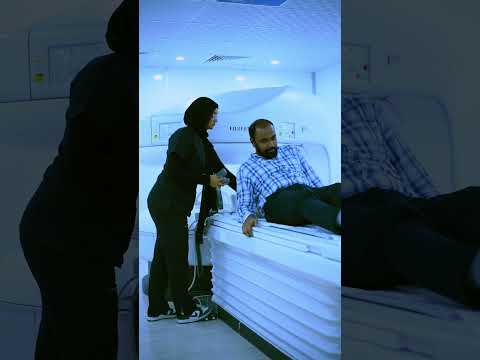
جمعه شب زانویم آسیب دید و یکشنبه عصر وقت MRI گرفتم (یکشنبه بعدازظهر رزرو کردم). حدود ۲ دقیقه صبر کردم و در کمتر از ۳۰ دقیقه کارم تمام شد. تیم فوقالعاده، دوستانه و کارآمد بود.
کریستن اوانز
تیم دکتر اسامه مهربان و فوقالعاده بود. بعد از یک تجربه بد در جای دیگر، معاینه لگن من اینجا بسیار حرفهایتر بود. گزارش عالی و بسیار دقیق.
ماری



درمان بیماری مزمن کلیه در دبی: مدیریت CKD و مراقبت از نارسایی کلیه
مراقبت طولانیمدت و کنترل خطر

محافظت از عملکرد
کند کردن پیشرفت با برنامههای مرحلهای
کنترل خطرات
فشار خون، دیابت، کمخونی، سلامت استخوان
مراقبت همان روز
نوبتهای کلیه در همان روز در صورت وجود
بیماری مزمن کلیه یک وضعیت طولانیمدت است که نیاز به مدیریت مداوم برای کاهش پیشرفت و حفاظت از سلامتی شما دارد. مراقبت زودهنگام و پایدار به جلوگیری از عوارض و تاخیر در نارسایی کلیه کمک میکند. درمان بیماری مزمن کلیه ما خدمات جامع مدیریت CKD و مراقبت از نارسایی کلیه را ارائه میدهد.
در مرکز تشخیص کلینیک پزشکان در شهر پزشکی دبی، تیم متخصص کلیه ما مراحل 1 تا 5 CKD را با تمرکز بر کنترل فشار خون، مدیریت دیابت، درمان کمخونی، سلامت استخوان و راهنمایی تغذیه کلیوی مدیریت میکند. ما مراقبت بلندمدت کلیه را با برنامههای درمانی مبتنی بر دستورالعمل و نظارت مکرر برای حفظ عملکرد کلیه شما ارائه میدهیم.
واقع در کلینیک کلیه ما نزدیک اود میتا در ام حریر 2، تیم متخصص CKD ما نوبتهای همان روز را در صورت موجود بودن ارائه میدهد. ما برنامه مراقبتی شما را بر اساس مرحله CKD، اهداف و سبک زندگی شما سفارشی میکنیم و حمایت شخصی را در طول سفر درمان ارائه میدهیم.
محافظت از عملکرد
کند کردن پیشرفت با برنامههای مرحلهای
کنترل خطرات
فشار خون، دیابت، کمخونی، سلامت استخوان
مراقبت همان روز
نوبتهای کلیه در همان روز در صورت وجود
درمان بیماری مزمن کلیه در دبی: مدیریت CKD و مراقبت از نارسایی کلیه
مراقبت طولانیمدت و کنترل خطر
بیماری مزمن کلیه یک وضعیت طولانیمدت است که نیاز به مدیریت مداوم برای کاهش پیشرفت و حفاظت از سلامتی شما دارد. مراقبت زودهنگام و پایدار به جلوگیری از عوارض و تاخیر در نارسایی کلیه کمک میکند. درمان بیماری مزمن کلیه ما خدمات جامع مدیریت CKD و مراقبت از نارسایی کلیه را ارائه میدهد.
در مرکز تشخیص کلینیک پزشکان در شهر پزشکی دبی، تیم متخصص کلیه ما مراحل 1 تا 5 CKD را با تمرکز بر کنترل فشار خون، مدیریت دیابت، درمان کمخونی، سلامت استخوان و راهنمایی تغذیه کلیوی مدیریت میکند. ما مراقبت بلندمدت کلیه را با برنامههای درمانی مبتنی بر دستورالعمل و نظارت مکرر برای حفظ عملکرد کلیه شما ارائه میدهیم.
واقع در کلینیک کلیه ما نزدیک اود میتا در ام حریر 2، تیم متخصص CKD ما نوبتهای همان روز را در صورت موجود بودن ارائه میدهد. ما برنامه مراقبتی شما را بر اساس مرحله CKD، اهداف و سبک زندگی شما سفارشی میکنیم و حمایت شخصی را در طول سفر درمان ارائه میدهیم.

Dr. Manish Tripathi
خدمات ما را کاوش کنید
خدمات جامع درمان بیماری مزمن کلیه در DCDC شهر سلامت دبی.



تمام خدمات توسط متخصصان دارای مجوز DHA انجام میشود
چه کسانی باید درمان بیماری مزمن کلیه انجام دهند؟
مراقبت منظم کلیه ضروری است اگر CKD یا عوامل خطر عمده کلیه دارید.
تشخیص CKD (هر مرحله)
دیابت (نوع 1 یا 2)
فشار خون بالا (پرفشاری خون)
سابقه خانوادگی نارسایی کلیه
عفونتهای مکرر کلیه
پروتئین در ادرار
چرا DCDC را برای مراقبت CKD در دبی انتخاب کنیم؟
کلینیک کلیه دارای مجوز MOHAP در شهر پزشکی دبی با برنامههای مرحلهای CKD، ایمنی دارویی و راهنمایی تغذیه. نوبتهای همان روز اغلب موجود است؛ ظرفیت محدود.
دارای مجوز MOHAP
مرکز دارای مجوز در DHCC (مجوز MOHAP NIMY7VY5-240925) با استانداردهای ایمنی سخت.
متخصصان CKD
متخصصان کلیه با تجربه در مراحل 1-5، کمخونی، سلامت استخوان و کنترل فشار خون بالا.
دسترسی همان روز
مشاورههای CKD در همان روز در صورت موجود بودن؛ موارد فوری اولویت دارند.
ایمنی دارویی
دوزهای کلیوی، بررسی تداخل دارویی و اجتناب از سموم کلیوی.
حمایت بیمه
راهنمایی پوشش برای آزمایشات، تصویربرداری و داروها.
موقعیت عالی DHCC
ساختمان 64، بلوک A، شهر پزشکی دبی با دسترسی آسان و پارکینگ.
مراجعه راحت شما
فرآیند اسکن درمان ساده و گام به گام که برای راحتی، سرعت و دقت طراحی شده است.
هزینههای مدیریت
قیمت درمان در دبی بسته به نوع خدمت و پوشش بیمه برای انواع مختلف خدمات متفاوت است.
- قیمتها بسته به نوع اسکن و نیاز به ماده حاجب متفاوت است
- پوشش بیمه با ارجاع و تأیید پذیرفته میشود
- نرخهای شفاف پرداخت نقدی با قیمتگذاری فوری در صورت درخواست
تأیید بیمه در چند دقیقه • بدون هزینه پنهان • پاسخ سریع در واتساپ
راهنمای بیمار
آنچه در ویزیت CKD خود انتظار دارید
مراقبت مرحلهای با نظارت، ایمنی دارویی و راهنمایی سبک زندگی برای محافظت از عملکرد کلیه.
بیمه و موقعیت
شرکای بیمه
- •بیش از ۲۰ شرکت بیمه در دبی از جمله ضمان، آکسا، ادنیک و دیگران
- •پشتیبانی پیشتأیید و صورتحساب مستقیم (در صورت امکان)
- •بررسی پوشش بیمه قبل از نوبت شما در کلینیک ما در شهر بهداشت دبی
- •قیمتگذاری شفاف بدون هزینه پنهان برای خدمات درمان بیماری مزمن کلیه








به ما در شهر سلامت دبی سر بزنید
مرکز تشخیصی کلینیک پزشکان
ساختمان ۶۴، بلوک A، مجتمع پزشکی الرازی، شهر سلامت دبی، دبی، امارات متحده عربی
نزدیک جاده عود متحا · دسترسی آسان از بر دبی، داونتاون دبی، بیزینس بی · پارکینگ اختصاصی رایگان موجود
ساعات کاری
دوشنبه-پنجشنبه، شنبه: ۸ صبح - ۱۰:۳۰ شب | یکشنبه: ۸:۳۰ صبح - ۱۰:۳۰ شب | جمعه: ۹ صبح - ۱۰ شب
نحوه عملکرد بیمه در DCDC
بررسی پوشش
بررسی کنید که بیمه شما درمان بیماری مزمن کلیه را پوشش میدهد
دریافت ارجاع
برخی بیمهها نیاز به ارجاع پزشک عمومی دارند — ما راهنمایی میکنیم
پیشتأیید
ما پیشتأیید را مستقیماً با بیمهگر انجام میدهیم
فاکتور مستقیم
بدون پرداخت اولیه — ما مستقیماً با بیمهگر تسویه میکنیم
فقط سهم بیمار
فقط سهم بیمار قابل اعمال را در کلینیک پرداخت میکنید
بررسی پوشش
بررسی کنید که بیمه شما درمان بیماری مزمن کلیه را پوشش میدهد
دریافت ارجاع
برخی بیمهها نیاز به ارجاع پزشک عمومی دارند — ما راهنمایی میکنیم
پیشتأیید
ما پیشتأیید را مستقیماً با بیمهگر انجام میدهیم
فاکتور مستقیم
بدون پرداخت اولیه — ما مستقیماً با بیمهگر تسویه میکنیم
فقط سهم بیمار
فقط سهم بیمار قابل اعمال را در کلینیک پرداخت میکنید
Your Specialist
Dr. Manish Tripathi
Specialist Nephrologist
MD, Specialist Nephrologist
English · Hindi
راهنمای بیمار
بیماری مزمن کلیه: درک مراحل، درمان و زندگی سالم
بیماری مزمن کلیه یک وضعیت پیشرونده است که در آن کلیهها به تدریج توانایی خود را برای فیلتر کردن مواد زاید، تنظیم تعادل مایعات و حفظ هموستاز الکترولیتی و اسید-باز از دست میدهند. این بیماری تقریباً ۱۰ تا ۱۳ درصد از جمعیت جهان را تحت تأثیر قرار میدهد و اغلب یک بیماری خاموش نامیده میشود زیرا میتوان بخش قابل توجهی از عملکرد کلیه را قبل از آشکار شدن علائم از دست داد. در امارات متحده عربی، شیوع بالای دیابت و فشار خون بالا CKD را بسیار مهم میکند و غربالگری زودهنگام جمعیتهای در معرض خطر برای مداخله به موقع و حفظ عملکرد کلیه ضروری است.
کلیهها علاوه بر فیلتر کردن مواد زاید، وظایف حیاتی متعددی انجام میدهند. آنها فشار خون را از طریق سیستم رنین-آنژیوتانسین تنظیم میکنند، اریتروپویتین تولید میکنند تا تولید گلبولهای قرمز را تحریک کنند، ویتامین D را برای سلامت استخوان فعال میسازند و تعادل دقیق الکترولیت و مایعات را حفظ میکنند. هنگامی که عملکرد کلیه کاهش مییابد، تمام این سیستمها تحت تأثیر قرار میگیرند و منجر به فشار خون بالا، کمخونی، بیماری استخوان، احتباس مایع و اختلالات الکترولیتی میشوند. درک این روابط متقابل توضیح میدهد که چرا مدیریت CKD بسیار فراتر از پایش عملکرد کلیه بوده و نیازمند یک رویکرد جامع است که تمام سیستمهای تحت تأثیر را مورد توجه قرار دهد.
درمان CKD بر کند کردن پیشرفت و مدیریت عوارض در هر مرحله تمرکز دارد. کنترل فشار خون با اهداف زیر ۱۳۰/۸۰ میلیمتر جیوه با استفاده از مهارکنندههای ACE یا ARB (که پروتئینوری را نیز کاهش میدهند) اساسی است. برای بیماران دیابتی، رسیدن به کنترل مطلوب قند خون و استفاده از مهارکنندههای SGLT2 (که مزایای محافظت از کلیه را مستقل از کاهش قند خون ارائه میدهند) نتایج را به طور قابل توجهی بهبود میبخشد. اصلاح رژیم غذایی از جمله محدودیت سدیم، دریافت پروتئین مناسب و مدیریت سطوح پتاسیم و فسفر به کاهش بار کاری کلیههای آسیبدیده کمک میکند. اجتناب از داروهای سمی برای کلیه، به ویژه NSAIDها، و تنظیم دوزهای دارو بر اساس عملکرد کلیه از آسیب بیشتر جلوگیری میکند.
زندگی با CKD نیازمند آموزش، پایش و حمایت مداوم است. پیگیری منظم با متخصص کلیه امکان تشخیص زودهنگام پیشرفت، تنظیم به موقع داروها و مدیریت فعالانه عوارض از جمله کمخونی، اختلالات معدنی استخوان، اسیدوز متابولیک و خطر قلبی عروقی را فراهم میکند. برای بیمارانی که به مرحله ۵ نزدیک میشوند، آمادگی برای درمان جایگزین کلیه (دیالیز یا پیوند) باید از قبل آغاز شود. درک گزینههای موجود، ایجاد دسترسی دیالیز در صورت نیاز و ارزیابی پیوند در اوایل بهترین نتایج را به همراه دارد. با مدیریت مناسب، بسیاری از بیماران CKD سالها کیفیت زندگی خوبی دارند و دریافتکنندگان پیوند کلیه اغلب به زندگی کامل و فعال باز میگردند.
بیماریهای مرتبط با CKD که مدیریت میکنیم
نفروپاتی دیابتی
مدیریت آسیب کلیوی ناشی از دیابت با بهینهسازی قند خون، درمان ACE/ARB و مهارکنندههای SGLT2.
نفرواسکلروز فشار خون بالا
درمان آسیب کلیوی ناشی از فشار خون مزمن با کنترل هدفمند فشار خون و داروهای محافظ کلیه.
کمخونی کلیوی
تشخیص و درمان کمخونی ناشی از کاهش تولید اریتروپویتین با مکمل آهن و درمان ESA.
بیماری معدنی استخوان مرتبط با CKD
مدیریت عدم تعادل کلسیم، فسفر و هورمون پاراتیروئید برای جلوگیری از تضعیف استخوان و کلسیفیکاسیون عروقی.
اسیدوز متابولیک
اصلاح تجمع اسید در خون که با کاهش عملکرد کلیه رخ میدهد، با استفاده از مکمل بیکربنات.
اضافه بار مایع و ادم
مدیریت احتباس مایع با دیورتیکها، محدودیت سدیم و راهنمایی مصرف مایع بر اساس عملکرد کلیه.
مقالات مرتبط
Kidney Health: Prevention Tips Everyone Should Know
Practical strategies for protecting your kidneys, from hydration and diet to avoiding nephrotoxic substances.
Hypertension: The Silent Killer and Its Impact on Kidneys
Understanding how high blood pressure damages kidneys and the importance of early detection and treatment.
Renal Doppler Ultrasound: Assessing Kidney Blood Flow
How Doppler ultrasound evaluates kidney blood flow and helps diagnose renal vascular conditions.
Diabetes Management in Dubai: Protecting Your Kidneys
Essential strategies for managing diabetes to prevent kidney complications and preserve long-term health.
خدمات مرتبط
سایر خدمات تشخیصی و مشاورهای موجود در کلینیک ما در شهر سلامت دبی را کاوش کنید.
سؤالات متداول
سؤالات متداول درباره درمان بیماری مزمن کلیه در دبی.
CKD بر اساس eGFR (عملکرد کلیه) 5 مرحله دارد. مرحله 1 آسیب خفیف با عملکرد طبیعی است، در حالی که مرحله 5 نارسایی کلیه است. هدف ما نگه داشتن شما در مراحل اولیه است.
رژیم غذایی دوستدار کلیه معمولاً نمک را محدود میکند، و گاهی اوقات پروتئین، پتاسیم یا فسفر را، بسته به مرحله شما. ما راهنماییهای خاص ارائه میدهیم.
بله، با کاهش عملکرد کلیه، زبالهها تجمع مییابند و کمخونی میتواند ایجاد شود که باعث خستگی میشود. درمان این مسائل به بهبود انرژی کمک میکند.
بیشتر افراد مبتلا به CKD در نهایت نیازی به دیالیز ندارند. با مدیریت مناسب، هدف ما جلوگیری از پیشرفت به نارسایی کلیه است.
از هر 3 ماه یکبار تا سالی یکبار متفاوت است، بسته به مرحله و ثبات بیماری شما.
اطلاعات کلیدی
نظارت پزشکی
تمام خدمات تحت نظارت متخصصین پزشکی دارای مجوز در مرکز معتبر وزارت بهداشت ارائه میشود.