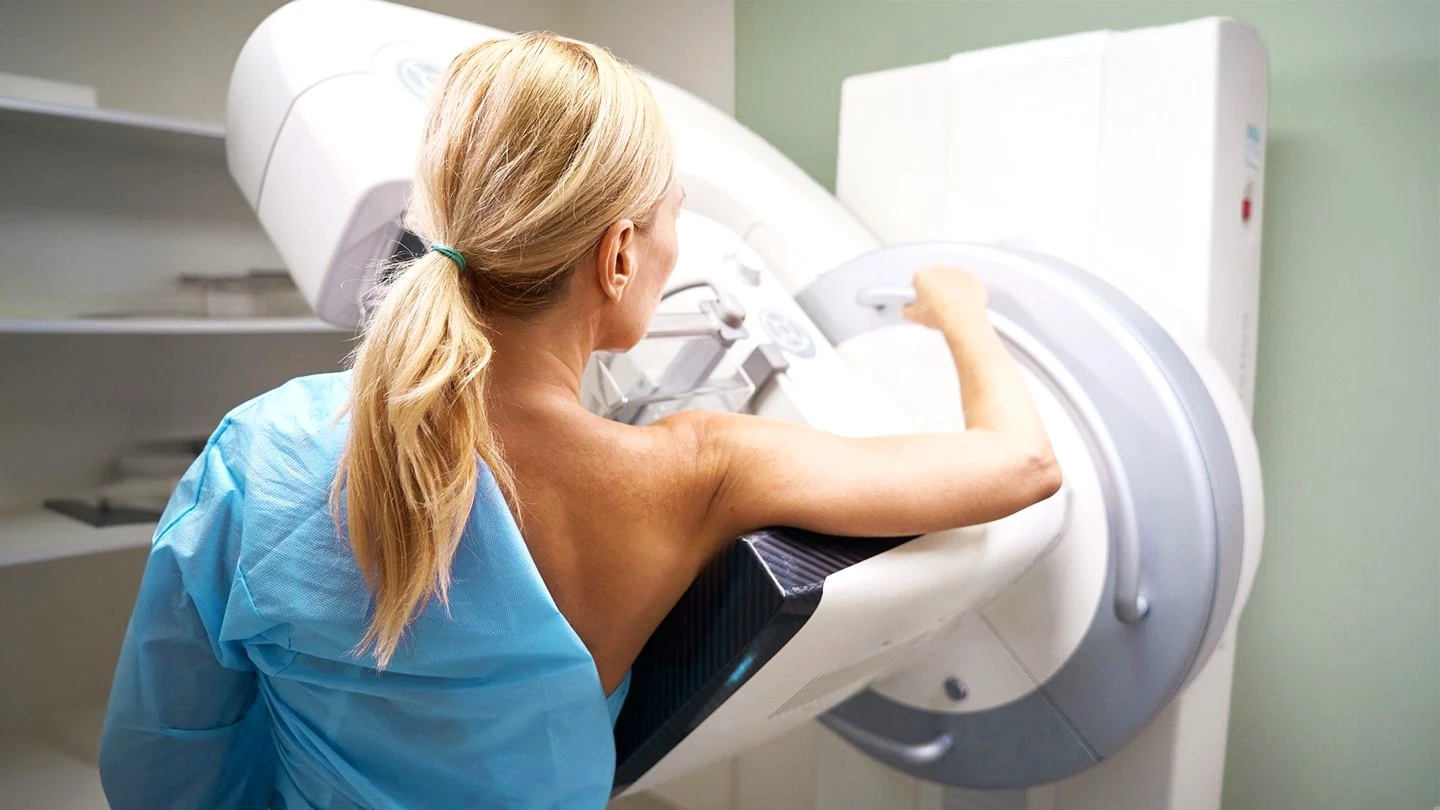

تست Pap Smear در دبی
تست Pap و HPV در یک روز، پزشکان زن، خصوصی و ملایم

رزرو نوبت
نظرات تأیید شده بیماران مرکز تشخیصی DCDC در دبی
نظرات تأیید شده و داستانهای واقعی بیماران از شهر سلامت دبی
از این کلینیک پزشکی بسیار راضی هستم. اولین غربالگری بارداری خود را اینجا انجام دادم. قیمت مناسب و بسیار حرفهای بود. رادیولوژیست خوشامدگو، مهربان بود و تجربه عالیای داشتم.
آیژان توکمانبتووا
جمعه شب زانویم آسیب دید و یکشنبه عصر وقت MRI گرفتم (یکشنبه بعدازظهر رزرو کردم). حدود ۲ دقیقه صبر کردم و در کمتر از ۳۰ دقیقه کارم تمام شد. تیم فوقالعاده، دوستانه و کارآمد بود.
کریستن اوانز
تیم دکتر اسامه مهربان و فوقالعاده بود. بعد از یک تجربه بد در جای دیگر، معاینه لگن من اینجا بسیار حرفهایتر بود. گزارش عالی و بسیار دقیق.
ماری



تست Pap Smear در دبی: غربالگری سرطان دهانه رحم و تست HPV
تست Pap و HPV با متخصصین زن در شهر بهداشت دبی
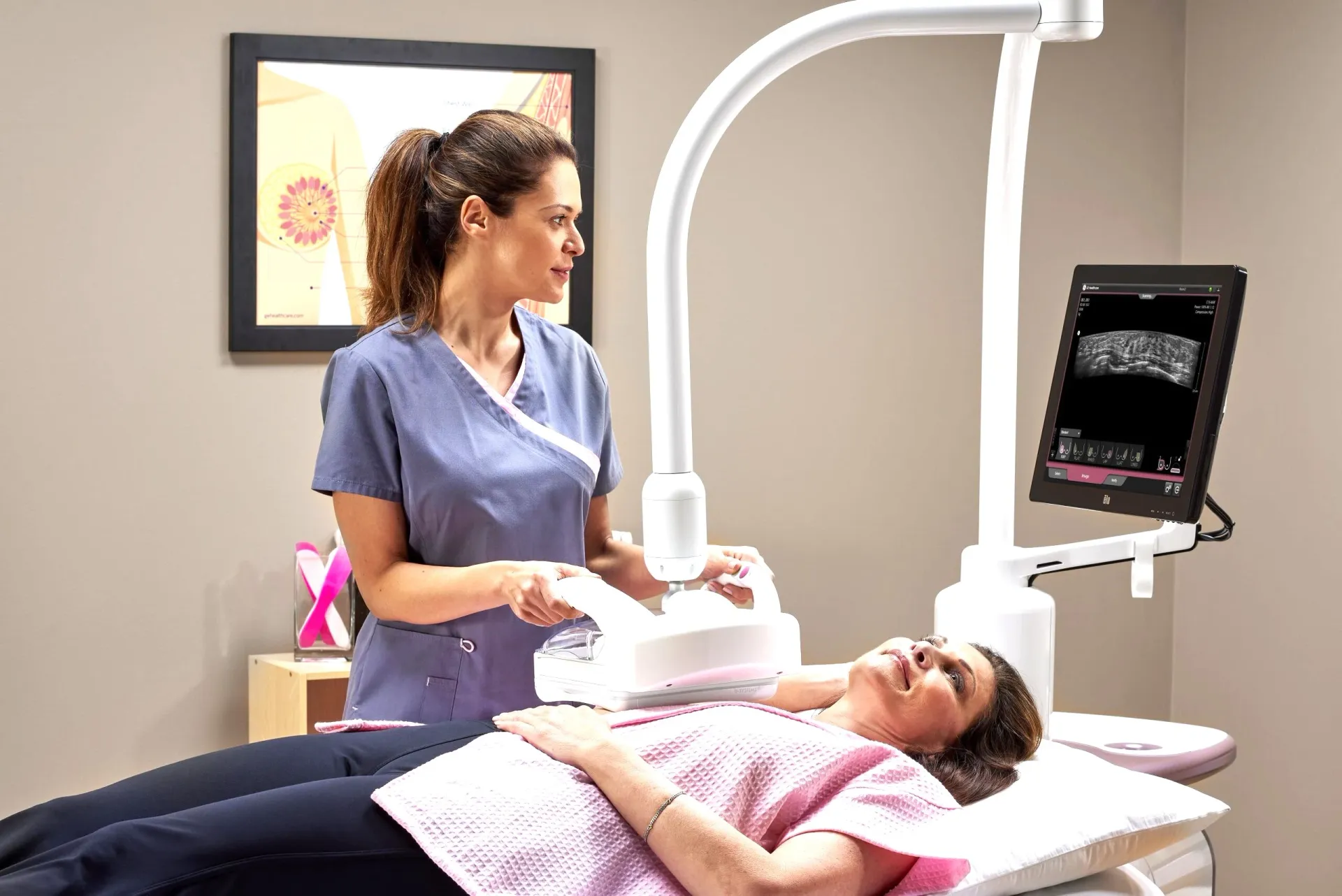
مراقبت تخصصی
غربالگری سرطان دهانه رحم در DCDC شهر بهداشت دبی
تست Pap Smear در شهر بهداشت دبی. غربالگری سرطان دهانه رحم و تست HPV با پزشکان زن متخصص. نوبت های روز مشابه. رزرو کنید.

مراقبت تخصصی
غربالگری سرطان دهانه رحم در DCDC شهر بهداشت دبی
تست Pap Smear در دبی: غربالگری سرطان دهانه رحم و تست HPV
تست Pap و HPV با متخصصین زن در شهر بهداشت دبی
تست Pap Smear در شهر بهداشت دبی. غربالگری سرطان دهانه رحم و تست HPV با پزشکان زن متخصص. نوبت های روز مشابه. رزرو کنید.

Dr. Parisa Dini
خدمات غربالگری سرطان دهانه رحم ما
خدمات جامع غربالگری سرطان دهانه رحم در DCDC شهر سلامت دبی.

تمام خدمات توسط متخصصان دارای مجوز DHA انجام میشود
چه کسی باید غربالگری سرطان دهانه رحم را انجام دهد
زنانی که فعال جنسی هستند و می خواهند بیماری ها را به زودی شناسایی کنند.
Women starting at age 21
Every 3 years for ages 21-29
Every 5 years for ages 30-65 (with HPV test)
More frequent if history of abnormal results
Women with weakened immune systems
Women who have never had a Pap smear regardless of age
چرا DCDC را برای غربالگری سرطان دهانه رحم انتخاب کنید
مراقبت پزشکی پیشرفته و ایمن
MOHAP Licensed Clinic
Licensed facility in DHCC (MOHAP license NIMY7VY5-240925) following strict clinical and infection control standards.
Female Gynecologists
Experienced female specialists performing Pap and HPV testing with sensitivity and clear explanations.
Same-Day Screening
Same-day Pap/HPV appointments often available; slots are limited. Book early.
Comprehensive Follow-up
Clear next steps for abnormal results, including colposcopy referrals and HPV vaccination guidance.
Prime DHCC Location
Building 64, Block A, Dubai Healthcare City with free dedicated parking and easy access.
Private & Confidential
Respectful, discreet screening environment with quick turnaround and communication.
مراجعه راحت شما
فرآیند اسکن غربالگری ساده و گام به گام که برای راحتی، سرعت و دقت طراحی شده است.
قیمت غربالگری سرطان دهانه رحم
قیمت غربالگری در دبی بسته به نوع خدمت و پوشش بیمه برای انواع مختلف خدمات متفاوت است.
- قیمتها بسته به نوع اسکن و نیاز به ماده حاجب متفاوت است
- پوشش بیمه با ارجاع و تأیید پذیرفته میشود
- نرخهای شفاف پرداخت نقدی با قیمتگذاری فوری در صورت درخواست
تأیید بیمه در چند دقیقه • بدون هزینه پنهان • پاسخ سریع در واتساپ
راهنمای بیمار
چه انتظاری از آزمایش داشته باشید
یک رویه ساده و سریع با پزشکان زن متخصص در محیط ایمن و خصوصی.
بیمه و موقعیت
شرکای بیمه
- •بیش از ۲۰ شرکت بیمه در دبی از جمله ضمان، آکسا، ادنیک و دیگران
- •پشتیبانی پیشتأیید و صورتحساب مستقیم (در صورت امکان)
- •بررسی پوشش بیمه قبل از نوبت شما در کلینیک ما در شهر بهداشت دبی
- •قیمتگذاری شفاف بدون هزینه پنهان برای خدمات غربالگری سرطان دهانه رحم

به ما در شهر سلامت دبی سر بزنید
مرکز تشخیصی کلینیک پزشکان
ساختمان ۶۴، بلوک A، مجتمع پزشکی الرازی، شهر سلامت دبی، دبی، امارات متحده عربی
نزدیک جاده عود متحا · دسترسی آسان از بر دبی، داونتاون دبی، بیزینس بی · پارکینگ اختصاصی رایگان موجود
ساعات کاری
شنبه-پنجشنبه: ۸ صبح - ۱۰ شب | جمعه: ۹ صبح - ۹ شب
نحوه عملکرد بیمه در DCDC
بررسی پوشش
بررسی کنید که بیمه شما غربالگری سرطان دهانه رحم را پوشش میدهد
دریافت ارجاع
برخی بیمهها نیاز به ارجاع پزشک عمومی دارند — ما راهنمایی میکنیم
پیشتأیید
ما پیشتأیید را مستقیماً با بیمهگر انجام میدهیم
فاکتور مستقیم
بدون پرداخت اولیه — ما مستقیماً با بیمهگر تسویه میکنیم
فقط سهم بیمار
فقط سهم بیمار قابل اعمال را در کلینیک پرداخت میکنید
بررسی پوشش
بررسی کنید که بیمه شما غربالگری سرطان دهانه رحم را پوشش میدهد
دریافت ارجاع
برخی بیمهها نیاز به ارجاع پزشک عمومی دارند — ما راهنمایی میکنیم
پیشتأیید
ما پیشتأیید را مستقیماً با بیمهگر انجام میدهیم
فاکتور مستقیم
بدون پرداخت اولیه — ما مستقیماً با بیمهگر تسویه میکنیم
فقط سهم بیمار
فقط سهم بیمار قابل اعمال را در کلینیک پرداخت میکنید
متخصص شما

Dr. Parisa Dini
Specialist OB/GYN
MD, Specialist OB/GYN
انگلیسی · فارسی
راهنمای بیمار
Cervical Cancer Prevention: Understanding Screening, HPV, and Early Detection
Cervical cancer develops when abnormal cells on the cervix grow uncontrollably, typically driven by persistent infection with high-risk strains of human papillomavirus (HPV). Unlike many cancers that develop rapidly, cervical cancer usually takes years to progress from initial HPV infection to pre-cancerous changes to invasive cancer. This slow progression makes cervical cancer one of the most preventable cancers when regular screening is maintained, as pre-cancerous changes can be detected and treated long before they become dangerous. In the UAE, increased awareness and access to screening services are helping more women protect themselves through early detection.
HPV is extremely common, with most sexually active people contracting at least one strain during their lifetime. The majority of HPV infections are cleared by the immune system within 1-2 years without causing any harm. However, persistent infection with high-risk HPV types (particularly types 16 and 18, which cause approximately 70% of cervical cancers) can lead to gradual cell changes on the cervix. Risk factors for persistent HPV infection include smoking, a weakened immune system, long-term oral contraceptive use, and having multiple sexual partners. Understanding these risk factors helps women make informed decisions about screening frequency and prevention strategies.
The Pap smear remains the cornerstone of cervical cancer prevention. This simple, quick test involves collecting a small sample of cells from the cervix using a soft brush or spatula. The cells are then examined under a microscope by a cytologist who looks for abnormal changes. When combined with HPV testing (co-testing), the detection rate for pre-cancerous changes exceeds 95%. Screening guidelines are designed to balance maximum detection with minimal unnecessary procedures, recommending Pap smears every 3 years for women aged 21-29 and co-testing every 5 years for women aged 30-65.
HPV vaccination represents a breakthrough in cervical cancer prevention. The vaccine protects against the HPV strains responsible for the vast majority of cervical cancers, as well as genital warts. The UAE recommends HPV vaccination for girls, ideally before the onset of sexual activity, with catch-up vaccination available for women up to age 26. The vaccine is most effective when given early but can still provide benefit for older women who may not have been exposed to all targeted HPV strains. Importantly, vaccination does not replace the need for regular screening, as it does not protect against all cancer-causing HPV types. The combination of vaccination and screening provides the strongest possible defense against cervical cancer.
Cervical Conditions We Screen For and Manage
HPV Infection (High-Risk Strains)
Detection of high-risk HPV types (16, 18, and others) through cervical testing with monitoring and follow-up guidance.
ASC-US (Atypical Squamous Cells)
Mildly abnormal Pap result that may require HPV testing or repeat screening to determine if further evaluation is needed.
LSIL (Low-Grade Squamous Intraepithelial Lesion)
Minor cell changes usually caused by HPV that are monitored with repeat testing as most resolve spontaneously.
HSIL (High-Grade Squamous Intraepithelial Lesion)
More significant cell changes requiring colposcopy and potential treatment to prevent progression to cervical cancer.
CIN 1 (Cervical Intraepithelial Neoplasia Grade 1)
Mild dysplasia typically managed with surveillance and repeat Pap/HPV testing every 6-12 months.
CIN 2/3 (Moderate to Severe Dysplasia)
Pre-cancerous changes that usually require treatment such as LEEP or cone biopsy to remove abnormal tissue.
مقالات مرتبط
Pap Smear Test in Dubai: Everything You Need to Know
A comprehensive guide to Pap smear testing, preparation, procedure, and understanding your results.
Women's Health Screening: Essential Tests for Every Age
Discover the key preventive screenings every woman should have, from cervical to breast cancer checks.
Breast Cancer: Early Signs and Symptoms to Watch For
Learn about breast cancer warning signs and the importance of early detection through regular screening.
Obstetrics and Gynecology in Dubai: Comprehensive Care
An overview of the full range of OB-GYN services available at our Dubai Healthcare City clinic.
خدمات مرتبط
سایر خدمات تشخیصی و مشاورهای موجود در کلینیک ما در شهر سلامت دبی را کاوش کنید.
سؤالات متداول
سؤالات متداول درباره غربالگری سرطان دهانه رحم در دبی.
Most women feel only mild pressure or a brief pinch during the sample collection, which takes less than a minute. The entire procedure from start to finish is usually under five minutes. If you are anxious or have experienced discomfort during previous exams, let our doctor know beforehand. Our female gynecologists use gentle technique, smaller speculums when appropriate, and take time to ensure you feel relaxed. Breathing exercises and communication throughout the procedure help minimize any discomfort. Many women are surprised at how quick and manageable the test actually is.
Yes, cervical screening remains essential even if you have received the HPV vaccine. While the vaccine provides excellent protection against the most common cancer-causing HPV strains (types 16 and 18), it does not cover all high-risk HPV types. Additionally, if you were vaccinated after becoming sexually active, you may have already been exposed to some HPV strains before vaccination. Continuing regular Pap smear and HPV testing ensures that any abnormal cell changes are detected early regardless of vaccination status. Think of vaccination and screening as complementary layers of protection.
For the most accurate results, schedule your Pap smear when you are not on your period, ideally mid-cycle. Avoid vaginal intercourse, douching, vaginal creams, suppositories, or tampons for 48 hours before the test, as these can wash away or obscure abnormal cells. If you are taking vaginal medications, discuss timing with your doctor. No fasting is required, and you can eat and drink normally before your appointment. Wear comfortable, easy-to-remove clothing. If your period arrives unexpectedly on the day of your appointment, contact us to reschedule for the best sample quality.
An abnormal Pap smear result does not mean you have cancer. In most cases, it indicates minor cell changes (such as ASC-US or LSIL) caused by HPV infection, inflammation, or hormonal changes. These changes often resolve on their own. Your doctor will explain your specific result and recommend appropriate follow-up, which may include repeat testing in 6-12 months, HPV typing, or a colposcopy (a closer examination of the cervix with magnification). Only a small percentage of abnormal results indicate higher-grade changes that need treatment. Early detection through screening means even precancerous changes can be treated effectively before they progress.
Women over 65 who have had regular normal screening results over the previous 10 years (including at least three consecutive negative Pap smears or two consecutive negative co-tests within the past 10 years, with the most recent within 5 years) may be able to discontinue cervical screening. However, if you have a history of cervical pre-cancer (CIN 2 or higher), screening should continue for at least 20 years after the abnormality was treated. Women who have had a hysterectomy with removal of the cervix for non-cancerous reasons may also stop. Discuss your individual situation with your gynecologist to determine the right approach.
Yes, same-day Pap smear and HPV testing appointments are often available at our DHCC clinic, though specialist slots are limited and fill quickly. We prioritize women who are overdue for screening or who have received abnormal results requiring follow-up. Contact us early in the day by phone or WhatsApp for the best chance of same-day availability. For routine screening, advance booking is recommended to ensure you see your preferred female gynecologist and have adequate preparation time.
A Pap smear (also called a Pap test or cervical smear) examines cells collected from the cervix under a microscope to detect abnormal changes that could indicate pre-cancer or cancer. An HPV test checks for the presence of high-risk human papillomavirus strains in cervical cells. The Pap smear identifies the effect (abnormal cells), while the HPV test identifies the cause (the virus). When performed together as co-testing, they provide the most comprehensive screening. Guidelines recommend co-testing every 5 years for women aged 30-65, while women aged 21-29 typically have Pap smears alone every 3 years.
A colposcopy is a procedure where your gynecologist uses a special magnifying instrument (colposcope) to closely examine the cervix, vagina, and vulva for signs of abnormal cells. It is typically recommended after an abnormal Pap smear or positive HPV test result to determine the severity and location of any cell changes. During the procedure, a mild solution is applied to the cervix to highlight abnormal areas, and a small biopsy (tissue sample) may be taken for laboratory analysis. The procedure takes about 15-20 minutes and may cause mild cramping. Results guide whether monitoring, further treatment, or excision is needed.
نظارت پزشکی
تمام خدمات تحت نظارت متخصصین پزشکی دارای مجوز در مرکز معتبر وزارت بهداشت ارائه میشود.