
نکات کلیدی
- Sinusitis is inflammation of the sinus cavities that affects up to 15% of the global population chronically — Dubai's dust, air conditioning cycling, and chlorinated pools make sinus problems especially prevalent among residents.
- Acute sinusitis lasts less than 4 weeks and resolves without antibiotics in roughly 70% of cases. Chronic sinusitis persists beyond 12 weeks and requires specialist evaluation with nasal endoscopy and possibly CT imaging.
- The 2025 AAO-HNSF guideline update now recommends watchful waiting for uncomplicated acute bacterial sinusitis rather than immediate antibiotics — a significant shift in evidence-based practice.
- Treatment ranges from conservative measures (saline irrigation, nasal corticosteroid sprays, decongestants) to advanced procedures including balloon sinuplasty and functional endoscopic sinus surgery (FESS) for structural or refractory cases.
- An ENT consultation at DCDC in Dubai Healthcare City costs from AED 300, with same-day nasal endoscopy, allergy testing, and CT imaging available on-site for comprehensive sinus evaluation.
- Over 30% of the UAE population is affected by allergic rhinitis, making allergy-driven sinusitis one of the most common ENT presentations in Dubai — targeted allergy testing identifies treatable triggers.
Sinus infections are one of the most common reasons for doctor visits in Dubai — and the city's unique combination of desert dust, relentless air conditioning, and chlorinated pools creates an environment where sinusitis thrives. Whether you are dealing with a stubborn cold that will not clear, facial pressure that worsens when you bend forward, or months of nasal congestion that no over-the-counter spray seems to fix, understanding the difference between a viral episode and a condition requiring specialist treatment can save you weeks of unnecessary suffering. This guide covers everything you need to know about sinusitis treatment in Dubai — from diagnosis and medical management to sinus surgery options, costs, and prevention strategies tailored to life in the UAE.
Sinusitis affects approximately 30 million adults in the United States alone each year, and chronic rhinosinusitis impacts 5-15% of the global population. In Dubai, the prevalence is likely even higher due to environmental triggers unique to the Gulf region. At Doctors Clinic Diagnostic Center (DCDC) in Dubai Healthcare City, we provide comprehensive sinus evaluation and treatment — from initial consultation and nasal endoscopy to allergy testing, imaging, and referral for surgical management when conservative approaches are not enough.
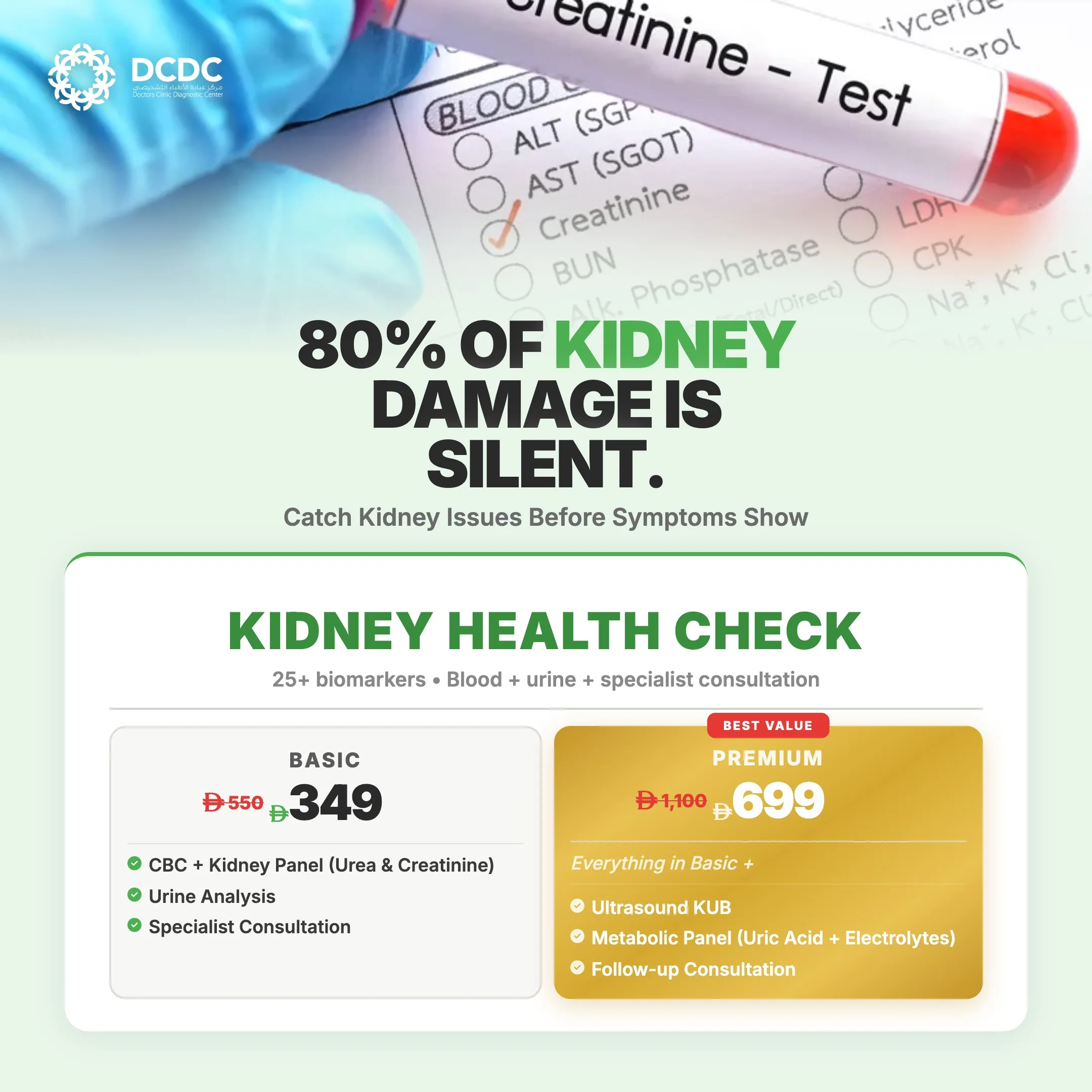
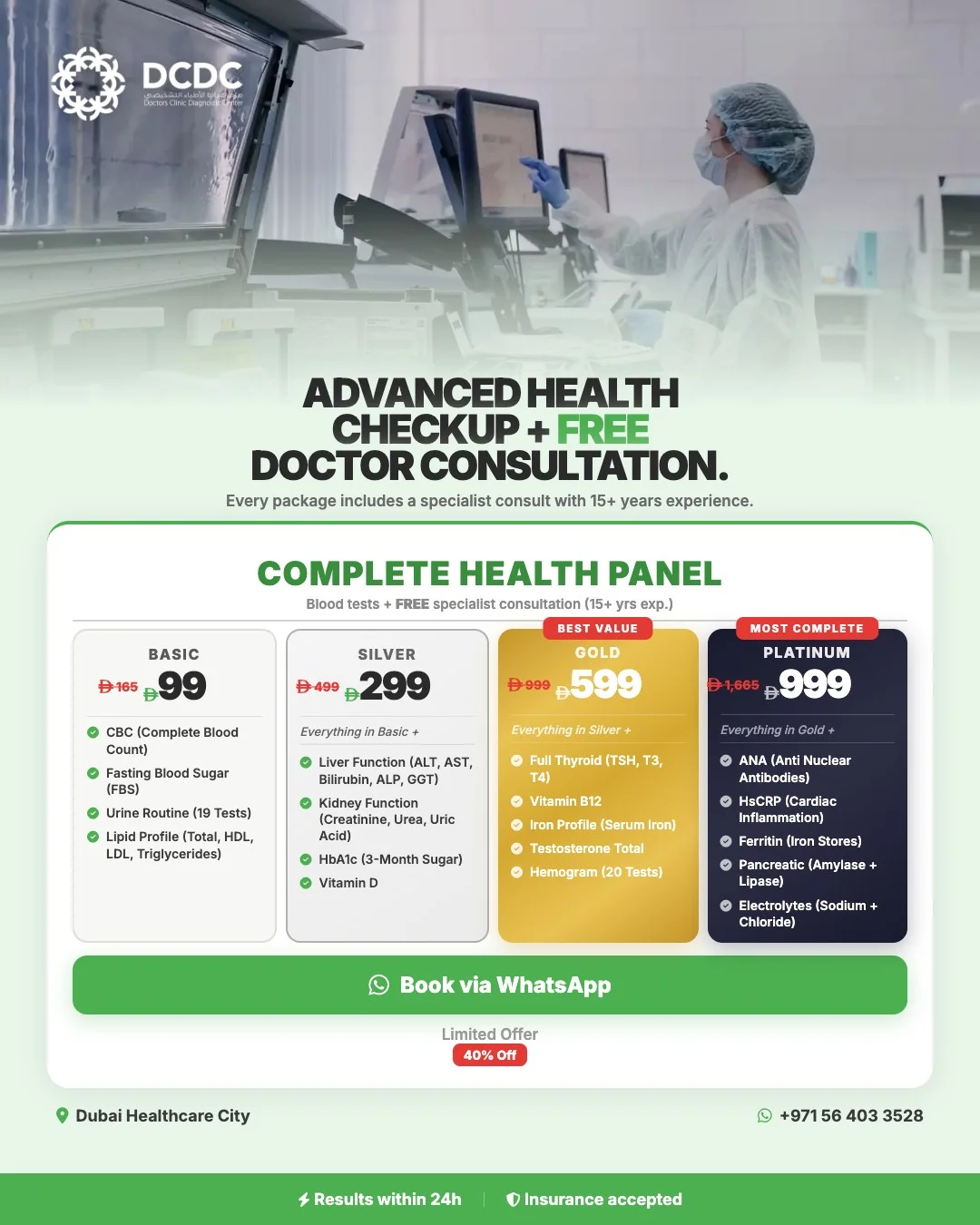
Health Screening Packages
Save with our bundled screening packages — specialist consultation included




What Is Sinusitis? Understanding Sinus Infections
Sinusitis — also called rhinosinusitis — is inflammation of the mucous membranes lining the paranasal sinuses. The paranasal sinuses are four pairs of air-filled cavities located in the bones of the face and skull: the maxillary sinuses (in the cheekbones), frontal sinuses (above the eyebrows), ethmoid sinuses (between the eyes), and sphenoid sinuses (behind the nose). These cavities are lined with a thin layer of mucous membrane that produces mucus to moisten the nasal passages and trap inhaled particles.
When the sinus openings (ostia) become blocked — by swelling from a viral infection, allergic reaction, nasal polyps, or structural abnormalities — mucus cannot drain properly. This stagnant environment allows bacteria, viruses, or fungi to proliferate, leading to infection and further inflammation. The result is the hallmark symptoms of sinusitis: facial pain or pressure, nasal congestion, thick discoloured discharge, and reduced sense of smell.
Classification by Duration
- Acute sinusitis: Symptoms lasting less than 4 weeks. Most commonly follows a viral upper respiratory infection (the common cold) and resolves with supportive care
- Subacute sinusitis: Symptoms persisting for 4-12 weeks, representing a transition between acute and chronic disease
- Chronic sinusitis (chronic rhinosinusitis): Symptoms lasting 12 weeks or longer despite treatment attempts. Requires specialist evaluation and a different management approach
- Recurrent acute sinusitis: Four or more episodes of acute sinusitis per year, with complete symptom resolution between episodes. Suggests an underlying predisposing factor
Acute vs Chronic Sinusitis: Key Differences
Understanding the difference between acute and chronic sinusitis is critical because the treatment approach, prognosis, and specialist involvement differ significantly between the two.
| Feature | Acute Sinusitis | Chronic Sinusitis |
|---|---|---|
| Duration | Less than 4 weeks | 12 weeks or longer |
| Most common cause | Viral infection (common cold) | Multifactorial — inflammation, allergy, structural |
| Onset | Sudden, often after a cold | Gradual, persistent symptoms |
| Pain/pressure | Often prominent, localised | May be less intense but constant |
| Nasal discharge | Thick, yellow-green | Thick, may be less coloured |
| Fever | Common (especially bacterial) | Uncommon |
| Smell loss | Temporary | Often persistent |
| Antibiotic role | Only if bacterial and persistent | Limited — focuses on inflammation control |
| Need for imaging | Rarely (unless complicated) | CT scan usually required |
| Surgery consideration | Almost never | When medical therapy fails |
Acute vs chronic sinusitis comparison
A key point that many patients and even some general practitioners overlook: acute sinusitis is overwhelmingly viral. Studies show that only 0.5-2% of viral upper respiratory infections progress to acute bacterial sinusitis. The 2025 AAO-HNSF guideline update emphasises that even when bacterial sinusitis is suspected, watchful waiting for 7-10 days is now an acceptable first-line approach for uncomplicated cases — a significant shift from the previous practice of routine antibiotic prescribing.
Common Causes and Risk Factors for Sinusitis in Dubai
While sinusitis is common worldwide, certain environmental and lifestyle factors make Dubai residents particularly susceptible to sinus problems. Understanding these triggers is the first step towards prevention.
Environmental Triggers Specific to Dubai
- Air conditioning cycling: The constant transition between hot outdoor air (40-50°C in summer) and cold indoor air conditioning (18-22°C) causes vasomotor rhinitis — the nasal lining swells and contracts repeatedly, disrupting the mucociliary clearance system that normally keeps sinuses healthy. Indoor humidity often drops below 25%, drying the nasal mucosa and reducing its ability to trap and clear pathogens
- Desert dust and sand particles: Dubai's proximity to the desert means elevated levels of airborne particulate matter, especially during sandstorms (shamal winds). Fine dust particles irritate the nasal lining, trigger inflammation, and can block sinus ostia. Construction dust — ubiquitous in a rapidly developing city — compounds the problem
- Chlorinated pool water: Frequent swimming in chlorinated pools — a common lifestyle activity in Dubai — exposes the nasal passages to chlorine, which is a known mucosal irritant. Chlorine exposure can trigger non-allergic rhinitis and impair the protective function of the nasal mucosa
- Poorly maintained AC systems: Air conditioning units that are not regularly serviced become breeding grounds for mould, bacteria, and dust mites. These microorganisms are then circulated throughout indoor spaces, triggering allergic rhinitis and sinusitis
- High pollen counts: Despite the arid climate, Dubai has significant pollen production from ornamental trees (Prosopis, date palms, Conocarpus) that contributes to seasonal allergic rhinitis
General Risk Factors
- Allergic rhinitis: Over 30% of the UAE population is affected by allergic rhinitis — the swollen, inflamed nasal lining blocks sinus drainage and predisposes to secondary sinus infection
- Nasal polyps: Benign growths in the nasal passages that physically obstruct sinus drainage
- Deviated nasal septum: A crooked partition between the nostrils narrows one or both nasal passages, reducing ventilation and drainage
- Smoking and vaping: Tobacco smoke and vaping aerosols directly damage cilia (the tiny hairs that sweep mucus out of the sinuses), impairing clearance and promoting infection
- Immune deficiency: Conditions such as diabetes, HIV, or immunosuppressive medications reduce the body's ability to fight sinus infections
- Dental infections: The roots of upper back teeth sit directly beneath the maxillary sinus floor — dental abscesses can spread to the sinus (odontogenic sinusitis)
- Frequent flying: Dubai is a major travel hub, and frequent flyers are exposed to cabin pressure changes and recirculated dry air — both risk factors for sinus barotrauma and infections
Sinusitis Symptoms: When to See an ENT Doctor
The symptoms of sinusitis overlap significantly with those of a common cold or allergic rhinitis, which is why many patients delay seeking specialist care. However, certain symptom patterns indicate that you are dealing with more than a simple cold and need professional evaluation.
Cardinal Symptoms of Sinusitis
- Facial pain or pressure: Typically felt in the cheeks, forehead, or between the eyes. Worsens when bending forward or lying down. Location correlates with the affected sinus
- Nasal congestion or obstruction: Difficulty breathing through one or both nostrils, often accompanied by a sensation of fullness
- Thick nasal discharge: Purulent (yellow or green) discharge from the nose or dripping down the back of the throat (post-nasal drip)
- Reduced or lost sense of smell (hyposmia/anosmia): Especially prominent in chronic sinusitis and nasal polyps
Associated Symptoms
- Headache: Often described as a dull, pressure-like ache. May be mistaken for tension headaches or migraines
- Ear pressure or fullness: The sinuses and ears share drainage pathways through the Eustachian tubes
- Cough: Especially at night, triggered by post-nasal drip irritating the throat
- Bad breath (halitosis): From bacteria in stagnant mucus
- Dental pain: Upper teeth may ache due to pressure from the inflamed maxillary sinus above
- Fatigue: Chronic sinusitis causes persistent fatigue that significantly impacts quality of life
Red Flags: When to Seek Urgent Care
- High fever (above 39°C) with facial swelling — may indicate a spreading infection
- Swelling or redness around the eye — suggests orbital cellulitis, a serious complication
- Severe headache with neck stiffness — may indicate intracranial extension
- Double vision or visual changes — possible orbital or intracranial complication
- Symptoms worsening after initial improvement ("double sickening") — suggests bacterial superinfection
If your sinus symptoms have lasted more than 10 days without improvement, or if you experience recurrent episodes, it is time to see an ENT specialist rather than continuing with over-the-counter remedies. For more guidance on when specialist care is warranted, read our guide to choosing an ENT specialist in Dubai.
How Sinusitis Is Diagnosed in Dubai
Accurate diagnosis is essential because the treatment for viral sinusitis, bacterial sinusitis, allergic sinusitis, and structural sinus obstruction differs considerably. At DCDC, a sinus evaluation follows a systematic approach to identify the underlying cause.
Clinical History and Physical Examination
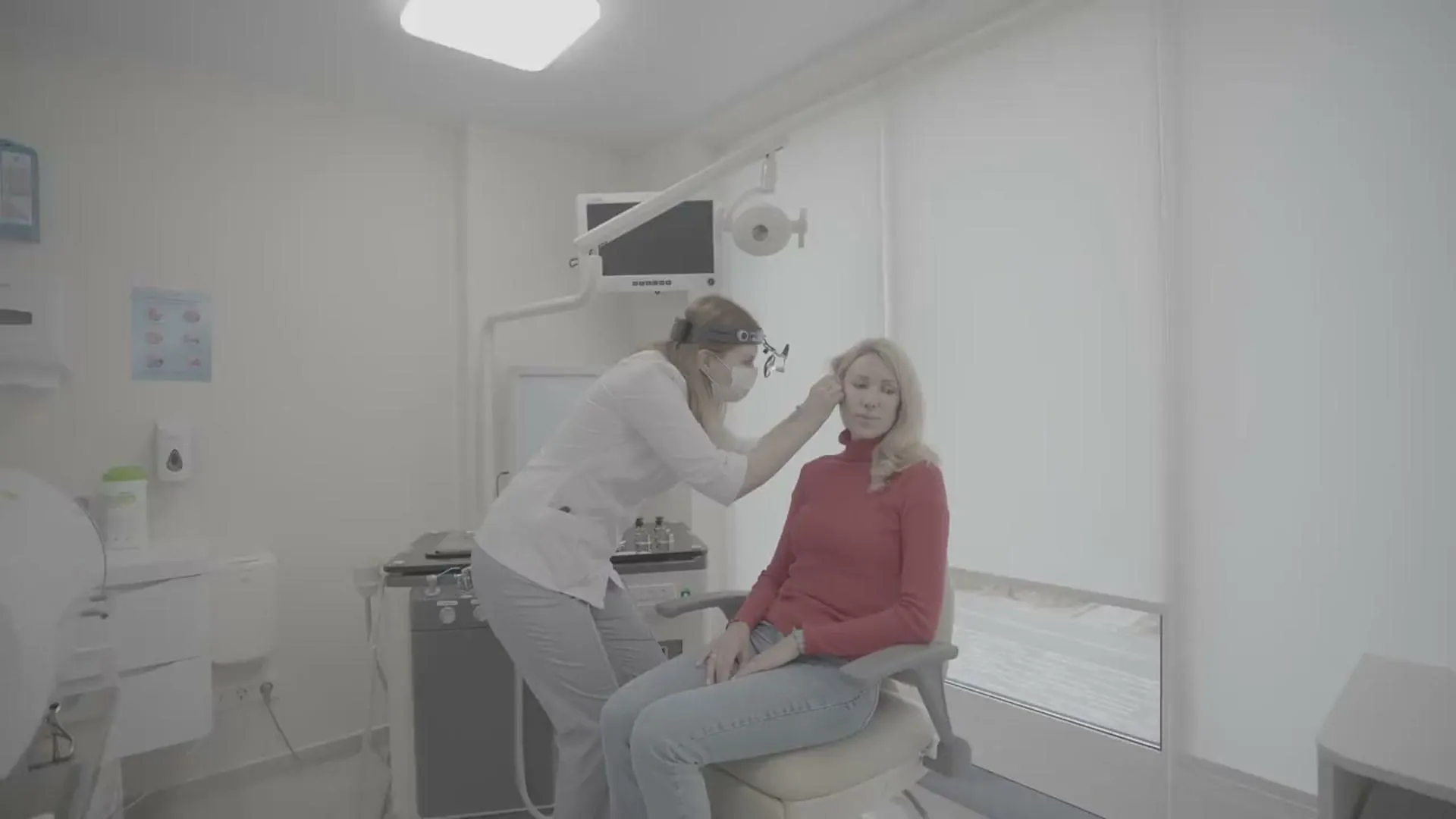
The ENT specialist will take a detailed history including symptom duration, pattern (constant vs episodic), triggers, previous treatments, allergy history, and medication use. A physical examination includes anterior rhinoscopy (looking into the nose with a speculum and light), palpation of the sinuses for tenderness, and assessment of the throat for post-nasal drip.
Nasal Endoscopy
A flexible or rigid nasal endoscope — a thin, lighted tube with a camera — is passed through the nostril to directly visualise the nasal passages, sinus openings (ostia), turbinates, and nasopharynx. This is the single most valuable diagnostic tool for sinusitis, as it reveals mucosal swelling, polyps, purulent discharge from specific sinus openings, anatomical abnormalities, and tumours that cannot be seen with standard examination. The procedure takes 2-3 minutes and is performed in the clinic after applying a topical anaesthetic spray.
CT Scan of the Sinuses
A non-contrast CT scan is the gold standard imaging study for sinusitis. It provides detailed cross-sectional images of all four sinus pairs, revealing the extent of mucosal thickening, air-fluid levels, polyps, anatomical variants (such as concha bullosa or Haller cells), and bone changes. CT is particularly important for chronic sinusitis that does not respond to medical treatment and is essential for surgical planning. Note that CT is not recommended for uncomplicated acute sinusitis — it is reserved for chronic, recurrent, or complicated cases.
Allergy Testing
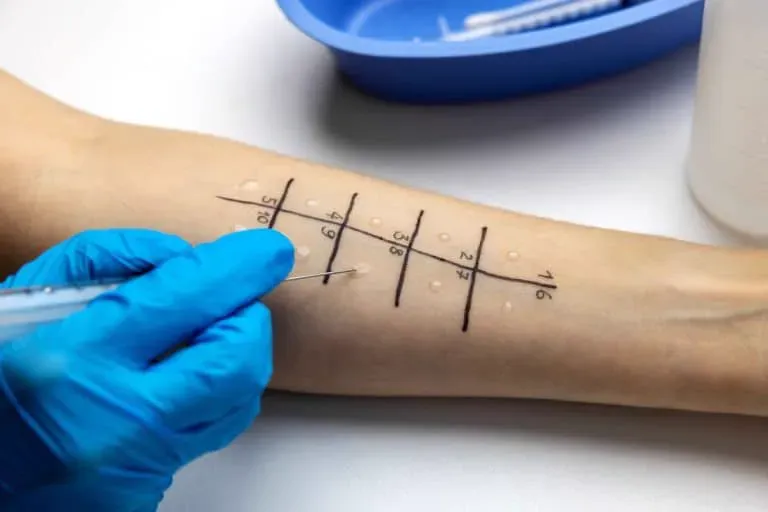
Given that over 30% of the UAE population has allergic rhinitis, allergy testing is a crucial part of sinus evaluation for many patients. Specific IgE blood tests or skin prick tests identify the allergens (dust mites, mould, pet dander, pollen) driving chronic nasal inflammation. Identifying and addressing allergic triggers can dramatically reduce the frequency and severity of sinusitis episodes.
Additional Tests
- Nasal culture and sensitivity: Swab taken from the middle meatus during endoscopy to identify the specific bacteria and guide antibiotic selection — especially useful in chronic or treatment-resistant cases
- Blood tests: CBC, ESR, and CRP to assess for systemic inflammation; immunoglobulin levels if immunodeficiency is suspected
- MRI: Not routinely used for sinusitis but may be ordered if fungal sinusitis, tumour, or intracranial complications are suspected
Medical Treatment for Sinusitis
The majority of sinusitis cases — both acute and chronic — are managed non-surgically with a combination of medications and supportive care. The goal of medical treatment is to reduce inflammation, promote sinus drainage, treat any underlying infection, and address contributing factors such as allergies.
First-Line Treatments
- Nasal saline irrigation: The single most effective and evidence-based supportive measure for sinusitis. High-volume saline rinses (using a squeeze bottle or neti pot with sterile or boiled water) mechanically flush mucus, allergens, bacteria, and inflammatory mediators from the nasal passages. Recommended 2-3 times daily during active symptoms and once daily for maintenance
- Intranasal corticosteroid sprays: Fluticasone, mometasone, or budesonide sprays reduce mucosal inflammation and swelling, improve sinus drainage, and shrink polyps. They are the cornerstone of chronic sinusitis management and are now recommended even for acute sinusitis as adjunctive therapy. Safe for long-term use with minimal systemic absorption
- Oral decongestants: Pseudoephedrine provides short-term relief of nasal congestion by constricting blood vessels in the nasal mucosa. Limited to 5-7 days to avoid rebound congestion. Not suitable for patients with hypertension or cardiovascular disease
- Topical decongestant sprays: Oxymetazoline or xylometazoline provide rapid congestion relief but must be strictly limited to 3-5 days to prevent rhinitis medicamentosa (rebound congestion from overuse)
- Analgesics: Paracetamol or ibuprofen for facial pain and headache. Ibuprofen also provides anti-inflammatory benefit
When Antibiotics Are Needed
Antibiotics are not needed for the majority of acute sinusitis cases, which are viral. The 2025 AAO-HNSF guidelines recommend antibiotics for acute bacterial sinusitis only when: symptoms persist beyond 10 days without improvement; symptoms are severe (high fever above 39°C, purulent discharge, and facial pain for 3-4 consecutive days); or symptoms initially improve then worsen ("double sickening"). Amoxicillin-clavulanate is the first-line antibiotic when treatment is warranted, typically prescribed for 5-7 days for adults.
Treatments for Chronic Sinusitis
- Long-term intranasal corticosteroids: The foundation of chronic sinusitis management — used continuously for months to years
- Short course of oral corticosteroids: Prednisolone for 5-14 days to rapidly reduce severe mucosal inflammation and polyps. Used sparingly due to systemic side effects
- Antihistamines: For patients with confirmed allergic component — second-generation non-sedating antihistamines (cetirizine, loratadine, fexofenadine)
- Leukotriene receptor antagonists: Montelukast may be added for patients with concurrent asthma or aspirin-exacerbated respiratory disease (AERD)
- Biologic therapies: Dupilumab (anti-IL-4/IL-13) is approved for chronic rhinosinusitis with nasal polyps (CRSwNP) that fails conventional treatment — a game-changing option for severe cases
- Prolonged antibiotic courses: Low-dose macrolide antibiotics (clarithromycin or azithromycin) for 3-6 months may benefit select patients with chronic sinusitis without polyps, acting through anti-inflammatory rather than antimicrobial mechanisms
When Is Sinus Surgery Needed?
Sinus surgery is considered when maximal medical therapy — typically 8-12 weeks of intranasal corticosteroids, saline irrigation, and appropriate additional medications — fails to adequately control symptoms. Surgery is also indicated for certain complications (orbital cellulitis, mucocele, fungal sinusitis) and structural abnormalities that impede sinus drainage.
Functional Endoscopic Sinus Surgery (FESS)
FESS is the gold standard surgical treatment for chronic sinusitis. Performed entirely through the nostrils using endoscopes and specialised instruments, FESS opens the natural sinus drainage pathways by removing obstructing bone, polyps, and diseased mucosa while preserving healthy tissue. There are no external incisions, and patients typically go home the same day. Recovery involves 1-2 weeks of nasal congestion and crusting, with full healing over 4-6 weeks. Post-operative nasal endoscopic debridement (cleaning) sessions are important for optimal outcomes.
Balloon Sinuplasty
A newer, minimally invasive alternative to traditional FESS. A small balloon catheter is inserted into the blocked sinus opening, inflated to dilate the ostium, then removed. The advantage is that no tissue is removed — the natural opening is simply widened. Balloon sinuplasty is suitable for selected patients with limited disease (typically affecting the frontal, maxillary, or sphenoid sinuses without polyps). It can be performed under local anaesthesia in some cases, with faster recovery than FESS.
Septoplasty
When a deviated nasal septum contributes to recurrent sinusitis by obstructing sinus drainage or nasal airflow, septoplasty (surgical correction of the septum) may be performed alone or in combination with FESS. This addresses the structural root cause that predisposes to recurrent sinus infections.
If allergies are contributing to your chronic sinus problems, identifying specific triggers through testing can significantly improve treatment outcomes. Learn more about allergy testing options in Dubai and how they integrate with sinus treatment planning.
Sinusitis Treatment Cost in Dubai
The cost of sinusitis treatment in Dubai varies depending on the complexity of the condition, the diagnostic tests required, and whether surgical intervention is needed. Below is a guide to typical costs for sinus-related services.
| Service | Cost (AED) | Notes |
|---|---|---|
| ENT specialist consultation | From AED 300 | Same-day available |
| Nasal endoscopy | AED 300-500 | Often included in consultation |
| CT scan of sinuses | AED 800-1,500 | When imaging is needed |
| Allergy testing (IgE panel) | AED 500-1,500 | For allergic sinusitis |
| Balloon sinuplasty | AED 5,000-10,000 | Minimally invasive |
| FESS (Functional Endoscopic Sinus Surgery) | AED 10,000-25,000 | For chronic/structural cases |
Sinusitis treatment costs in Dubai (2026 pricing guide)
Insurance Coverage
Most Dubai health insurance plans — including the DHA-mandated basic cover — cover ENT consultations, diagnostic tests (nasal endoscopy, CT scans), and medically necessary sinus procedures. Sinus surgery is typically covered when documented medical therapy has failed and the procedure is deemed medically necessary by the treating ENT specialist. Pre-authorisation from your insurance company is usually required for surgical procedures. At DCDC, we process insurance claims directly for most major providers and can verify your coverage before your appointment.
Struggling with Sinus Problems?
Book an ENT consultation at DCDC Dubai Healthcare City for comprehensive sinus evaluation including nasal endoscopy and same-day allergy testing. Walk-in or appointment available.
ENT consultation from AED 300 — most insurance accepted
Sinusitis and Dubai's Climate: Practical Prevention Tips
Living in Dubai means contending with environmental factors that actively promote sinus inflammation. While you cannot change the climate, you can take specific, evidence-based steps to protect your sinuses and reduce the frequency of infections.
- Use a humidifier in air-conditioned rooms: Maintain bedroom humidity between 40-60% to prevent nasal drying. Clean the humidifier regularly to avoid mould growth — a dirty humidifier can worsen sinus problems
- Daily nasal saline rinse: A simple isotonic saline rinse after returning from outdoors clears dust, pollen, and irritants from the nasal passages before they can trigger inflammation. This is arguably the single most effective preventive measure for Dubai residents
- Service AC units every 6-12 months: Professional cleaning of filters, coils, and ductwork removes accumulated mould, bacteria, and dust mites. Consider HEPA filters for bedrooms
- Rinse sinuses after swimming: A quick saline rinse after pool sessions washes out chlorine residue that would otherwise irritate the nasal mucosa for hours
- Stay hydrated: Drink at least 2-3 litres of water daily in Dubai's heat to keep nasal mucus thin and flowing rather than thick and obstructive
- Avoid outdoor exercise during sandstorms: Check the Air Quality Index (AQI) before outdoor activities. When particulate levels are elevated, exercise indoors or wear a properly fitted mask
- Manage allergies proactively: If you have identified allergic triggers, use preventive medications (antihistamines, nasal steroids) before allergy season rather than waiting for symptoms to develop
- Do not smoke or vape: Tobacco smoke and vaping aerosols destroy the cilia lining your sinuses, crippling the mucociliary clearance system that is your primary defence against sinus infection
- Elevate your head while sleeping: Sleeping with an extra pillow or elevating the head of the bed promotes sinus drainage and reduces morning congestion — particularly helpful during active sinus infections
Sinusitis in Children: What Parents Should Know
Sinusitis in children is more common than many parents realise — and more difficult to diagnose, because young children cannot clearly describe facial pressure or sinus pain. The paranasal sinuses develop gradually throughout childhood: the maxillary and ethmoid sinuses are present from birth, the frontal sinuses begin developing around age 7, and the sphenoid sinuses develop in adolescence.
How to Recognise Sinusitis in Children
- Persistent cold symptoms: A "cold" lasting more than 10-14 days without improvement — the most reliable indicator of bacterial sinusitis in children
- Thick nasal discharge: Purulent discharge (any colour — green, yellow, or even clear) persisting beyond the typical 7-10 day viral cold course
- Cough: Especially a daytime cough that worsens at night, caused by post-nasal drip
- Fever: Low-grade fever persisting beyond the first few days of a cold, or a new fever developing after initial improvement
- Irritability and fatigue: Young children may simply seem unwell, irritable, or tired without being able to localise pain
- Facial swelling: Periorbital (around the eye) swelling is a red flag requiring urgent assessment
- Bad breath: Persistent halitosis in a child is often sinus-related
Treatment Differences in Children
Paediatric sinusitis treatment follows similar principles to adult treatment but with important differences. Amoxicillin (rather than amoxicillin-clavulanate) remains the first-line antibiotic for uncomplicated paediatric acute bacterial sinusitis. Nasal saline irrigation is safe and effective in children but may require parental assistance. Intranasal corticosteroid sprays are approved for children aged 2 and older. Sinus surgery is rarely needed in children but may be considered for chronic sinusitis that fails medical therapy, particularly when enlarged adenoids contribute to sinus obstruction — adenoidectomy alone resolves symptoms in many paediatric cases.
Children with chronic nasal congestion and sinusitis often develop mouth breathing, which in turn can lead to snoring and disturbed sleep. If your child snores regularly, consider reading about sleep apnea and snoring treatment in Dubai to understand the connection between sinus problems and sleep-disordered breathing.
Recovery and Long-Term Sinus Health
Recovery from sinusitis depends on the type and severity of the condition. Acute viral sinusitis typically resolves within 7-10 days with supportive care. Acute bacterial sinusitis improves within 3-5 days of starting antibiotics. Chronic sinusitis is a long-term condition that requires ongoing management rather than a one-time cure.
Recovery After Sinus Surgery
- Days 1-3: Nasal congestion, mild bleeding, and facial pressure are normal. Rest, head elevation, and regular saline rinses are essential
- Week 1: Most patients can return to desk work. Avoid strenuous exercise, bending, and heavy lifting. Continue saline rinses 4-6 times daily
- Weeks 2-6: Post-operative endoscopic debridement sessions (cleaning) at the ENT clinic to remove crusts and promote healing. Gradually resume normal activities
- Months 1-3: Full mucosal healing. Continue nasal steroid sprays as directed — these are critical for preventing polyp recurrence
Maintaining Long-Term Sinus Health
Whether you have had sinus surgery or have been treated medically, long-term sinus health in Dubai requires an ongoing commitment to preventive strategies. Daily nasal saline irrigation, consistent use of prescribed nasal corticosteroids, proactive allergy management, regular AC maintenance, and adequate hydration form the foundation of a sinus-healthy lifestyle. Patients with chronic rhinosinusitis should have regular follow-up appointments (every 3-6 months) with their ENT specialist to monitor for polyp recurrence and adjust treatment as needed.
Why Choose DCDC for Sinusitis Treatment in Dubai
Doctors Clinic Diagnostic Center (DCDC) in Dubai Healthcare City, Building 47, provides a comprehensive, one-stop approach to sinusitis diagnosis and treatment. Here is what sets us apart.
- Same-day ENT evaluation: Walk-in and same-day appointments available for urgent sinus symptoms — no need to wait days for a specialist appointment
- In-house nasal endoscopy: Direct visualisation of the nasal passages and sinus openings during your consultation, providing immediate diagnostic information
- On-site diagnostic imaging: CT scans available in-house when imaging is required, eliminating the need for separate radiology appointments
- Comprehensive allergy testing: Both IgE blood panels and skin prick testing available on-site to identify allergic triggers driving chronic sinusitis
- Multidisciplinary approach: Access to general practitioners, ENT specialists, allergists, and radiologists under one roof for coordinated sinus care
- Insurance-friendly: Direct billing with most major insurance providers in Dubai, including DHA-mandated plans. Our team verifies your coverage before your appointment
- Convenient location: Located in Dubai Healthcare City — a dedicated healthcare free zone with easy access from Sheikh Zayed Road, Business Bay, and Downtown Dubai
Book Your Sinus Consultation Today
Comprehensive ENT evaluation with nasal endoscopy, allergy testing, and same-day CT imaging available at DCDC Dubai Healthcare City (Building 47). Walk-in or book online.
From AED 300 — most insurance accepted — same-day appointments available
خدمات مرتبط در DCDC
مراقبت تخصصی و تشخیص پیشرفته در شهر بهداشت دبی
Frequently Asked Questions
Final Thoughts
Sinusitis is one of the most common conditions affecting Dubai residents, and the city's unique environment — desert dust, aggressive air conditioning, chlorinated pools, and rapid temperature changes — creates a particularly challenging setting for sinus health. Understanding the difference between a self-limiting viral episode and a condition requiring specialist treatment is the first step towards getting the right care at the right time.
The evidence is clear: most acute sinusitis resolves with supportive care alone, and even bacterial sinusitis can often be managed with watchful waiting according to the latest 2025 guidelines. However, chronic sinusitis — symptoms persisting beyond 12 weeks — requires specialist evaluation with nasal endoscopy and a structured treatment approach that may include corticosteroids, allergy management, and in select cases, minimally invasive surgery.
At Doctors Clinic Diagnostic Center in Dubai Healthcare City, we provide comprehensive sinus care from initial consultation through diagnosis, treatment, and long-term follow-up. With ENT specialists, in-house nasal endoscopy, CT imaging, and allergy testing all under one roof in Building 47, you can go from consultation to diagnosis in a single visit. Most insurance plans are accepted, and walk-in appointments are available.
منابع و مراجع
این مقاله توسط تیم پزشکی ما بررسی شده و به منابع زیر ارجاع میدهد:
- Mayo Clinic — Acute Sinusitis: Symptoms & Causes
- Cleveland Clinic — Sinusitis: Types, Causes, Symptoms & Treatment
- NHS — Sinusitis (Sinus Infection)
- AAO-HNSF 2025 Clinical Practice Guideline Update: Adult Sinusitis (Rosenfeld et al.)
- World Health Organization — Asthma and Allergic Rhinitis
- NIH/PMC — Epidemiology and Burden of Chronic Rhinosinusitis
محتوای پزشکی این سایت توسط پزشکان دارای مجوز DHA بررسی میشود. مشاهده سیاست تحریریه برای اطلاعات بیشتر.

نوشته شده توسط
Dr. Hadeel Elnur
General Practitioner
MD, General Practice
Dr. Hadeel Elnur is a General Practitioner at Doctors Clinic Diagnostic Center (DCDC) in Dubai Healthcare City.
Related Articles
ENT Doctor Dubai: When to See a Specialist (2026)
Allergy Testing Dubai: IgE, Skin Prick & Cost (2026)
Sleep Apnea & Snoring Dubai: Treatment & Cost (2026)
Hearing Test Dubai: Audiometry Types & Cost (2026)
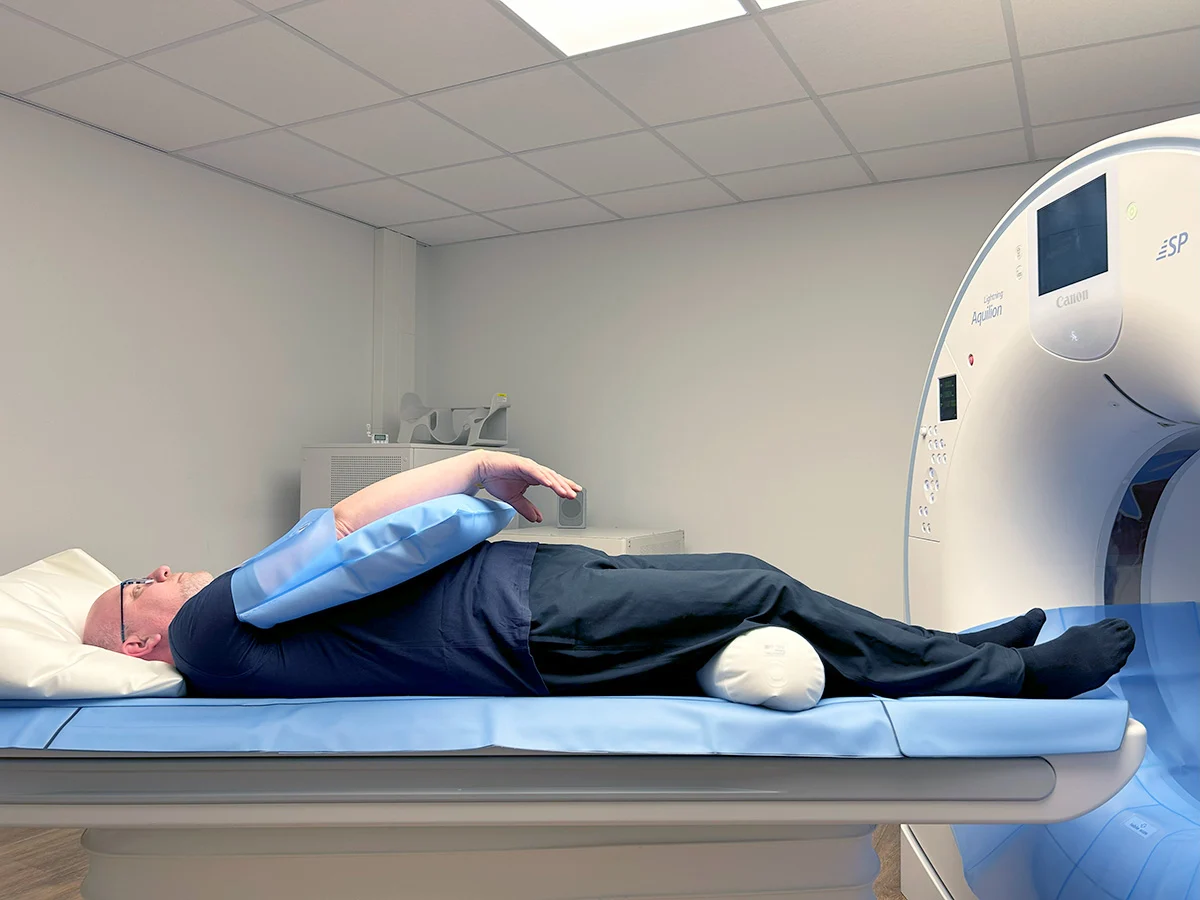
CT Scan Cost Dubai: Prices & Types (2026)
More in General Health

Wound Care at Home Dubai: Full Guide (2026)
بیشتر بخوانید
Dizziness Causes Dubai: When to Get Checked (2026)
بیشتر بخوانید
Elderly Care at Home Dubai: Full Guide (2026)
بیشتر بخوانیدIV Drip at Home Dubai: From AED 449 (2026)
بیشتر بخوانید
Nurse at Home Dubai: Cost & Services (2026)
بیشتر بخوانید
Stomach Infection Treatment Dubai (2026)
بیشتر بخوانید© 2026 Doctors Clinic Diagnostic Center (DCDC), Dubai Healthcare City. Originally published at https://doctorsclinicdubai.ae/blog/sinusitis-treatment-dubai. All rights reserved. Unauthorized reproduction is prohibited.