نکات کلیدی
- A pelvic MRI in Dubai typically costs between AED 1,200 and AED 2,000, depending on whether contrast is needed and the complexity of the study
- Pelvic MRI is the gold standard for mapping uterine fibroids before treatment, detecting deep infiltrating endometriosis, evaluating ovarian masses, and staging prostate and rectal cancers
- Unlike CT scan, pelvic MRI involves no radiation, making it the preferred imaging choice for women of reproductive age and patients requiring repeated follow-up scans
- Preparation typically involves fasting for 4 hours before the scan and, in some protocols, taking an antispasmodic medication to reduce bowel movement during imaging
- The scan takes approximately 30 to 50 minutes and provides superior soft tissue contrast compared to CT and ultrasound for pelvic organ evaluation
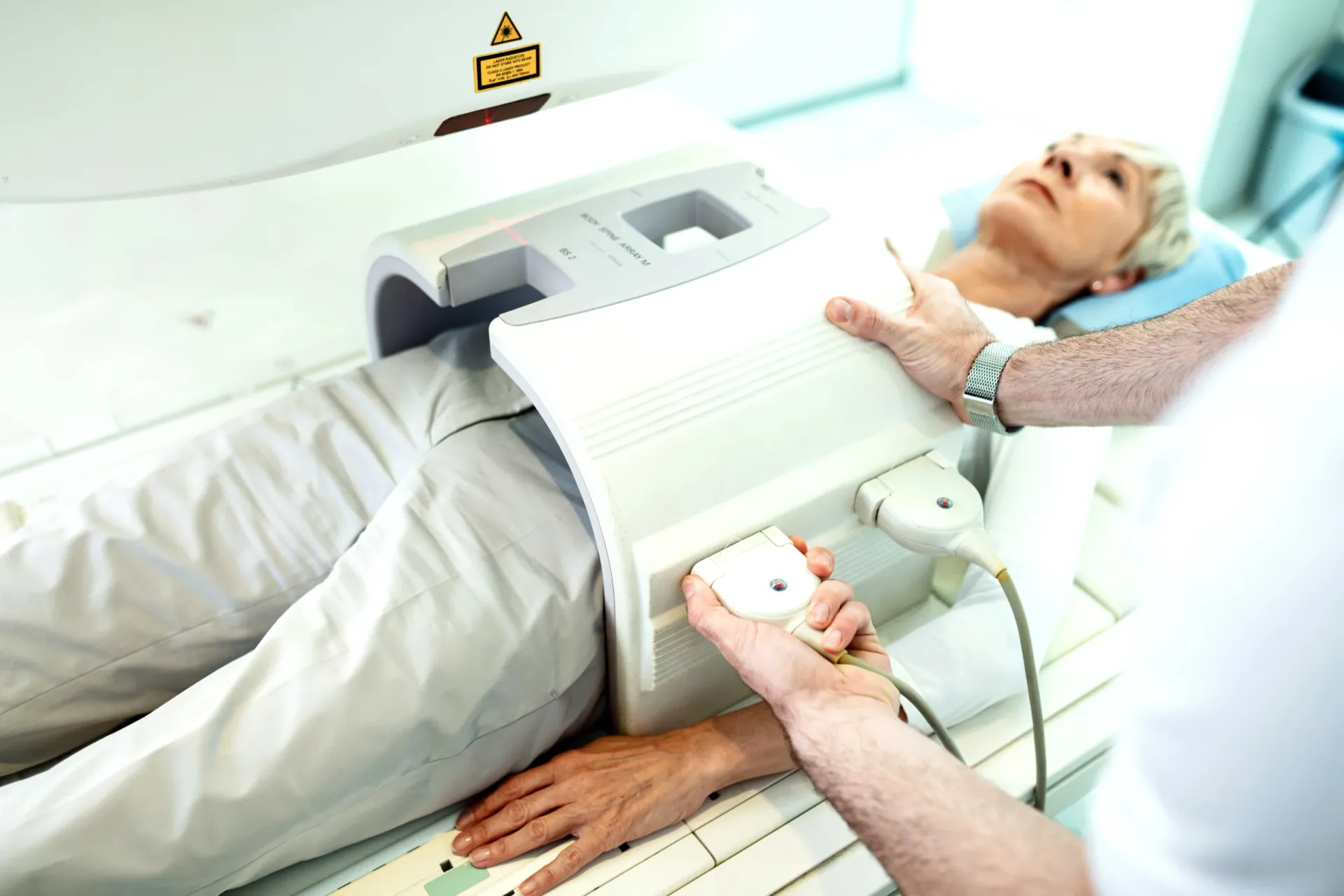
A pelvic MRI scan is the most detailed imaging tool for evaluating the organs and structures within the pelvis. The pelvic cavity contains reproductive organs (uterus, ovaries, prostate), the bladder, rectum, pelvic floor muscles, and a complex network of blood vessels and lymph nodes. Pelvic MRI provides unparalleled soft tissue contrast, allowing radiologists to characterize masses, detect endometriosis, stage cancers, and assess structural abnormalities with far greater precision than ultrasound or CT scan. Whether your gynecologist, urologist, or oncologist has ordered a pelvic MRI, this guide explains what the scan detects, how much it costs in Dubai, and how to prepare.



What Does a Pelvic MRI Show?
A pelvic MRI produces detailed cross-sectional images of all the organs and structures within the pelvic cavity. Its superior soft tissue contrast resolution makes it the definitive imaging tool for characterizing pelvic pathology that ultrasound or CT cannot fully evaluate. MRI uses magnetic fields and radio waves — not radiation — making it safe for repeated imaging and particularly appropriate for women of reproductive age.
The following conditions are commonly evaluated with pelvic MRI:
Female Pelvic MRI
- Uterine fibroids (leiomyomas): Fibroids are the most common benign tumors in women, affecting up to 70 percent of women by age 50. Pelvic MRI is the gold standard for mapping fibroid number, size, location (submucosal, intramural, subserosal), and blood supply before treatment. This information is essential for deciding between myomectomy, uterine artery embolization (UAE), focused ultrasound ablation, and hysterectomy. MRI can also detect rare variants such as cellular or degenerated fibroids and differentiate fibroids from the more concerning uterine sarcoma.
- Endometriosis (deep infiltrating): While superficial endometriosis is typically diagnosed laparoscopically, deep infiltrating endometriosis (DIE) — affecting the bowel, bladder, ureters, and uterosacral ligaments — is best evaluated with MRI. Pelvic MRI maps the extent and depth of endometriotic implants, helping surgeons plan excision and advise patients on expected outcomes. MRI also detects endometriomas (chocolate cysts) of the ovaries and adenomyosis (endometrial tissue within the uterine wall).
- Ovarian masses: When an ovarian mass is detected on ultrasound and its nature is uncertain, pelvic MRI helps characterize whether the mass is benign (dermoid cyst, endometrioma, fibroma) or potentially malignant. Specific MRI features — such as solid enhancing components, papillary projections, and irregular walls — help guide the decision between observation, laparoscopic surgery, or referral to a gynecologic oncologist.
- Cervical and endometrial cancer staging: MRI is the imaging modality of choice for staging cervical cancer (FIGO staging), providing precise measurement of tumor size, depth of stromal invasion, parametrial involvement, and lymph node status. For endometrial cancer, MRI determines the depth of myometrial invasion, which is a key factor in surgical planning.
- Congenital uterine anomalies: Mullerian duct anomalies (such as bicornuate uterus, septate uterus, and unicornuate uterus) are an important cause of recurrent miscarriage and fertility problems. MRI is the definitive non-invasive test for classifying uterine anomalies, providing precise visualization of both the internal uterine cavity and the external uterine contour in a way that ultrasound and hysterosalpingography cannot match.
Male Pelvic MRI
- Prostate evaluation (multiparametric MRI): Multiparametric prostate MRI (mpMRI) has transformed the diagnosis and management of prostate cancer. It combines multiple imaging sequences to detect clinically significant prostate cancer, guide targeted biopsies, and reduce unnecessary biopsies. The PI-RADS scoring system (Prostate Imaging-Reporting and Data System) standardizes the reporting of suspicious lesions. mpMRI is recommended before initial prostate biopsy in men with elevated PSA and as a surveillance tool in active monitoring programs.
- Prostate cancer staging: For men with confirmed prostate cancer, pelvic MRI determines local extent of disease, including extracapsular extension, seminal vesicle invasion, and lymph node involvement. This staging information is critical for treatment planning — distinguishing organ-confined disease (suitable for radical prostatectomy or radiation) from locally advanced disease requiring combined treatments.
- Rectal cancer staging: Pelvic MRI is mandatory in the preoperative workup of rectal cancer. It provides precise measurement of the tumor's relationship to the mesorectal fascia (circumferential resection margin), depth of extramural spread, and lymph node involvement. This information determines whether the patient proceeds directly to surgery or requires neoadjuvant chemoradiation to shrink the tumor first.
Pelvic Floor Assessment
- Pelvic floor dysfunction: Dynamic pelvic floor MRI (MR defecography) evaluates pelvic organ prolapse, rectocele, cystocele, enterocele, and rectal intussusception during straining. It provides a comprehensive assessment of all three pelvic compartments (anterior, middle, posterior) simultaneously, which is particularly valuable before surgical repair to ensure all defects are addressed.
- Pelvic abscess and fistula: MRI is the gold standard for evaluating perianal fistulas (commonly associated with Crohn's disease) and pelvic abscesses. It maps the fistula tract course, identifies secondary tracks and abscesses, and defines the relationship to the anal sphincter complex, which is essential for surgical planning.
"Pelvic MRI provides an extraordinary level of soft tissue detail that simply cannot be achieved with ultrasound or CT," explains Dr. Osama Elzamzami, Consultant Radiologist at DCDC. "For conditions like deep endometriosis, fibroid mapping, prostate cancer detection, and rectal cancer staging, MRI is not just helpful — it is the standard of care that directly impacts treatment decisions."
How Much Does a Pelvic MRI Cost in Dubai?
The cost of a pelvic MRI in Dubai generally ranges from AED 1,200 to AED 2,000. The price depends on the imaging center, whether contrast dye is needed, the complexity of the protocol (standard vs multiparametric prostate), and whether the radiologist report is included. At Doctors Clinic Diagnostic Center in Dubai Healthcare City, pelvic MRI pricing is all-inclusive.
| Pelvic MRI Type | Approximate Cost (AED) |
|---|---|
| Pelvic MRI without contrast | 1,200 – 1,600 |
| Pelvic MRI with contrast (gadolinium) | 1,500 – 2,000 |
| Multiparametric prostate MRI (mpMRI) | 1,800 – 2,500 |
| Dynamic pelvic floor MRI | 1,500 – 2,200 |
| Pelvic + abdominal MRI combined | 2,200 – 3,000 |
Prices are approximate and include the radiologist report at DCDC. Contact us for exact pricing.
Contrast-enhanced pelvic MRI is frequently used for cancer staging, characterizing ovarian masses, and evaluating endometriosis. Multiparametric prostate MRI requires a specific protocol with multiple specialized sequences, accounting for its higher cost. For many gynecological indications such as fibroid mapping and uterine anomaly assessment, a non-contrast MRI is sufficient.
Most health insurance plans in the UAE cover pelvic MRI when ordered by a licensed physician with a documented clinical indication. DCDC assists patients with insurance pre-authorization to confirm coverage before the appointment.
How to Prepare for a Pelvic MRI
Pelvic MRI preparation is slightly more involved than MRI of the extremities because the bowel lies within the imaging field. Bowel motion can degrade image quality, so specific preparation steps help ensure the clearest possible images: For related information, see our guide on MRI Cost Dubai: AED 900–15,000 by Type.
- Fasting: You will typically be asked to fast (no food or drink) for 4 hours before the scan. This reduces bowel activity and distension, improving image quality.
- Antispasmodic medication: Some protocols include an injection of an antispasmodic agent (such as hyoscine butylbromide) before or during the scan to temporarily reduce bowel peristalsis. This is particularly important for rectal cancer staging and endometriosis mapping.
- Bladder management: For most pelvic MRI protocols, a moderately full bladder is preferred. You may be asked to drink water 1 hour before the scan and avoid emptying your bladder immediately before. A distended bladder displaces bowel loops away from the pelvic organs and improves visualization of the uterus, ovaries, and prostate.
- Timing (for women): For non-urgent gynecological MRI, the optimal timing is days 6 to 12 of the menstrual cycle (proliferative phase), when the endometrium is thinnest and the myometrial-endometrial junction is most clearly defined. This is particularly relevant for fibroid mapping, adenomyosis assessment, and uterine anomaly evaluation. For cancer staging, the scan should not be delayed for optimal cycle timing.
- Standard MRI safety screening: Complete the safety questionnaire to confirm no MRI-incompatible implants. Remove all metal objects. Wear comfortable clothing without metal components.
Pelvic MRI vs CT Scan vs Ultrasound: Choosing the Right Test
Each imaging modality has specific strengths for pelvic evaluation. Your referring physician selects the most appropriate test based on the clinical question being asked.
| Factor | Ultrasound | CT Scan | MRI |
|---|---|---|---|
| Cost | AED 400 – 800 | AED 800 – 1,400 | AED 1,200 – 2,000 |
| Radiation | None | Moderate dose | None |
| Scan time | 15 – 30 minutes | 5 – 10 minutes | 30 – 50 minutes |
| Soft tissue contrast | Moderate | Moderate | Excellent (superior) |
| Fibroid mapping | Good (limited for multiple) | Moderate | Excellent (gold standard) |
| Endometriosis (deep) | Limited | Poor | Excellent (gold standard) |
| Ovarian mass characterization | Good (first-line) | Moderate | Excellent (problem-solving) |
| Prostate cancer detection | Limited | Poor | Excellent (mpMRI) |
| Cancer staging (cervix, rectum) | Limited | Moderate | Excellent (gold standard) |
| Best for | First-line pelvic screening | Emergency, distant metastases | Definitive characterization and staging |
Ultrasound is typically the first-line pelvic imaging test. MRI is the problem-solver and staging tool. CT is used primarily for emergency evaluation and distant metastasis detection.
Transvaginal ultrasound remains the appropriate first-line imaging tool for most gynecological complaints and is excellent for initial assessment of fibroids, ovarian cysts, and endometrial abnormalities. However, when ultrasound findings are inconclusive, when surgical planning requires detailed mapping, or when cancer staging is needed, pelvic MRI is the definitive next step. CT scan is faster and widely available but exposes the patient to ionizing radiation and has inferior soft tissue contrast compared to MRI, making it less suitable for pelvic organ characterization.
Book Your Pelvic MRI at DCDC
At Doctors Clinic Diagnostic Center in Dubai Healthcare City, we offer pelvic MRI scans with tailored protocols for gynecological, urological, and oncological indications. Comprehensive radiologist reports are delivered within 24 to 48 hours.
خدمات مرتبط در DCDC
مراقبت تخصصی و تشخیص پیشرفته در شهر بهداشت دبی
Frequently Asked Questions
Final Thoughts
A pelvic MRI is the most detailed and versatile imaging tool for evaluating the pelvic organs, offering unparalleled soft tissue contrast without radiation exposure. Whether you need fibroid mapping before treatment, endometriosis assessment, prostate cancer screening with multiparametric MRI, or cancer staging for cervical or rectal tumors, pelvic MRI provides the definitive information that guides clinical decisions.
At Doctors Clinic Diagnostic Center in Dubai Healthcare City, we offer pelvic MRI with tailored protocols for every clinical indication. Our consultant radiologists deliver comprehensive reports that give your treating physician exactly the information needed for effective treatment planning. Contact us to book your scan.
منابع و مراجع
این مقاله توسط تیم پزشکی ما بررسی شده و به منابع زیر ارجاع میدهد:
- American College of Radiology - Appropriateness Criteria for Pelvic Imaging
- European Society of Urogenital Radiology - Pelvic MRI Guidelines
- PI-RADS Steering Committee - Prostate MRI Reporting Standards
- FIGO - Cervical Cancer Staging Guidelines
- Dubai Health Authority - Diagnostic Imaging Standards
محتوای پزشکی این سایت توسط پزشکان دارای مجوز DHA بررسی میشود. مشاهده سیاست تحریریه برای اطلاعات بیشتر.

نوشته شده توسط
Dr. Osama Elzamzami
Diagnostic Radiology
MD, FRCR
Dr. Osama Elzamzami is a Consultant Radiologist specializing in diagnostic imaging including MRI, CT, and ultrasound at DCDC Dubai Healthcare City.
Related Articles
MRI Scan Dubai: Complete Guide to Types, Cost & Full Body MRI
Abdominal MRI Dubai: Liver, Kidney & Organ Imaging Guide
Breast MRI Dubai: When You Need It Beyond Mammogram
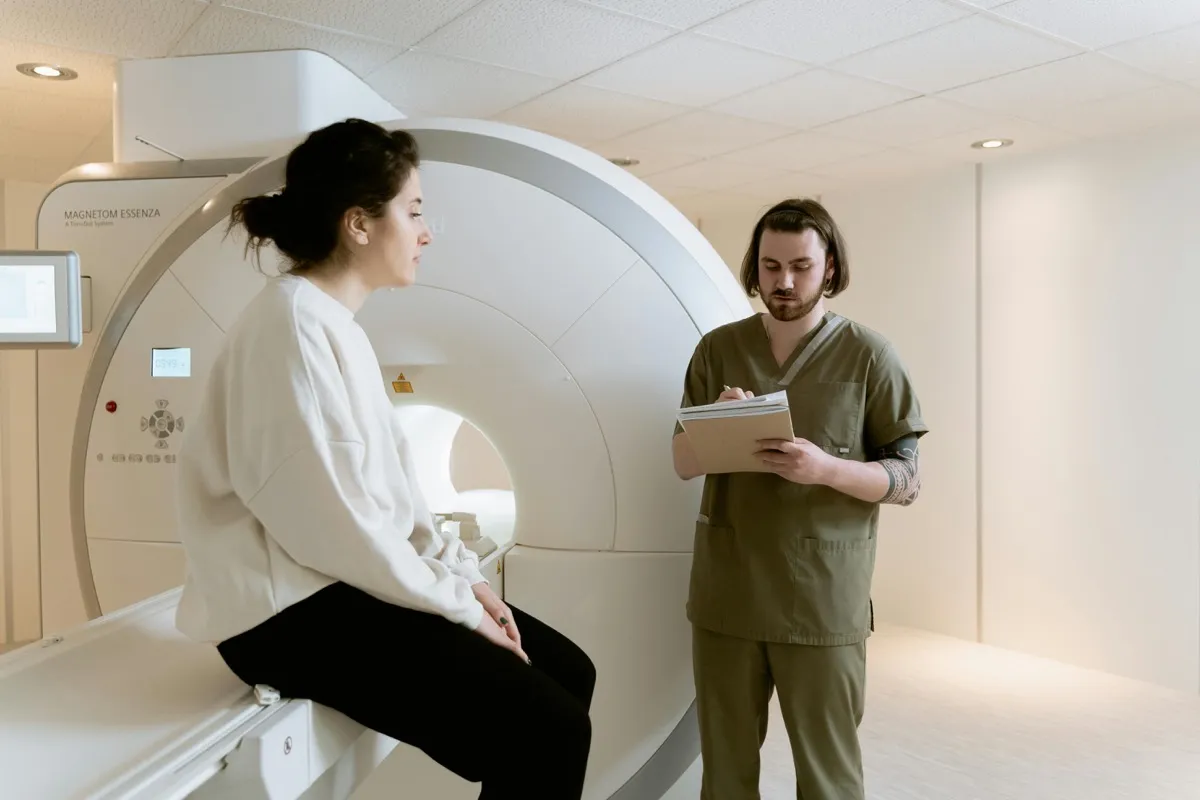
Full Body MRI Cost Dubai: AED 5,000-15,000 (2026)
MRI With Contrast: What to Expect, Safety & When It Is Needed
More in Diagnostic Imaging
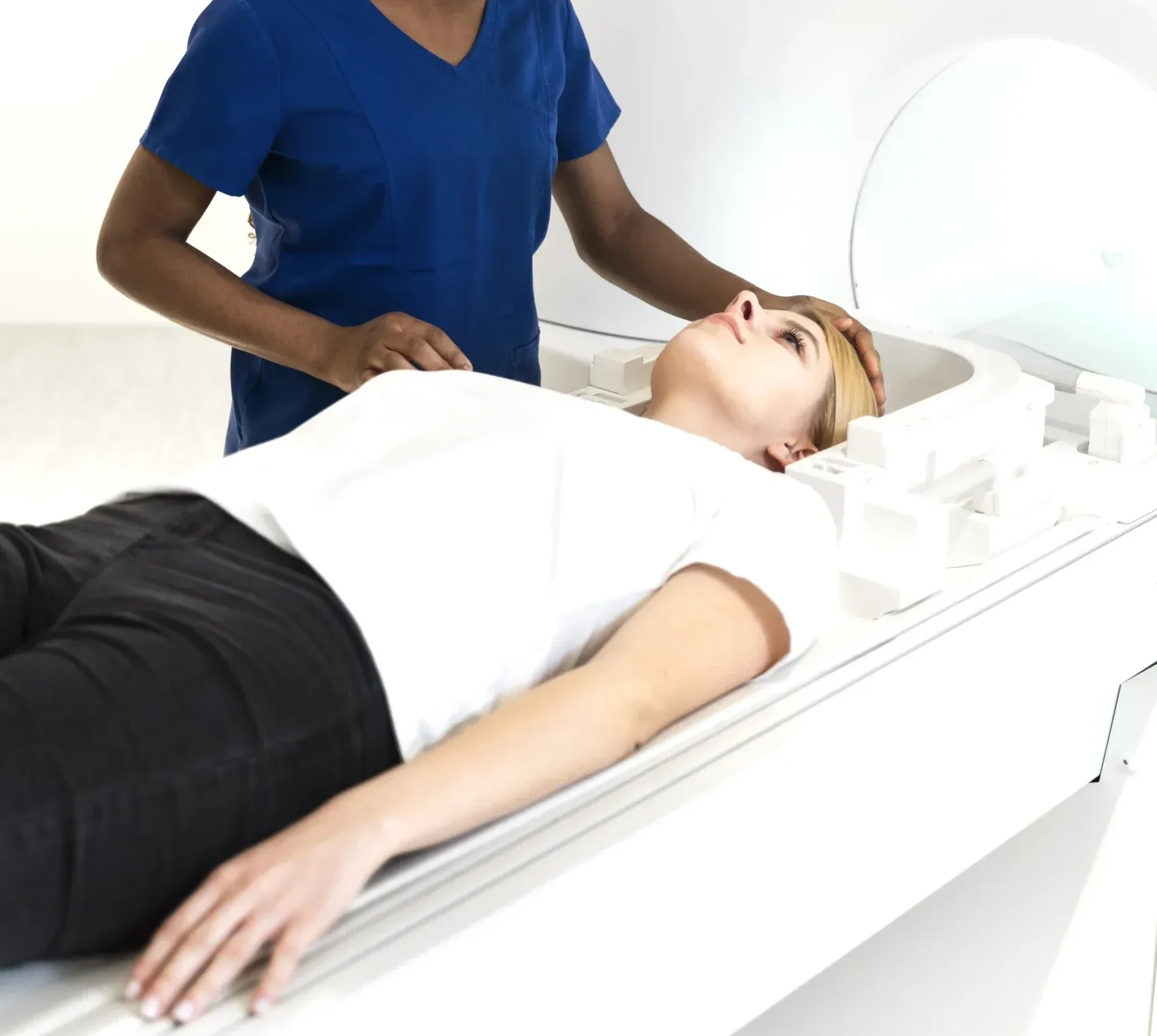
Neck MRI Dubai: What It Shows & Cost (2026)
بیشتر بخوانید
X-Ray Scan Dubai: Complete Guide (2026)
بیشتر بخوانید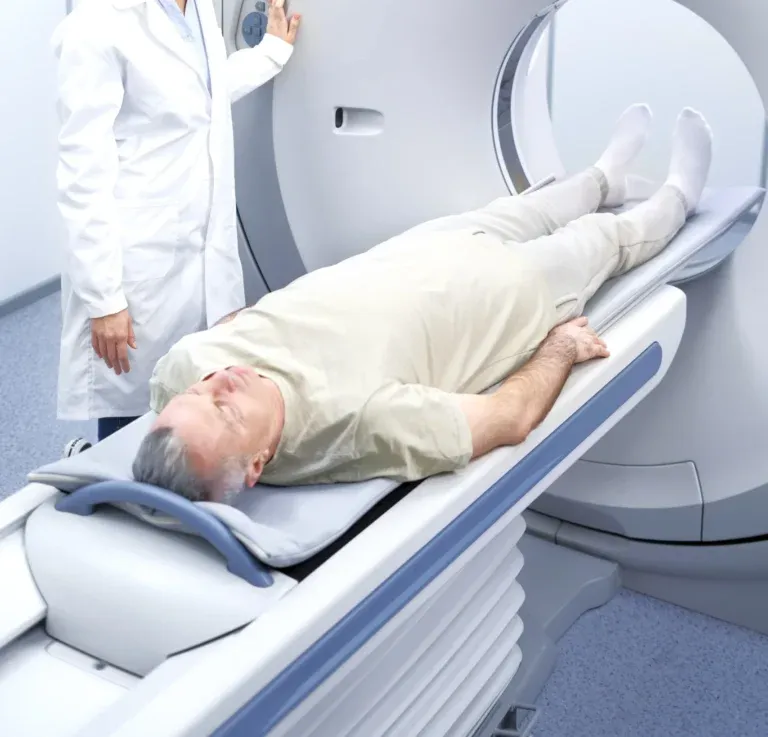
MRI vs Ultrasound Dubai: Which Scan? (2026)
بیشتر بخوانید
MRI vs X-Ray Dubai: Which Scan Do You Need? (2026)
بیشتر بخوانید
Kidney Ultrasound vs CT Dubai: Which Test? (2026)
بیشتر بخوانیدMRI Preparation Dubai: Complete Guide (2026)
بیشتر بخوانید© 2026 Doctors Clinic Diagnostic Center (DCDC), Dubai Healthcare City. Originally published at https://doctorsclinicdubai.ae/blog/pelvic-mri-dubai. All rights reserved. Unauthorized reproduction is prohibited.