نکات کلیدی
- PCOS (سندرم تخمدان پلیکیستیک) تقریباً یک زن از هر ۱۰ زن در سن باروری را مبتلا میکند و یکی از شایعترین اختلالات هورمونی است — اما اغلب تشخیص اشتباه یا ناکافی درمان میشود
- دکتر پریسا دینی در DCDC شهر پزشکی دبی PCOS را با استفاده از معیارهای بینالمللی روتردام تشخیص میدهد — ترکیب ارزیابی بالینی، آزمایشهای هورمونی خون و سونوگرافی لگنی
- درمان بر اساس نگرانی اصلی بیمار شخصیسازی میشود — قاعدگی نامنظم، آکنه و موهای زائد، مدیریت وزن یا باروری
- DCDC پنلهای هورمونی داخلی (FSH، LH، تستوسترون، انسولین، DHEA-S، تیروئید)، سونوگرافی لگنی و آزمایشهای خون شامل HbA1c و پروفایل چربی برای غربالگری متابولیک ارائه میدهد
- دکتر پریسا با دکتر هادی کمشی (داخلی) برای بیماران PCOS مبتلا به مقاومت به انسولین، پیشدیابت یا سندرم متابولیک هماهنگ میکند
- مشاورهها به فارسی و انگلیسی — با واتساپ (+971 56 403 3528) تماس بگیرید
سندرم تخمدان پلیکیستیک (PCOS) یکی از شایعترین اختلالات هورمونی زنان در سن باروری است، اما همچنان یکی از بیماریهایی است که بیشتر تشخیص اشتباه یا ناکافی مدیریت میشود. اگر قاعدگی نامنظم، افزایش وزن غیرقابلتوضیح، آکنه، رشد بیش از حد مو یا مشکل در باردار شدن دارید، ممکن است PCOS داشته باشید — و شایسته متخصصی هستید که بیماری را کاملاً درک کند. دکتر پریسا دینی در مرکز پزشکی DCDC در شهر پزشکی دبی تشخیص تخصصی PCOS و برنامههای درمانی شخصیسازیشده ارائه میدهد.
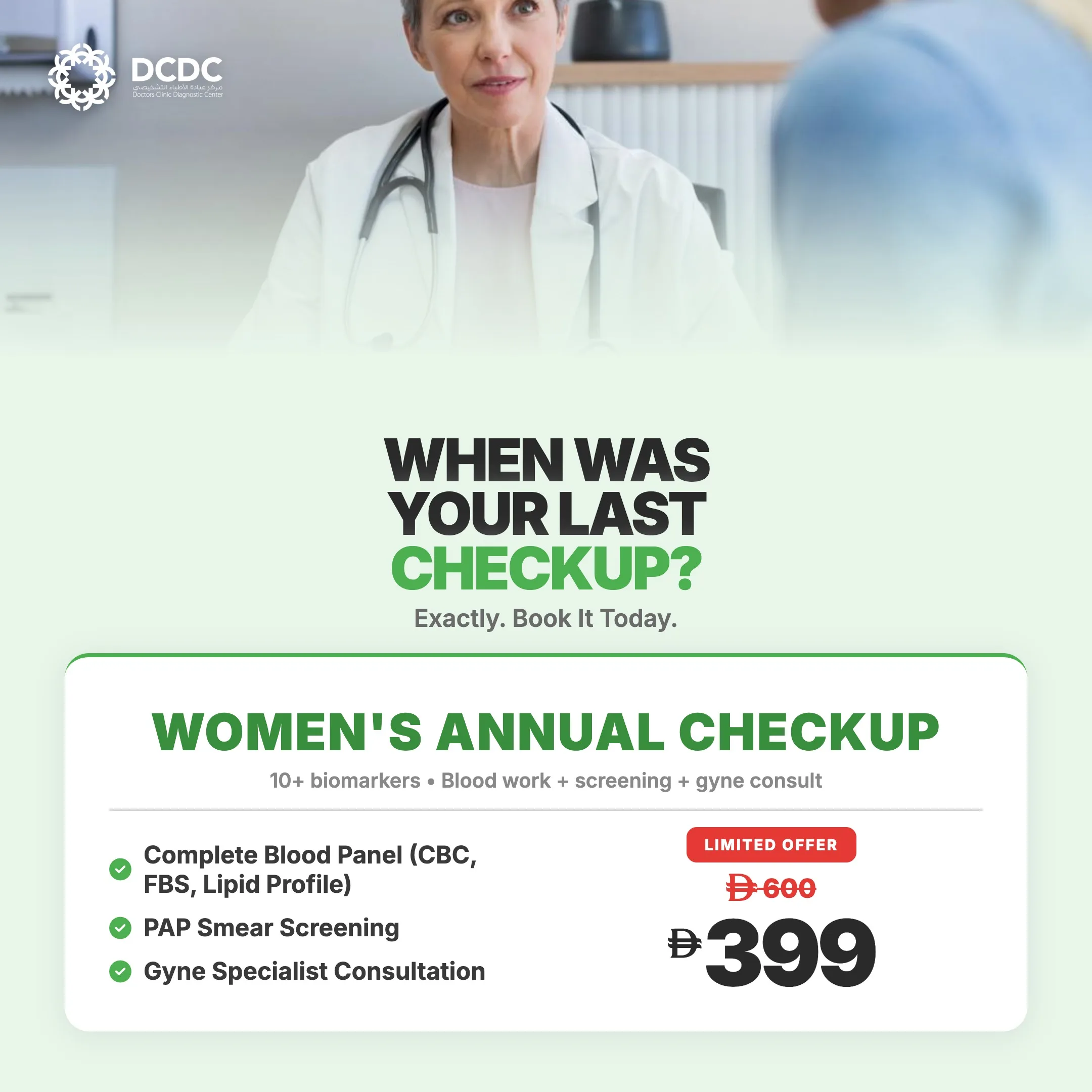
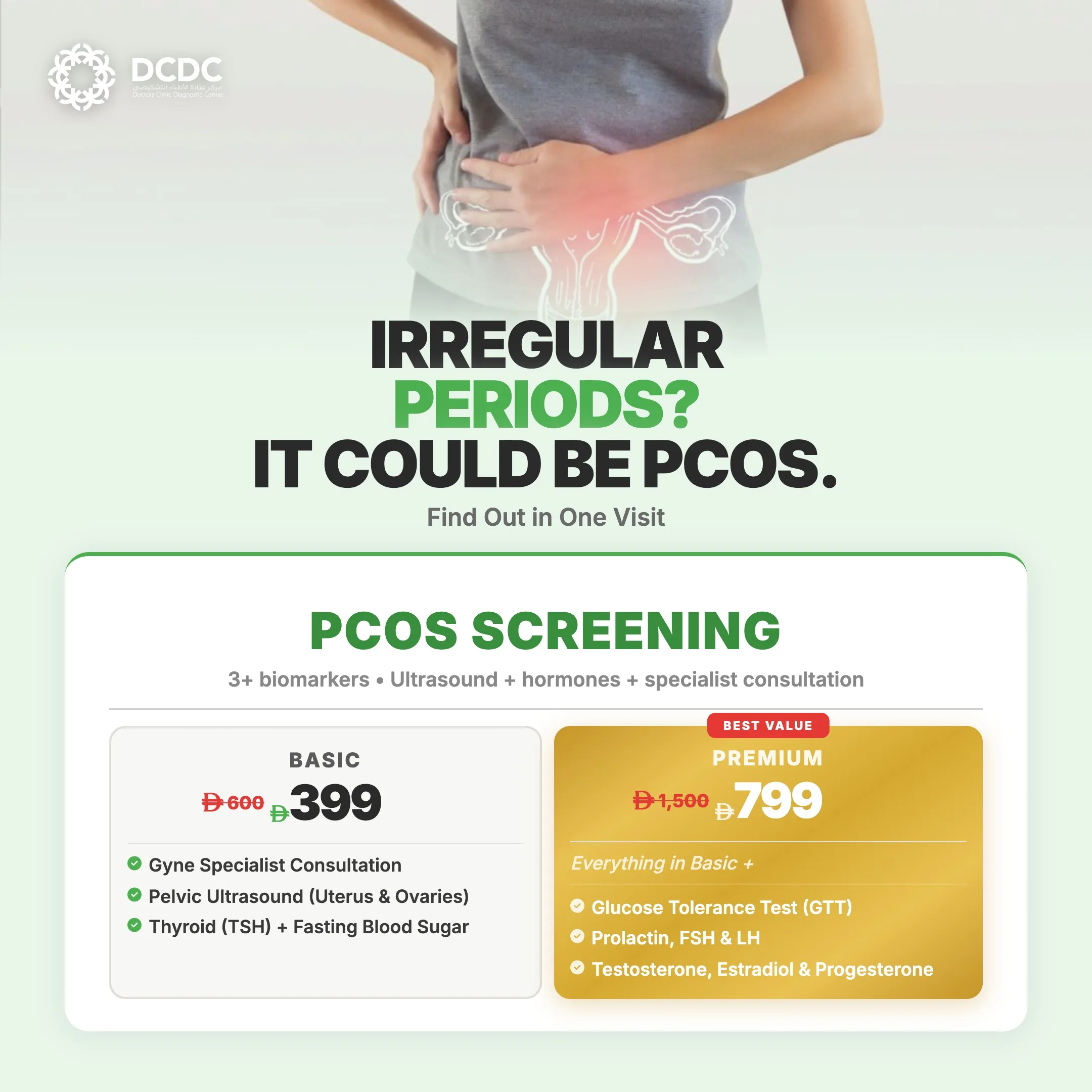
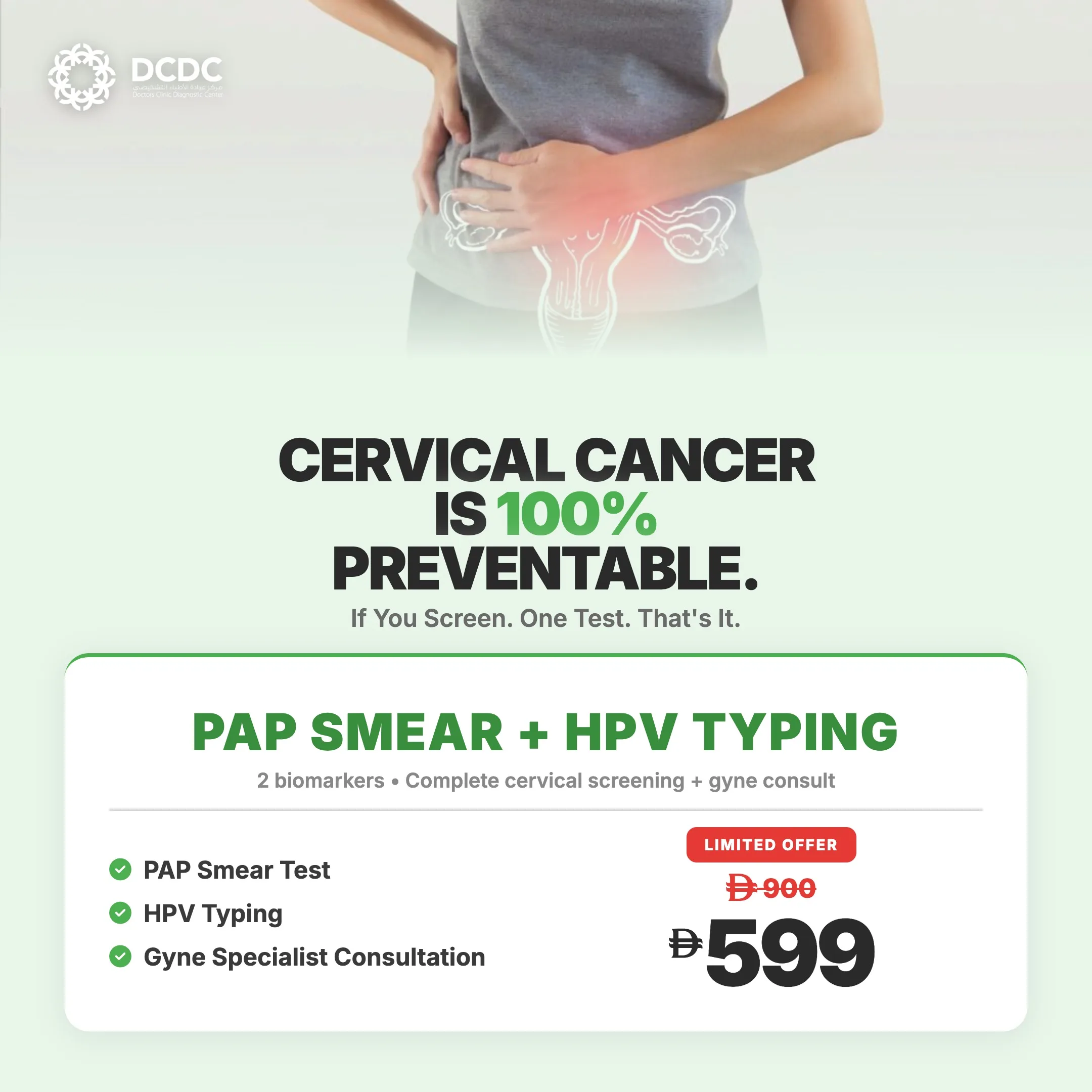
Health Screening Packages
Save with our bundled screening packages — specialist consultation included



PCOS چیست؟
سندرم تخمدان پلیکیستیک (PCOS) یک اختلال هورمونی است که با ترکیبی از علائم مرتبط با تولید بیش از حد آندروژن (هورمون مردانه) و اختلال تخمکگذاری مشخص میشود. برخلاف نامش، همه زنان مبتلا به PCOS کیست در تخمدان ندارند — و داشتن کیست تخمدانی لزوماً به معنای PCOS نیست.
PCOS تقریباً ۸-۱۳٪ زنان در سن باروری را در جهان مبتلا میکند. در خاورمیانه، شیوع ممکن است حتی بالاتر باشد. PCOS علت اصلی ناباروری بدون تخمکگذاری و با افزایش خطر بلندمدت دیابت نوع ۲، بیماری قلبیعروقی و سرطان آندومتر مرتبط است.
PCOS چگونه تشخیص داده میشود؟
دکتر پریسا PCOS را با استفاده از معیارهای روتردام — استاندارد تشخیصی بینالمللی — تشخیص میدهد. تشخیص نیاز به حداقل دو مورد از سه معیار زیر دارد (پس از رد سایر بیماریهایی که PCOS را تقلید میکنند):
- ۱. تخمکگذاری نامنظم یا غایب: قاعدگی نامنظم (سیکلهای کمتر از ۲۱ روز، بیش از ۳۵ روز یا کمتر از ۸ سیکل در سال) یا غیبت کامل قاعدگی (آمنوره)
- ۲. هیپرآندروژنیسم بالینی یا بیوشیمیایی: علائم بالینی شامل آکنه، هیرسوتیسم (رشد بیش از حد موی صورت یا بدن) و ریزش موی آندروژنیک. هیپرآندروژنیسم بیوشیمیایی با افزایش تستوسترون، تستوسترون آزاد، DHEA-S یا آندروستندیون در آزمایش خون تأیید میشود
- ۳. تخمدانهای پلیکیستیک در سونوگرافی: ۱۲ یا بیشتر فولیکول (۲-۹ میلیمتر) در یک تخمدان یا حجم تخمدان بیشتر از ۱۰ میلیلیتر. توجه: معیار سونوگرافی به تنهایی برای تشخیص کافی نیست
تستهای تشخیصی در DCDC
تمام تستهای تشخیصی PCOS در DCDC شهر پزشکی دبی در دسترس است:
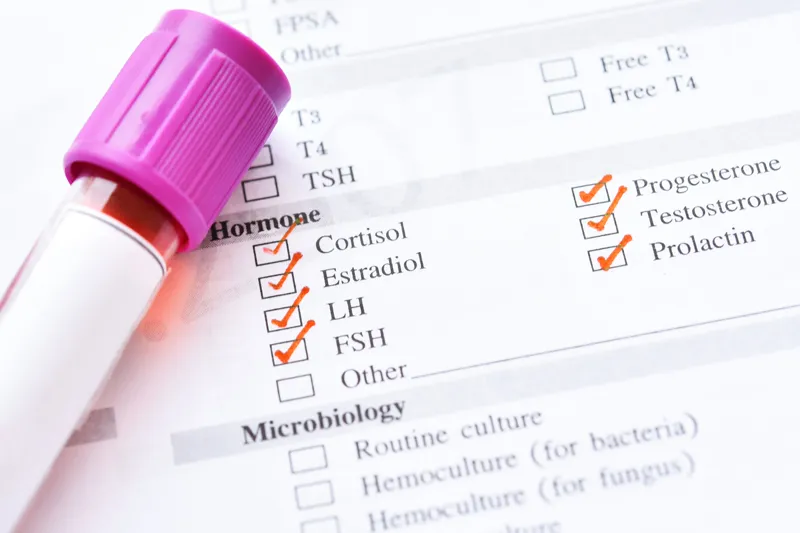
- پنل هورمونی: FSH، LH (و نسبت LH:FSH)، تستوسترون کل، تستوسترون آزاد، DHEA-S، آندروستندیون، پرولاکتین، ۱۷-هیدروکسی پروژسترون
- عملکرد تیروئید: TSH و T4 آزاد برای رد اختلالات تیروئید
- غربالگری متابولیک: قند ناشتا، انسولین ناشتا، HbA1c، پروفایل چربی
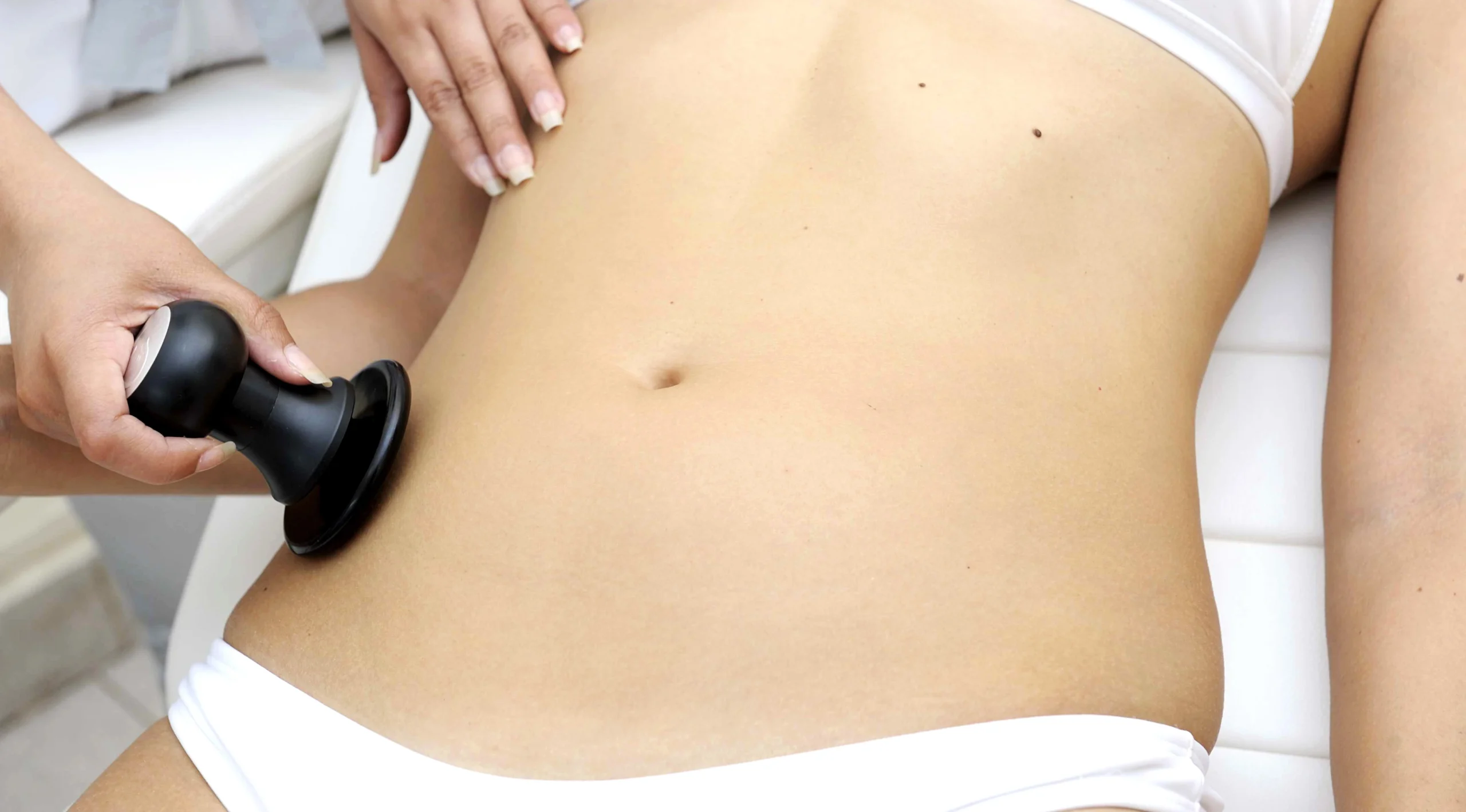
- سونوگرافی لگنی: سونوگرافی واژینال یا شکمی برای ارزیابی مورفولوژی تخمدان، تعداد فولیکول و حجم تخمدان
- تستهای تکمیلی: کورتیزول (برای رد کوشینگ)، ویتامین D (معمولاً در PCOS کمبود دارد) و AMH (در PCOS افزایشیافته)
علائم PCOS: فراتر از قاعدگی نامنظم
- قاعدگی نامنظم یا غایب: شایعترین علامت — سیکلهای غیرقابلپیشبینی یا غیبت کامل قاعدگی
- آکنه: بهویژه در خط فک، چانه و پشت — ناشی از هورمونهای آندروژن بالا
- هیرسوتیسم: رشد بیش از حد مو در صورت، سینه، شکم و پشت با الگوی مردانه
- ریزش مو: نازک شدن موی سر با الگوی آندروژنیک
- افزایش وزن: بهویژه در ناحیه شکم، ناشی از مقاومت به انسولین
- مشکل باروری: تخمکگذاری نامنظم یا غایب باروری را مشکل میکند
- تیره شدن پوست: آکانتوزیس نیگریکانز — تیره شدن پوست در چینهای گردن، زیر بغل و کشاله ران، نشانه مقاومت به انسولین
درمان PCOS: رویکرد شخصیسازیشده
درمان PCOS در DCDC بر اساس نگرانی اصلی و اهداف سلامت بیمار شخصیسازی میشود:
- تنظیم قاعدگی: قرصهای ضدبارداری ترکیبی هم سیکل را منظم کرده و هم آندروژنها را کاهش میدهند. پروژسترون دورهای برای زنانی که ضدبارداری هورمونی نمیخواهند
- آکنه و هیرسوتیسم: داروهای ضدآندروژن (اسپیرونولاکتون)، درمانهای موضعی آکنه و مشاوره لیزر موهای زائد
- مدیریت وزن و مقاومت به انسولین: مشاوره تغذیهای، برنامهریزی ورزش و در صورت نیاز متفورمین — هماهنگشده با دکتر هادی کمشی (داخلی)
- باروری: القای تخمکگذاری با لتروزول یا کلومیفن، پایش تخمکگذاری با سونوگرافی و در صورت نیاز ارجاع به مرکز باروری
رزرو مشاوره PCOS در DCDC
دکتر پریسا دینی ارزیابی کامل و درمان شخصیسازیشده PCOS را در DCDC شهر پزشکی دبی ارائه میدهد. مشاورهها به فارسی و انگلیسی. با واتساپ (+971 56 403 3528) تماس بگیرید.
تشخیصات داخلی — پنل هورمونی و سونوگرافی در یک ویزیت.
خدمات مرتبط در DCDC
مراقبت تخصصی و تشخیص پیشرفته در شهر بهداشت دبی
Frequently Asked Questions
PCOS خود را با مراقبت تخصصی کنترل کنید
PCOS یک بیماری شایع و قابلمدیریت است — اما نیاز به تشخیص دقیق و درمان شخصیسازیشده از متخصصی دارد که پیچیدگیهای آن را درک کند. بسیاری از زنان سالها با PCOS تشخیصدادهنشده یا ضعیف مدیریتشده میگذرانند و از علائمی رنج میبرند که بهطور مؤثر قابلدرمان بودند.
دکتر پریسا دینی در DCDC شهر پزشکی دبی ارزیابی کامل PCOS با معیارهای تشخیصی روتردام، تستهای جامع هورمونی و متابولیک و برنامههای مدیریت فردی ارائه میدهد. با تشخیصات داخلی و هماهنگی چندتخصصی، DCDC همهچیز مورد نیاز برای مراقبت PCOS را زیر یک سقف فراهم کرده است.
همین امروز با تماس یا ارسال پیام واتساپ به شماره +971 56 403 3528 وقت مشاوره PCOS با دکتر پریسا رزرو کنید. مشاورهها به فارسی و انگلیسی.
منابع و مراجع
این مقاله توسط تیم پزشکی ما بررسی شده و به منابع زیر ارجاع میدهد:
- Rotterdam ESHRE/ASRM-Sponsored PCOS Consensus Workshop Group — Revised 2003 Consensus on Diagnostic Criteria and Long-Term Health Risks
- Teede HJ et al. International Evidence-Based Guideline for the Assessment and Management of PCOS. 2023
- Dubai Health Authority (DHA) — Licensed Healthcare Professionals Directory
- American College of Obstetricians and Gynecologists (ACOG) — PCOS Practice Bulletin
محتوای پزشکی این سایت توسط پزشکان دارای مجوز DHA بررسی میشود. مشاهده سیاست تحریریه برای اطلاعات بیشتر.
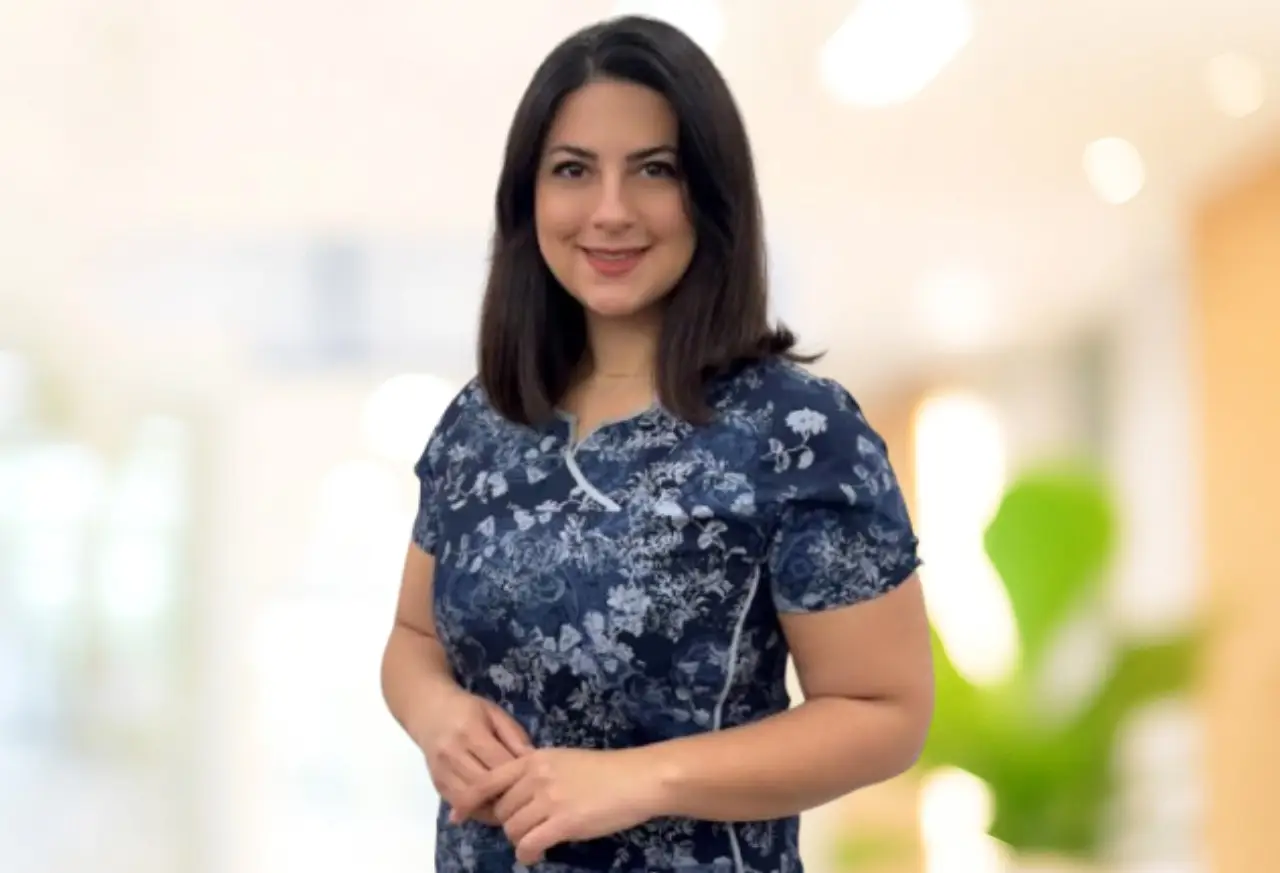
نوشته شده توسط
دکتر پریسا دینی
متخصص زنان و زایمان
دکترای پزشکی، تخصص زنان و زایمان
دکتر پریسا دینی متخصص زنان و زایمان در DCDC شهر پزشکی دبی است. ایشان تجربه گسترده در تشخیص و مدیریت PCOS، مراقبت بارداری و زنان زیبایی دارد. به فارسی و انگلیسی صحبت میکند.
مقالات مرتبط
درمان و تشخیص PCOS در دبی
بهترین متخصص زنان در دبی: دکتر پریسا دینی
تست هورمون در دبی: راهنمای کامل

درمان اختلال هورمونی در دبی
علائم مقاومت به انسولین در دبی
سونوگرافی لگنی: راهنمای زنان
More in Gynecology
Irregular Periods Treatment Dubai (2026)
بیشتر بخوانید
Premature Ovarian Failure Dubai: Guide (2026)
بیشتر بخوانیدOvarian Cyst Dubai: Symptoms & Treatment (2026)
بیشتر بخوانید
Uterine Fibroids Dubai: Treatment Guide (2026)
بیشتر بخوانیدBest Gynecologist in Dubai: Dr. Parisa Dini at DCDC (2026)
بیشتر بخوانیدFemale Gynecologist in Dubai: Dr. Parisa Dini at DCDC Healthcare City (2026)
بیشتر بخوانید© 2026 Doctors Clinic Diagnostic Center (DCDC), Dubai Healthcare City. Originally published at https://doctorsclinicdubai.ae/blog/pcos-specialist-dubai. All rights reserved. Unauthorized reproduction is prohibited.