نکات کلیدی
- GLP-1 receptor agonists like Ozempic (semaglutide) can produce 15-17% body weight loss in clinical trials when combined with lifestyle changes.
- A thorough metabolic workup including HbA1c, thyroid panel, and liver function tests is essential before starting GLP-1 therapy.
- DCDC offers initial weight loss consultations from AED 500, with on-site laboratory and DEXA body composition scanning for comprehensive monitoring.
- BMI of 30 or above (or 27+ with weight-related health conditions) is the standard eligibility criterion for GLP-1 weight loss treatment in Dubai.
- Common side effects like nausea and constipation are usually temporary and manageable with proper dose titration over 16-20 weeks.
- DEXA body composition scans at 3-month intervals are the most accurate way to confirm you are losing fat rather than muscle mass during treatment.
GLP-1 receptor agonists have transformed the landscape of medical weight loss in Dubai and worldwide. Medications like Ozempic (semaglutide) are now among the most sought-after treatments for patients who have struggled with diet and exercise alone. At DCDC's Endocrine and Metabolic Disorders clinic in Dubai Healthcare City, we combine these medications with thorough metabolic assessments, on-site laboratory testing, and DEXA body composition tracking to help patients achieve safe, lasting weight loss under proper medical supervision. This guide covers everything you need to know about Ozempic weight loss in Dubai: how GLP-1 medications work, who qualifies, realistic results, costs, side effects, and what to expect during treatment at a MOHAP-licensed facility.
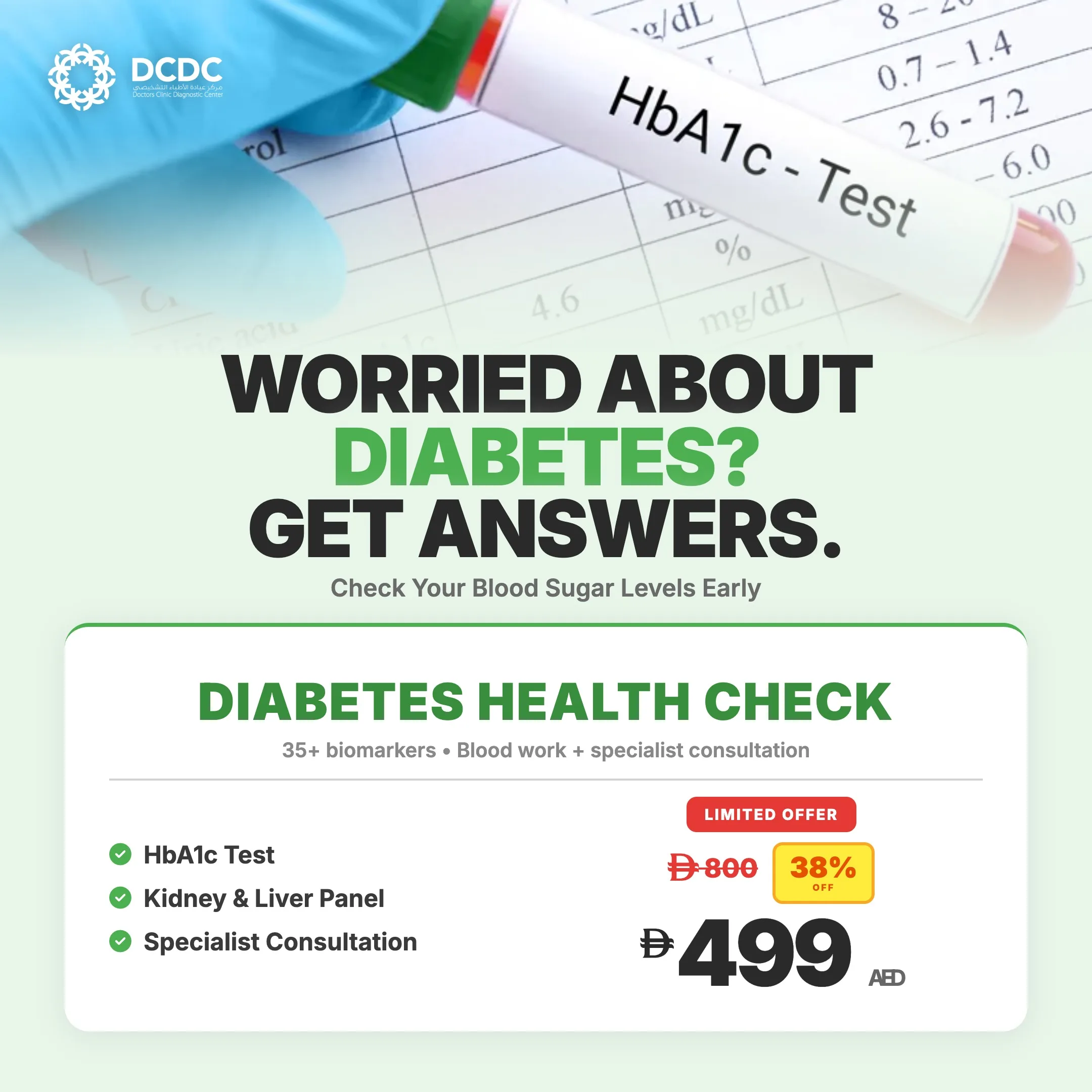
Health Screening Packages
Save with our bundled screening packages — specialist consultation included





What Is Ozempic and How Does It Work for Weight Loss?
Ozempic is the brand name for semaglutide, a medication originally developed for type 2 diabetes that has demonstrated remarkable weight loss effects. Semaglutide belongs to a class of drugs called GLP-1 receptor agonists. GLP-1 (glucagon-like peptide-1) is a hormone your body naturally produces in the gut after eating. It signals your brain that you are full, slows the rate at which your stomach empties food, and helps regulate blood sugar by stimulating insulin release.
When you inject semaglutide, it mimics the action of natural GLP-1 but lasts much longer in the body. A single weekly injection maintains steady levels of the hormone, producing three key effects that drive weight loss. First, it acts on appetite centres in the hypothalamus to reduce hunger and food cravings, making it significantly easier to eat less without constant willpower battles. Second, it delays gastric emptying, which means food stays in your stomach longer and you feel satisfied after smaller portions. Third, it improves insulin sensitivity and glucose metabolism, which helps reduce the fat-storage signals that drive weight gain in people with insulin resistance.
The combined effect is substantial. In the landmark STEP 1 clinical trial published in the New England Journal of Medicine, participants taking semaglutide 2.4 mg weekly lost an average of 14.9% of their body weight over 68 weeks, compared to just 2.4% in the placebo group. For a person weighing 100 kg, that translates to approximately 15 kg of weight loss. Importantly, this was achieved alongside a reduced-calorie diet and increased physical activity, not medication alone.
GLP-1 Medications Available in Dubai
Several GLP-1-based medications are available in the UAE, each with different active ingredients, dosing schedules, and approved indications. Understanding the differences helps you and your doctor choose the right option for your specific situation.
| Medication | Active Ingredient | Dosing | Approved For | Key Notes |
|---|---|---|---|---|
| Ozempic | Semaglutide | Weekly injection (0.25-1 mg) | Type 2 diabetes (off-label for weight loss) | Most widely prescribed GLP-1 in Dubai; lower doses than Wegovy |
| Wegovy | Semaglutide | Weekly injection (up to 2.4 mg) | Chronic weight management | Higher-dose semaglutide specifically approved for weight loss |
| Mounjaro | Tirzepatide | Weekly injection (2.5-15 mg) | Type 2 diabetes and weight management | Dual GIP/GLP-1 agonist; SURMOUNT trials showed up to 22.5% weight loss |
| Saxenda | Liraglutide | Daily injection (up to 3 mg) | Chronic weight management | Older GLP-1; requires daily injections; generally less weight loss than semaglutide |
| Rybelsus | Oral semaglutide | Daily tablet (3-14 mg) | Type 2 diabetes | Oral form; lower bioavailability than injections; primarily for diabetes, not weight loss |
GLP-1 medications available in the UAE (2026)
The choice between these medications depends on multiple factors including your primary goal (weight loss vs. diabetes management), tolerance for injections, budget, and any comorbidities. At DCDC, the prescribing physician evaluates your metabolic profile and medical history before recommending a specific medication and dosing protocol.
Who Qualifies for GLP-1 Weight Loss Treatment?
Not everyone is a candidate for GLP-1 weight loss medication. International guidelines and UAE prescribing standards set clear eligibility criteria based on body mass index (BMI) and the presence of weight-related health conditions.
Standard Eligibility Criteria
- BMI of 30 or above (classified as obesity) — qualifies for GLP-1 therapy even without additional comorbidities
- BMI of 27 or above with at least one weight-related condition — such as type 2 diabetes, hypertension, dyslipidaemia, obstructive sleep apnoea, or cardiovascular disease
- History of failed weight loss attempts — patients who have not achieved meaningful weight loss through diet and exercise over at least 6 months
- Age 18 or older — GLP-1 medications for weight loss are not currently approved for children in the UAE
Contraindications and Cautions
GLP-1 medications are not suitable for everyone. They are contraindicated in patients with a personal or family history of medullary thyroid carcinoma (MTC) or multiple endocrine neoplasia syndrome type 2 (MEN2). They should also be avoided in patients with a history of pancreatitis, severe gastrointestinal disease, or those who are pregnant or planning to become pregnant. Patients with a history of eating disorders require careful evaluation before starting these medications.
This is precisely why a thorough medical evaluation before prescribing is non-negotiable. For a broader look at weight management approaches and how GLP-1 therapy fits alongside other options, see our guide on medical weight loss options in Dubai.
How Much Weight Can You Lose on Ozempic?
Clinical trial data provides the most reliable picture of what to expect from GLP-1 weight loss treatment. Results vary between individuals, but the landmark trials establish clear benchmarks.
The STEP (Semaglutide Treatment Effect in People with Obesity) programme is the largest and most rigorous set of clinical trials studying semaglutide for weight loss. STEP 1 enrolled 1,961 adults with obesity (BMI of 30 or above) or overweight with at least one comorbidity. After 68 weeks, participants on semaglutide 2.4 mg lost an average of 14.9% of their starting body weight, with a third of participants losing more than 20%. By comparison, diet-and-exercise-only participants lost just 2.4%.
STEP 2 focused on patients with both type 2 diabetes and overweight or obesity. Weight loss was lower at approximately 9.6% with semaglutide 2.4 mg, which is typical — diabetes makes weight loss harder due to metabolic factors. STEP 3, which combined semaglutide with intensive behavioural therapy, produced the highest weight loss: an average of 16% of body weight.
Realistic Expectations
- First month (0.25 mg dose): Minimal weight loss (1-2 kg). This is the dose-titration phase where your body adjusts to the medication.
- Months 2-4 (0.5 mg dose): Weight loss begins to accelerate, typically 3-5 kg per month. Most patients notice significant appetite reduction.
- Months 4-8 (1 mg dose or higher): Steady weight loss of 2-4 kg per month. This is the most productive phase.
- Months 8-16: Weight loss gradually slows as you approach a new set point. Total weight loss typically plateaus at 12-17% of starting weight.
- Beyond 16 months: Weight stabilises. Continuing the medication helps maintain the loss; stopping often leads to partial or full regain.
It is crucial to understand that these results require concurrent lifestyle changes. Semaglutide is not a passive solution — it is a tool that makes calorie reduction and exercise significantly more achievable by reducing the hunger that derails most diets.
Ozempic Cost in Dubai: What to Expect
Cost is one of the most common concerns for patients considering GLP-1 weight loss treatment in Dubai. Ozempic weight loss in Dubai involves several cost components: the initial consultation and assessment, laboratory testing, the medication itself, and ongoing follow-up visits. Here is a breakdown of what to expect at DCDC compared to the broader Dubai market.
| Service | DCDC Price | Dubai Market Range |
|---|---|---|
| Initial weight loss consultation | From AED 500 | AED 500-1,500 |
| Metabolic blood panel | From AED 399 | AED 400-1,200 |
| DEXA body composition scan | From AED 400 | AED 500-1,500 |
| Monthly follow-up visit | From AED 300 | AED 300-800 |
| Ozempic (0.25-1 mg/month) | AED 800-1,500 | AED 800-2,000 |
Ozempic and GLP-1 weight loss costs in Dubai (2026)
At many weight loss clinics in Dubai, patients pay AED 1,500-5,000 per month for package programmes that bundle consultation, medication, and monitoring into a single fee. DCDC structures pricing transparently so patients pay only for the services they use. The on-site laboratory means blood work results come back the same day, eliminating the separate lab fees and delays common at clinics that outsource testing.
DCDC also offers direct billing with over 20 insurance providers. While not all insurance plans cover weight loss medications, the consultation and laboratory components are frequently covered under general medicine benefits. Our front desk team can verify your specific coverage before your first appointment.
Side Effects of Ozempic and How to Manage Them
GLP-1 medications have a well-documented side effect profile. Most side effects are gastrointestinal, dose-related, and temporary — they tend to be worst during the initial dose-titration phase and improve as your body adjusts. Understanding what to expect and how to manage these effects makes the treatment significantly more tolerable.
Common Side Effects (Affecting 10-40% of Patients)
- Nausea: The most frequently reported side effect, affecting roughly 40% of patients. It is typically mild to moderate and most pronounced during the first 4-8 weeks. Eating smaller, more frequent meals and avoiding fatty or greasy foods helps considerably.
- Constipation: Affects approximately 24% of patients. Adequate water intake (2-3 litres daily), fibre-rich foods, and regular physical activity usually resolve this. A mild over-the-counter stool softener can be used if dietary changes are insufficient.
- Diarrhoea: Affects around 15-20% of patients, usually intermittent rather than persistent. It often alternates with constipation during the early weeks of treatment.
- Abdominal pain or bloating: Reported by about 10-15% of patients. Slow eating, smaller portions, and avoiding carbonated drinks can reduce these symptoms.
- Injection site reactions: Mild redness, itching, or swelling at the injection site. Rotating injection sites between the abdomen, thigh, and upper arm minimises this.
Less Common but Important Side Effects
- Gallbladder problems: Rapid weight loss (from any cause) increases the risk of gallstones. Symptoms include sudden right-upper-abdominal pain. Report this to your doctor immediately.
- Pancreatitis: Rare but serious. Persistent, severe abdominal pain radiating to the back requires urgent medical attention and discontinuation of the medication.
- Hypoglycaemia: Uncommon when semaglutide is used alone for weight loss but more likely if combined with insulin or sulphonylureas for diabetes management.
- Changes in vision: Reported in patients with existing diabetic retinopathy, particularly when blood sugar drops rapidly. Eye examinations are recommended for diabetic patients starting GLP-1 therapy.
The key to minimising side effects is proper dose titration. Starting at the lowest dose (0.25 mg for semaglutide) and increasing gradually over 16-20 weeks allows your body to adapt. Patients who experience severe nausea can stay at a lower dose for an extra 4 weeks before escalating. For more on how diabetes and metabolic health interact with weight management, read our detailed guide on diabetes management in Dubai.
What to Expect at DCDC: Your Weight Loss Journey
At Doctors Clinic Diagnostic Center (DCDC) in Dubai Healthcare City, your weight loss journey follows a structured, evidence-based pathway. Unlike clinics that prescribe GLP-1 medications after a brief consultation, DCDC's approach begins with a comprehensive metabolic assessment to understand why you are gaining weight and whether medication is the right tool for your situation.
Step 1: Initial Consultation and Blood Work
Your first visit begins with a detailed medical history and physical examination. The physician will review your weight history, previous diet and exercise attempts, current medications, and any symptoms that could indicate an underlying metabolic condition. On the same visit, DCDC's on-site laboratory draws blood for a comprehensive metabolic panel including fasting glucose, HbA1c (to assess long-term blood sugar control), a complete thyroid panel (TSH, free T3, free T4), liver function tests (ALT, AST, GGT), kidney function (creatinine, eGFR), lipid profile (total cholesterol, LDL, HDL, triglycerides), fasting insulin, and vitamin D levels. Because the lab is in-house, most results are available the same day.
Step 2: DEXA Body Composition Scan
A DEXA (dual-energy X-ray absorptiometry) body composition scan establishes your baseline. Unlike a bathroom scale, DEXA precisely measures fat mass, lean muscle mass, bone density, and visceral fat distribution across different body regions. This baseline is essential because the goal of GLP-1 treatment is to lose fat while preserving muscle. Without DEXA tracking, you have no way to confirm that your weight loss is healthy weight loss. Many patients also find the detailed body composition report motivating — it shows exactly where fat is being lost, including the metabolically dangerous visceral fat around organs.
Step 3: Medical Evaluation and Prescription
According to Dr. Hadeel Elnur, the most important step before starting any GLP-1 medication is a thorough metabolic workup. "I see patients who have been prescribed these medications without basic bloodwork — no thyroid panel, no liver function test, no HbA1c. At DCDC, we run a complete metabolic assessment first because weight gain is often a symptom of an underlying condition like hypothyroidism or insulin resistance that needs to be addressed alongside medication."
Once results are reviewed, your doctor determines whether GLP-1 therapy is appropriate and which medication best fits your profile. The prescription includes a dose-titration schedule — typically starting at the lowest dose and increasing every 4 weeks based on tolerance and response. You also receive practical guidance on injection technique, dietary adjustments, and an exercise framework tailored to your fitness level.
Step 4: Follow-Up Monitoring Schedule
- Monthly visits: Weight measurement, side effect assessment, dose adjustment if needed, and targeted blood work (fasting glucose, liver function) during the titration phase
- 3-month intervals: Repeat DEXA body composition scan to verify fat loss and muscle preservation; comprehensive metabolic blood panel to track improvements in cholesterol, blood sugar, and inflammation markers
- 6-month review: Full reassessment of treatment goals, medication efficacy, and long-term plan — continue, adjust, or taper the medication
- Annual review: Complete metabolic workup comparable to the initial assessment for long-term monitoring
DCDC is open Saturday through Thursday, 8 AM to 10 PM, with free parking available on site. The Dubai Healthcare City location provides easy access from across Dubai with multiple public transport links.
Ready to Start Your Weight Loss Journey?
Book a weight loss consultation with DCDC. Initial consultations from AED 500, with on-site lab testing and DEXA body composition scanning available the same day.
MOHAP-licensed clinic in Dubai Healthcare City
Ozempic vs Diet and Exercise: Do You Still Need Both?
One of the most common misconceptions about GLP-1 medications is that they replace the need for diet and exercise. This is categorically false. Every major clinical trial that demonstrated significant weight loss with semaglutide included a lifestyle intervention component — participants followed a reduced-calorie diet (typically a 500 kcal/day deficit) and engaged in at least 150 minutes of physical activity per week.
What GLP-1 medications actually do is make lifestyle changes dramatically easier to sustain. The appetite suppression means that a 500-calorie deficit no longer feels like constant deprivation. The reduced food cravings mean fewer impulsive eating episodes. But the medication alone, without dietary changes, produces significantly less weight loss than the combination. In STEP 3, which paired semaglutide with intensive behavioural therapy (including detailed meal planning and structured exercise), average weight loss reached 16% — about 1% more than semaglutide with standard lifestyle advice.
Exercise Is Non-Negotiable for Muscle Preservation
Resistance training during GLP-1 therapy is particularly important. Any calorie deficit — whether from medication, diet, or both — causes some muscle loss alongside fat loss. Without resistance exercise, up to 30-40% of weight lost can be lean muscle mass rather than fat. This matters because muscle is metabolically active tissue: losing it lowers your resting metabolic rate and makes weight regain more likely after stopping the medication. DCDC recommends that all patients on GLP-1 therapy engage in resistance training at least 2-3 times per week and maintain adequate protein intake (1.2-1.6 g/kg of target body weight daily).
An InBody or body composition test can help track whether you are maintaining muscle mass during your weight loss programme, though DEXA scanning remains the gold standard for precision.
Insurance Coverage for Weight Loss Medication in Dubai
Insurance coverage for GLP-1 weight loss medications in Dubai is evolving. Historically, most UAE insurance plans covered Ozempic when prescribed for its approved indication (type 2 diabetes) but not for off-label weight loss use. As Wegovy and Mounjaro gain specific obesity indications, coverage is gradually expanding, though it remains plan-dependent.
What Is Typically Covered
- General practitioner or specialist consultations — typically covered under most Dubai health insurance plans, whether the visit is coded for metabolic assessment, endocrine evaluation, or general medicine
- Laboratory blood work — metabolic panels, HbA1c, thyroid tests, and liver function tests are standard covered investigations when ordered for diagnostic purposes
- DEXA scans — often covered when medically indicated (e.g., for osteoporosis screening), though coverage for body composition purposes varies by plan
- Ozempic for type 2 diabetes — covered by most plans when prescribed for its on-label indication with documented HbA1c above target
What May Not Be Covered
- Ozempic prescribed off-label for weight loss — when a patient does not have type 2 diabetes, insurance often classifies this as cosmetic or lifestyle and declines coverage
- Wegovy and Mounjaro for obesity — newer additions to UAE formularies; coverage depends heavily on the specific insurance provider and plan tier
- Weight loss programme packages — bundled services marketed specifically as weight loss programmes are frequently excluded
DCDC works with over 20 insurance providers and offers direct billing, so patients do not need to pay out of pocket and file reimbursement claims. The front desk team verifies coverage before each appointment and can advise on which components of your treatment are covered under your specific plan.
How Long Do You Stay on Ozempic?
This is one of the most important — and most frequently misunderstood — aspects of GLP-1 weight loss treatment. Semaglutide is not a short course of medication like an antibiotic. Current evidence strongly suggests that GLP-1 therapy for weight loss is most effective as a long-term or even indefinite treatment for many patients.
The STEP 4 trial directly addressed this question. Patients who were switched from semaglutide to a placebo after 20 weeks of treatment regained approximately two-thirds of the weight they had lost over the following 48 weeks. Those who continued semaglutide maintained their weight loss and continued to lose a small amount of additional weight. Similarly, a follow-up analysis of the STEP 1 trial showed that one year after stopping semaglutide, participants had regained roughly two-thirds of their lost weight.
Typical Treatment Phases
- Titration phase (weeks 1-16): Gradual dose increase from 0.25 mg to the target dose. Primary goal is adaptation, not maximum weight loss.
- Active weight loss phase (months 4-16): Full therapeutic dose. The majority of weight loss occurs during this period.
- Maintenance phase (month 16 onward): Weight loss plateaus but maintaining medication helps prevent regain. Some patients can reduce to a lower maintenance dose.
- Supervised tapering (if appropriate): For patients who have established strong lifestyle habits and wish to discontinue, a gradual taper with close monitoring is safer than abrupt cessation.
The decision about treatment duration is highly individual. Patients with significant insulin resistance, a history of weight cycling, or multiple metabolic risk factors typically benefit most from long-term maintenance. Understanding your insulin resistance status is essential to making an informed decision about treatment duration.
Monitoring Your Progress: Tests and Check-ups
Effective GLP-1 treatment requires more than stepping on a scale. At DCDC, we use a combination of laboratory markers and imaging to ensure your weight loss is healthy, your metabolic health is improving, and the medication is not causing any adverse effects.
Essential Blood Tests During GLP-1 Therapy
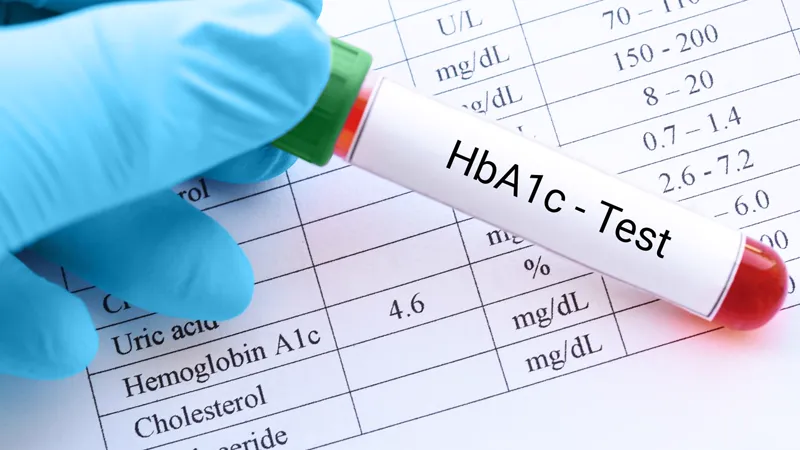
- HbA1c: Measures average blood sugar control over 3 months. Even in non-diabetic patients, tracking HbA1c shows improvements in glucose metabolism. For more detail on what HbA1c measures and why it matters, see our HbA1c test guide.
- Fasting insulin and glucose: Tracks improvement in insulin resistance — one of the most significant metabolic benefits of GLP-1 therapy
- Liver function tests (ALT, AST, GGT): Monitors for any medication-related liver effects and tracks improvement in fatty liver disease, which often accompanies obesity
- Lipid panel: Total cholesterol, LDL, HDL, and triglycerides typically improve with weight loss. Some patients are able to reduce or discontinue cholesterol medications.
- Thyroid panel (TSH, free T4): Ensures thyroid function remains stable during treatment. Undiagnosed hypothyroidism can blunt weight loss response.
- Kidney function (creatinine, eGFR): Baseline and periodic monitoring, particularly important for patients with diabetes or hypertension
- Vitamin D and B12: GLP-1 medications can reduce absorption of certain nutrients. Deficiencies are corrected with supplementation.
DEXA Body Composition Tracking
DEXA body composition scans at DCDC provide region-by-region analysis of fat mass, lean mass, and bone density. Tracking these metrics at 3-month intervals gives both the patient and physician a clear picture of treatment quality. A patient losing 10 kg where 8 kg is fat and 2 kg is muscle is on a good track. A patient losing 10 kg where 5 kg is fat and 5 kg is muscle needs dietary and exercise adjustments. Only DEXA-level imaging can make this distinction reliably.
Is Ozempic Safe Long-Term?
Long-term safety data for semaglutide is reassuring and growing. Semaglutide has been approved for type 2 diabetes since 2017, meaning there are now nearly a decade of real-world safety data in addition to the controlled trial data. The SELECT cardiovascular outcomes trial, which followed over 17,600 patients for a median of 40 months, demonstrated that semaglutide not only did not increase cardiovascular risk — it reduced major adverse cardiovascular events by 20% compared to placebo.
The FDA has approved semaglutide (as Wegovy) for chronic weight management, and the European Medicines Agency (EMA) has granted similar approval. Both agencies reviewed extensive safety data before approving long-term use. The most significant long-term safety consideration is the theoretical risk of thyroid C-cell tumours, which was observed in rodent studies at much higher doses than used in humans. This has not been confirmed in human studies, but out of caution, GLP-1 medications carry a boxed warning against use in patients with a history of medullary thyroid carcinoma or MEN2.
Ongoing Safety Monitoring at DCDC
At DCDC, every patient on GLP-1 therapy receives regular monitoring specifically designed to catch any potential adverse effects early. This includes liver function tests at each visit, periodic thyroid assessment, gallbladder symptom screening, and kidney function monitoring. DCDC's 4.8 out of 5 Google rating from over 1,000 verified patient reviews reflects this commitment to thorough, patient-centred care. The 98% patient satisfaction rate is built on exactly this kind of careful, evidence-based monitoring rather than a one-size-fits-all prescription-and-forget approach.
Choosing the Right Clinic for Ozempic Weight Loss in Dubai
The rapid growth in demand for GLP-1 weight loss medications in Dubai has led to a wide range of prescribing practices. Some clinics prescribe Ozempic after a brief telehealth consultation without any blood work. Others bundle it into expensive wellness packages with unproven add-ons. Choosing the right clinic matters because GLP-1 medications are prescription-only pharmaceuticals that require proper medical oversight.
What to Look For
- MOHAP licensing: Ensure the facility is licensed by the UAE Ministry of Health and Prevention or the relevant health authority (DHA for Dubai). DCDC holds full MOHAP licensing as a diagnostic centre and clinic in Dubai Healthcare City.
- Pre-prescription blood work: Any responsible clinic will require baseline metabolic blood work before prescribing GLP-1 medications. If a clinic offers to prescribe without testing, consider it a red flag.
- On-site laboratory: Having blood work processed in-house means faster results and same-day clinical decisions. DCDC's on-site laboratory delivers most results the same day.
- Body composition tracking: DEXA or equivalent body composition scanning should be available to verify that weight loss is primarily fat loss.
- Structured follow-up: Ongoing monitoring is not optional with GLP-1 medications. The clinic should have a clear follow-up schedule, not just one initial visit.
- Transparent pricing: Avoid clinics that only offer bundled packages without itemised pricing. You should know exactly what each component costs.
As a MOHAP-licensed facility in Dubai Healthcare City with direct insurance billing through over 20 providers, DCDC provides the infrastructure for safe, monitored GLP-1 treatment — from the initial blood draw through to long-term body composition tracking.
Book Your Weight Loss Consultation
Start with a comprehensive metabolic assessment at DCDC. Same-day blood work, DEXA body composition scanning, and expert medical guidance — all under one roof in Dubai Healthcare City.
Direct billing with 20+ insurance providers. Free parking available.
Frequently Asked Questions About Ozempic Weight Loss in Dubai
Below are the questions we hear most frequently from patients considering GLP-1 weight loss treatment at DCDC.
خدمات مرتبط در DCDC
مراقبت تخصصی و تشخیص پیشرفته در شهر بهداشت دبی
Frequently Asked Questions
Final Thoughts: Making an Informed Decision About Ozempic Weight Loss in Dubai
GLP-1 receptor agonists like Ozempic represent a genuine breakthrough in medical weight management. For the first time, patients struggling with obesity have a pharmaceutical tool that produces weight loss comparable to bariatric surgery, with a fraction of the risk. The evidence is robust: the STEP trial programme, involving thousands of participants, consistently demonstrated 15-17% body weight reduction with semaglutide alongside lifestyle modification.
However, these medications are not magic solutions. They work best as part of a comprehensive, medically supervised programme that includes proper metabolic assessment before prescribing, structured dietary guidance, resistance training to preserve muscle mass, regular laboratory monitoring, and body composition tracking to ensure quality weight loss. This is exactly the approach DCDC provides — from the initial blood panel in our on-site laboratory to DEXA body composition scans that verify you are losing fat, not muscle.
If you are considering Ozempic or another GLP-1 medication for weight loss in Dubai, the most important first step is a thorough evaluation by a physician who will take the time to understand your metabolic profile before reaching for a prescription pad. At DCDC in Dubai Healthcare City, that is exactly how every weight loss journey begins.
منابع و مراجع
این مقاله توسط تیم پزشکی ما بررسی شده و به منابع زیر ارجاع میدهد:
- WHO - Obesity and overweight fact sheet
- Wilding JPH et al. Once-Weekly Semaglutide in Adults with Overweight or Obesity (STEP 1 Trial). New England Journal of Medicine, 2021
- FDA - Approval of Wegovy (semaglutide) for Chronic Weight Management
- Mayo Clinic - Semaglutide (Subcutaneous Route)
- Cleveland Clinic - GLP-1 Receptor Agonists
- Lincoff AM et al. Semaglutide and Cardiovascular Outcomes in Obesity without Diabetes (SELECT Trial). New England Journal of Medicine, 2023
محتوای پزشکی این سایت توسط پزشکان دارای مجوز DHA بررسی میشود. مشاهده سیاست تحریریه برای اطلاعات بیشتر.

نوشته شده توسط
Dr. Hadeel Elnur
General Practitioner
MD, General Practice
Dr. Hadeel Elnur is a General Practitioner at Doctors Clinic Diagnostic Center (DCDC) in Dubai Healthcare City.
Related Articles

Medical Weight Loss Dubai: Options & Cost
Insulin Resistance: Signs & Treatment Dubai
Diabetes Management Dubai: Complete Guide
HbA1c Test Dubai: Guide & Cost
DEXA Body Composition for Athletes
More in Weight Loss
© 2026 Doctors Clinic Diagnostic Center (DCDC), Dubai Healthcare City. Originally published at https://doctorsclinicdubai.ae/blog/ozempic-weight-loss-dubai. All rights reserved. Unauthorized reproduction is prohibited.