رفتن به محتوای اصلی
DCDC، شهر سلامت دبی، دبی، امارات متحده عربی
بازگشت به وبلاگ
Orthopedics

Lateral Recess Stenosis: Causes, Symptoms & CT Scan Dubai

تیم پزشکی DCDC11 min read
Lateral Recess Stenosis Diagnosis
بررسی پزشکی توسط Dr. Mersad MoosaviConsultant Orthopedic Surgeon

نکات کلیدی

  • Lateral recess stenosis is a spine condition where the nerve pathway becomes narrow, causing pressure on nerves
  • Common symptoms include lower back pain, leg pain, tingling, or weakness, especially while walking or standing
  • CT scan shows bony narrowing clearly; MRI is generally preferred for soft tissue and nerve detail
  • Over 80% of patients improve with conservative treatment including physical therapy and epidural injections
  • Dubai lifestyle factors (sedentary work, long commutes, gym injuries) contribute to spinal degeneration
  • Early diagnosis prevents nerve damage from worsening and helps avoid surgery

Lateral recess stenosis is a spine condition where the nerve pathway on one side of the spinal canal becomes narrow, putting pressure on nearby nerves. This pressure often causes lower back pain, leg pain, tingling, or weakness, especially while walking or standing. It's commonly linked with age-related spine changes and is often confirmed through imaging like a CT scan or MRI to assess the degree of narrowing and nerve compression.

This condition mainly affects the lumbar spine and is frequently confused with general spinal stenosis. The difference lies in location. Early diagnosis matters because nerve pressure can worsen over time. With accurate imaging and the right clinical approach, most patients can manage symptoms well without rushing into surgery.

آماده قدم بعدی هستید؟

نوبت خود را امروز رزرو کنید و از مراقبت تخصصی در مرکز تشخیصی کلینیک دکترز در شهر بهداشت دبی بهره‌مند شوید.

What Causes Lateral Recess Stenosis?

Lateral recess stenosis develops when structures inside the spine slowly reduce the space meant for nerve roots. These changes don't happen overnight and usually build up over years.

The most common causes include disc bulging, thickened ligaments, facet joint enlargement, and bone overgrowth due to wear and tear. Injuries, poor posture, and repetitive strain can speed things up.

Before listing causes, it helps to understand that many patients have more than one factor involved at the same time.

  • Age-related spine degeneration
  • Herniated or bulging discs
  • Arthritis of facet joints
  • Thickened spinal ligaments
  • Past spine injury or surgery

Knowing the cause helps doctors decide whether imaging like a CT scan alone is enough or if advanced studies are needed.

Dubai Lifestyle Factors Contributing to Spinal Degeneration

Living and working in Dubai presents unique lifestyle factors that can accelerate spinal wear and tear, increasing the risk of conditions like lateral recess stenosis.

Sedentary office work: Many Dubai professionals spend 8-10 hours daily sitting at desks, often with poor posture. Prolonged sitting increases pressure on lumbar discs and facet joints, accelerating degeneration.

Long commutes: Dubai's traffic often means extended time sitting in cars, compounding the effects of office work. The combination creates sustained spinal compression throughout the day.

Gym injuries from improper form: Dubai has a strong fitness culture, but improper weightlifting technique — especially deadlifts, squats, and overhead presses — can strain the spine and accelerate joint degeneration.

Air-conditioned environment effects: Constant exposure to AC-cooled environments can contribute to muscle stiffness and reduced flexibility, making the spine more vulnerable to strain and injury.

Recognizing these lifestyle factors helps patients understand their risk and take preventive steps like ergonomic workplace adjustments, regular stretching, and proper exercise form.

Common Symptoms Patients Notice First

Symptoms often start mildly and progress slowly, which is why many people delay evaluation. Pain usually increases during walking or standing and eases with sitting or bending forward.

Leg-related symptoms are more common than back pain. Patients may feel burning, numbness, or weakness that follows a nerve path down one leg. In advanced cases, balance issues can appear.

If symptoms affect daily walking distance or sleep quality, imaging becomes necessary to confirm the diagnosis and rule out other spine problems.

How Lateral Recess Stenosis Is Diagnosed

Clinical examination gives the first clues, but imaging confirms what's happening inside the spine. Doctors look for nerve compression, bone changes, and disc issues.

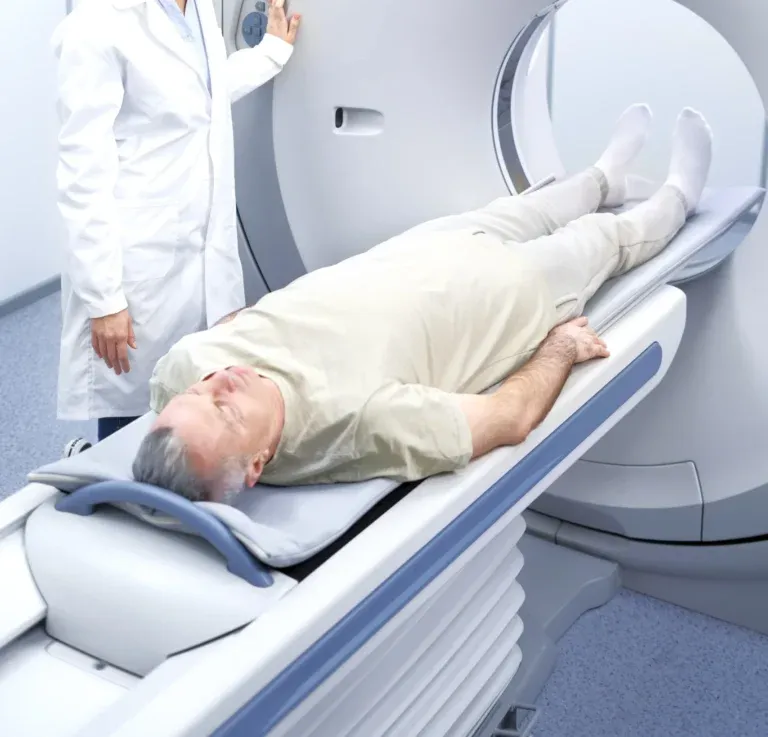
A CT scan of the spine is often used when clear bone detail is needed. It shows narrowing, joint enlargement, and bony overgrowth very clearly. MRI is generally the preferred imaging modality for spinal stenosis as it provides superior soft tissue detail, but CT is valuable when MRI is contraindicated or for patients who cannot tolerate long scan times.

Compared to other imaging tests, CT-based studies are faster and suitable for patients who can't undergo MRI due to pacemakers, metal implants, or severe claustrophobia.

MRI vs CT for Spine Assessment: Detailed Comparison

Choosing between MRI and CT for diagnosing lateral recess stenosis depends on clinical factors, patient tolerance, and what information the doctor needs most. Each modality has distinct strengths.

FactorMRICT Scan
Soft tissue detail (nerves, discs, ligaments)Excellent (gold standard)Limited
Bone detail (facet joints, bony stenosis)ModerateExcellent
Radiation exposureNoneYes (ionizing radiation)
Cost in Dubai (AED)1,200 – 2,000700 – 1,200
Scan duration30-45 minutes5-10 minutes
When preferredSuspected disc herniation, nerve compression, soft tissue pathologyBony stenosis, fractures, patients with MRI contraindications

MRI is generally preferred for diagnosing spinal stenosis due to superior soft tissue visualization, but CT excels at showing bony abnormalities.

For lateral recess stenosis, MRI is often the first-line imaging because it clearly shows nerve root compression, disc bulges, and ligament thickening. CT is particularly useful when bone overgrowth (osteophytes) is the primary concern or when surgical planning requires precise bony anatomy detail.

Conservative Treatment: Physical Therapy and Rehabilitation

Most patients with lateral recess stenosis improve with non-surgical treatment. Research shows that over 80% of patients respond well to conservative management, avoiding the need for surgery.

"The majority of patients I see with lateral recess stenosis do very well with a structured rehabilitation program," explains Dr. Mersad Moosavi, Consultant Orthopedic Surgeon at DCDC. "Physical therapy focuses on strengthening core muscles, improving flexibility, and correcting posture — all of which reduce pressure on the nerve roots. Combined with anti-inflammatory medications or epidural injections when needed, most people can return to their normal activities within 3-6 months."

Conservative treatment options include:

  • Physical therapy: Targeted exercises to strengthen core and back muscles, improve spinal flexibility, and reduce nerve pressure
  • Activity modification: Avoiding activities that worsen symptoms (prolonged standing, heavy lifting) and adopting proper body mechanics
  • Epidural steroid injections: Injections around the affected nerve root to reduce inflammation and provide pain relief for weeks to months
  • Pain management: NSAIDs (anti-inflammatory medications), muscle relaxants, or neuropathic pain medications
  • Postural correction: Ergonomic workplace adjustments and training in proper sitting and standing postures

Recovery timelines vary, but many patients notice improvement within 4-8 weeks of starting conservative treatment. Full resolution or significant symptom reduction often occurs within 3-6 months.

Treatment Decision Guide: When Surgery May Be Needed

Treatment approach depends on stenosis severity, symptom impact, and response to conservative care. Most cases can be managed without surgery.

Mild Stenosis

Symptoms: Occasional back or leg discomfort, minimal impact on daily activities.

Treatment: Physical therapy, activity modification, NSAIDs. Recovery timeline: 4-12 weeks for significant improvement.

Moderate Stenosis

Symptoms: Frequent leg pain or numbness with walking, reduced walking distance, some impact on daily function.

Treatment: Physical therapy + epidural steroid injections. Recovery timeline: 8-16 weeks, may require repeat injections every 3-6 months.

Severe Stenosis

Symptoms: Severe leg pain limiting walking to <100 meters, progressive weakness, bowel/bladder dysfunction (rare but urgent), symptoms not improving after 3-6 months of conservative treatment.

Treatment: Surgical consultation for decompression (laminectomy or foraminotomy). Surgery aims to remove bone or tissue compressing the nerve. Recovery timeline: 6-12 weeks for surgical recovery, with gradual return to activities.

"Surgery is reserved for patients who have tried conservative treatment without adequate relief, or those with progressive neurological symptoms like foot drop or severe weakness," notes Dr. Moosavi. "The goal is always to preserve function and improve quality of life, and for most patients, that can be achieved without going to the operating room."

Costs Patients Commonly Ask About in Dubai

Cost transparency matters when planning diagnostic tests or treatment. Prices can vary based on technology, expertise, and location.

ServiceEstimated Cost (AED)
CT Scan Spine700 – 1,200
MRI Spine1,200 – 2,000
Orthopedic Specialist Consultation300 – 600
Physical Therapy Session200 – 400
Epidural Steroid Injection1,500 – 3,000

Actual pricing depends on clinical needs, imaging protocols, and whether additional consultations are required.

Why Accurate Imaging Makes a Real Difference

Imaging isn't just about confirming a diagnosis. It shapes the entire care plan. A detailed CT scan helps avoid unnecessary treatments and focuses attention on the exact nerve involved.

For patients with metal implants or those unable to tolerate long scans, CT-based imaging offers a reliable alternative with quick results. It also plays a key role in follow-up checks after treatment. Getting imaging done at the right center reduces repeat scans and speeds up recovery decisions.

Patient Story: Successful Conservative Management of Lateral Recess Stenosis

A 55-year-old office worker came to DCDC with complaints of progressive leg pain that limited his walking distance to about 200 meters. The pain was worse when standing or walking and relieved by sitting or bending forward — classic signs of spinal stenosis.

A CT scan revealed lateral recess stenosis at the L4-L5 level with bony overgrowth compressing the left L5 nerve root. Rather than rushing to surgery, his orthopedic surgeon recommended a conservative treatment plan: targeted physiotherapy twice weekly, home exercise program focusing on core strengthening and spinal flexion, and a single epidural steroid injection to reduce nerve inflammation.

After 3 months of dedicated rehabilitation, his walking distance improved to over 1 kilometer without significant pain. He continued maintenance exercises and made ergonomic adjustments to his office setup. Two years later, he remains symptom-free and has avoided surgery entirely.

This case illustrates the importance of early diagnosis through proper imaging and the effectiveness of structured conservative treatment for most stenosis patients.

Advanced Spine Imaging and Orthopedic Care at DCDC

At Doctors Clinic Diagnostic Center, spine care combines expert orthopedic consultation with advanced imaging. Located in Dubai Healthcare City, our center serves patients from Oud Metha, Umm Hurair 2, and Karama. Our CT Scan and MRI services provide detailed spine assessment, and our orthopedic specialists offer both conservative and surgical treatment options based on individual patient needs.

سؤالات متداول

Lateral recess stenosis is caused by age-related spinal degeneration including disc bulging, facet joint enlargement, thickened ligaments, and bony overgrowth (osteophytes). Risk factors include aging, past spine injury, poor posture, and repetitive strain from work or sports.
Lateral recess stenosis can range from mild to severe. Most cases respond well to conservative treatment. However, if left untreated and progressive, it can lead to permanent nerve damage, chronic pain, or loss of function. Early diagnosis and treatment prevent these complications.
While the structural narrowing itself doesn't reverse, over 80% of patients improve significantly with conservative treatment including physical therapy, epidural injections, and activity modification. Many patients achieve long-term symptom relief without surgery.
Surgical recovery for spinal stenosis decompression typically takes 6-12 weeks. Most patients can return to light activities within 2-4 weeks and resume normal activities by 3 months. Full recovery may take up to 6 months. Physical therapy is crucial for optimal recovery.
Central stenosis narrows the main spinal canal where the spinal cord passes, while lateral recess stenosis narrows the side channels where individual nerve roots exit. Lateral stenosis typically affects nerve roots on one side, causing leg symptoms on that side. Central stenosis often causes bilateral (both sides) symptoms.
Yes, specific exercises are highly beneficial. Core strengthening, spinal flexion exercises (bending forward), and stretching can reduce nerve pressure and improve symptoms. However, exercises should be guided by a physical therapist to ensure they're appropriate for your specific stenosis pattern.
Avoid prolonged standing, walking downhill or on uneven surfaces, heavy lifting, and spinal extension exercises (backward bending). High-impact activities like running or jumping may worsen symptoms. Forward-bending positions (like cycling or using a recumbent bike) are often better tolerated.
No. Lateral recess stenosis is a specific type of spinal stenosis affecting the side nerve pathway where nerve roots exit the spine. General "spinal stenosis" usually refers to central canal narrowing. Both can occur together.
CT scans show bone and bony narrowing very clearly. However, MRI is generally preferred for diagnosing spinal stenosis because it better visualizes soft tissues (discs, nerves, ligaments). CT is used when MRI is contraindicated or for surgical planning when detailed bone anatomy is needed.
Surgery is considered only if conservative treatment fails after 3-6 months, symptoms significantly limit daily activities, progressive neurological deficits develop (like foot drop or severe weakness), or bowel/bladder dysfunction occurs (rare but urgent).

آماده قدم بعدی هستید؟

نوبت خود را امروز رزرو کنید و از مراقبت تخصصی در مرکز تشخیصی کلینیک دکترز در شهر بهداشت دبی بهره‌مند شوید.

Final Thoughts

Lateral recess stenosis can sound alarming, but with clear diagnosis and timely care, most patients manage it well. Understanding symptoms early, choosing the right imaging, and following a guided treatment plan make a real difference in daily comfort and mobility.

CT scans and CT angiograms play a central role by showing exactly where nerves are under pressure, helping doctors avoid guesswork. If back or leg symptoms are limiting your routine, getting evaluated sooner rather than later saves time, stress, and unnecessary costs. Reliable imaging, combined with patient-focused care, gives you clarity and confidence in every next step.

منابع و مراجع

این مقاله توسط تیم پزشکی ما بررسی شده و به منابع زیر ارجاع می‌دهد:

  1. Dubai Health Authority - Spine Care Guidelines
  2. North American Spine Society (NASS) - Stenosis Management Guidelines
  3. American Academy of Orthopaedic Surgeons (AAOS) - Spinal Conditions
  4. Spine Journal - Lumbar Spinal Stenosis Research
  5. Mayo Clinic - Spinal Stenosis: Diagnosis & Treatment
  6. NCBI - Lateral Recess Stenosis: Pathophysiology and Treatment
  7. AAOS - Lumbar Spinal Stenosis

محتوای پزشکی این سایت توسط پزشکان دارای مجوز DHA بررسی می‌شود. مشاهده سیاست تحریریه برای اطلاعات بیشتر.
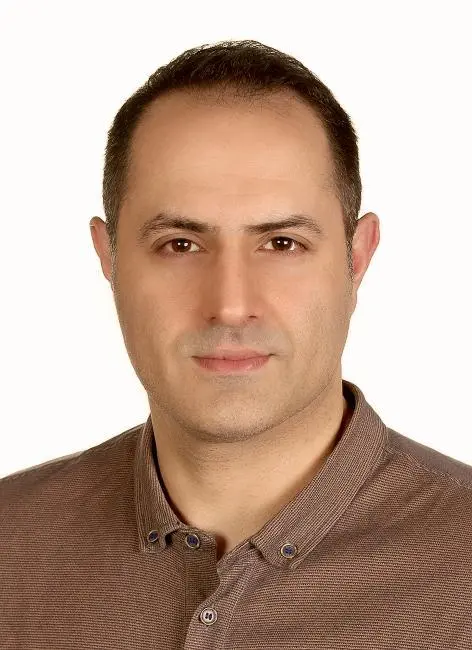
Dr. Mersad Moosavi

نوشته شده توسط

Dr. Mersad Moosavi

مشاهده پروفایل

Consultant Orthopedic Surgeon

MD, Fellowship in Spine Surgery

Dr. Mersad Moosavi is a Consultant Orthopedic Surgeon specializing in spine care and sports medicine. He offers both surgical and non-surgical treatments for back pain at DCDC Dubai Healthcare City.

Related Articles

خدمات مرتبط در DCDC

مراقبت تخصصی و تشخیص پیشرفته در شهر بهداشت دبی

تماس با مرکز تشخیصی پزشکان دبی از طریق واتساپتماس با مرکز تشخیصی پزشکان دبی