نکات کلیدی
- The HPV vaccine (Gardasil 9) costs from AED 800–1,200 per dose in Dubai, with the full course requiring 2–3 doses depending on age at first vaccination
- Gardasil 9 protects against 9 HPV types (6, 11, 16, 18, 31, 33, 45, 52, 58) responsible for approximately 90% of cervical cancers and 90% of genital warts
- The CDC recommends HPV vaccination for everyone through age 26, with shared clinical decision-making for adults aged 27–45 who were not previously vaccinated
- Research shows the HPV vaccine reduces cervical cancer risk by up to 87% when administered before age 16, making it one of the most effective cancer prevention tools available
- Both males and females benefit from HPV vaccination — HPV causes cervical, anal, oropharyngeal, penile, vaginal, and vulvar cancers
- Common side effects are mild and temporary: injection site soreness (up to 94% of recipients), headache, and low-grade fever that resolve within 1–2 days
- Many UAE insurance plans cover HPV vaccination for individuals aged 9–26 — check your policy or ask DCDC to verify your benefits before your appointment
- DCDC Dubai Healthcare City offers Gardasil 9 vaccination with same-day appointments, MOHAP-licensed administration, and direct billing with 20+ insurance providers
The HPV vaccine is one of the most important advances in cancer prevention, yet many Dubai residents are unsure about its cost, who should receive it, and how to access it. HPV (Human Papillomavirus) is responsible for nearly all cervical cancers, the majority of anal cancers, and a significant proportion of oropharyngeal, vaginal, vulvar, and penile cancers. With the Gardasil 9 vaccine now available at clinics across Dubai — including cancer screening services at DCDC — getting vaccinated has never been more accessible. This comprehensive guide covers the cost of HPV vaccination in Dubai, who should get vaccinated, the dosing schedule, side effects, insurance coverage, and what to expect during your appointment at a MOHAP-licensed facility.
According to the World Health Organization, HPV vaccination combined with cervical screening has the potential to virtually eliminate cervical cancer as a public health problem. The UAE has taken a proactive stance: since 2018, the Ministry of Health and Prevention (MOHAP) has included the HPV vaccine in the national immunisation programme for school-aged children, and in 2023 expanded coverage to include boys. For adults who missed vaccination during adolescence, private clinics across Dubai offer Gardasil 9 at competitive prices. Whether you are considering the vaccine for yourself, your partner, or your child, this guide provides the evidence-based information you need to make an informed decision.
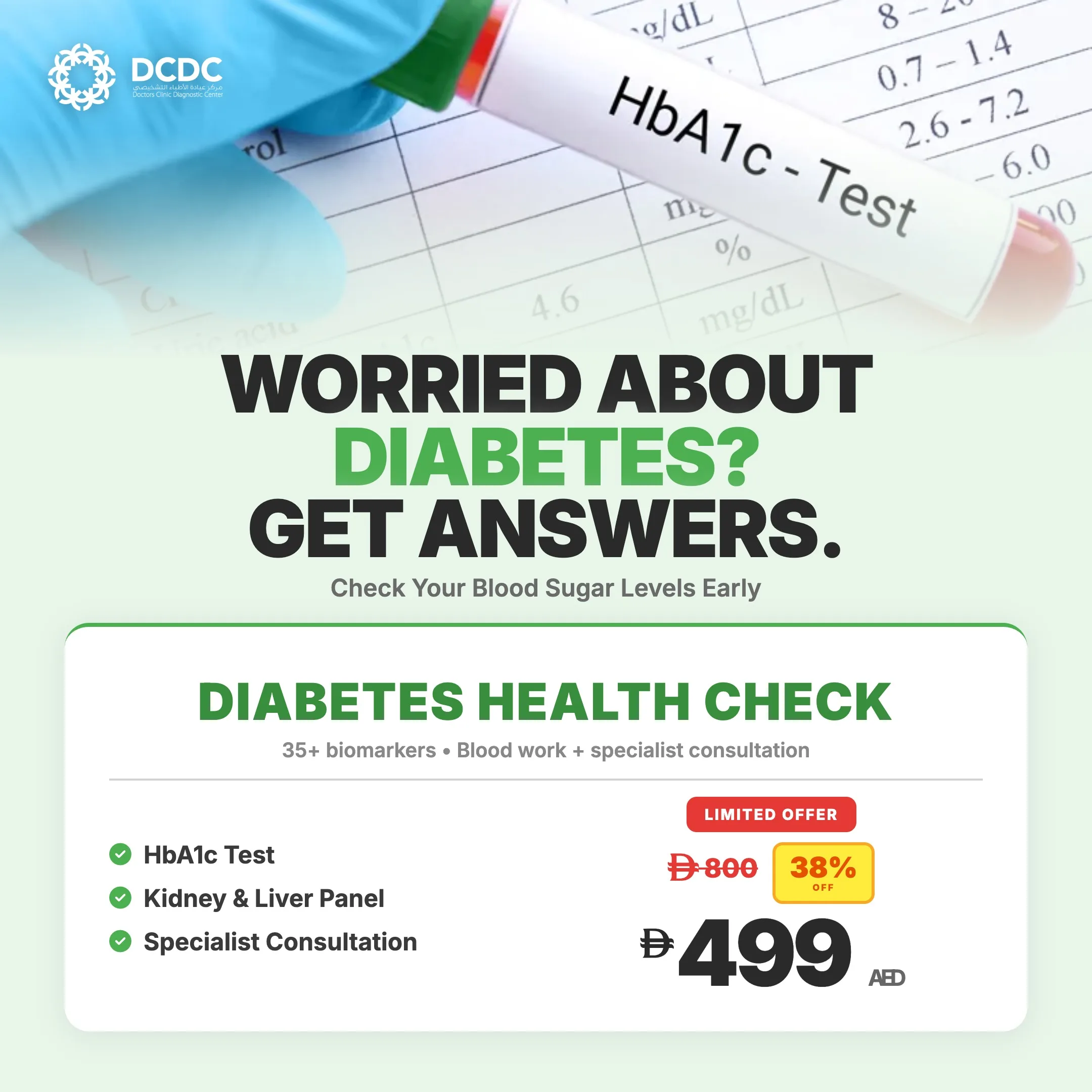
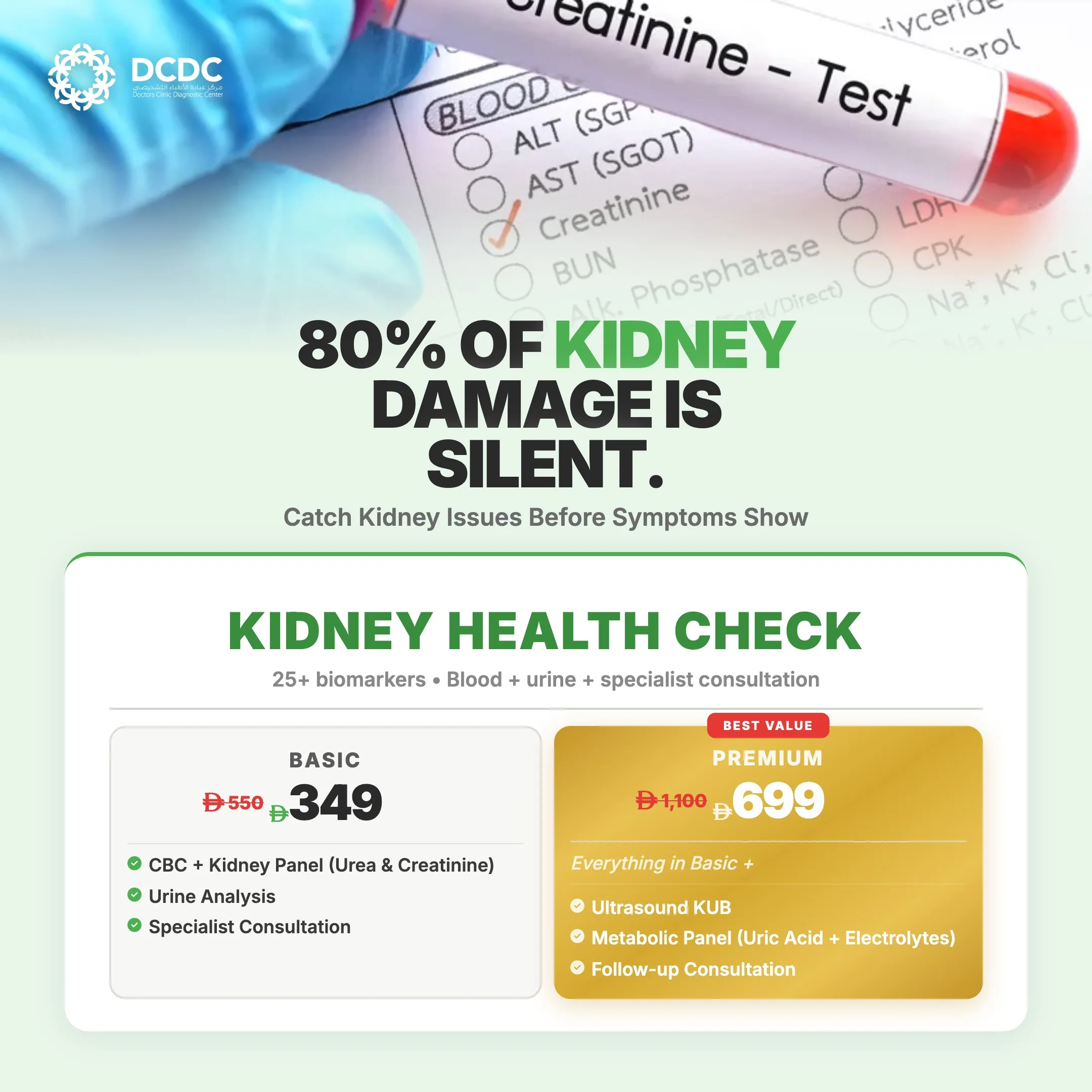
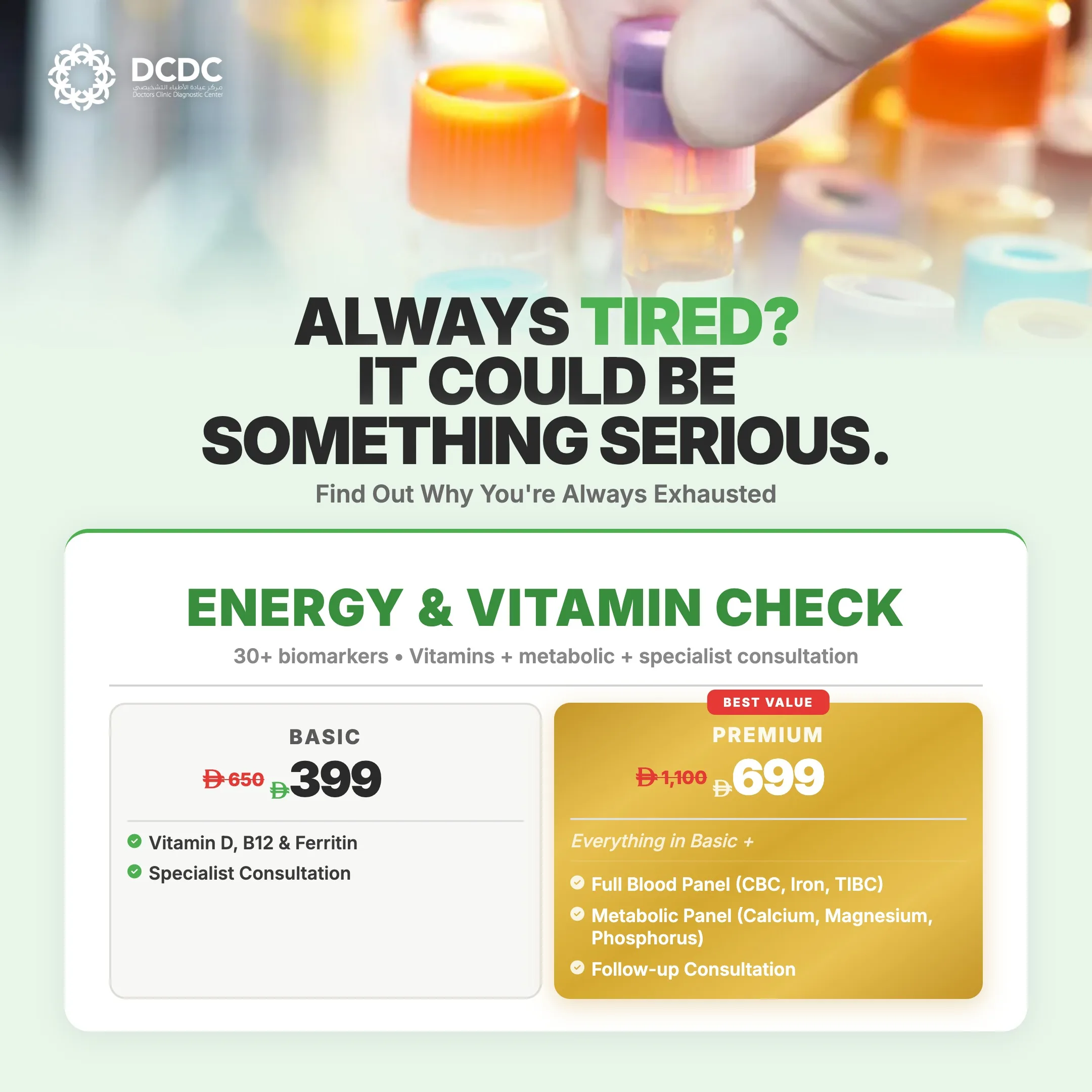
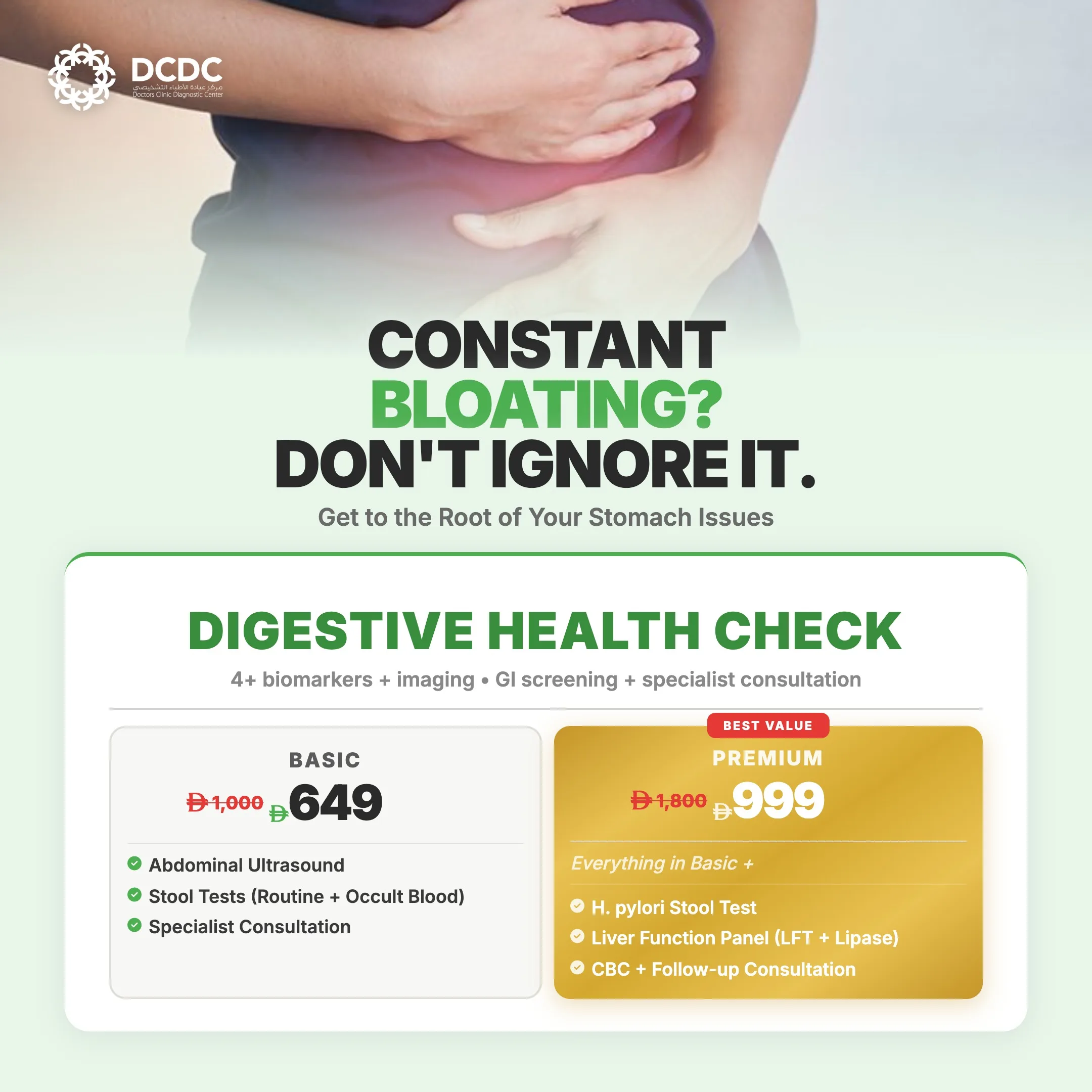
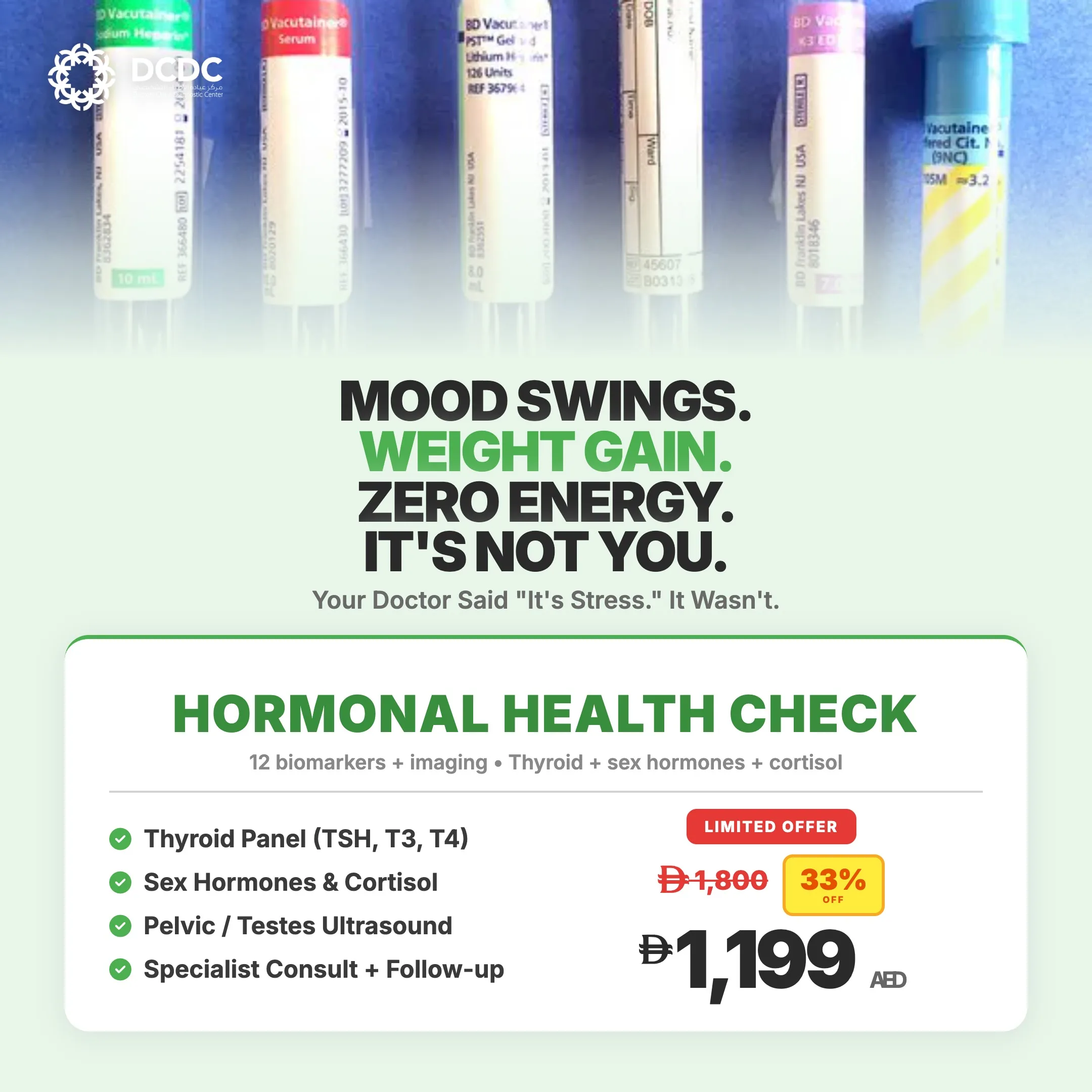
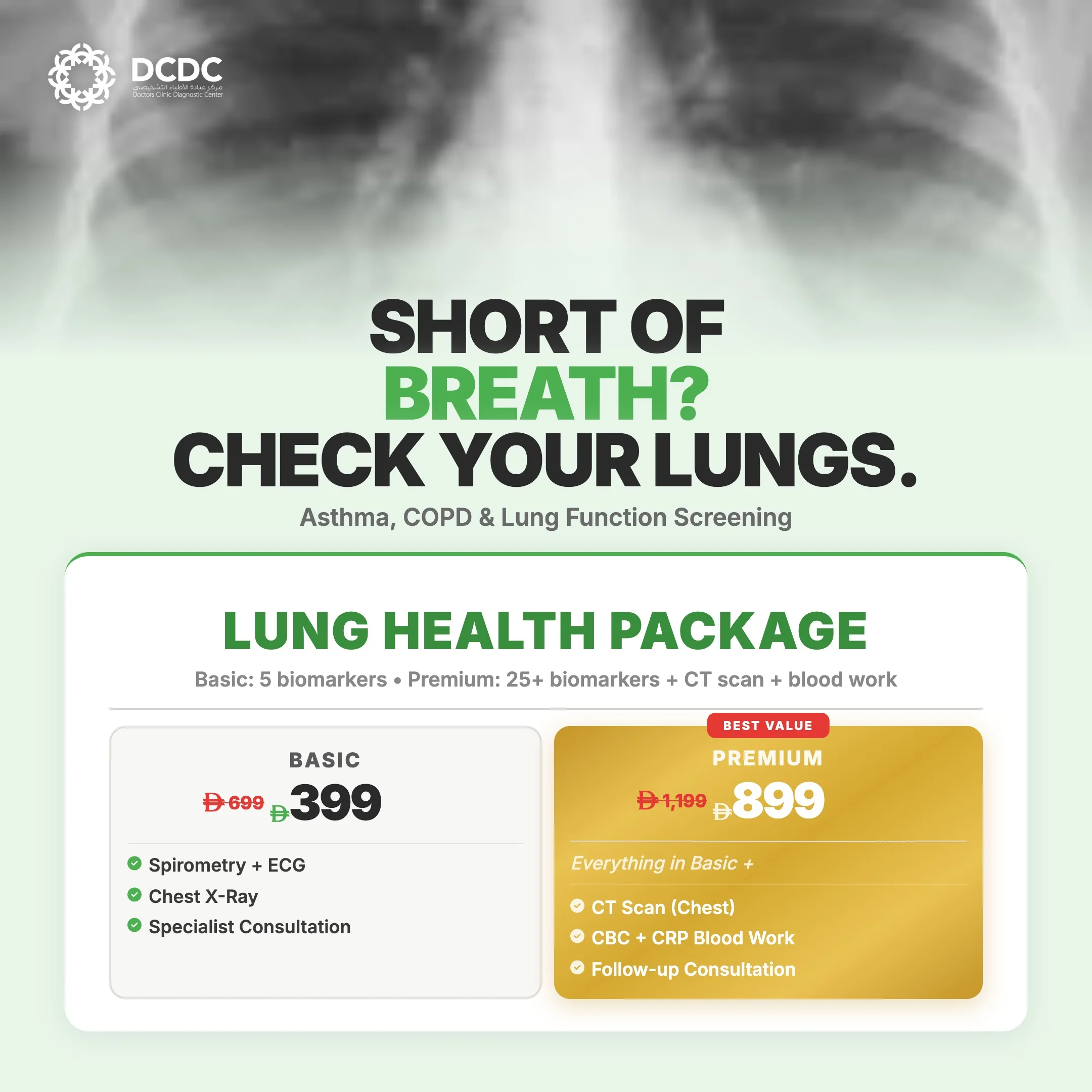
Health Screening Packages
Save with our bundled screening packages — specialist consultation included
What Is the HPV Vaccine and Why Does It Matter?
The HPV vaccine is a preventive immunisation that protects against infection with specific strains of Human Papillomavirus (HPV) — the most common sexually transmitted infection worldwide. HPV affects an estimated 80% of sexually active adults at some point in their lives. While the immune system clears most HPV infections within 1–2 years, persistent infection with high-risk strains can lead to cancer over a period of 10–20 years.
The numbers are compelling: HPV causes nearly 100% of cervical cancers, approximately 90% of anal cancers, 70% of oropharyngeal cancers, 75% of vaginal cancers, 70% of vulvar cancers, and 60% of penile cancers. Globally, cervical cancer alone kills over 340,000 women each year. The HPV vaccine works by triggering the immune system to produce antibodies against the virus before exposure occurs — meaning it prevents new infections rather than treating existing ones. When administered before first exposure to HPV (ideally before the onset of sexual activity), the vaccine has demonstrated up to 98% efficacy in preventing precancerous cervical lesions caused by the targeted HPV types.
According to Dr. Hadeel Elnur, General Practitioner at DCDC Dubai Healthcare City, "The HPV vaccine is one of the most effective cancer prevention tools available today. I recommend it for both males and females, ideally before age 26, though adults up to 45 can still benefit significantly. Every dose administered is an investment in long-term cancer protection."
HPV Vaccine Cost in Dubai: 2026 Pricing Guide
The cost of HPV vaccination in Dubai varies depending on the clinic, the number of doses required, and whether consultation fees are included. Gardasil 9 is the primary HPV vaccine available in Dubai and across the UAE. Below is an overview of current pricing to help you budget for the full vaccination course.
| Vaccination Option | Estimated Cost (AED) | Notes |
|---|---|---|
| Gardasil 9 — single dose | AED 800–1,200 | Price per injection; consultation may be separate |
| Gardasil 9 — 2-dose course (ages 9–14) | AED 1,600–2,400 | Doses at 0 and 6–12 months |
| Gardasil 9 — 3-dose course (ages 15+) | AED 2,400–3,600 | Doses at 0, 2, and 6 months |
| GP consultation (pre-vaccination) | AED 200–400 | Assessment of vaccination history and eligibility |
| Home vaccination service | AED 950–1,500 per dose | Premium for at-home convenience; available from select providers |
HPV vaccine prices in Dubai as of 2026. Prices reflect approximate market rates and may vary by clinic. Insurance coverage may reduce or eliminate out-of-pocket costs. DCDC offers competitive pricing with direct insurance billing.
At DCDC Dubai Healthcare City, the Gardasil 9 vaccine is available from AED 800–1,200 per dose, with package pricing available for the full 2- or 3-dose course. The consultation fee covers a thorough assessment of your vaccination history, medical history review, and personalised recommendations from a MOHAP-licensed general practitioner. DCDC's 4.8/5 Google rating from over 1,000 verified patient reviews reflects the clinic's commitment to quality care and transparent pricing.
Gardasil 9 vs Cervarix: Which HPV Vaccine Is Best?
Two HPV vaccines have been developed and used globally: Gardasil 9 (9-valent, manufactured by Merck) and Cervarix (bivalent, manufactured by GSK). Gardasil 9 is the only HPV vaccine currently available and recommended in the UAE. Cervarix was available in some markets but has been largely superseded by Gardasil 9 due to its broader coverage. Here is a detailed comparison.
| Feature | Gardasil 9 (9-valent) | Cervarix (Bivalent) |
|---|---|---|
| HPV types covered | 6, 11, 16, 18, 31, 33, 45, 52, 58 | 16, 18 |
| Cervical cancer prevention | Approximately 90% of cervical cancers | Approximately 70% of cervical cancers |
| Genital wart protection | Yes (types 6 and 11) | No |
| Protection against anal cancer | Yes | Limited (types 16 and 18 only) |
| Approved for males | Yes | Not typically |
| Number of doses (age 15+) | 3 doses (0, 2, 6 months) | 3 doses (0, 1, 6 months) |
| Number of doses (ages 9–14) | 2 doses (0, 6–12 months) | 2 doses (0, 6 months) |
| Availability in UAE | Widely available | Limited/discontinued |
| Cross-protection evidence | Some cross-protection against non-vaccine types | Strong cross-protection against types 31 and 45 |
Gardasil 9 provides significantly broader protection than Cervarix, covering 9 HPV types compared to 2. Gardasil 9 is the standard of care in Dubai and the UAE.
The key advantage of Gardasil 9 is its broader coverage. By targeting nine HPV types instead of two, it prevents not only the majority of cervical cancers but also genital warts (caused by HPV types 6 and 11) and a higher proportion of other HPV-related cancers. Gardasil 9 is the only HPV vaccine approved for use in males, making it the preferred choice for family vaccination. If you have already received an HPV test and want to understand how testing and vaccination work together, read our comprehensive HPV test guide for Dubai.
Who Should Get the HPV Vaccine?
HPV vaccination is recommended for a broad range of age groups and is not limited to females. The following guidelines are based on current recommendations from the CDC, WHO, and MOHAP.
Children and Adolescents (Ages 9–14)
Routine vaccination is recommended for all children at age 11–12 years, though it can be started as early as age 9. Vaccination at this age produces the strongest immune response and requires only 2 doses (given 6–12 months apart), compared to the 3-dose schedule for older individuals. In the UAE, MOHAP provides HPV vaccination through the national school immunisation programme for boys and girls aged 13–14.
Young Adults (Ages 15–26)
All individuals aged 15–26 who have not been previously vaccinated or who did not complete the full course should receive the 3-dose series (at 0, 1–2 months, and 6 months). This age group derives substantial benefit from vaccination, as many may not yet have been exposed to all HPV types covered by the vaccine. Research from Sweden's national registry found that women vaccinated before age 17 had an 88% lower risk of cervical cancer compared to unvaccinated women.
Adults (Ages 27–45)
For adults aged 27–45 who were not adequately vaccinated earlier, the HPV vaccine is available through shared clinical decision-making — meaning you and your doctor discuss whether vaccination is appropriate for your individual situation. Factors to consider include your HPV exposure history, number of sexual partners, and whether you are in a new relationship. While the vaccine is most effective when given before HPV exposure, studies show it still provides meaningful protection for adults who have not been exposed to all the vaccine-targeted types.
HPV Vaccine Dosing Schedule Explained
The number of doses you need depends on your age at the time of the first dose. Understanding the correct schedule ensures you receive maximum protection.
| Age at First Dose | Number of Doses | Schedule | Minimum Intervals |
|---|---|---|---|
| 9–14 years | 2 doses | 0, 6–12 months | At least 5 months between doses |
| 15–26 years | 3 doses | 0, 1–2 months, 6 months | 4 weeks (dose 1–2); 12 weeks (dose 2–3); 5 months (dose 1–3) |
| 27–45 years | 3 doses | 0, 1–2 months, 6 months | Same as above; shared clinical decision-making |
| Immunocompromised (any age 9–45) | 3 doses | 0, 1–2 months, 6 months | 3-dose schedule regardless of age at first dose |
Based on CDC ACIP recommendations (2025–2026). If you started the series but did not complete it, you do not need to restart — simply continue from where you left off.
It is important to complete the full course for maximum protection. If you miss a scheduled dose, you do not need to restart the series — simply resume from where you stopped. The second and third doses can be given at later intervals without reducing the overall effectiveness. However, protection is not considered complete until all doses have been administered.
How the HPV Vaccine Works: The Science Behind Protection
The HPV vaccine is a non-infectious, recombinant vaccine — it does not contain live virus or viral DNA. Instead, it uses virus-like particles (VLPs) made from the L1 protein of the HPV capsid. These VLPs structurally mimic the outer shell of the actual virus, triggering a robust immune response without any risk of infection.
When injected, the VLPs are recognised by the immune system as foreign invaders. The body produces neutralising antibodies that remain in circulation long-term. If the vaccinated individual is later exposed to a real HPV type covered by the vaccine, these antibodies bind to the virus and prevent it from infecting cells — stopping the infection before it can take hold. Studies have shown that antibody levels generated by the vaccine are significantly higher than those produced by natural HPV infection, and they persist for at least 12–14 years with no sign of waning. For women concerned about cervical health, combining vaccination with regular cervical cancer screening in Dubai provides the strongest possible protection.
HPV Vaccine Side Effects and Safety
The HPV vaccine has been studied in clinical trials involving over 30,000 participants and has been administered to more than 200 million people worldwide since its introduction in 2006. It has one of the most extensive post-marketing surveillance records of any vaccine.
Common Side Effects (Mild and Temporary)
- Injection site pain: Reported by up to 94% of recipients — the most common side effect. Typically a dull ache that resolves within 24–48 hours
- Injection site swelling or redness: Mild localised reaction at the injection site, lasting 1–2 days
- Headache: Reported by approximately 50% of recipients, usually mild and relieved by paracetamol
- Low-grade fever: Temperature up to 38 degrees Celsius (100.4 degrees Fahrenheit), resolving within 24 hours
- Fatigue: Mild tiredness on the day of vaccination, resolving by the following day
- Nausea: Mild stomach upset in some recipients, typically short-lived
- Dizziness: Brief lightheadedness, most common in adolescents — sitting for 15 minutes after the injection is recommended
Rare and Serious Side Effects
Serious allergic reactions (anaphylaxis) to the HPV vaccine are extremely rare, occurring at a rate of approximately 3 per million doses administered. This is comparable to the anaphylaxis rate for other routine vaccines. Population-based studies involving millions of vaccinated individuals have found no association between HPV vaccination and autoimmune diseases, neurological conditions, or chronic health problems. The Global Advisory Committee on Vaccine Safety (GACVS) at the WHO has repeatedly reviewed the safety data and confirmed that the HPV vaccine has an excellent safety profile.
Simple measures can help manage the mild side effects. Applying a cool compress to the injection site, taking over-the-counter pain relief (paracetamol or ibuprofen), and staying hydrated can reduce discomfort. At DCDC, patients are monitored for 15 minutes after vaccination as a standard safety precaution.
Protect Yourself Against HPV-Related Cancers
Book your Gardasil 9 vaccination at DCDC Dubai Healthcare City. MOHAP-licensed facility with same-day appointments available.
Average wait time of just 15 minutes. Direct billing with 20+ insurance providers.
HPV Types and Associated Cancers: What Gardasil 9 Protects Against
There are over 200 types of HPV, but only a small number cause cancer. Gardasil 9 targets 9 specific HPV types that are collectively responsible for the vast majority of HPV-related diseases.
| HPV Type | Risk Category | Associated Disease | Covered by Gardasil 9 |
|---|---|---|---|
| HPV 16 | High-risk | Cervical, anal, oropharyngeal, vaginal, vulvar, penile cancers | Yes |
| HPV 18 | High-risk | Cervical, anal cancers | Yes |
| HPV 31, 33, 45, 52, 58 | High-risk | Cervical, anal, vaginal, vulvar cancers | Yes |
| HPV 6 | Low-risk | Genital warts, recurrent respiratory papillomatosis | Yes |
| HPV 11 | Low-risk | Genital warts, recurrent respiratory papillomatosis | Yes |
| Other high-risk types (e.g., 35, 39, 51, 56, 59, 68) | High-risk | Cervical and other cancers (less common) | No — but some cross-protection observed |
HPV types 16 and 18 alone are responsible for approximately 70% of all cervical cancers worldwide. The additional five high-risk types in Gardasil 9 (31, 33, 45, 52, 58) account for another 20% of cervical cancers.
Together, the nine HPV types in Gardasil 9 are responsible for approximately 90% of cervical cancers, 90% of genital warts, 85% of anal cancers, and 80% of vaginal cancers. This represents a dramatic improvement over the original Gardasil (4-valent), which covered only four types. For a broader look at cancer prevention options, our guide to cancer screening in Dubai covers tests and costs across all age groups.
HPV Vaccine Effectiveness: What the Research Shows
The evidence supporting HPV vaccine effectiveness is among the strongest of any vaccine in modern medicine. Here are the key findings from major clinical trials and population-based studies.
- 87% reduction in cervical cancer among women vaccinated before age 17, according to a landmark Swedish registry study published in the New England Journal of Medicine
- 97% reduction in high-grade precancerous lesions (CIN3+) among women vaccinated at ages 12–13, based on the same Swedish data
- 98% efficacy in preventing high-grade cervical lesions caused by HPV 16 and 18 in clinical trials involving over 12,000 women across 13 countries
- 90% reduction in genital warts in countries with high vaccination coverage, as documented by Cochrane systematic reviews
- 80% reduction in cervical cancer incidence among girls vaccinated before age 16, confirmed by real-world evidence across multiple countries
- Herd immunity effects: Countries with high vaccination rates have seen reductions in HPV infections even among unvaccinated populations, demonstrating community-level protection
A 2024 Cochrane review analysing data from dozens of countries concluded that HPV vaccines are effective at preventing infections that lead to cancer and other HPV-related conditions, with no evidence of serious safety concerns. The review described the evidence as "strong and consistent" across all studied populations. For women aged 17–30 who received the vaccine later, the reduction in cervical cancer risk was approximately 53% — still highly significant, though lower than the benefit seen with earlier vaccination.
What to Expect at DCDC: Your HPV Vaccination Journey
Getting the HPV vaccine at DCDC Dubai Healthcare City is straightforward. Here is a step-by-step guide to the process from booking to completing your full vaccination course.
Step 1: Initial Consultation
Your vaccination journey begins with a consultation with a general practitioner. During this visit, the doctor will review your medical history, check your vaccination records, discuss any allergies (particularly to yeast, as Gardasil 9 contains yeast protein), and confirm that you are eligible for vaccination. If you are pregnant, vaccination will be deferred until after delivery. The consultation typically takes 15–20 minutes.
Step 2: First Dose Administration
If you are eligible, the first dose of Gardasil 9 can be administered on the same day as your consultation. The vaccine is given as an intramuscular injection in the upper arm (deltoid muscle). The injection itself takes only a few seconds. You will then be asked to wait at the clinic for 15 minutes as a standard safety observation period.
Step 3: Follow-Up Doses
Depending on your age, you will need either 1 or 2 additional doses. DCDC's team will schedule your follow-up appointments before you leave and send reminders via SMS or WhatsApp as your next dose approaches. This ensures you stay on track to complete the full course. If you are aged 15 or older, the second dose is typically given at 1–2 months and the third dose at 6 months after the first. For individuals aged 9–14, only a second dose at 6–12 months is required.
Step 4: Vaccination Record and Documentation
After each dose, you will receive a vaccination certificate documenting the vaccine type, lot number, and date administered. This record is important for your personal health file and may be requested if you travel or require documentation for school enrolment. As a MOHAP-licensed facility, DCDC's vaccination records are fully compliant with UAE health regulations.
DCDC offers same-day appointments for HPV vaccination, with an average wait time of just 15 minutes. The clinic provides direct billing with over 20 insurance providers including Daman, AXA, and Bupa — meaning eligible patients may have zero out-of-pocket costs. For those considering comprehensive preventive care, combining HPV vaccination with a Pap smear test provides a thorough cervical health assessment.
Insurance Coverage for HPV Vaccine in Dubai
Understanding whether your insurance covers the HPV vaccine can significantly reduce your out-of-pocket costs. Here is what you need to know about HPV vaccine coverage in the UAE.
Public Programme Coverage
The UAE's National Immunization Programme, funded by MOHAP and the Dubai Health Authority (DHA), provides free HPV vaccination for school-aged children (ages 13–14, both boys and girls) through the school immunisation programme. This is part of the UAE's commitment to the WHO's goal of eliminating cervical cancer, with a national target of vaccinating 90% of girls before age 15 by 2030.
Private Insurance Coverage
Coverage for HPV vaccination through private insurance varies by plan. Key points to consider include the following. Many enhanced insurance plans cover HPV vaccination for individuals aged 9–26 as a preventive health benefit. Coverage for adults aged 27–45 is less common and may require pre-authorisation or a physician's recommendation. Some plans classify HPV vaccination as a wellness benefit rather than a medical necessity, which may affect coverage levels. Pre-authorisation for the entire series (all 2–3 doses) can usually be obtained with a single approval letter.
Before your appointment, DCDC's insurance team can verify your benefits and obtain pre-authorisation on your behalf. The clinic offers direct billing with over 20 insurance providers, including Daman, AXA, Bupa, MetLife, Oman Insurance, Cigna, and Allianz Partners. If your plan does not cover HPV vaccination, competitive self-pay pricing is available.
HPV Vaccine for Men: Why It Matters
HPV vaccination is often perceived as being primarily for women, but men benefit equally from Gardasil 9. HPV is the leading cause of several cancers that affect males, and vaccination provides significant protection.
- Anal cancer: HPV causes approximately 90% of anal cancers. Men who have sex with men (MSM) are at particularly elevated risk, with incidence rates comparable to cervical cancer rates in unscreened women
- Oropharyngeal cancer: HPV-related throat and mouth cancers have increased dramatically in recent decades and are now more common than cervical cancer in some countries. HPV 16 is responsible for the majority of cases
- Penile cancer: While rarer, approximately 60% of penile cancers are caused by HPV
- Genital warts: HPV types 6 and 11 cause 90% of genital warts in both men and women. Gardasil 9 provides effective prevention
- Protecting partners: Vaccinated men cannot transmit the vaccine-targeted HPV types to their partners, contributing to herd immunity and reducing cervical cancer risk for women
The UAE's decision to expand its national HPV vaccination programme to include boys in 2023 reflects the growing recognition that HPV-related disease is not a women-only concern. Men aged 15–26 who were not vaccinated during adolescence should strongly consider getting the 3-dose Gardasil 9 series. For men aged 27–45, the decision should be made in consultation with a healthcare provider. If you are planning travel and want to review your full vaccination status, our travel vaccines guide for Dubai covers all recommended immunisations by destination.
Can You Get the HPV Vaccine if You Already Have HPV?
Yes — and this is one of the most common questions about HPV vaccination. Even if you have already been diagnosed with an HPV infection or have had an abnormal Pap smear, the vaccine can still provide benefit. Here is why.
Gardasil 9 protects against 9 different HPV types. If you are infected with one type (for example, HPV 16), the vaccine will not treat or clear that existing infection — but it will protect you against the other 8 types that you have not yet been exposed to. Research shows that very few individuals are infected with all 9 HPV types simultaneously, meaning most people who are HPV-positive will still benefit from at least partial protection.
It is important to understand that the HPV vaccine is preventive, not therapeutic. It cannot treat existing HPV infections, remove genital warts, or reverse precancerous cell changes. For these conditions, separate treatments are available — your doctor can advise on the appropriate management. However, preventing additional HPV infections through vaccination can significantly reduce the risk of future HPV-related disease.
HPV Vaccine and Pregnancy
The HPV vaccine is not recommended during pregnancy. While no harmful effects have been observed in women who inadvertently received the vaccine during early pregnancy, it is standard practice to defer vaccination until after delivery as a precautionary measure.
If you discover that you are pregnant after starting the HPV vaccination series, simply pause the remaining doses and resume after delivery. You do not need to restart the series from the beginning. Breastfeeding is not a contraindication — the HPV vaccine can be safely administered while breastfeeding. Women planning pregnancy should ideally complete the full vaccination course before conception. If that is not possible, starting the series and completing it postpartum is a practical alternative.
Ready to Get Vaccinated Against HPV?
Schedule your Gardasil 9 consultation at DCDC Dubai Healthcare City today. Our GP will assess your eligibility and administer your first dose on the same day.
MOHAP-licensed facility in Dubai Healthcare City. Direct billing with Daman, AXA, Bupa, and 20+ insurers.
Frequently Asked Questions About HPV Vaccine Cost in Dubai
Below are answers to the most commonly asked questions about the HPV vaccine in Dubai, including cost, schedule, side effects, and eligibility.
خدمات مرتبط در DCDC
مراقبت تخصصی و تشخیص پیشرفته در شهر بهداشت دبی
Frequently Asked Questions
Take the First Step: Book Your HPV Vaccination
The HPV vaccine represents a rare opportunity in medicine: the ability to prevent cancer before it starts. With Gardasil 9 providing protection against 9 HPV types responsible for the vast majority of HPV-related cancers and genital warts, vaccination is one of the highest-impact preventive health decisions you can make — for yourself, your partner, and your children.
The evidence is unequivocal. Real-world data from multiple countries demonstrates that HPV vaccination reduces cervical cancer rates by up to 87%, virtually eliminates genital warts, and provides lasting protection that does not wane over time. Every major health organisation in the world — the WHO, CDC, NHS, and MOHAP — recommends HPV vaccination. The UAE's proactive national programme reflects the strength of this evidence.
If you are considering the HPV vaccine, the most important step is simply booking the appointment. At DCDC Dubai Healthcare City, our team provides HPV vaccination and cancer screening in a MOHAP-licensed facility with same-day availability, transparent pricing, and direct billing with over 20 insurance providers. Whether you are getting vaccinated for the first time or completing a course you started elsewhere, we are here to guide you through every step.
منابع و مراجع
این مقاله توسط تیم پزشکی ما بررسی شده و به منابع زیر ارجاع میدهد:
- World Health Organization — Human Papillomavirus (HPV) and Cervical Cancer
- CDC — HPV Vaccine Recommendations
- CDC — HPV Vaccine Safety and Effectiveness Data
- NHS — HPV Vaccine Overview
- Lei J, Ploner A, Elfstrom KM, et al. HPV Vaccination and the Risk of Invasive Cervical Cancer. New England Journal of Medicine. 2020;383(14):1340-1348.
- Cochrane Review — New Research Confirms HPV Vaccination Prevents Cervical Cancer (2024)
- National Cancer Institute — Study Confirms HPV Vaccine Prevents Cervical Cancer
- MOHAP — Ministry of Health and Prevention Adopts Proactive HPV Prevention Strategy
محتوای پزشکی این سایت توسط پزشکان دارای مجوز DHA بررسی میشود. مشاهده سیاست تحریریه برای اطلاعات بیشتر.

نوشته شده توسط
Dr. Hadeel Elnur
General Practitioner
MD, General Practice
Dr. Hadeel Elnur is a General Practitioner at Doctors Clinic Diagnostic Center (DCDC) in Dubai Healthcare City.
Related Articles

HPV Test Dubai: Types, Cost & Screening (2026)
Cervical Cancer Screening Dubai: Pap Smear & HPV (2026)
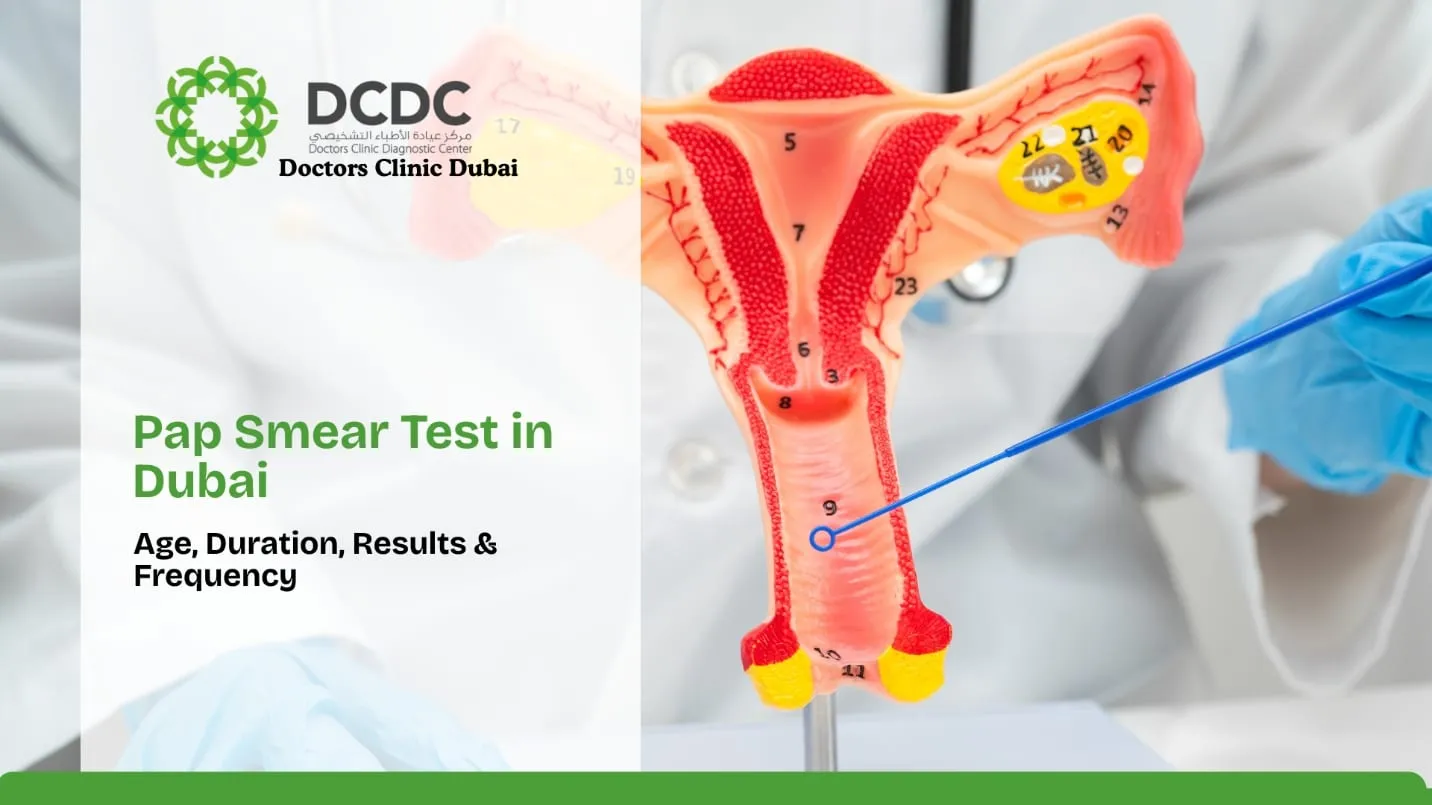
Pap Smear Dubai: From AED 250, Guide & Results (2026)
Cancer Screening Dubai: Tests & Cost by Age (2026)
Women's Health Screening Dubai: Tests by Age (2026)
More in Preventive Health
Hepatitis B Test Dubai: Screening Guide (2026)
بیشتر بخوانید
Flu Vaccine Cost Dubai: Guide & Prices (2026)
بیشتر بخوانیدFull Body Checkup Cost Dubai: From AED 249 (2026)
بیشتر بخوانیدPSA Test Dubai: Prostate Screening Guide (2026)
بیشتر بخوانید
Premarital Screening Dubai: Tests & Cost (2026)
بیشتر بخوانید
Men's Health Screening Dubai: Tests by Age (2026)
بیشتر بخوانید© 2026 Doctors Clinic Diagnostic Center (DCDC), Dubai Healthcare City. Originally published at https://doctorsclinicdubai.ae/blog/hpv-vaccine-cost-dubai. All rights reserved. Unauthorized reproduction is prohibited.