نکات کلیدی
- Schedule your HSG test between cycle days 7 and 12, after your period ends but before ovulation
- Take 400-600mg ibuprofen 30 to 60 minutes before the procedure to minimize cramping
- Avoid unprotected intercourse from the start of your period until the day of the test
- Wear comfortable, loose-fitting clothing and bring a sanitary pad for light spotting afterward
- Arrange for someone to drive you home if you are concerned about post-procedure discomfort
Proper preparation for your HSG test can make a significant difference in both your comfort during the procedure and the quality of your results. While a hysterosalpingography is a relatively quick outpatient procedure, knowing exactly what to do in the days and hours before your appointment helps reduce anxiety and ensures the best possible imaging outcomes.
Understanding the HSG Test Timeline
An HSG test (hysterosalpingography) is a fluoroscopy-guided imaging procedure that evaluates the uterus and fallopian tubes. The procedure itself takes 15 to 30 minutes, but preparation begins well before the day of your appointment. Following each step in the correct order helps ensure the procedure goes smoothly and produces clear, reliable images.
When to Schedule Your HSG Test
Timing is critical for an HSG test. The procedure must be scheduled during a specific window of your menstrual cycle to ensure accuracy and safety.
The Ideal Window: Cycle Days 7 to 12
Your HSG should be scheduled between day 7 and day 12 of your menstrual cycle (counting the first day of your period as day 1). This timing is important for two reasons: your menstrual bleeding has stopped, allowing for clear imaging, and ovulation has not yet occurred, ensuring there is no chance of disrupting a potential early pregnancy.
If your cycles are irregular, discuss the optimal timing with your gynecologist. In some cases, a pregnancy test may be required on the day of the procedure regardless of where you are in your cycle.
One Week Before Your HSG Test
- Confirm your appointment date falls within cycle days 7-12
- Complete any pre-procedure blood tests ordered by your doctor (such as infection screening)
- Inform your doctor about any allergies, especially to iodine or contrast dyes
- Discuss any medications you are currently taking, including blood thinners or fertility medications
- Ask your doctor if antibiotics will be prescribed as a preventive measure
- Avoid unprotected intercourse from the start of your period until after the HSG test
Some doctors prescribe a short course of antibiotics (such as doxycycline) starting one to two days before the procedure to reduce the risk of infection. If prescribed, take the full course as directed.
The Day Before Your HSG Test
- Eat normally — fasting is not required for an HSG test
- Stay well hydrated by drinking plenty of water
- Prepare comfortable, loose-fitting clothing for the next day (you will change into a gown but want to be comfortable afterward)
- Pack a sanitary pad in your bag for light spotting after the procedure
- Set out your insurance card, ID, referral letter, and any relevant medical records
- Arrange transportation home if you prefer not to drive after the procedure
- Get a good night's sleep to help you feel calm and relaxed
The Morning of Your HSG Test
Ibuprofen Timing: 30 to 60 Minutes Before
One of the most important preparation steps is taking an over-the-counter pain reliever before the procedure. Most doctors recommend taking 400 to 600mg of ibuprofen (such as Advil or Brufen) approximately 30 to 60 minutes before your appointment time. This helps minimize cramping during and after the procedure.
If you cannot take ibuprofen due to allergies or medical conditions, ask your doctor about alternative pain relief options. Do not take aspirin, as it may increase the risk of bleeding.
What to Eat and Drink
You can eat a light meal before your HSG test. However, avoid eating a very heavy meal immediately before the procedure, as some women experience mild nausea during the test. A light breakfast or snack about one to two hours before is ideal. Continue drinking water normally.
What to Wear
Wear comfortable, loose-fitting clothing that is easy to change out of. You will be given a hospital gown for the procedure. Avoid wearing jewelry, especially around the pelvic area, as metal can interfere with fluoroscopy imaging. Leave valuables at home when possible.
What to Bring to Your HSG Appointment
- Emirates ID or passport
- Insurance card and pre-authorization documentation
- Referral letter from your gynecologist
- Any previous imaging results or medical records related to your fertility evaluation
- A sanitary pad (not a tampon) for potential light spotting afterward
- A bottle of water and a light snack for after the procedure
- A support person, if you would like someone to accompany you
What NOT to Do Before Your HSG Test
- Do NOT have unprotected intercourse between the start of your period and the HSG test day
- Do NOT use vaginal douches, creams, or suppositories in the 24 hours before the test
- Do NOT use tampons on the day of the procedure
- Do NOT take aspirin (it may increase bleeding risk; use ibuprofen instead)
- Do NOT skip your prescribed antibiotics if your doctor has ordered them
- Do NOT schedule the test if you suspect you may be pregnant
- Do NOT schedule the test during active menstrual bleeding
HSG Preparation Checklist at a Glance
Use this quick-reference table to keep track of every preparation step before your HSG appointment.
| Timeframe | Action | Details |
|---|---|---|
| 1 week before | Confirm appointment timing | Schedule between cycle days 7 and 12 |
| 1 week before | Complete pre-procedure tests | Blood work or infection screening if ordered |
| 1 week before | Report allergies | Notify doctor of iodine or contrast dye allergies |
| 1 week before | Avoid unprotected intercourse | From start of period until test day |
| 1 day before | Prepare clothing | Loose, comfortable outfit with no pelvic-area jewelry |
| 1 day before | Pack your bag | ID, insurance card, referral, sanitary pad, water bottle |
| 1 day before | Arrange transport | Have someone available to drive you home if needed |
| 30-60 min before | Take ibuprofen | 400-600 mg (avoid aspirin) |
| 1-2 hours before | Eat a light meal | Avoid heavy meals; stay hydrated |
| Day of test | No vaginal products | No douches, creams, suppositories, or tampons |
HSG test preparation checklist by timeframe
What Happens During the HSG Procedure
Knowing what to expect during the procedure can help reduce anxiety. After you change into a gown, you will lie on an examination table under the fluoroscopy machine. The radiologist will gently insert a thin catheter through the cervix and slowly inject contrast dye. You may feel mild to moderate cramping as the dye fills the uterus and travels through the fallopian tubes.
The radiologist will capture several X-ray images in real time to evaluate the uterine shape and whether the tubes are open. The entire imaging portion typically takes 5 to 15 minutes. Once complete, the catheter is removed and you can rest for a few minutes before getting dressed.
For a detailed step-by-step walkthrough, read our guide on the HSG test procedure.
Planning Your Post-HSG Recovery
Most women can resume normal activities later the same day, but it is wise to plan a lighter schedule. Some women experience mild cramping, light spotting, or slight dizziness for a few hours after the procedure. Having a plan in place helps you recover comfortably.
- Take the rest of the day off work if possible, or at least schedule a lighter afternoon
- Have pain relief medication available at home (ibuprofen is usually sufficient)
- Use a sanitary pad for any light spotting — this is normal and usually resolves within 1-2 days
- Avoid using tampons, having intercourse, or taking baths for 24-48 hours after the procedure
- Contact your doctor if you experience heavy bleeding, fever, or severe pain that does not improve with medication
For comprehensive information about what to expect after the procedure, see our article on HSG test side effects and recovery.
Special Preparation Considerations
If You Have a History of Pelvic Infections
Women with a history of pelvic inflammatory disease (PID) or sexually transmitted infections should inform their doctor before the HSG. Prophylactic antibiotics are typically prescribed in these cases to minimize infection risk. Your doctor may also order additional blood work before clearing you for the procedure.
If You Have Allergies to Contrast Dye or Iodine
HSG contrast dye contains iodine. If you have a known allergy to iodine or have had a reaction to contrast dye in the past, inform your doctor immediately. Pre-medication with antihistamines or corticosteroids may be necessary, or an alternative imaging method may be recommended.
If You Are Taking Fertility Medications
If you are currently on fertility medications such as clomiphene (Clomid) or letrozole, discuss the timing with your fertility specialist. In most cases, the HSG is scheduled in a natural cycle or early in a treatment cycle to avoid interfering with medication protocols.
HSG Test Preparation at DCDC
At Doctors Clinic Diagnostic Center in Dubai Healthcare City, our team guides patients through every step of HSG preparation. From your initial booking call to the day of the procedure, we provide clear instructions tailored to your medical history and cycle timing.
Our experienced consultant radiologists perform HSG procedures using modern fluoroscopy equipment, and our coordinators help with insurance pre-authorization and appointment scheduling to make the process as smooth as possible.
Preparing for Your HSG Test?
At Doctors Clinic Diagnostic Center, we make HSG test preparation simple with clear guidance, experienced specialists, and a supportive care team. Contact us to schedule your appointment.
Schedule HSG Testسؤالات متداول
Final Thoughts
Preparing for an HSG test does not need to be stressful. By following a clear checklist — scheduling at the right cycle day, taking ibuprofen beforehand, knowing what to bring and what to avoid — you can approach your appointment with confidence and minimize discomfort.
At Doctors Clinic Diagnostic Center, we understand that fertility testing can feel overwhelming. Our team is committed to providing clear preparation instructions, compassionate care during the procedure, and prompt results to help you take the next step in your fertility journey. For pricing and insurance information, see our HSG test cost in Dubai guide.
منابع و مراجع
این مقاله توسط تیم پزشکی ما بررسی شده و به منابع زیر ارجاع میدهد:
- American College of Obstetricians and Gynecologists - HSG Patient Guidelines
- Radiological Society of North America - Hysterosalpingography
- NICE Guidelines - Fertility Assessment
- Dubai Health Authority - Patient Preparation Standards
محتوای پزشکی این سایت توسط پزشکان دارای مجوز DHA بررسی میشود. مشاهده سیاست تحریریه برای اطلاعات بیشتر.
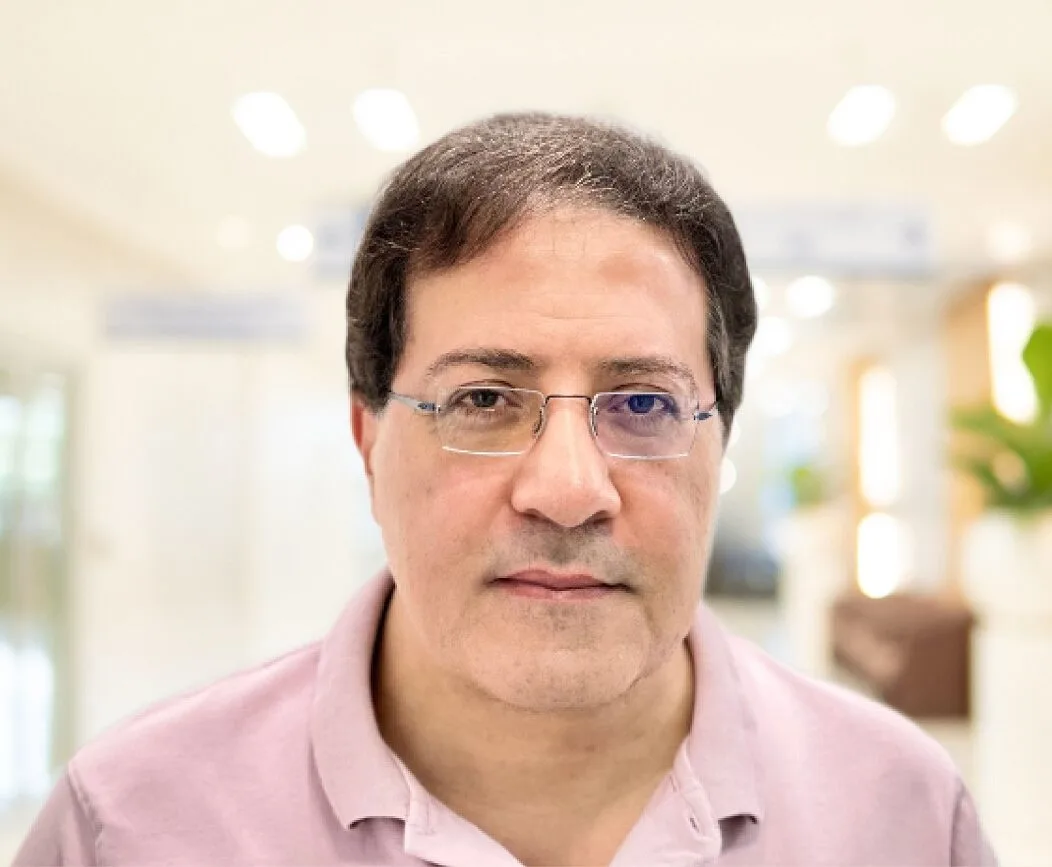
نوشته شده توسط
Dr. Osama Elzamzami
Consultant Radiologist
MD, Radiology
Dr. Osama Elzamzami is a Consultant Radiologist specializing in diagnostic imaging including MRI, CT, ultrasound, and fluoroscopy procedures such as HSG at DCDC Dubai Healthcare City.