نکات کلیدی
- Fatty liver disease (NAFLD/MASLD) affects approximately 25-30% of people globally and an estimated 32% in the Middle East, making the UAE a high-prevalence region.
- Up to 80% of patients with fatty liver have no symptoms. Routine blood tests and ultrasound are often the only way to detect it early.
- NAFLD has been renamed MASLD (Metabolic Dysfunction-Associated Steatotic Liver Disease) by international liver associations to better reflect its metabolic origins.
- Weight loss of 7-10% of body weight can reverse fatty liver in most patients, even without medication.
- Fatty liver disease doubles the risk of cardiovascular disease, making early detection and management critical for long-term health.
- At DCDC, fatty liver evaluation includes consultation, liver function blood tests, and abdominal ultrasound, with results typically available within 24 hours.
Fatty liver disease is one of the most common liver conditions in the UAE, yet most people who have it do not know it. With rising rates of obesity, diabetes, and sedentary lifestyles, Dubai residents are at particularly high risk. The good news is that fatty liver is often reversible with the right approach. Our Internal Medicine team at DCDC provides comprehensive fatty liver evaluation and management in Dubai Healthcare City.
If you have been told your liver enzymes are elevated, or if you have risk factors like diabetes, high cholesterol, or excess weight, understanding fatty liver disease is the first step toward protecting your liver and your overall health. This guide covers everything you need to know: what fatty liver is, why it matters, how it is diagnosed, and what you can do about it in Dubai.
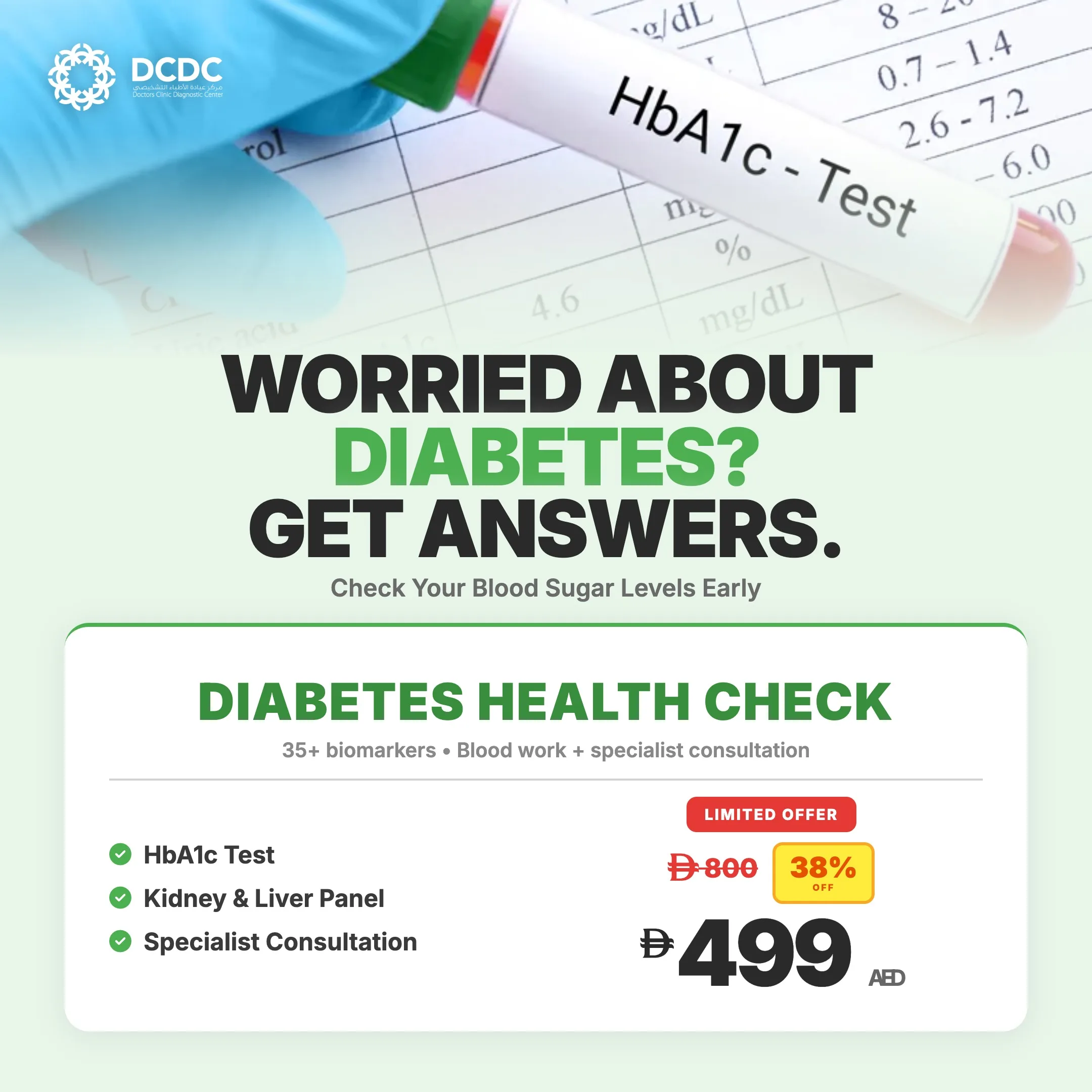
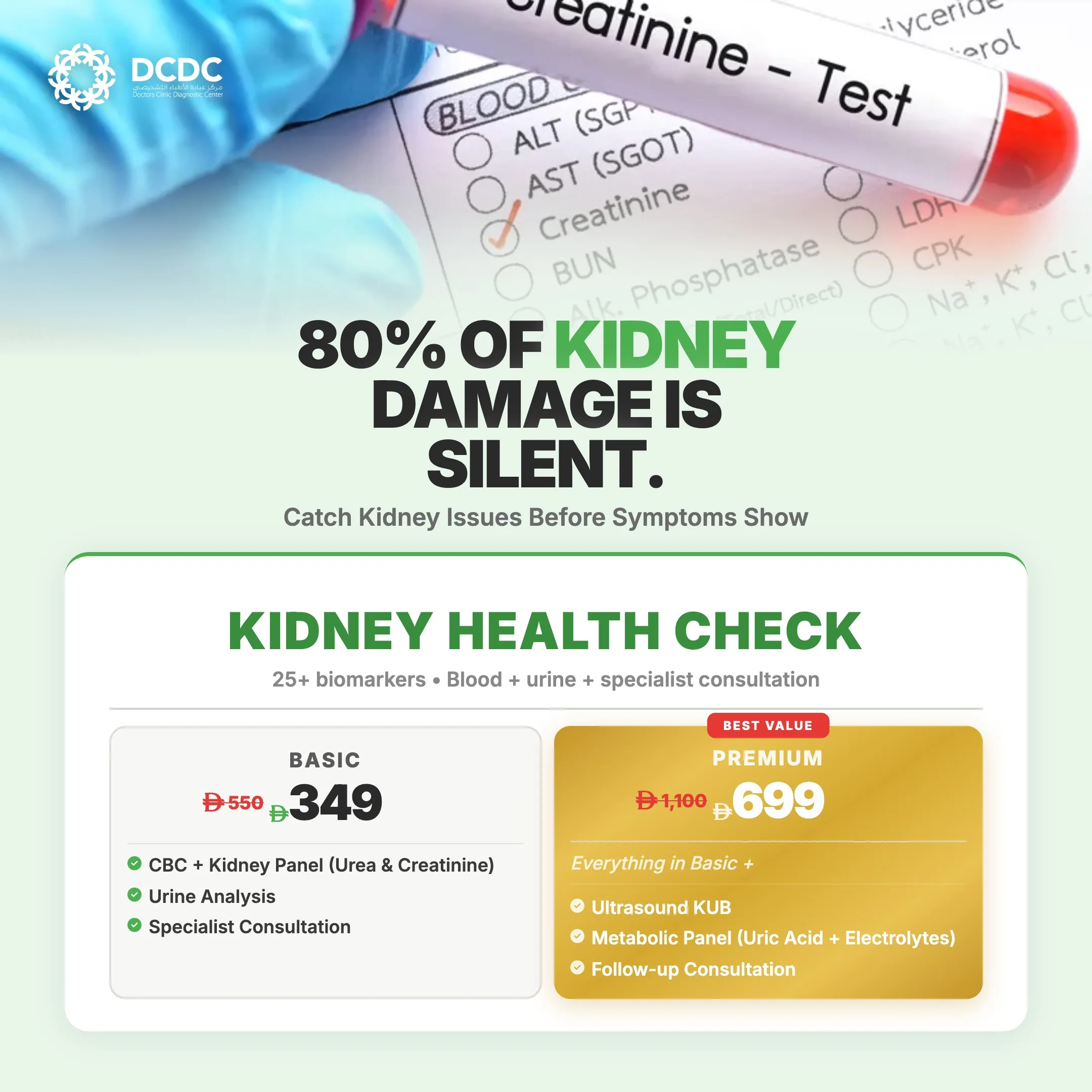
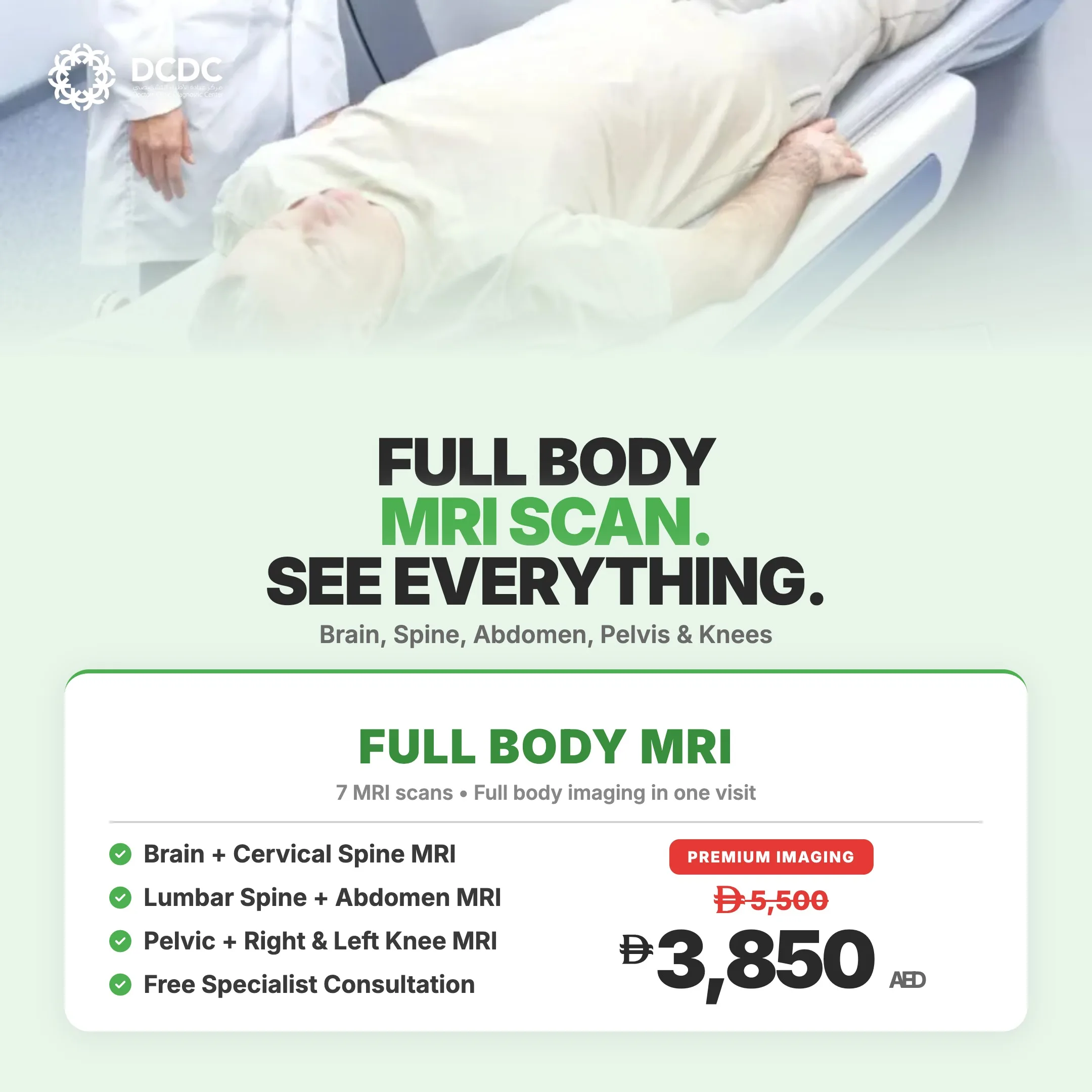
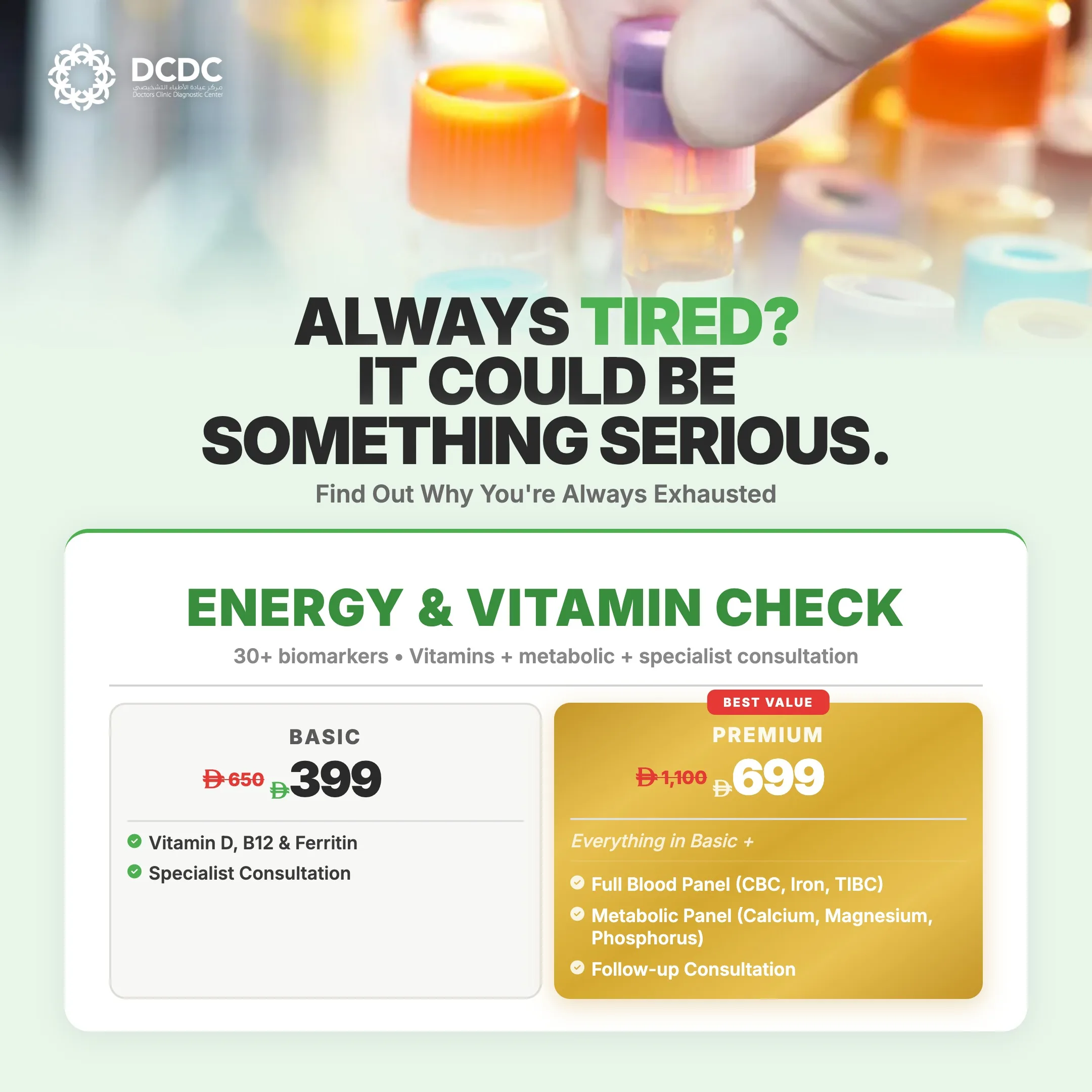
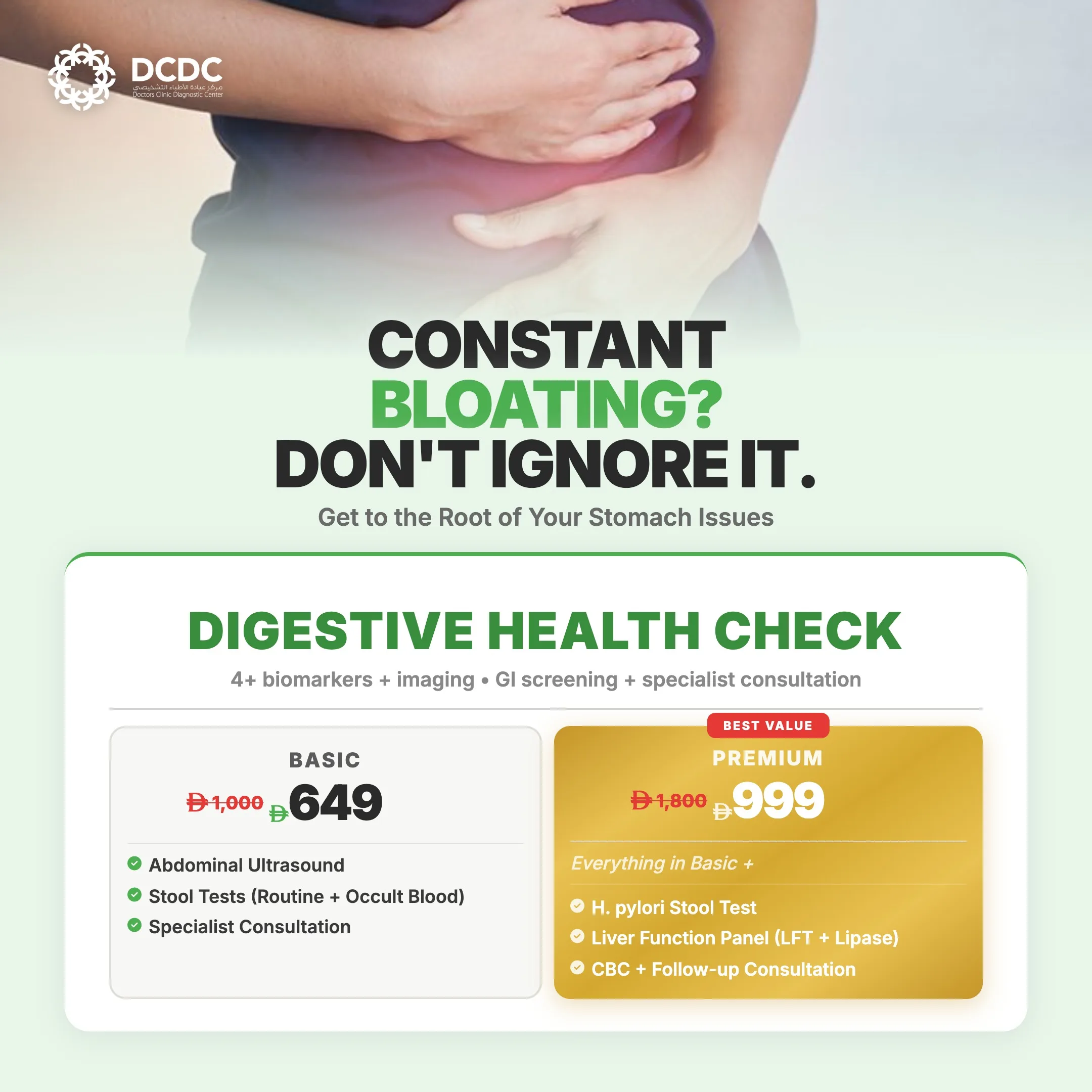
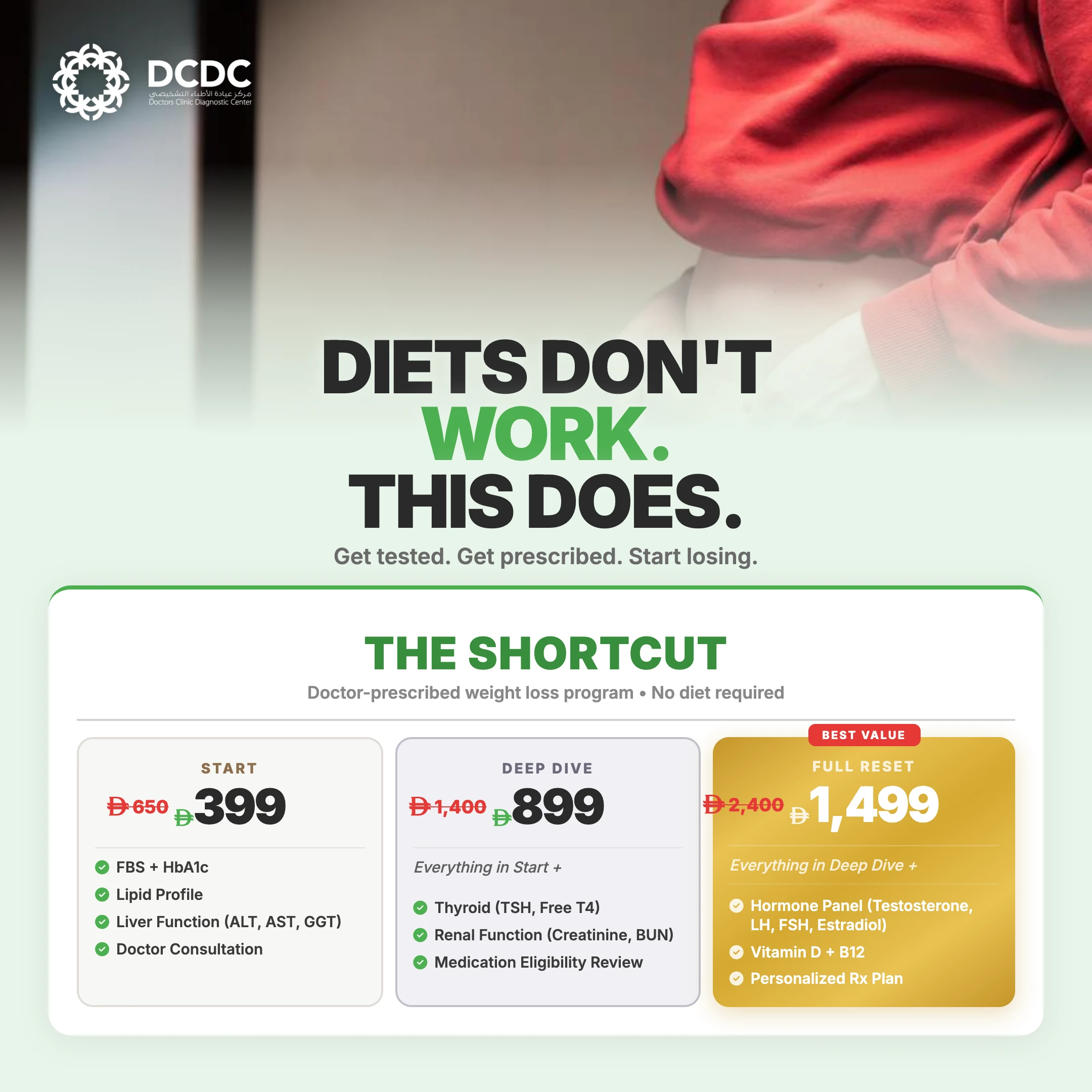
Health Screening Packages
Save with our bundled screening packages — specialist consultation included
Fatty Liver Disease in Dubai: A Growing Health Concern
Fatty liver disease has become a silent epidemic across the Gulf region. Globally, non-alcoholic fatty liver disease (NAFLD), now increasingly referred to as metabolic dysfunction-associated steatotic liver disease (MASLD), affects approximately 25-30% of the population. In the Middle East and North Africa, that figure climbs to roughly 32%, one of the highest regional prevalence rates in the world.
The UAE faces a particularly acute challenge. With diabetes affecting approximately 17% of the adult population, obesity rates near 30%, and a modern lifestyle characterised by long working hours, car-dependent transport, and calorie-dense diets, the metabolic conditions that drive fatty liver are widespread. Many expatriates and Emirati nationals alike are living with fatty liver without any awareness of the condition because it rarely causes symptoms in its early stages.
Left unaddressed, fatty liver can progress through increasingly serious stages, from simple fat accumulation to inflammation, scarring, and eventually cirrhosis. But when detected early, lifestyle changes alone can often reverse the condition entirely. That is why screening and awareness are so important in a high-risk population like Dubai's.
What Is Fatty Liver Disease? Understanding NAFLD and MASLD
Fatty liver disease occurs when excess fat accumulates in liver cells. A healthy liver contains a small amount of fat, but when fat makes up more than 5-10% of the liver's weight, it is classified as fatty liver disease, or hepatic steatosis.
For decades, the medical community used the term NAFLD (non-alcoholic fatty liver disease) to distinguish liver fat accumulation caused by metabolic factors from that caused by alcohol. In 2023, major international liver associations including the American Association for the Study of Liver Diseases (AASLD) and the European Association for the Study of the Liver (EASL) introduced a new name: MASLD, or metabolic dysfunction-associated steatotic liver disease. This new terminology better reflects the understanding that the condition is driven by metabolic dysfunction, including insulin resistance, obesity, type 2 diabetes, and dyslipidemia, rather than simply being defined by the absence of alcohol use.
Throughout this guide, we use both terms because many patients are still more familiar with NAFLD, while MASLD is the term you will increasingly see in medical reports and guidelines. The conditions are essentially the same: fat in the liver associated with metabolic risk factors.
Types of Fatty Liver Disease
- Simple steatosis (NAFL/MASL): Fat accumulation without significant inflammation or liver damage. This is the earliest and most common form. Most people with simple steatosis do not develop serious liver problems, but it is a warning sign of metabolic dysfunction.
- Steatohepatitis (NASH/MASH): Fat accumulation with inflammation and liver cell damage. NASH (non-alcoholic steatohepatitis) or MASH (metabolic dysfunction-associated steatohepatitis) develops in approximately 20-30% of people with fatty liver and can lead to progressive scarring.
- Alcoholic fatty liver disease (ALD): Caused by excessive alcohol consumption. While Dubai has a significant non-drinking population, ALD should be considered in patients who consume alcohol regularly.
Stages of Fatty Liver Disease: From Steatosis to Cirrhosis
Fatty liver disease progresses through distinct stages. Understanding where you are on this spectrum is critical because early stages are reversible, while advanced stages may not be.
- Stage 1 — Simple steatosis: Fat builds up in liver cells, but there is no inflammation or scarring. The liver still functions normally. Most people remain at this stage and never develop complications. However, it signals underlying metabolic problems that need attention.
- Stage 2 — Steatohepatitis (NASH/MASH): The liver becomes inflamed. Liver cells begin to sustain damage. Blood tests may show elevated liver enzymes (ALT, AST). This stage affects 20-30% of people with fatty liver and represents a turning point because inflammation can trigger fibrosis.
- Stage 3 — Fibrosis: Repeated inflammation causes scar tissue (fibrosis) to form around the liver and nearby blood vessels. The liver still functions, but its ability to regenerate is being compromised. Fibrosis is graded from F1 (mild) to F3 (advanced).
- Stage 4 — Cirrhosis: Extensive scarring replaces healthy liver tissue. Liver function deteriorates. Cirrhosis can lead to liver failure, portal hypertension, and an increased risk of liver cancer (hepatocellular carcinoma). Cirrhosis develops in 10-20% of NASH patients over 10-20 years.
The key message is that stages 1 and 2 are reversible with lifestyle changes and, in some cases, medication. Once cirrhosis develops, the damage is largely permanent, though progression can be slowed. This is why early detection matters so much. For a deeper look at what liver blood tests measure and when to get them, read our guide on Liver Function Test Dubai: Cost & Guide.
Causes and Risk Factors for Fatty Liver in the UAE
Fatty liver disease is fundamentally a metabolic condition. The primary driver is insulin resistance, where the body's cells do not respond effectively to insulin, leading to excess glucose and fat being stored in the liver. Several interconnected risk factors are particularly relevant to the UAE population.
Primary Risk Factors
- Obesity and overweight: The single strongest risk factor. Approximately 70-80% of people with fatty liver are overweight or obese. Central (abdominal) obesity is especially dangerous because visceral fat around the organs drives insulin resistance. In the UAE, obesity affects roughly 30% of the adult population.
- Type 2 diabetes and insulin resistance: Up to 70% of people with type 2 diabetes have fatty liver. Insulin resistance is both a cause and consequence of fat accumulation in the liver, creating a vicious cycle. The UAE's diabetes prevalence of approximately 17% directly contributes to high fatty liver rates.
- Dyslipidemia (abnormal cholesterol): High triglycerides and low HDL cholesterol are closely associated with fatty liver. These lipid abnormalities are common in the UAE population.
- Sedentary lifestyle: Physical inactivity reduces the body's ability to metabolise fat and glucose effectively. Dubai's car-dependent infrastructure and extreme summer heat contribute to low physical activity levels.
- Diet high in refined carbohydrates and sugars: Excessive consumption of processed foods, sugary beverages, white rice, and white bread promotes fat storage in the liver. Fructose, found in sweetened drinks and juices, is particularly harmful to the liver.
Additional Risk Factors
- Genetics and ethnicity: South Asian, Middle Eastern, and Hispanic populations have higher genetic predisposition to fatty liver. Certain gene variants (such as PNPLA3) increase susceptibility.
- Age: Risk increases with age, particularly after 40, though fatty liver is increasingly seen in younger adults and even children.
- Polycystic ovary syndrome (PCOS): Women with PCOS have higher rates of insulin resistance and fatty liver.
- Sleep apnoea: Obstructive sleep apnoea is associated with increased liver inflammation and fibrosis progression.
- Hypothyroidism: An underactive thyroid slows metabolism and can contribute to fat accumulation in the liver.
- Certain medications: Corticosteroids, tamoxifen, amiodarone, and some antiretroviral drugs can contribute to fatty liver.
Signs and Symptoms of Fatty Liver Disease
One of the most challenging aspects of fatty liver disease is that it is usually asymptomatic. Up to 80% of patients with fatty liver have no symptoms at all, which is why the condition is often discovered incidentally during routine blood tests or imaging for other purposes.
Early-Stage Symptoms (Often Absent)
- Fatigue: A general feeling of tiredness and low energy, often attributed to other causes
- Mild discomfort in the upper right abdomen: A vague sense of fullness or dull ache under the right rib cage where the liver sits
- No symptoms at all: The most common presentation, discovered only through blood tests showing elevated liver enzymes or an ultrasound showing a 'bright' or 'echogenic' liver
Advanced-Stage Symptoms (NASH, Fibrosis, Cirrhosis)
- Persistent fatigue and weakness: More pronounced than early-stage tiredness
- Unexplained weight loss: Despite no changes in diet or activity
- Abdominal swelling (ascites): Fluid accumulation in the abdomen, a sign of advanced liver disease
- Jaundice: Yellowing of the skin and eyes, indicating the liver is struggling to process bilirubin
- Spider angiomas: Small, spider-like blood vessels visible on the skin
- Easy bruising and bleeding: The liver produces clotting factors; when it fails, bleeding becomes more common
- Confusion or difficulty concentrating: Hepatic encephalopathy occurs when the liver cannot adequately filter toxins from the blood
Because symptoms typically appear only in advanced stages, proactive screening is essential for anyone with metabolic risk factors. If you have diabetes, obesity, high cholesterol, or a family history of liver disease, screening for fatty liver should be part of your routine health assessment.
How Fatty Liver Disease Is Diagnosed
Diagnosing fatty liver involves a combination of blood tests, imaging, and clinical assessment. No single test is definitive, but together they provide a clear picture of whether fatty liver is present and how advanced it may be. For a comprehensive overview of how diabetes and metabolic conditions interrelate with liver health, see our guide on Diabetes Management Dubai: Complete Guide.
Blood Tests
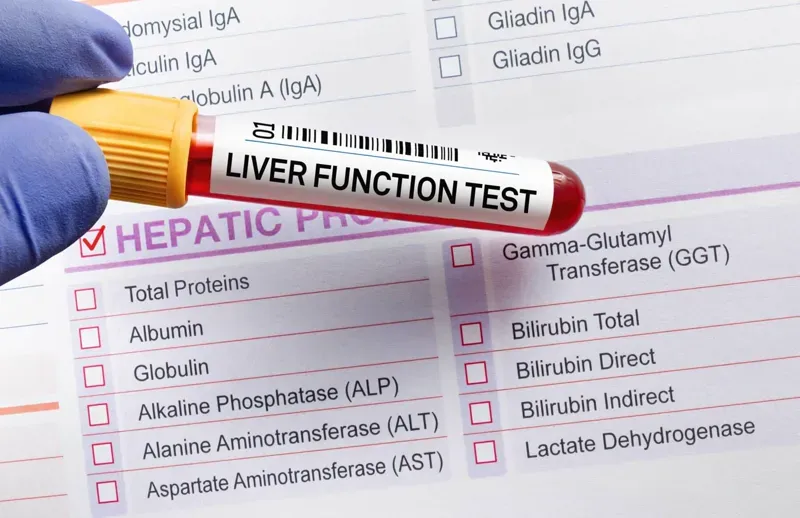
- Liver function panel (ALT, AST, GGT, ALP): Elevated ALT and AST suggest liver inflammation. GGT elevation can indicate liver stress. However, liver enzymes can be normal even with significant fatty liver, so normal results do not rule it out.
- Lipid profile: High triglycerides and low HDL are common in fatty liver and help assess overall metabolic risk.
- Fasting glucose and HbA1c: To screen for diabetes and insulin resistance, both of which drive fatty liver.
- Complete blood count (CBC): Low platelet count can suggest advanced fibrosis or cirrhosis.
- FIB-4 index: A calculated score using age, ALT, AST, and platelet count that estimates the degree of liver fibrosis. This non-invasive tool helps determine who needs further evaluation.
Imaging
- Abdominal ultrasound: The first-line imaging test for fatty liver. It is non-invasive, widely available, uses no radiation, and can detect moderate to severe fat accumulation. The liver appears 'bright' or hyperechoic on ultrasound when fat is present. At DCDC, ultrasound results are available the same day.
- FibroScan (transient elastography): A specialised ultrasound-based test that measures liver stiffness, which correlates with the degree of fibrosis. It also measures the controlled attenuation parameter (CAP), which quantifies liver fat. FibroScan is painless and takes about 10 minutes.
- CT scan and MRI: Can detect fatty liver but are not typically used as first-line screening tools due to cost and, in the case of CT, radiation exposure. MRI-PDFF (proton density fat fraction) is the most accurate non-invasive measure of liver fat.
Liver Biopsy
Liver biopsy remains the gold standard for diagnosing NASH and grading fibrosis, but it is invasive and carries risks. It is reserved for cases where the diagnosis is uncertain, when other liver diseases need to be excluded, or when the degree of inflammation and fibrosis needs precise assessment to guide treatment decisions.
Concerned About Fatty Liver?
At DCDC in Dubai Healthcare City, our doctors provide comprehensive fatty liver evaluation including blood tests, ultrasound, and personalised management plans. Most insurance accepted. Book your consultation today or message us on WhatsApp.
Liver function panel from AED 200 | Abdominal ultrasound from AED 300 | Consultation from AED 250
Fatty Liver Disease Treatment: Lifestyle Changes and Medication
There is currently no medication specifically approved for treating simple fatty liver (NAFL/MASL). The primary treatment is lifestyle modification, which can be remarkably effective. For NASH with significant fibrosis, newer medications are emerging, but lifestyle changes remain the foundation of every treatment plan.
Weight Loss: The Most Effective Treatment
Weight loss is the single most impactful intervention for fatty liver. Research consistently shows that losing 7-10% of body weight can resolve steatohepatitis (NASH) in most patients. Even 3-5% weight loss can significantly reduce liver fat. For a 90 kg person, this means losing approximately 6-9 kg.
- 3-5% weight loss: Reduces liver fat content
- 7-10% weight loss: Can resolve NASH (inflammation) and improve fibrosis
- >10% weight loss: Can reverse fibrosis in many patients
The method of weight loss matters less than achieving and maintaining it. Caloric restriction, increased physical activity, or a combination of both are all effective. The key is sustainability.
Exercise
Regular physical activity reduces liver fat even without weight loss. Both aerobic exercise (walking, cycling, swimming) and resistance training (weights, bodyweight exercises) are beneficial. Guidelines recommend at least 150 minutes of moderate-intensity aerobic activity per week, plus resistance training 2-3 times per week. In Dubai, the heat during summer months makes indoor exercise essential. Gyms, swimming pools, and mall walking are all practical options.
Medications
- Vitamin E: May reduce inflammation in non-diabetic patients with NASH. Typically prescribed at 800 IU daily. Not recommended for patients with diabetes or those at risk of prostate cancer.
- Pioglitazone: An insulin-sensitising medication that can improve NASH in both diabetic and non-diabetic patients, though weight gain is a common side effect.
- GLP-1 receptor agonists (semaglutide, liraglutide): Originally developed for diabetes and weight management, these medications show promise in reducing liver fat, inflammation, and potentially fibrosis. Semaglutide is currently being studied in large clinical trials for NASH.
- SGLT2 inhibitors: Diabetes medications that may also benefit liver fat reduction, particularly in patients with coexisting type 2 diabetes.
- Resmetirom (Rezdiffra): The first medication specifically approved for NASH with moderate to advanced fibrosis. It works by activating thyroid hormone receptors in the liver to reduce fat and inflammation.
Managing Associated Conditions
Fatty liver rarely exists in isolation. Effective management requires addressing all related metabolic conditions simultaneously: blood sugar control for diabetes, statin therapy for high cholesterol, blood pressure management for hypertension, and treatment of sleep apnoea if present. A holistic approach is essential.
Diet for Fatty Liver: What to Eat and Avoid in Dubai
Diet plays a central role in both the development and reversal of fatty liver disease. There is no single 'liver diet,' but the evidence strongly supports a Mediterranean-style eating pattern as the most beneficial for liver health.
Foods to Include
- Vegetables and fruits: High in fibre, antioxidants, and micronutrients. Leafy greens, cruciferous vegetables (broccoli, cauliflower), berries, and citrus fruits are particularly beneficial.
- Whole grains: Brown rice, oats, quinoa, and whole-wheat bread instead of refined grains.
- Lean proteins: Fish (especially oily fish like salmon and sardines for omega-3 fatty acids), chicken, legumes, and lentils.
- Healthy fats: Olive oil, avocados, nuts, and seeds. These replace saturated fats and support liver health.
- Coffee: Multiple studies show that regular coffee consumption (2-3 cups daily) is associated with reduced liver inflammation, fibrosis, and even lower risk of liver cancer. Both caffeinated and decaffeinated coffee appear beneficial.
Foods to Avoid or Limit
- Sugary beverages: Soft drinks, fruit juices, and sweetened teas are major sources of fructose, which is directly metabolised by the liver and promotes fat storage. This is especially relevant in Dubai where sugary drinks are widely consumed.
- Processed and fast foods: High in trans fats, refined carbohydrates, and calories. Regular fast food consumption is strongly associated with fatty liver progression.
- Refined carbohydrates: White bread, white rice, pastries, and sweets cause blood sugar spikes and promote insulin resistance.
- Red and processed meat: High intake is associated with increased NASH risk. Limit to 1-2 servings per week.
- Alcohol: Even moderate alcohol consumption worsens fatty liver. If you have NAFLD/MASLD, minimising or eliminating alcohol is strongly recommended.
- Fructose-heavy foods: Agave syrup, honey in large quantities, and products sweetened with high-fructose corn syrup.
Cost of Fatty Liver Screening in Dubai (2026)
Understanding the cost of fatty liver evaluation helps you plan your healthcare. At DCDC, we offer transparent pricing with most major insurance plans accepted. Here is a breakdown of typical costs for fatty liver screening and diagnosis.
| Test/Service | DCDC Price | Dubai Market Range |
|---|---|---|
| Internal Medicine Consultation | From AED 250 | AED 300–700 |
| Liver Function Panel (ALT, AST, GGT) | From AED 200 | AED 200–500 |
| Abdominal Ultrasound | From AED 300 | AED 300–800 |
| Lipid Profile | From AED 150 | AED 150–400 |
| HbA1c (Diabetes Screening) | From AED 100 | AED 100–300 |
| Comprehensive Metabolic Panel | From AED 399 | AED 400–1,000 |
Prices at DCDC Dubai Healthcare City (2026). Most insurance plans cover liver screening when clinically indicated. We verify coverage before testing.
Many insurance providers in the UAE cover fatty liver evaluation when requested by a physician, particularly for patients with diabetes, obesity, or elevated liver enzymes. DCDC works with over 20 insurance providers, and our reception team verifies your coverage before any tests are conducted so there are no surprises. For information on how cholesterol and lipid levels relate to fatty liver management, see our guide on Lipid Profile Test Dubai: Cost & Guide.
What to Expect at DCDC for Fatty Liver Evaluation
At Doctors Clinic Diagnostic Center (DCDC) in Dubai Healthcare City, we have designed a streamlined, patient-centred pathway for evaluating fatty liver disease. Our on-site laboratory and ultrasound imaging allow us to complete most assessments in a single visit.
Your Fatty Liver Evaluation Journey
- Step 1 — Initial consultation: Your doctor reviews your medical history, current medications, lifestyle factors, and family history. A physical examination includes checking for signs of liver disease, measuring waist circumference, and calculating BMI. If you have existing blood work, bring it to avoid unnecessary repeat testing.
- Step 2 — Blood tests: A comprehensive panel is drawn on-site, typically including liver function tests (ALT, AST, GGT, ALP, bilirubin), lipid profile (total cholesterol, LDL, HDL, triglycerides), fasting glucose and HbA1c, complete blood count, and kidney function tests. Our in-house laboratory processes results within 18-24 hours.
- Step 3 — Abdominal ultrasound: Performed the same day if clinically indicated. This non-invasive, radiation-free scan takes approximately 15-20 minutes and provides immediate information about liver fat content, liver size, and the condition of surrounding organs. Results are available the same day.
- Step 4 — Results and management plan: Once all results are in, your doctor discusses findings with you in detail. If fatty liver is confirmed, you receive a personalised management plan that may include dietary recommendations, an exercise programme, medication adjustments, and a follow-up schedule.
- Step 5 — Follow-up and monitoring: Fatty liver management is ongoing. We schedule regular follow-up visits to track progress with repeat blood work and imaging as needed. If your condition is complex or advanced, we coordinate referrals to specialist hepatologists or endocrinologists.
Dr. Hadeel's Approach to Fatty Liver
"Fatty liver disease is something I see very frequently in Dubai, often as an incidental finding during routine check-ups or blood tests. Many patients are surprised by the diagnosis because they feel perfectly well. My approach is to treat the whole metabolic picture, not just the liver. We look at blood sugar, cholesterol, blood pressure, weight, and lifestyle together. I find that patients who understand why these factors are connected are much more motivated to make lasting changes. The encouraging message I always share is that fatty liver is one of the few conditions where lifestyle changes can truly reverse the disease, and we see that happen regularly at DCDC."
Why Choose DCDC
- One-stop diagnostic centre: Consultation, blood tests, and ultrasound imaging all in one location
- Fast results: Blood work within 18-24 hours, ultrasound results the same day
- MOHAP-licensed facility: Meeting UAE Ministry of Health and Prevention standards
- 4.8/5 Google rating with 98% patient satisfaction
- 20+ insurance providers accepted: We verify coverage before testing
- Dubai Healthcare City location: Easily accessible with dedicated parking
Book Your Fatty Liver Evaluation at DCDC
Our doctors at DCDC Dubai Healthcare City provide same-day consultations, on-site blood work, and abdominal ultrasound for comprehensive fatty liver assessment. Consultation from AED 250. Most insurance accepted.
Call, WhatsApp, or book online to schedule your appointment
Can Fatty Liver Disease Be Reversed?
This is one of the most important questions patients ask, and the answer is encouraging: yes, fatty liver disease can be reversed in most cases, particularly in its earlier stages.
What the Evidence Shows
- Simple steatosis: Fully reversible with sustained weight loss and lifestyle changes. Most patients who achieve and maintain 7-10% weight loss see complete resolution of liver fat.
- NASH (steatohepatitis): Can be reversed with weight loss of 7-10%. Inflammation resolves, and liver enzyme levels normalise. Multiple clinical trials have demonstrated this.
- Early fibrosis (F1-F2): Can improve or stabilise with aggressive lifestyle modification and, in some cases, medication. Fibrosis regression has been documented in patients who achieve significant weight loss.
- Advanced fibrosis (F3): Improvement is possible but less certain. The focus shifts to preventing progression to cirrhosis.
- Cirrhosis (F4): Generally not reversible, but progression can be slowed or halted. Management focuses on preventing complications such as liver failure, varices, and liver cancer.
Keys to Successful Reversal
- Sustained weight loss: Gradual, maintained weight loss is more effective than rapid loss followed by regain. Aim for 0.5-1 kg per week.
- Consistent exercise: Regular physical activity, even without significant weight loss, reduces liver fat and inflammation.
- Dietary changes: Adopting a Mediterranean-style diet and eliminating sugary beverages can significantly improve liver health.
- Managing metabolic conditions: Controlling diabetes, cholesterol, and blood pressure addresses the root causes of fatty liver.
- Regular monitoring: Follow-up blood tests and imaging every 6-12 months track progress and catch any deterioration early.
- Avoiding liver toxins: Minimise alcohol, use medications responsibly, and avoid unregulated herbal supplements that can harm the liver.
The fact that fatty liver is reversible should be empowering, not anxiety-inducing. It means that the choices you make today, what you eat, how active you are, and whether you engage with medical care, directly determine your liver's future health.
خدمات مرتبط در DCDC
مراقبت تخصصی و تشخیص پیشرفته در شهر بهداشت دبی
Frequently Asked Questions
Final Thoughts
Fatty liver disease is extremely common in Dubai and across the UAE, driven by the same metabolic risk factors that underlie diabetes, obesity, and cardiovascular disease. The condition is often silent, discovered only through routine testing, which makes proactive screening all the more important for anyone with risk factors.
The most reassuring aspect of fatty liver disease is its reversibility. Unlike many chronic conditions, fatty liver responds dramatically to lifestyle changes. Weight loss, a healthier diet, regular exercise, and management of associated metabolic conditions can reverse the disease in its earlier stages and prevent progression to serious liver damage.
If you are concerned about fatty liver, or if routine blood tests have shown elevated liver enzymes, the next step is straightforward: see a doctor, get the right tests, and develop a plan. At DCDC in Dubai Healthcare City, we provide the consultation, blood work, and imaging you need in a single, convenient location. Your liver health is inseparable from your overall metabolic health, and addressing it now protects far more than just your liver.
منابع و مراجع
این مقاله توسط تیم پزشکی ما بررسی شده و به منابع زیر ارجاع میدهد:
- AASLD (American Association for the Study of Liver Diseases) — MASLD/NAFLD Practice Guidelines
- World Health Organization — Global Health Observatory: Liver Disease Data
- Mayo Clinic — Nonalcoholic Fatty Liver Disease (NAFLD)
- NHS — Non-alcoholic Fatty Liver Disease (NAFLD)
- Cleveland Clinic — Fatty Liver Disease (Hepatic Steatosis)
- European Association for the Study of the Liver (EASL) — MASLD Clinical Practice Guidelines
محتوای پزشکی این سایت توسط پزشکان دارای مجوز DHA بررسی میشود. مشاهده سیاست تحریریه برای اطلاعات بیشتر.

نوشته شده توسط
Dr. Hadeel Elnur
General Practitioner
MD, General Practice
Dr. Hadeel Elnur is a General Practitioner at Doctors Clinic Diagnostic Center (DCDC) in Dubai Healthcare City.
Related Articles
Liver Function Test Dubai: Cost & Guide (2026)
Diabetes Management Dubai: Complete Guide (2026)
Lipid Profile Test Dubai: Cost & Guide (2026)

Blood Test Dubai: Types, Cost & Fasting Guide (2026)
Abdominal Ultrasound: What It Shows & Preparation (2026)
بیشتر در Internal Medicine
Endoscopy Dubai: Types, Cost & Guide (2026)
بیشتر بخوانید
Uric Acid & Gout Treatment Dubai: Guide (2026)
بیشتر بخوانید
Low Testosterone Symptoms & Treatment Dubai (2026)
بیشتر بخوانید
Stomach Ulcer Dubai: Symptoms & Treatment (2026)
بیشتر بخوانیدBloating Causes & Treatment in Dubai (2026)
بیشتر بخوانید
Anemia Treatment Dubai: Types & Causes (2026)
بیشتر بخوانید© 2026 Doctors Clinic Diagnostic Center (DCDC), Dubai Healthcare City. Originally published at https://doctorsclinicdubai.ae/blog/fatty-liver-disease-treatment-dubai. All rights reserved. Unauthorized reproduction is prohibited.