نکات کلیدی
- هزینه سیتی اسکن در دبی بسته به ناحیه بدن، نیاز به کنتراست و مرکز از 800 تا 3,500 درهم متغیر است — DCDC قیمتهای رقابتی تنظیمشده توسط DHA ارائه میدهد
- سیتی اسکن از فناوری اشعه ایکس برای ایجاد تصاویر سهبعدی مقطعی دقیق در تنها 5 تا 15 دقیقه استفاده میکند که آن را برای موارد اورژانسی، آسیبهای استخوانی، بیماریهای سینه و مشکلات شکمی ایدهآل میسازد
- سیتی اسکنهای تقویتشده با کنتراست 300 تا 800 درهم بیشتر از اسکنهای بدون کنتراست هزینه دارند اما تصویربرداری بهمراتب بهتری از رگهای خونی، تومورها و التهاب ارائه میدهند
- اکثر طرحهای بیمه در دبی سیتی اسکن را زمانی که از نظر پزشکی مورد نیاز باشد و با ارجاع پزشک همراه باشد پوشش میدهند — الزامات پیشتأییدیه را با بیمهگر خود بررسی کنید
- آمادهسازی بسته به نوع اسکن متفاوت است: ناشتا بودن 4 تا 6 ساعته برای سیتی شکم با کنتراست، بدون نیاز به آمادهسازی برای سیتی مغز یا سینه بدون کنتراست
- نتایج سیتی در DCDC معمولاً ظرف 24 ساعت آماده میشود و یافتههای فوری بلافاصله به پزشک معالج شما اطلاع داده میشود
اگر پزشک شما سیتی اسکن توصیه کرده است، اولین سؤال شما احتمالاً این است: «چقدر هزینه خواهد داشت؟» قیمت سیتی اسکن در دبی بسیار متفاوت است — از 800 درهم برای یک اسکن ساده تا بیش از 3,500 درهم برای مطالعات چند ناحیهای با کنتراست. قیمت بستگی به ناحیه اسکن شده، نیاز به ماده حاجب و محل مراجعه دارد. این راهنما هر عامل هزینه را تجزیه و تحلیل میکند، قیمتها را در انواع اسکن مقایسه میکند و دقیقاً توضیح میدهد که بابت چه چیزی پرداخت میکنید.
چه به سیتی مغز پس از ضربه به سر نیاز داشته باشید، چه سیتی سینه برای سرفه مداوم یا سیتی شکم برای درد غیرقابل توضیح، درک هزینهها از قبل به شما کمک میکند تصمیمات آگاهانه بگیرید. ما همچنین آمادهسازی، روش انجام، ایمنی پرتو، زمانبندی نتایج و پوشش بیمه را پوشش میدهیم — همه چیزی که قبل از نوبت خود در DCDC شهر بهداشت دبی نیاز دارید.
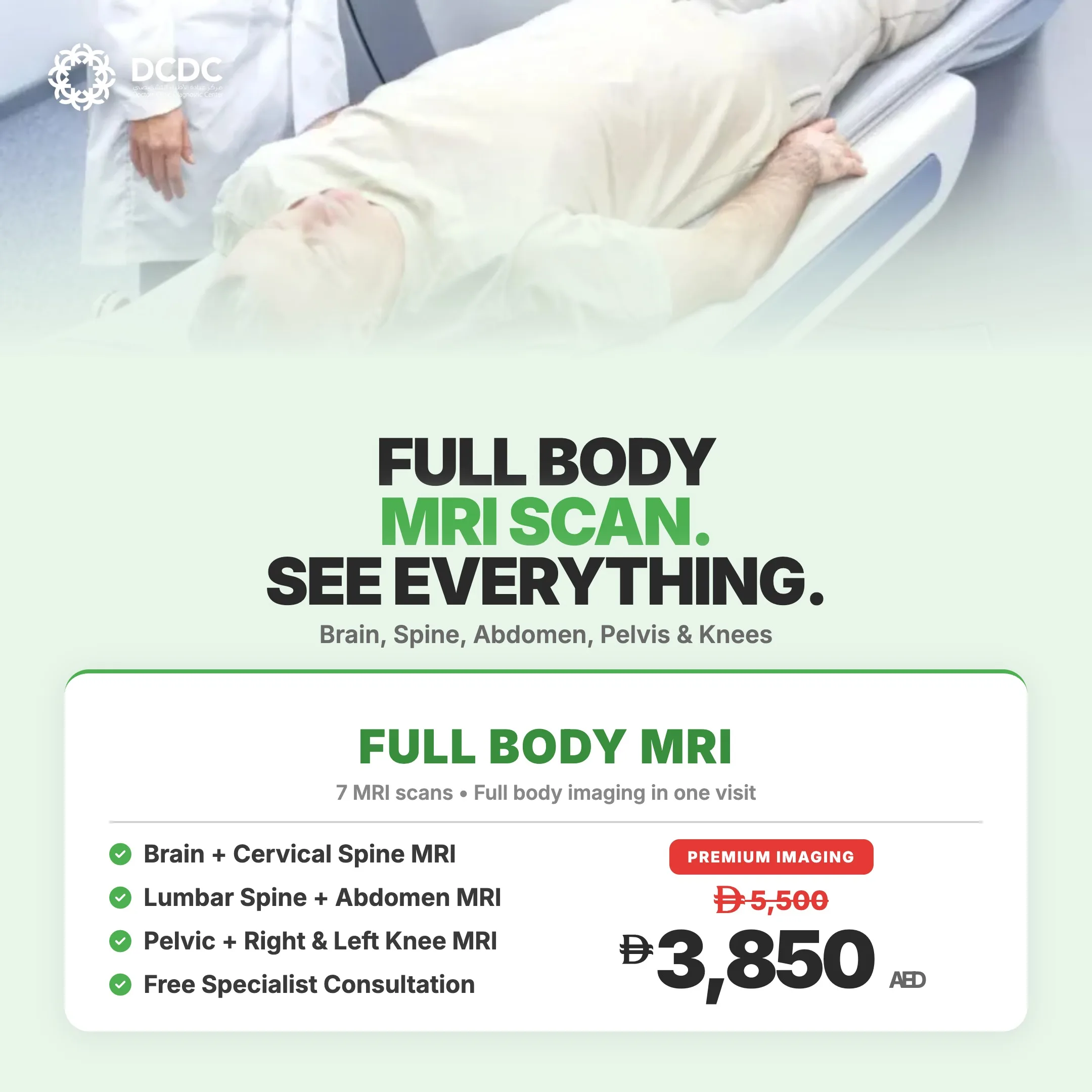


سیتی اسکن چیست؟
سیتی اسکن (توموگرافی کامپیوتری)، که گاهی اسکن CAT نیز نامیده میشود، یک تکنیک تصویربرداری پیشرفته است که از پرتو اشعه ایکس چرخشی و پردازش قدرتمند کامپیوتری برای ایجاد تصاویر سهبعدی مقطعی دقیق از داخل بدن شما استفاده میکند. برخلاف اشعه ایکس استاندارد که یک تصویر دوبعدی تخت تولید میکند، سیتی اسکن صدها برش نازک تصویر را از زوایای مختلف ثبت کرده و آنها را به نماهای بسیار دقیق از استخوانها، اندامها، رگهای خونی و بافتهای نرم بازسازی میکند.
کل اسکن سریع، بدون درد و غیرتهاجمی است. شما روی یک تخت موتوری دراز میکشید که از یک حلقه اسکنر بزرگ به شکل دونات عبور میکند. لوله اشعه ایکس دور شما میچرخد در حالی که آشکارسازها در طرف مقابل دادهها را ثبت میکنند. اکثر اسکنها در 5 تا 15 دقیقه تکمیل میشوند که سیتی را به یکی از سریعترین و همهکارهترین ابزارهای تشخیصی تبدیل میکند. این روش بهویژه در شرایط اورژانسی که تشخیص سریع میتواند نجاتبخش باشد ارزشمند است — مانند سکته مغزی، خونریزی داخلی یا ضربه شدید.
سیتی اسکن میتواند تقریباً هر قسمتی از بدن شامل مغز، سینه، شکم، لگن، ستون فقرات و اندامها را تصویربرداری کند. این روش معمولاً برای تشخیص سرطانها، هدایت بیوپسیها، ارزیابی آسیبها، نظارت بر پیشرفت درمان و بررسی علائم غیرقابل توضیح استفاده میشود. در DCDC شهر بهداشت دبی، اسکنر سیتی چند برشی ما تصاویر با وضوح بالا با پروتکلهای بهینهشده کمدوز ارائه میدهد که دقت تشخیصی را با حداقل پرتوگیری تضمین میکند.
سیتی اسکن در مقابل MRI: به کدام نیاز دارید؟
بیماران اغلب میپرسند که آیا به سیتی اسکن نیاز دارند یا MRI. اینها فناوریهای مکمل هستند که هر کدام نقاط قوت مشخصی دارند. پزشک شما مناسبترین اسکن را بر اساس وضعیت خاص شما توصیه خواهد کرد.
| عامل | سیتی اسکن | MRI |
|---|---|---|
| سرعت | 5–15 دقیقه | 30–60 دقیقه |
| بهترین برای | استخوانها، ریهها، اورژانسها، خونریزی، سنگ کلیه | بافتهای نرم، مغز، نخاع، مفاصل، رباطها |
| پرتو | پرتو یونیزان کمدوز | بدون پرتو (از میدانهای مغناطیسی استفاده میکند) |
| کنتراست | کنتراست وریدی بر پایه ید (در صورت نیاز) | کنتراست وریدی بر پایه گادولینیوم (در صورت نیاز) |
| هزینه | 800–3,500 درهم | 1,500–5,000 درهم |
| کلاستروفوبی | به ندرت مشکلساز (طراحی حلقه باز) | میتواند چالشبرانگیز باشد (لوله بسته)؛ MRI باز در DCDC موجود است |
سیتی و MRI ابزارهای مکمل هستند. پزشک شما بهترین گزینه را برای وضعیت شما توصیه خواهد کرد.
اگر پزشک شما MRI توصیه کرده است، DCDC یک گزینه MRI باز ارائه میدهد که برای بیمارانی که کلاستروفوبی دارند بهمراتب راحتتر است. برای بسیاری از شرایط — بهویژه ارزیابیهای اورژانسی، آسیبشناسی ریه، شکستگی استخوان و سنگ کلیه — سیتی به دلیل سرعت و جزئیات برتر استخوان و ریه، روش تصویربرداری ترجیحی خط اول است.
هزینه سیتی اسکن در دبی: راهنمای کامل قیمتها
قیمت سیتی اسکن در دبی عمدتاً به ناحیه بدن مورد اسکن و نیاز به ماده حاجب وریدی بستگی دارد. در زیر تجزیه و تحلیل جامعی از محدوده قیمتهای فعلی در مراکز تشخیصی دبی آورده شده است. DCDC قیمتهای رقابتی سیتی اسکن تنظیمشده توسط DHA با هزینههای شفاف و جامع ارائه میدهد.
| نوع سیتی اسکن | محدوده قیمت بدون کنتراست (درهم) | محدوده قیمت با کنتراست (درهم) |
|---|---|---|
| سیتی مغز / سر | 800 – 1,500 | 1,200 – 2,000 |
| سیتی سینه | 800 – 1,500 | 1,200 – 2,000 |
| سیتی شکم و لگن | 1,000 – 2,000 | 1,500 – 2,500 |
| سیتی ستون فقرات (هر ناحیه) | 800 – 1,500 | 1,200 – 2,000 |
| آنژیوگرافی سیتی | 1,500 – 3,000 | شامل شده |
| امتیاز کلسیم سیتی | 800 – 1,500 | N/A |
| سیتی تمام بدن | 2,500 – 4,000 | 3,000 – 5,000 |
| سیتی KUB / کلیه | 800 – 1,200 | N/A |
قیمتها تقریبی هستند و ممکن است بسته به مرکز متفاوت باشند. برای قیمتهای فعلی و بررسی بیمه با DCDC تماس بگیرید.
چه عواملی بر قیمت سیتی اسکن تأثیر میگذارند؟
عوامل متعددی تعیین میکنند که برای سیتی اسکن در دبی چقدر پرداخت خواهید کرد. درک این متغیرها به شما کمک میکند قیمتها را با دقت مقایسه کنید و از هزینههای غیرمنتظره جلوگیری کنید.
- ناحیه بدن اسکن شده: اسکنهای مغز و تکناحیهای ارزانترین هستند. اسکنهای چند ناحیهای (شکم + لگن، تمام بدن) به دلیل زمان اسکن بیشتر و تصاویر بیشتر برای تفسیر رادیولوژیست هزینه بیشتری دارند
- با یا بدون کنتراست: اسکنهایی که به ماده حاجب یددار وریدی نیاز دارند 300 تا 800 درهم بیشتر هزینه دارند به دلیل هزینه ماده حاجب، نظارت اضافی و آزمایش خون قبل از اسکن (بررسی کراتینین)
- تعداد نواحی: اسکن چند ناحیه بدن در یک جلسه (مثلاً سینه + شکم + لگن) برای مرحلهبندی سرطان یا ارزیابی ضربه رایج است و هزینه بیشتری نسبت به اسکن تکناحیهای دارد
- نوع مرکز: بیمارستانهای بزرگ معمولاً بیشتر از مراکز تشخیصی تخصصی هزینه دریافت میکنند. مراکز مستقل دارای مجوز DHA مانند DCDC اغلب همان فناوری اسکنر را با قیمتهای رقابتیتر ارائه میدهند
- بیمه در مقابل پرداخت شخصی: بیماران بیمهشده فقط سهم پرداختی خود (معمولاً 10 تا 20 درصد) را در صورت پیشتأییدیه اسکن پرداخت میکنند. بیماران پرداختکننده شخصی ممکن است نرخهای کاهشیافته یا بستههای تخفیفی مذاکره کنند
- اورژانسی در مقابل برنامهریزیشده: سیتی اسکنهای اورژانسی یا خارج از ساعات کاری ممکن است در برخی مراکز هزینه اضافی داشته باشند. اسکنهای برنامهریزیشده در ساعات عادی معمولاً با نرخهای استاندارد محاسبه میشوند
پوشش بیمه برای سیتی اسکن در دبی
اکثر طرحهای بیمه سلامت در دبی سیتی اسکن را زمانی پوشش میدهند که از نظر پزشکی مورد نیاز بوده و با ارجاع پزشک پشتیبانی شود. قانون بیمه سلامت اجباری دبی (قانون بیمه سلامت DHA شماره 11 سال 2013) از تمام طرحهای بیمه میخواهد خدمات تشخیصی ضروری شامل تصویربرداری سیتی را پوشش دهند.
برای استفاده از بیمه برای سیتی اسکن، معمولاً به نامه ارجاع از پزشک معالج خود با ذکر نشانه بالینی (دلیل پزشکی اسکن) نیاز دارید. برخی بیمهگران قبل از انجام اسکن پیشتأییدیه میخواهند. سهم پرداختی برای سیتی اسکن معمولاً بسته به طرح 10 تا 20 درصد از هزینه کل است. در DCDC، تیم پذیرش ما میتواند پوشش بیمه شما را بررسی کرده و فرآیند پیشتأییدیه را قبل از نوبت شما انجام دهد.
برای بیمارانی که بیمه ندارند یا طرح بیمه آنها اسکن مورد نیاز را پوشش نمیدهد، DCDC قیمتهای شفاف پرداخت شخصی ارائه میدهد. برای بحث درباره قیمتها و گزینههای پرداخت با تیم ما تماس بگیرید.
دریافت قیمت سیتی اسکن
برای بررسی قیمت و پوشش بیمه سیتی اسکن خود در DCDC شهر بهداشت دبی با ما تماس بگیرید.
انواع سیتی اسکنهای موجود
سیتی اسکنها برای نواحی خاص بدن و سؤالات بالینی طراحی شدهاند. هر نوع اسکن بر ساختارهای آناتومیک متفاوتی تمرکز دارد و برای تشخیص بیماریهای مختلف استفاده میشود. در زیر رایجترین سیتی اسکنهای درخواستی در DCDC شهر بهداشت دبی آورده شده است.
سیتی اسکن مغز / سر
سیتی اسکن مغز اولین مطالعه تصویربرداری خط اول در بخشهای اورژانس برای بیمارانی است که با ضربه به سر، سردرد شدید ناگهانی، گیجی، تشنج یا مشکوک به سکته مغزی مراجعه میکنند. این اسکن به سرعت خونریزی داخل جمجمهای، شکستگی جمجمه، تورم مغز، تومورها و هیدروسفالی را تشخیص میدهد. سیتی مغز بدون کنتراست معمولاً برای خونریزی حاد و شکستگیها کافی است. سیتی مغز فقط 5 تا 10 دقیقه طول میکشد و نیازی به آمادهسازی خاصی ندارد.
سیتی اسکن سینه
سیتی اسکن سینه تصاویر دقیقی از ریهها، راههای هوایی، قلب، عروق بزرگ و مدیاستن (فضای بین ریهها) ارائه میدهد. این اسکن بهمراتب دقیقتر از عکس اشعه ایکس سینه استاندارد است و برای تشخیص ذاتالریه، آمبولی ریوی، ندولها و تومورهای ریوی، تجمع مایع پلورال، بزرگ شدن غدد لنفاوی و آنوریسم آئورت استفاده میشود. سیتی سینه کمدوز همچنین بهعنوان ابزار غربالگری سرطان ریه برای افراد پرخطر مانند سیگاریهای طولانیمدت استفاده میشود.
سیتی اسکن شکم و لگن
سیتی اسکن شکم و لگن کبد، کلیهها، طحال، پانکراس، غدد فوق کلیوی، کیسه صفرا، رودهها، مثانه و اندامهای تولیدمثلی را ارزیابی میکند. این رایجترین نوع سیتی اسکن برای بررسی درد شکمی غیرقابل توضیح، مشکوک به آپاندیسیت، سنگ کلیه، انسداد روده، دیورتیکولیت و مرحلهبندی سرطان است. سیتی KUB بدون کنتراست (کلیهها، حالبها، مثانه) آزمایش ترجیحی برای مشکوک به سنگ کلیه است.
آنژیوگرافی سیتی (CTA)
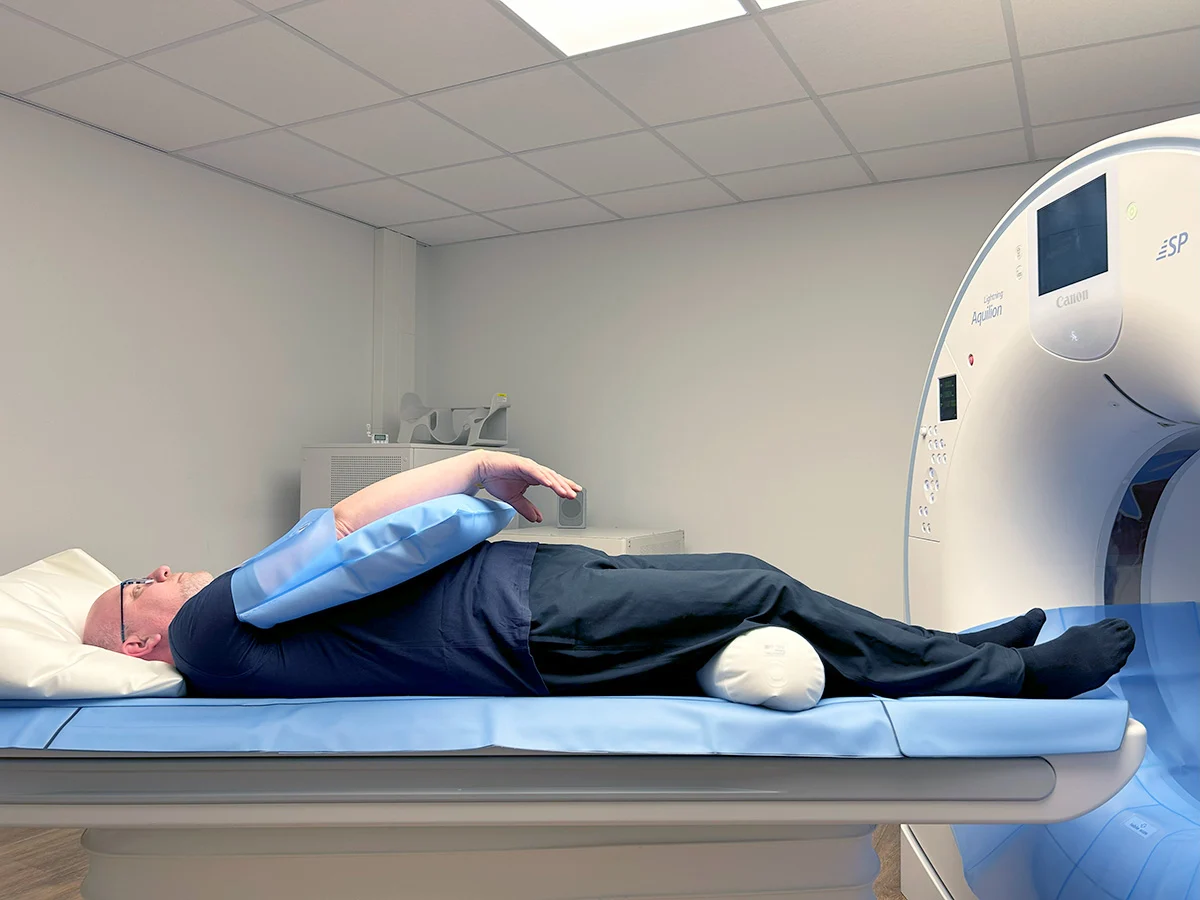
آنژیوگرافی سیتی یک سیتی اسکن تخصصی تقویتشده با کنتراست است که برای تجسم رگهای خونی با جزئیات فوقالعاده طراحی شده است. CTA کرونری شریانهای تغذیهکننده قلب را نقشهبرداری میکند. CTA کاروتید شریانهای گردن را ارزیابی میکند. CTA ریوی استاندارد طلایی برای تشخیص لخته خون در شریانهای ریوی است.
امتیاز کلسیم سیتی
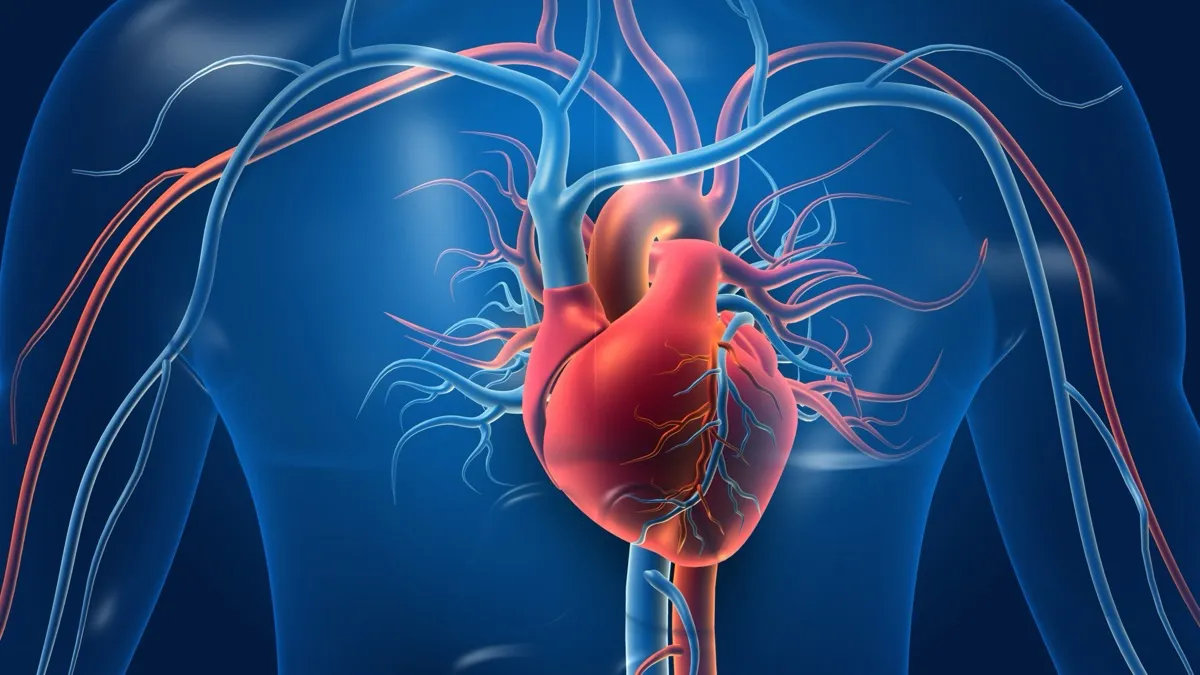
امتیاز کلسیم سیتی یک اسکن سریع بدون کنتراست است که میزان پلاک کلسیفیه در شریانهای کرونری را اندازهگیری میکند. یک امتیاز عددی ارائه میدهد که خطر حمله قلبی آینده شما را پیشبینی میکند. امتیاز صفر نشاندهنده عدم وجود کلسیم قابل تشخیص و خطر بسیار پایین است. این آزمایش برای بزرگسالان 40 تا 70 ساله با عوامل خطر قلبیعروقی متوسط توصیه میشود. کمتر از 10 دقیقه طول میکشد و نیازی به آمادهسازی و کنتراست ندارد.
سیتی اسکن ستون فقرات
سیتی اسکن ستون فقرات تصاویر دقیقی از مهرهها، کانال نخاعی، دیسکهای بینمهرهای و ساختارهای اطراف ارائه میدهد. بهویژه برای ارزیابی شکستگیهای مهرهای، فتق دیسک، تنگی کانال نخاعی، تغییرات دژنراتیو و سختافزار پس از جراحی مفید است. برای اطلاعات بیشتر به راهنمای ما درباره تنگی رسس جانبی در سیتی اسکن مراجعه کنید.
سیتی اسکن با کنتراست در مقابل بدون کنتراست: تفاوت چیست؟
یکی از بزرگترین عوامل مؤثر بر هزینه و ارزش تشخیصی سیتی اسکن شما استفاده از ماده حاجب است. کنتراست یک مایع ویژه بر پایه ید است که قبل یا حین اسکن به ورید بازوی شما تزریق میشود. با گردش در خون شما، رگهای خونی، اندامها و بافتهای غیرطبیعی را برجسته میکند.
پزشک معالج شما بر اساس سؤال بالینی تعیین میکند که آیا کنتراست لازم است. سیتی بدون کنتراست برای تشخیص شکستگی استخوان، سنگ کلیه، خونریزی مغزی و ارزیابی ریه کافی است. سیتی با کنتراست برای ارزیابی تومورها، عفونتها، ناهنجاریهای عروقی و التهاب ضروری است.
اگر کنتراست تجویز شده باشد، معمولاً به یک آزمایش کراتینین خون اخیر نیاز دارید تا تأیید شود کلیههای شما میتوانند ماده حاجب را با خیال راحت پردازش و دفع کنند. همچنین باید پزشک خود را از هرگونه آلرژی (بهویژه به ید یا غذاهای دریایی)، آسم یا مشکلات کلیوی مطلع سازید.
| عامل | سیتی بدون کنتراست | سیتی با کنتراست |
|---|---|---|
| آمادهسازی | حداقل — بدون ناشتایی برای اکثر اسکنها | ناشتایی 4–6 ساعته؛ آزمایش کراتینین خون لازم است |
| مدت زمان | 5–10 دقیقه | 10–20 دقیقه (شامل تنظیم IV و تزریق) |
| هزینه اضافی | قیمت پایه | 300–800 درهم بیشتر از بدون کنتراست |
| بهترین برای | شکستگیها، سنگ کلیه، خونریزی مغزی، غربالگری ریه | تومورها، عفونتها، رگهای خونی، ارزیابی اندام، مرحلهبندی سرطان |
| خطرات | بسیار کم (پرتو حداقلی) | کم — خطر کوچک واکنش آلرژیک به کنتراست؛ تأثیر نادر بر کلیه |
پزشک شما بر اساس نشانه بالینی تعیین میکند که آیا کنتراست لازم است.
نحوه آمادهسازی برای سیتی اسکن
قبل از نوبت شما
الزامات آمادهسازی بسته به نوع سیتی اسکن و استفاده یا عدم استفاده از کنتراست متفاوت است. تیم رزرو ما هنگام تعیین نوبت دستورالعملهای خاصی ارائه خواهد داد، اما در اینجا رهنمودهای کلی آمده است.
- سیتی شکم با کنتراست: 4 تا 6 ساعت قبل از اسکن ناشتا باشید. میتوانید جرعههای کوچک آب بنوشید
- سیتی مغز یا سینه بدون کنتراست: نیازی به ناشتایی یا آمادهسازی خاص نیست. قبل از نوبت بهطور عادی بخورید و بنوشید
- هر سیتی با کنتراست: آخرین نتایج آزمایش کراتینین خون / عملکرد کلیه خود را بیاورید (در 3 ماه اخیر). اگر ندارید، این آزمایش میتواند قبل از اسکن در DCDC انجام شود
- داروها: داروهای معمول خود را ادامه دهید مگر اینکه پزشک دستور دیگری بدهد. اگر متفورمین (برای دیابت) مصرف میکنید، پزشک ممکن است توصیه کند 48 ساعت پس از اسکن با کنتراست آن را متوقف کنید
- آلرژیها: پزشک و تیم رادیولوژی را از هرگونه آلرژی، بهویژه به ید، ماده حاجب یا غذاهای دریایی مطلع سازید
- لباس: لباسهای راحت و گشاد بدون زیپ، دکمه یا سیم فلزی بپوشید. ممکن است از شما خواسته شود لباس بیمارستانی بپوشید
- اشیاء فلزی: جواهرات، ساعت، سنجاق مو، کمربند و هرگونه لوازم جانبی فلزی را قبل از اسکن بردارید
- بارداری: اگر باردار هستید یا احتمال بارداری میدهید، فوراً پزشک خود را مطلع سازید. سیتی اسکنها از پرتو یونیزان استفاده میکنند و عموماً در دوران بارداری اجتناب میشوند
آنچه در طول اسکن انتظار دارید
فرآیند سیتی اسکن ساده و سریع است. هنگام ورود به DCDC، در پذیرش ثبتنام میکنید و به اتاق سیتی هدایت میشوید. رادیوگرافر شما را روی تخت سیتی — معمولاً بهصورت خوابیده به پشت — قرار میدهد. تخت به آرامی به داخل اسکنر میرود که یک حلقه بزرگ است (نه تونل بسته، بنابراین کلاستروفوبی به ندرت مشکلساز است).
اگر اسکن شما نیاز به کنتراست داشته باشد، یک آنژیوکت کوچک قبل از شروع اسکن در بازوی شما قرار داده میشود. در حین تزریق کنتراست، ممکن است احساس گرمای کوتاهی در بدن و طعم فلزی موقتی در دهان احساس کنید — این کاملاً طبیعی است و ظرف 15 تا 30 ثانیه برطرف میشود.
در طول اسکن، رادیوگرافر از طریق آیفون از اتاق کنترل مجاور با شما ارتباط برقرار میکند. ممکن است از شما خواسته شود چند ثانیه نفس خود را حبس کنید. اسکن واقعی فقط 5 تا 15 دقیقه طول میکشد. کل ویزیت معمولاً 30 تا 60 دقیقه طول میکشد.
پس از اسکن
- آب زیاد بنوشید: اگر کنتراست استفاده شده، در 24 ساعت آینده 6 تا 8 لیوان آب بنوشید تا به کلیههای شما در دفع ماده حاجب کمک کنید
- فعالیتهای عادی را از سر بگیرید: میتوانید بلافاصله پس از اسکن سرکار بروید، رانندگی کنید، غذا بخورید و ورزش کنید
- زمانبندی نتایج: تصاویر سیتی اسکن شما توسط یک متخصص رادیولوژی بررسی میشود. در DCDC نتایج معمولی معمولاً ظرف 24 ساعت آماده میشوند. یافتههای فوری بلافاصله به پزشک معالج شما اطلاع داده میشوند
- پیگیری: یک نوبت پیگیری با پزشک معالج خود برای بحث درباره نتایج تعیین کنید
سیتی اسکن خود را رزرو کنید
سیتی اسکن خود را در DCDC شهر بهداشت دبی برنامهریزی کنید. نوبتهای همان روز موجود است.
ایمنی سیتی اسکن: پرتو و خطرات
یکی از رایجترین نگرانیهای بیماران درباره سیتی اسکن قرارگیری در معرض پرتو است. سیتی اسکنها از پرتو یونیزان استفاده میکنند اما اسکنرهای مدرن فناوری پیشرفته کاهش دوز دارند که پرتوگیری را تا 80 درصد نسبت به دستگاههای نسل قبل کاهش داده است.
در DCDC، ما اصل ALARA (تا حد امکان پایین و معقول) را برای هر اسکن رعایت میکنیم. اسکنر سیتی چند برشی ما دارای کنترل خودکار نوردهی، الگوریتمهای بازسازی تکراری و پروتکلهای مبتنی بر سن/وزن است.
برای درک دوزهای پرتو سیتی، مقایسه آنها با پرتو زمینهای طبیعی روزمره:
| مطالعه تصویربرداری | دوز پرتو (mSv) | معادل پرتو زمینهای |
|---|---|---|
| عکس اشعه ایکس سینه | 0.02 | 2.4 روز |
| سیتی سر | 2 | 243 روز |
| سیتی سینه | 7 | 2.3 سال |
| سیتی شکم | 10 | 3.3 سال |
| آنژیوگرافی سیتی | 12 | 4 سال |
| پرتو زمینهای سالانه | 3 | 1 سال |
دوزهای پرتو میانگینهای تقریبی هستند. منبع: کالج رادیولوژی آمریکا.
مزایای پزشکی یک سیتی اسکن بهدرستی تجویزشده تقریباً همیشه بر خطر نظری اندک پرتو غلبه میکند. خطر ابتلا به سرطان از یک سیتی اسکن تقریباً 1 در 2,000 تخمین زده میشود.
درک نتایج سیتی اسکن
یافتههای طبیعی در مقابل غیرطبیعی
پس از سیتی اسکن، یک متخصص رادیولوژی هر تصویر را با دقت بررسی میکند. گزارش سیتی «طبیعی» به معنای عدم شناسایی ناهنجاریهای قابلتوجه است. با این حال، سیتی اسکنها معمولاً یافتههای اتفاقی را تشخیص میدهند — ناهنجاریهای جزئی بیارتباط با دلیل اسکن. اکثر یافتههای اتفاقی بیضرر هستند.
نتایج سیتی چقدر طول میکشد؟
در DCDC، نتایج معمول سیتی اسکن ظرف 24 ساعت آماده میشود. یافتههای بحرانی — مانند سکته مغزی حاد، خونریزی داخلی یا آمبولی ریوی — فوراً تلفنی به پزشک معالج اطلاع داده میشوند.
شما یک نسخه از گزارش خود دریافت خواهید کرد و میتوانید CD یا فلش USB با تصاویر اسکن در فرمت DICOM درخواست کنید.
سیتی اسکن در DCDC شهر بهداشت دبی
DCDC خدمات جامع سیتی اسکن را در قلب شهر بهداشت دبی با متخصصان رادیولوژی دارای مجوز DHA ارائه میدهد.
- جدیدترین فناوری سیتی چند برشی: اسکنر مدرن ما تصاویر با وضوح بالا برای تشخیص دقیق ارائه میدهد
- پروتکلهای کمدوز: نرمافزار پیشرفته کاهش دوز و الگوریتمهای بازسازی تکراری پرتوگیری را به حداقل میرسانند
- متخصصان رادیولوژی دارای مجوز DHA: تمام اسکنها توسط متخصصان رادیولوژی باتجربه گزارش میشوند
- نوبتهای همان روز موجود: بسیاری از نوبتهای سیتی اسکن ما برای همان روز یا روز بعد در دسترس هستند
- نتایج ظرف 24 ساعت: گزارشهای معمول ظرف یک روز کاری ارائه میشوند. یافتههای فوری بلافاصله اطلاعرسانی میشوند
- پذیرش بیمه: ما با تمام شرکتهای بیمه عمده در دبی کار میکنیم
برای اطلاعات بیشتر از صفحه خدمات سیتی اسکن ما دیدن کنید یا با تیم ما تماس بگیرید.
امروز سیتی اسکن خود را رزرو کنید
سیتی اسکن خود را در DCDC شهر بهداشت دبی با نوبتهای همان روز و نتایج ظرف 24 ساعت انجام دهید.
خدمات مرتبط در DCDC
مراقبت تخصصی و تشخیص پیشرفته در شهر بهداشت دبی
Frequently Asked Questions
تصمیمگیری درست درباره سیتی اسکن شما
سیتی اسکن یکی از قدرتمندترین و همهکارهترین ابزارهای تشخیصی در پزشکی مدرن است. میتواند بیماریهای تهدیدکننده حیات را در عرض چند دقیقه تشخیص دهد، تصمیمات درمانی را هدایت کند و اطلاعات دقیقی که پزشک شما برای مراقبت مؤثر نیاز دارد ارائه دهد.
درک هزینههای مربوطه به شما کمک میکند از قبل برنامهریزی کنید و از هزینههای غافلگیرکننده جلوگیری کنید. قیمت سیتی اسکن در دبی از 800 تا 3,500 درهم متغیر است. پوشش بیمه برای اکثر اسکنهای تجویزشده با ارجاع پزشک موجود است.
در DCDC شهر بهداشت دبی، ما فناوری مدرن سیتی چند برشی، پروتکلهای تصویربرداری کمدوز و متخصصان رادیولوژی باتجربه را ترکیب میکنیم تا نتایج دقیق و بهموقع با قیمتهای رقابتی ارائه دهیم. برای تعیین نوبت با تیم ما تماس بگیرید.
منابع و مراجع
این مقاله توسط تیم پزشکی ما بررسی شده و به منابع زیر ارجاع میدهد:
- کالج رادیولوژی آمریکا — معیارهای مناسببودن ACR
- انجمن رادیولوژی آمریکای شمالی — اطلاعات بیمار: CT
- سازمان بهداشت دبی — استانداردهای تصویربرداری تشخیصی
- NHS — اطلاعات بیمار سیتی اسکن
- انجمن رادیولوژی اروپا — EuroSafe Imaging: بهینهسازی دوز CT
محتوای پزشکی این سایت توسط پزشکان دارای مجوز DHA بررسی میشود. مشاهده سیاست تحریریه برای اطلاعات بیشتر.
نوشته شده توسط
Dr. Osama Elzamzami
متخصص رادیولوژی
MD، رادیولوژی
دکتر اسامه الزمزمی متخصص رادیولوژی در DCDC شهر بهداشت دبی است و در تصویربرداری تشخیصی شامل اشعه ایکس، سیتی، MRI و سونوگرافی تخصص دارد.
مقالات مرتبط
هزینه آنژیوگرافی سیتی دبی: راهنمای کامل
آزمایش امتیاز کلسیم: نتایج شما چه معنایی دارند
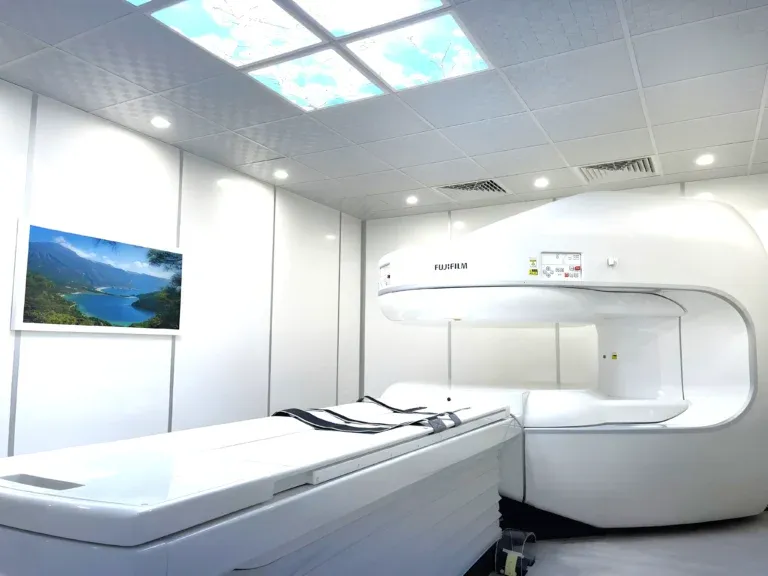
راهنمای کامل MRI در دبی
تنگی رسس جانبی: راهنمای سیتی اسکن
More in Diagnostic Imaging
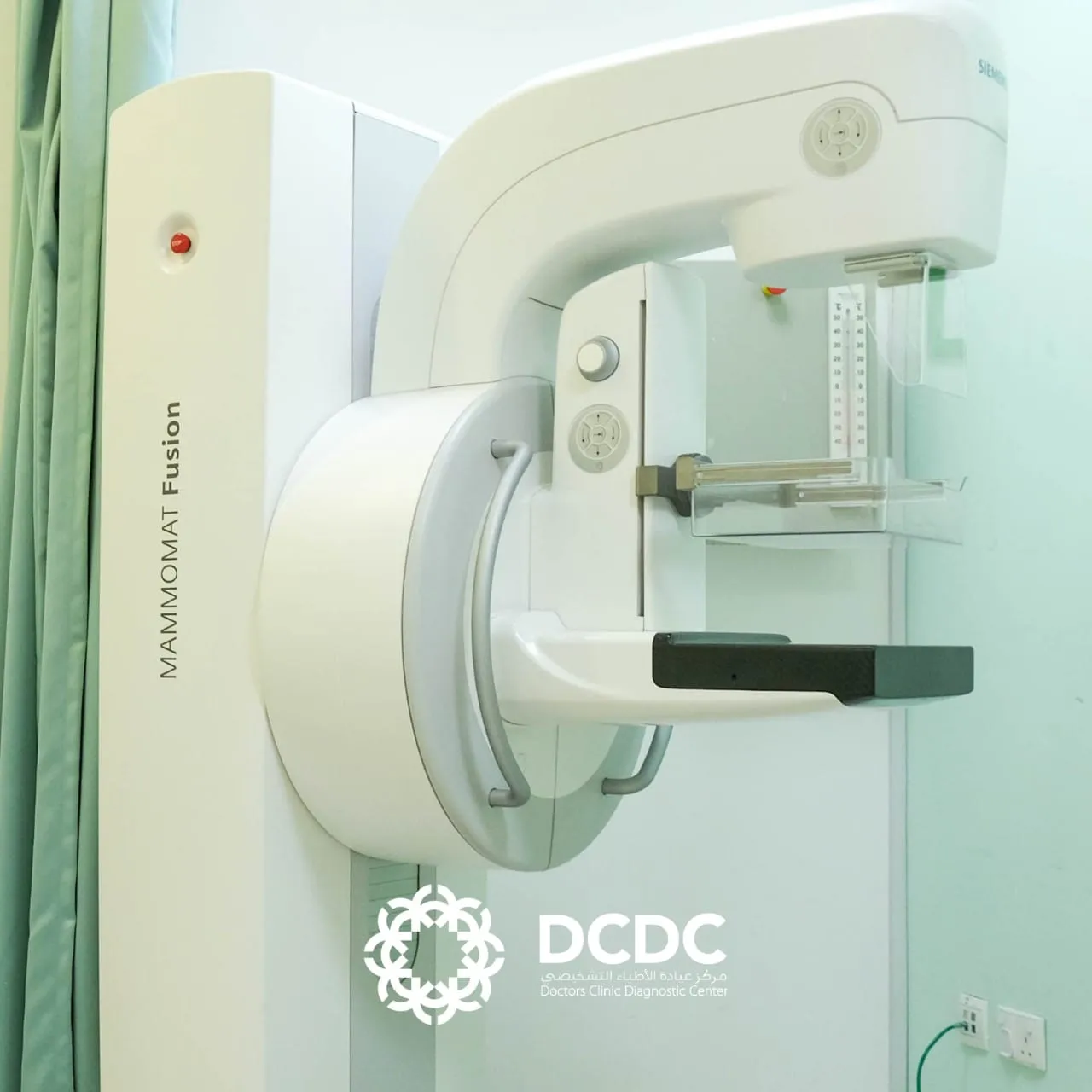
3D vs 2D Mammogram Dubai: Key Differences (2026)
بیشتر بخوانید
X-Ray at Home Dubai: Cost & Guide (2026)
بیشتر بخوانید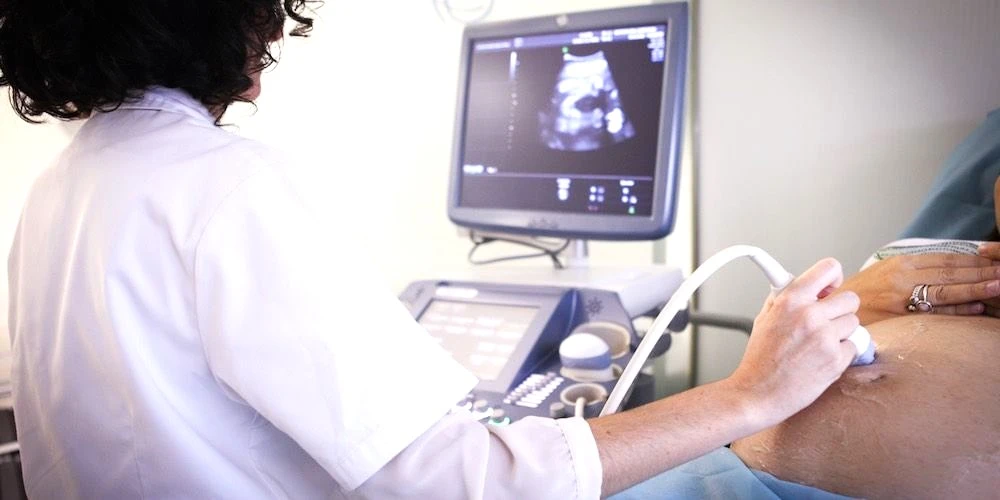
Ultrasound at Home Dubai: From AED 599 (2026)
بیشتر بخوانید
Neck MRI Dubai: What It Shows & Cost (2026)
بیشتر بخوانید
X-Ray Scan Dubai: Complete Guide (2026)
بیشتر بخوانید
MRI vs Ultrasound Dubai: Which Scan? (2026)
بیشتر بخوانید© 2026 Doctors Clinic Diagnostic Center (DCDC), Dubai Healthcare City. Originally published at https://doctorsclinicdubai.ae/blog/ct-scan-cost-dubai. All rights reserved. Unauthorized reproduction is prohibited.