
Termin vereinbaren
Verifizierte Patientenbewertungen des DCDC Diagnosezentrum in Dubai
Verifizierte Bewertungen und echte Patientenberichte aus Dubai Healthcare City
Ich bin sehr zufrieden mit dieser medizinischen Klinik. Ich hatte hier mein erstes Schwangerschaftsscreening. Es war erschwinglich und sehr professionell. Der Radiologe war einladend, freundlich und machte die Erfahrung großartig.
Aizhan Tokmanbetova
Am Freitagabend habe ich mir das Knie verletzt und am Sonntagabend einen MRT-Termin bekommen (am Sonntagnachmittag gebucht). Ich habe etwa 2 Minuten gewartet und war in etwas mehr als 30 Minuten fertig. Das Team war erstaunlich, freundlich und effizient.
Kirsten Evans
Das Team von Dr. Osama war sanft und erstaunlich. Nach einer schlechten Erfahrung anderswo war meine Beckenuntersuchung hier viel professioneller. Toller Bericht und sehr präzise.
Mary


Nephrologie-Klinik in Dubai: Nierenspezialist und Behandlung von Nierenerkrankungen
Fortschrittliche Nephrologie in Dubai Healthcare City

Nieren-Spezialisten
CKD, AKI, Steine, Bluthochdruck, Transplantationsnachsorge
Sicherheit zuerst
Medikamenten- und Elektrolytüberwachung
Versorgung am selben Tag
Nephrologie-Termine am selben Tag bei Verfügbarkeit
Ihre Nieren filtern Abfallstoffe, regulieren den Flüssigkeitshaushalt und schützen die allgemeine Gesundheit. Im Doctors Clinic Diagnostic Center in Dubai Healthcare City diagnostiziert und behandelt unsere Nephrologie-Klinik akute und chronische Nierenerkrankungen mit sorgfältiger Überwachung und klaren Behandlungsplänen. Unser Nierenspezialist in Dubai bietet umfassende Nierenerkrankungsbehandlung und nephrologische Beratung.
Wir behandeln CKD, AKI, Nierensteine, Bluthochdruck, Elektrolytstörungen und Transplantationsnachsorge. Früherkennung und leitlinienbasierte Versorgung helfen, das Fortschreiten der Krankheit zu verlangsamen und Komplikationen zu vermeiden.
In der Nähe von Oud Metha in Umm Hurair 2 gelegen, bietet unsere Nierenklinik bei Verfügbarkeit Nephrologie-Termine am selben Tag. Die Kapazität ist begrenzt, buchen Sie frühzeitig für Diagnostik, Medikamentensicherheit, Nierenernährung und engmaschige Nachsorge.
Nieren-Spezialisten
CKD, AKI, Steine, Bluthochdruck, Transplantationsnachsorge
Sicherheit zuerst
Medikamenten- und Elektrolytüberwachung
Versorgung am selben Tag
Nephrologie-Termine am selben Tag bei Verfügbarkeit
Nephrologie-Klinik in Dubai: Nierenspezialist und Behandlung von Nierenerkrankungen
Fortschrittliche Nephrologie in Dubai Healthcare City
Ihre Nieren filtern Abfallstoffe, regulieren den Flüssigkeitshaushalt und schützen die allgemeine Gesundheit. Im Doctors Clinic Diagnostic Center in Dubai Healthcare City diagnostiziert und behandelt unsere Nephrologie-Klinik akute und chronische Nierenerkrankungen mit sorgfältiger Überwachung und klaren Behandlungsplänen. Unser Nierenspezialist in Dubai bietet umfassende Nierenerkrankungsbehandlung und nephrologische Beratung.
Wir behandeln CKD, AKI, Nierensteine, Bluthochdruck, Elektrolytstörungen und Transplantationsnachsorge. Früherkennung und leitlinienbasierte Versorgung helfen, das Fortschreiten der Krankheit zu verlangsamen und Komplikationen zu vermeiden.
In der Nähe von Oud Metha in Umm Hurair 2 gelegen, bietet unsere Nierenklinik bei Verfügbarkeit Nephrologie-Termine am selben Tag. Die Kapazität ist begrenzt, buchen Sie frühzeitig für Diagnostik, Medikamentensicherheit, Nierenernährung und engmaschige Nachsorge.

Dr. Manish Tripathi
Unsere Leistungen entdecken
Umfassende nephrologie-klinik Leistungen im DCDC Dubai Healthcare City.

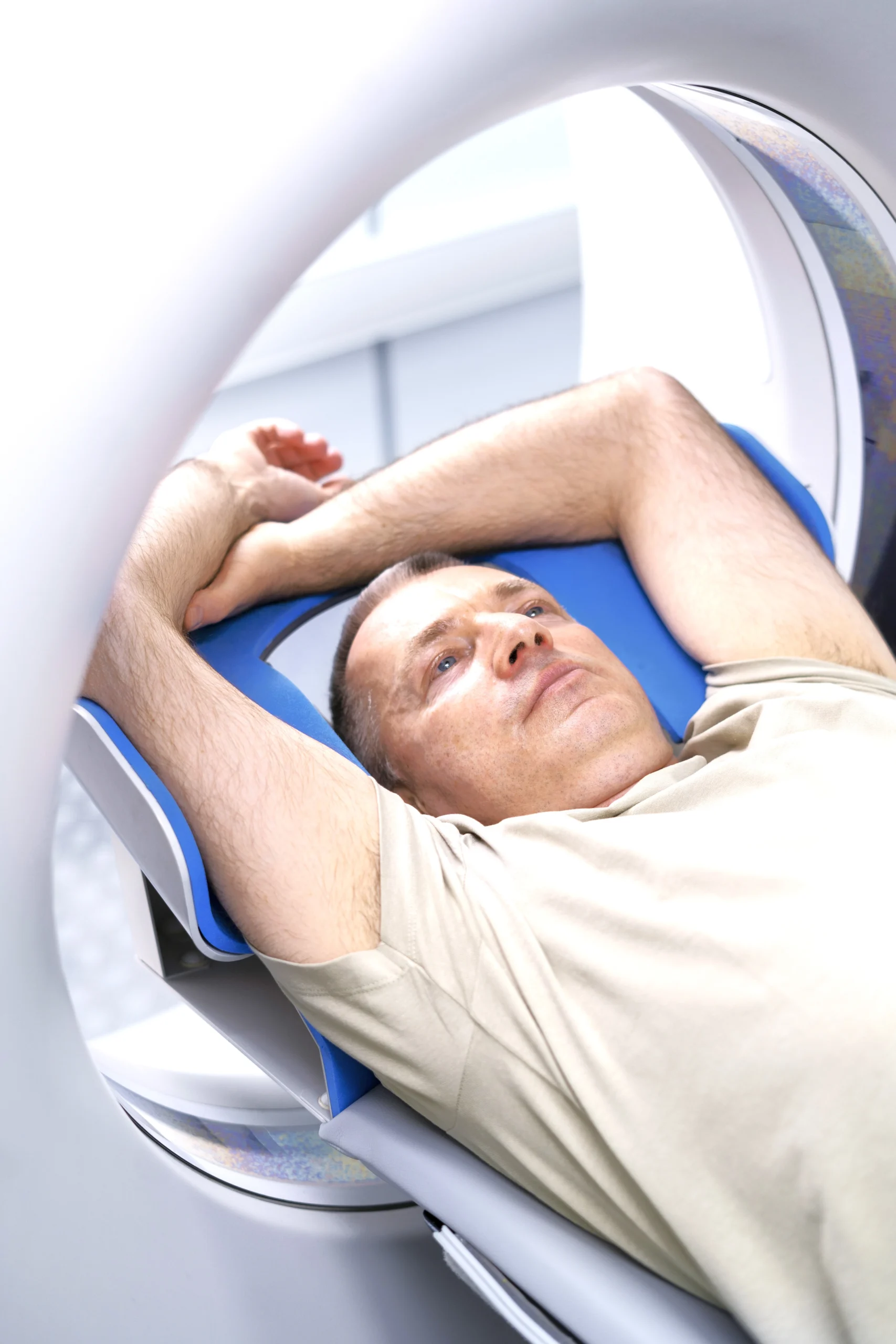

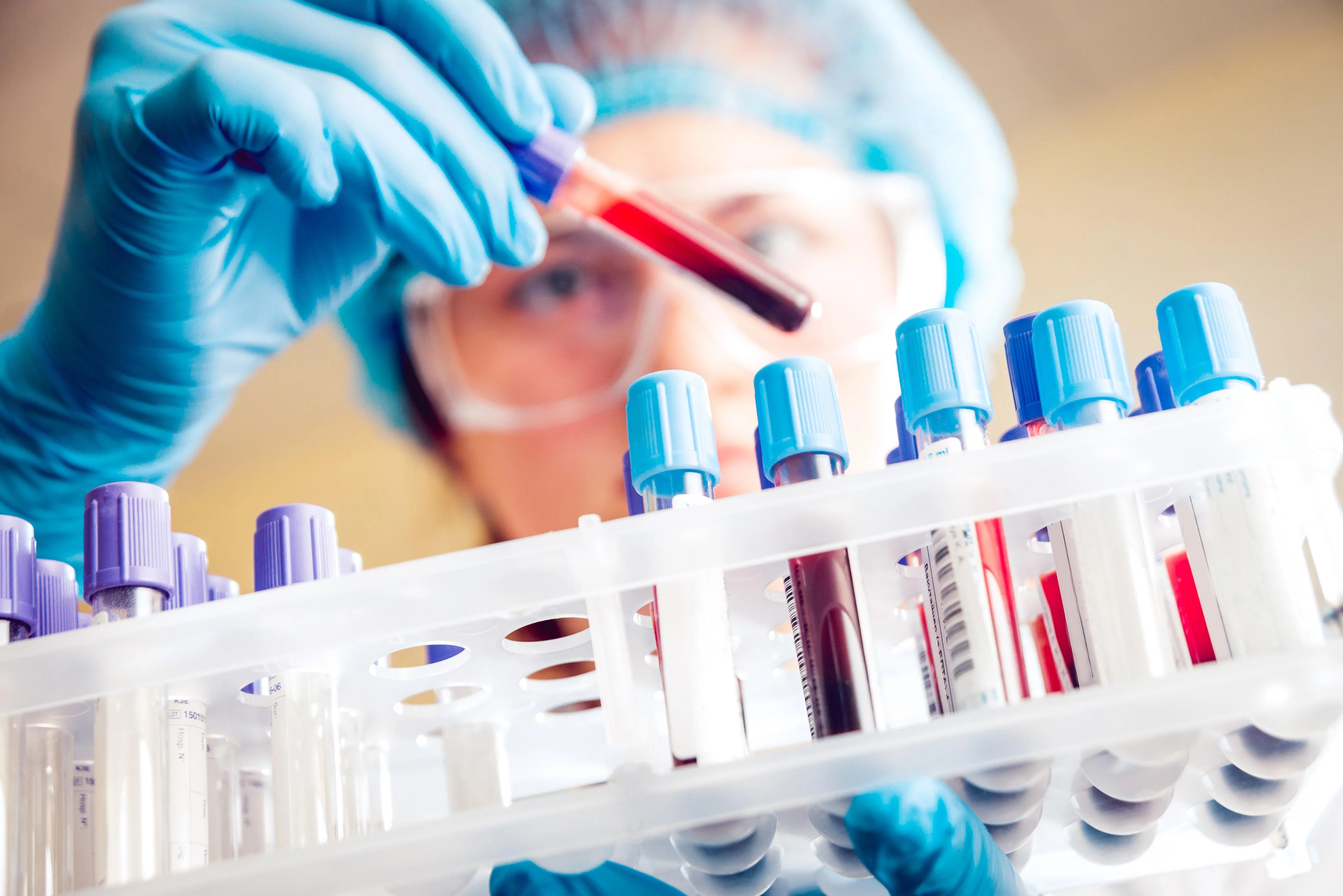
Alle Leistungen werden von DHA-lizenzierten Spezialisten durchgeführt
Für wen ist Nephrologie-Klinik geeignet?
Suchen Sie frühzeitig einen Nephrologen auf, wenn Sie Nieren-Risikofaktoren oder Warnsignale haben.
Bluthochdruck oder Diabetes
Familiengeschichte von Nierenerkrankungen
Wiederkehrende Nierensteine
Veränderungen der Urinfrequenz/-farbe
Schwellungen an Beinen oder Gesicht
Abnormale Nierenfunktionstests
Warum DCDC für Nephrologie in Dubai wählen?
MOHAP-lizenzierte Nephrologie-Klinik in Dubai Healthcare City mit erfahrenen Nierenspezialisten, leitlinienbasierter Versorgung und koordinierter Nachsorge. Termine am selben Tag oft verfügbar; begrenzte Kapazität.
MOHAP-lizenziert
Lizenzierte Einrichtung im DHCC (MOHAP-Lizenz NIMY7VY5-240925) mit strengen Sicherheitsstandards.
Nieren-Expertise
Spezialisten für CKD, AKI, Steine, Bluthochdruck und Transplantationsnachsorge.
Zugang am selben Tag
Nephrologie-Termine am selben Tag bei Verfügbarkeit; Priorität für dringende Fälle.
Leitlinien-Versorgung
Evidenzbasierte Behandlung, Medikamentensicherheit und Elektrolytüberwachung.
Versicherungs-Support
Deckungsberatung und transparente Abrechnung für Tests und Verfahren.
Erstklassige DHCC-Lage
Gebäude 64, Block A, Dubai Healthcare City mit einfachem Zugang und Parkplätzen.
Ihr angenehmer Besuch
Ein einfacher, schrittweiser Nephrologie-Klinik-Untersuchungsprozess für Komfort, Schnelligkeit und Genauigkeit.
Nephrologie-Gebühren
Die Nephrologie-Klinik-Preise in Dubai variieren je nach Leistungsart und Versicherungsdeckung für verschiedene Leistungstypen.
- Preise variieren je nach Untersuchungsart und Kontrastmittelbedarf
- Versicherungsdeckung akzeptiert mit Überweisung und Verifizierung
- Transparente Selbstzahlerpreise mit sofortigem Angebot auf Anfrage
Versicherungsverifizierung in Minuten • Keine versteckten Gebühren • Schnelle Antwort auf WhatsApp
Patientenratgeber
Was Sie bei Ihrer Nierenberatung erwartet
Gründliche Nierenbewertung, sichere Medikamentenüberprüfung und klarer Managementplan.
Versicherung & Standort
Versicherungspartner
- •Über 20 Versicherungsanbieter in Dubai einschließlich Daman, AXA, ADNIC und andere
- •Vorabgenehmigung-Unterstützung und Direktabrechnung (falls zutreffend)
- •Deckungsüberprüfung vor Ihrem Termin in unserer Klinik in Dubai Healthcare City
- •Transparente Preisgestaltung ohne versteckte Gebühren für nephrologie-klinik-Leistungen








Besuchen Sie uns in Dubai Healthcare City
Doctors Clinic Diagnostic Center
Gebäude 64, Block A, Al Razi Medical Complex, Dubai Healthcare City, Dubai, VAE
Nahe der Oud Metha Road · Einfacher Zugang von Bur Dubai, Downtown Dubai, Business Bay · Kostenlose Patientenparkplätze verfügbar
Öffnungszeiten
Mo-Do, Sa: 8:00 - 22:30 Uhr | So: 8:30 - 22:30 Uhr | Fr: 9:00 - 22:00 Uhr
So funktioniert die Versicherung bei DCDC
Deckung prüfen
Überprüfen Sie, ob Ihr Plan Nephrologie-Klinik abdeckt
Überweisung erhalten
Einige Versicherer verlangen eine Überweisung — wir helfen Ihnen gerne
Vorab-Genehmigung
Wir übernehmen die Vorab-Genehmigung direkt mit Ihrem Versicherer
Direktabrechnung
Keine Vorauszahlung — wir rechnen direkt mit Ihrem Versicherer ab
Nur Eigenanteil
Sie zahlen nur den anfallenden Eigenanteil in der Klinik
Deckung prüfen
Überprüfen Sie, ob Ihr Plan Nephrologie-Klinik abdeckt
Überweisung erhalten
Einige Versicherer verlangen eine Überweisung — wir helfen Ihnen gerne
Vorab-Genehmigung
Wir übernehmen die Vorab-Genehmigung direkt mit Ihrem Versicherer
Direktabrechnung
Keine Vorauszahlung — wir rechnen direkt mit Ihrem Versicherer ab
Nur Eigenanteil
Sie zahlen nur den anfallenden Eigenanteil in der Klinik
Your Specialist
Dr. Manish Tripathi
Specialist Nephrologist
MD, Specialist Nephrologist
English · Hindi
Patientenratgeber
Nierengesundheit verstehen: Warum Nephrologie wichtig ist
Die Nieren sind zwei faustgroße Organe, die sich auf beiden Seiten der Wirbelsäule, direkt unter dem Brustkorb, befinden. Trotz ihrer kleinen Größe erfüllen sie lebenswichtige Funktionen. Jede Niere enthält etwa eine Million kleine Filtereinheiten, die sogenannten Nephrone, die kontinuierlich arbeiten, um Abfallprodukte, überschüssige Flüssigkeiten und Toxine aus dem Blut zu entfernen. Die Nieren regulieren auch den Blutdruck, balancieren Elektrolyte und aktivieren Vitamin D für die Knochengesundheit.
Chronische Nierenerkrankungen sind in den VAE ein wachsendes Problem der öffentlichen Gesundheit, das hauptsächlich durch die hohe Prävalenz von Diabetes und Bluthochdruck in der Bevölkerung angetrieben wird. CKD wird in fünf Stadien basierend auf der glomerulären Filtrationsrate (GFR) klassifiziert. Die Stadien 1 und 2 beinhalten leichte Nierenschäden mit normaler oder nahezu normaler Funktion. Die Stadien 3 und 4 stellen eine moderate bis schwere Reduzierung der Nierenfunktion dar und Stadium 5 ist Nierenversagen.
Nierensteine betreffen einen erheblichen Anteil der Dubaier Bevölkerung, wobei das heiße Klima der Region und häufige Ernährungsmuster zu höheren Steinbildungsraten beitragen. Nierensteine entstehen, wenn Mineralien und Salze im Urin kristallisieren und harte Ablagerungen bilden, die beim Passieren der Harnwege starke Schmerzen verursachen können.
Die Beziehung zwischen Nieren und Herzgesundheit ist eine der wichtigsten Verbindungen in der Medizin. Patienten mit chronischer Nierenerkrankung haben ein deutlich erhöhtes Risiko für Herzinfarkt, Schlaganfall und Herzversagen. Bei DCDC verstehen unsere Nephrologen diese bidirektionale Beziehung und arbeiten eng mit Kardiologen und Internisten zusammen, um sowohl Nieren- als auch Herzgesundheit gleichzeitig anzugehen.
Nierenerkrankungen, die wir behandeln
Chronische Nierenerkrankung (CKD)
Umfassendes Management aller CKD-Stadien einschließlich Medikamentenoptimierung, Ernährungsberatung, Blutdruckkontrolle und Überwachung zur Verlangsamung der Progression und Erhaltung der verbleibenden Nierenfunktion.
Akute Nierenverletzung (AKI)
Schnelle Evaluation und Behandlung des plötzlichen Rückgangs der Nierenfunktion durch Dehydration, Medikamentenwirkungen, Infektionen oder andere akute Zustände, mit Überwachung zur Sicherstellung der vollständigen Genesung.
Nierensteine
Diagnose, akutes Management, Steinzusammensetzungsanalyse, metabolische Abklärung zur Identifizierung von Bildungsursachen und personalisierte Präventionspläne zur Reduzierung des Rezidivrisikos.
Bluthochdruck-bedingte Nierenerkrankung
Management von Bluthochdruck als Ursache und Folge der Nierenerkrankung mit nierenschützenden Medikamenten und Lebensstilanpassungen zur Unterbrechung des Schadenszyklus.
Diabetische Nephropathie
Spezialisierte Überwachung und Behandlung von durch Diabetes verursachten Nierenschäden, einschließlich Früherkennung durch Mikroalbuminscreening und Koordination mit Diabetesmanagementteams.
Harnwegsinfektionen
Behandlung komplexer, wiederkehrender oder oberer Harnwegsinfektionen einschließlich Pyelonephritis, mit Untersuchung der Grundursachen und Präventionsstrategien.
Verwandte Artikel
Nierengesundheit: Präventionstipps und frühe Warnsignale
Wesentliche Anleitungen zum Schutz Ihrer Nierengesundheit durch Lebensstilentscheidungen, Frühzeitscreening und die Erkennung von Warnzeichen für Nierenerkrankungen.
Renale Doppler-Ultraschalluntersuchung zur Nierenbewertung
Wie renaler Doppler-Ultraschall den Blutfluss zu den Nieren bewertet und bei der Diagnose von Erkrankungen wie Nierenarterienstenose und Nierenerkrankungen hilft.
Diabetesmanagement in Dubai
Verstehen, wie effektives Diabetesmanagement die Nierenfunktion schützt und das Risiko der Entwicklung einer diabetischen Nephropathie reduziert.
Bluthochdruck: der stille Killer
Wie unkontrollierter Bluthochdruck die Nieren im Laufe der Zeit schädigt und warum regelmäßiges Monitoring für die Prävention von Nierenerkrankungen unerlässlich ist.
Verwandte Leistungen
Entdecken Sie weitere Diagnose- und Beratungsleistungen in unserer Klinik in Dubai Healthcare City.
Häufig gestellte Fragen
Häufige Fragen zu Nephrologie-Klinik in Dubai.
Ein Nephrologe ist ein Arzt, der sich auf die Nierenversorgung und Behandlung von Nierenerkrankungen spezialisiert hat.
Diabetes ist die häufigste Ursache für Nierenerkrankungen. Ein Nephrologe kann die Nierenfunktion überwachen und Schäden vorbeugen.
Akute Nierenverletzung ist oft reversibel. Chronische Nierenerkrankung ist nicht umkehrbar, aber ihr Fortschreiten kann durch Behandlung erheblich verlangsamt werden.
Ausreichend Wasser trinken, Salzaufnahme reduzieren und Ernährungsumstellungen basierend auf der Steinart sind die wichtigsten Präventionsmaßnahmen.
Routine-Bluttests (Kreatinin, GFR) und Urintests (Protein/Albumin) sind die wichtigsten Methoden zur Überprüfung der Nierenfunktion.
Wichtige Fakten
Medizinische Aufsicht
Alle Leistungen werden unter Aufsicht lizenzierter medizinischer Fachkräfte in unserer MOHAP-akkreditierten Einrichtung erbracht.