Wichtigste Erkenntnisse
- PRP-Therapie kostet 1.500-3.000 AED pro Sitzung und beschleunigt die Heilung bei vielen Verletzungen um 20-30%
- Nicht jeder Kreuzbandriss erfordert eine Operation: Teilrisse und Personen mit geringerer Aktivität können allein durch Rehabilitation genesen
- Genesungszeiten: Muskelzerrungen 2-6 Wochen, Sehnenverletzungen 6-12 Wochen, chirurgische Rekonstruktion 6-9 Monate
- Suchen Sie einen Arzt auf, wenn Sie nicht belasten können, ein Knacken gehört haben oder deutliche Schwellung oder Instabilität vorliegt
- PRP fördert die tatsächliche Gewebeheilung; Kortison reduziert nur vorübergehend die Entzündung
- Zu frühe Rückkehr zum Sport ist die häufigste Ursache für erneute Verletzungen - lassen Sie sich zuerst von Ihrem Physiotherapeuten freigeben
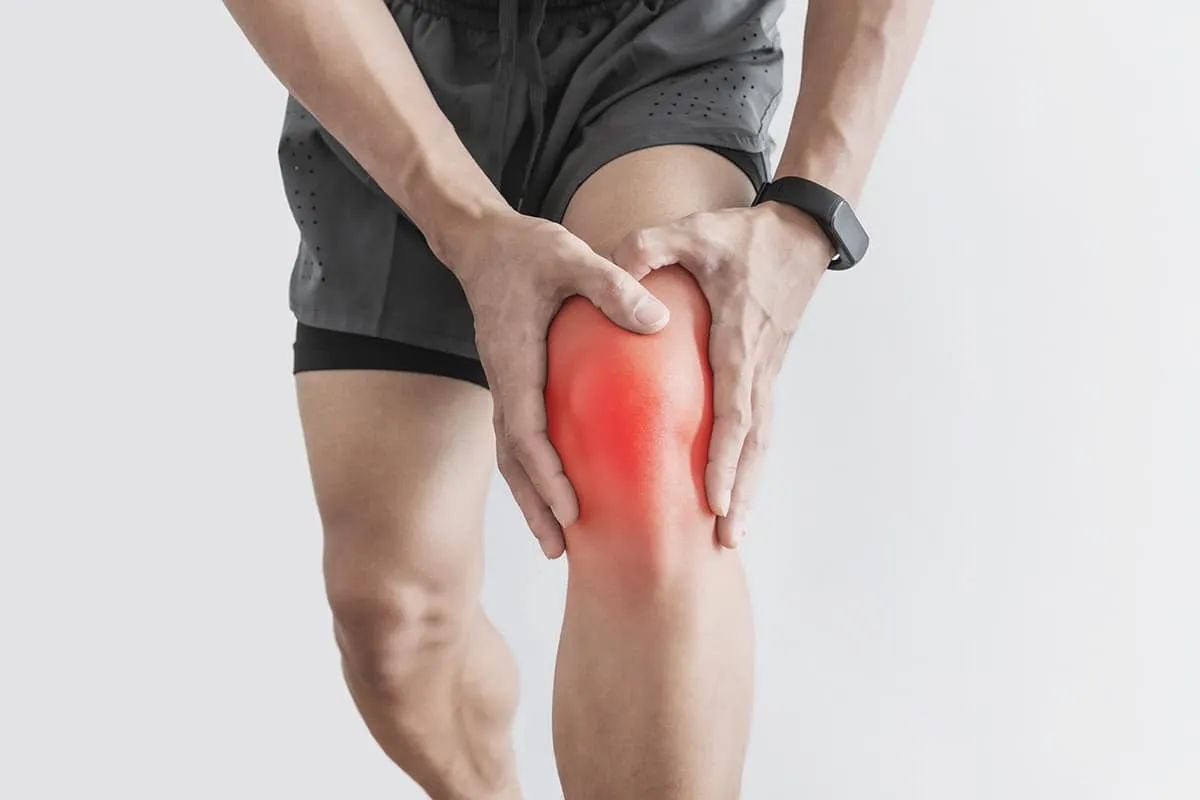
Sie haben während Ihres Padel-Spiels etwas knacken gehört. Jetzt schwillt Ihr Knie an und Sie fragen sich: Ist das ernst? Werde ich eine Operation brauchen? Kann ich in einem Monat wieder spielen? Sportverletzungen sind in Dubais aktiver Gemeinschaft unglaublich häufig, und die richtige Behandlung frühzeitig macht den entscheidenden Unterschied, wie schnell und vollständig Sie sich erholen.
Die häufigsten Sportverletzungen in Dubai
Dubais einzigartige Sportkultur führt zu spezifischen Verletzungsmustern. Ob Sie Teil des Padel-Booms sind, mit Kollegen Fußball spielen, ins Fitnessstudio gehen oder entlang der Marina joggen - bestimmte Verletzungen treten immer wieder auf:
Knieverletzungen
- Kreuzbandrisse: Häufig bei Fußball, Padel und Basketball, meist durch Drehbewegungen oder Landungen
- Meniskusrisse: Treten oft bei Drehbewegungen auf; können zusammen mit Kreuzbandrissen auftreten
- Patellasehnenentzündung ("Springerknie"): Überlastungsverletzung durch wiederholtes Springen und Laufen
- Läuferknie: Schmerzen um die Kniescheibe, häufig bei Läufern und Radfahrern
Schulterverletzungen
- Rotatorenmanschettenrisse: Durch Überkopfsportarten, Gewichtheben oder Stürze
- Schulterimpingement: Einklemmung von Sehnen bei Armhebung
- SLAP-Läsionen: Labrumverletzungen häufig bei Wurfsportarten
- Schulterinstabilität: Wiederholte Ausrenkungen, besonders bei Kontaktsportarten
Ellbogen- und Armverletzungen
- Tennisarm: Trotz des Namens häufiger durch Fitnesstraining und Padel
- Golferarm: Schmerzen an der Innenseite des Ellbogens durch wiederholtes Greifen
- Bizeps- und Trizepszerrungen: Meist durch Krafttraining
Unterschenkel- und Fußverletzungen
- Knöchelverstauchungen: Die häufigste Sportverletzung überhaupt
- Achillessehnenentzündung: Überlastungsverletzung häufig bei Läufern
- Plantarfasziitis: Fersenschmerzen durch Laufen oder falsches Schuhwerk
- Wadenzerrungen: Häufig bei Sportlern mittleren Alters, die zum Sport zurückkehren
Wussten Sie schon? Knöchelverstauchungen machen bis zu 30% aller Sportverletzungen aus, und ohne richtige Rehabilitation entwickeln 40% der Betroffenen eine chronische Instabilität, die zu wiederholten Verstauchungen führt. (Quelle: British Journal of Sports Medicine)
PRP-Therapie verstehen
Plättchenreiches Plasma (PRP) ist eine der aufregendsten Entwicklungen in der Sportmedizin. So funktioniert es und wann es hilft:
Wie PRP funktioniert
- Blutentnahme: Etwa 30-60 ml Blut werden aus Ihrem Arm entnommen (wie bei einer Blutuntersuchung)
- Verarbeitung: Das Blut wird 10-15 Minuten in einer Zentrifuge gesponnen, um die Bestandteile zu trennen
- Konzentration: Die Blutplättchen werden auf das 5-10-fache des normalen Niveaus konzentriert
- Injektion: Das konzentrierte Plasma wird in den verletzten Bereich injiziert, oft ultraschallgesteuert
Blutplättchen enthalten Hunderte von Proteinen, sogenannte Wachstumsfaktoren, die natürlich die Heilung auslösen. Indem wir diese am Verletzungsort konzentrieren, verstärken wir im Wesentlichen den körpereigenen Reparaturprozess.
Was PRP am besten behandelt
- Chronische Sehnenverletzungen: Tennisarm, Golferarm, Patellasehnenentzündung, Achillessehnenentzündung
- Muskelverletzungen: Oberschenkelzerrungen, Wadenrisse
- Bandverletzungen: Teilrisse, chronische Verstauchungen
- Leichte Arthrose: Knie- und Hüftgelenkdegeneration
Was nach PRP zu erwarten ist
- Tage 1-5: Verstärkte Schmerzen und Schwellung (dies ist die Aktivierung der Heilungsreaktion)
- Wochen 2-4: Allmähliche Verbesserung mit Beginn der Gewebereparatur
- Wochen 4-8: Deutliche Verbesserung bei den meisten Patienten
- Monate 2-3: Volle Wirkung erreicht; einige Patienten benötigen zusätzliche Injektionen
PRP-Behandlungskosten in Dubai (2025)
| Behandlung | Preisspanne (AED) |
|---|---|
| Einzelne PRP-Injektion | 1.500 - 3.000 |
| 3-Sitzungen-Paket | 4.000 - 7.500 |
| Ultraschallgeführte PRP | 2.000 - 3.500 |
| Sportmedizinische Beratung | 300 - 500 |
Wann ist eine Operation notwendig?
Die gute Nachricht: Viele Sportverletzungen heilen ohne Operation. Aber einige Situationen erfordern einen chirurgischen Eingriff:
Operation meist erforderlich
- Komplette Kreuzbandrisse bei aktiven Sportlern: Für die Rückkehr zu Drehsportarten
- Große Rotatorenmanschettenrisse: Durchgehende Risse, die nicht von selbst heilen können
- Signifikante Meniskusrisse: Besonders "Korbhenkel"-Risse, die zu Blockierungen führen
- Kompletter Achillessehnenriss: Bei aktiven Personen, die zum Sport zurückkehren möchten
- Verschobene Frakturen: Knochen, die neu ausgerichtet werden müssen
Operation oft vermeidbar
- Teilweise Kreuzbandrisse: Viele heilen mit Physiotherapie und Schienen
- Kleine Rotatorenmanschettenrisse: Besonders bei älteren Erwachsenen mit geringeren Aktivitätsanforderungen
- Tennisarm: Reagiert in den meisten Fällen gut auf PRP und Physiotherapie
- Chronische Tendinopathien: Werden meist zunächst nicht-operativ behandelt
Forschungserkenntnis: Studien zeigen, dass 60-70% der Patienten mit Teilrissen des Kreuzbandes durch ein strukturiertes Rehabilitationsprogramm ohne Operation zum Sport zurückkehren können, obwohl komplette Risse bei Sportlern typischerweise eine Rekonstruktion erfordern. (Quelle: American Journal of Sports Medicine)
Genesungszeiten: Was Sie realistisch erwarten können
Eine der häufigsten Fragen lautet: "Wie lange, bis ich wieder spielen kann?" Hier ist ein realistischer Leitfaden:
| Verletzung | Konservativ | Nach Operation |
|---|---|---|
| Knöchelverstauchung (Grad 2) | 4-6 Wochen | N/A (selten OP) |
| Oberschenkelzerrung (Grad 2) | 4-8 Wochen | N/A |
| Tennisarm | 6-12 Wochen | 3-6 Monate |
| Rotatorenmanschettenriss | 8-12 Wochen (teilweise) | 4-6 Monate |
| Kreuzbandriss | 3-6 Monate (eingeschränkter Sport) | 6-9 Monate |
| Achillessehnenriss | 6-9 Monate | 6-9 Monate |
Zeiten variieren individuell. Die Rückkehr zum Sport erfordert Funktionstests, nicht nur verstrichene Zeit.
Der Rehabilitationsprozess
Ob mit oder ohne Operation - Rehabilitation ist der Schlüssel zur erfolgreichen Genesung. Ein vorzeitiger Abbruch der Reha ist die häufigste Ursache für erneute Verletzungen.
Phase 1: Schutz (Tage bis Wochen)
- Schwellung kontrollieren (Eis, Kompression, Hochlagerung)
- Verletzung schützen (Schiene, Krücken bei Bedarf)
- Beweglichkeit innerhalb sicherer Grenzen erhalten
Phase 2: Kräftigung (Wochen bis Monate)
- Schrittweise Belastung der verletzten Struktur
- Volle Beweglichkeit wiederherstellen
- Muskelkraft und Ausdauer aufbauen
Phase 3: Rückkehr zum Sport (Wochen bis Monate)
- Sportspezifische Übungen mit steigender Intensität
- Beweglichkeits-, Plyometrie- und Krafttraining
- Funktionstests vor vollständiger Freigabe bestehen
Wann Sie ärztliche Hilfe suchen sollten
Warnzeichen, die eine Untersuchung erfordern:
- Unfähigkeit, die verletzte Extremität zu belasten
- Sichtbare Deformität oder erhebliche Schwellung
- Ein "Knacken" zum Zeitpunkt der Verletzung gehört oder gespürt
- Gelenk fühlt sich instabil an oder gibt nach
- Taubheit oder Kribbeln
- Schmerzen bessern sich nach 5-7 Tagen Ruhe nicht
Verletzt? Erhalten Sie fachkundige Sportmedizinische Versorgung
Im Doctors Clinic Diagnostic Center in Dubai Healthcare City ist unser Orthopädie-Team auf Sportverletzungen spezialisiert. Wir bieten umfassende Untersuchungen, MRT-Bildgebung vor Ort und PRP-Therapie, um Sie sicher zu Ihrem Sport zurückzubringen.
Verwandte Leistungen im DCDC
Fachkundige Betreuung und moderne Diagnostik in Dubai Healthcare City
Frequently Asked Questions
Fazit
Sportverletzungen sind ein häufiger Teil des aktiven Lebens in Dubai, aber die richtige Behandlung und Rehabilitation machen den entscheidenden Unterschied bei Ihrer Genesung. Ob Sie PRP-Therapie, Physiotherapie oder eine Operation benötigen - eine frühe richtige Diagnose verhindert Langzeitkomplikationen und bringt Sie schneller zu Ihrem Sport zurück.
Denken Sie daran: Zu frühe Rückkehr zum Sport ist die Hauptursache für erneute Verletzungen. Arbeiten Sie mit Ihrem medizinischen Team zusammen, folgen Sie Ihrem Rehabilitationsprogramm und lassen Sie sich ordnungsgemäß freigeben, bevor Sie die volle Aktivität wieder aufnehmen. Ihre zukünftige sportliche Leistung hängt davon ab, wie gut Sie sich jetzt erholen.
Quellen und Referenzen
Dieser Artikel wurde von unserem medizinischen Team überprüft und bezieht sich auf folgende Quellen:
- Dubai Sports Council - Sportlergesundheit und Verletzungsprävention
- Dubai Health Authority - Sportmedizinische Standards
- UAE Gesundheitsministerium - Rehabilitationsrichtlinien
- American Academy of Orthopaedic Surgeons - PRP-Richtlinien
- British Journal of Sports Medicine - Regenerative Medizin
Medizinische Inhalte auf dieser Website werden von DHA-lizenzierten Ärzten überprüft. Siehe unsere redaktionelle Richtlinien für weitere Informationen.
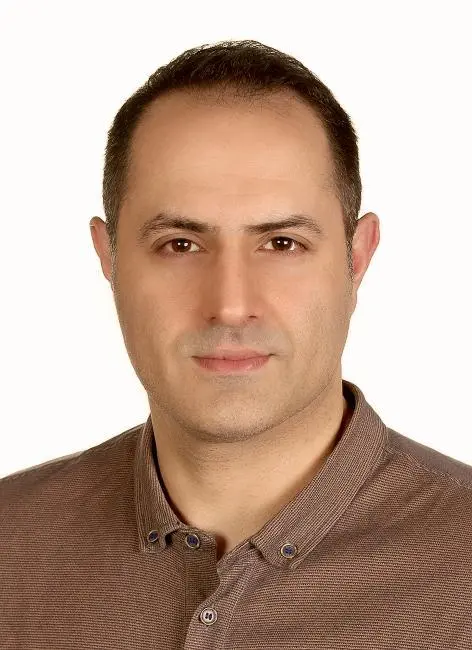
Verfasst von
Dr. Mersad Moosavi
Facharzt für Orthopädische Chirurgie
Dr. med., Fellowship in Sportmedizin
Dr. Mersad Moosavi ist Facharzt für Orthopädische Chirurgie, spezialisiert auf Sportverletzungen, Gelenkerhaltung und regenerative Medizin. Er behandelt Sportler vom Hobbysportler bis zum Profi im DCDC Dubai Healthcare City.
Verwandte Artikel
Rückenschmerzen: Ursachen, Behandlung & Wann ein MRT nötig ist
Vollständiger Leitfaden zur MRT-Untersuchung in Dubai
Executive Health Checkup: Fit bleiben in jedem Alter
More in Orthopedics
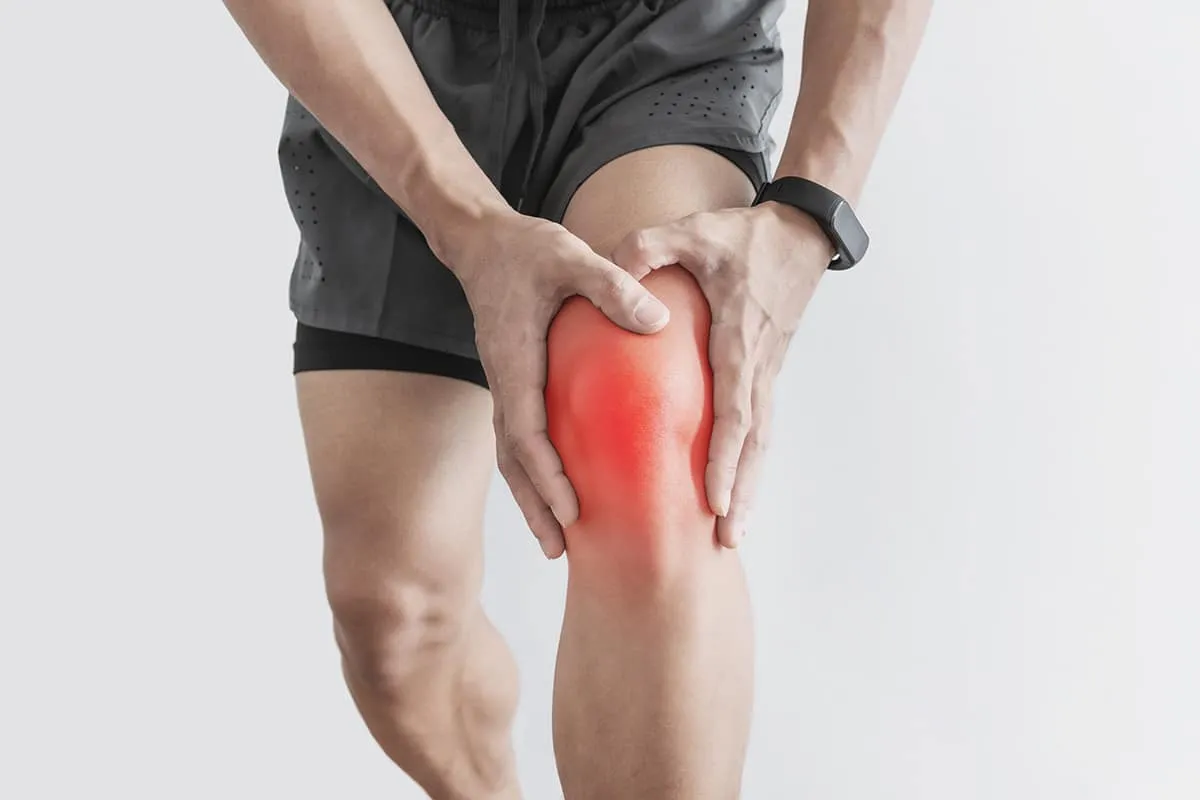
PRP Knee Injection Dubai: Cost & Guide (2026)
Weiterlesen
Orthopedic Consultation Cost Dubai (2026)
WeiterlesenACL Reconstruction Surgery in Dubai: Cost (2026)
Weiterlesen
Best Orthopedic Surgeon in Dubai: Dr. Mersad Moosavi at DCDC (2026)
WeiterlesenIranian Orthopedic Surgeon in Dubai: Dr. Mersad Moosavi at DCDC (2026)
WeiterlesenKnee Replacement Surgery in Dubai: Cost, Recovery & Best Surgeon (2026)
Weiterlesen© 2026 Doctors Clinic Diagnostic Center (DCDC), Dubai Healthcare City. Originally published at https://doctorsclinicdubai.ae/blog/sports-injury-recovery-dubai. All rights reserved. Unauthorized reproduction is prohibited.