Wichtigste Erkenntnisse
- PRP (platelet-rich plasma) therapy uses your own blood platelets to stimulate joint tissue healing and reduce inflammation
- PRP treatment in Dubai costs from AED 1,500 per session, with most patients needing 1-3 sessions for optimal results
- Clinical evidence is strongest for PRP in mild-to-moderate knee osteoarthritis, where it outperforms cortisone and hyaluronic acid at 12 months
- The procedure takes 30-45 minutes, requires no general anaesthesia, and most patients return to daily activities within 24-48 hours
- Results from PRP injections are not immediate: most patients notice meaningful improvement at 4-6 weeks, with peak benefit at 3-6 months
- PRP is not a cure for advanced joint damage. Patients with bone-on-bone arthritis are better served by joint replacement surgery
- Side effects are minimal because PRP uses your own blood, eliminating the risk of allergic reaction or rejection
Joint pain is one of the most common reasons patients visit our orthopedic clinic, and an increasing number are asking about PRP treatment in Dubai as an alternative to surgery or long-term medication. Platelet-rich plasma therapy has moved from experimental to mainstream over the past decade, and for good reason: it offers a biological approach to healing that works with your body rather than masking symptoms. Our PRP Therapy service at DCDC offers same-day consultations in Dubai Healthcare City.
This guide covers everything you need to know about PRP injections for joints: how the treatment works, which conditions respond best, what the evidence says, how much it costs in Dubai, and what to realistically expect during recovery. It is written for patients considering PRP and want clear, honest information before making a decision.
What Is PRP Treatment? How Platelet-Rich Plasma Works
PRP stands for platelet-rich plasma. It is a concentrated solution derived from your own blood that contains a high concentration of platelets, typically 3-5 times the normal level. Platelets are best known for blood clotting, but they also contain hundreds of growth factors and signalling proteins that play critical roles in tissue repair and regeneration.
The science behind PRP treatment is straightforward. When tissue is injured, your body sends platelets to the damaged area. These platelets release growth factors including platelet-derived growth factor (PDGF), transforming growth factor beta (TGF-B), vascular endothelial growth factor (VEGF), and insulin-like growth factor (IGF-1). These proteins recruit stem cells, stimulate collagen production, promote new blood vessel formation, and modulate inflammation. PRP therapy concentrates this natural healing cascade and delivers it directly to the affected joint.
The preparation process involves drawing a small amount of blood (typically 15-30 ml), spinning it in a centrifuge to separate the components, and extracting the platelet-rich layer. This concentrated solution is then injected into the affected joint under ultrasound guidance for precision. The entire process from blood draw to injection takes approximately 30-45 minutes.
Joint Conditions Treated with PRP in Dubai
PRP therapy is not a one-size-fits-all treatment. The evidence supporting its use varies significantly depending on the condition being treated. Understanding where PRP works best helps set realistic expectations and ensures you invest in a treatment that is likely to benefit you.
- Knee osteoarthritis (mild to moderate): The strongest evidence for PRP in joints. Multiple meta-analyses show PRP outperforms hyaluronic acid and cortisone injections for pain relief and functional improvement at 6-12 months
- Rotator cuff tendinopathy: Good evidence for partial tears and chronic tendinitis of the shoulder. PRP can reduce pain and improve function, potentially avoiding or delaying surgery
- Tennis elbow (lateral epicondylitis): Strong evidence supporting PRP over cortisone injections, particularly for chronic cases that have not responded to physiotherapy
- Achilles tendinopathy: Moderate evidence, particularly for mid-portion Achilles tendon problems in athletes and active individuals
- Plantar fasciitis: Emerging evidence shows PRP may provide longer-lasting relief than cortisone for chronic plantar fasciitis resistant to conservative treatment
- Hip osteoarthritis: Growing evidence, though not as robust as knee studies. PRP may delay the need for hip replacement in early-stage disease
- Ankle sprains and ligament injuries: Some evidence for chronic ankle instability and ligament healing, though more research is needed
- Meniscus tears: Limited but promising evidence for small degenerative meniscus tears, potentially avoiding arthroscopic surgery in select patients
Our joint pain management team at DCDC evaluates each patient individually to determine whether PRP is the most appropriate treatment option or whether other approaches would be more effective.
PRP Injection vs Cortisone vs Hyaluronic Acid: Which Is Best?
This is the question we hear most often. Patients want to know how PRP compares to the two other common injection options for joint pain. Each has distinct advantages and limitations, and the best choice depends on your specific condition, timeline, and goals.
| Factor | PRP Injection | Cortisone Injection | Hyaluronic Acid (Viscosupplementation) |
|---|---|---|---|
| How it works | Stimulates tissue repair using your own growth factors | Reduces inflammation by suppressing immune response | Lubricates the joint and reduces friction |
| Onset of relief | 4-6 weeks (gradual improvement) | 2-7 days (rapid relief) | 2-4 weeks (gradual) |
| Duration of benefit | 6-12+ months | 4-8 weeks (diminishing effect) | 4-6 months |
| Repeat injections | 1-3 sessions, 2-4 weeks apart | Limited to 3-4 per year (cartilage damage risk) | 3-5 weekly injections per course |
| Effect on cartilage | May promote repair and slow degeneration | Can accelerate cartilage breakdown with repeated use | Neutral; does not repair or damage cartilage |
| Best for | Mild-moderate osteoarthritis, tendon injuries, long-term management | Acute flare-ups, severe inflammation, short-term relief | Moderate osteoarthritis, patients who want lubrication without steroids |
| Cost per session in Dubai | From AED 1,500 | AED 400-800 | AED 800-2,000 |
Comparison of joint injection options available in Dubai. Costs are approximate market ranges.
A key finding from a 2021 meta-analysis published in the Journal of Clinical Orthopaedics and Trauma is that while cortisone provides faster initial relief, PRP consistently outperforms both cortisone and hyaluronic acid at the 6-month and 12-month marks for knee osteoarthritis. This means PRP is the better long-term investment for patients with chronic joint conditions. For patients dealing with sports-related joint injuries, our guide on sports injury recovery in Dubai provides additional context on treatment pathways.
PRP Treatment Cost in Dubai: What to Expect
PRP treatment pricing in Dubai varies based on the clinic, the preparation method, the number of sessions required, and whether the injection is ultrasound-guided. Here is a breakdown of typical costs you can expect.
| Service | DCDC Price | Dubai Market Range |
|---|---|---|
| Single PRP injection (per session) | From AED 1,500 | AED 1,500-4,000 |
| Course of 3 PRP sessions | From AED 4,000 | AED 4,000-10,000 |
| Initial orthopedic consultation | From AED 300 | AED 300-800 |
| Ultrasound-guided injection (additional) | Included at DCDC | AED 200-500 (at some clinics) |
PRP treatment pricing at DCDC vs Dubai market averages. All prices are indicative and subject to individual assessment.
Several factors affect the total cost of PRP treatment. The number of sessions needed (typically 1-3 for joint injections), whether you require imaging beforehand (X-ray or MRI to assess joint condition), the preparation system used (different centrifuge systems yield different platelet concentrations), and whether the injection is performed under ultrasound guidance all contribute to the final price. At DCDC, we include ultrasound guidance as standard because it significantly improves injection accuracy.
Insurance coverage for PRP varies in Dubai. Some comprehensive insurance plans cover PRP when prescribed by a specialist for documented joint conditions, while many plans still classify it as elective or experimental. We recommend checking with your insurer before treatment. Our team can provide a detailed treatment plan and cost estimate during your initial consultation.
The PRP Injection Procedure: Step by Step
Understanding exactly what happens during a PRP session helps reduce anxiety and ensures you are properly prepared. Here is the step-by-step process as performed at DCDC.
- Step 1 - Consultation and assessment: Your orthopedic specialist reviews your medical history, imaging results, and physical examination findings to confirm PRP is appropriate for your condition
- Step 2 - Blood draw: A small amount of blood (15-30 ml, similar to a standard blood test) is drawn from your arm using standard venipuncture
- Step 3 - Centrifuge processing: Your blood sample is placed in a specialised centrifuge and spun for 10-15 minutes. This separates the blood into three layers: red blood cells at the bottom, a thin platelet-rich plasma layer in the middle, and platelet-poor plasma on top
- Step 4 - PRP extraction: The platelet-rich layer is carefully extracted using sterile technique. This concentrated solution typically contains 3-5 times the normal platelet count
- Step 5 - Injection site preparation: The skin over the injection site is cleaned with antiseptic solution and a local anaesthetic may be applied to minimise discomfort
- Step 6 - Ultrasound-guided injection: Using real-time ultrasound imaging, the orthopedic specialist guides the needle precisely into the target area within the joint. Ultrasound guidance ensures the PRP reaches the exact location where it is needed
- Step 7 - Post-injection monitoring: You rest for 15-20 minutes after the injection. The team provides aftercare instructions and schedules any follow-up appointments
The entire appointment typically takes 45-60 minutes from arrival to departure. Most patients describe the discomfort as mild, similar to a routine blood test for the draw and moderate pressure during the injection itself. No general anaesthesia or sedation is required.
PRP for Knee Osteoarthritis: Evidence and Results
Knee osteoarthritis is the condition with the most robust evidence supporting PRP treatment. This matters because patients deserve to know where the science is strong, not just where the marketing is enthusiastic. Here is what the research actually shows.
A landmark 2019 meta-analysis published in the American Journal of Sports Medicine, pooling data from over 3,000 patients across 30 randomised controlled trials, found that PRP injections provided significantly greater pain reduction and functional improvement compared to hyaluronic acid and saline placebo at both 6 and 12 months for patients with mild-to-moderate knee osteoarthritis (Kellgren-Lawrence grades 1-3).
The evidence is particularly compelling for patients in the early-to-middle stages of knee osteoarthritis. Those with Kellgren-Lawrence grade 1-2 (mild joint space narrowing, early cartilage thinning) tend to respond best, with reported improvements of 40-60% in pain scores. Patients with grade 3 disease (moderate narrowing, osteophyte formation) also benefit, though typically with more modest improvement. Grade 4 disease (bone-on-bone contact, severe joint destruction) responds poorly to PRP, and these patients are generally better candidates for joint replacement surgery.
The American Academy of Orthopaedic Surgeons notes that while PRP shows promise, it is important to combine treatment with appropriate rehabilitation, weight management, and activity modification for the best outcomes. PRP alone is not a complete treatment plan. Accurate imaging is essential before starting PRP to establish the grade of osteoarthritis. Our guide on knee MRI scan in Dubai explains what imaging can reveal about your joint condition.
Considering PRP for Your Joint Pain?
Book a consultation with our orthopedic team at DCDC Dubai Healthcare City to find out whether PRP therapy is right for your condition. We provide honest assessments and evidence-based recommendations.
PRP for Shoulder, Elbow, and Other Joints
While knee osteoarthritis dominates the PRP research landscape, there is growing evidence for PRP use in other joints and musculoskeletal conditions. Here is a summary of the current evidence for each.
Shoulder conditions: PRP has shown benefit for rotator cuff tendinopathy and partial tears. A 2020 systematic review in the British Journal of Sports Medicine found that PRP injections improved pain and function scores in patients with chronic rotator cuff tendinopathy compared to cortisone at 6 months. For complete rotator cuff tears requiring surgical repair, some surgeons use PRP during surgery to enhance tendon healing, though the evidence for this application remains mixed.
Elbow conditions: Lateral epicondylitis (tennis elbow) is one of the conditions with the strongest PRP evidence outside the knee. A randomised controlled trial comparing PRP to cortisone for chronic tennis elbow found that cortisone provided better relief at 4 weeks but PRP was significantly superior at 6 and 12 months. PRP-treated patients had a re-injury rate of only 10% compared to 72% in the cortisone group at one-year follow-up.
Hip conditions: PRP for hip osteoarthritis is gaining traction. Early studies show improvements in pain and function similar to those seen in the knee, though the hip joint is deeper and requires ultrasound or fluoroscopic guidance for accurate injection. PRP may be particularly valuable for younger patients with early hip arthritis who want to delay hip replacement.
Ankle and foot conditions: PRP is used for chronic Achilles tendinopathy, plantar fasciitis, and ankle ligament injuries. Evidence is moderate but growing. For plantar fasciitis resistant to conservative treatment, PRP may provide an alternative to cortisone that avoids the risk of plantar fascia rupture associated with steroid injections.
How Many PRP Sessions Do You Need?
The number of PRP sessions required depends on the condition being treated, the severity of disease, and individual healing response. There is no universal protocol, but evidence-based guidelines provide a reasonable framework.
- Knee osteoarthritis (mild, KL grade 1-2): Typically 1-2 sessions, spaced 2-4 weeks apart. Many patients experience significant benefit from a single injection
- Knee osteoarthritis (moderate, KL grade 3): Usually 2-3 sessions, spaced 2-4 weeks apart, to achieve optimal platelet concentration in the joint
- Tendon injuries (tennis elbow, rotator cuff, Achilles): Typically 1-2 sessions. Some stubborn cases benefit from a third injection at 6-8 weeks if response is partial
- Sports injuries (ligament sprains, muscle tears): Often 1 session is sufficient when combined with appropriate physiotherapy and rehabilitation
- Maintenance injections: Some patients with osteoarthritis benefit from a single booster injection every 6-12 months to maintain symptom control
At DCDC, we follow a conservative approach: start with the minimum number of sessions supported by evidence, assess your response at 6-8 weeks, and only recommend additional sessions if the improvement is partial and further treatment is likely to help. We do not sell fixed session packages upfront because every patient responds differently.
PRP Treatment Recovery and What to Expect
Recovery after PRP injection is straightforward, but managing expectations around the timeline is crucial. PRP does not work like a painkiller, and patients who expect immediate relief will be disappointed. Here is a realistic week-by-week guide to what most patients experience.
Days 1-3: Mild to moderate soreness at the injection site is normal and expected. This is actually part of the healing response: the PRP triggers an initial inflammatory reaction that recruits healing cells to the area. You may notice increased swelling compared to before the injection. Ice application and paracetamol can manage discomfort, but avoid anti-inflammatory medications (ibuprofen, naproxen) as they interfere with the PRP healing process.
Week 1-2: Soreness gradually subsides. Most patients can return to desk work and light daily activities within 24-48 hours. Avoid high-impact exercise, running, and heavy lifting during this period. Gentle range-of-motion exercises and walking are encouraged.
Weeks 3-4: The initial inflammatory phase resolves and tissue remodelling begins. Some patients begin to notice early improvements, particularly reduced stiffness in the mornings. You can gradually increase activity levels, though vigorous sport should still be avoided.
Weeks 4-8: This is when most patients begin to notice meaningful improvement in pain and function. The growth factors released by platelets have stimulated new collagen production and tissue repair. Structured physiotherapy during this period can significantly enhance outcomes.
Months 3-6: Peak benefit typically occurs during this window. Patients often report the greatest difference in pain relief, joint function, and ability to perform activities that were previously painful. This is the ideal time to assess overall treatment success and determine whether additional sessions are warranted. For patients whose joint pain is related to arthritis, combining PRP with structured exercise is important. Our guide on arthritis physiotherapy management explains how rehabilitation complements injection therapy.
Months 6-12+: Benefits from PRP can last 12 months or longer in many patients. Some experience sustained improvement beyond 18 months, while others may notice a gradual return of symptoms indicating the need for a booster session.
Who Is a Good Candidate for PRP Therapy in Dubai?
PRP therapy works best for specific patient profiles. Being honest about who benefits most (and who does not) is essential for making a sound treatment decision. Our orthopedic specialists assess several factors during consultation.
Ideal candidates for PRP include:
- Patients with mild-to-moderate osteoarthritis (Kellgren-Lawrence grade 1-3) who want to avoid or delay joint replacement
- Athletes and active individuals with tendon injuries (rotator cuff, tennis elbow, Achilles) that have not responded to 3-6 months of physiotherapy
- Patients who have experienced side effects from cortisone injections or prefer a biologic approach
- Those seeking a treatment that addresses underlying tissue damage rather than just masking pain
- Patients willing to commit to a rehabilitation programme alongside the injection for optimal results
PRP may not be suitable for:
- Patients with severe (bone-on-bone) osteoarthritis where there is insufficient cartilage remaining for repair
- Those with active joint infections or systemic infections
- Patients with blood disorders that affect platelet count or function (thrombocytopenia, platelet dysfunction)
- Those taking blood-thinning medications that cannot be safely paused before the procedure
- Patients with cancer, particularly blood cancers, without specialist clearance
- Those expecting immediate pain relief or a permanent cure. PRP is a regenerative treatment, not a magic solution
PRP Treatment Side Effects and Safety
One of the most significant advantages of PRP therapy is its safety profile. Because the treatment uses your own blood, the risk of allergic reaction, immune rejection, or disease transmission is essentially zero. That said, no medical procedure is entirely risk-free, and patients should be aware of potential side effects.
- Common (experienced by most patients): Temporary pain and swelling at the injection site lasting 2-5 days. This is an expected part of the healing response and not a complication
- Uncommon: Bruising at the injection site or blood draw site. Minor stiffness that resolves within 1-2 weeks
- Rare: Joint infection (estimated at less than 1 in 10,000 when proper sterile technique is used). Nerve or blood vessel injury at the injection site (minimised by ultrasound guidance)
- Not reported: Systemic allergic reactions, long-term tissue damage, or cancer risk. PRP does not introduce foreign substances into your body
The Cleveland Clinic and Mayo Clinic both classify PRP as a low-risk procedure. The most important safety measure is ensuring the injection is performed by a qualified specialist using sterile technique and ultrasound guidance. At DCDC, all PRP injections for joints are performed by our orthopedic surgeon under ultrasound guidance to maximise both safety and efficacy.
There are a few important pre-procedure instructions that affect both safety and effectiveness. Patients should stop taking non-steroidal anti-inflammatory drugs (NSAIDs such as ibuprofen) at least 5-7 days before the procedure, as these medications interfere with platelet function and reduce the effectiveness of PRP. Blood thinners may also need to be adjusted in consultation with your prescribing physician. Staying well hydrated before the blood draw improves the quality of the PRP preparation.
PRP Treatment in Dubai: Why DCDC?
Dubai has numerous clinics offering PRP injections, ranging from dermatology centres to sports medicine facilities to general practice clinics. When choosing where to have PRP treatment for joint conditions, several factors matter significantly for outcomes.
- Specialist-led treatment: PRP for joints should be administered by an orthopedic specialist who can accurately diagnose the underlying condition, determine whether PRP is appropriate, and perform the injection with precision
- Ultrasound-guided injections: Studies show that blind (non-guided) joint injections miss the target in up to 30% of cases. Ultrasound guidance is included as standard at DCDC
- Comprehensive evaluation: Effective PRP treatment starts with proper diagnosis, which may include X-ray, MRI, or ultrasound imaging to grade the joint condition before injection
- Integrated rehabilitation: PRP works best when combined with structured physiotherapy. DCDC offers in-house rehabilitation services to complement injection therapy
- DHA-licensed facility: DCDC operates as a Dubai Health Authority-licensed clinic in Dubai Healthcare City, meeting the highest regulatory standards for medical facilities in the emirate
Ready to Explore PRP Treatment?
Book an orthopedic consultation at DCDC Dubai Healthcare City. Our PRP therapy team will assess your condition, review your imaging, and provide an honest recommendation on whether PRP is the right treatment for you. Initial consultations from AED 300.
Final Thoughts on PRP Injection for Joints
PRP treatment represents a genuine advancement in how we manage joint pain and musculoskeletal conditions. The evidence is strongest for mild-to-moderate knee osteoarthritis and chronic tendon injuries, and it continues to grow for other joints and conditions. But it is not a miracle cure, and honest patient selection is the difference between a treatment that delivers meaningful results and one that disappoints.
The patients who benefit most from PRP are those who approach it as one component of a comprehensive treatment plan that includes accurate diagnosis, appropriate rehabilitation, weight management where relevant, and realistic expectations about timeline. A single injection is not a substitute for the work that goes into maintaining joint health long-term.
If you are considering PRP for joint pain in Dubai, the most important first step is a thorough orthopedic assessment. Understanding the exact nature and grade of your joint condition allows your specialist to recommend whether PRP, cortisone, hyaluronic acid, physiotherapy, or surgical intervention gives you the best chance of returning to the activities you value.
Verwandte Leistungen im DCDC
Fachkundige Betreuung und moderne Diagnostik in Dubai Healthcare City
Frequently Asked Questions
Making an Informed Decision About PRP for Your Joints
PRP therapy has earned its place as a legitimate treatment option for joint pain, backed by a growing body of evidence and used by orthopedic specialists worldwide. The key to a successful outcome is honest patient selection: understanding which conditions respond well, having realistic expectations about timelines, and committing to the rehabilitation work that maximises the benefit of treatment.
If you are experiencing joint pain that is limiting your quality of life in Dubai, a proper orthopedic assessment is the essential first step. Whether the answer is PRP, physiotherapy, a different injection, or surgery, the right treatment starts with an accurate diagnosis.
Quellen und Referenzen
Dieser Artikel wurde von unserem medizinischen Team überprüft und bezieht sich auf folgende Quellen:
- Mayo Clinic - Platelet-rich plasma (PRP) therapy
- Cleveland Clinic - PRP Injections
- NHS - PRP for musculoskeletal conditions
- American Academy of Orthopaedic Surgeons - Platelet-Rich Plasma (PRP)
- Journal of Clinical Orthopaedics and Trauma - PRP effectiveness in knee osteoarthritis (2021 meta-analysis)
- British Journal of Sports Medicine - PRP for tendon and ligament injuries
Medizinische Inhalte auf dieser Website werden von DHA-lizenzierten Ärzten überprüft. Siehe unsere redaktionelle Richtlinien für weitere Informationen.
Verfasst von
Dr. Mersad Moosavi
Orthopedic Surgeon
MD, Orthopedic Surgery
Dr. Mersad Moosavi is an Orthopedic Surgeon at Doctors Clinic Diagnostic Center (DCDC) in Dubai Healthcare City.
Related Articles
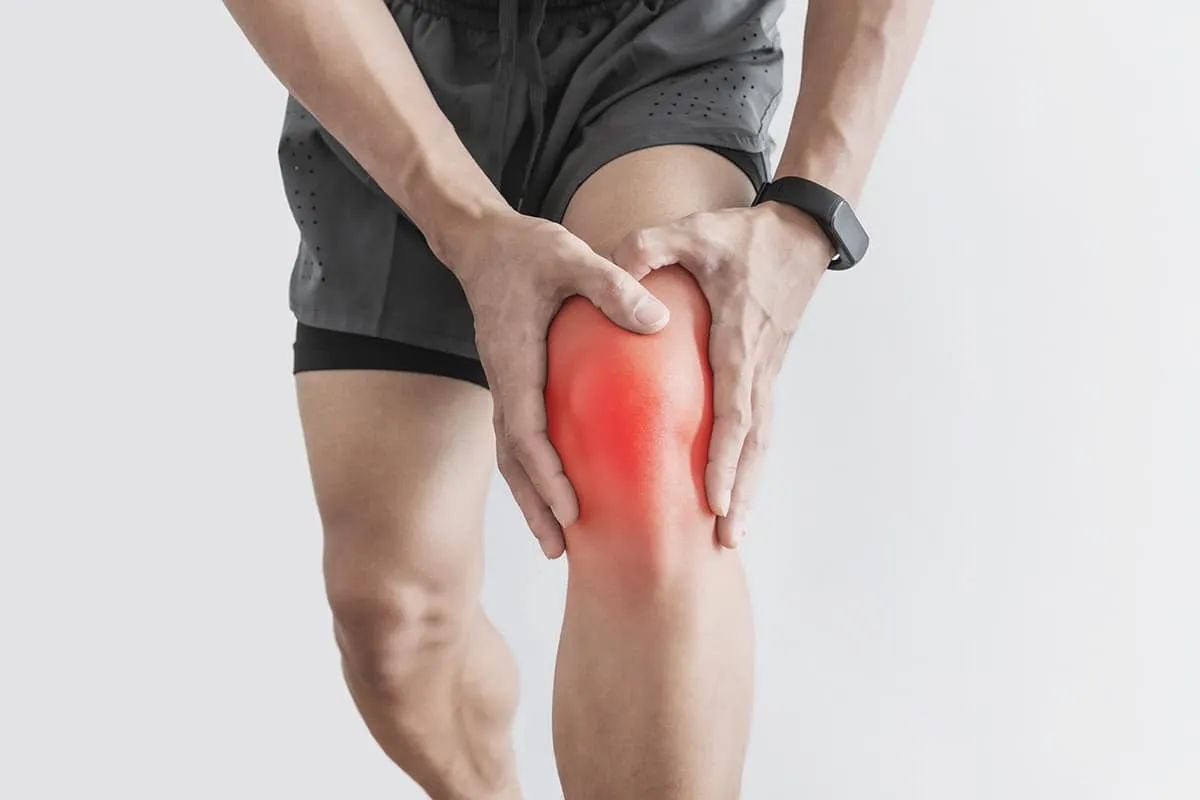
Sports Injury Recovery Dubai: PRP & Rehab (2026)
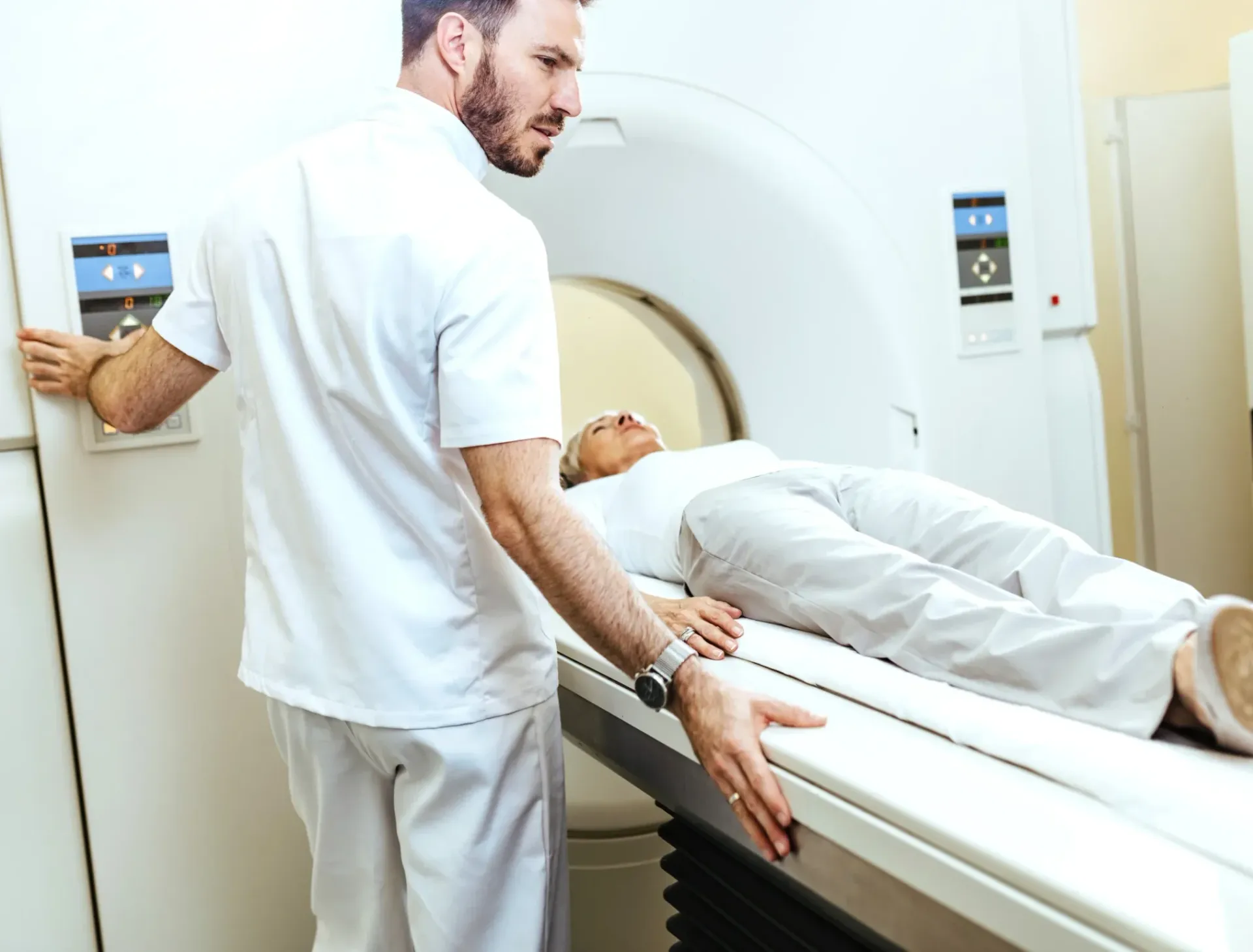
Knee MRI Dubai: What It Shows & Cost (2026)
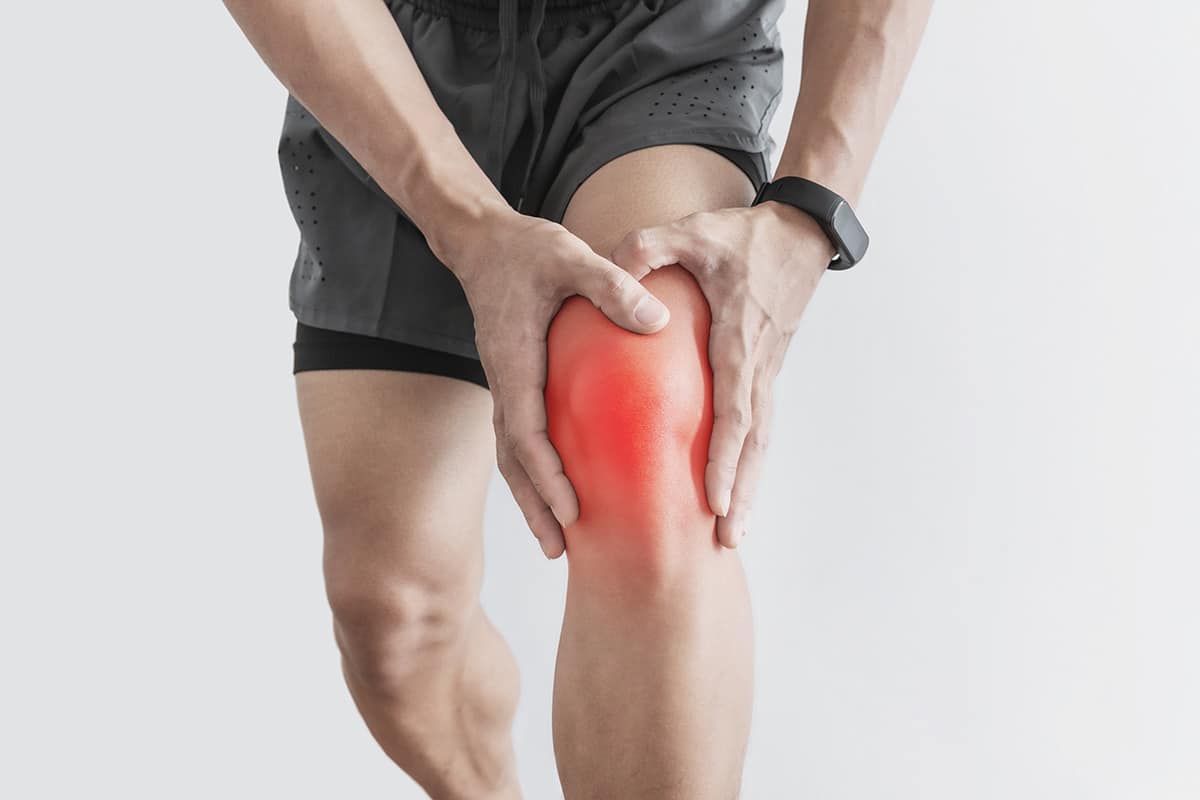
Arthritis: Physiotherapy Management Guide (2026)
ACL Injury Recovery: Rehabilitation Guide (2026)

Plantar Fasciitis: Physiotherapy Treatment Guide (2026)
More in Physiotherapy
Physiotherapy Packages Dubai: Save 20%+ (2026)
Weiterlesen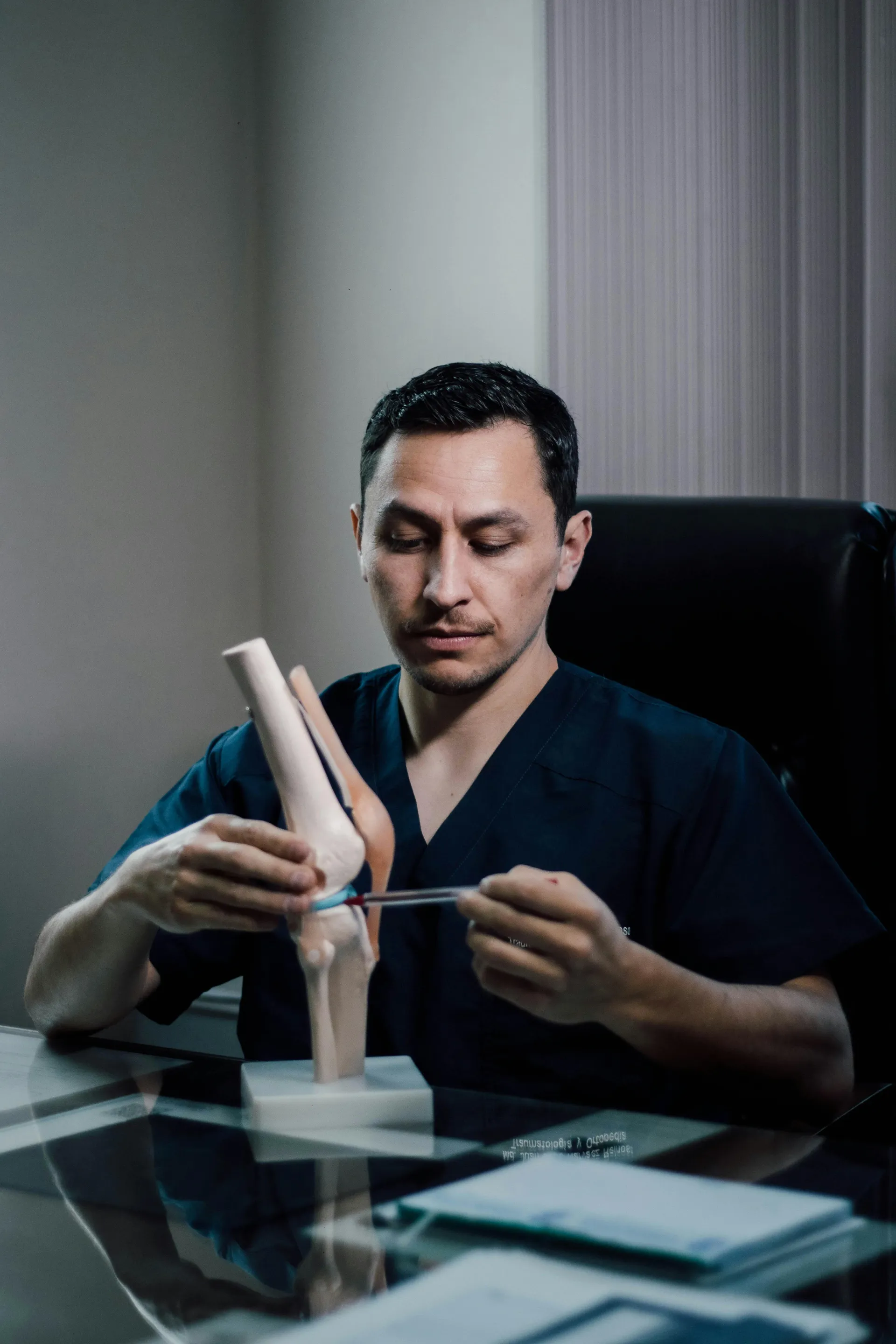
Shoulder Pain Dubai: 7 Causes & When to Worry (2026)
Weiterlesen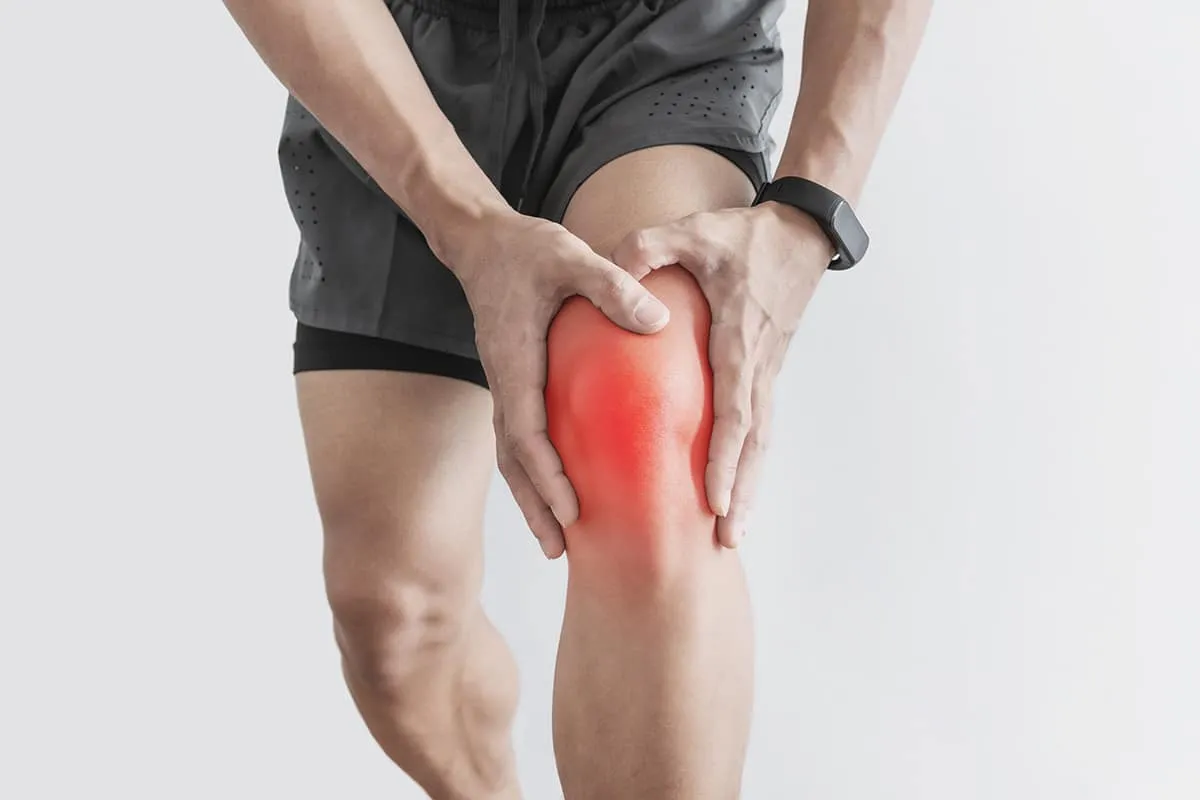
PRP vs Cortisone Dubai: Which Injection? (2026)
WeiterlesenPhysiotherapy Cost Dubai: AED 250–500/Session (2026)
WeiterlesenPhysiotherapy Dubai: Types, Cost & Guide (2026)
WeiterlesenArthritis: Physiotherapy Management Guide (2026)
Weiterlesen© 2026 Doctors Clinic Diagnostic Center (DCDC), Dubai Healthcare City. Originally published at https://doctorsclinicdubai.ae/blog/prp-injection-joints-dubai. All rights reserved. Unauthorized reproduction is prohibited.