Wichtigste Erkenntnisse
- Falls are the leading cause of injury-related hospital admissions in adults over 65, and most are preventable with targeted exercise
- Dubai-specific fall risks include polished marble floors, AC threshold steps, villa staircases, and outdoor heat-related dehydration
- Cochrane evidence shows exercise programmes reduce fall rates by 23% and the number of people who fall by 15%
- Balance training, strength exercises, and flexibility work are the three pillars of an effective falls prevention programme
- The Timed Up and Go test and Berg Balance Scale are validated tools your physiotherapist will use to assess fall risk
- Osteoporosis makes falls far more dangerous -- a fall that would bruise a younger person can cause a hip or spinal fracture in someone with bone loss
- Falls prevention should start before the first fall, ideally from age 65 or earlier if risk factors are present
- Family involvement is essential -- understanding how to assist without overprotecting preserves the senior's independence and confidence
A fall that would be a minor inconvenience at 30 can be life-changing at 75. Hip fractures, head injuries, and the fear of falling again can transform an independent senior into someone afraid to leave their bedroom. Yet falls are not an inevitable part of ageing. Structured physiotherapy programmes can significantly reduce fall risk, and in Dubai, where polished floors and extreme heat create additional hazards, targeted prevention is especially important.
One in three adults over 65 falls at least once a year, and that number rises to one in two for those over 80. In Dubai, the expatriate population often means elderly parents join families in environments very different from what they are accustomed to -- different flooring, unfamiliar layouts, extreme temperatures that limit outdoor activity. At DCDC in Dubai Healthcare City, our physiotherapy team provides comprehensive falls risk assessments and individualised prevention programmes.
Why Are Falls So Dangerous for Older Adults?
Falls are not just about the immediate injury. A hip fracture in someone over 65 carries a 20-30% mortality rate within one year, largely due to complications from immobility such as pneumonia, blood clots, and deconditioning. Even falls that do not cause a fracture often trigger a "fear of falling" cycle: the person restricts their activity, loses strength and balance through inactivity, and becomes even more likely to fall. Breaking this cycle early is the most important thing physiotherapy can do. Diagnostic tools such as X-ray and MRI scans may be needed to assess fracture severity after a fall.
What Are the Unique Fall Risk Factors in Dubai?
Dubai homes and public spaces present specific hazards that differ from many countries where falls prevention research was originally conducted. Recognising these Dubai-specific risks allows for more targeted prevention strategies.
- Polished marble and tile floors: Extremely common in Dubai apartments and villas. When wet (from mopping or bathroom use), they become dangerously slippery. Anti-slip mats and non-slip footwear are essential
- AC threshold steps: Many rooms have raised thresholds at doorways (2-5 cm) for AC zoning. These are major trip hazards, especially at night
- Villa staircases: Multi-storey villas often have polished stone stairs without adequate handrails or non-slip strips
- Heat-related dehydration: Summer temperatures exceeding 45 degrees Celsius cause dehydration-related dizziness and blood pressure drops, increasing fall risk even indoors due to low fluid intake. Vestibular rehabilitation can help manage dizziness-related fall risk
- Reduced outdoor walking: 4-5 months of extreme heat limits outdoor exercise, leading to deconditioning unless indoor alternatives are arranged
- Unfamiliar environments: Elderly parents moving to Dubai to join family face new layouts, different bathroom designs, and unfamiliar building entrances
How Do Physiotherapists Assess Fall Risk?
A falls risk assessment is a structured evaluation that identifies your specific risk factors and guides the treatment programme. At DCDC, we use validated clinical tools alongside a thorough history and physical examination. The assessment typically takes 45-60 minutes. For related information, see our guide on Spine Surgery Rehab: What to Expect.
Timed Up and Go (TUG) Test
You start seated in a standard chair, stand up, walk 3 metres, turn around, walk back, and sit down. The physiotherapist times the entire sequence. Under 12 seconds is normal for community-dwelling older adults. Over 14 seconds indicates increased fall risk, and over 20 seconds suggests significant mobility impairment requiring intervention.
Berg Balance Scale
This 14-item test evaluates balance during tasks of increasing difficulty: sitting unsupported, standing with eyes closed, reaching forward, turning to look behind, picking up an object from the floor, and standing on one leg. Each item is scored 0-4, with a maximum score of 56. Scores below 45 indicate increased fall risk, and below 36 suggests high risk.
Additional Assessments
- Medication review: Sedatives, blood pressure medications, and polypharmacy (5+ medications) significantly increase fall risk. An internal medicine consultation can help optimise medications
- Vision screening: Bifocals and multifocal glasses increase fall risk on stairs; uncorrected vision problems affect balance
- Foot and footwear assessment: Poorly fitting shoes, bare feet on smooth floors, and foot pain all contribute to falls
- Cognitive screening: Mild cognitive impairment affects attention and judgment during walking
- Home environment review: Identifying specific hazards in the patient's living space
What Does a Falls Prevention Exercise Programme Include?
A 2019 Cochrane systematic review of 108 trials found that exercise programmes reduce the rate of falls by 23% and the number of people who fall by 15%. The most effective programmes combine three elements: balance training, strength exercises, and flexibility work. Programmes should be performed at least three times per week and be individually tailored to the person's current ability level. If you are wondering about session frequency, our guide on how many physiotherapy sessions are needed provides helpful context.
Balance Training Exercises
- Tandem standing: Standing with one foot directly in front of the other (heel-to-toe), initially near a wall for support
- Single-leg stands: Holding for 10-30 seconds each side, progressing from eyes open to eyes closed
- Weight shifting: Controlled swaying side to side and forward/backward while standing
- Turning exercises: Practising controlled turns (180 and 360 degrees) at increasing speeds
- Dynamic balance: Walking heel-to-toe along a line, stepping over obstacles, walking with head turns
Strength Exercises
- Sit-to-stand: Rising from a chair without using hands -- the single most functional exercise for fall prevention
- Calf raises: Rising onto toes and lowering slowly, using a counter for balance if needed
- Step-ups: Stepping onto a low step and back down, alternating legs
- Wall push-ups: Upper body strengthening that also challenges balance
- Knee extensions and hip abduction: Seated and standing exercises to strengthen key muscles for stability
Flexibility Work
- Ankle circles and calf stretches: Maintaining ankle range of motion is critical for balance reactions
- Hip flexor stretches: Tight hip flexors from prolonged sitting affect walking posture and stride length
- Gentle trunk rotation: Maintaining spinal mobility for turning and reaching
How Does Osteoporosis Affect Fall Risk?
Osteoporosis does not cause falls, but it makes falls catastrophic. A fall that would cause a bruise in someone with normal bone density can cause a hip fracture, spinal compression fracture, or wrist fracture in someone with osteoporosis. A DEXA scan is the gold standard for measuring bone density and identifying osteoporosis risk. In Dubai, vitamin D deficiency is extremely common despite the sun -- cultural dress, indoor lifestyles, and limited sun exposure contribute to low vitamin D levels, which directly affects bone density. Regular vitamin testing can help identify deficiencies early. Your physiotherapy programme should include weight-bearing exercise (shown to maintain bone density) alongside balance training.
What Is a Home Safety Checklist for Fall Prevention?
Environmental modification alone can reduce falls by 20-30% in high-risk individuals. A physiotherapist or occupational therapist can conduct a formal home assessment, but families can start with these key changes. You may also find our Plantar Fasciitis: Physiotherapy Treatment Guide helpful.
- Bathroom: Install grab bars near the toilet and in the shower, use a non-slip mat inside the shower/bathtub, consider a shower chair, ensure adequate lighting
- Bedroom: Keep a nightlight on, ensure clear path from bed to bathroom, keep a phone within reach
- Living areas: Remove loose rugs or secure them with non-slip backing, clear walkways of cables and clutter, ensure adequate lighting at all switches
- Kitchen: Store frequently used items at waist to shoulder height, avoid using step stools to reach high shelves
- Stairs: Install handrails on both sides, add non-slip strips to each step, ensure top and bottom are well-lit
- Flooring: Use non-slip treatments on marble or tile (available in Dubai hardware stores), wear non-slip indoor shoes rather than socks or bare feet
- Thresholds: Add contrast strips or small ramps to raised door thresholds, consider removing or lowering them if possible
When Should Falls Prevention Start?
The ideal time to start falls prevention is before the first fall. Guidelines recommend proactive assessment from age 65, or earlier if risk factors are present (previous falls, chronic conditions, mobility difficulties, vision problems, or multiple medications). A comprehensive health checkup can help identify underlying medical issues that increase fall risk. If your parent or grandparent has already fallen, even without injury, that is a strong signal to begin a structured programme immediately.
Our home care physiotherapy service is particularly valuable for seniors who have difficulty travelling to the clinic. A physiotherapist can assess the home environment directly and design an exercise programme using the furniture and spaces available in the patient's own home.
Concerned About a Family Member's Balance or Fall Risk?
Our physiotherapy team at DCDC Dubai Healthcare City provides comprehensive falls risk assessments and personalised prevention programmes. We also offer home visits for seniors with limited mobility. Do not wait for a fall to happen.
Book a Falls Prevention Assessment
What Role Does Family Play in Falls Prevention?
Family involvement is essential but requires the right balance. Overprotective behaviour -- doing everything for the senior, discouraging independent movement, hovering anxiously -- actually increases fall risk by reducing physical activity and undermining confidence. Instead, families should focus on encouraging safe independence. Our complete guide to physiotherapy in Dubai covers how family members can support the rehabilitation process.
- Learn how to safely assist with walking without taking over (walk beside, not in front; let them use a rail)
- Encourage and remind about daily exercises without nagging -- make it a shared activity if possible
- Make environmental changes to the home (grab bars, lighting, non-slip surfaces)
- Attend physiotherapy sessions periodically to understand the programme and assist at home
- Watch for changes in gait, balance, or confidence that may signal new problems
- Ensure medications are taken correctly and discuss side effects (dizziness, drowsiness) with the physician. Routine blood tests can monitor medication effects and overall health
Verwandte Leistungen im DCDC
Fachkundige Betreuung und moderne Diagnostik in Dubai Healthcare City
Frequently Asked Questions
Final Thoughts
Falls prevention is one of the most impactful things you can do for an elderly family member. The evidence is clear: structured exercise reduces falls, home modifications reduce hazards, and early intervention prevents the devastating consequences of fractures and fear-related inactivity. In Dubai, where environmental factors add extra risk, proactive assessment is even more important.
If you have an elderly parent or grandparent in Dubai -- whether they have already fallen or you are concerned about their stability -- do not wait. Our physiotherapy team at DCDC Dubai Healthcare City provides thorough assessments, individualised exercise programmes, and home safety guidance. Prevention is always better than treatment after a fracture.
Quellen und Referenzen
Dieser Artikel wurde von unserem medizinischen Team überprüft und bezieht sich auf folgende Quellen:
- Cochrane Review - Exercise for Preventing Falls in Older People Living in the Community (2019)
- BMJ - Multifactorial Falls Prevention Interventions (2021)
- World Health Organization - Falls Fact Sheet
- Journal of the American Geriatrics Society - Berg Balance Scale Clinical Utility
- International Osteoporosis Foundation - Vitamin D and Falls Prevention
- Dubai Health Authority - Elderly Care Guidelines
Medizinische Inhalte auf dieser Website werden von DHA-lizenzierten Ärzten überprüft. Siehe unsere redaktionelle Richtlinien für weitere Informationen.

Verfasst von
Dr. Hadi Komshi
Specialist Internal Medicine
MD, DHA-Licensed
Dr. Hadi Komshi is a DHA-licensed Internal Medicine Specialist at Doctors Clinic Diagnostic Center in Dubai Healthcare City, with extensive experience in managing acute and chronic medical conditions including musculoskeletal pain and rehabilitation.
Related Articles
Physiotherapy in Dubai: Your Complete Guide
Home Physiotherapy in Dubai: What to Expect
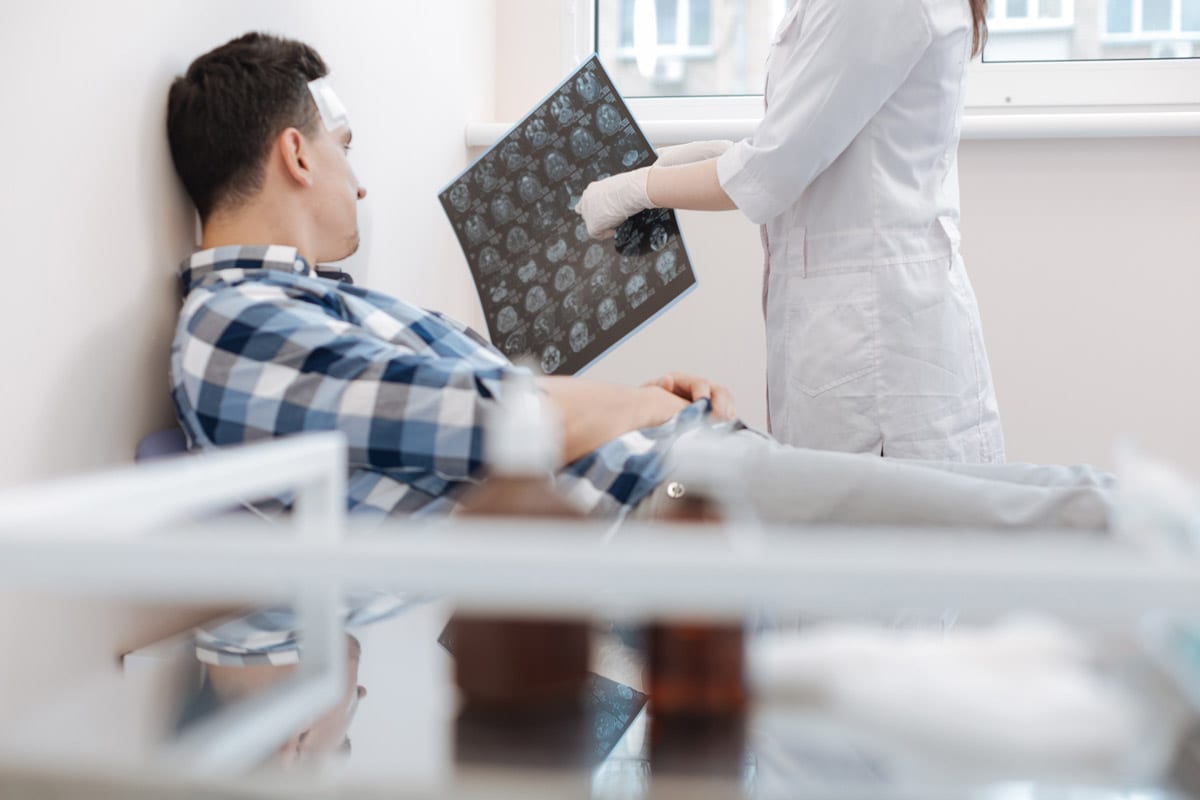
How Many Physiotherapy Sessions Do I Need?
More in Physiotherapy
Physiotherapy Packages Dubai: Save 20%+ (2026)
Weiterlesen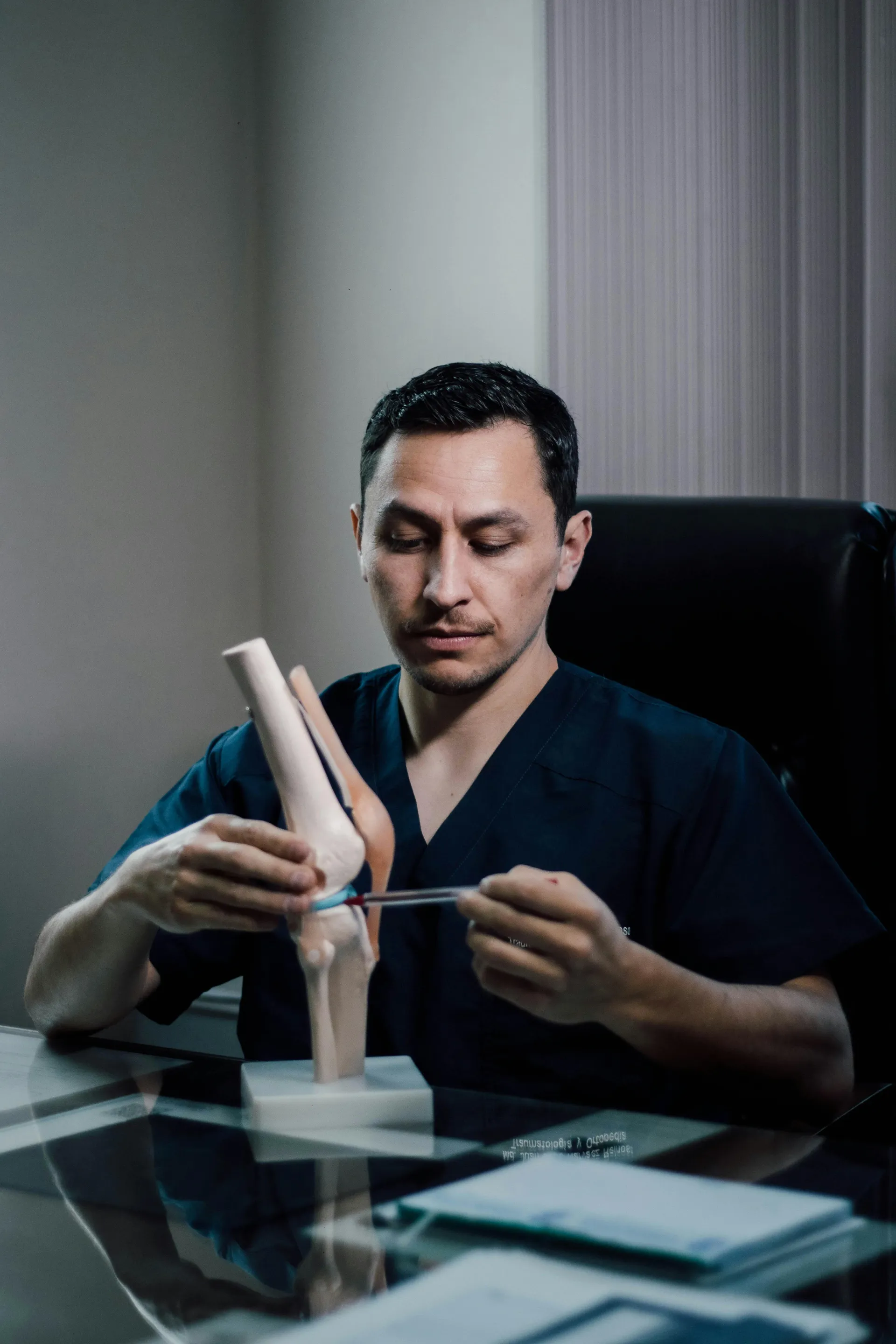
Shoulder Pain Dubai: 7 Causes & When to Worry (2026)
Weiterlesen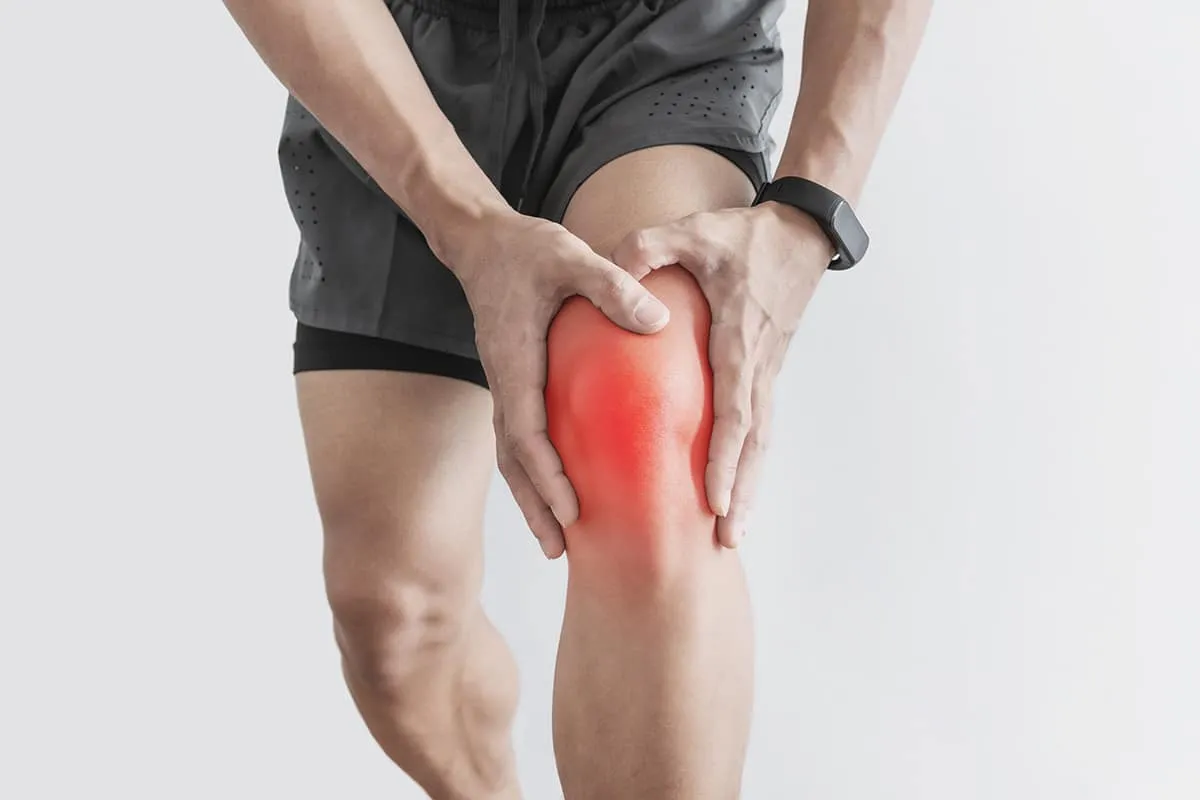
PRP vs Cortisone Dubai: Which Injection? (2026)
Weiterlesen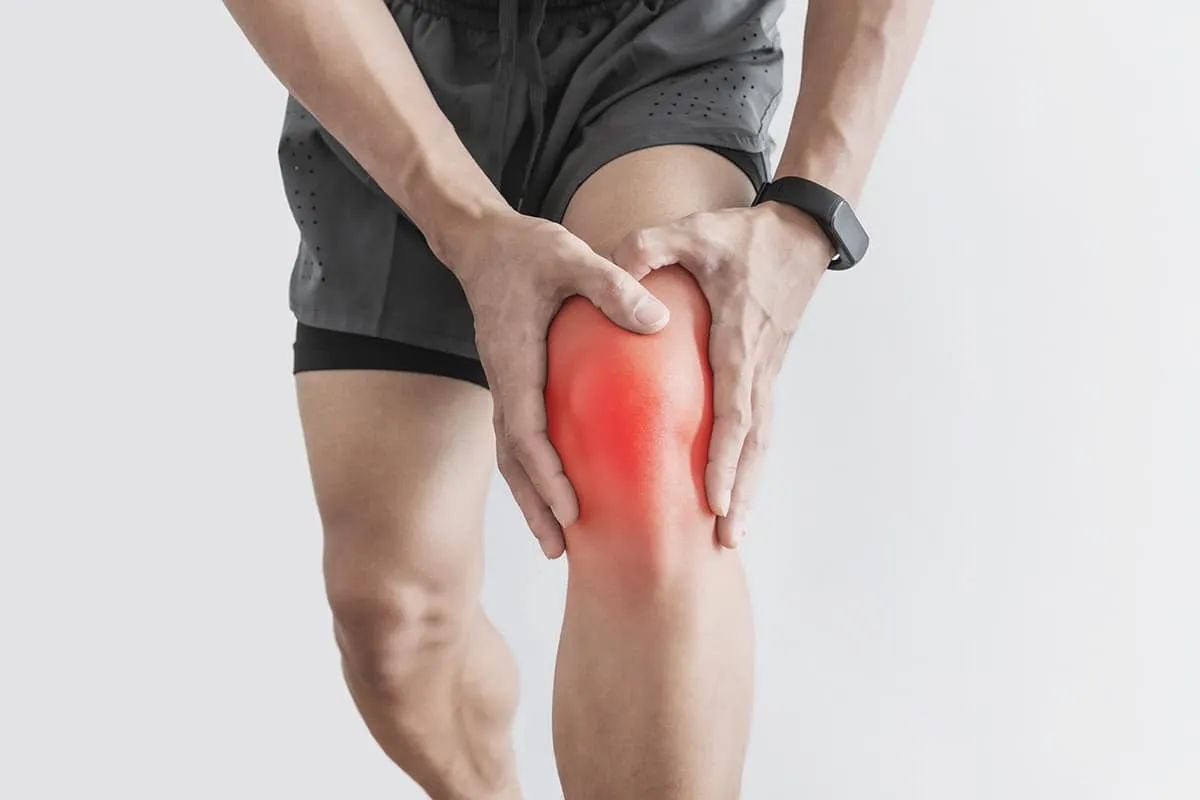
PRP Injection for Joints Dubai: From AED 1,500 (2026)
WeiterlesenPhysiotherapy Cost Dubai: AED 250–500/Session (2026)
WeiterlesenPhysiotherapy Dubai: Types, Cost & Guide (2026)
Weiterlesen© 2026 Doctors Clinic Diagnostic Center (DCDC), Dubai Healthcare City. Originally published at https://doctorsclinicdubai.ae/blog/physiotherapy-elderly-falls-prevention-dubai. All rights reserved. Unauthorized reproduction is prohibited.