Wichtigste Erkenntnisse
- PCOS (Polycystic Ovary Syndrome) affects approximately 1 in 10 women of reproductive age and is one of the most common hormonal disorders — but it is frequently misdiagnosed or undertreated
- Dr. Parisa Dini at DCDC Healthcare City diagnoses PCOS using the internationally recognised Rotterdam criteria, combining clinical assessment, hormone blood tests, and pelvic ultrasound
- Treatment is personalised based on the patient's primary concerns — whether irregular periods, acne and excess hair, weight management, or fertility
- DCDC offers on-site hormone panels (FSH, LH, testosterone, insulin, DHEA-S, thyroid), pelvic ultrasound, and blood tests including HbA1c and lipid profile for metabolic screening
- Dr. Parisa coordinates with Dr. Hadi Komshi (Internal Medicine) for PCOS patients with insulin resistance, pre-diabetes, or metabolic syndrome
- Consultations available in Persian (Farsi) and English — call or WhatsApp DCDC to book
Polycystic Ovary Syndrome (PCOS) is one of the most common hormonal disorders affecting women of reproductive age, yet it remains one of the most frequently misdiagnosed and mismanaged conditions in women's health. If you are experiencing irregular periods, unexplained weight gain, acne, excess hair growth, or difficulty conceiving, you may have PCOS — and you deserve a specialist who understands the condition thoroughly. Dr. Parisa Dini at DCDC (Doctors Clinic Diagnostic Centre) in Dubai Healthcare City provides expert PCOS diagnosis and personalised treatment plans.
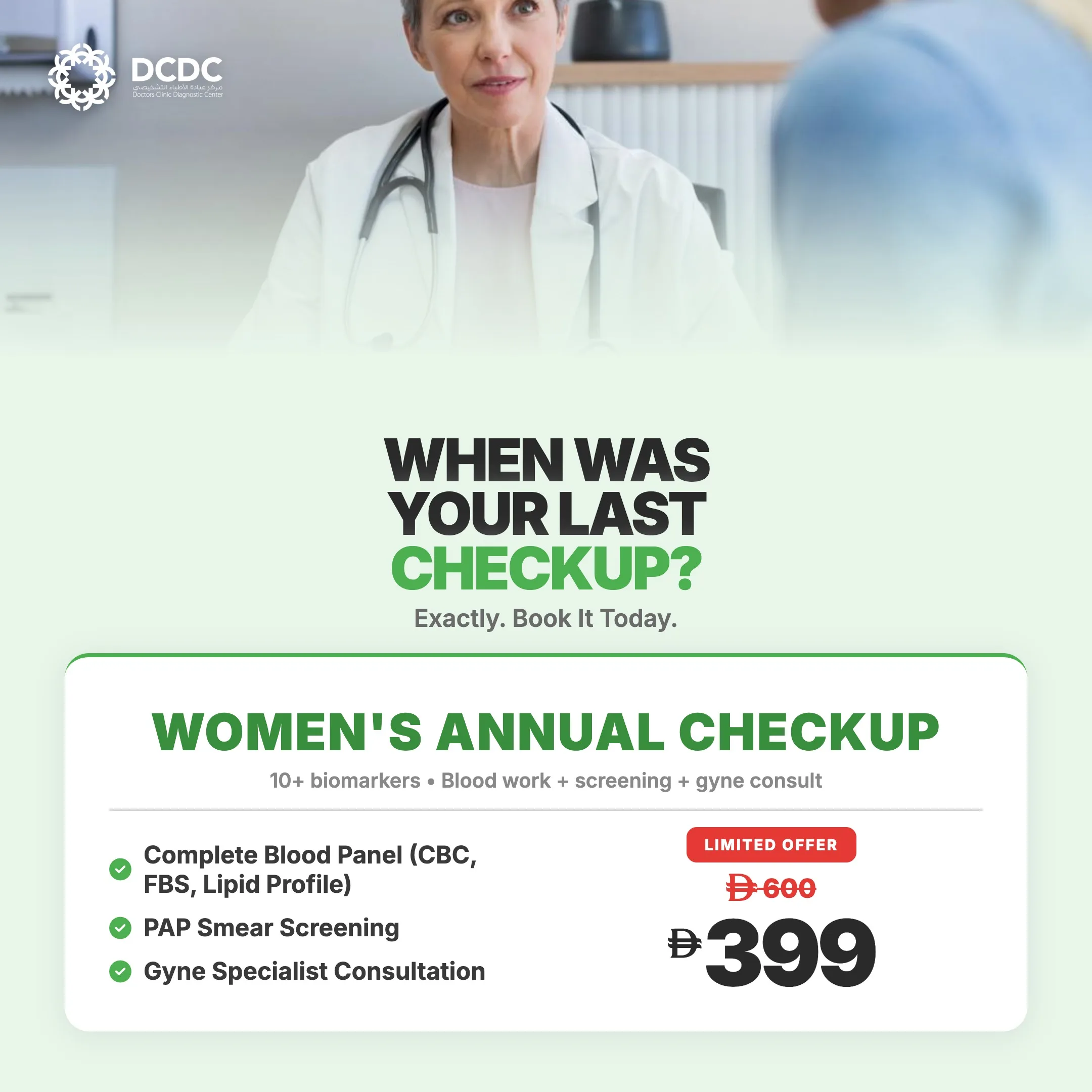
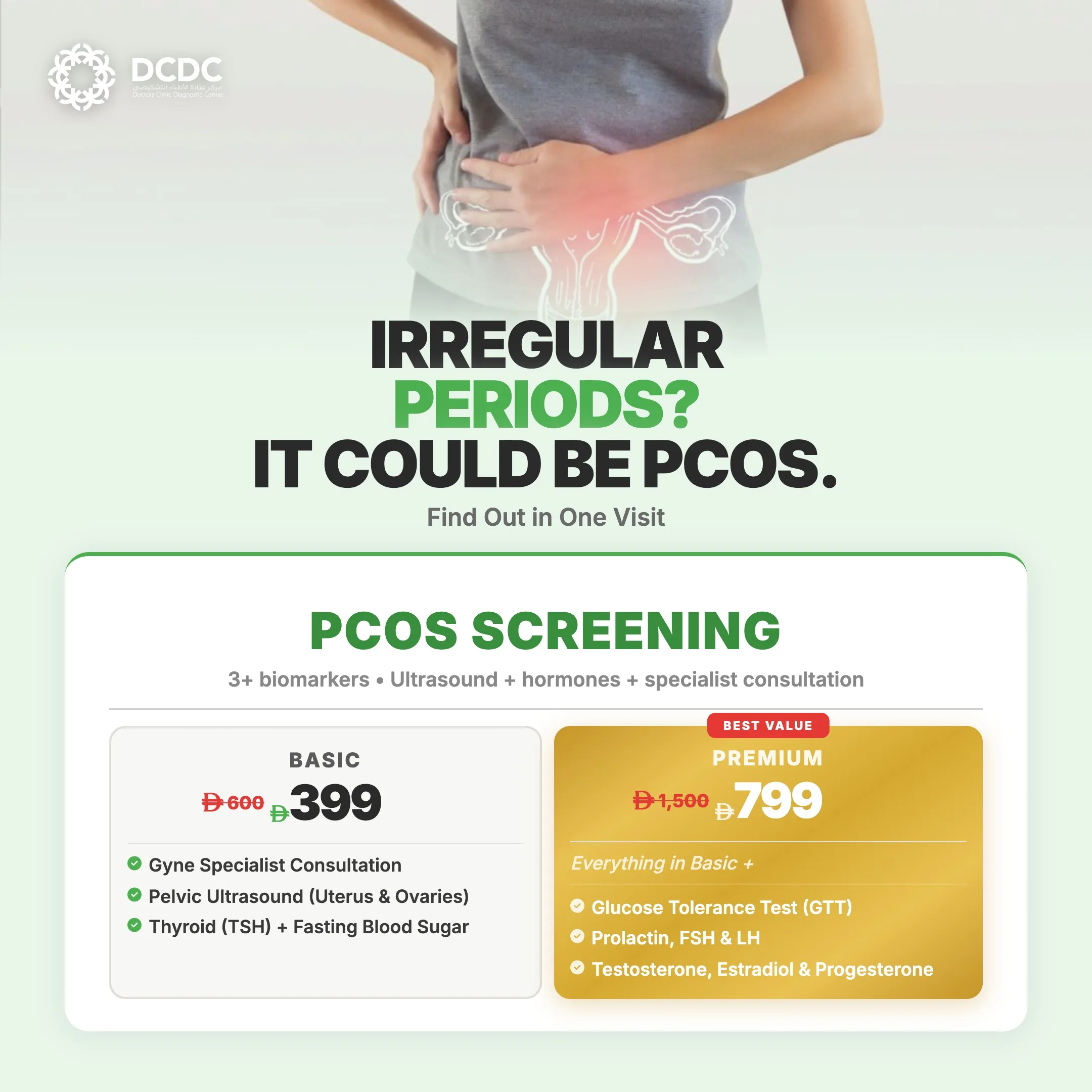
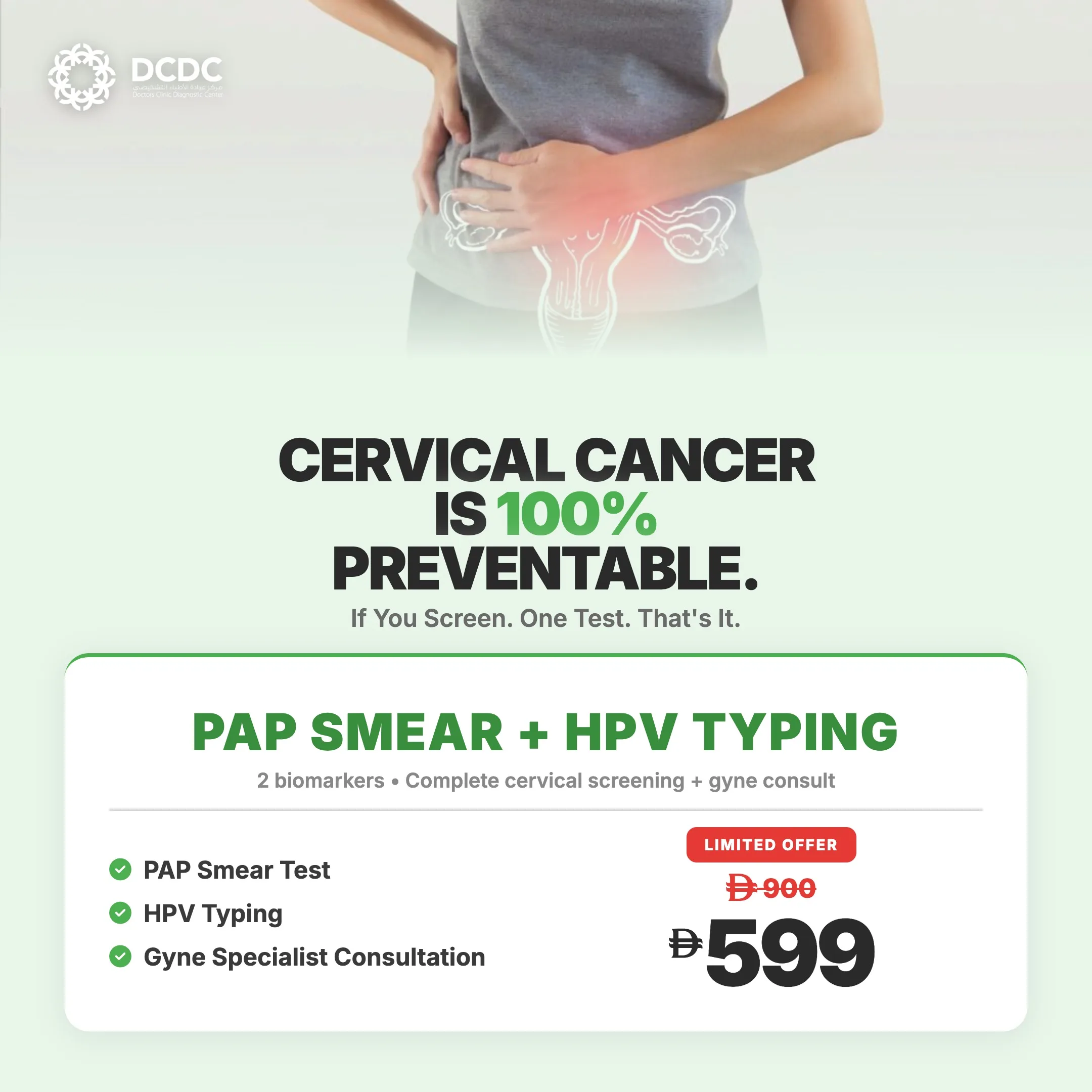
Health Screening Packages
Save with our bundled screening packages — specialist consultation included



What Is PCOS?
Polycystic Ovary Syndrome (PCOS) is a hormonal disorder characterised by a combination of symptoms related to excess androgen (male hormone) production and ovulatory dysfunction. Despite its name, not all women with PCOS have cysts on their ovaries — and having ovarian cysts does not necessarily mean you have PCOS. The condition is a syndrome, meaning it is defined by a pattern of clinical features rather than a single test.
PCOS affects an estimated 8-13% of women of reproductive age worldwide, making it one of the most common endocrine disorders. In the Middle East, prevalence may be even higher due to genetic and lifestyle factors. PCOS is the leading cause of anovulatory infertility (infertility caused by not ovulating regularly) and is associated with increased long-term risks of type 2 diabetes, cardiovascular disease, and endometrial cancer.
How Is PCOS Diagnosed?
Dr. Parisa diagnoses PCOS using the Rotterdam criteria, the internationally accepted diagnostic standard. A diagnosis requires at least two of the following three criteria (after excluding other conditions that mimic PCOS):
- 1. Irregular or absent ovulation: Manifesting as irregular menstrual cycles (cycles shorter than 21 days, longer than 35 days, or fewer than 8 cycles per year), or complete absence of periods (amenorrhoea)
- 2. Clinical or biochemical hyperandrogenism: Clinical signs include acne, hirsutism (excess facial or body hair in a male pattern), and androgenic alopecia (thinning hair on the scalp). Biochemical hyperandrogenism is confirmed by elevated testosterone, free testosterone, DHEA-S, or androstenedione on blood tests
- 3. Polycystic ovaries on ultrasound: Defined as 12 or more follicles (2-9 mm diameter) in one ovary, or ovarian volume greater than 10 mL. Note: ultrasound criteria alone are not sufficient for diagnosis
Importantly, other conditions must be excluded before a PCOS diagnosis is made. These include thyroid disorders, congenital adrenal hyperplasia, hyperprolactinaemia, and Cushing's syndrome — all of which can cause similar symptoms. Dr. Parisa orders appropriate blood tests to rule out these conditions as part of the diagnostic workup.
Diagnostic Tests at DCDC
All diagnostic tests for PCOS are available on-site at DCDC Healthcare City:
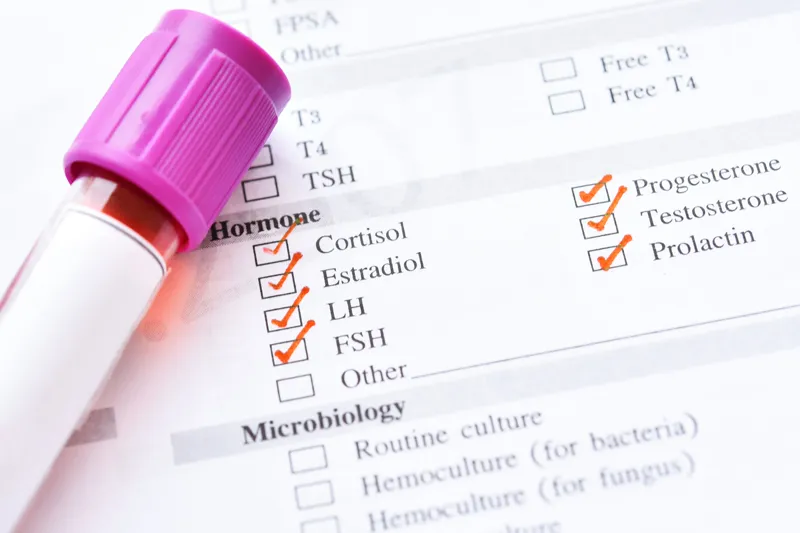
- Hormone panel: FSH, LH (and LH:FSH ratio), total testosterone, free testosterone, DHEA-S, androstenedione, prolactin, 17-hydroxyprogesterone
- Thyroid function: TSH and free T4 to exclude thyroid disorders
- Metabolic screening: Fasting glucose, fasting insulin, HbA1c, lipid profile (total cholesterol, LDL, HDL, triglycerides)
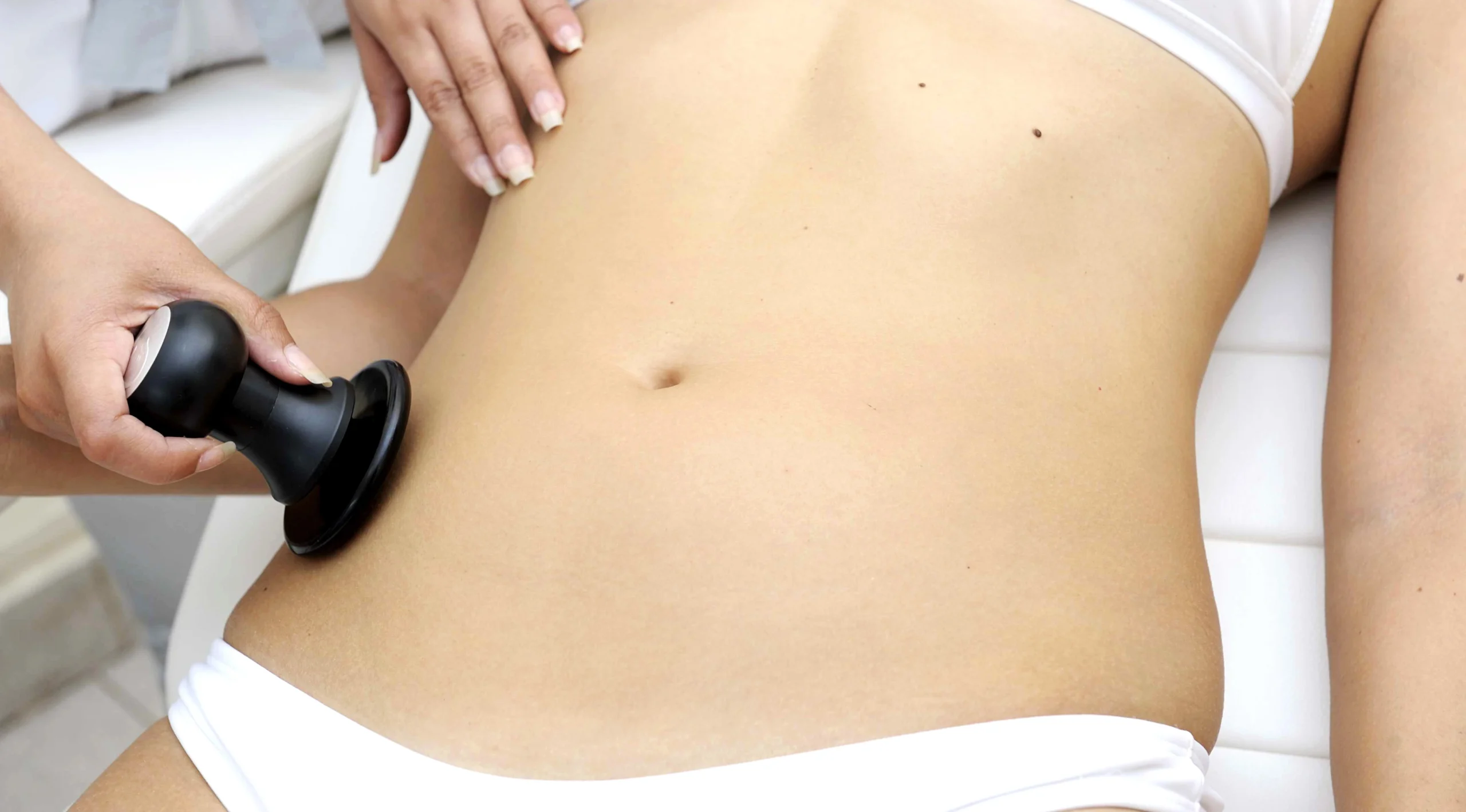
- Pelvic ultrasound: Transvaginal or transabdominal ultrasound to assess ovarian morphology, follicle count, and ovarian volume
- Additional tests: Cortisol (to exclude Cushing's), vitamin D (commonly deficient in PCOS patients), and AMH (anti-Mullerian hormone, elevated in PCOS)
PCOS Symptoms: More Than Just Irregular Periods
PCOS presents differently in different women, which is one reason it is often missed or misdiagnosed. Common symptoms include:
- Irregular menstrual cycles: The most common symptom. Periods may be infrequent (every 35-90 days), unpredictable, or absent entirely
- Excess hair growth (hirsutism): Coarse, dark hair growth on the face (chin, upper lip, sideburns), chest, abdomen, and back — caused by elevated androgens
- Acne: Persistent acne, particularly along the jawline, chin, and lower face, that does not respond to standard skincare treatments
- Weight gain: Particularly around the abdomen (central obesity), often resistant to standard diet and exercise approaches
- Hair thinning: Androgenic alopecia causing thinning at the crown and widened parting — different from overall hair loss
- Difficulty conceiving: Irregular ovulation means fewer opportunities for conception. PCOS is the leading cause of anovulatory infertility
- Skin darkening (acanthosis nigricans): Dark, velvety skin patches in body folds (neck, armpits, groin) — a sign of insulin resistance
- Mood changes: Anxiety, depression, and mood swings are more common in women with PCOS
PCOS Treatment at DCDC: A Personalised Approach
There is no one-size-fits-all treatment for PCOS because different patients have different primary concerns. Dr. Parisa develops individualised treatment plans based on your specific symptoms, health goals, and life stage.
For Irregular Periods
Restoring regular menstrual cycles is important not only for quality of life but also for long-term health — prolonged absence of periods (amenorrhoea) can lead to endometrial hyperplasia (thickening of the uterine lining), which increases the risk of endometrial cancer. Treatment options include combined oral contraceptive pills (which regulate cycles and reduce androgens), cyclical progesterone (to induce regular withdrawal bleeds), and lifestyle modifications including weight management and exercise.
For Acne and Excess Hair Growth
Hyperandrogenic symptoms respond to anti-androgen therapy. Combined oral contraceptive pills containing anti-androgenic progestins (such as drospirenone or cyproterone acetate) reduce testosterone levels and improve acne and hirsutism over 3-6 months. Spironolactone may be added for severe hirsutism. Topical treatments for acne and professional hair removal methods can complement hormonal therapy.
For Weight Management and Insulin Resistance
Insulin resistance is present in approximately 70% of women with PCOS, regardless of body weight. Dr. Parisa coordinates with Dr. Hadi Komshi (Internal Medicine) for metabolic management. Treatment may include metformin (which improves insulin sensitivity and can help regulate cycles), inositol supplements (particularly myo-inositol and D-chiro-inositol), structured dietary guidance focusing on low glycaemic index foods, and exercise recommendations targeting insulin sensitivity improvement.
For Fertility
For women trying to conceive, the primary goal is to restore regular ovulation. First-line treatment is typically lifestyle modification (even 5-10% weight loss can restore ovulation in overweight patients) combined with ovulation induction using medications such as letrozole or clomiphene citrate. Dr. Parisa monitors ovulation with ultrasound tracking and hormonal assessments to optimise the chances of conception. For patients who do not respond to initial treatments, she coordinates referrals for assisted reproduction.
Long-Term Health Risks of PCOS
PCOS is not just a reproductive condition — it has significant metabolic and cardiovascular implications that require ongoing monitoring:
- Type 2 diabetes: Women with PCOS have a 4-7 times higher risk of developing type 2 diabetes. Regular fasting glucose and HbA1c screening is essential
- Cardiovascular disease: Increased risk due to insulin resistance, dyslipidemia, and chronic inflammation. Lipid profile and blood pressure monitoring recommended
- Endometrial cancer: Chronic anovulation without progesterone opposition increases the risk of endometrial hyperplasia and cancer. Regular cycle management is protective
- Obstructive sleep apnoea: More common in women with PCOS, particularly those who are overweight. Screening should be considered if snoring, daytime sleepiness, or morning headaches are reported
- Mental health: Higher rates of anxiety, depression, and eating disorders. Mental health support should be part of comprehensive PCOS management
Book a PCOS Consultation With Dr. Parisa Dini
Call or WhatsApp DCDC to schedule your appointment. Comprehensive hormone testing, pelvic ultrasound, and personalised PCOS management available on-site.
Most major insurance plans accepted with direct billing. Persian and English spoken.
When to See a PCOS Specialist
You should see a PCOS specialist if you experience any of the following:
- Irregular periods: Cycles consistently shorter than 21 days, longer than 35 days, or fewer than 8 periods per year
- New or worsening acne that does not respond to standard treatments
- Excess facial or body hair growth in a male distribution pattern
- Unexplained weight gain, particularly around the waist, that is resistant to diet and exercise
- Difficulty conceiving after 12 months of trying (or 6 months if over 35)
- Hair thinning at the crown or widened parting
- Dark skin patches in body folds (a sign of insulin resistance)
Cost of PCOS Diagnosis and Treatment in Dubai
The cost of PCOS evaluation at DCDC includes the specialist consultation fee plus diagnostic tests. A typical initial PCOS workup includes a gynecology consultation, hormone blood panel, and pelvic ultrasound. Follow-up appointments for treatment monitoring are generally less expensive. DCDC accepts most major insurance plans in Dubai with direct billing. Self-pay patients receive transparent pricing before any tests are ordered.
Why DCDC for PCOS Management
- Expert gynecologist: Dr. Parisa Dini has extensive experience in PCOS diagnosis and management using evidence-based protocols
- On-site diagnostics: Hormone panels, pelvic ultrasound, and metabolic blood tests all available under one roof
- Multi-specialty coordination: Dr. Hadi Komshi (Internal Medicine) manages insulin resistance and metabolic aspects of PCOS
- Fertility support: Ovulation induction and monitoring with ultrasound tracking
- Bilingual consultations: Persian and English — important for detailed discussions about hormonal treatments and lifestyle changes
- Long-term management: PCOS is a chronic condition requiring ongoing care. DCDC provides continuity of specialist follow-up
Verwandte Leistungen im DCDC
Fachkundige Betreuung und moderne Diagnostik in Dubai Healthcare City
Gynecological Conditions
Expert treatment for PCOS, fibroids, ovarian cysts, and endometriosis
Termin buchenHormone Testing
Comprehensive hormone panel including FSH, LH, testosterone, and insulin
Termin buchenPelvic Ultrasound
High-resolution pelvic ultrasound for ovarian and uterine assessment
Termin buchenFrequently Asked Questions
Take Control of Your PCOS With Expert Care
PCOS is a common, manageable condition — but it requires accurate diagnosis and personalised treatment from a specialist who understands its complexities. Too many women spend years with undiagnosed or poorly managed PCOS, suffering from symptoms that could be effectively treated.
Dr. Parisa Dini at DCDC Healthcare City provides thorough PCOS evaluation using the Rotterdam diagnostic criteria, comprehensive hormone and metabolic testing, and individualised management plans that address your specific symptoms and health goals. With on-site diagnostics and multi-specialty coordination, DCDC offers everything you need for PCOS care under one roof.
Book your PCOS consultation with Dr. Parisa Dini by calling or sending a WhatsApp message to DCDC. Persian and English consultations available.
Quellen und Referenzen
Dieser Artikel wurde von unserem medizinischen Team überprüft und bezieht sich auf folgende Quellen:
- Rotterdam ESHRE/ASRM-Sponsored PCOS Consensus Workshop Group — Revised 2003 Consensus on Diagnostic Criteria and Long-Term Health Risks
- Teede HJ et al. International Evidence-Based Guideline for the Assessment and Management of PCOS. 2023
- Dubai Health Authority (DHA) — Licensed Healthcare Professionals Directory
- American College of Obstetricians and Gynecologists (ACOG) — PCOS Practice Bulletin
Medizinische Inhalte auf dieser Website werden von DHA-lizenzierten Ärzten überprüft. Siehe unsere redaktionelle Richtlinien für weitere Informationen.
Verfasst von
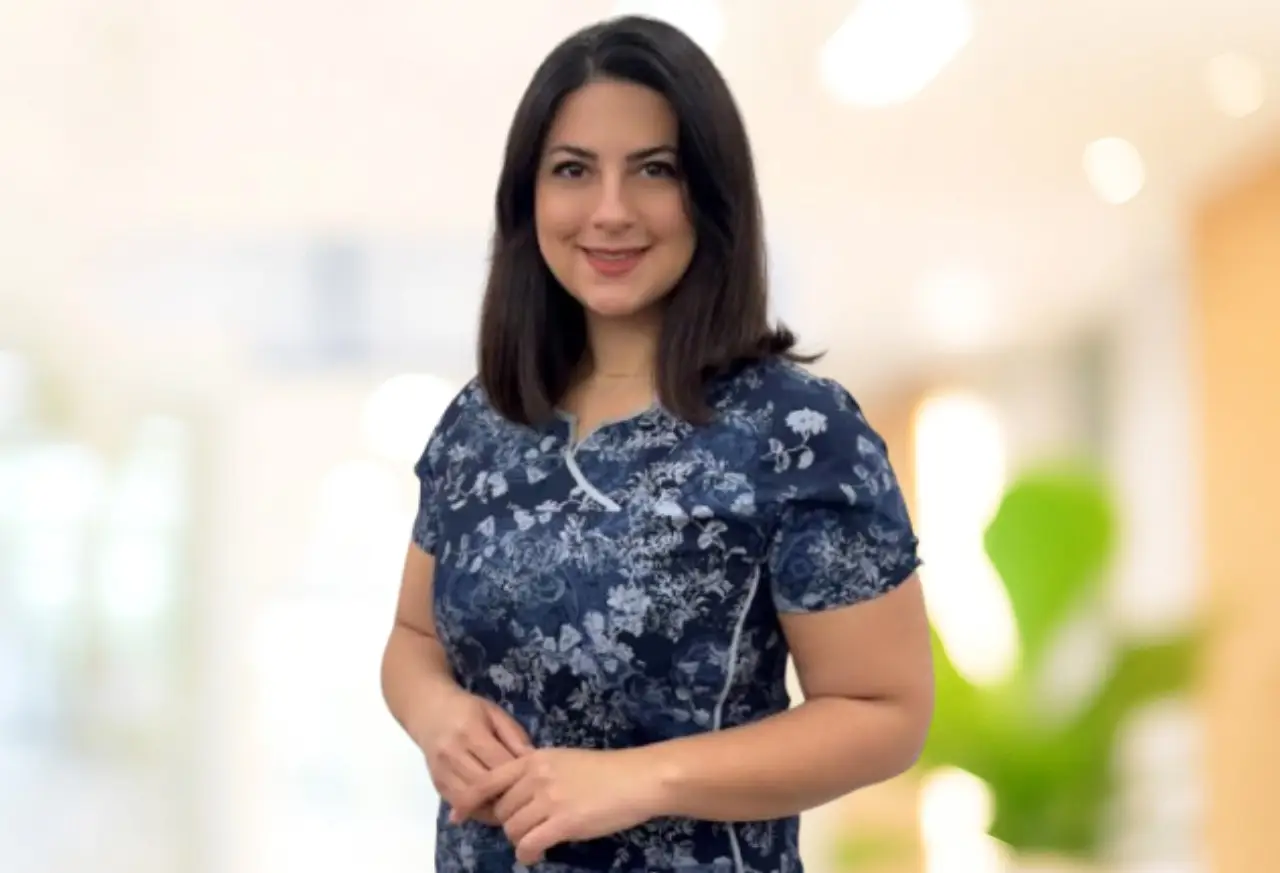
Dr. Parisa Dini
Specialist Obstetrics & Gynaecology
MD, OB/GYN
Dr. Parisa Dini is a Specialist Obstetrician and Gynaecologist at DCDC Dubai Healthcare City. She has extensive experience in PCOS diagnosis and management, pregnancy care, and cosmetic gynecology. She speaks Persian and English.
Related Articles
PCOS Treatment and Diagnosis in Dubai
Best Gynecologist in Dubai: Dr. Parisa Dini
Hormone Test in Dubai: Complete Guide

Hormonal Imbalance Treatment in Dubai
Insulin Resistance Signs in Dubai
Pelvic Ultrasound: Women's Guide
More in Gynecology

Irregular Periods Treatment Dubai (2026)
Weiterlesen
Premature Ovarian Failure Dubai: Guide (2026)
WeiterlesenOvarian Cyst Dubai: Symptoms & Treatment (2026)
Weiterlesen
Uterine Fibroids Dubai: Treatment Guide (2026)
WeiterlesenBest Gynecologist in Dubai: Dr. Parisa Dini at DCDC (2026)
WeiterlesenFemale Gynecologist in Dubai: Dr. Parisa Dini at DCDC Healthcare City (2026)
Weiterlesen© 2026 Doctors Clinic Diagnostic Center (DCDC), Dubai Healthcare City. Originally published at https://doctorsclinicdubai.ae/blog/pcos-specialist-dubai. All rights reserved. Unauthorized reproduction is prohibited.