Wichtigste Erkenntnisse
- H. pylori testing starts from AED 300 at DCDC Dubai Healthcare City, with breath test, stool antigen, and blood antibody options available on site — most results returned within 24 hours
- H. pylori prevalence in the UAE and Middle East ranges from 60–80% in some populations, making routine testing essential for patients with persistent dyspepsia, bloating, or upper abdominal pain
- The urea breath test is the most accurate non-invasive method (sensitivity >95%) and is available at DCDC from AED 300, while the stool antigen test offers an equally affordable alternative from AED 300
- Triple therapy treatment for confirmed H. pylori infection (PPI + two antibiotics for 14 days) costs from AED 200–500 for the medication course, with a GP consultation from AED 150 to initiate treatment
- Insurance covers H. pylori testing when clinically indicated — DCDC partners with 20+ insurers including Daman, AXA, Bupa, MetLife, and Cigna with direct billing (insured patients pay co-pay only)
- Follow-up confirmation testing (to verify eradication) is recommended 4–6 weeks after completing treatment and costs from AED 300 regardless of test method
- DCDC offers walk-in H. pylori testing with no appointment required (Sat–Thu 8 AM–10 PM, Fri 9 AM–9 PM), free parking, and an average wait time of just 15 minutes
If you are looking for the cost of an H. pylori test in Dubai, the short answer is that testing starts from AED 300 at DCDC in Dubai Healthcare City. We offer all three non-invasive testing methods — the urea breath test, stool antigen test, and blood antibody test — in our on-site MOHAP-licensed laboratory with most results available within 24 hours. This guide provides a complete breakdown of H. pylori test costs, treatment pricing, insurance coverage, and what to expect during your visit.
Helicobacter pylori (H. pylori) is a bacterial infection that affects the stomach lining and is one of the most common chronic infections worldwide. In the UAE and broader Middle East region, prevalence rates range from 60–80% in certain populations — significantly higher than in Western countries. Left untreated, H. pylori causes chronic gastritis, peptic ulcers, and is classified as a Group 1 carcinogen by the WHO for its role in stomach cancer development. Early detection through affordable testing is the cornerstone of prevention. Below, we cover every aspect of H. pylori testing in Dubai: costs by test type, comparison with other clinics, insurance coverage, treatment pricing, and a step-by-step guide to getting tested at DCDC.
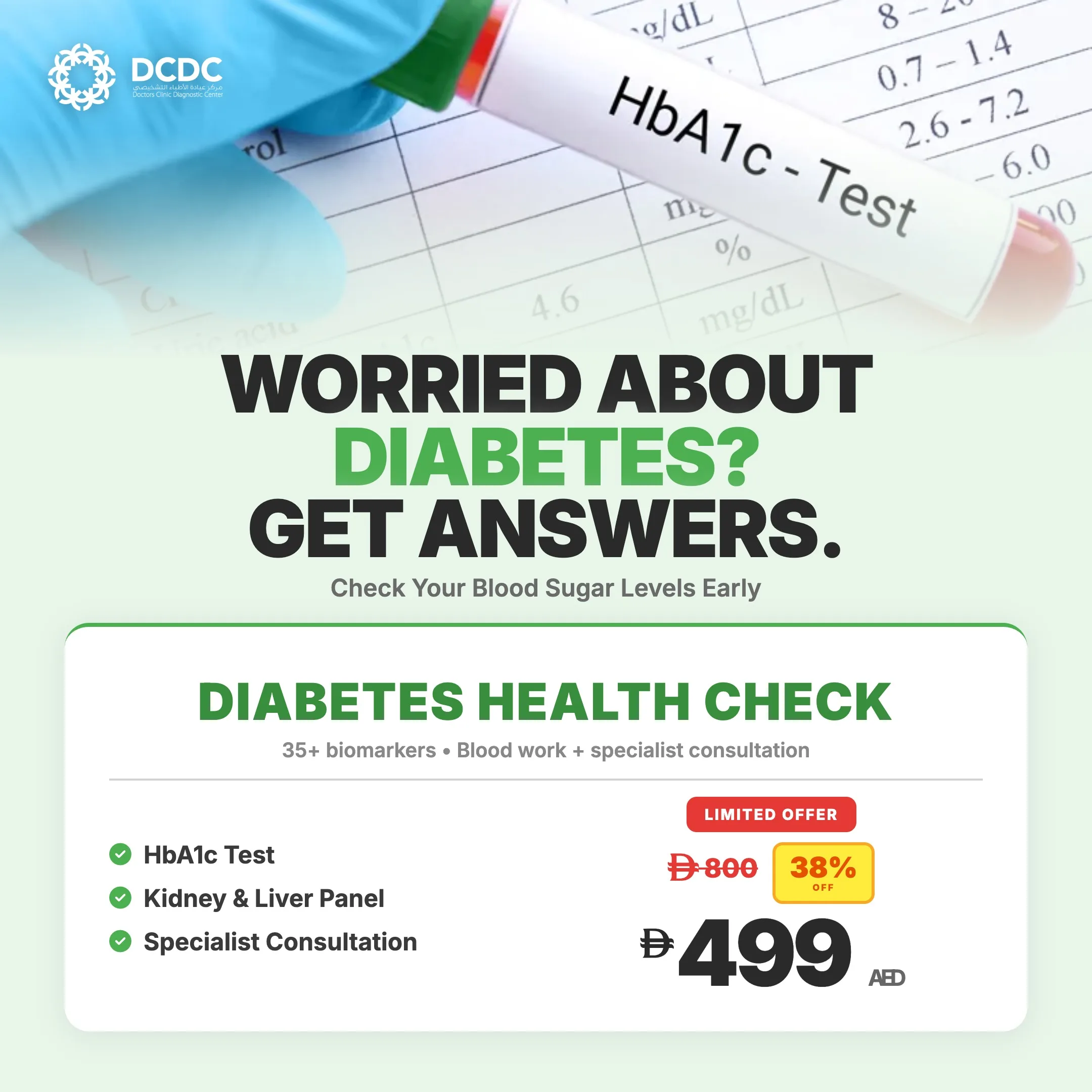
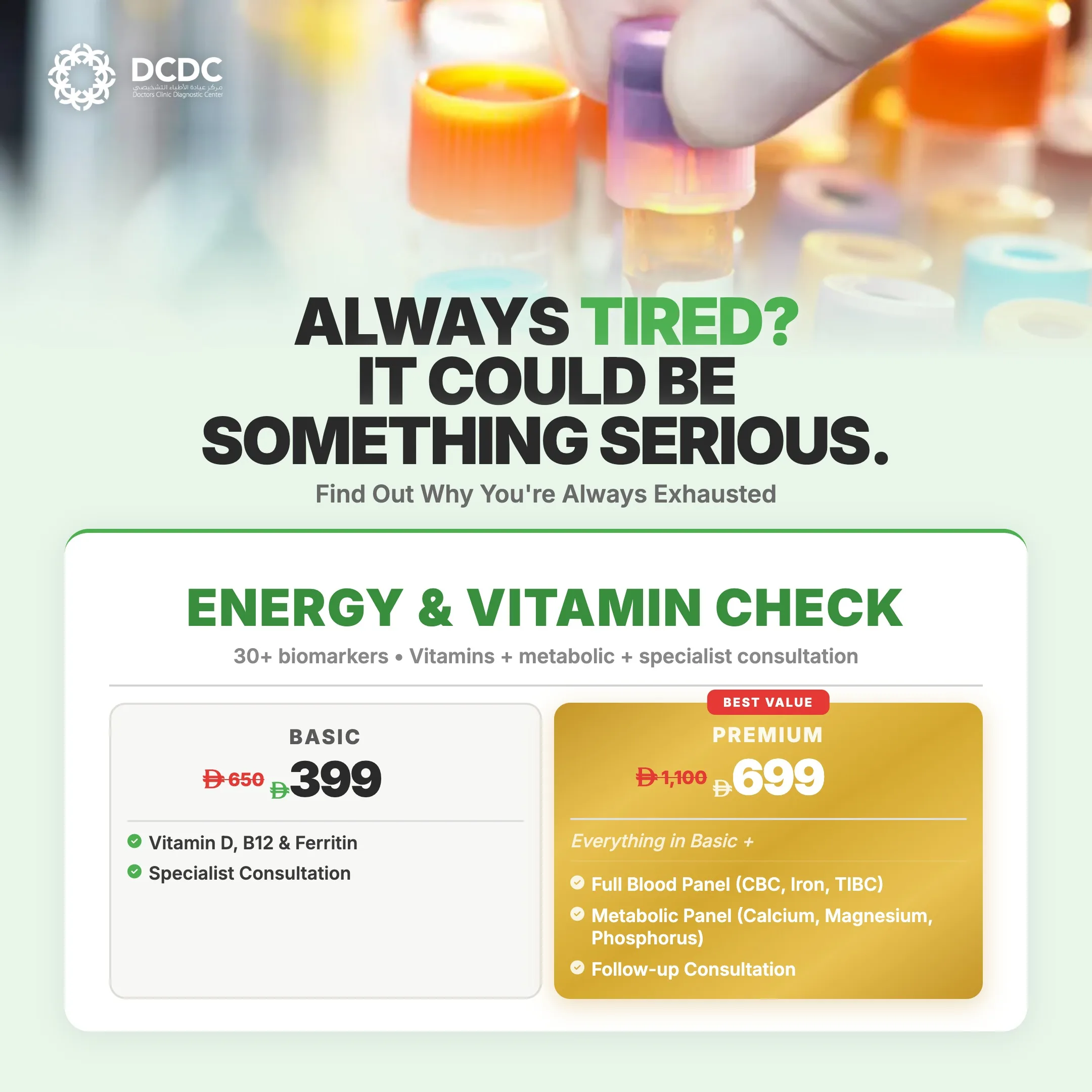
Health Screening Packages
Save with our bundled screening packages — specialist consultation included



H. Pylori Test Cost Dubai: Complete Pricing Breakdown (2026)
H. pylori test prices in Dubai vary depending on the testing method, whether you are paying out of pocket or through insurance, and whether you need a standalone test or a comprehensive GI panel. Below is a full pricing breakdown for all H. pylori-related tests and consultations available at DCDC Dubai Healthcare City. All prices shown are self-pay rates — insured patients typically pay only their co-pay amount (10–20%).
| H. Pylori Test / Service | Price Range (AED) | Fasting Required | Results Timeline |
|---|---|---|---|
| H. Pylori Stool Antigen Test | From AED 300 | No | Within 24 hours |
| H. Pylori Blood Antibody Test (IgG) | From AED 300 | No | Within 24 hours |
| H. Pylori Urea Breath Test (UBT) | From AED 300 | Yes (4–6 hours) | Same day |
| GP Consultation (test ordering & interpretation) | From AED 150 | No | Same visit |
| Triple Therapy Medication Course (14 days) | AED 200–500 | No | Prescribed same day |
| Follow-Up Eradication Test (post-treatment) | From AED 300 | Depends on method | Within 24 hours |
| Comprehensive GI Panel (H. pylori + liver + kidney + CBC) | From AED 400–700 | Yes (8–12 hours) | Same day / 24 hours |
Prices are approximate self-pay rates at DCDC Dubai Healthcare City. Insured patients pay co-pay only. Contact DCDC for current pricing.
At DCDC, blood tests start from AED 99 for basic panels, and H. pylori-specific testing starts from AED 300. If your doctor recommends a comprehensive workup — particularly for patients with multiple GI symptoms — bundled panels provide better value by combining H. pylori testing with liver function, kidney markers, and a complete blood count in a single visit.
DCDC vs Other Dubai Clinics: H. Pylori Test Cost Comparison
H. pylori test pricing varies considerably across Dubai depending on the facility type, location, and whether you are visiting a private clinic, hospital outpatient department, or diagnostic laboratory. The table below compares typical pricing across different facility types in Dubai to help you understand where DCDC stands in terms of value.
| Facility Type | H. Pylori Stool Test | H. Pylori Breath Test | GP Consultation | Wait Time |
|---|---|---|---|---|
| DCDC (Dubai Healthcare City) | From AED 300 | From AED 300 | From AED 150 | 15 min average |
| Private Hospital Outpatient | AED 300–500 | AED 500–800 | AED 300–500 | 30–60 min |
| Premium Private Clinic | AED 250–400 | AED 400–600 | AED 250–400 | 20–45 min |
| Standalone Diagnostic Lab | AED 150–300 | AED 300–500 | Not available | 15–30 min |
| DHA Public Health Center | AED 50–150 | AED 100–250 | AED 50–100 | 60–120 min |
Comparison based on typical self-pay pricing across Dubai facility types. Actual prices may vary by provider.
DCDC offers a compelling combination of competitive pricing, minimal wait times (15 minutes on average), on-site laboratory processing, and same-day specialist access if your results require further evaluation. Unlike standalone diagnostic labs, DCDC provides both testing and treatment under one roof — meaning you can receive your diagnosis and start triple therapy in a single visit without being referred elsewhere.
Types of H. Pylori Tests Available in Dubai
Three non-invasive testing methods are available for detecting H. pylori infection. Each has different accuracy levels, costs, and clinical applications. Understanding the differences helps you and your doctor choose the most appropriate test for your situation.
- Urea Breath Test (UBT): The gold standard non-invasive test with >95% sensitivity and specificity. You swallow a urea solution labelled with carbon-13, and if H. pylori is present, the bacteria break down the urea and release labelled CO2 that is detected in your breath. Requires 4–6 hours of fasting and stopping PPIs for 2 weeks prior. Costs from AED 300 at DCDC
- Stool Antigen Test (SAT): Detects H. pylori proteins directly in a stool sample. Sensitivity of 90–95% when performed with monoclonal antibody assays. No fasting required, making it convenient for patients who cannot fast. Excellent for both initial diagnosis and confirming eradication post-treatment. Costs from AED 300 at DCDC
- Blood Antibody Test (IgG Serology): Detects antibodies your immune system produces against H. pylori. Quick and inexpensive (from AED 300) but cannot distinguish between active and past infection — antibodies remain positive for months after successful eradication. Best used as an initial screening tool rather than for confirming cure
At DCDC, all three tests are available on site in our MOHAP-licensed laboratory (License No. NIMY7VY5-240925). Your doctor will recommend the most appropriate test based on your symptoms, medication history, and whether this is an initial diagnosis or a post-treatment confirmation test. The stool antigen test using monoclonal antibody assays offers the best balance of accuracy and cost for most patients.
Book Your H. Pylori Test Today
Walk-in or book via WhatsApp. Results within 24 hours. From AED 300.
Sat–Thu 8 AM–10 PM | Fri 9 AM–9 PM | Free parking | 20+ insurers accepted
Factors That Affect H. Pylori Test Cost in Dubai
Several variables influence what you will ultimately pay for H. pylori testing in Dubai. Understanding these factors helps you plan your budget and avoid unexpected charges.
- Test method chosen: All three non-invasive H. pylori tests — urea breath test, stool antigen, and blood antibody — cost from AED 300 at DCDC
- Facility type: Hospital outpatient departments typically charge 2–3x more than clinics like DCDC for the same test due to higher overheads and facility fees
- Insurance coverage: If your doctor orders the test based on clinical symptoms (dyspepsia, ulcer history, family history of gastric cancer), most insurance plans cover it fully — you pay only the co-pay (typically AED 20–50)
- Bundled vs standalone: Ordering H. pylori testing as part of a comprehensive GI panel is more cost-effective than ordering multiple individual tests separately
- Consultation fee: Some clinics include test interpretation in the consultation fee, while others charge separately. At DCDC, your GP consultation (from AED 150) includes full result interpretation and treatment planning
- Follow-up testing: If your initial test is positive and you complete treatment, a confirmation test 4–6 weeks later adds to total cost. The stool antigen test is the recommended and most cost-effective option for eradication confirmation
For most patients visiting DCDC, the total cost of H. pylori diagnosis — including consultation, test, and result interpretation — ranges from AED 450–700 out of pocket. With insurance, this typically drops to AED 20–100 in co-pays depending on your plan. Patients with concurrent acid reflux or GERD symptoms may benefit from a broader GI evaluation panel that addresses multiple conditions simultaneously.
H. Pylori Treatment Cost in Dubai: Triple Therapy Breakdown
Once H. pylori infection is confirmed, treatment follows international guidelines (ACG/Maastricht VI consensus) using triple or quadruple therapy regimens. Understanding the full treatment cost helps you plan beyond just the diagnostic test.
- Standard Triple Therapy (14 days): Proton pump inhibitor (PPI) + Amoxicillin + Clarithromycin. Medication cost from AED 200–400 depending on pharmacy and brand
- Bismuth Quadruple Therapy (14 days): PPI + Bismuth subsalicylate + Metronidazole + Tetracycline. Used when clarithromycin resistance is suspected. Medication cost from AED 250–500
- Levofloxacin-based Therapy (14 days): PPI + Amoxicillin + Levofloxacin. Second-line option if first-line treatment fails. Medication cost from AED 200–450
- GP/Specialist Consultation for Treatment: From AED 150 at DCDC. Includes treatment plan, medication prescription, and follow-up scheduling
- Post-Treatment Confirmation Test: From AED 300 (stool antigen or breath test, performed 4–6 weeks after completing antibiotics)
The total cost of H. pylori treatment — from initial testing through confirmed eradication — typically ranges from AED 800–1,500 at DCDC depending on the treatment regimen and test methods used. At DCDC, internal medicine specialists manage H. pylori treatment using the latest evidence-based protocols, including consideration of local antibiotic resistance patterns which are particularly important in the UAE where clarithromycin resistance rates have increased in recent years.
Insurance Coverage for H. Pylori Testing in Dubai
H. pylori testing is covered by most Dubai health insurance plans when ordered by a physician based on clinical indications. DCDC partners with 20+ insurance providers with direct billing, meaning you do not need to pay upfront and claim reimbursement later.
- Covered indications: Dyspepsia lasting >2 weeks, history of peptic ulcer disease, family history of gastric cancer, iron deficiency anaemia of unknown cause, unexplained upper abdominal pain, chronic nausea
- DCDC insurance partners include: Daman, AXA, Bupa, MetLife, Cigna, Oman Insurance, ADNIC, Orient, Dubai Insurance, Allianz, Mednet, NAS, and 10+ additional providers
- Typical co-pay: AED 20–50 per visit (consultation + test) depending on your plan tier
- Pre-authorisation: Not usually required for basic H. pylori testing. Your doctor's clinical notes documenting symptoms and indication are typically sufficient
- Treatment coverage: Triple therapy medications are covered on most formularies. Follow-up testing to confirm eradication is also covered when medically justified
If you are unsure whether your insurance covers H. pylori testing, contact DCDC's reception team before your visit — they can verify coverage with your insurer in advance. For self-pay patients, DCDC's transparent pricing (from AED 300 for the test) makes H. pylori diagnosis accessible without insurance. Understanding the full range of abdominal pain causes can also help you discuss the right diagnostic approach with your doctor.
Symptoms That Warrant H. Pylori Testing
Not everyone needs H. pylori testing — but given the high prevalence rates in the UAE (estimated 60–80% in certain demographics), testing should be considered if you experience any of the following symptoms persistently.
- Chronic dyspepsia: Persistent indigestion, bloating, early satiety, or upper abdominal discomfort lasting more than 2 weeks
- Epigastric pain: Burning or gnawing pain in the upper stomach area, especially between meals or at night
- Nausea and loss of appetite: Unexplained nausea, reduced appetite, or unintentional weight loss
- Iron deficiency anaemia: Unexplained low iron levels despite adequate dietary intake — H. pylori can impair iron absorption
- History of peptic ulcers: Previous stomach or duodenal ulcers, especially if H. pylori was never tested or treated
- Family history of gastric cancer: First-degree relative with stomach cancer warrants screening regardless of symptoms
- Long-term NSAID use: Patients requiring ongoing ibuprofen, aspirin, or similar medications benefit from H. pylori eradication to reduce ulcer risk
- Chronic halitosis: Persistent bad breath not explained by dental causes — H. pylori produces ammonia and volatile sulphur compounds
Dr. Hadeel Elnur, General Practitioner at DCDC, emphasises a systematic approach to H. pylori evaluation: "When a patient presents with upper GI symptoms, I take a thorough history including medication use, dietary patterns, and family history. Based on the clinical picture, I determine the most appropriate test — often starting with the stool antigen test for its combination of high accuracy and affordability. If positive, I coordinate treatment and arrange follow-up confirmation testing. For complex cases involving multiple GI symptoms, I refer directly to our internal medicine specialists within the same facility for a comprehensive workup."
Why H. Pylori Testing Matters: Cancer Prevention and Ulcer Healing
H. pylori is not merely a cause of stomach discomfort — it is the primary cause of peptic ulcer disease worldwide and is classified as a Group 1 carcinogen by the World Health Organization. Understanding the serious consequences of untreated infection underscores why spending from AED 300 on a test is one of the most cost-effective preventive health measures available.
- Peptic ulcer disease: H. pylori causes 70–90% of duodenal ulcers and 30–60% of gastric ulcers. Eradication heals existing ulcers and prevents recurrence in most patients
- Gastric cancer risk: Chronic H. pylori infection increases stomach cancer risk by 2–6 fold. The WHO estimates that H. pylori eradication could prevent up to 40% of gastric cancers
- MALT lymphoma: A rare type of stomach lymphoma directly caused by H. pylori — early-stage cases often resolve completely with antibiotic eradication therapy alone
- Chronic gastritis: Long-standing infection causes progressive damage to the stomach lining, leading to atrophic gastritis and intestinal metaplasia — precancerous changes
- Iron and B12 deficiency: H. pylori impairs absorption of iron and vitamin B12, causing anaemia and fatigue even without obvious GI symptoms
In the Middle East, where H. pylori prevalence is among the highest globally, routine testing for symptomatic patients is strongly recommended by regional gastroenterology societies. The relatively low cost of testing (from AED 300) compared to the lifetime cost of managing peptic ulcer complications or gastric cancer treatment (which can exceed AED 200,000+) makes early detection an exceptionally high-value health investment.
What to Expect at DCDC: Your H. Pylori Testing Journey
Getting tested for H. pylori at DCDC is straightforward and designed for minimal disruption to your day. Here is what the complete patient journey looks like, from arrival to receiving your results.
- Step 1 — Arrival and registration (5 minutes): Walk into Building 64, Block A, Al Razi Medical Complex, Dubai Healthcare City. Free parking is available. Present your Emirates ID and insurance card (if applicable) at reception. Average wait time to see a doctor: 15 minutes
- Step 2 — GP consultation (10–15 minutes): Dr. Hadeel Elnur or another DCDC physician will review your symptoms, medical history, and current medications. Based on this assessment, they will recommend the most appropriate H. pylori test for your situation
- Step 3 — Sample collection (5–15 minutes): For blood antibody test: a simple blood draw from your arm. For stool antigen test: you will be given a collection kit (sample can be provided at the clinic or brought from home). For breath test: you will drink a urea solution and provide breath samples over 15–30 minutes
- Step 4 — Laboratory processing: Your sample is processed in our on-site MOHAP-licensed laboratory. Most results are available within 24 hours; breath test results are often available the same day
- Step 5 — Results and treatment plan: Results are shared via the patient portal or during a follow-up visit. If positive, your doctor prescribes triple therapy (14-day antibiotic course) and schedules a follow-up eradication test for 4–6 weeks after treatment completion
The entire process — from walking in to having your sample collected — typically takes 30–45 minutes. With DCDC's on-site laboratory and rapid result turnaround, you can receive your diagnosis and begin treatment without multiple clinic visits or long waits between steps. Walk-in patients are welcome during all operating hours: Saturday–Thursday 8 AM–10 PM and Friday 9 AM–9 PM.
H. Pylori Prevalence in the UAE and Middle East
Understanding H. pylori prevalence in Dubai and the wider region explains why testing is particularly important for residents of the UAE — even those without obvious symptoms. Routine blood testing in Dubai increasingly includes markers that suggest underlying H. pylori infection, prompting further targeted investigation.
- UAE prevalence: Studies estimate H. pylori prevalence at 60–78% in the adult population of the UAE, significantly higher than rates in Western Europe (20–40%) or North America (25–35%)
- Risk factors in Dubai: The multicultural population includes many residents from high-prevalence regions (South Asia 70–80%, Middle East 60–80%, Africa 70–90%). Crowded housing conditions in some areas facilitate transmission
- Childhood acquisition: H. pylori is typically acquired in childhood through the oral-faecal route. Most infected adults have carried the bacteria for decades before symptoms develop
- Asymptomatic carriers: Up to 80% of infected individuals remain asymptomatic. However, even asymptomatic infection carries a long-term risk of gastric cancer and should be treated when detected, particularly in patients with risk factors
- Re-infection rates: In high-prevalence regions, re-infection after successful eradication occurs in 5–10% of patients annually, making awareness and periodic screening important for high-risk groups
Given these prevalence figures, the Dubai Health Authority and international guidelines recommend a "test and treat" approach for any patient presenting with dyspepsia in high-prevalence populations — meaning H. pylori testing should be the first investigation rather than empirical acid suppression therapy alone.
Preparing for Your H. Pylori Test: Key Instructions
Proper preparation is essential to avoid false-negative results. The requirements differ by test type — follow your doctor's specific instructions, but general guidelines are outlined below.
- For the urea breath test: Fast for 4–6 hours before the test. Stop proton pump inhibitors (omeprazole, pantoprazole, etc.) for at least 2 weeks prior. Stop antibiotics for at least 4 weeks prior. Stop bismuth-containing medications for 2 weeks prior
- For the stool antigen test: No fasting required. Stop PPIs for 2 weeks and antibiotics for 4 weeks before testing. Collect a fresh stool sample (preferably morning). The sample can be brought to DCDC within 2 hours of collection or provided on site
- For the blood antibody test: No fasting required. No medication restrictions — this test detects antibodies rather than active infection, so PPIs and antibiotics do not affect results. However, note that this test cannot confirm cure after treatment
- General advice: Inform your doctor of all current medications, including over-the-counter antacids. If you are currently taking a PPI and cannot stop it for 2 weeks, the blood antibody test may be the only viable option for initial screening
The most common cause of false-negative H. pylori tests is recent use of PPIs or antibiotics — these suppress the bacteria without fully eradicating them, causing the test to appear negative while infection persists. If you are unsure about medication timing, call DCDC before your visit and our team will advise you on the optimal testing window.
Need H. Pylori Testing? Walk In or Book Now
On-site testing from AED 300. Results within 24 hours. Same-day treatment if positive.
Building 64, Block A, Al Razi Medical Complex, DHCC | Free parking | 4.8/5 Google rating
Follow-Up Testing: Confirming H. Pylori Eradication
Confirming successful eradication after treatment is a critical but often overlooked step. International guidelines (Maastricht VI/Florence Consensus, ACG Clinical Guideline 2024) strongly recommend retesting 4–6 weeks after completing antibiotic therapy to ensure the infection has been fully cleared.
- Recommended test for confirmation: Urea breath test or stool antigen test — both detect active infection. The blood antibody test is NOT suitable for confirming eradication as antibodies remain positive for 6–12 months after cure
- Timing: Wait at least 4 weeks after completing antibiotics and 2 weeks after stopping PPIs before retesting to avoid false negatives
- Eradication success rates: First-line triple therapy achieves 70–85% eradication. If the first course fails, second-line therapy with a different antibiotic combination achieves 85–95% success
- Cost of follow-up testing: From AED 300 (stool antigen or breath test) at DCDC. Insurance covers this when the initial infection was documented
- What if treatment fails: If the confirmation test remains positive, your doctor will prescribe a second-line regimen. DCDC's internal medicine specialists manage treatment-resistant H. pylori cases using evidence-based salvage therapy protocols
Skipping the confirmation test is a false economy — if treatment failed (which occurs in 15–30% of first-line courses), undetected persistent infection continues damaging the stomach lining and may develop antibiotic resistance, making future treatment more difficult and expensive.
Why Choose DCDC for H. Pylori Testing in Dubai
Doctors Clinic Diagnostic Center (DCDC) in Dubai Healthcare City offers several advantages for patients seeking H. pylori testing and treatment in Dubai.
- All three test methods on site: Breath test, stool antigen test, and blood antibody test — all processed in our own MOHAP-licensed laboratory (License No. NIMY7VY5-240925) for rapid turnaround
- Competitive pricing: H. pylori testing from AED 300, GP consultation from AED 150. Blood tests start from AED 99 for basic panels
- Fast results: Most results within 24 hours. Same-day results available for the breath test and urgent cases
- Walk-in convenience: No appointment required. Open Sat–Thu 8 AM–10 PM, Fri 9 AM–9 PM. Average wait time: 15 minutes
- Test-to-treatment in one visit: If your test is positive, your doctor can prescribe triple therapy medication the same day — no second appointment needed
- Insurance direct billing: 20+ insurance partners with direct billing. No upfront payment or reimbursement claims for insured patients
- Multi-specialty support: Internal medicine specialists available on site for complex or treatment-resistant cases. Abdominal ultrasound and further imaging accessible in the same building
- Proven patient satisfaction: 4.8/5 Google rating from 1,000+ reviews, 98% patient satisfaction score. Free parking at Al Razi Medical Complex, DHCC
Dr. Hadeel Elnur serves as the first point of contact for patients with GI symptoms at DCDC. As a general practitioner, she coordinates the complete diagnostic pathway — from initial assessment and test ordering through to treatment initiation and referral to internal medicine specialists when needed. This ensures seamless care without patients needing to navigate between multiple providers or facilities.
H. Pylori Test Cost: Frequently Misunderstood Aspects
Patients often have misconceptions about H. pylori testing costs and procedures. Addressing these misunderstandings helps you make better-informed decisions about your healthcare spending in Dubai.
- "A blood test confirms I'm cured": Incorrect. Blood antibody tests remain positive for months after successful treatment. Only breath or stool tests can confirm eradication — important to understand when budgeting for follow-up testing
- "I need an endoscopy to diagnose H. pylori": In most cases, non-invasive tests (from AED 300) are sufficient for diagnosis. Endoscopy (AED 2,000–5,000) is reserved for patients over 50 with alarm symptoms, treatment failures, or suspected complications
- "Generic antibiotics are less effective": Generic medications used in triple therapy are bioequivalent to branded versions and work equally well. The pharmacy price difference is in your favour — generic triple therapy courses cost from AED 200 vs AED 400+ for branded options
- "One test is enough": Two tests are standard — one for diagnosis and one for eradication confirmation. Budget for both (total from AED 600) as part of complete H. pylori management
- "Insurance won't cover it": H. pylori testing is covered on most Dubai insurance plans when clinically indicated. DCDC's team handles pre-authorisation where needed
When to See a Specialist: Beyond Standard H. Pylori Treatment
While most H. pylori cases are managed effectively by a GP with standard triple therapy, certain situations require specialist internal medicine involvement. At DCDC, specialist referral is immediate and seamless — patients can often see a specialist the same day.
- Treatment failure: If the confirmation test shows persistent infection after completing first-line therapy, an internal medicine specialist can prescribe tailored second-line or salvage regimens
- Alarm symptoms: Unintentional weight loss, difficulty swallowing, persistent vomiting, iron deficiency anaemia, or a family history of gastric cancer warrant endoscopic evaluation by a gastroenterology specialist
- Multiple antibiotic allergies: Patients with documented allergies to penicillin or other first-line antibiotics need specialist-designed alternative regimens
- Complex medication interactions: Patients on blood thinners, immunosuppressants, or multiple chronic medications require careful antibiotic selection to avoid interactions
- Recurrent infection: Patients who have been successfully treated but re-infected (positive test after a previously confirmed cure) may benefit from specialist assessment of risk factors and prevention strategies
DCDC's internal medicine team manages the full spectrum of H. pylori-related conditions, from straightforward infections to complex treatment-resistant cases. Combined with on-site abdominal ultrasound capabilities, the clinic offers comprehensive GI evaluation without external referrals.
Verwandte Leistungen im DCDC
Fachkundige Betreuung und moderne Diagnostik in Dubai Healthcare City
Frequently Asked Questions
Final Thoughts
H. pylori testing is one of the most cost-effective preventive health measures available in Dubai. For as little as AED 300, a simple stool or blood test can detect a bacterial infection that — if left untreated — causes peptic ulcers, chronic gastritis, and significantly increases stomach cancer risk. Given the high prevalence of H. pylori in the UAE (60–78% of adults), testing should be a priority for anyone experiencing persistent digestive symptoms, iron deficiency, or with a family history of gastric disease.
At DCDC Dubai Healthcare City, we have designed our H. pylori testing pathway for maximum convenience and minimal cost. All three non-invasive tests are available on site (stool antigen from AED 300, blood antibody from AED 300, breath test from AED 300), results come back within 24 hours from our MOHAP-licensed laboratory, walk-ins are welcome seven days a week, and 20+ insurance partners are accepted with direct billing. If your test is positive, treatment can begin the same day — no second appointment required.
Whether you are investigating persistent stomach symptoms, confirming eradication after treatment, or screening based on risk factors, DCDC's team — led by Dr. Hadeel Elnur as your first point of contact — provides coordinated care from initial consultation through to confirmed cure. Our internal medicine specialists are available in the same building for complex cases, and abdominal ultrasound is accessible on site for patients requiring further GI evaluation. Contact us via phone or WhatsApp to book your H. pylori test, or simply walk into our Al Razi Medical Complex location in Dubai Healthcare City.
Quellen und Referenzen
Dieser Artikel wurde von unserem medizinischen Team überprüft und bezieht sich auf folgende Quellen:
- World Health Organization — IARC Monographs: Helicobacter pylori (Group 1 Carcinogen)
- American College of Gastroenterology — Clinical Guideline: Treatment of Helicobacter pylori Infection (2024)
- Malfertheiner P, et al. — Management of Helicobacter pylori infection: The Maastricht VI/Florence Consensus Report (Gut, 2022)
- Mayo Clinic — Helicobacter pylori (H. pylori) Infection: Diagnosis and Treatment
- Hooi JKY, et al. — Global Prevalence of Helicobacter pylori Infection: Systematic Review and Meta-Analysis (Gastroenterology, 2017)
- Ford AC, et al. — Helicobacter pylori eradication therapy to prevent gastric cancer (The Lancet, 2020)
Medizinische Inhalte auf dieser Website werden von DHA-lizenzierten Ärzten überprüft. Siehe unsere redaktionelle Richtlinien für weitere Informationen.

Verfasst von
Dr. Hadeel Elnur
General Practitioner
MD, General Practice
Dr. Hadeel Elnur is a General Practitioner at Doctors Clinic Diagnostic Center (DCDC) in Dubai Healthcare City.
Related Articles

Acid Reflux Dubai: GERD Symptoms & Care

Abdominal Pain Dubai: Causes & Diagnosis
Blood Test Dubai: Types, Cost & Fasting Guide

IBS Treatment Dubai: Symptoms & Relief
Abdominal Ultrasound: What It Shows & Preparation
Mehr in Internal Medicine

Endoscopy Dubai: Types, Cost & Guide (2026)
Weiterlesen
Uric Acid & Gout Treatment Dubai: Guide (2026)
Weiterlesen
Low Testosterone Symptoms & Treatment Dubai (2026)
Weiterlesen
Stomach Ulcer Dubai: Symptoms & Treatment (2026)
WeiterlesenBloating Causes & Treatment in Dubai (2026)
Weiterlesen
Anemia Treatment Dubai: Types & Causes (2026)
Weiterlesen© 2026 Doctors Clinic Diagnostic Center (DCDC), Dubai Healthcare City. Originally published at https://doctorsclinicdubai.ae/blog/h-pylori-test-cost-dubai. All rights reserved. Unauthorized reproduction is prohibited.