Wichtigste Erkenntnisse
- Ankle sprains are graded 1 to 3 based on ligament damage severity; grade determines treatment approach and recovery timeline
- Most grade 1 and grade 2 ankle sprains recover fully with conservative treatment — no surgery required
- The updated POLICE protocol (Protect, Optimally Load, Ice, Compress, Elevate) outperforms old RICE by encouraging early controlled movement
- Same-day diagnosis is available at DCDC using on-site digital X-ray and Siemens 1.5T MRI to rule out fractures and assess ligament damage
- PRP therapy is available at DCDC for grade 2-3 ligament injuries that do not respond to standard physiotherapy
- Up to 40% of ankle sprains lead to chronic ankle instability if not properly rehabilitated — structured physiotherapy significantly reduces this risk
- Orthopedic consultation at DCDC starts from AED 500 with direct billing to 20+ insurance providers including Daman, AXA, and Bupa
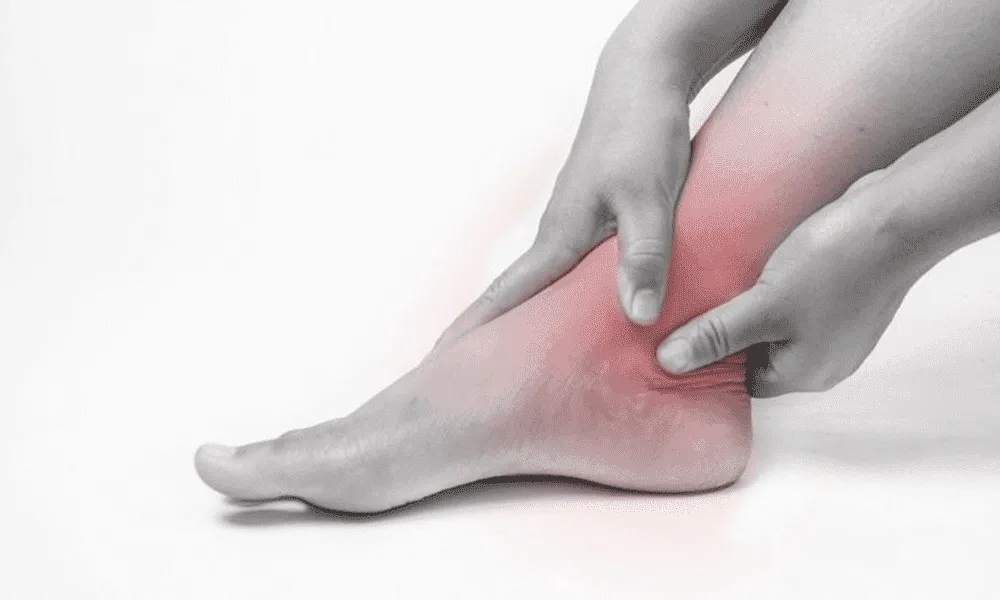
A sprained ankle is one of the most common injuries seen in Dubai's orthopedic clinics — accounting for roughly 40% of all sports injuries and sending over 3 million people globally to emergency departments every year. Whether you rolled your ankle on a padel court in Business Bay, stepped off a kerb in Downtown Dubai, or twisted it during a morning run along JBR, getting the right diagnosis and starting the correct treatment within the first 24-72 hours makes a significant difference to how quickly you recover. Our Orthopedic Consultation service at DCDC Dubai Healthcare City offers same-day appointments with on-site imaging so you never need to travel to multiple facilities.
This guide covers everything patients in Dubai need to know about ankle sprains: how injuries are graded, what the evidence says about first aid and treatment, when imaging is necessary, what physiotherapy involves, and how to prevent recurrence. The information is based on current clinical guidelines and the approach used by our orthopedic team at DCDC.
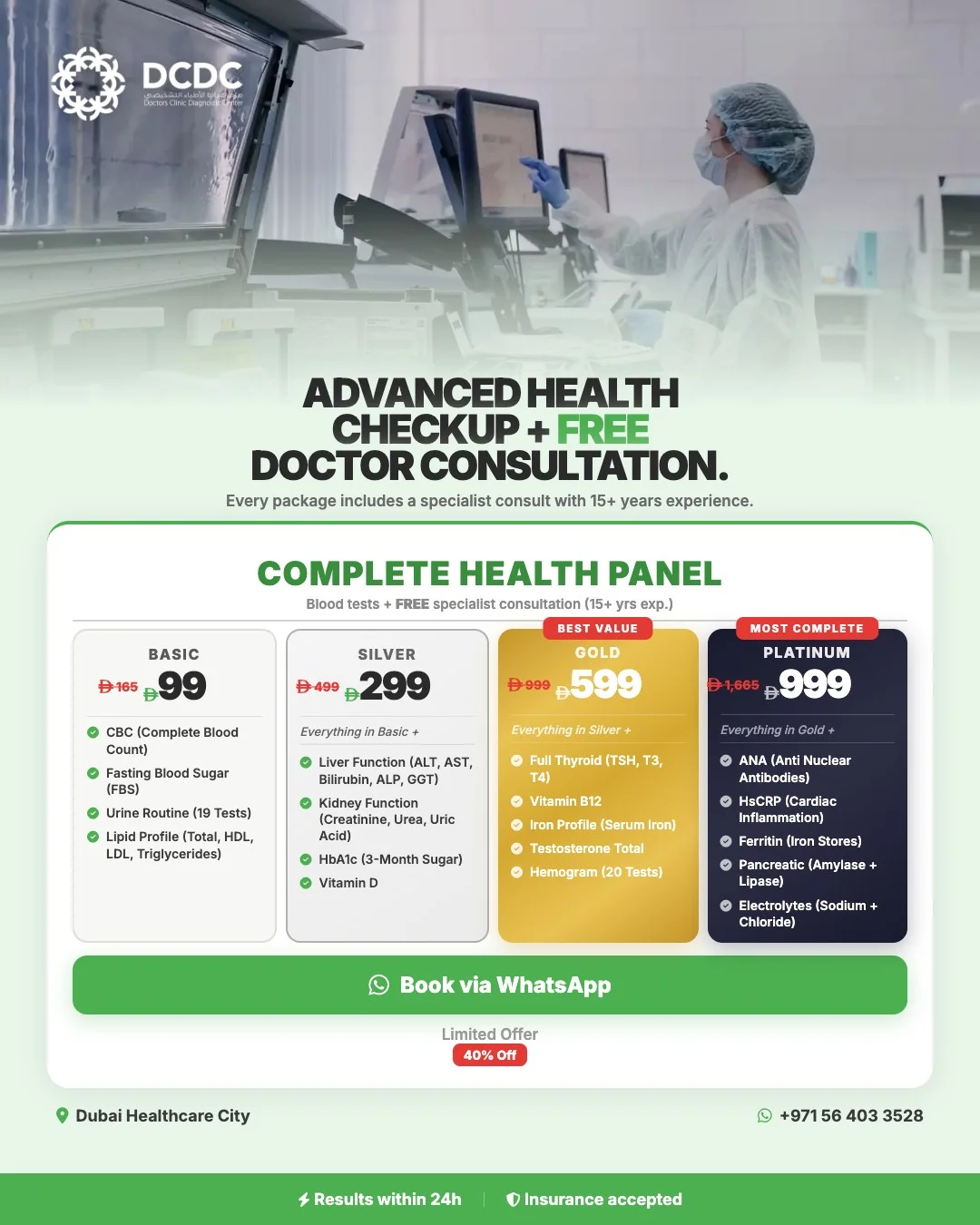
Health Screening Packages
Save with our bundled screening packages — specialist consultation included




What Is an Ankle Sprain and Why Does It Happen?
An ankle sprain occurs when the ligaments that stabilise the ankle joint are stretched or torn beyond their normal range of motion. Ligaments are tough, fibrous bands of connective tissue that hold bones together. The ankle has several key ligaments on both the inner (medial) and outer (lateral) sides, but approximately 85% of ankle sprains affect the lateral ligament complex on the outside of the ankle.
The most commonly injured structure is the anterior talofibular ligament (ATFL), followed by the calcaneofibular ligament (CFL). These ligaments are most vulnerable when the foot rolls inward (inversion) while the ankle is in a plantarflexed position — the classic "twisted ankle" mechanism seen in basketball, football, padel, and trail running. High-heeled footwear, uneven surfaces, and fatigue during exercise are also significant contributing factors.
Medial (deltoid ligament) sprains are far less common because the deltoid is inherently stronger, but they do occur with forced eversion injuries. High ankle sprains, which involve the syndesmotic ligaments connecting the tibia and fibula, are more serious injuries often associated with rotational mechanisms and require longer recovery periods.
Ankle Sprain Grades: Understanding the Severity Scale
Ankle sprains are classified into three grades based on the degree of ligament damage. This grading system directly informs the treatment plan, expected recovery timeline, and whether imaging is required. Accurate grading requires a clinical examination by an orthopedic specialist — self-assessment based on pain alone is unreliable, as high-grade sprains sometimes cause less immediate pain than fractures.
| Grade | Ligament Damage | Symptoms | Stability | Expected Recovery | Treatment Focus |
|---|---|---|---|---|---|
| Grade 1 (Mild) | Microscopic fibre tears, ligament intact | Mild pain, minimal swelling, slight tenderness | Stable joint | 1-2 weeks | POLICE protocol, activity modification |
| Grade 2 (Moderate) | Partial ligament tear (50% or less) | Moderate pain, swelling, bruising, difficulty weight-bearing | Some laxity on examination | 3-6 weeks | Bracing, physiotherapy, protected weight-bearing |
| Grade 3 (Severe) | Complete ligament rupture | Severe pain, significant swelling, bruising, inability to bear weight | Gross instability | 6-12+ weeks | Immobilisation, intensive physiotherapy, possible PRP or surgery |
Ankle sprain grading system with recovery timelines and treatment approach
It is worth noting that even within each grade, individual recovery varies based on age, fitness level, the number of previous ankle sprains, and how quickly treatment begins. Research published in PMC (2025) using ultrasonographic assessment found that severity-dependent recovery is detectable early, meaning proper grading at the outset leads to better-calibrated treatment protocols.
First Aid for a Sprained Ankle: POLICE vs RICE
For decades, the standard first-aid advice for sprains was RICE: Rest, Ice, Compress, Elevate. While still partially valid, sports medicine guidelines have evolved. The updated framework — POLICE — is now preferred by most physiotherapists and orthopedic specialists because it replaces prolonged rest with optimally loaded early movement, which accelerates tissue healing and prevents the strength and proprioceptive deficits that contribute to chronic instability.
- Protect: Use crutches, a brace, or tape to protect the ankle from further injury. Protection does not mean complete immobilisation — it means supporting the joint while allowing graded movement.
- Optimally Load: Begin gentle, pain-guided movement as early as tolerated — usually within 24-48 hours. Early loading stimulates collagen remodelling and reduces the risk of chronic stiffness.
- Ice: Apply ice (wrapped in a cloth) for 15-20 minutes every 2-3 hours during the first 48-72 hours to reduce swelling and pain. Do not apply ice directly to skin.
- Compress: Use a compression bandage or tubigrip to minimise swelling. Ensure it is snug but not so tight it restricts circulation.
- Elevate: Keep the ankle raised above heart level when resting to encourage fluid drainage and reduce swelling.
Non-steroidal anti-inflammatory drugs (NSAIDs) such as ibuprofen can help manage pain and swelling in the short term but should not be used for more than 5-7 days without medical guidance. Prolonged NSAID use may interfere with ligament healing processes. For persistent pain or worsening symptoms beyond 48-72 hours, an orthopedic consultation is strongly recommended. You can also read our guide on Sports Injury Recovery Dubai: PRP & Rehab for broader context on managing soft tissue injuries.
When Should You See a Doctor for a Sprained Ankle?
Not every ankle sprain requires an emergency visit, but certain signs warrant prompt medical evaluation to rule out fractures and assess ligament integrity. The Ottawa Ankle Rules — a validated clinical decision tool with nearly 100% sensitivity for fractures — help determine when X-rays are necessary.
According to the Ottawa Ankle Rules, imaging is indicated if you have pain in the malleolar zone AND any of the following: bony tenderness at the posterior edge or tip of the lateral malleolus (lower fibula), bony tenderness at the posterior edge or tip of the medial malleolus (lower tibia), or inability to take four steps immediately after the injury and in the emergency room. These rules help reduce unnecessary X-rays by 30-40% while ensuring fractures are not missed.
- You cannot bear any weight on the ankle immediately after the injury
- There is significant swelling or bruising within the first 2 hours
- You feel a "pop" at the time of injury and the joint feels unstable
- Pain is localised to the bony areas of the ankle rather than the soft tissue
- Symptoms are not improving after 5-7 days of home treatment
- This is a recurrent injury on the same ankle (suggests chronic instability)
- You are a competitive athlete who needs a rapid, accurate diagnosis and structured rehabilitation plan
Ankle Sprain Diagnosis: X-ray, MRI, and Ultrasound
Accurate diagnosis of an ankle sprain requires a combination of clinical examination and, where indicated, diagnostic imaging. At DCDC in Dubai Healthcare City, all imaging modalities are available on-site, meaning you can proceed from your orthopedic consultation directly to X-ray or MRI without leaving the building — a critical advantage when every hour of delayed diagnosis extends your recovery.
| Imaging Type | What It Shows | When It's Used | Available at DCDC |
|---|---|---|---|
| Digital X-ray | Bone structure, fractures, dislocations | First-line after ankle trauma; guided by Ottawa Ankle Rules | Yes — same day |
| Siemens 1.5T MRI | Ligament tears (ATFL, CFL), cartilage damage, bone oedema, tendon injuries | Grade 2-3 sprains, chronic instability, athletes, no improvement at 6 weeks | Yes — same day |
| Ultrasound | Soft tissue swelling, ligament integrity, tendon tears, fluid collections | Dynamic assessment, guided injections, initial soft tissue triage | Yes — same day |
| CT Scan | Complex fracture patterns, osteochondral lesions, bony anatomy | Suspected bony impingement, pre-surgical planning | Yes — same day |
Ankle imaging modalities available at DCDC for sprain diagnosis and assessment
Our Siemens 1.5T wide-bore MRI provides exceptional soft tissue resolution for ligament assessment. Unlike standard closed-bore MRI units, the wide-bore design is more comfortable for patients who experience claustrophobia, and the 1.5T field strength offers the optimal balance of image quality and scan time for ankle ligament evaluation. For patients who have had a sprain and want to understand what the scan shows, our detailed guide Ankle MRI Dubai: What It Shows & Cost covers the anatomy and scan process comprehensively.
Ankle Sprain Treatment Options at DCDC Dubai
Treatment at DCDC is tailored to the grade of injury, the patient's activity level and goals, and any associated findings on imaging. Dr. Mersad Moosavi, our orthopedic specialist with 14+ years of experience, takes a conservative-first approach to ankle sprain management. In his words: "The vast majority of ankle sprains, even complete ligament tears, do not require surgery if rehabilitation is started promptly and progressed systematically. My priority is always to restore full function through structured physiotherapy and, where appropriate, regenerative options like PRP — surgery is reserved for cases of true chronic instability that have failed all conservative measures."
- Conservative management (all grades): POLICE protocol, compression bracing, anti-inflammatory medication, and activity modification form the foundation of initial care
- Physiotherapy: Structured rehabilitation addressing range of motion, proprioception, strength, and sport-specific functional training — essential for all grade 2 and 3 injuries
- Ankle bracing and taping: Functional bracing maintains stability during early rehabilitation while allowing progressive loading; rigid casting is now largely reserved for fractures
- PRP (Platelet-Rich Plasma) therapy: Available at DCDC for grade 2-3 ligament injuries; growth factors in PRP stimulate tissue repair and may accelerate recovery, particularly for patients who have not responded to physiotherapy alone
- Corticosteroid injections: Occasionally used for persistent swelling and pain, typically in conjunction with physiotherapy; not first-line treatment for acute sprains
- Surgical repair (lateral ligament reconstruction): Indicated only for chronic ankle instability that fails 3-6 months of supervised conservative treatment; the Broström-Gould procedure is the gold standard
Sprained Your Ankle? Get Expert Assessment Today
Same-day appointments at DCDC Dubai Healthcare City. Our orthopedic team provides on-site digital X-ray and Siemens 1.5T MRI for accurate diagnosis within hours. Direct billing with Daman, AXA, Bupa, MetLife, Cigna, and 15+ other insurers. Orthopedic consultation from AED 500.
Ankle Sprain Treatment Cost in Dubai (2026)
The total cost of ankle sprain treatment in Dubai depends on the severity of the injury, the imaging required, and whether physiotherapy or advanced treatments like PRP are needed. The table below provides a realistic cost framework for cash-pay patients at DCDC. Patients covered by insurance may have significantly reduced out-of-pocket costs through our direct billing arrangements.
| Service | Estimated Cost (Cash) | Insurance Coverage | Notes |
|---|---|---|---|
| Orthopedic Consultation | From AED 500 | Covered by most plans | Includes clinical examination and treatment plan |
| Digital X-ray (ankle) | AED 150-300 | Covered by most plans | Results typically available same day |
| MRI Ankle (Siemens 1.5T) | AED 900-1,500 | Covered for clinical indication | Same-day scan at DCDC; no external referral needed |
| Ultrasound (soft tissue) | AED 300-600 | Covered by most plans | Can be performed at same visit as consultation |
| Physiotherapy (per session) | AED 300-500 | Covered subject to plan limits | Session packs available at DCDC for cost savings |
| PRP Therapy (ankle ligament) | AED 1,500-3,000 per injection | Variable; check with insurer | Typically 1-3 injections; accelerates ligament healing |
| Ankle bracing/support | AED 150-400 | Variable | Medical-grade braces stocked at DCDC |
Estimated ankle sprain treatment costs at DCDC Dubai (2026) — all prices are indicative; confirm with clinic at time of booking
DCDC is MOHAP-licensed and holds direct billing agreements with over 20 insurance providers including Daman, AXA, Bupa, MetLife, and Cigna. Patients with comprehensive health insurance in the UAE typically find that their orthopedic consultation, X-rays, and physiotherapy sessions are fully or substantially covered. We recommend calling ahead to confirm your specific coverage before your appointment.
Physiotherapy for Ankle Sprains: The Rehabilitation Phases
Structured physiotherapy is the single most important factor in preventing chronic ankle instability after a sprain. Research from the American Physical Therapy Association's Clinical Practice Guidelines shows that patients who undergo supervised rehabilitation have significantly lower rates of re-injury and residual symptoms compared to those who rely on rest alone. At DCDC, our physiotherapy team works in close collaboration with the orthopedic team, with rehabilitation plans designed based on the grade of injury confirmed through clinical examination and imaging.
| Phase | Timeframe | Goals | Key Exercises | Progression Criteria |
|---|---|---|---|---|
| Phase 1: Acute | Days 1-7 | Reduce pain and swelling, protect the ligament, maintain circulation | POLICE protocol, ankle pumps, gentle range of motion, isometric exercises | Swelling controlled, able to bear weight with minimal pain |
| Phase 2: Subacute | Week 1-3 | Restore full range of motion, begin weight-bearing strength | Towel stretches, resistance band exercises, seated calf raises, partial weight-bearing | Full pain-free range of motion, symmetrical weight-bearing |
| Phase 3: Strengthening | Week 3-6 | Build ankle and lower leg strength, restore proprioception | Single-leg balance, wobble board, progressive calf raises, step-ups | Single-leg stance > 30 seconds, strength > 80% of uninjured side |
| Phase 4: Functional | Week 6-10 | Sport-specific movement patterns, dynamic stability, return to activity | Lateral agility drills, jumping and landing mechanics, sport-specific training | Passes functional ankle stability tests, pain-free with all activities |
Ankle sprain physiotherapy rehabilitation phases and progression criteria
Our physiotherapy team at DCDC offers flexible session packs, making it easier to commit to the full rehabilitation programme without the burden of per-session costs. For a detailed overview of what to expect during your first physiotherapy visit, see our guide on First Physiotherapy Session: What to Expect. For broader context on rehabilitation services in Dubai, the Physiotherapy Dubai: Types, Cost & Guide is a useful reference.
PRP Therapy for Ankle Ligament Injuries
Platelet-Rich Plasma (PRP) therapy involves concentrating growth factors from a patient's own blood and injecting them into the injured ligament to stimulate accelerated healing. PRP is particularly useful for grade 2-3 ankle sprains where ligament fibres are partially or completely torn, and for patients who are experiencing delayed recovery despite completing an adequate physiotherapy programme.
A 2024 review in BJMS (Bosnian Journal of Medical Sciences) found that PRP combined with standard physiotherapy showed faster pain reduction and functional recovery for acute lateral ankle sprains compared to physiotherapy alone. A 2024 case series in Biomedicines on chronic lateral ankle instability reported successful short-term functional outcomes following PRP with no adverse effects. The evidence base supports its use as a level B recommendation (limited quality patient-oriented evidence) for acute ankle sprains.
At DCDC, PRP therapy for ankle ligament injuries is performed by our orthopedic specialists under ultrasound guidance to ensure precise injection placement into the damaged tissue. A typical course involves 1-3 injections at 7-day intervals, and patients can usually continue their physiotherapy programme alongside treatment. For more information on regenerative treatments, see our guide on Sports Injury Recovery Dubai: PRP & Rehab.
Chronic Ankle Instability: When a Sprain Becomes a Long-Term Problem
Chronic ankle instability (CAI) is one of the most significant complications of undertreated ankle sprains, affecting an estimated 40% of patients who do not complete adequate rehabilitation. It is defined as persistent instability, giving-way episodes, pain, and weakness for more than 12 months following the initial injury. Studies show that 74% of patients report at least one residual symptom (pain, swelling, weakness, or instability) 1-4 years after an ankle sprain.
Recurrent ankle sprains are both a cause and a consequence of CAI: each subsequent sprain causes additional ligament damage, further stretching already compromised tissue, and progressively worsening proprioceptive deficits. This is why comprehensive rehabilitation after even a first-time grade 2 sprain is not optional — it is injury prevention. Patients who have experienced multiple sprains on the same ankle, or who feel persistent instability on uneven surfaces, should undergo a comprehensive orthopedic assessment. The risk of developing post-traumatic osteoarthritis also increases with recurrent ankle instability.
For patients with established CAI that has not responded to 3-6 months of supervised physiotherapy and PRP, surgical options include the Broström-Gould lateral ligament reconstruction — a minimally invasive procedure with high success rates and rapid functional recovery. Our orthopedic team at DCDC will assess whether surgery is appropriate based on imaging, functional testing, and your activity goals.
What to Expect at DCDC: Your Ankle Sprain Patient Journey
DCDC is a one-stop diagnostic and treatment centre in Dubai Healthcare City, rated 4.8/5 on Google from over 1,000 verified patient reviews with a 98% patient satisfaction rate. Here is what your visit for an ankle sprain typically looks like from arrival to treatment plan:
- Arrival and check-in: Free parking is available at Al Razi Medical Complex. Reception staff will register you and verify insurance details — direct billing is available for 20+ providers. Same-day appointments are frequently available, and walk-in assessment is accepted for acute injuries.
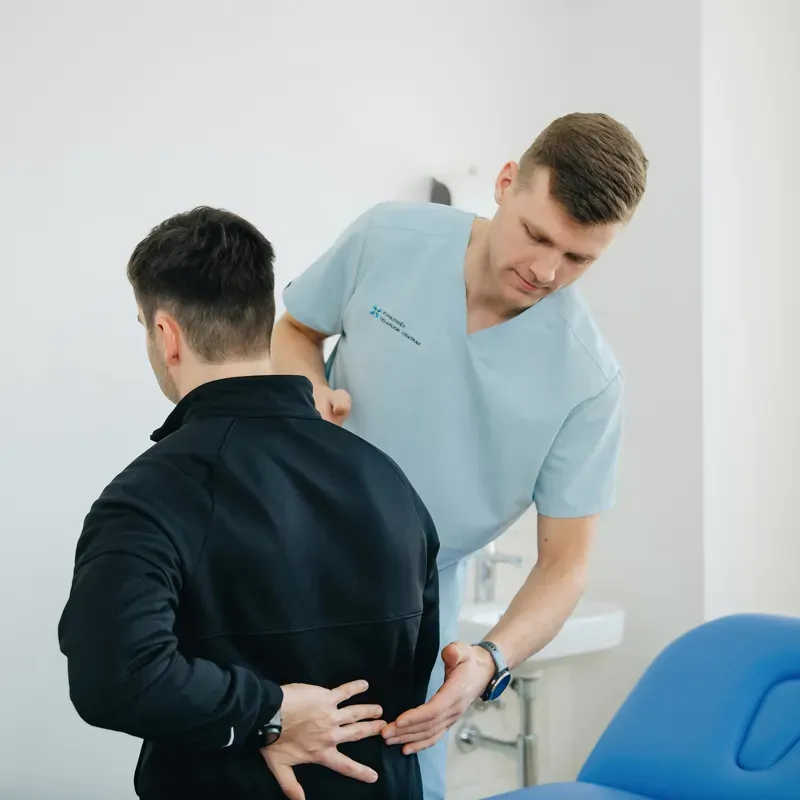
- Orthopedic consultation: Dr. Mersad Moosavi or a member of the orthopedic team conducts a structured clinical examination: assessment of swelling, bruising, point tenderness, range of motion, and ligament stress tests (anterior drawer test, talar tilt test). The Ottawa Ankle Rules are applied to determine whether imaging is needed.
- On-site imaging (if indicated): Digital X-ray to rule out fractures is performed within the same building and results are available within minutes. If MRI is indicated, the Siemens 1.5T wide-bore unit can be scheduled immediately — often on the same day — and provides detailed visualisation of all ankle ligaments, tendons, cartilage, and bone marrow.
- Diagnosis and grading: The specialist reviews imaging results and provides a definitive diagnosis — typically Grade 1, 2, or 3 ankle sprain, with any associated injuries (e.g., osteochondral lesion, peroneal tendon injury) identified and documented.
- Treatment plan: A personalised management plan is created based on your grade of injury, imaging findings, activity level, and treatment goals. This will typically include immediate care instructions (POLICE protocol), bracing recommendations, physiotherapy referral within the same building, and follow-up schedule.
- Physiotherapy referral: If physiotherapy is indicated (grade 2-3 sprains and most athletes with grade 1), you will be referred directly to the DCDC physiotherapy team, eliminating the wait time associated with external referrals. Session packs are available to make the full rehabilitation programme affordable.
- Follow-up care: Progress reviews are scheduled to assess healing and adjust the treatment plan. If recovery is delayed, PRP therapy or further imaging may be recommended at this stage.
DCDC operates from Building 64, Block A, Al Razi Medical Complex, Dubai Healthcare City. Hours are Saturday to Thursday 8AM-10:30PM and Friday 9AM-10PM, making it accessible before and after work for the majority of Dubai's working population.
Ankle Sprain Recovery Timeline: What to Expect Week by Week
Recovery timelines vary significantly based on injury grade, age, fitness level, and how promptly treatment begins. The following represents a realistic framework for patients who start appropriate treatment promptly and adhere to their rehabilitation programme. Note that these are averages — individual recovery may be faster or slower.
| Timeframe | Grade 1 | Grade 2 | Grade 3 |
|---|---|---|---|
| Days 1-3 | Pain and swelling peaks, begin POLICE | Significant swelling, crutches may be needed, begin POLICE | Severe swelling and pain, immobilisation or cast boot, X-ray/MRI |
| Week 1-2 | Pain resolving, walking normally, return to light activity | Weight-bearing improving, begin range of motion physiotherapy | Protected weight-bearing begins, acute physiotherapy starts |
| Week 3-4 | Return to low-impact sport with bracing | Progressive strengthening, proprioception training | Range of motion improving, early strengthening begins |
| Week 5-6 | Full activity in most cases, ongoing prevention exercises | Return to jogging if strength and proprioception adequate | Moderate strengthening, single-leg balance work |
| Week 7-12 | Ongoing monitoring for chronic instability | Return to sport with bracing, prevention programme | Functional training, sport-specific rehabilitation |
| 3-6 months | Fully resolved in most cases | Full recovery expected, brace weaning | Return to full activity if rehabilitation goals met; PRP/surgery if not |
Ankle sprain recovery timeline by grade with treatment milestones
A key consideration for athletes in Dubai is that returning to sport too early — before proprioception and strength are fully restored — significantly increases the risk of re-injury. A 2024 prospective cohort study published in PMC found that athletes with a low Ankle-GO score at return to sport had a 9-fold increased risk of recurrent sprain within two years. Our physiotherapy team uses validated functional testing to ensure you are genuinely ready before returning to full sport. For broader rehabilitation context, see our ACL Injury Recovery: Rehabilitation Guide which covers many principles applicable to ankle recovery as well.
Preventing Ankle Sprains: Evidence-Based Strategies
Ankle sprains are one of the most preventable sports injuries. Evidence consistently shows that targeted prevention strategies reduce the incidence of both first-time and recurrent ankle sprains by 30-50%, particularly in sports with high ankle injury rates such as basketball, football, and volleyball.
- Balance and proprioception training: Single-leg balance exercises, wobble board training, and dynamic stability drills have the strongest evidence for ankle sprain prevention. Even 15-20 minutes, three times per week, significantly reduces re-injury risk.
- Ankle bracing: Lace-up or semi-rigid ankle braces reduce the risk of recurrent ankle sprains by 50-70% in athletes with a history of prior sprain. Prophylactic bracing should be considered for the first season after returning to sport.
- Appropriate footwear: Sport-specific shoes with adequate ankle support and appropriate sole traction reduce ankle injury risk on both hard and soft surfaces. Replace running shoes every 500-800 kilometres.
- Neuromuscular warm-up: FIFA 11+, a structured warm-up programme originally designed for football, reduces lower limb injuries by 30-50% in trained athletes. The principles apply across all court and field sports played in Dubai.
- Strength maintenance: Ongoing calf, peroneal, and hip abductor strengthening keeps the ankle dynamically stable even on uneven surfaces. This is particularly important for Dubai residents who play padel, squash, or 5-a-side football regularly.
- Fatigue management: Ankle sprains occur disproportionately late in training sessions and matches when neuromuscular fatigue impairs reaction speed. Monitor training load and build fitness progressively.
If you have sustained a foot or heel injury alongside your ankle sprain, or experience persistent sole pain during rehabilitation, our guide on Plantar Fasciitis: Physiotherapy Treatment Guide may also be relevant, as plantar fasciitis and ankle sprains frequently co-exist in active patients.
Book Your Ankle Sprain Assessment at DCDC
Rated 4.8/5 from 1,000+ verified Google reviews. MOHAP-licensed. On-site Siemens 1.5T MRI, digital X-ray, and direct insurance billing under one roof in Dubai Healthcare City. Book an orthopedic consultation from AED 500 — same-day appointments frequently available. Call us or WhatsApp to confirm your insurance coverage before attending.
Verwandte Leistungen im DCDC
Fachkundige Betreuung und moderne Diagnostik in Dubai Healthcare City
Frequently Asked Questions
Getting Your Ankle Right the First Time
Ankle sprains are often dismissed as minor injuries, but the evidence is clear: inadequate treatment of even a moderate sprain significantly increases the risk of chronic instability, recurrent injury, and long-term joint damage. The investment in accurate diagnosis, appropriate imaging, and structured physiotherapy pays enormous dividends over a lifetime of sport and physical activity.
At DCDC Dubai Healthcare City, our orthopedic team's conservative-first philosophy means that we aim to restore your full function without surgery in the vast majority of cases. Same-day diagnosis with on-site MRI and digital X-ray, combined with in-house physiotherapy and access to PRP therapy when needed, means you get a complete treatment pathway under one roof — from the moment you walk through the door with a swollen ankle to the moment you return to your sport with confidence.
Quellen und Referenzen
Dieser Artikel wurde von unserem medizinischen Team überprüft und bezieht sich auf folgende Quellen:
- Journal of Orthopaedic & Sports Physical Therapy — Lateral Ankle Ligament Sprains Clinical Practice Guidelines (APTA 2021)
- PMC — Severity-Dependent Recovery in Acute Lateral Ankle Sprains: Ultrasonographic Assessment (2025)
- PubMed — Effectiveness of Platelet-Rich Plasma in Reducing Pain After Acute Lateral Ankle Sprain (2024)
- PMC — Return to Play After a Lateral Ligament Ankle Sprain
- PubMed — The Incidence and Prevalence of Ankle Sprain Injury: A Systematic Review and Meta-Analysis
- Physio-Pedia — Ottawa Ankle Rules
- PMC — Low Ankle-GO Score at Return to Sport Leads to 9-fold Increased Re-injury Risk (2024)
- Biomedicines — PRP Injections in Chronic Lateral Ankle Instability: A Case Series (2024)
Medizinische Inhalte auf dieser Website werden von DHA-lizenzierten Ärzten überprüft. Siehe unsere redaktionelle Richtlinien für weitere Informationen.

Verfasst von
Dr. Mersad Moosavi
Orthopedic Surgery
MD, Orthopedic Surgery
Dr. Mersad Moosavi is an Orthopedic Surgeon at Doctors Clinic Diagnostic Center (DCDC) in Dubai Healthcare City with over 14 years of clinical experience. Trained at Tehran University of Medical Sciences and author of 20+ international publications, he specialises in conservative-first management of musculoskeletal conditions including ankle sprains, ligament injuries, and spine disorders.
Related Articles

Ankle MRI Dubai: What It Shows & Cost

Sports Injury Recovery Dubai: PRP & Rehab
Physiotherapy Dubai: Types, Cost & Guide

First Physiotherapy Session: What to Expect

ACL Injury Recovery: Rehabilitation Guide
More in General Health

Post-Surgical Care at Home Dubai: Guide (2026)
Weiterlesen
Corporate Wellness Dubai: Programs & Cost (2026)
Weiterlesen
Pre Employment Medical Test Dubai: Cost (2026)
Weiterlesen
Bronchitis Treatment Dubai: Symptoms & Care (2026)
Weiterlesen
Wound Care at Home Dubai: Full Guide (2026)
Weiterlesen
Dizziness Causes Dubai: When to Get Checked (2026)
Weiterlesen© 2026 Doctors Clinic Diagnostic Center (DCDC), Dubai Healthcare City. Originally published at https://doctorsclinicdubai.ae/blog/ankle-sprain-treatment-dubai. All rights reserved. Unauthorized reproduction is prohibited.