Key Takeaways
- A sore arm, mild fever, fatigue or headache in the first 1-2 days after a vaccine is normal and is a sign your immune system is responding, not a sign something has gone wrong
- True vaccine reactions requiring urgent care — severe allergic reaction (anaphylaxis), difficulty breathing, facial or throat swelling, or a fever above 39.5°C — are rare, occurring in roughly 1-2 cases per million doses for anaphylaxis
- Most side effects start within 24 hours and resolve within 1-3 days on their own; symptoms that worsen after day two or persist beyond 3-4 days should be checked by a doctor
- Children commonly get a low-grade fever, fussiness or injection-site redness after routine shots like DTaP, MMR or the 6-in-1 infant vaccine — this does not mean the vaccine failed or that something is wrong
- Live vaccines such as MMR (PRIORIX) and chickenpox (VARILRIX) can cause a delayed, mild rash or low fever 5-12 days after the shot, which is different from an immediate reaction and is expected
- August's back-to-school season brings a wave of catch-up vaccinations in Dubai — parents completing missed doses for school enrollment should expect the same normal, short-lived side effects as on-schedule vaccination
- At DCDC, every patient is observed for 15-30 minutes after vaccination specifically to catch the rare serious reactions early, and our doctors are trained in emergency anaphylaxis protocols
- Vaccination at DCDC starts from AED 150, includes cold-chain certified storage for all 17 vaccines in stock, and every visit includes the observation period plus a same-day official UAE vaccination certificate
A sore arm and a slightly warmer forehead the day after a vaccine can feel alarming if you don't know what to expect — especially when it's your child, and especially during a busy back-to-school vaccination season. The truth is that most of what people call "vaccine side effects" are simply the visible evidence of your immune system doing exactly what it's supposed to do. Our vaccination services at Doctors Clinic Diagnostic Center (DCDC) in Dubai Healthcare City are built around this reality: we prepare every patient for what's normal, watch closely for what isn't, and make sure genuinely concerning reactions are caught within minutes, not days.
This guide separates expected, harmless side effects from the rare warning signs that need medical attention, vaccine by vaccine and age group by age group. We cover realistic timelines for when symptoms appear and fade, exactly how to manage mild discomfort at home, and what DCDC does differently to keep vaccination safe — including the 15-30 minute observation period every patient receives. Dr. Hadeel Elnur, a general practitioner at DCDC who administers and monitors vaccinations regularly, reviewed this guide to make sure it reflects current clinical practice and what parents and patients actually ask in clinic.



Are Vaccine Side Effects Normal? What the Science Actually Says
Vaccines work by showing your immune system a harmless piece or weakened version of a germ, prompting it to build defenses before you ever meet the real thing. The soreness, warmth, mild fever and tiredness that sometimes follow are the visible byproducts of that process — inflammation at the injection site as immune cells gather, and mild systemic symptoms as your body ramps up an immune response. According to the World Health Organization, mild-to-moderate side effects like a low-grade fever or muscle aches are normal and not a cause for alarm; they are signs that the immune system is responding to the vaccine and gearing up to fight the harmful germ it protects against.
It's worth being precise about terminology here, because "side effect" and "reaction" get used interchangeably but describe different things. A side effect is an expected, generally mild and self-limiting response — like arm soreness or a day of fatigue. A reaction, in the stricter clinical sense, refers to something outside the expected pattern: a genuine allergic response, an unusually high fever, or symptoms that don't follow the typical timeline. The overwhelming majority of what patients experience after vaccination falls into the first category, and it resolves without any treatment at all.
It also helps to know that not everyone experiences side effects, and having none does not mean the vaccine "didn't work." Immune responses vary from person to person based on age, prior exposure, and general health. A child who sails through a vaccination with no symptoms at all is just as protected as one who runs a mild fever that evening.
Common Vaccine Side Effects: What to Expect by Vaccine Type
The most frequent side effect across almost every vaccine is local: pain, redness or mild swelling at the injection site, reported by anywhere from 10% to over 60% of recipients depending on the vaccine, and usually gone within 1-2 days. Systemic symptoms — fever, fatigue, headache, muscle aches, chills, and occasionally a decreased appetite in young children — are the next most common category, typically appearing within 6-12 hours and settling within a day or two. The table below breaks down what's common versus what's genuinely rare for the vaccines available at DCDC.
| Vaccine | Common Side Effects (up to ~1 in 3-4 people) | Rare Side Effects (well under 1 in 100) |
|---|---|---|
| DTaP / Tdap (BOOSTRIX, BOOSTRIX IPV) | Injection-site soreness/swelling, mild fever, fussiness in infants, fatigue | High fever above 39.5°C, prolonged crying (over 3 hours), severe swelling of the injected limb |
| MMR (PRIORIX) | Mild fever and rash 5-12 days later, temporary joint aches in adults | Febrile seizure (typically brief and without lasting effect), low platelet count |
| 6-in-1 Infant Vaccine (INFANRIX HEXA) | Injection-site redness, low-grade fever, irritability, sleepiness | Persistent high fever, unusual high-pitched crying |
| Hepatitis A (HAVRIX) / Hepatitis B (ENGERIX B) / Combined (TWINRIX) | Soreness at injection site, headache, mild fatigue | Severe allergic reaction (very rare, roughly 1-2 per million doses) |
| Rotavirus (ROTARIX, oral drops) | Mild fussiness, temporary loss of appetite, mild diarrhea | Intussusception (bowel blockage) — extremely rare and closely monitored |
| Chickenpox (VARILRIX) | Injection-site soreness, mild rash 1-3 weeks later in a small number of children | Widespread rash, mild fever lasting more than 4 days |
| Meningococcal ACWY / B (MENVEO, BEXSERO) | Injection-site pain and swelling, fever (more common in infants with BEXSERO), fatigue | Severe allergic reaction, persistent high fever |
| Shingles (SHINGRIX) | Significant injection-site soreness (very common — over half of recipients), fatigue, muscle pain, headache for 1-3 days | Symptoms severe enough to limit daily activity for more than 3 days |
| RSV (AREXVY) | Injection-site pain, fatigue, headache, muscle ache | Guillain-Barré syndrome (extremely rare, under active safety monitoring) |
| HPV (Gardasil 9) | Injection-site soreness (up to 90%+ of recipients), headache, mild fever, occasional dizziness right after the shot | Fainting shortly after injection (more common in teens — managed by having patients seated for 15 minutes) |
| Seasonal Influenza (Flu) | Sore arm, low-grade fever, muscle aches, tiredness for 1-2 days | Severe allergic reaction in those with confirmed severe egg or vaccine-component allergy |
Side effects listed reflect typical rates reported in CDC, WHO and manufacturer safety data. Individual experience varies.
Side Effects by Age Group: Children, Adults, and Older Adults
Age changes both which side effects are likely and how they show up. In infants and young children, the clearest signals are behavioral rather than something they can describe: fussiness, sleepiness, reduced appetite, or clinginess for a day or so, alongside possible redness at the injection site and a low-grade fever. These are consistent with what health authorities describe as typical: common side effects in children include soreness where the shot was given, fussiness, or a low-grade fever, which typically only last a couple of days and are treatable.
Adults tend to report more systemic symptoms — headache, fatigue, and muscle aches — partly because adults can articulate these symptoms more precisely than a toddler can, and partly because certain vaccines (like Shingrix and some meningococcal vaccines) are simply more reactogenic than routine childhood shots. Injection-site soreness among adults affects a wide range of people, from roughly 10% up to 60-plus percent depending on the specific vaccine, and generally clears within two days.
Older adults, somewhat counterintuitively, often report fewer and milder side effects than younger adults for many vaccines. This isn't because the vaccine is doing less — it's because the immune system's inflammatory response, which produces symptoms like fever and fatigue, naturally moderates with age. That said, older adults are also the group most likely to be on vaccines specifically designed to overcome this blunted response (like the adjuvanted RSV and shingles vaccines), which can produce more noticeable local soreness even if systemic symptoms stay mild. If you're mapping out which vaccines apply at which life stage, our child vaccination schedule in Dubai guide covers the pediatric side of this in full detail.
Vaccine-Specific Side Effects: DTaP, MMR, Flu, Hepatitis, HPV, Shingles, Meningococcal
- DTaP / Tdap (BOOSTRIX, BOOSTRIX IPV): Soreness, redness or mild swelling at the injection site is the most common effect, sometimes with a firm lump that can take a few weeks to fully resolve — this is normal. Mild fever and fatigue are common in the first day.
- MMR (PRIORIX): Because this is a live-attenuated vaccine, side effects can appear later than with inactivated vaccines — typically 5 to 12 days after the shot — and can include a mild rash, low fever, or temporary joint stiffness in adult women. This delayed pattern is expected and is not a sign of infection.
- Seasonal flu vaccine: Sore arm, low-grade fever, and fatigue for 1-2 days are typical, most often in people with limited recent exposure to that season's circulating strains. The flu shot cannot cause influenza itself since it does not contain live virus.
- Hepatitis A/B and combined (HAVRIX, ENGERIX B, TWINRIX): Mild injection-site soreness and headache are most common; systemic symptoms are generally milder than with live vaccines.
- HPV (Gardasil 9): Injection-site pain is very common — some data shows it in the large majority of recipients — but it is almost always mild-to-moderate. Because brief fainting spells shortly after the injection are more common in adolescents than with most other vaccines, patients are asked to remain seated for 15 minutes afterward. Full dosing detail is in our HPV vaccine cost and guide.
- Shingles (SHINGRIX): This is one of the more reactogenic vaccines in routine use — significant arm soreness, fatigue, muscle pain, and sometimes a day of feeling generally unwell are common after either of the two doses, occasionally enough to affect a day's plans. This is expected and reflects the strong immune response that makes Shingrix over 90% effective.
- Meningococcal ACWY / B (MENVEO, BEXSERO): Injection-site pain and swelling are common; fever is more frequently reported with Bexsero in infants, which is why paracetamol is sometimes given proactively around the time of vaccination in that age group, on your doctor's advice.
Timeline: When Side Effects Appear and How Long They Last
One of the most useful things to know is simply what timeline is normal, because a symptom that's completely expected on day one can be a red flag on day four. As a general rule, side effects usually start within a day or two of getting the vaccine but should go away in a few days — discomfort from pain or fever in this window is a normal sign the body is building protection, not a cause for concern.
| Vaccine | Typical Onset | Typical Duration |
|---|---|---|
| DTaP / Tdap | Within 24 hours | 1-3 days (injection-site lump may persist longer) |
| MMR (live vaccine) | 5-12 days for rash/fever | 1-3 days once symptoms start |
| Chickenpox / VARILRIX (live vaccine) | 1-3 weeks for mild rash | A few days |
| Seasonal flu | 6-12 hours | 1-2 days |
| Hepatitis A/B | Within 24 hours | 1-2 days |
| HPV (Gardasil 9) | Within hours (injection site); fainting risk in first 15 minutes | 1-2 days |
| Shingles (SHINGRIX) | Within 24-48 hours | 2-3 days |
| Meningococcal (ACWY / B) | Within 24 hours (fever more delayed in infants) | 1-2 days |
| Anaphylaxis (any vaccine) | Within 15-30 minutes | Medical emergency — requires immediate treatment |
When to See a Doctor After Vaccination: Red Flags to Watch For
Most side effects need nothing more than rest and time. But a smaller set of symptoms is worth a same-day medical review rather than waiting it out, and a smaller subset still is a genuine emergency. Contact your doctor if the redness or tenderness where you got the shot gets worse after 24 hours, or if symptoms are worrying you or do not seem to be going away after a few days — as a general marker, if symptoms are still present or worsening by day three, that's the time to call.
- See a doctor promptly (same day, non-emergency) if: fever climbs above 39.5°C, redness or swelling at the injection site is expanding or spreading well beyond the injection area after 24 hours, or any symptom is still present or getting worse on day three or later.
- Go to an emergency room or call for emergency help immediately if: there is difficulty breathing or swallowing, swelling of the face, lips, tongue or throat, a rapid heartbeat, dizziness and weakness, or hives spreading across the body beyond the injection site — these are signs of a possible severe allergic reaction (anaphylaxis).
- For infants specifically: a fever, especially in a baby under 3 months, unusual high-pitched or inconsolable crying lasting more than 3 hours, unusual limpness or paleness, or a febrile seizure all warrant urgent medical review — even though a febrile seizure, while frightening to witness, is typically brief and resolves without lasting harm.
If you are ever unsure whether a symptom is within the normal range, it is always reasonable to call and ask rather than wait it out. This is precisely the kind of question a general consultation is designed for, and DCDC's clinical team can usually tell within a short visit whether what you're seeing is expected or needs closer attention. Adults are not exempt from this either — vaccines like Shingrix and RSV are more reactogenic by design, and our adult vaccination guide for Dubai covers what to expect at each age and booster stage in more depth.
Not Sure If a Symptom Is Normal?
If you or your child developed a symptom after vaccination and you're unsure whether it's expected, don't wait it out. Walk in for a quick review at our Healthcare City clinic, or book online.
General consultation available same day. 4.8/5 rating from 1,000+ verified reviews.
How to Manage Mild Side Effects at Home
The overwhelming majority of vaccine side effects need no treatment beyond comfort measures, and most resolve entirely on their own. Rest and take paracetamol to help you or your child feel better is the standard, simple advice for a reason — it works for the vast majority of cases.
- Injection-site soreness or swelling: A clean, cool (not frozen) compress applied for 10-15 minutes at a time can ease discomfort. Gently moving the arm — rather than keeping it completely still — often helps reduce stiffness.
- Mild fever: Paracetamol (acetaminophen) dosed appropriately for age and weight is generally suitable; ibuprofen can also be used in most patients over 6 months unless your doctor has advised otherwise. Light clothing and adequate fluids help alongside medication.
- Fatigue and general malaise: Rest and hydration are usually enough. A quieter day at home or school, if needed, is a reasonable precaution, particularly for children after DTaP or meningococcal vaccines.
- Loss of appetite in infants: Offer smaller, more frequent feeds rather than forcing a full feed; appetite typically returns within a day.
- Mild rash after a live vaccine (MMR, chickenpox): Keep the area clean and avoid scratching; this does not require antiviral treatment and is not considered contagious in most cases, though your doctor can confirm this for your specific situation.
Avoid giving pain or fever medication proactively before vaccination "just in case" unless specifically advised by your doctor — some evidence suggests pre-emptive dosing may slightly blunt the immune response for certain vaccines. It's generally better to treat symptoms as they appear rather than to prevent them preemptively.
Serious Reactions: Anaphylaxis and What DCDC Does About It
Severe allergic reactions to vaccines are genuinely rare — occurring in roughly 1 to 2 cases per million doses administered — but they are also the reason every reputable vaccination provider builds in a mandatory observation period. Anaphylaxis, when it happens, almost always begins within the first 15 to 30 minutes after the injection, which is exactly the window used for post-vaccination monitoring worldwide.
At DCDC, every patient — adult or child — remains at the clinic for 15 to 30 minutes after vaccination, seated in a monitored area rather than heading straight out the door. Our clinical staff are trained to recognize the early signs of anaphylaxis (difficulty breathing, facial or throat swelling, a rapid drop in blood pressure, widespread hives) and to act immediately with emergency medication and escalation protocols if needed. This mirrors international best practice: once a vaccine has been administered, patients are typically asked to wait 15 to 30 minutes so medical professionals can observe for adverse effects such as anaphylactic shock before the patient leaves.
This observation period is not a formality — it is the single most effective safety measure in modern vaccination practice, precisely because it catches the very small number of serious reactions at the moment they are most treatable.
What to Expect at DCDC: Your Vaccination Visit Step by Step
Knowing what a vaccination visit actually involves tends to reduce anxiety about side effects, particularly for parents bringing in young children for the first time. A typical visit at DCDC follows the same structured sequence regardless of which of our 17 vaccines you're receiving.
- Check-in: Walk-in vaccination is available when capacity allows, or you can book ahead online to minimize waiting time.
- Medical history review: The clinical team reviews any allergies, current medications, pregnancy status, and prior vaccine reactions before proceeding — this step is what allows us to flag anyone who needs extra precautions.
- Informed consent and side effect briefing: You'll be told exactly what side effects to expect for the specific vaccine you're receiving, and what would count as unusual for that vaccine.
- Administration: The vaccine is given by trained clinical staff, drawn from cold-chain certified storage that maintains every vaccine at the correct temperature from delivery through administration.
- Observation period: 15-30 minutes of monitored observation before you leave, specifically to catch any immediate reaction early.
- Vaccination certificate: An official UAE vaccination record is issued the same day — this is the document schools, employers, and travel authorities typically require as proof of vaccination.
For families completing missed doses ahead of the school year, our catch-up vaccination schedule guide explains how to sequence multiple missed vaccines safely, including spacing between live vaccines, so a single visit or a short series of visits can bring a child fully up to date before enrollment deadlines.
Myths vs Facts About Vaccine Side Effects
- Myth: No side effects means the vaccine didn't work. Fact: Immune response varies widely between individuals. Protection develops whether or not you notice any symptoms — antibody levels are what matter, not how you felt afterward.
- Myth: The flu shot can give you the flu. Fact: The seasonal flu vaccine does not contain live influenza virus and cannot cause influenza. Mild fatigue or muscle aches afterward are an immune response, not infection.
- Myth: A fever after vaccination means an infection has set in. Fact: A low-grade fever in the first day or two is a normal inflammatory response to the vaccine itself, not a sign of illness — it typically resolves on its own within 1-2 days.
- Myth: Vaccine side effects get worse with every dose. Fact: This isn't a fixed rule. Some vaccines (like the second Shingrix dose) can produce more noticeable soreness, while for many others, side effects stay the same or lessen with subsequent doses.
- Myth: You should avoid vaccination if you have a mild cold. Fact: A mild illness without fever generally does not require postponing vaccination. A moderate-to-severe illness, or fever, is usually the deciding factor — your doctor will make this call at the visit.
- Myth: Serious reactions are common and vaccines are risky overall. Fact: Severe allergic reactions occur in roughly 1-2 per million doses. The observation period used at reputable clinics, including DCDC, exists specifically to manage this very small risk safely.
A Doctor's Perspective: Why Side Effects Are a Sign the System Is Working

General Practice
Dr. Hadeel Elnur is a General Practitioner at Doctors Clinic Diagnostic Center (DCDC) in Dubai Healthcare City.
"The question I get most often, especially from parents during back-to-school season, isn't really 'will my child have side effects' — it's 'how will I know if it's serious,'" says Dr. Hadeel Elnur, General Practitioner at DCDC. "In practice, the pattern is very consistent: normal side effects show up within a day, involve the injection site or mild fatigue and fever, and are noticeably better by day two or three. What we ask parents and patients to watch for is anything that breaks that pattern — a fever that keeps climbing rather than settling, redness that spreads rather than staying local, or any symptom still getting worse rather than better after 48-72 hours. That's the distinction we walk every patient through before they leave, and it's exactly why we keep everyone in clinic for observation afterward rather than sending them straight out the door."
Special Populations: Pregnant Women, Immunocompromised Patients, and Allergies
Certain groups warrant a more tailored conversation about vaccine side effects, not because vaccination is unsafe for them, but because the risk-benefit calculation and the vaccines recommended differ from the general population.
- Pregnant women: Inactivated vaccines like the flu shot and Tdap are generally considered safe and are specifically recommended during pregnancy, with side effect profiles similar to non-pregnant adults. Live vaccines such as MMR and VARILRIX are typically avoided during pregnancy and are instead recommended before conception or after delivery — always confirm timing with your doctor.
- Immunocompromised patients: Live vaccines require careful individual assessment, as the weakened immune system may respond differently, or the live component may pose a risk depending on the degree of immunosuppression. Inactivated vaccines (flu, hepatitis, Tdap) are usually still recommended, sometimes at higher priority, since infection risk is often greater in this group.
- People with known allergies: A prior severe allergic reaction to a specific vaccine or to a vaccine component (such as egg protein in some flu vaccines, or gelatin in some live vaccines) should always be flagged during the medical history review before vaccination — this is one of the most important reasons that step exists. Most allergies, including egg allergy, do not actually prevent vaccination but may change which specific product is used or add extra observation time.
- Chronic conditions (diabetes, heart or lung disease): These patients are often at higher priority for certain vaccines (flu, pneumococcal, RSV) precisely because the diseases being prevented are more dangerous for them — side effect profiles themselves are not typically different from the general population.
Back-to-School Vaccinations: What Parents Should Know This Season
August in Dubai means school enrollment deadlines, and with them, a spike in demand for catch-up doses among families who are missing one or more required vaccines — whether because of an interrupted schedule from another country, a delayed booster, or simply a gap that went unnoticed until the school asked for records. The side effects of catch-up vaccination are no different from on-schedule vaccination; the concern we hear most from parents in this period is about giving multiple vaccines in one visit.
This is a reasonable question, and the answer is well established: receiving several vaccines in a single visit does not meaningfully increase the rate or severity of side effects compared to spacing them out, with the main exception being that two live vaccines (like MMR and chickenpox) either need to be given on the same day or spaced at least 4 weeks apart — a spacing rule DCDC's team plans around automatically when mapping out a catch-up schedule. If your child needs several doses before the school deadline, our team can sequence them safely across the fewest visits possible rather than drawing it out unnecessarily.
Book Your Vaccination Appointment at DCDC
Doctors Clinic Diagnostic Center in Dubai Healthcare City stocks all 17 vaccines in cold-chain certified storage, with walk-in availability, a mandatory post-vaccination observation period, and same-day official UAE vaccination certificates. Rated 4.8/5 from 1,000+ verified reviews with 98% patient satisfaction. Book online or walk in — open Saturday to Thursday 8 AM to 10 PM, Friday 9 AM to 9 PM.
Vaccination from AED 150. MOHAP-licensed. 20+ insurance partners with direct billing. Free dedicated parking at Building 64, Block A, DHCC.
Related Services at DCDC
Expert care and advanced diagnostics at Dubai Healthcare City
Frequently Asked Questions
Final Thoughts
For the vast majority of people, vaccine side effects are exactly what they're supposed to be: a short, mild, and self-resolving sign that the immune system is doing its job. Knowing the normal timeline for the specific vaccine you or your child is receiving — and knowing which handful of red flags actually warrant a call to your doctor — takes most of the anxiety out of vaccination day.
At Doctors Clinic Diagnostic Center, every vaccination visit is built around exactly this distinction: clear guidance on what to expect before you leave, a mandatory observation period to catch the rare serious reaction early, and a clinical team available for a quick review any time a symptom feels outside the ordinary. With 17 vaccines in cold-chain certified storage, walk-in availability, and same-day official UAE vaccination certificates, we aim to make vaccination — and the days that follow it — as straightforward as possible.
Sources & References
This article was reviewed by our medical team and references the following sources:
- World Health Organization — Side Effects of Vaccines
- Centers for Disease Control and Prevention — Vaccine Safety
- Centers for Disease Control and Prevention — Preventing and Managing Adverse Reactions
- NHS Inform — Side Effects of Vaccines in Young People
- NHS Inform — Side Effects of Vaccines in Babies and Children
- Mayo Clinic — Vaccine and Immunization Guidance
- Dubai Health Authority — Clinical Guidelines for Best Practice in Immunization
Medical content on this site is reviewed by DHA-licensed physicians. See our editorial policy for more information.

Written by
Dr. Hadeel Elnur
General Practitioner
MD, General Practice
Dr. Hadeel Elnur is a General Practitioner at Doctors Clinic Diagnostic Center (DCDC) in Dubai Healthcare City.
Related Articles

Child Vaccination Schedule Dubai: Full Guide
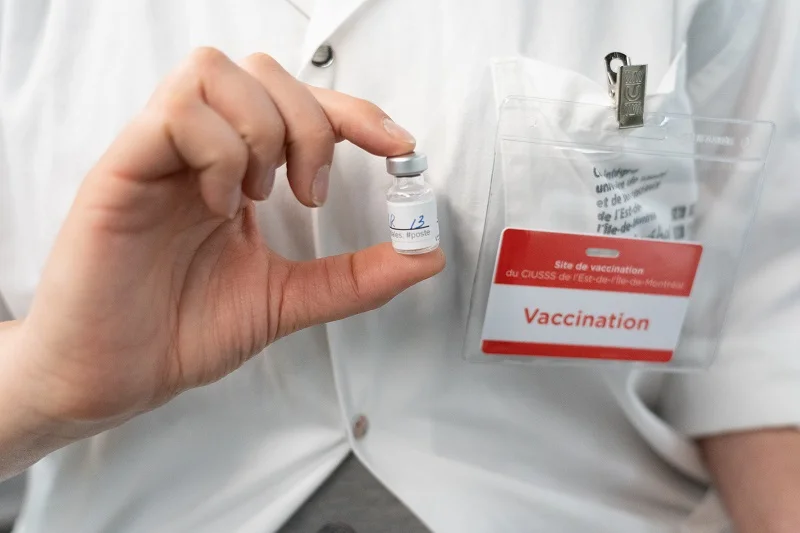
Adult Vaccines Dubai: Schedule & Cost

Catch-Up Vaccination Dubai: Missed Shots

Flu Vaccine Cost Dubai: Guide & Prices

HPV Vaccine Dubai: Gardasil 9 Cost & Guide
More in Vaccination
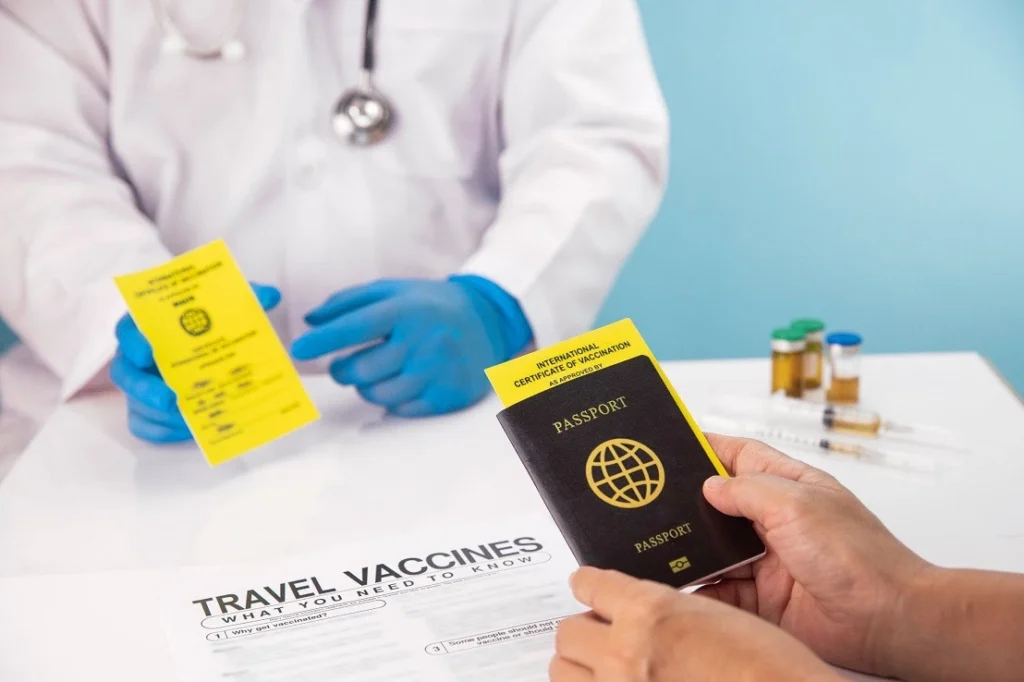
Umrah & Hajj Vaccines Dubai: Full Guide (2026)
Read MoreFlu Season Preparation Dubai: Stay Protected (2026)
Read MoreShingrix Vaccine Dubai: Cost & Schedule (2026)
Read MoreVaccines During Pregnancy Dubai: Safety Guide (2026)
Read MoreHepatitis A Vaccine Cost Dubai: Guide (2026)
Read MoreRSV Vaccine Cost Dubai: Pricing Guide (2026)
Read More© 2026 Doctors Clinic Diagnostic Center (DCDC), Dubai Healthcare City. Originally published at https://doctorsclinicdubai.ae/blog/vaccine-side-effects-dubai. All rights reserved. Unauthorized reproduction is prohibited.