
احجز موعدك
تقييمات موثقة من مرضى مركز الأطباء التشخيصي في دبي
تقييمات موثقة وقصص حقيقية من مرضى مدينة دبي الطبية
أنا راضية جداً عن هذه العيادة الطبية. أجريت أول فحص حمل لي هنا. كان السعر معقولاً والخدمة احترافية للغاية. كان أخصائي الأشعة مرحباً ولطيفاً وجعل التجربة رائعة.
أيزان توكمانبيتوفا
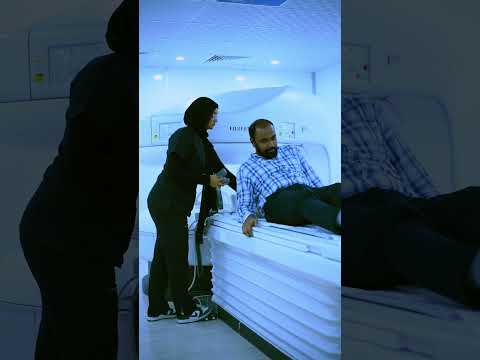
أصبت ركبتي ليلة الجمعة وحصلت على موعد للرنين المغناطيسي مساء الأحد (حجزت بعد ظهر الأحد). انتظرت حوالي دقيقتين وانتهيت في أكثر من 30 دقيقة بقليل. كان الفريق رائعاً وودوداً وفعالاً.
كيرستن إيفانز
كان فريق الدكتور أسامة لطيفاً ورائعاً. بعد تجربة سيئة في مكان آخر، كان فحص الحوض هنا أكثر احترافية بكثير. تقرير ممتاز ودقيق للغاية.
ماري


علاج أمراض الكلى المزمنة في دبي: إدارة CKD ورعاية الفشل الكلوي
رعاية طويلة الأمد والسيطرة على المخاطر

حماية الوظائف
إبطاء التقدم بخطط مرحلية
السيطرة على المخاطر
ضغط الدم، السكري، فقر الدم، صحة العظام
رعاية في نفس اليوم
مواعيد الكلى في نفس اليوم عند التوفر
مرض الكلى المزمن هو حالة طويلة الأمد تحتاج إلى إدارة مستمرة لإبطاء التقدم وحماية صحتك. الرعاية المبكرة والمستمرة تساعد على منع المضاعفات وتأخير الفشل الكلوي. يوفر علاج أمراض الكلى المزمنة لدينا خدمات شاملة لإدارة CKD ورعاية الفشل الكلوي.
في مركز الأطباء للتشخيص في مدينة دبي الطبية، يدير فريق أطباء الكلى لدينا مراحل CKD من 1-5 مع التركيز على التحكم في ضغط الدم، وإدارة مرض السكري، وعلاج فقر الدم، وصحة العظام، والإرشاد الغذائي الكلوي. نحن نقدم رعاية كلوية طويلة الأمد مع خطط علاج قائمة على الإرشادات ومراقبة متكررة للحفاظ على وظائف الكلى لديك.
يقع في عيادة الكلى لدينا بالقرب من أود ميثا في أم هرير 2، يقدم فريق أخصائيي CKD لدينا مواعيد في نفس اليوم عند توفرها. نقوم بتخصيص خطة الرعاية الخاصة بك بناءً على مرحلة CKD وأهدافك ونمط حياتك، مع توفير الدعم الشخصي طوال رحلة العلاج.
حماية الوظائف
إبطاء التقدم بخطط مرحلية
السيطرة على المخاطر
ضغط الدم، السكري، فقر الدم، صحة العظام
رعاية في نفس اليوم
مواعيد الكلى في نفس اليوم عند التوفر
علاج أمراض الكلى المزمنة في دبي: إدارة CKD ورعاية الفشل الكلوي
رعاية طويلة الأمد والسيطرة على المخاطر
مرض الكلى المزمن هو حالة طويلة الأمد تحتاج إلى إدارة مستمرة لإبطاء التقدم وحماية صحتك. الرعاية المبكرة والمستمرة تساعد على منع المضاعفات وتأخير الفشل الكلوي. يوفر علاج أمراض الكلى المزمنة لدينا خدمات شاملة لإدارة CKD ورعاية الفشل الكلوي.
في مركز الأطباء للتشخيص في مدينة دبي الطبية، يدير فريق أطباء الكلى لدينا مراحل CKD من 1-5 مع التركيز على التحكم في ضغط الدم، وإدارة مرض السكري، وعلاج فقر الدم، وصحة العظام، والإرشاد الغذائي الكلوي. نحن نقدم رعاية كلوية طويلة الأمد مع خطط علاج قائمة على الإرشادات ومراقبة متكررة للحفاظ على وظائف الكلى لديك.
يقع في عيادة الكلى لدينا بالقرب من أود ميثا في أم هرير 2، يقدم فريق أخصائيي CKD لدينا مواعيد في نفس اليوم عند توفرها. نقوم بتخصيص خطة الرعاية الخاصة بك بناءً على مرحلة CKD وأهدافك ونمط حياتك، مع توفير الدعم الشخصي طوال رحلة العلاج.
استكشف خدماتنا
خدمات علاج أمراض الكلى المزمنة الشاملة في مركز DCDC بمدينة دبي الطبية.


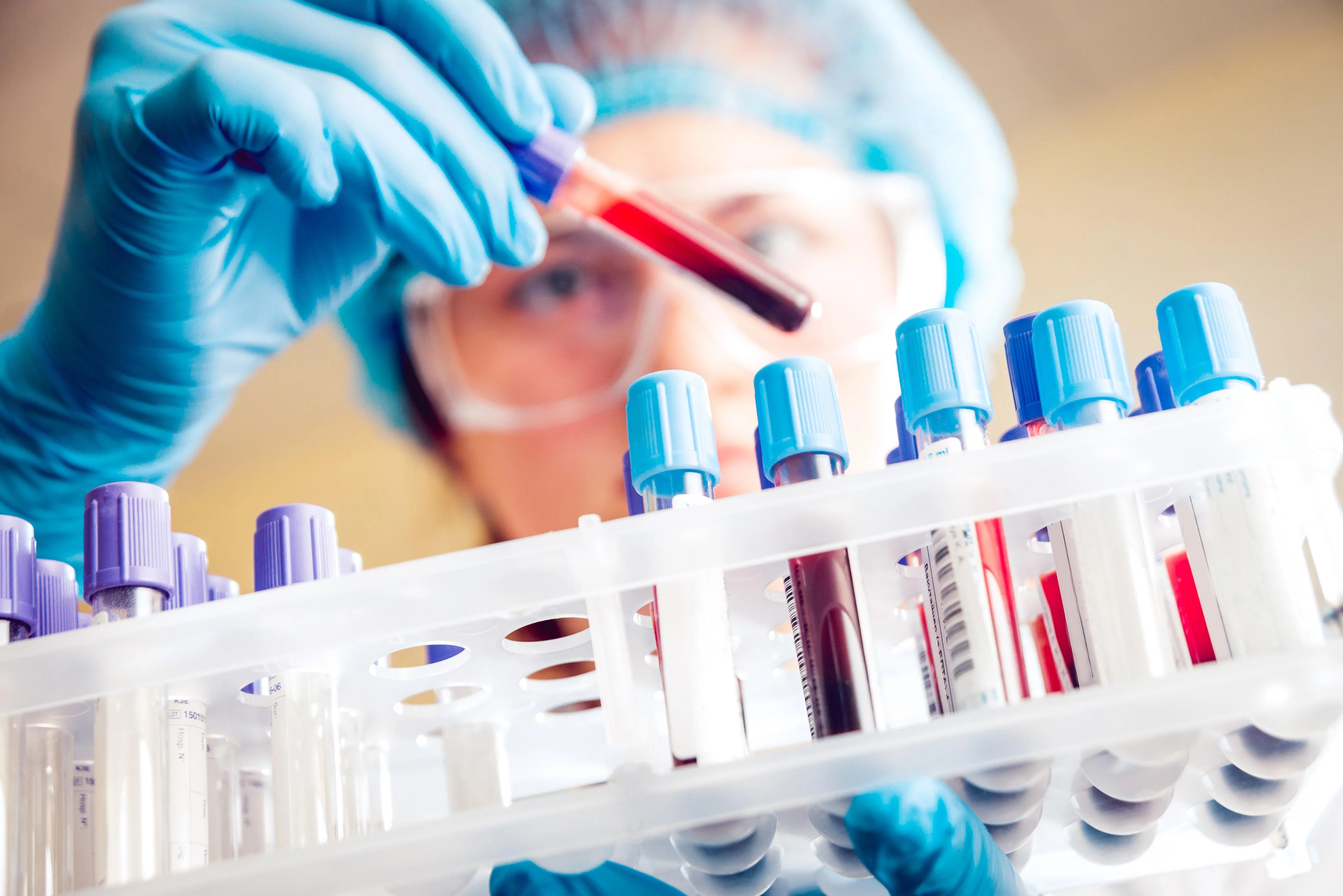
جميع الخدمات تقدم بواسطة متخصصين مرخصين من هيئة الصحة
من يجب أن يحصل على علاج أمراض الكلى المزمنة؟
الرعاية الكلوية المنتظمة ضرورية إذا كنت تعاني من CKD أو عوامل خطر كلوية كبيرة.
تشخيص CKD (أي مرحلة)
مرض السكري (النوع 1 أو 2)
ارتفاع ضغط الدم (ارتفاع ضغط الدم)
تاريخ عائلي من الفشل الكلوي
التهابات الكلى المتكررة
بروتين في البول
لماذا تختار DCDC لرعاية CKD في دبي؟
عيادة كلى مرخصة من MOHAP في مدينة دبي الطبية مع خطط CKD مرحلية، وسلامة الأدوية، والإرشاد الغذائي. مواعيد في نفس اليوم غالباً متاحة؛ سعة محدودة.
مرخص من MOHAP
منشأة مرخصة في DHCC (ترخيص MOHAP NIMY7VY5-240925) مع معايير سلامة صارمة.
أخصائيو CKD
أطباء كلى من ذوي الخبرة في المراحل 1-5، وفقر الدم، وصحة العظام، والسيطرة على ارتفاع ضغط الدم.
وصول في نفس اليوم
استشارات CKD في نفس اليوم عند التوفر؛ الحالات العاجلة لها الأولوية.
سلامة الأدوية
جرعات كلوية، فحص تفاعلات الأدوية، وتجنب السموم الكلوية.
دعم التأمين
إرشادات التغطية للفحوصات والتصوير والأدوية.
موقع DHCC الممتاز
المبنى 64، بلوك A، مدينة دبي الطبية مع سهولة الوصول ومواقف السيارات.
زيارتك المريحة
عملية علاج بسيطة خطوة بخطوة مصممة للراحة والسرعة والدقة.
رسوم الإدارة
تختلف أسعار علاج في دبي حسب نوع الخدمة والتغطية التأمينية لـ أنواع الخدمات المختلفة.
- يختلف السعر حسب نوع الفحص وما إذا كان يتطلب صبغة
- تغطية التأمين مقبولة مع الإحالة والتحقق
- أسعار شفافة للدفع الذاتي متاحة مع عرض سعر فوري عند الطلب
التحقق من التأمين خلال دقائق • بدون رسوم مخفية • استجابة سريعة على واتساب
دليل المريض
ما تتوقعه أثناء زيارة CKD الخاصة بك
رعاية مرحلية مع المراقبة، وسلامة الأدوية، والإرشاد حول نمط الحياة لحماية وظائف الكلى.
التأمين والموقع
شركاء التأمين
- •أكثر من 20 شركة تأمين في دبي بما في ذلك ضمان، أكسا، أدنيك وغيرها
- •دعم الموافقة المسبقة والفوترة المباشرة (حيثما ينطبق)
- •التحقق من التغطية قبل موعدك في عيادتنا بمدينة دبي الطبية
- •أسعار شفافة بدون رسوم مخفية لخدمات علاج أمراض الكلى المزمنة







زرنا في مدينة دبي الطبية
مركز الأطباء التشخيصي
المبنى 64، البلوك أ، مجمع الرازي الطبي، مدينة دبي الطبية، دبي، الإمارات
قرب طريق عود ميثاء · سهولة الوصول من بر دبي، داون تاون دبي، الخليج التجاري · مواقف مجانية مخصصة متاحة
ساعات العمل
الإثنين-الخميس، السبت: 8 ص - 10:30 م | الأحد: 8:30 ص - 10:30 م | الجمعة: 9 ص - 10 م
كيف يعمل التأمين في DCDC
تحقق من التغطية
تحقق من أن خطتك تغطي علاج أمراض الكلى المزمنة
احصل على إحالة
بعض شركات التأمين تتطلب إحالة من طبيب عام — يمكننا مساعدتك
الموافقة المسبقة
نتعامل مع الموافقة المسبقة مباشرة مع شركة التأمين
الفوترة المباشرة
لا دفع مقدم — نحن نفوتر شركة التأمين مباشرة
الدفع المشترك فقط
تدفع فقط أي مبلغ مشترك مطبق في العيادة
تحقق من التغطية
تحقق من أن خطتك تغطي علاج أمراض الكلى المزمنة
احصل على إحالة
بعض شركات التأمين تتطلب إحالة من طبيب عام — يمكننا مساعدتك
الموافقة المسبقة
نتعامل مع الموافقة المسبقة مباشرة مع شركة التأمين
الفوترة المباشرة
لا دفع مقدم — نحن نفوتر شركة التأمين مباشرة
الدفع المشترك فقط
تدفع فقط أي مبلغ مشترك مطبق في العيادة
Your Specialist
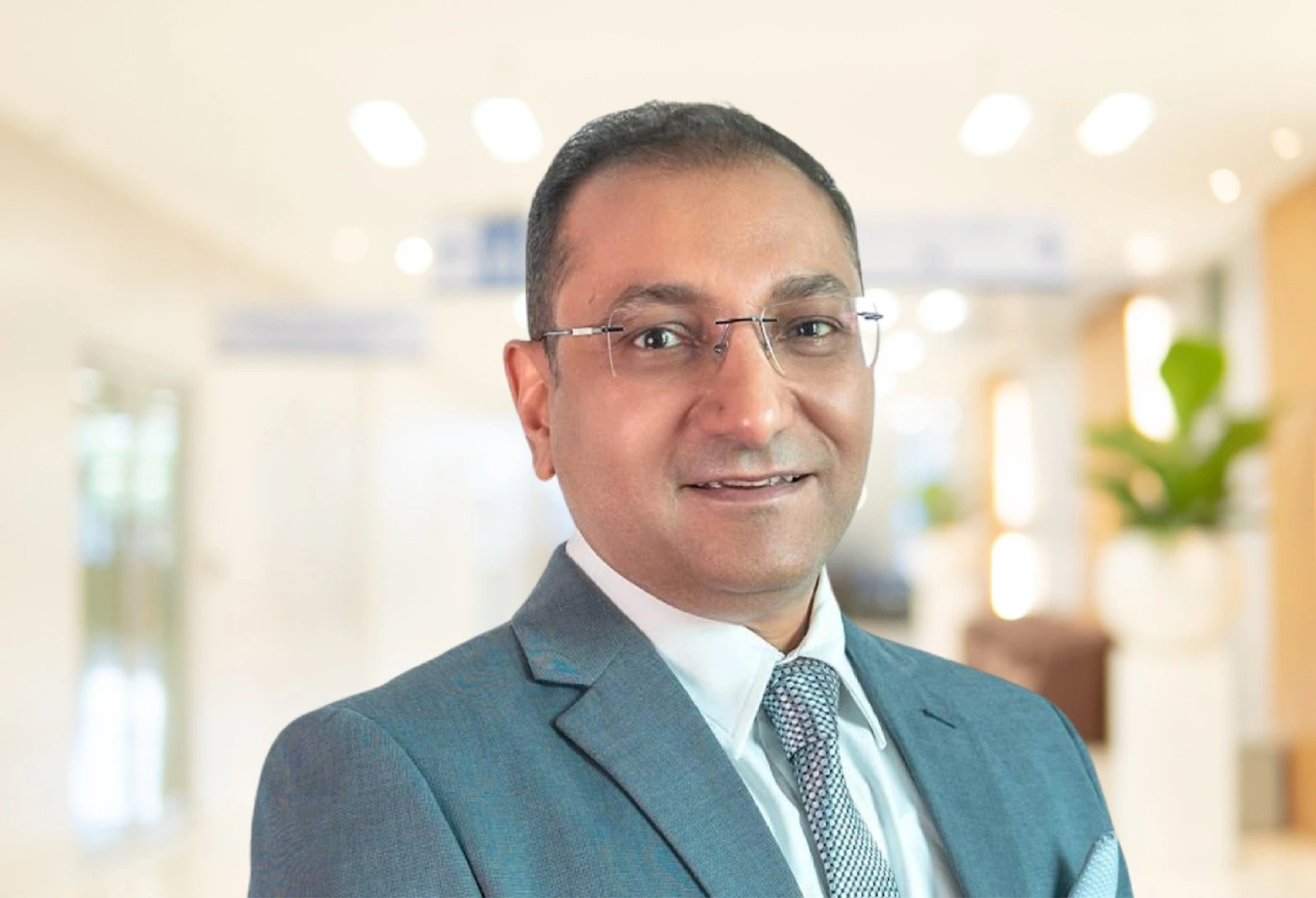
Dr. Manish Tripathi
Specialist Nephrologist
MD, Specialist Nephrologist
English · Hindi
دليل المريض
مرض الكلى المزمن: فهم المراحل والعلاج والعيش بصحة
مرض الكلى المزمن حالة تدريجية تفقد فيها الكليتان تدريجياً قدرتهما على تصفية الفضلات وتنظيم توازن السوائل والحفاظ على اتزان الإلكتروليتات والأحماض والقواعد. يُصيب ما يُقدَّر بـ 10-13% من سكان العالم، وكثيراً ما يُسمى مرضاً صامتاً لأن وظائف الكلى قد تتراجع بشكل ملحوظ قبل ظهور الأعراض. في الإمارات، يُعدّ الانتشار الواسع للسكري وارتفاع ضغط الدم من أبرز مسببات CKD، مما يجعل الكشف المبكر لدى الفئات عالية الخطر أمراً ضرورياً للتدخل في الوقت المناسب والحفاظ على وظائف الكلى.
تؤدي الكليتان وظائف حيوية متعددة تتجاوز تصفية الفضلات. فهما تنظمان ضغط الدم عبر نظام الرينين-أنجيوتنسين، وتُنتجان الإريثروبويتين لتحفيز إنتاج خلايا الدم الحمراء، وتُنشّطان فيتامين د لصحة العظام، وتحافظان على توازن دقيق للإلكتروليتات والسوائل. عند تدهور وظائف الكلى، تتأثر هذه الأنظمة جميعها، مما يُفضي إلى ارتفاع ضغط الدم وفقر الدم وأمراض العظام واحتباس السوائل واضطرابات الإلكتروليتات. يُفسر فهم هذه الترابطات لماذا تتجاوز إدارة CKD مجرد مراقبة وظائف الكلى وتستلزم نهجاً شاملاً يُعالج جميع الأنظمة المتأثرة.
يركز علاج CKD على إبطاء التطور وإدارة المضاعفات في كل مرحلة. التحكم في ضغط الدم بأهداف دون 130/80 mmHg باستخدام مثبطات ACE أو ARBs (التي تُقلل البيلة البروتينية أيضاً) يُعدّ ركيزة أساسية. بالنسبة لمرضى السكري، يُحسّن تحقيق التحكم الأمثل بسكر الدم واستخدام مثبطات SGLT2 (التي توفر حماية للكلى بمعزل عن خفض سكر الدم) النتائج بشكل ملحوظ. تُساعد التعديلات الغذائية كتقليل الصوديوم وتناول كميات مناسبة من البروتين وإدارة مستويات البوتاسيوم والفوسفور على تخفيف العبء عن الكلى التالفة. تجنب الأدوية السامة للكلى خاصةً مضادات الالتهاب غير الستيرويدية، وتعديل جرعات الأدوية وفق وظائف الكلى يمنع مزيداً من الأضرار.
يستلزم العيش مع CKD تثقيفاً ومراقبةً ودعماً مستمراً. المتابعة المنتظمة مع أخصائي الكلى تُتيح الكشف المبكر عن التطور وتعديل الأدوية في الوقت المناسب والإدارة الاستباقية للمضاعفات كفقر الدم واضطرابات معادن العظام والحماض الاستقلابي وخطر أمراض القلب. يجب أن يبدأ التحضير للعلاج البديل الكلوي (غسيل الكلى أو الزرع) مبكراً للمرضى المقتربين من المرحلة الخامسة. فهم خياراتك وتهيئة منفذ غسيل الكلى عند الحاجة والخضوع للتقييم المبكر للزرع يُوفر أفضل النتائج. مع الإدارة الصحيحة، يحافظ كثير من مرضى CKD على جودة حياة جيدة لسنوات، ويعود متلقو زرع الكلى في الغالب إلى حياة كاملة ونشطة.
حالات مرتبطة بـ CKD نتولى إدارتها
اعتلال الكلى السكري
إدارة تلف الكلى الناجم عن السكري من خلال تحسين ضبط سكر الدم وعلاج ACE/ARB ومثبطات SGLT2.
تصلب الكلى الانضغاطي
علاج تلف الكلى الناجم عن ارتفاع ضغط الدم المزمن بالتحكم المستهدف في الضغط وأدوية لحماية الكلى.
فقر الدم الكلوي
تشخيص وعلاج فقر الدم الناجم عن نقص إنتاج الإريثروبويتين بمكملات الحديد وعلاج ESA.
مرض العظام المعدني المرتبط بـ CKD
إدارة اختلالات الكالسيوم والفوسفور وهرمون الغدة الجار درقية للوقاية من ضعف العظام والتكلس الوعائي.
الحماض الاستقلابي
تصحيح تراكم الحموض في الدم الناجم عن تدهور وظائف الكلى باستخدام مكملات البيكربونات.
احتباس السوائل والوذمة
إدارة احتباس السوائل بمدرات البول وتقليل الصوديوم وتوجيهات تناول السوائل بناءً على وظائف الكلى.
مقالات ذات صلة
صحة الكلى: نصائح الوقاية التي يجب أن يعرفها الجميع
استراتيجيات عملية لحماية كليتيك، من الترطيب والنظام الغذائي إلى تجنب المواد الضارة بالكلى.
ارتفاع ضغط الدم: القاتل الصامت وتأثيره على الكلى
فهم كيف يُلحق ضغط الدم المرتفع الضرر بالكلى وأهمية الكشف المبكر والعلاج.
الموجات فوق الصوتية دوبلر للكلى: تقييم تدفق الدم
كيف يُقيّم دوبلر الموجات فوق الصوتية تدفق الدم في الكلى ويساعد في تشخيص أمراض الأوعية الكلوية.
إدارة السكري في دبي: حماية كليتيك
استراتيجيات أساسية لإدارة السكري للوقاية من مضاعفات الكلى والحفاظ على الصحة على المدى البعيد.
خدمات ذات صلة
استكشف خدمات التشخيص والاستشارات الأخرى المتوفرة في عيادتنا بمدينة دبي الطبية.
الأسئلة الشائعة
أسئلة شائعة حول علاج أمراض الكلى المزمنة في دبي.
CKD له 5 مراحل بناءً على eGFR (وظائف الكلى). المرحلة 1 هي ضرر خفيف مع وظيفة طبيعية، بينما المرحلة 5 هي فشل كلوي. هدفنا هو إبقائك في المراحل المبكرة.
النظام الغذائي الصديق للكلى عادةً ما يحد من الملح، وأحياناً البروتين أو البوتاسيوم أو الفوسفور، حسب مرحلتك. نحن نقدم إرشادات محددة.
نعم، مع تراجع وظائف الكلى، تتراكم الفضلات ويمكن أن يتطور فقر الدم، مما يسبب التعب. علاج هذه المشاكل يساعد على تحسين الطاقة.
معظم الأشخاص المصابين بـ CKD لا ينتهي بهم الأمر بالحاجة إلى غسيل الكلى. مع الإدارة السليمة، نهدف إلى منع التقدم إلى الفشل الكلوي.
يختلف من كل 3 أشهر إلى مرة واحدة في السنة، حسب المرحلة واستقرار مرضك.
الحقائق الأساسية
المراجعة والإشراف الطبي
جميع الخدمات تقدم تحت إشراف متخصصين طبيين مرخصين في منشأتنا المعتمدة من وزارة الصحة.