
النقاط الرئيسية
- يتكلف لقاح HPV (Gardasil 9) في دبي من 800 إلى 1,200 درهم للجرعة، والدورة الكاملة تتطلب 2-3 جرعات بحسب العمر عند التطعيم الأول
- يحمي Gardasil 9 من 9 أنواع من HPV (6 و11 و16 و18 و31 و33 و45 و52 و58) المسؤولة عن نحو 90% من سرطانات عنق الرحم و90% من الثآليل التناسلية
- يوصي CDC بتطعيم HPV للجميع حتى سن 26، مع القرار السريري المشترك للبالغين من 27 إلى 45 عاماً الذين لم يُطعَّموا سابقاً
- تُظهر الأبحاث أن لقاح HPV يقلل خطر الإصابة بسرطان عنق الرحم بنسبة تصل إلى 87% عند إعطائه قبل سن 16، مما يجعله أحد أكثر أدوات الوقاية من السرطان فعالية
- يستفيد كلٌّ من الذكور والإناث من تطعيم HPV — يُسبّب HPV سرطانات عنق الرحم والشرج والبلعوم الفموي والقضيب والمهبل والفرج
- الآثار الجانبية الشائعة خفيفة ومؤقتة: ألم موضع الحقن (حتى 94% من متلقّي اللقاح)، وصداع، وحمى خفيفة تزول في 1-2 يوم
- تغطي كثير من خطط التأمين في الإمارات تطعيم HPV للأفراد من 9 إلى 26 عاماً — تحقق من وثيقتك أو اطلب من DCDC التحقق من مزاياك قبل موعدك
- يقدّم DCDC مدينة دبي الصحية تطعيم Gardasil 9 مع مواعيد في نفس اليوم وإدارة مرخصة من MOHAP وفوترة مباشرة مع أكثر من 20 شركة تأمين
يُعدّ لقاح HPV من أهم التطورات في مجال الوقاية من السرطان، غير أن كثيراً من سكان دبي يجهلون تكلفته ومن يجب عليه الحصول عليه وكيفية الوصول إليه. فيروس الورم الحليمي البشري (HPV) هو المسؤول عن ما يقارب جميع حالات سرطان عنق الرحم، وغالبية حالات سرطان الشرج، ونسبة كبيرة من سرطانات البلعوم الفموي والمهبل والفرج والقضيب. مع توافر لقاح Gardasil 9 الآن في عيادات دبي — بما في ذلك خدمات فحص السرطان في DCDC — أصبح الحصول على التطعيم أسهل من أي وقت مضى. يغطي هذا الدليل الشامل تكلفة تطعيم HPV في دبي ومن يجب عليه التطعيم وجدول الجرعات والآثار الجانبية والتغطية التأمينية وما تتوقعه خلال موعدك في منشأة مرخصة من وزارة الصحة.
وفقاً لمنظمة الصحة العالمية، يمكن للتطعيم ضد HPV مقترناً بفحص عنق الرحم القضاء فعلياً على سرطان عنق الرحم كمشكلة صحة عامة. اتخذت الإمارات موقفاً استباقياً: فمنذ عام 2018 أدرجت وزارة الصحة والوقاية (MOHAP) لقاح HPV في البرنامج الوطني للتحصين للأطفال في سن الدراسة، ووسّعت في 2023 التغطية لتشمل الأولاد. بالنسبة للبالغين الذين فاتهم التطعيم في مرحلة المراهقة، تقدّم العيادات الخاصة في دبي Gardasil 9 بأسعار تنافسية. سواء كنت تفكر في اللقاح لنفسك أو لشريكك أو لطفلك، يزودك هذا الدليل بالمعلومات المستندة إلى الأدلة لاتخاذ قرار مستنير.

ما هو لقاح HPV ولماذا هو مهم؟
لقاح HPV تطعيم وقائي يحمي من الإصابة بسلالات محددة من فيروس الورم الحليمي البشري (HPV) — أكثر الأمراض المنقولة جنسياً شيوعاً في العالم. يصيب HPV ما يُقدَّر بـ 80% من البالغين النشطين جنسياً في مرحلة ما من حياتهم. وبينما يتخلص الجهاز المناعي من معظم إصابات HPV في غضون سنة إلى سنتين، يمكن أن تؤدي العدوى المستمرة بالسلالات عالية الخطورة إلى السرطان على مدى 10-20 عاماً.
الأرقام مقنعة: يُسبّب HPV ما يقارب 100% من حالات سرطان عنق الرحم، ونحو 90% من حالات سرطان الشرج، و70% من سرطانات البلعوم الفموي، و75% من سرطانات المهبل، و70% من سرطانات الفرج، و60% من سرطانات القضيب. على مستوى العالم، يقتل سرطان عنق الرحم وحده أكثر من 340,000 امرأة سنوياً. يعمل لقاح HPV بتحفيز الجهاز المناعي على إنتاج أجسام مضادة ضد الفيروس قبل حدوث التعرض — بمعنى أنه يمنع الإصابات الجديدة بدلاً من علاج القائمة منها.
وفقاً لـ الدكتورة هديل النور، الطبيبة العامة في DCDC مدينة دبي الصحية: "لقاح HPV أحد أكثر أدوات الوقاية من السرطان فعاليةً المتاحة اليوم. أوصي به للذكور والإناث على حد سواء، ويفضّل قبل سن 26، وإن كان البالغون حتى سن 45 لا يزالون يستفيدون منه بشكل كبير. كل جرعة تُعطى هي استثمار في حماية طويلة الأمد من السرطان."
تكلفة لقاح HPV في دبي: دليل أسعار 2026
تتفاوت تكلفة تطعيم HPV في دبي بحسب العيادة وعدد الجرعات المطلوبة وما إذا كانت رسوم الاستشارة مشمولة. Gardasil 9 هو اللقاح الأساسي المتاح في دبي وسائر أنحاء الإمارات. فيما يلي نظرة عامة على الأسعار الحالية لمساعدتك في الموازنة لدورة التطعيم الكاملة.
| خيار التطعيم | التكلفة التقديرية (درهم) | ملاحظات |
|---|---|---|
| Gardasil 9 — جرعة واحدة | AED 800–1,200 | السعر للحقنة الواحدة؛ الاستشارة قد تكون منفصلة |
| Gardasil 9 — دورة جرعتين (للأعمار 9-14) | AED 1,600–2,400 | الجرعات عند 0 و6-12 شهراً |
| Gardasil 9 — دورة ثلاث جرعات (للأعمار 15+) | AED 2,400–3,600 | الجرعات عند 0 و2 و6 أشهر |
| استشارة طبيب عام (قبل التطعيم) | AED 200–400 | تقييم سجل التطعيم والأهلية |
| خدمة التطعيم المنزلي | 950-1,500 درهم إماراتي للجرعة الواحدة | رسوم إضافية للراحة في المنزل؛ متاحة من مزودين محددين |
أسعار لقاح HPV في دبي اعتبارًا من 2026. تعكس الأسعار معدلات السوق التقريبية وقد تختلف من عيادة إلى أخرى. قد تُخفض التغطية التأمينية التكاليف من الجيب أو تلغيها كليًا. تقدم DCDC أسعارًا تنافسية.
في DCDC مدينة دبي الصحية، يتوفر لقاح Gardasil 9 بدءاً من 800-1,200 درهم للجرعة، مع أسعار خاصة لدورة الجرعتين أو الثلاث الكاملة. تشمل رسوم الاستشارة تقييماً شاملاً لسجلك التطعيمي وتاريخك الطبي وتوصيات شخصية من طبيب عام مرخص من MOHAP. يعكس تقييم DCDC 4.8/5 على Google من أكثر من 1,000 مراجعة موثّقة من المرضى التزام العيادة بالجودة والشفافية في الأسعار.
Gardasil 9 مقابل Cervarix: أي لقاح HPV أفضل؟
طُوِّر لقاحان لـ HPV استُخدما عالمياً: Gardasil 9 (تساعي التكافؤ، مُصنَّع من Merck) وCervarix (ثنائي التكافؤ، مُصنَّع من GSK). Gardasil 9 هو اللقاح الوحيد المتاح والموصى به في الإمارات حالياً. كان Cervarix متاحاً في بعض الأسواق لكنه استُبدل إلى حد بعيد بـ Gardasil 9 نظراً لتغطيته الأوسع. إليك مقارنة تفصيلية.
| الميزة | Gardasil 9 (تساعي التكافؤ) | Cervarix (ثنائي التكافؤ) |
|---|---|---|
| أنواع HPV المشمولة | 6, 11, 16, 18, 31, 33, 45, 52, 58 | 16, 18 |
| الوقاية من سرطان عنق الرحم | نحو 90% من سرطانات عنق الرحم | نحو 70% من سرطانات عنق الرحم |
| الحماية من الثآليل التناسلية | نعم (النوعان 6 و11) | No |
| الحماية من سرطان الشرج | Yes | محدودة (النوعان 16 و18 فقط) |
| معتمد للذكور | Yes | ليس عادةً |
| عدد الجرعات (من 15 عاماً فأكبر) | 3 جرعات (0 و2 و6 أشهر) | 3 جرعات (0 و1 و6 أشهر) |
| عدد الجرعات (للأعمار 9-14) | 2 جرعتان (0 و6-12 شهراً) | 2 جرعتان (0 و6 أشهر) |
| التوافر في الإمارات | متاح على نطاق واسع | محدود/متوقف |
| دليل الحماية المتقاطعة | بعض الحماية المتقاطعة ضد الأنواع غير المشمولة باللقاح | حماية متقاطعة قوية ضد النوعين 31 و45 |
يوفر Gardasil 9 حماية أوسع نطاقًا بشكل ملحوظ مقارنةً بـ Cervarix، إذ يغطي 9 أنواع من HPV مقابل نوعَين فقط. يُعدّ Gardasil 9 معيار الرعاية في دبي والإمارات.
الميزة الرئيسية لـ Gardasil 9 هي تغطيته الأوسع. بتستهدف تسعة أنواع من HPV بدلاً من نوعين، فإنه يمنع ليس فقط غالبية سرطانات عنق الرحم، بل أيضاً الثآليل التناسلية (الناجمة عن نوعَي HPV 6 و11) ونسبة أعلى من سرطانات HPV الأخرى. Gardasil 9 هو اللقاح الوحيد المعتمد للاستخدام عند الذكور، مما يجعله الخيار المفضّل لتطعيم الأسرة.
من يجب عليه الحصول على لقاح HPV؟
يُوصى بتطعيم HPV لمجموعات عمرية واسعة ولا يقتصر على الإناث. المبادئ التوجيهية التالية مستندة إلى التوصيات الحالية لمراكز السيطرة على الأمراض والوقاية منها (CDC) ومنظمة الصحة العالمية وMOHAP.
الأطفال والمراهقون (من 9 إلى 14 عاماً)
يُوصى بالتطعيم الروتيني لجميع الأطفال في سن 11-12 عاماً، وإن كان يمكن البدء به في سن 9 سنوات. التطعيم في هذه السن يُنتج أقوى استجابة مناعية ويتطلب جرعتين فقط (بفارق 6-12 شهراً)، مقارنةً بجدول الثلاث جرعات للأكبر سناً. في الإمارات، يوفر MOHAP تطعيم HPV عبر برنامج التطعيم المدرسي الوطني للأولاد والبنات في سن 13-14.
الشباب (من 15 إلى 26 عاماً)
يجب على جميع الأفراد الذين تتراوح أعمارهم بين 15 و26 عاماً والذين لم يُطعَّموا سابقاً أو لم يُكملوا الدورة الكاملة تلقّي سلسلة الثلاث جرعات (عند 0 و1-2 شهر و6 أشهر). تستفيد هذه الفئة العمرية استفادة كبيرة من التطعيم. أظهرت الأبحاث من السجل الوطني السويدي أن النساء اللواتي تطعّمن قبل سن 17 كان لديهن 88% أقل خطراً للإصابة بسرطان عنق الرحم مقارنةً بغير المطعّمات.
البالغون (من 27 إلى 45 عاماً)
للبالغين الذين تتراوح أعمارهم بين 27 و45 عاماً والذين لم يُطعَّموا بما يكفي في وقت سابق، يتوفر لقاح HPV من خلال القرار السريري المشترك — أي أنك وطبيبك تناقشان ما إذا كان التطعيم مناسباً لحالتك الفردية. تشمل العوامل الواجب مراعاتها تاريخ التعرض لـ HPV وعدد الشركاء الجنسيين وما إذا كنت في علاقة جديدة.
شرح جدول جرعات لقاح HPV
يعتمد عدد الجرعات التي تحتاجها على عمرك عند تلقّي الجرعة الأولى. فهم الجدول الصحيح يضمن حصولك على أقصى قدر من الحماية.
| العمر عند الجرعة الأولى | عدد الجرعات | الجدول | الحد الأدنى للفترات الزمنية |
|---|---|---|---|
| 9–14 years | 2 doses | 0 و6-12 شهراً | 5 أشهر على الأقل بين الجرعتين |
| 15–26 years | 3 doses | 0 و1-2 شهر و6 أشهر | 4 أسابيع (الجرعة 1-2)؛ 12 أسبوعاً (الجرعة 2-3)؛ 5 أشهر (الجرعة 1-3) |
| 27–45 years | 3 doses | 0 و1-2 شهر و6 أشهر | كما أعلاه؛ قرار سريري مشترك |
| ضعيفو المناعة (أي عمر من 9-45) | 3 doses | 0 و1-2 شهر و6 أشهر | جدول 3 جرعات بصرف النظر عن العمر عند الجرعة الأولى |
استنادًا إلى توصيات لجنة ACIP التابعة لمركز السيطرة على الأمراض والوقاية منها CDC (2025-2026). إذا بدأت الجرعات ولم تُكملها، لا داعي للبدء من جديد — فقط أكمل من حيث توقفت.
من المهم إتمام الدورة الكاملة لتحقيق أقصى حماية. إذا فاتتك جرعة محددة، فأنت لا تحتاج إلى إعادة البدء من جديد — ما عليك سوى الاستمرار من حيث توقفت. يمكن إعطاء الجرعة الثانية والثالثة في فترات لاحقة دون تقليل الفعالية الإجمالية. غير أن الحماية لا تُعتبر مكتملة حتى تُعطى جميع الجرعات.
كيف يعمل لقاح HPV: العلم وراء الحماية
لقاح HPV لقاح مؤتلف غير معدٍ — لا يحتوي على فيروس حي أو DNA فيروسي. بدلاً من ذلك، يستخدم جسيمات شبيهة بالفيروس (VLPs) مصنوعة من بروتين L1 لكبسولة HPV. تحاكي هذه الجسيمات هيكلياً الغلاف الخارجي للفيروس الحقيقي، مما يُحفّز استجابة مناعية قوية دون أي خطر للعدوى.
عند حقنه، يتعرف الجهاز المناعي على الجسيمات الشبيهة بالفيروس كغزاة أجانب. ينتج الجسم أجساماً مضادة معادِلة تبقى في الدورة الدموية على المدى الطويل. إذا تعرّض الشخص المطعَّم لاحقاً لنوع HPV حقيقي تغطيه اللقاح، ترتبط هذه الأجسام المضادة بالفيروس وتمنعه من إصابة الخلايا — واقفةً العدوى قبل أن تتمكن من الاستقرار. أثبتت الدراسات أن مستويات الأجسام المضادة التي يُولّدها اللقاح أعلى بكثير مما ينتجه الجسم بعد العدوى الطبيعية.
الآثار الجانبية لـ HPV وسلامته
خضع لقاح HPV لتجارب سريرية شملت أكثر من 30,000 مشارك وأُعطي لأكثر من 200 مليون شخص حول العالم منذ إدخاله في 2006. له من أوسع سجلات المراقبة بعد التسويق لأي لقاح.
الآثار الجانبية الشائعة (خفيفة ومؤقتة)
- ألم موضع الحقن: يُبلَّغ عنه من قِبل ما يصل إلى 94% من المتلقّين — الأثر الجانبي الأكثر شيوعاً. عادةً وجع خفيف يزول خلال 24-48 ساعة
- تورم أو احمرار في موضع الحقن: رد فعل خفيف موضعي في موضع الحقن، يستمر لمدة 1-2 يوم
- الصداع: يُبلَّغ عنه من قِبل نحو 50% من المتلقّين، عادةً خفيف ويخف بالباراسيتامول
- حمى خفيفة: درجة حرارة تصل إلى 38 درجة مئوية (100.4 درجة فهرنهايت)، تزول خلال 24 ساعة
- الإرهاق: تعب خفيف في يوم التطعيم، يزول بحلول اليوم التالي
- الغثيان: اضطراب معدي خفيف لدى بعض المتلقّين، عادةً قصير الأمد
- الدوار: دوخة خفيفة عابرة، الأكثر شيوعاً عند المراهقين — يُوصى بالجلوس لمدة 15 دقيقة بعد الحقن
الآثار الجانبية النادرة والخطيرة
ردود الفعل التحسسية الشديدة (الحساسية المفرطة) تجاه لقاح HPV نادرة للغاية، وتحدث بمعدل 3 حالات لكل مليون جرعة تُعطى. وهذا يُضاهي معدل الحساسية المفرطة للقاحات الروتينية الأخرى. لم تجد الدراسات السكانية التي شملت ملايين الأفراد المطعّمين أي ارتباط بين تطعيم HPV والأمراض المناعية الذاتية أو الحالات العصبية أو المشكلات الصحية المزمنة.
يمكن للتدابير البسيطة أن تساعد في إدارة الآثار الجانبية الخفيفة. تطبيق كمّادة باردة على موضع الحقن، وتناول مسكّن للألم دون وصفة (باراسيتامول أو إيبوبروفين)، والحفاظ على الترطيب يمكنها تخفيف الانزعاج. في DCDC، يُراقَب المرضى لمدة 15 دقيقة بعد التطعيم كإجراء احترازي معياري.
احمِ نفسك من السرطانات المرتبطة بـ HPV
احجز تطعيم Gardasil 9 في DCDC مدينة دبي الصحية. منشأة مرخصة من MOHAP مع توافر مواعيد في نفس اليوم.
متوسط وقت الانتظار 15 دقيقة فقط. فوترة مباشرة مع أكثر من 20 مزوداً للتأمين.
أنواع HPV والسرطانات المرتبطة: ما يحمي منه Gardasil 9
يوجد أكثر من 200 نوع من HPV، لكن عدداً قليلاً منها فقط يُسبّب السرطان. يستهدف Gardasil 9 9 أنواع محددة من HPV المسؤولة معاً عن الغالبية العظمى من أمراض HPV.
| نوع HPV | فئة الخطورة | المرض المرتبط | مشمول في Gardasil 9 |
|---|---|---|---|
| HPV 16 | High-risk | سرطانات عنق الرحم والشرج والبلعوم الفموي والمهبل والفرج والقضيب | Yes |
| HPV 18 | High-risk | سرطانات عنق الرحم والشرج | Yes |
| HPV 31, 33, 45, 52, 58 | High-risk | سرطانات عنق الرحم والشرج والمهبل والفرج | Yes |
| HPV 6 | Low-risk | الثآليل التناسلية وداء الأورام الحليمية التنفسي المتكرر | Yes |
| HPV 11 | Low-risk | الثآليل التناسلية وداء الأورام الحليمية التنفسي المتكرر | Yes |
| أنواع أخرى عالية الخطورة (مثل 35 و39 و51 و56 و59 و68) | High-risk | سرطانات عنق الرحم وسرطانات أخرى (أقل شيوعاً) | لا — لكن لوحظت بعض الحماية المتقاطعة |
يُسبب نوعا HPV 16 و18 وحدهما ما يقارب 70% من سرطانات عنق الرحم في العالم. وتتسبب الأنواع الخمسة الأخرى عالية الخطورة في Gardasil 9 (31، 33، 45، 52، 58) في ما يقارب 20% إضافية من هذه السرطانات.
الأنواع التسعة لـ HPV في Gardasil 9 مجتمعةً مسؤولة عن نحو 90% من سرطانات عنق الرحم، و90% من الثآليل التناسلية، و85% من سرطانات الشرج، و80% من سرطانات المهبل. وهذا يمثّل تحسّناً كبيراً مقارنةً بـ Gardasil الأصلي (رباعي التكافؤ) الذي كان يغطي أربعة أنواع فقط.
فعالية لقاح HPV: ماذا تُظهر الأبحاث
الأدلة الداعمة لفعالية لقاح HPV هي من بين أقوى الأدلة لأي لقاح في الطب الحديث. إليك النتائج الرئيسية من التجارب السريرية الكبرى والدراسات السكانية.
- انخفاض بنسبة 87% في سرطان عنق الرحم بين النساء الملقحات قبل سن 17، وفقاً لدراسة سجل سويدية رائدة نُشرت في مجلة New England Journal of Medicine
- انخفاض بنسبة 97% في الآفات قبل السرطانية عالية الدرجة (CIN3+) بين النساء الملقحات في الأعمار 12-13، استناداً إلى البيانات السويدية ذاتها
- فعالية 98% في الوقاية من الآفات الخلوية عالية الدرجة في عنق الرحم الناجمة عن HPV 16 و18 في التجارب السريرية التي شملت أكثر من 12,000 امرأة في 13 دولة
- انخفاض بنسبة 90% في الثآليل التناسلية في الدول ذات التغطية التطعيمية العالية، كما وثّقت المراجعات المنهجية لـ Cochrane
- انخفاض بنسبة 80% في معدل الإصابة بسرطان عنق الرحم بين الفتيات الملقحات قبل سن 16، مؤكَّداً بالأدلة الواقعية عبر دول متعددة
- آثار المناعة الجماعية: شهدت الدول ذات معدلات التطعيم المرتفعة انخفاضاً في إصابات HPV حتى بين السكان غير الملقحين، مما يُثبت الحماية على مستوى المجتمع
خلصت مراجعة Cochrane لعام 2024 التي حلّلت بيانات من عشرات الدول إلى أن لقاحات HPV فعّالة في الوقاية من الإصابات المؤدية إلى السرطان والحالات الأخرى المرتبطة بـ HPV، دون أي دليل على مخاوف أمنية خطيرة. وصفت المراجعة الأدلة بأنها "قوية ومتسقة" عبر جميع السكان المدروسين.
ما تتوقعه في DCDC: رحلة تطعيم HPV
الحصول على لقاح HPV في DCDC مدينة دبي الصحية أمر بسيط. إليك دليلاً خطوة بخطوة للعملية من الحجز إلى إتمام دورة التطعيم الكاملة.
الخطوة الأولى: الاستشارة الأولية
تبدأ رحلة التطعيم باستشارة طبيب عام. خلال هذه الزيارة، يراجع الطبيب تاريخك الطبي، ويتحقق من سجلاتك التطعيمية، ويناقش أي حساسية (خاصةً من الخميرة، إذ يحتوي Gardasil 9 على بروتين الخميرة)، ويؤكد أهليتك للتطعيم. إذا كنتِ حاملاً، سيُرجَأ التطعيم إلى ما بعد الولادة. تستغرق الاستشارة عادةً 15-20 دقيقة.
الخطوة الثانية: إعطاء الجرعة الأولى
إذا كنت مؤهلاً للتطعيم، يمكن إعطاء الجرعة الأولى من Gardasil 9 في نفس اليوم الاستشارة. يُعطى اللقاح حقنةً عضليةً في الذراع العلوية (عضلة الدالية). تستغرق الحقنة نفسها ثوانٍ قليلة فقط. ستُطلب بعدها البقاء في العيادة 15 دقيقة كفترة مراقبة أمنية معيارية.
الخطوة الثالثة: الجرعات التكميلية
بحسب عمرك، ستحتاج إلى جرعة واحدة أو جرعتين إضافيتين. سيحدد فريق DCDC مواعيد المتابعة قبل مغادرتك ويُرسل تذكيرات عبر الرسائل القصيرة أو WhatsApp مع اقتراب موعد جرعتك التالية. يضمن ذلك بقاءك على المسار الصحيح لإتمام الدورة الكاملة.
الخطوة الرابعة: سجل التطعيم والتوثيق
بعد كل جرعة، ستتلقى شهادة تطعيم توثّق نوع اللقاح ورقم الدفعة وتاريخ إعطائه. هذا السجل مهم لملفك الصحي الشخصي وقد يُطلب عند السفر أو التسجيل في المدرسة. بوصفها منشأة مرخصة من MOHAP، سجلات تطعيم DCDC متوافقة تماماً مع لوائح الصحة الإماراتية.
يقدّم DCDC مواعيد في نفس اليوم لتطعيم HPV، مع متوسط وقت انتظار 15 دقيقة فقط. تقدّم العيادة فوترة مباشرة مع أكثر من 20 شركة تأمين بما في ذلك Daman وAXA وBupa — مما يعني أن المرضى المؤهلين قد لا يتحملون أي تكاليف من جيبهم. لمن يفكر في رعاية وقائية شاملة، يوفر الجمع بين تطعيم HPV واختبار مسحة عنق الرحم (Pap smear) تقييماً شاملاً لصحة عنق الرحم.
التغطية التأمينية للقاح HPV في دبي
فهم ما إذا كان تأمينك يغطي لقاح HPV يمكن أن يقلل بشكل كبير من تكاليفك من الجيب الخاص. إليك ما تحتاج معرفته عن تغطية لقاح HPV في الإمارات.
تغطية البرنامج العام
يوفر البرنامج الوطني للتحصين في الإمارات، الممول من MOHAP وهيئة الصحة بدبي (DHA)، تطعيم HPV مجانياً للأطفال في سن الدراسة (من 13 إلى 14 عاماً، للأولاد والبنات) عبر برنامج التطعيم المدرسي. وهذا جزء من التزام الإمارات بهدف منظمة الصحة العالمية القاضي بالقضاء على سرطان عنق الرحم، مع هدف وطني لتطعيم 90% من الفتيات قبل سن 15 بحلول 2030.
تغطية التأمين الخاص
تتفاوت تغطية تطعيم HPV عبر التأمين الخاص بحسب الخطة. تشمل خطط التأمين المحسّنة الكثيرة تطعيم HPV للأفراد من 9 إلى 26 عاماً كميزة صحة وقائية. التغطية للبالغين من 27 إلى 45 عاماً أقل شيوعاً وقد تتطلب موافقة مسبقة أو توصية الطبيب. بعض الخطط تصنّف تطعيم HPV كـميزة رعاية صحية وليس ضرورة طبية، مما قد يؤثر على مستوى التغطية.
قبل موعدك، يمكن لفريق التأمين في DCDC التحقق من مزاياك والحصول على الموافقة المسبقة نيابةً عنك. تقدّم العيادة فوترة مباشرة مع أكثر من 20 شركة تأمين، بما في ذلك Daman وAXA وBupa وMetLife وOman Insurance وCigna وAllianz Partners. إذا كانت خطتك لا تغطي تطعيم HPV، فالأسعار التنافسية للدفع الذاتي متاحة.
لقاح HPV للرجال: لماذا هو مهم
كثيراً ما يُنظر إلى تطعيم HPV على أنه مخصص للنساء بصورة رئيسية، لكن الرجال يستفيدون بالقدر ذاته من Gardasil 9. HPV هو السبب الرئيسي للعديد من السرطانات التي تصيب الذكور، والتطعيم يوفر حماية كبيرة.
- سرطان الشرج: يُسبب HPV نحو 90% من سرطانات الشرج. الرجال الذين يمارسون الجنس مع الرجال (MSM) في خطر مرتفع بشكل خاص، بمعدلات إصابة مماثلة لمعدلات سرطان عنق الرحم في النساء غير الخاضعات للفحص
- سرطان البلعوم الفموي: ارتفعت سرطانات الحلق والفم المرتبطة بـ HPV بشكل كبير في العقود الأخيرة وباتت أكثر شيوعاً من سرطان عنق الرحم في بعض الدول. HPV 16 مسؤول عن غالبية الحالات
- سرطان القضيب: رغم ندرته النسبية، فإن نحو 60% من سرطانات القضيب ناجمة عن HPV
- الثآليل التناسلية: يُسبب نوعا HPV 6 و11 نسبة 90% من الثآليل التناسلية لدى الرجال والنساء. يوفر Gardasil 9 وقاية فعّالة
- حماية الشركاء: الرجال الملقحون لا يستطيعون نقل أنواع HPV المستهدفة باللقاح إلى شركائهم، مما يسهم في المناعة الجماعية ويُقلل من خطر سرطان عنق الرحم لدى النساء
يعكس قرار الإمارات بتوسيع برنامج التطعيم الوطني ضد HPV ليشمل الأولاد في 2023 الاعتراف المتنامي بأن مرض HPV ليس شأناً نسائياً حصراً. الرجال من 15 إلى 26 عاماً الذين لم يُطعَّموا في مرحلة المراهقة ينبغي لهم بقوة التفكير في تلقّي سلسلة Gardasil 9 الثلاثية. بالنسبة للرجال من 27 إلى 45 عاماً، ينبغي اتخاذ القرار بالتشاور مع مقدّم رعاية صحية.
من لا ينبغي له الحصول على لقاح HPV؟
في حين أن لقاح HPV آمن بالنسبة للغالبية العظمى من الناس، ينبغي لبعض الأفراد عدم تلقّي Gardasil 9 أو تأجيل التطعيم. سيفحص طبيبك في DCDC هذه الموانع قبل إعطاء أي جرعة.
- رد فعل تحسسي شديد لجرعة سابقة من لقاح HPV: إذا أصبتَ بحساسية مفرطة أو رد فعل تحسسي شديد بعد جرعة سابقة من Gardasil 9 (أو Gardasil/Cervarix الأقدم)، يجب عدم تلقّي جرعات إضافية. ردود فعل خفيفة في موضع الحقن لا تُعدّ موانع.
- حساسية الخميرة: يُنتَج Gardasil 9 باستخدام Saccharomyces cerevisiae (خميرة الخبز) ويحتوي على بروتينات خميرة متبقية. الأفراد الذين لديهم حساسية شديدة مؤكدة من الخميرة يجب ألا يتلقّوا هذا اللقاح.
- الحوامل: يجب تأجيل التطعيم إلى ما بعد الولادة. إذا اكتُشف الحمل بعد بدء السلسلة، أوقفي الجرعات المتبقية واستأنفيها بعد الولادة.
- مرض حاد معتدل أو شديد: إذا كان لديك حمى أعلى من 38.5 درجة مئوية أو مرض حاد معتدل إلى شديد، يجب تأجيل التطعيم حتى تتعافى. الأمراض الطفيفة كالزكام الخفيف ليست موانع.
- العمر فوق 45 عاماً: لا يُوصى بلقاح HPV للأفراد فوق 45 عاماً، إذ تحدودة بيانات التجارب السريرية لهذه الفئة وتزداد احتمالية التعرض السابق لـ HPV بشكل كبير.
- حساسية اللاتكس (مصدر قلق الحقنة): بعض محاقن Gardasil 9 المعبأة مسبقاً تحتوي على مطاط طبيعي في الغطاء. يجب على الأفراد ذوي الحساسية الشديدة من اللاتكس إبلاغ مزوّد الخدمة حتى يُستخدم محقن بديل.
من المهم أن الأمور التالية ليست أسباباً لتجنب لقاح HPV: نتيجة مسحة عنق رحم غير طبيعية سابقة، أو اختبار HPV إيجابي، أو الرضاعة الطبيعية، أو حالة نقص المناعة (وإن كانت 3 جرعات مطلوبة بصرف النظر عن العمر)، أو تاريخ من الثآليل التناسلية. إذا لم تكن متأكداً من أهليتك للتطعيم، يمكن لاستشارة سريعة مع طبيب عام في DCDC توضيح أهليتك في دقائق.
تكلفة لقاح HPV لكل جرعة: التخطيط للميزانية
كثير من المرضى يرغبون في معرفة التكلفة الدقيقة لكل جرعة عند وضع ميزانية الدورة الكاملة. تتفاوت الأسعار في دبي بحسب نوع مزوّد الخدمة، حيث تقدّم بعض العيادات الصحية ومراكز الصحة المجتمعية Gardasil 9 بدءاً من 500-700 درهم للجرعة، بينما تتقاضى العيادات الخاصة في المواقع المميزة 800-1,200 درهم للجرعة. قد تُفرض رسوم الاستشارة (150-400 درهم) بشكل منفصل أو تُدمج مع الجرعة الأولى.
| السيناريو | الجرعات المطلوبة | التكلفة للجرعة (درهم) | إجمالي التكلفة التقديرية (درهم) |
|---|---|---|---|
| طفل من 9-14 عاماً (جدول جرعتين) | 2 | 500–1,200 | 1,000–2,400 |
| مراهق/بالغ من 15-26 عاماً (جدول ثلاث جرعات) | 3 | 500–1,200 | 1,500–3,600 |
| بالغ من 27-45 عاماً (3 جرعات، قرار مشترك) | 3 | 500–1,200 | 1,500–3,600 |
| ضعيفو المناعة (أي عمر، 3 جرعات) | 3 | 500–1,200 | 1,500–3,600 |
تتفاوت تكلفة جرعة لقاح HPV حسب مزود الخدمة. تقدم DCDC أسعارًا تنافسية للجرعة الواحدة مع خصومات على دورات الجرعات المتعددة. قد يغطي التأمين جزءًا من التكاليف أو كاملها.
لتقليل إجمالي تكلفتك، اسأل عن أسعار الحزمة للدورة الكاملة من جرعتين أو ثلاث عند حجز موعدك الأول. كثير من العيادات، بما في ذلك DCDC، تقدّم أسعاراً مخفّضة عند الالتزام بالسلسلة الكاملة مقدّماً. إذا كان لديك تأمين، اطلب الموافقة المسبقة لجميع الجرعات دفعةً واحدة — هذا يتجنب متاعب الموافقات المنفصلة لكل زيارة.
هل يمكنني الحصول على لقاح HPV إذا كنت مصاباً بـ HPV بالفعل؟
نعم — وهذا من أكثر الأسئلة شيوعاً حول تطعيم HPV. حتى لو سبق تشخيصك بعدوى HPV أو كان لديك نتيجة مسحة عنق رحم غير طبيعية، يمكن أن يوفر اللقاح لك فائدة. إليك السبب.
يحمي Gardasil 9 من 9 أنواع مختلفة من HPV. إذا كنت مصاباً بنوع واحد (مثلاً HPV 16)، فلن يعالج اللقاح ذلك لكنه سيحميك من الأنواع الثمانية الأخرى التي لم تتعرض لها بعد. تُظهر الأبحاث أن عدداً قليلاً جداً من الأفراد مصابون بجميع أنواع HPV التسعة في وقت واحد، مما يعني أن معظم الأشخاص المصابين بـ HPV لا يزالون يستفيدون من حماية جزئية على الأقل.
من المهم فهم أن لقاح HPV وقائي وليس علاجياً. لا يمكنه علاج إصابات HPV القائمة أو إزالة الثآليل التناسلية أو عكس التغيرات الخلوية السرطانية المبكرة. لهذه الحالات، تتوفر علاجات منفصلة. غير أن منع إصابات HPV الإضافية عبر التطعيم يمكنه تقليل خطر أمراض HPV المستقبلية بشكل كبير.
لقاح HPV والحمل
لقاح HPV غير موصى به أثناء الحمل. وبينما لم تُلاحَظ آثار ضارة على النساء اللواتي تلقّين اللقاح عن غير قصد في وقت مبكر من الحمل، فإن الممارسة المعيارية تقضي بتأجيل التطعيم إلى ما بعد الولادة كإجراء احترازي.
إذا اكتشفتِ أنكِ حامل بعد البدء في سلسلة تطعيم HPV، أوقفي الجرعات المتبقية واستأنفيها بعد الولادة. لا تحتاجين إلى إعادة البدء من جديد. الرضاعة الطبيعية ليست موانعاً — يمكن إعطاء لقاح HPV بأمان أثناء الرضاعة. النساء اللواتي يخططن للحمل ينبغي لهن إكمال دورة التطعيم الكاملة قبل الحمل إن أمكن.
هل أنت مستعد للتطعيم ضد HPV؟
احجز استشارة Gardasil 9 في DCDC مدينة دبي الصحية اليوم. سيُقيّم طبيبنا العام أهليتك ويُعطيك الجرعة الأولى في نفس اليوم.
منشأة مرخصة من MOHAP في مدينة دبي الصحية. فوترة مباشرة مع Daman وAXA وBupa وأكثر من 20 شركة تأمين.
الأسئلة الشائعة حول تكلفة لقاح HPV في دبي
فيما يلي إجابات على أكثر الأسئلة شيوعاً حول لقاح HPV في دبي، بما في ذلك التكلفة والجدول الزمني والآثار الجانبية والأهلية.
خدمات ذات صلة في DCDC
رعاية متخصصة وتشخيص متقدم في مدينة دبي الطبية
الأسئلة الشائعة
خلاصة القول
يمثّل لقاح HPV فرصة نادرة في الطب: القدرة على الوقاية من السرطان قبل بدايته. مع توفير Gardasil 9 حماية ضد 9 أنواع من HPV المسؤولة عن الغالبية العظمى من سرطانات HPV والثآليل التناسلية، يُعدّ التطعيم من أكثر قرارات الصحة الوقائية أثراً يمكنك اتخاذها — لنفسك ولشريكك ولأطفالك.
الأدلة قاطعة. تُثبت البيانات الواقعية من دول عديدة أن تطعيم HPV يقلل معدلات سرطان عنق الرحم بنسبة تصل إلى 87%، ويقضي فعلياً على الثآليل التناسلية، ويوفر حماية دائمة لا تتراجع مع الوقت. كل منظمة صحية كبرى في العالم — منظمة الصحة العالمية وCDC والنظام الصحي الوطني البريطاني وMOHAP — توصي بتطعيم HPV. يعكس البرنامج الوطني الاستباقي للإمارات قوة هذه الأدلة.
إذا كنت تفكر في لقاح HPV، فإن الخطوة الأهم هي ببساطة حجز الموعد. في DCDC مدينة دبي الصحية، يقدّم فريقنا تطعيم HPV وفحص السرطان في منشأة مرخصة من MOHAP مع توافر مواعيد في نفس اليوم وأسعار شفافة وفوترة مباشرة مع أكثر من 20 شركة تأمين.
كتبه
د. هديل النور
طبيب عام
دكتوراه في الطب، الممارسة العامة
Dr. Hadeel Elnur طبيبة عامة في مركز أطباء العيادة التشخيصي (DCDC) في مدينة دبي الصحية.
مقالات ذات صلة
فحص HPV دبي: الأنواع والتكلفة والفحص الدوري (2026)
فحص سرطان عنق الرحم دبي: فحص Pap وHPV (2026)
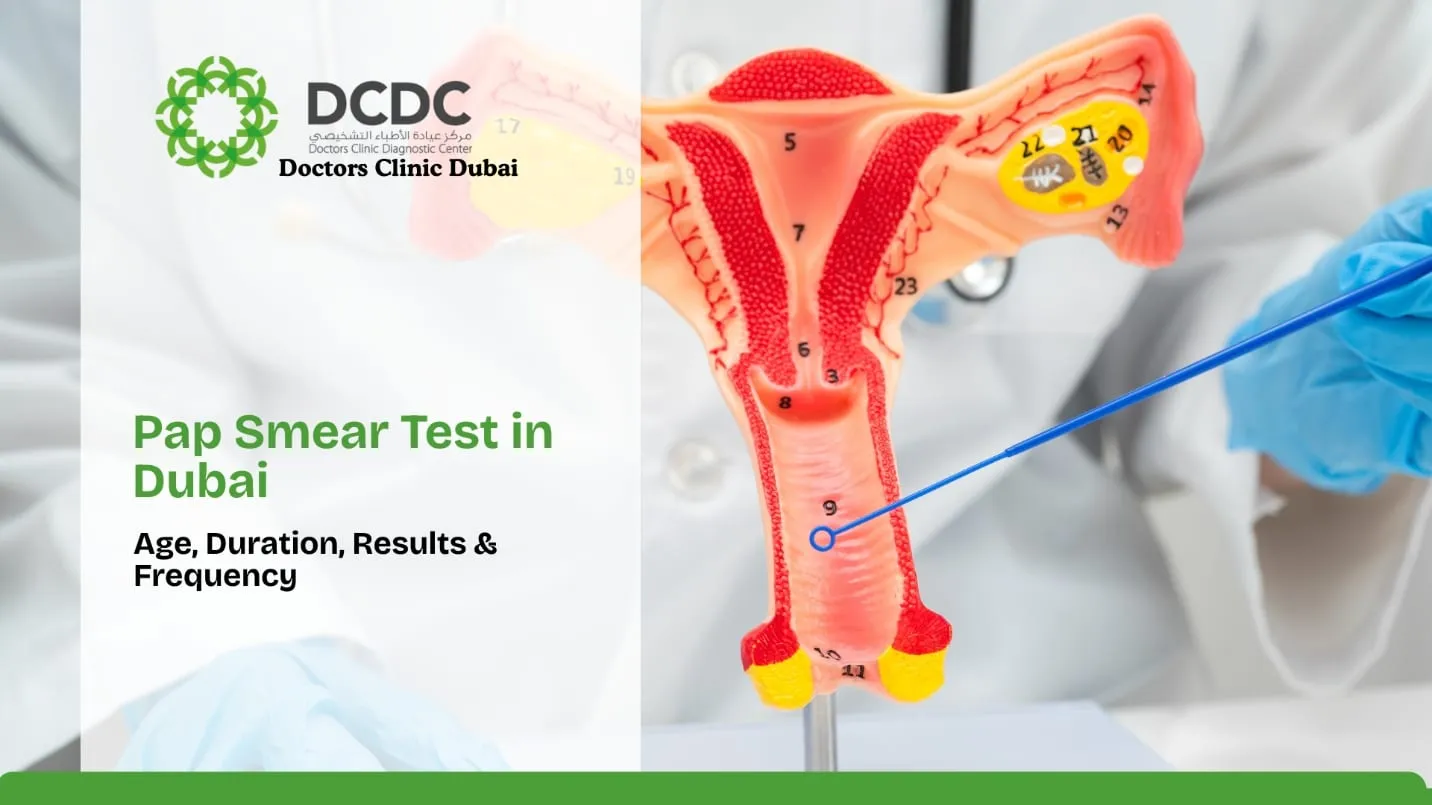
فحص عنق الرحم دبي: من 250 درهم، دليل ونتائج (2026)
فحص السرطان دبي: الفحوصات والتكلفة حسب العمر (2026)
فحوصات صحة المرأة دبي: الفحوصات حسب العمر (2026)
المزيد في Preventive Health
Premarital Screening Dubai: Tests & Cost (2026)
اقرأ المزيد
Signs of Skin Cancer: Mole Check Guide Dubai (2026)
اقرأ المزيد
Shingles Dubai: Symptoms & Prevention (2026)
اقرأ المزيد
Flu Vaccine Cost Dubai: Guide & Prices (2026)
اقرأ المزيد
Hepatitis B Test Dubai: Screening Guide (2026)
اقرأ المزيدFull Body Checkup Cost Dubai: From AED 249 (2026)
اقرأ المزيد© 2026 Doctors Clinic Diagnostic Center (DCDC), Dubai Healthcare City. Originally published at https://doctorsclinicdubai.ae/blog/hpv-vaccine-cost-dubai. All rights reserved. Unauthorized reproduction is prohibited.