النقاط الرئيسية
- يمر الكتف المتجمد بثلاث مراحل (التجمد، المتجمد، الذوبان) على مدى 12-18 شهراً، ويختلف العلاج في كل مرحلة
- العلاج الطبيعي هو ركيزة العلاج الأساسية — التمديد المفرط في المرحلة المبكرة يمكن أن يُفاقم الالتهاب
- مرضى السكري أكثر عرضة للإصابة بالكتف المتجمد 2-5 مرات ويستغرق تعافيهم وقتاً أطول في الغالب
- حقن الكورتيكوستيرويد تُخفف الألم بشكل ملحوظ في مرحلة التجمد لكنها لا تُقصّر مدة الحالة الإجمالية
- الهيدروديليتيشن (حقن لتمديد المحفظة) قد يُسرّع التعافي عند دمجه مع العلاج الطبيعي
- يستعيد معظم المرضى 90-95% من نطاق الحركة مع العلاج الطبيعي المنتظم، وإن كان يستلزم صبراً
- ألم الليل وعدم القدرة على النوم على الجانب المصاب من أبرز الأعراض التي تميز الكتف المتجمد عن الحالات الأخرى
- تجنّب الحركة كلياً يُفاقم الكتف المتجمد — التمرين اللطيف الموجّه ضمن حدود الألم أمر ضروري
لا تستطيع الوصول إلى جيب بنطالك الخلفي، ولا ربط حمّالة الصدر، ولا رفع ذراعك لغسل شعرك. يُبقيك الألم مستيقظاً في الليل، وقد بدأ دون إصابة واضحة. إن كان هذا مألوفاً لك، فمن المرجح أنك مصاب بالتهاب المحفظة اللاصق، المعروف شائعاً بالكتف المتجمد. إنها من أكثر الحالات إحباطاً التي نعالجها في عيادة العلاج الطبيعي لدينا في مدينة دبي الطبية، لكن البشرى السارة أن إعادة التأهيل المنظّمة تفضي باستمرار إلى التعافي.
يصيب الكتف المتجمد ما يقارب 2-5% من عامة السكان، غير أن هذه النسبة ترتفع إلى 10-20% بين مرضى السكري. يضرب هذا المرض في الغالب من هم بين 40 و60 عاماً وهو أكثر شيوعاً عند النساء. فهم المراحل الثلاث لهذه الحالة أمر بالغ الأهمية، لأن العلاج الخاطئ في الوقت الخاطئ قد يُبطئ تعافيك فعلاً.

ما هو الكتف المتجمد ولماذا يحدث؟
يحدث الكتف المتجمد عندما تلتهب المحفظة المحيطة بمفصل الكتف ثم تتكاثف وتنقبض تدريجياً مكوّنةً نسيجاً ندبياً (التصاقات). يُؤدي ذلك إلى تضيّق مساحة المفصل وتقييد الحركة بشكل شديد. خلافاً لتمزق الكفة الدوارة أو التضيّق، فإن المشكلة ليست في العضلات أو الأوتار بل في المحفظة ذاتها. غالباً ما يظل المحفّز المحدد مجهولاً، وإن كانت فترات الخمول (بعد الجراحة أو الكسر أو العمل المكتبي المطوّل) من الأسباب المهيّئة الشائعة.
عوامل خطر الكتف المتجمد
- داء السكري: العامل الأكبر خطورة. يرفع كل من النوع الأول والثاني احتمالية الإصابة 2-5 مرات، وتميل حالات الكتف المتجمد لدى مرضى السكري إلى مقاومة العلاج أكثر
- اضطرابات الغدة الدرقية: يرتبط كل من قصور الغدة الدرقية وفرط نشاطها بارتفاع معدلات الإصابة
- الخمول المطوّل: بعد إصابة الكتف أو الجراحة أو السكتة الدماغية
- العمر 40-60 عاماً: نادراً ما يحدث خارج هذا النطاق العمري
- أمراض القلب والأوعية الدموية وتقلّص دوبويتران: حالات مصاحبة تشترك في تغيرات الأنسجة الليفية المتشابهة
ما هي المراحل الثلاث للكتف المتجمد؟
يسير الكتف المتجمد وفق نمط متوقع من ثلاث مراحل متداخلة. التعرف على المرحلة التي أنت فيها يحدد نهج العلاج الأكثر فاعلية. الضغط الزائد في مرحلة التجمد يُفاقم الالتهاب، فيما يُسهم التقاعس الزائد في مرحلة الذوبان في استمرار التيبس. سيُعدّل معالجك الفيزيائي برنامجك مع انتقالك بين المراحل.
| المرحلة | المدة | الأعراض الرئيسية | الهدف العلاجي الأساسي |
|---|---|---|---|
| المرحلة 1: التجمد | 2-9 أشهر | بداية تدريجية للألم (خاصة ليلاً)، تيبس متزايد، ألم مع الحركة | السيطرة على الألم؛ تمارين خفيفة لنطاق الحركة ضمن حدود الألم |
| المرحلة 2: المتجمد | 4-12 شهراً | قد يتراجع الألم لكن التيبس في ذروته، فقدان ملحوظ في الدوران الخارجي والبعد الجانبي | زيادة تدريجية في تمارين تمديد نطاق الحركة، الحفاظ على القوة |
| المرحلة 3: الذوبان | 5-24 شهراً | عودة تدريجية للحركة، تلاشي الألم، تحسّن الوظيفة | التمديد التدريجي والتقوية لاستعادة النطاق الكامل |
عادةً تتراوح المدة الكلية من البداية إلى الشفاء بين 12-30 شهراً. يمكن للعلاج الطبيعي تقليص هذا الجدول الزمني بشكل ملحوظ.
كيف يعالج العلاج الطبيعي الكتف المتجمد؟
العلاج الطبيعي هو العلاج الأساسي للكتف المتجمد في كل مرحلة، لكن النهج يجب أن يُصمَّم وفقاً لمرحلة المرض التي أنت فيها. المعالج الفيزيائي الماهر لن يمدّد كتفاً مؤلماً ومُلتهباً ببساطة. يتطور العلاج على مدى أسابيع وأشهر، ويزداد تدريجياً في كثافته مع بدء ارتخاء المحفظة. في عيادة العلاج الطبيعي في مدينة دبي الطبية، نتبع بروتوكولاً مرحلياً مبنياً على أحدث الأدلة العلمية. للمزيد من المعلومات ذات الصلة، راجع دليلنا حول تعافي الانزلاق الغضروفي: الجدول الزمني أسبوعاً بأسبوع.
تمارين مرحلة التجمد
- تمارين البندول: الانحناء للأمام، ترك الذراع تتدلى، والتأرجح بلطف في دوائر. يوفر هذا حركة للمفصل دون تحميل المحفظة
- نطاق الحركة السلبي: يحرّك المعالج الفيزيائي ذراعك بنفسه ضمن حدود مريحة
- التقوية الثابتة (الإيزومترية): تفعيل خفيف للعضلات دون تحريك المفصل لمنع ضمور العضلات
- تطبيق الحرارة قبل الجلسات: الكمادات الدافئة لمدة 15-20 دقيقة تُساعد في تخفيف الألم وتحسين مرونة الأنسجة
تمارين مرحلة التجمد التام
- المشي على الحائط (تسلق الأصابع): المواجهة للحائط ورفع الأصابع تدريجياً نحو الأعلى مع تدوين مستوى تقدمك اليومي
- التمديد عبر الجسم: استخدام اليد الأخرى لسحب الذراع المصابة عبر الصدر والإمساك 30 ثانية
- الدوران الخارجي بالعصا: استخدام عصا للمكنسة لمساعدة الذراع المصابة على الدوران
- تمديد النائم: الاستلقاء على الجانب المصاب واستخدام اليد الأخرى لدفع الساعد نحو الأرض
- تحريك المفاصل: يُطبّق المعالج الفيزيائي تقنيات يدوية تدريجية لتمديد المحفظة
تمارين مرحلة الذوبان
- التمديد التدريجي: إمساك أطول، نطاق أوسع، تحريك عند نهاية النطاق
- تقوية الشريط المطاطي: إعادة بناء قوة عضلات الكفة الدوارة وشفرة الكتف
- الحركات الوظيفية: الوصول فوق الرأس وخلف الظهر وعبر الجسم مع زيادة الحمل تدريجياً
- إعادة التأهيل الرياضي أو المهني: العودة إلى السباحة أو التنس أو أنشطة العمل التي تستدعي رفع الذراعين
هل تُفيد حقن الستيرويد في علاج الكتف المتجمد؟
يمكن لحقن الكورتيكوستيرويد داخل مفصل الكتف أن تُوفر تخفيفاً ملحوظاً للألم خلال مرحلة التجمد، وغالباً في غضون أيام. تُشير الأبحاث إلى أن فاعليتها تكون أعلى في الأشهر الستة الأولى من الأعراض، إذ تُقلل الالتهاب بما يكفي لتمكين المرضى من المشاركة بصورة أفضل في العلاج الطبيعي. لكن الحقن وحدها لا تُحل التيبس — فهي مساعِدة تفتح نافذة فرصة لإعادة التأهيل بفاعلية أكبر.
توصي معظم إرشادات تخصص جراحة العظام بحد أقصى 2-3 حقن. ما بعد ذلك، تتناقص الفائدة ويرتفع خطر الضرر للأنسجة المحلية. في DCDC، يمكن لـأخصائيي العظام لدينا إجراء حقن موجّهة بالموجات فوق الصوتية لدقة أعلى، وغالباً بالتنسيق المباشر مع معالجك الفيزيائي لتحقيق أفضل توقيت.
ماذا عن الهيدروديليتيشن؟
يتضمن الهيدروديليتيشن (المعروف أيضاً بالهيدروديستنشن) حقن حجم كبير من المحلول الملحي والستيرويد داخل محفظة المفصل تحت توجيه التصوير لتمديد المحفظة فيزيائياً. وجد مراجعة منهجية عام 2022 في المجلة البريطانية لطب الرياضة أن الهيدروديليتيشن مقروناً بالعلاج الطبيعي أفضى إلى تحسينات أسرع في نطاق الحركة مقارنةً بالعلاج الطبيعي وحده، لا سيما في مرحلة التجمد التام. ليس مناسباً للجميع، لكنه خيار قيّم حين يتوقف التقدم رغم الالتزام بإعادة التأهيل.
لماذا الكتف المتجمد أكثر شيوعاً عند مرضى السكري؟
مرضى السكري أكثر عرضة للإصابة بالكتف المتجمد 2-5 مرات، ويُصاب كلا الكتفين في ما يصل إلى 40% من حالات السكري مقارنةً بـ10-15% عند غير المصابين. يُعتقد أن الآلية تتضمن تغليكوز الكولاجين — ارتفاع سكر الدم المزمن يُحدث تغيرات هيكلية في بروتينات النسيج الضام، مما يجعل المحفظة أكثر صلابة وأكثر قابلية للإصابة بالتليف. كذلك تميل حالات الكتف المتجمد عند مرضى السكري إلى أن تكون أشد حدةً وتستغرق وقتاً أطول للشفاء، مما يجعل التدخل المبكر بالعلاج الطبيعي أكثر أهمية.
ما الجدول الزمني الواقعي للتعافي؟
الكتف المتجمد حالة ذاتية المحدودية، أي أنها ستتحسن في نهاية المطاف من تلقاء نفسها. غير أن "في نهاية المطاف" قد تعني 2-3 سنوات دون علاج، ويحتفظ 20-50% من المرضى ببعض التيبس المتبقي. يُقصّر العلاج الطبيعي هذا الجدول الزمني بشكل ملحوظ ويُحسّن النتيجة النهائية. فيما يلي ما يمكن توقعه بواقعية مع الالتزام بالعلاج. قد تجد أيضاً دليلنا حول تعافي جراحة الكتف: التمارين والجدول الزمني مفيداً.
| الإطار الزمني | التقدم المتوقع مع العلاج الطبيعي |
|---|---|
| الأسابيع 1-4 | إدارة الألم، تحسّن طفيف في نطاق الحركة المريحة، نوم أفضل |
| الأشهر 1-3 | تحسّن ملحوظ في الأنشطة اليومية (ارتداء الملابس، مد اليد) |
| الأشهر 3-6 | مكاسب كبيرة في نطاق الحركة، معظم الأنشطة اليومية تعود |
| الأشهر 6-12 | استعادة 80-90% من نطاق الحركة لدى معظم المرضى |
| الأشهر 12-18 | تعافٍ بنسبة 90-95%؛ قد يستمر بعض التيبس عند النطاقات القصوى |
قد يستغرق مرضى السكري والمصابون في كلا الكتفين وقتاً أطول. التمرين المنزلي المنتظم ضروري.
تعاني من تيبس الكتف أو ألم الليل؟
لا تنتظر حتى يتفاقم الكتف المتجمد. يُقدّم فريق العلاج الطبيعي في DCDC بمدينة دبي الطبية تقييماً شاملاً وخطة علاجية مرحلية مُصمَّمة وفق مرحلتك الراهنة. التدخل المبكر يعني تعافياً أسرع.
احجز استشارة علاج طبيعي
متى يجب مراجعة أخصائي العظام والمفاصل؟
رغم أن العلاج الطبيعي هو الركيزة الأساسية للعلاج، ثمة حالات تستوجب تقييم أخصائي العظام:
- بدأت أعراضك بعد سقوط أو إصابة (لاستبعاد تمزق الكفة الدوارة أو الكسر)
- لا تحسّن بعد 6-8 أسابيع من العلاج الطبيعي المنتظم
- الألم شديد وغير مُسيطر عليه رغم الدواء والعلاج
- تعاني من ضعف ملحوظ في الكتف وليس فقط تيبساً
- تفكر في الهيدروديليتيشن أو التحريك تحت التخدير
خدمات ذات صلة في DCDC
رعاية متخصصة وتشخيص متقدم في مدينة دبي الطبية
الأسئلة الشائعة
خلاصة القول
الكتف المتجمد تجربة مؤلمة حقاً. الألم يُعكّر النوم والتصلب يُقيّد النشاط اليومي. لكن مسار العلاج الطبيعي الصحيح — المرتبط بمرحلتك الراهنة من المرض — قادر على تقليص وقت التعافي تقليصاً ملموساً.
في DCDC بمدينة دبي الطبية، يبدأ معالجونا الفيزيائيون بتقييم دقيق لتحديد مرحلتك الراهنة، ثم يُصمّمون برنامجاً علاجياً متدرجاً يدعم التعافي التدريجي. تواصل مع فريقنا لحجز جلستك الأولى.

كتبه
Dr. Hadi Komshi
أخصائي طب باطني
دكتوراه في الطب، مرخص من هيئة الصحة بدبي
الدكتور هادي كومشي أخصائي طب باطني مرخّص من هيئة الصحة بدبي في مركز دكتورز كلينيك للتشخيص والرعاية الصحية بمدينة دبي الطبية، تمتد خبرته الواسعة في إدارة الحالات الطبية الحادة والمزمنة بما فيها آلام الجهاز العضلي الهيكلي وإعادة التأهيل.
مقالات ذات صلة
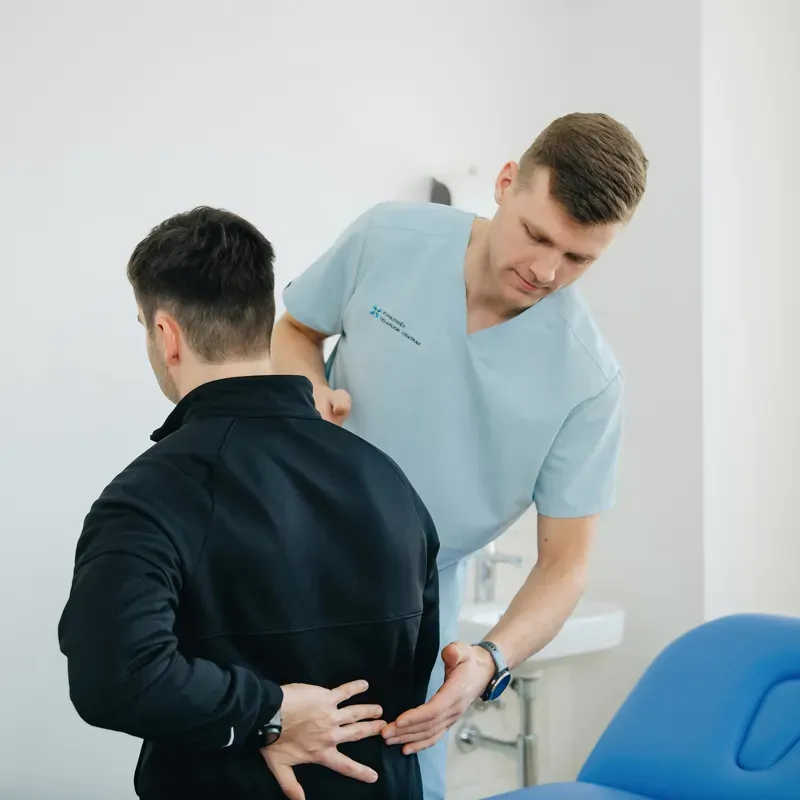
الدليل الشامل للعلاج الطبيعي في دبي: الأنواع والتكاليف وما يمكن توقعه
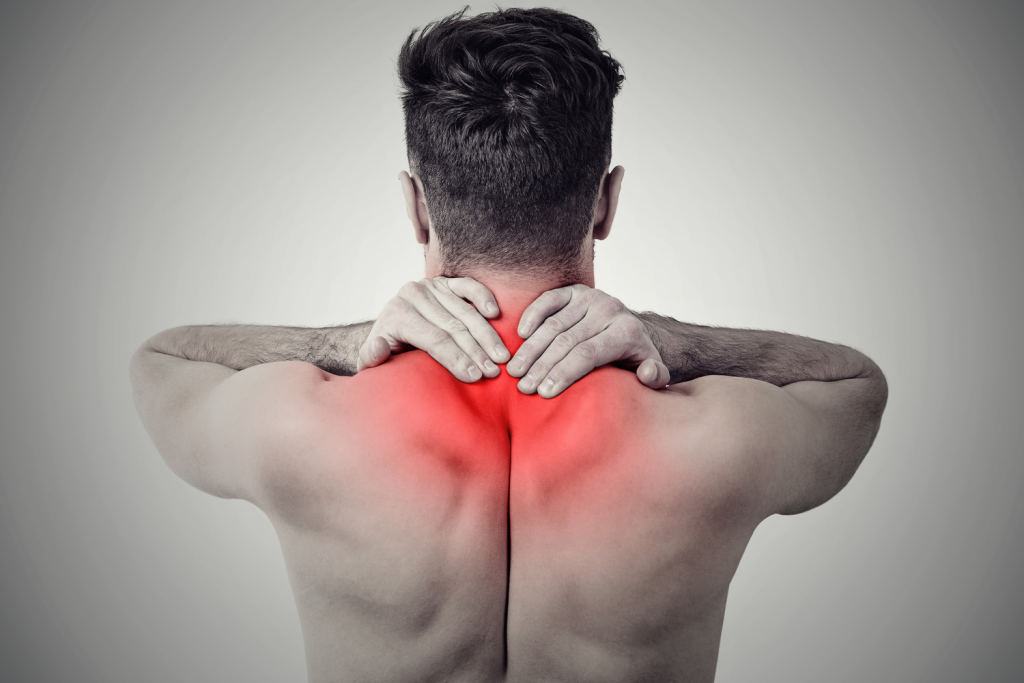
تمارين الكفة الدوارة: دليل التعافي بالعلاج الطبيعي

كوع التنس: لماذا الراحة وحدها لا تكفي للعلاج
تعافي جراحة الكتف: التمارين والجدول الزمني
المزيد في Physiotherapy
Emsella vs Kegels Dubai: Which Works Better? (2026)
اقرأ المزيدShin Splints Dubai: Treatment & Recovery (2026)
اقرأ المزيد
Golfer's Elbow vs Tennis Elbow Dubai (2026)
اقرأ المزيدPhysiotherapy Dubai: Types, Cost & Guide (2026)
اقرأ المزيد
Vestibular Rehab Dubai: Treatment for Vertigo (2026)
اقرأ المزيدPhysiotherapy Packages Dubai: Save 20%+ (2026)
اقرأ المزيد© 2026 Doctors Clinic Diagnostic Center (DCDC), Dubai Healthcare City. Originally published at https://doctorsclinicdubai.ae/blog/frozen-shoulder-treatment-physiotherapy. All rights reserved. Unauthorized reproduction is prohibited.