النقاط الرئيسية
- يتجاوز فحص العودة إلى المدرسة الشامل شهادة الصحة المدرسية الرسمية بكثير — إذ يشمل فحص البصر واختبار السمع وتقييم الأسنان ومراجعة التطعيمات والتقييم التغذوي وجاهزية الصحة النفسية
- ابدأ الاستعداد قبل 6-8 أسابيع من بدء المدرسة في سبتمبر لإتاحة الوقت الكافي لتطعيمات اللحاق، ومواعيد المتابعة لأي مشكلات تُكتشف، وطلب النظارات الطبية إذا لزم
- مشكلات البصر هي الحالات الأكثر إغفالاً لدى الأطفال في سن المدرسة — تُقدِّر الأكاديمية الأمريكية لطب العيون أن ما يصل إلى 25% من أطفال المدارس يعانون من مشكلات بصرية غير مشخَّصة تؤثر مباشرةً في أدائهم الدراسي
- تقدم DCDC باقات فحص عودة إلى المدرسة شاملة تبدأ من AED 249، مع فحوصات دم في الموقع ومسح للرؤية والسمع ونتائج في نفس اليوم للمختبر الروتيني — كل ذلك تحت سقف واحد في مدينة دبي الطبية
- كثيراً ما يحتاج الأطفال المنتقلون بين المناهج الدراسية (من البريطاني إلى الأمريكي أو برامج IB أو القادمون من الخارج) إلى خطط لحاق بالتطعيمات تتوافق مع متطلبات DHA قبل تأكيد التسجيل
- باتت الجاهزية الصحية النفسية تُعترف بها على نحو متزايد مكوِّناً أساسياً في التحضير للمدرسة — يُفضَّل تحديد القلق وصعوبات التكيف ومشكلات الانتباه ودعمها قبل بدء العام الدراسي
مع استئناف مدارس دبي في مطلع سبتمبر 2026، حان الوقت لتحديد موعد فحص عودة طفلك إلى المدرسة — وهذا الفحص أشمل بكثير من شهادة الصحة المدرسية القياسية. تُغطي خدمة فحص الصحة المدرسية في مركز DCDC (Doctors Clinic Diagnostic Center) بمدينة دبي الطبية ليس فقط التصريح الطبي الرسمي، بل فحصاً صحياً شاملاً مصمماً لتمكين طفلك من النجاح الأكاديمي والبدني: اختبار الرؤية والسمع، وتقييم الأسنان، ومراجعة التطعيمات واستكمالها، والتقييم التغذوي، ومراقبة النمو، وفحص الصحة النفسية المناسب للعمر — كل ذلك في زيارة واحدة.
هذا الدليل مختلف عن شرح إجراءات شهادة الصحة المدرسية. إنه خارطة طريق شاملة للاستعداد للآباء الراغبين في أن يبدأ أطفالهم العام الدراسي 2026-2027 بأفضل صحة ممكنة. نتناول كل فحص يجب أن يخضع له طفلك، وجدولاً زمنياً أسبوعياً للتحضير، وما يجب إحضاره في اليوم المحدد، والتكاليف والتغطية التأمينية، وكيفية معالجة اهتمامات بعينها كالحساسية الغذائية وفرط الحركة ونقص الانتباه (ADHD) والقلق قبل أن تصبح مشكلات صفية. راجعت د. هديل النور، الطبيبة العامة في DCDC التي تُمثِّل نقطة الاتصال الأولى للمرضى من الأطفال وتُنسِّق الفحوصات متعددة التخصصات، هذا الدليل لضمان أنه يعكس الممارسة السريرية الحالية وتوصيات DHA.




لماذا فحص العودة إلى المدرسة أكثر من مجرد شهادة مدرسية
يعرف معظم الآباء في دبي شهادة الصحة المدرسية — التصريح الطبي الرسمي المطلوب من DHA الذي تحتاجه المدارس قبل تأكيد التسجيل. لكن التعامل مع فحص العودة إلى المدرسة باعتباره مجرد استيفاء إجراء يُفوِّت غرضه الحقيقي. إن الفحص الصحي الشامل قبل المدرسة هو فرصتك الأمثل للكشف عن حالات ستؤثر مباشرةً في قدرة طفلك على التعلم والتركيز والتواصل الاجتماعي والمشاركة في التربية البدنية بمجرد انطلاق العام الدراسي.
لننظر في الأرقام: تُقدِّر الأكاديمية الأمريكية لطب العيون أن ما يصل إلى 25% من أطفال المدارس لديهم مشكلات بصرية غير مشخَّصة. وتُفيد منظمة الصحة العالمية بأن فقدان السمع غير المكتشف يؤثر في نحو 5% من الأطفال عالمياً، بمعدلات أعلى في المناطق التي لا يُطبَّق فيها الفحص السمعي الصوتي بصفة اعتيادية. كما أن نقص الحديد — الأكثر شيوعاً بين النقص الغذائي في العالم — يُسبب الإرهاق وضعف التركيز وتدني الأداء المعرفي، وهو شائع بصفة خاصة لدى أطفال منطقة الخليج بسبب أنماط الغذاء ومحدودية النشاط الخارجي في شدة الحرارة.
يعالج فحص العودة الصحيح إلى المدرسة كل هذه الجوانب منهجياً. الفارق هو الكشف عن عدم قدرة طفلك على قراءة السبورة في أكتوبر — بعد أسابيع من التأخر — مقارنةً بتصحيح المشكلة بنظارات طبية قبل اليوم الأول من الدراسة. إذا أتممت بالفعل إجراءات شهادة الصحة المدرسية الرسمية، يتناول هذا الدليل الفحوصات الإضافية التي تتجاوز الحد الأدنى من المتطلبات.
فحص العودة إلى المدرسة مقابل شهادة الصحة المدرسية
يخلط كثير من الآباء بين شهادة الصحة المدرسية المنظَّمة من DHA والفحص الشامل للعودة إلى المدرسة. وإن كان كلاهما مهماً، فإن لكل منهما غرضاً مختلفاً. شهادة الصحة المدرسية وثيقة بعينها مطلوبة لتسجيل التلميذ أو نقله وتُغطي معايير اللياقة الأساسية للحضور. أما فحص العودة الشامل فأعمق — إذ يُقيِّم جاهزية طفلك الصحية الكاملة للعام الدراسي ويكشف عن حالات لا يُجري الشهادة الأساسية فحصاً عنها.
| المكوِّن | شهادة الصحة المدرسية | فحص العودة إلى المدرسة الشامل |
|---|---|---|
| الغرض | متطلب للتسجيل أو النقل المدرسي | تقييم الجاهزية الصحية الكاملة للعام الدراسي |
| فحص البصر | لوحة سنيلن الأساسية | حدة البصر الكاملة ورؤية الألوان وتتبع العين والمحاذاة |
| اختبار السمع | فحص أساسي | تقييم قياسي صوتي مفصَّل عبر ترددات الكلام |
| فحوصات الدم | غير مشمولة عادةً | CBC والحديد والفيريتين وفيتامين D وسكر الدم إذا كان مُشاراً إليه |
| فحص الأسنان | غير مشمول | فحص فموي كامل مع مسح التسوس وتقييم المحاذاة |
| مراجعة التطعيمات | التحقق من الامتثال لجدول DHA | تحليل الفجوات وخطة اللحاق ومناقشة لقاح الإنفلونزا |
| الفحص التطوري | غير مشمول | تقييم المراحل العمرية المناسبة والجاهزية |
| فحص الصحة النفسية | غير مشمول | تقييم القلق والنوم والانتباه والسلوك |
| التقييم التغذوي | غير مشمول | مراجعة النظام الغذائي وتحليل منحنى النمو والمكملات المستهدفة |
تُغطي شهادة الصحة المدرسية الحد الأدنى من متطلبات التسجيل. يُعالج فحص العودة إلى المدرسة الشامل الجاهزية الصحية الكاملة لطفلك خلال العام الدراسي.
في DCDC، يمكنك استكمال شهادة الصحة المدرسية الرسمية والفحص الشامل في موعد واحد. وهذا هو النهج الأكثر كفاءة — فيوفر زيارةً ثانيةً ويضمن أن الطبيب الذي يُكمل النموذج المدرسي لديه صورة متكاملة عن صحة طفلك.
الجدول الزمني لفحص العودة إلى المدرسة: 6-8 أسابيع قبل سبتمبر
التوقيت مهم. إذا انتظرت حتى الأسبوعين الأخيرين من أغسطس، فستتنافس مع آلاف الآباء الآخرين على المواعيد، وإن كشف الفحص عن مشكلات تحتاج متابعة — تطعيمات ناقصة أو إحالة لنظارات أو إجراء سني — فقد لا يبقى وقت كافٍ قبل بدء الدراسة. فيما يلي جدول زمني عملي للآباء في دبي للتحضير لبدء المدرسة في سبتمبر 2026.
قبل 6-8 أسابيع من المدرسة (منتصف يوليو حتى أواخره)
- احجز موعد الفحص الشامل: جدِّد موعد الفحص الصحي الكامل للعودة إلى المدرسة في DCDC. اطلب وقتاً أطول للموعد (45-60 دقيقة) حتى تكتمل جميع المكوِّنات في زيارة واحدة. مواعيد يوليو أسهل في الحصول عليها من أغسطس.
- اجمع السجلات الطبية: ابحث عن دفتر تطعيمات طفلك ونماذج الصحة المدرسية السابقة وأي تقارير من متخصصين (طبيب حساسية أو نفسي أو عيون) وقائمة الأدوية أو المكملات الحالية.
- تحقق من متطلبات المدرسة: تواصل مع مدرسة طفلك بشأن النموذج الطبي المحدد المطلوب منها. بعض مدارس دبي (ولا سيما المناهج البريطانية والأمريكية وIB) لديها متطلبات إضافية تتجاوز شهادة DHA القياسية.
- دوِّن مخاوفك: اكتب أي شيء لاحظته — تجهُّم عند النظر إلى الشاشات أو صداع متكرر أو شكاوى من الطعام أو تغيرات سلوكية أو صعوبات في النوم أو قلق من العودة إلى المدرسة.
قبل 4-6 أسابيع من المدرسة (أواخر يوليو حتى مطلع أغسطس)
- احضر موعد الفحص: أتمِّ الفحص الشامل بما يشمل جميع المكوِّنات المفصَّلة في الأقسام أدناه.
- ابدأ تطعيمات اللحاق: إذا كانت أي تطعيمات ناقصة، ابدأ جدول اللحاق الآن. تستلزم بعض اللقاحات فاصلاً زمنياً مدته 4 أسابيع بين الجرعات، لذا يضمن البدء في أواخر يوليو الانتهاء منها قبل سبتمبر.
- اطلب النظارات الطبية: إذا اكتشف فحص البصر خطأ انكسارياً، اطلب النظارات فوراً. قد تستغرق الوصفات المخصصة 1-2 أسبوع، ويحتاج طفلك وقتاً للتكيف مع ارتدائها قبل بدء المدرسة.
- جدِّد موعد علاج الأسنان: إذا كشف تقييم الأسنان عن تسوس أو مشكلات أخرى، حدِّد موعد العلاج وثمة وقت للتعافي قبل المدرسة.
قبل 2-4 أسابيع من المدرسة (أغسطس)
- تابع نتائج فحوصات الدم: راجع أي نتائج مختبرية مع طبيبك. عالج نقص التغذية (الحديد وفيتامين D وB12) بالمكملات التي تكفي مدتها للتأثير قبل اليوم الأول.
- أكمل التطعيمات المتبقية: تلقَّ أي جرعات ثانية مستحقة وحدِّث سجل التطعيمات لتقديمه للمدرسة.
- عدِّل جداول النوم: ابدأ بتقديم أوقات النوم والاستيقاظ 15 دقيقة كل 2-3 أيام للتوافق مع ساعات المدرسة. يحتاج الأطفال الذين ينامون متأخرين خلال عطلة الصيف أسبوعين على الأقل من التعديل التدريجي.
- تدرَّب على روتين المدرسة: أعِد إرساء الروتين الصباحي بما فيه تناول الإفطار في وقت ثابت والتلبس وتحضير حقيبة المدرسة. بالنسبة للأطفال الأصغر الذين يلتحقون بالمدرسة لأول مرة، قُم بزيارة الحرم المدرسي إن أمكن لبناء الألفة.
الأسبوع الأخير قبل المدرسة
- قدِّم جميع الوثائق الطبية: تأكد من وصول الشهادة الصحية المكتملة وسجل التطعيمات المحدَّث وأي خطط عمل طبية (ربو أو حساسية أو سكري أو صرع) إلى المدرسة.
- حضِّر حقيبة الصحة المدرسية: للأطفال ذوي الحالات المزمنة، ضع الأدوية وأجهزة الاستنشاق أو حقن الإبينفرين مع رسالة موقَّعة من الطبيب تُخوِّل ممرضة المدرسة إعطاءها.
- تأكد من مستلزمات المدرسة: تحقق من توفر زجاجة ماء لطفلك (الترطيب بالغ الأهمية في حرارة دبي في سبتمبر)، وواقي شمس إذا كانت هناك أنشطة خارجية، وأي عدسات تصحيحية وُصفت خلال الفحص.
- أجرِ محادثة إيجابية حول المدرسة: ناقش مع طفلك ما يتطلع إليه. عالج أي مخاوف متبقية بهدوء وموضوعية دون رفضها.
فحص البصر: الحالة الأكثر إغفالاً قبل المدرسة
مشكلات البصر هي الحالة الأكثر شيوعاً التي تمر دون اكتشاف وتؤثر في الأداء المدرسي. نادراً ما يشكو الأطفال من ضعف بصرهم لأنهم يفترضون أن الجميع يرى كما يرون. قد لا يكون الطفل الذي لا يقرأ السبورة بوضوح أو يعاني من الصداع بعد القراءة أو يتجنب العمل القريب غير مُجتهد أو غير منتبه — قد يحتاج ببساطة إلى نظارات.
يشمل فحص البصر الشامل في DCDC اختبار حدة البصر (لوحة سنيلن لبصر المسافة وتقييم الرؤية القريبة)، واختبار رؤية الألوان (لوحات إيشيهارا لاكتشاف عمى الألوان الذي يصيب نحو 8% من الذكور)، وتقييم محاذاة العينين (اختبار الإغلاق لاكتشاف الحول أو كسل العين)، وتقييم تنسيق العينين وتتبعهما. للأطفال دون سن الخامسة، نستخدم لوحات صور مناسبة للعمر بدلاً من الاختبارات القائمة على الحروف.
في دبي، يقضي الأطفال وقتاً ملحوظاً أمام الشاشات — أجهزة لوحية للواجبات وهواتف للتواصل وأجهزة تلفزيون للترفيه. أسهمت زيادة وقت الشاشة منذ الجائحة في ارتفاع ملموس في قِصَر النظر (ضعف البصر في المسافة) بين الأطفال في المنطقة. إذا لم يخضع طفلك لفحص بصر خلال الأشهر الـ12 الماضية، ينبغي أن يكون هذا مكوِّناً ذا أولوية في فحص العودة إلى المدرسة. يُعالَج كسل العين إذا اكتُشف قبل سن 7-8 أعوام لكنه يزداد صعوبةً بعد إغلاق هذه النافذة الزمنية.
تقييم السمع: كيف يؤثر فقدان السمع الصامت في الدرجات
يسهل إغفال فقدان السمع الخفيف بشكل لافت. قد يبدو الطفل ذو ضعف السمع الجزئي طبيعياً في غرفة هادئة بالمنزل، لكنه يُعاني في فصل دراسي صاخب يتنافس فيه صوت المعلم مع 25 طالباً آخر وأجهزة تكييف الهواء وضوضاء الممر. قد يبدو غير منتبه أو يقول «ماذا؟» كثيراً أو يُجيب بشكل غير ملائم على الأسئلة — سلوكيات تُعزى في الغالب إلى مشكلات سلوكية لا إلى صعوبة سمعية.
يشمل تقييم السمع للعودة إلى المدرسة قياسات صوتية نقية عبر نطاق الترددات الحيوية لفهم الكلام (500 هرتز إلى 4,000 هرتز) وقياس الطبل لتقييم وظيفة الأذن الوسطى. سائل الأذن الوسطى (التهاب الأذن الوسطى مع الإفرازات) من أكثر أسباب فقدان السمع المؤقت لدى الأطفال، ولا سيما في سن 4-8 أعوام. غالباً ما يعقب نزلة برد أو موسم حساسية وقد يستمر أسابيع دون شكوى الطفل من ألم في الأذن. يتناول دليلنا لأمراض الطفولة الشائعة التهابات الأذن والحالات الأخرى التي ينبغي للآباء في دبي التعرف عليها مبكراً.
إذا اكتشف الفحص مخاوف سمعية، يمكن لـ DCDC الإحالة إلى أخصائي سمعيات أو طبيب أنف وأذن وحنجرة لمزيد من التقييم. يتيح الكشف المبكر عن مشكلات السمع اتخاذ التسهيلات المناسبة — مقاعد في مواضع مفضَّلة أو أنظمة FM أو علاج طبي — قبل بدء المدرسة لا بعد أشهر من الكفاح الأكاديمي غير المُفسَّر.
فحص الأسنان قبل المدرسة: منع الغياب والألم
مشكلات الأسنان من أبرز أسباب غياب الأطفال عن المدارس في جميع أنحاء العالم. تُفيد CDC بأن الأطفال ذوي صحة الفم السيئة أكثر عرضة ثلاث مرات للغياب عن المدرسة بسبب آلام الأسنان مقارنةً بأقرانهم. لا تنتظر آلام الأسنان وقتاً مناسباً — فتُعطِّل التركيز والنوم والأكل، وحين تشتد، تعني زيارة طارئة لطبيب الأسنان خلال ساعات الدوام.
يفحص المكوِّن السني في فحص العودة إلى المدرسة كل سنة بحثاً عن التسوس، ويتحقق من صحة اللثة، ويُقيِّم الإطباق والمحاذاة، ويُقدِّر ما إذا كانت هناك حاجة لتدخل تقويمي. للأطفال الذين يفقدون أسنانهم اللبنية وتنبت لهم الأسنان الدائمة (عادةً سن 6-12 عاماً)، هذه نافذة حيوية لمراقبة المحاذاة. قد يُوصى بعلاجات الفلوريد أو المانعات (السيلانت) كإجراء وقائي للأسنان المعرَّضة للتسوس.
تُفرز مناخ دبي وأنماط التغذية فيها مخاطر سنية بعينها للأطفال. الاستهلاك المرتفع لعصائر الفاكهة ومشروبات الحليب المنكَّهة والوجبات الخفيفة السكرية — مع جفاف الفم في البيئات المكيَّفة الذي يُقلل تدفق اللعاب الواقي — يُسهم في ارتفاع معدلات التسوس. يُعدّ الفحص أيضاً فرصةً لمناقشة العادات الغذائية وطريقة التنظيف الصحيحة للأسنان (كثير من الأطفال دون سن 8 أعوام لا يستطيعون التنظيف بفعالية دون إشراف)، وأهمية الحد من المشروبات السكرية في حقيبة الغداء المدرسي.
مراجعة تطعيمات العودة إلى المدرسة وخطط اللحاق
التطعيمات شرط غير قابل للتفاوض لتسجيل المدرسة في دبي. تُفرض من DHA جدول تحصين بعينه، وتتحقق المدارس من الالتزام به قبل تأكيد القبول. لكن بعيداً عن جانب الامتثال، يُحمي التأكد من حداثة تطعيمات طفلك منه ومن زملائه خلال العام الدراسي حين تنتشر الأمراض المعدية بسهولة في بيئات المدارس التي يجمع فيها الاقتراب الوثيق.
تستلزم مراجعة تطعيمات العودة إلى المدرسة في DCDC مقارنةً دقيقةً لسجل تطعيمات طفلك بجدول DHA الكامل. من الثغرات الشائعة: جرعة تقوية DTaP-IPV المستحقة بين سن 4-6 أعوام، وجرعة OPV المطلوبة في الصف الأول، وتقوية Tdap للمراهقين، وسلسلة لقاح HPV الموصى بها في الصف السادس. للأطفال القادمين حديثاً إلى دبي من دول ذات برامج تطعيم مختلفة، تُوضع خطة لحاق شاملة لمواءمة تاريخ تطعيمهم مع متطلبات الإمارات. يُوفر دليل جدول تطعيمات الأطفال لدينا الجدول الزمني الكامل لتطعيمات DHA حسب العمر.
يستحق لقاح الإنفلونزا أيضاً الاعتبار قبل العام الدراسي. وإن لم يكن إلزامياً، فإن لقاح الإنفلونزا يُقلل بشكل ملحوظ من الغياب المدرسي خلال أشهر الشتاء (نوفمبر حتى فبراير في دبي). يُقلل الأطفال الملقَّحون من أيام الغياب المدرسي وهم أقل عرضة لنقل الإنفلونزا إلى إخوانهم الأصغر أو أفراد الأسرة المسنين. في DCDC، يمكن إعطاء لقاحات الإنفلونزا خلال زيارة العودة إلى المدرسة ذاتها.
التقييم التغذوي وفحوصات الدم للاستعداد للمدرسة
ما يأكله طفلك يؤثر مباشرةً في كيفية تعلمه. نقص الحديد يُضعف التركيز والذاكرة. نقص فيتامين D — الشائع جداً في دبي رغم وفرة أشعة الشمس لأن الأطفال يقضون معظم وقتهم في بيئات مكيَّفة داخلية — يؤثر في صحة العظام ووظيفة المناعة والمزاج. نقص فيتامين B12، ذو صلة بصفة خاصة بالعائلات النباتية، يُسبب الإرهاق والبطء المعرفي. هذه النقصيات صامتة: يمكن أن يعاني طفل من نقص الحديد لأشهر قبل ظهور أعراض واضحة كالشحوب أو الإرهاق.
يشمل المكوِّن التغذوي في فحص العودة إلى المدرسة مراجعة التاريخ الغذائي وقياس النمو (الطول والوزن ومؤشر كتلة الجسم على مخططات النمو المناسبة للعمر) وفحوصات الدم الموجَّهة عند الإشارة السريرية. في DCDC، تُجرى فحوصات الدم في موقعنا في مختبرنا مع نتائج في نفس اليوم للوحات الروتينية التي تشمل تعداد الدم الكامل (CBC) والفيريتين المصلي (مخازن الحديد) وفيتامين D (25-هيدروكسي) وفيتامين B12.
- تعداد الدم الكامل (CBC): يفحص فقر الدم ومؤشرات العدوى وشذوذات الصفائح الدموية. يؤثر فقر الدم بنقص الحديد في ما يصل إلى 20% من الأطفال عالمياً ويُسبب الإرهاق وضعف التركيز وتراجع الأداء الأكاديمي.
- فيتامين D (25-هيدروكسي): يعاني من نقصه أكثر من 80% من سكان الإمارات بمن فيهم الأطفال بسبب محدودية التعرض لأشعة الشمس خارج المنزل. يُضعف انخفاض فيتامين D نمو العظام ووظيفة المناعة وتنظيم المزاج.
- الفيريتين ودراسات الحديد: حتى بدون فقر الدم، قد يُسبب انخفاض الفيريتين الإرهاق والتوتر وصعوبة التركيز — أعراض تُحاكي ADHD وكثيراً ما تُعزى خطأً إلى مشكلات سلوكية.
- سكر الدم الصيامي: يفحص مؤشرات السكري المبكرة، ذات الأهمية المتزايدة نظراً لارتفاع معدلات السمنة في مرحلة الطفولة في الإمارات.
- وظيفة الغدة الدرقية (TSH): قد تُسبب اختلالات الغدة الدرقية تغيرات في الوزن والإرهاق واضطرابات المزاج لدى الأطفال في سن المدرسة وهي سهلة العلاج بمجرد تحديدها.
إذا كان طفلك انتقائياً في الأكل أو فقد وزنه أو يبدو متعباً بصورة غير اعتيادية أو يُعاني من عدوى متكررة، فإن مكوِّن فحوصات الدم في الفحص بالغ الأهمية. إن تحديد نقص تغذوي في يوليو يمنحك 6-8 أسابيع من المكملات قبل بدء المدرسة — وقت كافٍ لتتحسن مستويات الحديد وفيتامين D بشكل ملموس. للعائلات التي تتعامل مع الحساسية الغذائية، يتناول دليلنا لعلامات حساسية الطعام عند الأطفال الأعراض التي يجب على الآباء مراقبتها وكيفية تعامل مدارس دبي مع إدارة الحساسية.
احجز فحص العودة إلى المدرسة لطفلك الآن
لا تنتظر حتى أغسطس حين تمتلئ مواعيد المواعيد. تقدم DCDC في مدينة دبي الطبية باقات فحص صحي شاملة للعودة إلى المدرسة تبدأ من AED 249 — فحص بصر وسمع وتقييم أسنان ومراجعة تطعيمات وفحوصات دم ومراقبة نمو في زيارة واحدة. تقييم 4.8/5 من أكثر من 1,000 تقييم موثَّق مع رضا مرضى 98%. احجز أونلاين أو تواصل معنا عبر واتساب للتحقق من المواعيد المتاحة في نفس اليوم.
مختبر في الموقع مع نتائج في نفس اليوم. أكثر من 20 شريك تأميني مع فوترة مباشرة تشمل Daman وAXA وBupa وMetLife وCigna. مواقف سيارات مجانية مخصصة في الموقع. متوسط وقت الانتظار: 15 دقيقة.
الصحة النفسية والجاهزية العاطفية للعام الدراسي
الجاهزية للمدرسة ليست جسدية فحسب. الانتقال من عطلة الصيف إلى أيام المدرسة المنظَّمة تكيُّف مهم، وبالنسبة لبعض الأطفال يُثير قلقاً حقيقياً أو تغيرات سلوكية أو ضيقاً عاطفياً يتجاوز التوتر الطبيعي. قد يستفيد الأطفال الذين يلتحقون بالمدرسة لأول مرة أو يغيِّرون مدارسهم أو يدخلون المرحلة الثانوية أو يعودون بعد عام سابق صعب جميعاً من فحص الصحة النفسية ضمن فحص العودة إلى المدرسة.
يشمل المكوِّن النفسي المناسب للعمر في الفحص الفرز عن قلق الانفصال (الشائع لدى الأطفال سن 3-6 في بدء المدرسة)، والقلق الاجتماعي، والقلق المعمَّم، وصعوبات الانتباه (فحص ADHD باستخدام استبيانات معتمدة كتقييم فاندربيلت)، ومخاوف التكيف للأطفال القادمين حديثاً إلى دبي، وعلامات الاكتئاب أو الانسحاب لدى المراهقين. لدى المراهقين، قد تتضمن هذه الجزء من الزيارة محادثة سرية مع الطبيب بغياب الوالدين — ممارسة يوصي بها المجلس الأمريكي لطب الأطفال لإتاحة الفرصة للمراهقين لمناقشة مخاوف حساسة بحرية.
تحديد هذه المخاوف قبل بدء المدرسة أكثر فعالية بكثير من انتظار ظهورها على شكل مشكلات أكاديمية أو انسحاب اجتماعي أو رفض المدرسة. إذا رصد الفحص مخاوف، يمكن لـ DCDC تنسيق الإحالات إلى علماء نفس الأطفال أو المقيِّمين التعليميين أو المعالجين السلوكيين حتى تكون التدخلات جاهزة في وقت مبكر من العام الدراسي لا بعد أشهر منه.
اللياقة البدنية والتصريح الرياضي للمدرسة
تُدرج معظم مدارس دبي التربية البدنية ضمن المنهج الإجباري، ويشارك كثير من الأطفال في برامج رياضية خارج أوقات الدوام تتراوح بين السباحة وكرة القدم والجمناستيك والفنون القتالية. فحص العودة إلى المدرسة هو الوقت المناسب لتقييم لياقة طفلك للنشاط البدني والحصول على شهادة التصريح الرياضي إذا طلبتها مدرسته.
يشمل تقييم اللياقة البدنية الفحص القلبي الوعائي (تسمُّع القلب للكشف عن نفخات القلب وقياس ضغط الدم وتقييم القدرة على التمرين)، والتقييم العضلي الهيكلي (مدى حركة المفاصل وفحص الجنف وتقييم القدم المسطحة وتقييم أي إصابات سابقة)، ومراجعة الأعراض المرتبطة بالتمرين كألم الصدر أثناء المجهود أو ضيق التنفس غير المعتاد أو نوبات الإغماء. للرياضيين المراهقين المتنافسين على مستوى المدرسة أو النادي، قد يُوصى بفحص رياضي أكثر تفصيلاً.
تُعدّ حرارة دبي اعتباراً خاصاً للأطفال الذين سيُؤدون حصص التربية البدنية في الهواء الطلق خلال سبتمبر وأكتوبر حين تظل درجات الحرارة فوق 35 درجة مئوية. الفحص فرصة لمناقشة التأقلم مع الحرارة واستراتيجيات الترطيب (يجب على الأطفال شرب الماء قبل النشاط البدني وخلاله وبعده — لا حين يشعرون بالعطش فقط) والتعرف على الأمراض المرتبطة بالحرارة. يحتاج الأطفال المصابون بالربو أو الإجهاد الشعبي بسبب التمرين أو الحالات القلبية إلى تصريح محدد وخطة عمل موثَّقة يمكن لممرضة المدرسة اتباعها خلال حصص التربية البدنية.
تكلفة فحص العودة إلى المدرسة في دبي
فهم التكاليف المتضمَّنة يساعد العائلات على التخطيط مسبقاً. في DCDC، هيكلنا أسعار فحص العودة إلى المدرسة لتكون في متناول الجميع، وتُغطي معظم خطط التأمين الصحي الشاملة في دبي معظم مكوِّناته باعتبارها رعاية وقائية.
| الخدمة | نطاق السعر | ما يشمله |
|---|---|---|
| باقة الفحص الصحي للعودة إلى المدرسة | من AED 249 | فحص جسدي وقياسات النمو وفحص البصر وفحص السمع واستشارة طبيب |
| استشارة طبيب عام / طبيب أطفال | من AED 300 | تقييم شامل وإتمام النموذج المدرسي ومراجعة سجل التطعيمات والإحالات إذا لزم |
| لوحة فحوصات الدم (CBC والحديد وفيتامين D) | من AED 150 | جمع عينات في الموقع ونتائج في نفس اليوم وتفسير الطبيب مشمول |
| زيارة التطعيم (لكل لقاح) | من AED 300 + تكلفة اللقاح | تقييم الطبيب وإعطاء اللقاح ومراقبة ما بعد اللقاح وتحديث السجل |
| فحص الأسنان | من AED 200 | فحص فموي كامل وأشعة سينية إن أُشير إليها وتنظيف وعلاج فلوريد إن أُوصي به |
| شهادة التصريح الرياضي | من AED 350 | فحص قلبي وعائي وتقييم عضلي هيكلي وشهادة لياقة وتقرير موقَّع |
الأسعار تقريبية وقد تتفاوت بحسب الاحتياجات الفردية. قد تسري نسبة مشاركة التأمين. تواصل مع DCDC للاطلاع على الأسعار الحالية والتحقق من التغطية التأمينية.
تتعاون DCDC مع أكثر من 20 شريكاً تأمينياً بما فيهم Daman وAXA وBupa وMetLife وCigna، مع فوترة مباشرة حتى لا تدفع في الغالب إلا نسبة مشاركتك عند الزيارة. يتحقق فريق الاستقبال لدينا من تغطيتك قبل الموعد ويُرشدك إلى أي مكوِّنات قد لا تُغطى. للعائلات غير المؤمَّنة، تُوفر باقاتنا الصحية من AED 249 قيمةً ملحوظة مقارنةً بالدفع مقابل كل فحص على حدة.
ماذا تتوقع في DCDC خلال فحص العودة إلى المدرسة
في مركز DCDC في مدينة دبي الطبية، صممنا تجربة فحص العودة إلى المدرسة لتكون شاملةً وفعّالةً وأخف ضغطاً قدر المستطاع على الأطفال والآباء. إليك كيف تبدو رحلة المريض من لحظة وصولك.
- الوصول والركن (5 دقائق): يقع DCDC في المبنى 64، الكتلة A، مجمع الرازي الطبي في DHCC، مع مواقف مجانية مخصصة في الموقع. المبنى يسهل الوصول إليه بالسيارة والمترو (محطة مدينة الرعاية الصحية). تجد معظم العائلات أن ركن السيارة والوصول إلى عيادتنا يستغرق أقل من 5 دقائق.
- تسجيل الدخول والتحقق من التأمين (5 دقائق): يتولى فريق مكتب الاستقبال التسجيل والتأكد من تغطيتك التأمينية. لمرضى العودة، يستغرق تسجيل الدخول أقل من دقيقتين. ينبغي للمرضى الجدد إفساح 5-10 دقائق لتعبئة الأوراق الأولية. يضمن طاقمنا متعدد اللغات (العربية والإنجليزية والفارسية والأردية والهندية) التواصل الواضح بصرف النظر عن لغتك المفضَّلة.
- العلامات الحيوية وقياسات النمو (5-10 دقائق): تقيس ممرضة طول طفلك ووزنه ومؤشر كتلة جسمه وضغط دمه ودرجة حرارته ومعدل ضربات قلبه. تُرسم هذه القياسات على مخططات نمو معيارية لتتبع مسار نمو طفلك مقارنةً بالشريحة المئوية المناسبة لعمره.
- فحص البصر والسمع (10 دقائق): يُختبر حدة البصر ورؤية الألوان ومحاذاة العينين. يُقيَّم السمع بالقياس الصوتي النقي. النتائج متاحة فوراً ويُشار إلى أي مخاوف لمراجعة الطبيب.
- استشارة الطبيب والفحص الجسدي (15-20 دقيقة): تُجري د. هديل النور أو أحد أعضاء فريقنا السريري فحصاً جسدياً من الرأس حتى القدم — القلب والرئتين والبطن والعمود الفقري والمفاصل والجلد والأسنان والمنعكسات العصبية. يُراجَع سجل تطعيمات طفلك مقابل جدول DHA. يعالج الطبيب مخاوفك ويناقش المراحل التطورية (للأطفال الأصغر) ويجري فحصاً للصحة النفسية أو المشكلات السلوكية (للأطفال الأكبر والمراهقين).
- فحوصات الدم في الموقع إذا أُشير إليها (10 دقائق): إذا أوصى الطبيب بفحوصات دم، تُجمع العينات في مختبرنا الداخلي. معظم النتائج الروتينية (CBC والحديد وفيتامين D) متاحة في نفس اليوم. لا حاجة لزيارة مختبر منفصل أو العودة للنتائج.
- التطعيمات إذا كانت مستحقة (5-10 دقائق): تُعطى أي تطعيمات ناقصة أو مستحقة خلال الزيارة ذاتها. يُحدَّث سجل التطعيمات فوراً للتقديم للمدرسة.
- إتمام النموذج المدرسي والملخص (5-10 دقائق): يُكمل الطبيب النماذج الطبية لمدرستك ويُقدم ملخص النتائج ويُصدر أي خطابات إحالة لازمة ويُحدد موعد متابعة إذا اقتضى الأمر. متوسط وقت الانتظار في DCDC نحو 15 دقيقة، وتكتمل معظم فحوصات العودة إلى المدرسة الشاملة في 60-75 دقيقة من الوصول حتى المغادرة.
تقول د. هديل النور: «في كل يوليو، أرى آباءً يفاجئهم ما نكتشفه خلال فحوصات العودة إلى المدرسة. طفل يبدو في صحة جيدة تماماً يتبيَّن أن لديه نقصاً خفيفاً في الحديد يؤثر في مستوى طاقته، أو مشكلة بصرية كان يُعوِّض عنها بصمت. بوصفي طبيبةً عامة في DCDC، أكون نقطة الاتصال الأولى، وإذا احتاجت أي حالة مدخلاً من متخصص — سواء كان طبيب عيون لحالة معقدة أو طبيباً نفسياً للقلق — أُنسِّق الفحص مع فريقنا متعدد التخصصات حتى لا يضطر الآباء إلى التنقل بين الإحالات بمفردهم. نصيحتي لكل أب في دبي: لا تتخطَّ الفحص الشامل لمجرد أن المدرسة لا تطلب إلا شهادة أساسية.»
اعتبارات خاصة للطلاب الدوليين والجدد
يعني المجتمع المدرسي الدولي في دبي أن كثيراً من الأطفال يصلون من دول مختلفة بتواريخ تطعيم متفاوتة وصيغ سجلات طبية ومعايير أنظمة صحية مختلفة. إذا كان طفلك جديداً في دبي أو منتقلاً بين مناهج دراسية (بريطاني أو أمريكي أو IB أو هندي أو فرنسي)، فإن لفحص العودة إلى المدرسة أهمية إضافية.
على الأرجح سيحتاج الأطفال القادمون من دول ذات جداول تطعيم مختلفة خطة لحاق. مثلاً، لا تُطعِّم المملكة المتحدة روتينياً ضد التهاب الكبد A أو الحماق (جدري الماء)، بينما تفعل الإمارات. قد يكون الأطفال من شبه القارة الهندية قد تلقوا BCG لكن ليس السلسلة الكاملة للقاحات المُقترنة بالمكورات الرئوية كما أوصت DHA. في DCDC، نضع جداول لحاق فردية تعالج هذه الثغرات دون تكرار اللقاحات المُستلَمة مسبقاً.
قد تحتاج السجلات الطبية الواردة من الخارج إلى ترجمة وتحقق. إذا كان طفلك يخضع لحالة قائمة يتابعها طبيب في دولة أخرى، فإن فحص العودة إلى المدرسة هو الوقت المناسب للتواصل مع طبيب مقيم في دبي قادر على توفير إدارة مستمرة وتوثيق خاص بالمدرسة. حالات كالربو والسكري من النوع الأول والحساسية الشديدة وADHD والصرع تستلزم جميعها خطط عمل طبية مدرسية تتبع إرشادات DHA وKHDA — وثائق قد لا يكون طبيبك السابق في الخارج على دراية بها.
قائمة تدقيق فحص العودة إلى المدرسة للآباء
استخدم هذه القائمة للتأكد من عدم إغفال أي شيء في تحضير طفلك الصحي للعودة إلى المدرسة. اطبعها أو احفظها على هاتفك للرجوع إليها.
ما تحضره إلى الموعد
- دفتر التطعيمات أو بطاقة الصحة لطفلك (الأصلية لا نسخة)
- الهوية الإماراتية (للطفل والوالد)
- بطاقة التأمين مع رقم العضوية
- النموذج الطبي الخاص بالمدرسة (نزِّله من بوابة المدرسة أو اطلبه من القبول)
- السجلات الطبية السابقة (خاصةً إذا كنت جديداً في دبي أو تغيِّر عيادات)
- تقارير المتخصصين (طبيب حساسية أو نفسي أو عيون أو سمعيات)
- قائمة الأدوية الحالية مع الجرعات وأي مكملات
- قائمة مكتوبة بالمخاوف أو الملاحظات التي تريد مناقشتها مع الطبيب
- آخر تقرير مدرسي لطفلك (مفيد لسياق الفحص التطوري والسلوكي)
الفحوصات التي يجب التأكد من إتمامها
- رسم الطول والوزن ومؤشر كتلة الجسم على مخطط نمو مناسب للعمر
- قياس ضغط الدم
- فحص البصر (بصر المسافة والقريب ورؤية الألوان)
- فحص السمع (القياس الصوتي النقي)
- تسمُّع القلب والرئتين
- فحص العمود الفقري والوضعية (فحص الجنف للأطفال فوق سن 8 أعوام)
- تقييم الأسنان (الأسنان واللثة ومحاذاة الإطباق)
- مراجعة سجل التطعيمات مقابل جدول DHA مع خطة لحاق إذا لزم
- التقييم التغذوي وفحوصات الدم إذا أُشير إليها سريرياً
- فحص تطوري أو نفسي مناسب للعمر
- النموذج الطبي المدرسي مكتملاً وموقَّعاً من طبيب مرخص
- شهادة التصريح الرياضي إذا طلبتها المدرسة
أولويات فحص العودة إلى المدرسة حسب الفئة العمرية
تختلف أولويات الفحص بحسب المرحلة العمرية. يلخِّص الجدول التالي ما يجب التركيز عليه في كل مرحلة دراسية حتى تتمكن من مناقشة المكوِّنات الأكثر صلةً مع طبيبك.
| الفئة العمرية | أولويات الفحص الرئيسية | الحالات الشائعة المكتشفة |
|---|---|---|
| FS1-FS2 (سن 3-5 أعوام) | فحص البصر (نافذة كشف كسل العين)، وضوح الكلام واللغة، المهارات الحركية الدقيقة والجسيمة، تدريب الحمام، فحص قلق الانفصال، لحاق التطعيمات | مشكلات بصرية غير مشخَّصة، تأخر في الكلام، سائل في الأذن الوسطى يُسبب مشكلات سمعية، سلسلة تطعيمات غير مكتملة |
| السنة 1-3 (سن 5-8 أعوام) | حدة البصر للقراءة في الفصل، السمع في البيئات الصاخبة، تقييم الأسنان (مرحلة التسنين المختلط)، سرعة النمو، فحص الانتباه والسلوك | بدء قصر النظر من زيادة وقت الشاشة، تسوس في الأسنان الدائمة المنبتة حديثاً، نقص الحديد، فقدان سمع خفيف من التهابات الأذن المتكررة |
| السنة 4-6 (سن 8-11 عاماً) | فحص الجنف (قبيل نمو البلوغ)، تصريح اللياقة الرياضية، تقييم الحالة التغذوية، الرفاه الاجتماعي العاطفي، تقييم أثر وقت الشاشة | مشكلات وضعية من ثقل الحقائب، مخاوف الوزن (نقص الوزن أو زيادته)، علامات بلوغ مبكر، قلق مرتبط بضغط الدراسة |
| السنة 7-9 (سن 11-14 عاماً) | مراحل البلوغ والصحة الهرمونية، فحص الصحة النفسية (اكتئاب وقلق وصورة الجسم)، لقاح HPV، علاج حب الشباب، إرشاد صحة الدورة الشهرية للفتيات | تأخر أو تبكير البلوغ، مخاوف الأكل، القلق الاجتماعي، إصابات الإفراط في التدريب الرياضي، نقص الحديد (خاصةً لدى الفتيات المحيضات) |
| السنة 10-13 (سن 14-18 عاماً) | فحص شامل للصحة النفسية، تقييم عضلي هيكلي للرياضيين، التحقق من تقوية Tdap، متطلبات صحة السيرة المهنية، التثقيف الصحي الجنسي | الاكتئاب، إرهاق مزمن من ضغط الدراسة، صداع توتري، إصابات إفراط في الرياضة التنافسية، نقص فيتامين D من نمط الحياة الداخلي |
تتفاوت أولويات الفحص بحسب العمر. سيُعدِّل طبيبك الفحص بناءً على التاريخ الصحي الفردي لطفلك ومتطلبات المدرسة.
تجهيز طفلك للعام الدراسي الجديد في المنزل
الفحص الطبي مكوِّن واحد من استعدادات المدرسة. ما تفعله في المنزل في الأسابيع التي تسبق المدرسة لا يقل أهمية. تنطوي إجازات الصيف في دبي كثيراً على سهر حتى ساعات متأخرة ووجبات غير منتظمة وتراجع النشاط البدني وإطالة وقت الشاشة — عادات تحتاج إلى عكسها تدريجياً قبل اليوم الأول.
تعديل جدول النوم
يحتاج الأطفال نوماً مناسباً للعمر ليُؤدوا وظائفهم في المدرسة: 10-13 ساعة لسن 3-5 أعوام، و9-12 ساعة لسن 6-12 عاماً، و8-10 ساعات لسن 13-18 عاماً (وفق إرشادات الأكاديمية الأمريكية لطب النوم). إذا كان طفلك ينام في منتصف الليل ويستيقظ في العاشرة صباحاً خلال الصيف، فلا يمكنه الانتقال فجأةً إلى الاستيقاظ في السابعة صباحاً. ابدأ بتقديم وقت النوم والاستيقاظ 15 دقيقة كل 2-3 أيام ابتداءً من مطلع أغسطس. أبعد الشاشات عن غرفة النوم قبل ساعة على الأقل من وقت النوم المستهدف — فالضوء الأزرق من الأجهزة اللوحية والهواتف يُثبِّط هرمون الميلاتونين ويُصعِّب النوم.
التغذية للأداء المدرسي
أعِد إرساء أوقات وجبات منظَّمة — إفطار وغداء وعشاء في ساعات ثابتة — قبل أسبوعين على الأقل من بدء المدرسة. ركِّز على الأطعمة الغنية بالحديد (اللحم الأحمر والعدس والسبانخ والحبوب المدعومة)، ومصادر فيتامين D (منتجات الألبان المدعومة والبيض والأسماك الزيتية)، والكربوهيدرات المعقدة التي تمد بالطاقة طوال اليوم الدراسي دون التسبب في انهيار السكر في منتصف الصباح. حضِّر خيارات حقيبة الغداء مع طفلك ليكون أكثر احتمالاً لتناول ما يُعبَّأ له. الترطيب بالغ الأهمية في مناخ دبي: يجب على الأطفال شرب الماء طوال اليوم لا حين يشعرون بالعطش فقط. يمكن لـ الفحص الصحي الروتيني للطفل تحديد ثغرات تغذوية بعينها قد لا تحلها التعديلات الغذائية وحدها.
التحضير العاطفي وإدارة القلق
تحدث مع طفلك عن العام الدراسي القادم بطريقة إيجابية وواقعية. اطرح أسئلة مفتوحة: «ما الذي تتطلع إليه أكثر؟» و«هل ثمة شيء في العودة إلى المدرسة يُقلقك؟» صادق مشاعره دون رفضها — «من الطبيعي أن تشعر بالتوتر من معلم جديد» أجدى بكثير من «لا يوجد ما يستوجب القلق». للأطفال الذين يلتحقون بمدرسة جديدة، رتِّب لقاءات مع زملائهم المستقبليين إن أمكن. للأطفال القلقين، اصنع جدولاً مرئياً لليوم الدراسي حتى يعرفوا ما يتوقعونه في كل ساعة. إذا بدا القلق غير متناسب أو مستمراً — مؤثراً في النوم أو الشهية أو الأداء اليومي — ناقشه مع الطبيب خلال فحص العودة إلى المدرسة.
حدِّد موعد فحص العودة إلى المدرسة في DCDC اليوم
يُقدِّم مركز DCDC في مدينة دبي الطبية فحصاً صحياً شاملاً للعودة إلى المدرسة لأطفال جميع الأعمار. فحوصات دم في الموقع بنتائج في نفس اليوم وفحص بصر وسمع ولحاق تطعيمات وتقييم أسنان وإتمام النماذج المدرسية — كل شيء تحت سقف واحد مع مواقف سيارات مجانية ومتوسط انتظار 15 دقيقة. احجز أونلاين أو أرسل لنا رسالة واتساب: «مرحباً، أريد حجز فحص عودة إلى المدرسة في DCDC.»
مرخص من MOHAP (رقم الترخيص NIMY7VY5-240925). المبنى 64، الكتلة A، مجمع الرازي الطبي، مدينة دبي الطبية. مفتوح السبت-الخميس 8ص-10م، الجمعة 9ص-9م. مواقف مجانية مخصصة. أكثر من 20 شريك تأميني مع فوترة مباشرة.
خدمات ذات صلة في DCDC
رعاية متخصصة وتشخيص متقدم في مدينة دبي الطبية
الأسئلة الشائعة
خلاصة القول
فحص العودة الشامل إلى المدرسة هو أهم خطوة يمكنك اتخاذها لإعداد طفلك للنجاح الأكاديمي في العام الدراسي 2026-2027. إنه يكشف عن مشكلات البصر قبل أن تؤثر في القراءة، ومشكلات السمع قبل الخلط بينها وبين قلة الانتباه، والنقص التغذوي قبل أن يستنزف الطاقة والتركيز، ومشكلات الأسنان قبل أن تُسبب غياباً مؤلماً، والمخاوف العاطفية قبل أن تصبح أزمات صفية. كل فحص يُكتمل في يوليو أو أغسطس هو مشكلة يتم منعها في سبتمبر.
في مركز DCDC بمدينة دبي الطبية، جعلنا فحوصات العودة إلى المدرسة بالقدر الممكن من الشمولية والراحة: فحوصات دم في الموقع بنتائج في نفس اليوم، وفحص بصر وسمع، وتقييم أسنان، ولحاق تطعيمات، وإتمام النماذج المدرسية — كل ذلك تحت سقف واحد مع مواقف سيارات مجانية مخصصة ومتوسط انتظار 15 دقيقة. مع باقات الفحص الصحي من AED 249، والفوترة المباشرة مع أكثر من 20 شريك تأميني، والطاقم متعدد اللغات، والفريق المقيَّم بـ 4.8/5 من أكثر من 1,000 تقييم موثَّق ورضا مرضى 98%، لا سبب للتأخير. احجز أونلاين، أو اتصل بنا، أو أرسل رسالة واتساب لتحديد موعد فحص عودة طفلك إلى المدرسة اليوم.
كتبه
د. هديل النور
طبيب عام
دكتوراه في الطب، الممارسة العامة
د. هديل النور طبيبة عامة في مركز DCDC (Doctors Clinic Diagnostic Center) بمدينة دبي الطبية. تعمل نقطة الاتصال الأولى للمرضى من الأطفال وتُنسِّق الفحوصات متعددة التخصصات للأطفال والعائلات.
مقالات ذات صلة
الفحص الصحي المدرسي في دبي: الدليل والتكلفة (2026)
الفحص الصحي للأطفال في دبي: الدليل الكامل (2026)
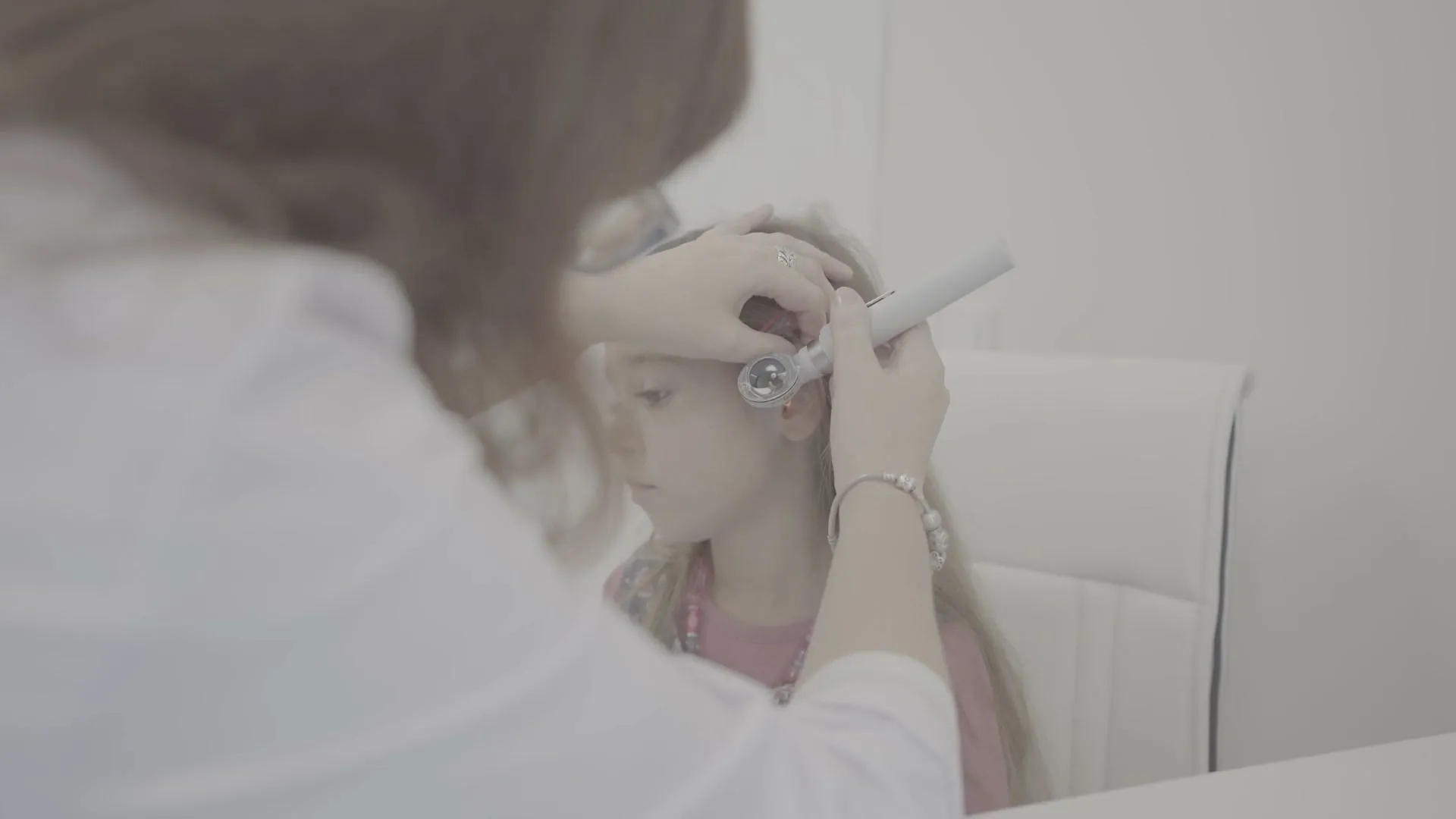
جدول تطعيمات الأطفال في دبي: الدليل الكامل (2026)
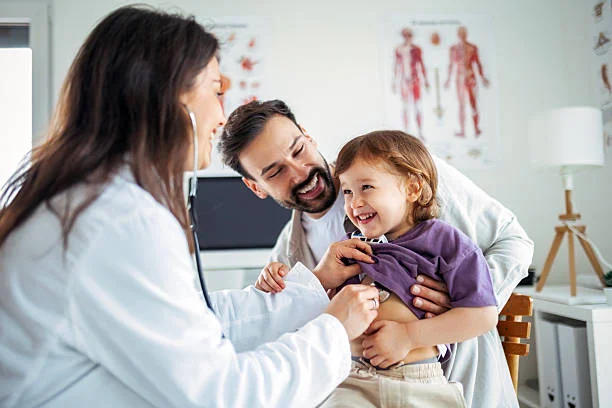
أمراض الطفولة الشائعة في دبي: الدليل (2026)
علامات حساسية الطعام عند الأطفال في دبي: الدليل (2026)
المزيد في Pediatrics
Baby Teething Symptoms & Safe Relief in Dubai (2026)
اقرأ المزيدPediatrician Home Visit Dubai: Full Guide (2026)
اقرأ المزيد
Signs of Hearing Loss in Children Dubai (2026)
اقرأ المزيدHand Foot Mouth Disease Dubai: Parent Guide (2026)
اقرأ المزيدChild Bedwetting Dubai: Causes & Help (2026)
اقرأ المزيد
Enlarged Adenoids in Children Dubai (2026)
اقرأ المزيد© 2026 Doctors Clinic Diagnostic Center (DCDC), Dubai Healthcare City. Originally published at https://doctorsclinicdubai.ae/blog/back-to-school-checkup-dubai. All rights reserved. Unauthorized reproduction is prohibited.