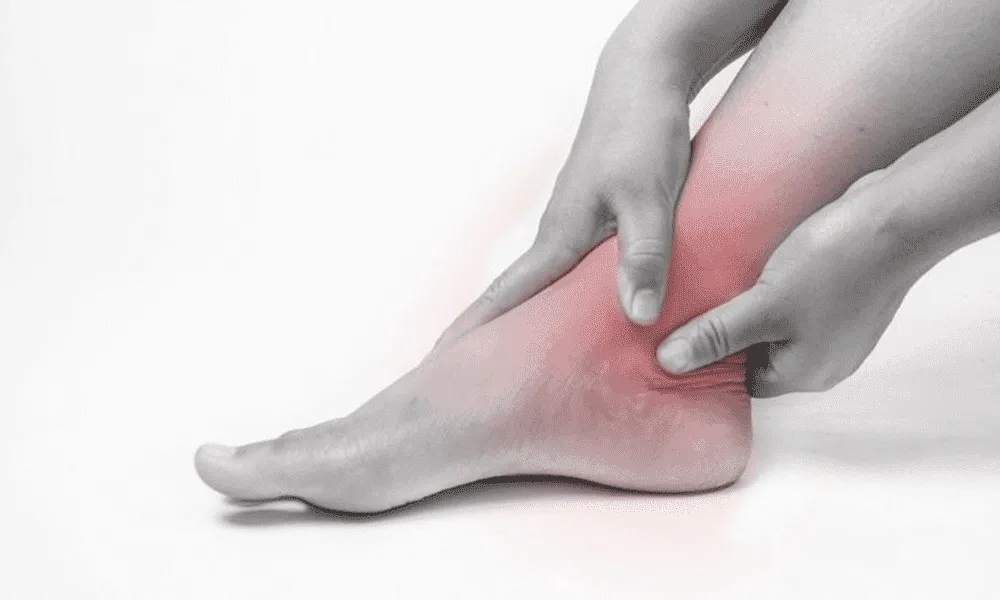
النقاط الرئيسية
- تُصنَّف التواءات الكاحل إلى ثلاث درجات بحسب شدة تضرر الأربطة؛ تُحدّد الدرجة بروتوكول العلاج ومدة التعافي المتوقعة.
- تتعافى معظم التواءات الدرجة الأولى والثانية بشكل كامل بالعلاج التحفظي (بروتوكول POLICE والعلاج الطبيعي والتجبيس) دون الحاجة إلى جراحة.
- يتجاوز بروتوكول POLICE المحدَّث (الحماية، التحميل الأمثل، الثلج، الضغط، الرفع) بروتوكول RICE القديم بتشجيع الحركة المبكرة الموجَّهة لتسريع الشفاء.
- يُتاح التشخيص في نفس اليوم في DCDC باستخدام الأشعة السينية الرقمية وجهاز الرنين المغناطيسي Siemens 1.5T لتحديد درجة الإصابة بدقة.
- علاج PRP (البلازما الغنية بالصفائح) متوفر في DCDC لإصابات الأربطة من الدرجتين الثانية والثالثة التي لا تستجيب للعلاج التحفظي.
- ما يصل إلى 40٪ من التواءات الكاحل تُفضي إلى عدم استقرار مزمن في الكاحل إذا لم تُعالَج بالتأهيل الملائم — ويُعدّ إكمال إعادة التأهيل أهم من مجرد خلو الشخص من الألم.
- تبدأ استشارات جراح العظام في DCDC من AED 500 مع الفوترة المباشرة لأكثر من 20 شركة تأمين بما فيها Daman وAXA وBupa وNAS.
يُعدّ التواء الكاحل من أكثر الإصابات شيوعاً في عيادات العظام بدبي، إذ يمثّل نحو 40٪ من إجمالي إصابات الرياضة ويُرسل أكثر من 3 ملايين شخص حول العالم إلى أقسام الطوارئ كل عام. سواء التوى كاحلك في ملعب البادل في بزنس باي، أو وقعت عن رصيف في وسط مدينة دبي، أو تلويت قدمك خلال ركض صباحي على شاطئ JBR، فإن الحصول على التشخيص الصحيح والبدء بالعلاج المناسب خلال أول 24-72 ساعة يُحدث فارقاً ملموساً في سرعة شفائك. تُوفّر خدمة استشارة جراحة العظام في DCDC بمدينة دبي الطبية مواعيد في نفس اليوم مع تصوير إشعاعي في الموقع حتى لا تضطر إلى التنقل بين مرافق متعددة.
يُغطي هذا الدليل كل ما يحتاج معرفته المرضى في دبي حول التواءات الكاحل: الأنواع والدرجات والتشخيص وخيارات العلاج والتكاليف والوقاية.




ما هو التواء الكاحل ولماذا يحدث؟
يحدث التواء الكاحل حين تُمطَّط أربطة تثبيت مفصل الكاحل أو تتمزق نتيجة حركة مفاجئة أو قوة تتجاوز نطاق حركته الطبيعية. الأربطة هي أشرطة من النسيج الضام المرن تربط العظام بعضها ببعض وتُقيّد الحركة المفرطة — وخلافاً للعضلات والأوتار، لا يمتد الدم إليها بسهولة مما يُبطئ شفاءها الطبيعي.
أكثر الهياكل تضرراً هو الرباط الشظوي الأمامي (ATFL) بين عظام الشظية والكاحل في الجانب الخارجي للقدم؛ ويُصاب في ما يزيد على 70٪ من التواءات الكاحل. يعقبه في الشيوع الرباط الشظوي العقبي (CFL) الذي يُصاب أحياناً مقترناً بـ ATFL في حالات أشد. يُقلّص هذان الرباطان الانقلاب الداخلي للقدم (الانقلاب إلى الداخل) وهي الحركة الأكثر ارتباطاً بالالتواء.
التواءات الرباط الدالي الداخلي (medial) أقل شيوعاً بكثير، لأن الرباط الدالي بطبيعته أقوى من نظيره الجانبي. تنجم عن الانقلاب الخارجي للقدم وكثيراً ما ترافقها كسور في الكاحل.
درجات التواء الكاحل: فهم مقياس الشدة
تُصنَّف التواءات الكاحل إلى ثلاث درجات بحسب مدى تضرر الأربطة. يُحدّد هذا التصنيف خطة العلاج ومدة التعافي المتوقعة وضرورة إجراء التصوير الإشعاعي.
| الدرجة | ضرر الرباط | الأعراض | الاستقرار | مدة التعافي المتوقعة | محور العلاج |
|---|---|---|---|---|---|
| الدرجة الأولى (خفيفة) | تمزق مجهري في ألياف الرباط مع بقائه سليماً | ألم خفيف، تورم طفيف، حساسية خفيفة | مفصل مستقر | 1-2 أسابيع | بروتوكول POLICE، تعديل النشاط |
| الدرجة الثانية (متوسطة) | تمزق جزئي في الرباط (50٪ أو أقل) | ألم متوسط، تورم، كدمات، صعوبة تحمّل الوزن | بعض الترنح عند الفحص | 3-6 أسابيع | تجبيس، علاج طبيعي، تحمّل وزن تدريجي |
| الدرجة الثالثة (شديدة) | تمزق كامل في الرباط | ألم شديد، تورم واسع، كدمات، عجز عن تحمّل الوزن | عدم استقرار واضح | 6-12 أسبوعاً أو أكثر | تثبيت، علاج طبيعي مكثف، احتمال PRP أو جراحة |
نظام تصنيف التواء الكاحل مع مدد التعافي ونهج العلاج
تجدر الإشارة إلى أن التعافي يتباين بين الأفراد حتى ضمن الدرجة الواحدة، بحسب عوامل كالعمر ومستوى اللياقة وجودة الامتثال للعلاج والصحة العامة.
إسعاف التواء الكاحل: POLICE مقابل RICE
لعقود كانت نصيحة الإسعاف القياسية لالتواءات الكاحل هي بروتوكول RICE: الراحة والثلج والضغط والرفع. غير أن الأبحاث الحديثة طوّرت هذا النهج. تبنّى مجتمع الطب الرياضي اليوم بروتوكول POLICE الذي يُشجع على التحميل المبكر المُوجَّه بالألم بدلاً من الراحة المطلقة.
- الحماية (Protect): استخدم عكازات أو جبيرة أو لصاق رياضي لحماية الكاحل من المزيد من الأذى في الأيام الأولى. تجنب الوزن الكامل على الكاحل في المرحلة الحادة.
- التحميل الأمثل (Optimally Load): ابدأ الحركة اللطيفة الموجّهة بالألم في أقرب وقت ممكن — في الغالب من اليوم الأول إلى الثالث. تحفّز الحركة المبكرة تجدد الأربطة وتمنع ضمور العضلات وتُقلّل وقت التعافي الإجمالي.
- الثلج (Ice): ضع ثلجاً (مغلفاً بقماش) لمدة 15-20 دقيقة كل 2-3 ساعات في الـ 48-72 ساعة الأولى. لا تضع الثلج مباشرةً على الجلد. يُقلص تطبيق الثلج التورم ويُخدّر الألم في المرحلة الحادة.
- الضغط (Compress): استخدم ضمادة مرنة أو رباطاً مرناً (tubigrip) للحد من التورم. لا تشده بإحكام شديد؛ التنميل أو الزرقة يعني ضرورة إرخائه.
- الرفع (Elevate): أبقِ الكاحل مرفوعاً فوق مستوى القلب عند الراحة لتسهيل تصريف السوائل وتقليل التورم.
مضادات الالتهاب غير الستيرويدية (NSAIDs) كالإيبوبروفين قد تُساعد في إدارة الألم والتورم الحاد. ومع ذلك، ثمة نقاش حول الاستخدام المفرط لمضادات الالتهاب في التواءات الأربطة؛ إذ يُمكن للالتهاب الخفيف أن يُحفّز إشارات الشفاء. استشر طبيبك بشأن المسكنات المناسبة لحالتك.
متى يجب رؤية الطبيب لالتواء الكاحل؟
لا يستلزم كل التواء كاحل زيارة طوارئ، لكن بعض العلامات تستوجب تقييماً طبياً سريعاً. التقييم الطبي المبكر يُقلل من خطر المضاعفات طويلة الأمد كعدم الاستقرار المزمن في الكاحل والآلام المتكررة.
وفقاً لقواعد أوتاوا لالتواء الكاحل، يُشار إلى التصوير الإشعاعي حين يكون هناك ألم في منطقة الكاحل العظمية المحددة، أو عجز عن تحمّل الوزن مباشرة بعد الإصابة وفي العيادة. توجّه هذه القواعد استخدام الأشعة السينية وتُقلل من الفحوصات غير الضرورية.
- لا تستطيع تحمّل أي وزن على الكاحل فور الإصابة
- يظهر تورم أو كدمات واضحة خلال أول ساعتين
- سمعت "طقطقة" لحظة الإصابة والمفصل يبدو غير مستقر
- الألم متمركز في المناطق العظمية للكاحل لا في الأنسجة الرخوة
- الأعراض لا تتحسن بعد 5-7 أيام من العلاج المنزلي
- الإصابة متكررة على الكاحل ذاته (يُشير إلى عدم استقرار مزمن)
- أنت رياضي محترف بحاجة إلى تشخيص دقيق وسريع وخطة تأهيل منظمة
تشخيص التواء الكاحل: الأشعة السينية والرنين المغناطيسي والموجات فوق الصوتية
يتطلب التشخيص الدقيق لالتواء الكاحل تكامل الفحص السريري مع التصوير الإشعاعي المناسب.
| نوع التصوير | ما يُظهره | متى يُستخدم | متوفر في DCDC |
|---|---|---|---|
| أشعة سينية رقمية | بنية العظام والكسور والخلع | الخط الأول بعد صدمة الكاحل؛ يسترشد بقواعد أوتاوا | نعم — في نفس اليوم |
| رنين مغناطيسي Siemens 1.5T | تمزقات الأربطة (ATFL، CFL)، تلف الغضروف، وذمة العظام، إصابات الأوتار | التواءات الدرجتين الثانية والثالثة، عدم الاستقرار المزمن، الرياضيون، عدم التحسن بعد 6 أسابيع | نعم — في نفس اليوم |
| الموجات فوق الصوتية | تورم الأنسجة الرخوة وسلامة الأربطة وتمزقات الأوتار وتراكم السوائل | التقييم الحركي، الحقن الإرشادية، الفرز الأولي للأنسجة الرخوة | نعم — في نفس اليوم |
| الأشعة المقطعية (CT) | أنماط الكسر المعقدة والآفات الغضروفية العظمية والتشريح العظمي | اشتباه بالانحشار العظمي، التخطيط قبل الجراحة | نعم — في نفس اليوم |
وسائل التصوير الإشعاعي المتاحة في DCDC لتشخيص وتقييم التواء الكاحل
يُوفر جهاز الرنين المغناطيسي Siemens 1.5T واسع الفتحة لدينا وضوحاً استثنائياً لتقييم الأربطة الجانبية والغضاريف الطرسوسية والأوتار الشظوية.
خيارات علاج التواء الكاحل في DCDC دبي
يتم تخصيص العلاج في DCDC بحسب درجة الإصابة ومستوى نشاط المريض والفحص الإشعاعي.
- الإدارة التحفظية (جميع الدرجات): بروتوكول POLICE، ضمادات الضغط، الأدوية المسكّنة للألم، تمارين تحمّل الوزن التدريجية الموجّهة بالألم.
- العلاج الطبيعي: تأهيل منظم يُعالج نطاق الحركة والقوة والتوازن (الحس العميق). يُعدّ العلاج الطبيعي أهم عامل في منع إعادة الإصابة وعدم الاستقرار المزمن.
- التجبيس وتثبيت الكاحل: يُحافظ التجبيس الوظيفي على استقرار الكاحل أثناء الشفاء مع إتاحة الحركة المبكرة. وسيلة مُثلى للالتواءات من الدرجتين الثانية والثالثة خلال عودة النشاط التدريجية.
- علاج PRP (البلازما الغنية بالصفائح الدموية): متوفر في DCDC لإصابات الأربطة من الدرجتين الثانية والثالثة التي لا تستجيب للعلاج التحفظي. يستخدم العوامل التنموية المُركَّزة من الدم لتسريع شفاء الأربطة.
- حقن الكورتيكوستيرويدات: تُستخدم أحياناً للتورم والألم المستمر. تُقدّم تخفيفاً سريعاً لكنها لا تُقيّد الضرر الكامن. نادراً ما تُستخدم كعلاج وحيد.
- الإصلاح الجراحي (إعادة بناء الرباط الجانبي): يُشار إليه فقط حين يستمر عدم الاستقرار الوظيفي رغم 3-6 أشهر من العلاج الطبيعي المتخصص. الجراحة نادرة الحاجة لإصابات الكاحل الحادة.
التوى كاحلك؟ احصل على تقييم متخصص اليوم
مواعيد في نفس اليوم في DCDC بمدينة دبي الطبية. فريقنا من أطباء العظام والعلاج الطبيعي مجهّز بأشعة رقمية ورنين مغناطيسي Siemens 1.5T لتشخيص دقيق وخطة علاج مُخصَّصة.
اتصل على +971 54 219 5008 أو تواصل عبر واتساب
تكلفة علاج التواء الكاحل في دبي (2026)
تعتمد التكلفة الإجمالية لعلاج التواء الكاحل في دبي على شدة الإصابة والتدخلات المطلوبة وتغطية التأمين.
| الخدمة | التكلفة التقديرية (نقداً) | التغطية التأمينية | ملاحظات |
|---|---|---|---|
| استشارة جراح العظام | من AED 500 | مغطاة في معظم الخطط | تشمل الفحص السريري وخطة العلاج |
| أشعة سينية رقمية (الكاحل) | AED 150-300 | مغطاة في معظم الخطط | النتائج متوفرة في الغالب في نفس اليوم |
| رنين مغناطيسي للكاحل (Siemens 1.5T) | AED 900-1,500 | مغطاة للمؤشر السريري | فحص في نفس اليوم في DCDC؛ بدون إحالة خارجية |
| موجات فوق الصوتية (أنسجة رخوة) | AED 300-600 | مغطاة في معظم الخطط | يمكن إجراؤه في نفس الزيارة مع الاستشارة |
| العلاج الطبيعي (للجلسة) | AED 300-500 | مغطى بحسب حدود الخطة | باقات الجلسات متوفرة في DCDC لتوفير التكلفة |
| علاج PRP (لأربطة الكاحل) | AED 1,500-3,000 للحقنة | متباين؛ تحقق مع شركة التأمين | عادةً 1-3 حقنات؛ تُسرّع شفاء الأربطة |
| جبيرة/دعامة الكاحل | AED 150-400 | متباينة | جبائر طبية معتمدة متوفرة في DCDC |
التكاليف التقديرية لعلاج التواء الكاحل في DCDC بمدينة دبي الطبية (2026). تتوفر الفوترة المباشرة مع أكثر من 20 شركة تأمين.
DCDC مرخص من وزارة الصحة ووقاية المجتمع (MOHAP) ويملك اتفاقيات فوترة مباشرة مع أكثر من 20 شركة تأمين بما فيها Daman وAXA وBupa وNAS وMetLife وCigna، مما يُقلّص من تكاليفك الشخصية بشكل كبير.
العلاج الطبيعي لالتواءات الكاحل: مراحل إعادة التأهيل
العلاج الطبيعي المنظم هو أهم عامل منفرد في منع عدم الاستقرار المزمن في الكاحل وإعادة الإصابة. إعادة التأهيل السليمة تُقلّل بشكل ملحوظ من فرصة التواء الكاحل مجدداً.
| المرحلة | الإطار الزمني | الأهداف | التمارين الرئيسية | معايير التقدم |
|---|---|---|---|---|
| المرحلة 1: الحادة | الأيام 1-7 | تقليل الألم والتورم وحماية الرباط والحفاظ على الدورة الدموية | بروتوكول POLICE، ضخ الكاحل، نطاق حركة لطيف، تمارين إيزومترية | التورم تحت السيطرة، القدرة على تحمّل الوزن مع ألم طفيف |
| المرحلة 2: شبه الحادة | الأسبوع 1-3 | استعادة كامل نطاق الحركة، بدء قوة تحمّل الوزن | تمارين التمدد بالمنشفة، تمارين بشريط المقاومة، رفع الكعب وأنت جالس، تحمّل وزن جزئي | نطاق حركة كامل خالٍ من الألم، تحمّل وزن متماثل |
| المرحلة 3: التقوية | الأسبوع 3-6 | بناء قوة الكاحل والساق السفلى، استعادة الحس العميق | توازن على ساق واحدة، لوح التوازن، رفع الكعب التدريجي، الصعود على درجات | الوقوف على ساق واحدة أكثر من 30 ثانية، القوة أكثر من 80٪ مقارنةً بالجانب السليم |
| المرحلة 4: الوظيفية | الأسبوع 6-10 | أنماط حركة خاصة بالرياضة، الاستقرار الديناميكي، العودة للنشاط | تمارين رشاقة جانبية، ميكانيكا القفز والهبوط، تدريب خاص بالرياضة | اجتياز اختبارات استقرار الكاحل الوظيفية، كل الأنشطة خالية من الألم |
مراحل التأهيل في العلاج الطبيعي لالتواء الكاحل ومعايير التقدم في كل مرحلة
يُقدّم فريق العلاج الطبيعي في DCDC باقات جلسات مرنة، مما يُيسّر التزام المريض ببرنامج التأهيل على مدى الأسابيع اللازمة.
علاج PRP لإصابات الأربطة في الكاحل
يقوم علاج البلازما الغنية بالصفائح الدموية (PRP) على تركيز عوامل النمو من عيّنة دم الشخص ذاته وحقنها في منطقة إصابة الرباط لتحفيز الشفاء الطبيعي. عملية الحقن مُوجَّهة بالموجات فوق الصوتية لضمان الدقة في الإيصال إلى المنطقة المستهدفة.
خلصت مراجعة عام 2024 في مجلة العلوم الطبية البوسنية إلى أن علاج PRP يُقلص بشكل ملحوظ من وقت التعافي في حالات بعينها من التواء الكاحل ويُحسّن نتائج الأربطة مقارنةً بالعلاج الطبيعي وحده في إصابات الدرجة الثانية والثالثة.
في DCDC، يُجري علاج PRP لإصابات الأربطة في الكاحل طاقم جراحة العظام. ويبدأ بعد أن يُقيّم الفريق الصورة الكاملة للإصابة وشدتها عبر التصوير، ويُطرح كخيار حين لا يُحقّق العلاج التحفظي التقدم المأمول خلال 6-8 أسابيع.
عدم الاستقرار المزمن في الكاحل: حين يصبح الالتواء مشكلة طويلة الأمد
عدم الاستقرار المزمن في الكاحل (CAI) هو من أهم مضاعفات التواء الكاحل غير المُعالَج أو المُعالَج بصورة غير كافية. يُشير إلى شعور مستمر بعدم ثبات الكاحل أو ميله للتفلت، يرافق ألم وتورم متكررَين، عادةً بعد 12 شهراً أو أكثر من الإصابة الأولى.
التواءات الكاحل المتكررة هي سبب ونتيجة في آنٍ واحد: كل إصابة جديدة تُضعف الأربطة أكثر وتُقلّل وعي الجسم بموضع المفصل (الحس العميق)، مما يزيد من احتمال الإصابة مجدداً.
للمرضى الذين يعانون من CAI لم يستجب لـ 3-6 أشهر من العلاج الطبيعي المتخصص، قد يُناقَش استكشاف جراحي كمسار علاجي لإعادة بناء الرباط الجانبي واستعادة الاستقرار الميكانيكي.
ماذا تتوقع في DCDC: رحلة مريض التواء الكاحل
DCDC مركز تشخيصي وعلاجي متكامل في مدينة دبي الطبية، حاصل على تقييم 4.8/5 على Google من أكثر من 1,000 تقييم موثّق. يُوفّر نموذجنا التكاملي إجراء جميع التقييمات والتصوير والعلاج في مكان واحد.
- الوصول والتسجيل: مواقف مجانية متوفرة في المجمع الطبي الرازي. متوسط وقت الانتظار 15 دقيقة فقط. مرحّب بالزيارات المباشرة أو يمكن الحجز المسبق.
- استشارة جراح العظام: Dr. Mersad Moosavi أو أحد أفراد الفريق المتخصص يُجري تقييماً سريرياً للكاحل، يشمل اختبارات إجهاد للأربطة (الانقلاب الأمامي، الدرج الأمامي) لتحديد الاستقرار الميكانيكي.
- التصوير الإشعاعي (عند الحاجة): أشعة سينية رقمية لاستبعاد الكسر (بحسب قواعد أوتاوا)، ورنين مغناطيسي Siemens 1.5T لتقييم الأربطة والغضروف والأوتار في حالات بعينها.
- التشخيص والتصنيف: يُراجع المختص نتائج التصوير ويُصنّف الإصابة درجةً ويُقيّم الأنماط المرافقة، كإصابة أوتار الشظية.
- خطة العلاج: تُوضع خطة إدارة مُخصَّصة تشمل علاج الألم الفوري وإرشادات POLICE وتجبيس الكاحل وإحالة العلاج الطبيعي والمتابعة. يُناقَش PRP للحالات المستوفية للمعايير.
- إحالة للعلاج الطبيعي: عند الإشارة إلى العلاج الطبيعي (التواءات من الدرجتين الثانية والثالثة وجميع الرياضيين)، تُرتَّب الإحالة الداخلية في نفس اليوم غالباً.
- المتابعة: تُجدوَل مراجعات التقدم لتقييم الشفاء وتعديل العلاج وتوجيه توقيت العودة للنشاط أو الرياضة.
يقع DCDC في المبنى 64، الجناح A، المجمع الطبي الرازي، مدينة دبي الطبية. ساعات العمل: السبت-الخميس 8 صباحًا-10 مساءً، الجمعة 9 صباحًا-9 مساءً.
جدول التعافي من التواء الكاحل: ماذا تتوقع أسبوعاً بأسبوع
تتباين مدة التعافي بشكل ملحوظ بحسب درجة الإصابة والعمر ومستوى اللياقة وجودة الالتزام بالعلاج.
| الإطار الزمني | الدرجة الأولى | الدرجة الثانية | الدرجة الثالثة |
|---|---|---|---|
| الأيام 1-3 | ذروة الألم والتورم، بدء بروتوكول POLICE | تورم واضح، قد تلزم العكازات، بدء بروتوكول POLICE | تورم وألم شديدان، تثبيت أو جبيرة، أشعة سينية/رنين مغناطيسي |
| الأسبوع 1-2 | يتراجع الألم، مشي طبيعي، عودة للنشاط الخفيف | تحسن تحمّل الوزن، بدء علاج طبيعي لنطاق الحركة | بدء تحمّل الوزن المحمي، بدء العلاج الطبيعي الحاد |
| الأسبوع 3-4 | عودة لرياضة التأثير المنخفض مع تجبيس | تقوية تدريجية، تدريب على الحس العميق | تحسن نطاق الحركة، بدء التقوية المبكرة |
| الأسبوع 5-6 | نشاط كامل في معظم الحالات، تمارين الوقاية المستمرة | عودة للركض إذا كانت القوة والحس العميق كافيَين | تقوية متوسطة، تمارين التوازن على ساق واحدة |
| الأسبوع 7-12 | متابعة مستمرة للكشف عن عدم الاستقرار المزمن | عودة للرياضة مع تجبيس، برنامج الوقاية | تدريب وظيفي، تأهيل خاص بالرياضة |
| 3-6 أشهر | شفاء تام في معظم الحالات | تعافٍ كامل متوقع، التخلص التدريجي من الجبيرة | عودة النشاط الكامل إذا تحققت أهداف التأهيل؛ PRP أو جراحة عند الإخفاق |
جدول التعافي من التواء الكاحل بحسب الدرجة مع المراحل العلاجية الرئيسية
اعتبار مهم للرياضيين في دبي: العودة المبكرة للملعب قبل اكتمال التأهيل يُضاعف فرصة إعادة الإصابة، وهي أكثر شيوعاً وأشد خطورةً في الغالب. التقييم الوظيفي قبل العودة للرياضة — وليس اختفاء الألم وحده — هو المعيار الموثوق لتحديد توقيت الاستئناف.
الوقاية من التواء الكاحل: استراتيجيات مستندة إلى الأدلة
التواءات الكاحل من أكثر إصابات الرياضة قابليةً للوقاية. تُثبت الأدلة باستمرار أن تدخلات بعينها تُقلص بشكل ملحوظ من معدلات الإصابة، لا سيما للرياضيين ذوي الجاهزية العالية.
- تمارين التوازن والحس العميق: ثبتت تمارين التوازن على ساق واحدة ولوح التوازن في تقليل إصابات الكاحل بنسبة 35-50٪ في البرامج الرياضية. الحس العميق هو قدرة الجسم على إدراك موضع المفصل وهو ضعيف بعد الإصابة السابقة.
- تجبيس الكاحل: أثبت استخدام الجبائر ذات الأربطة أو شبه الصلبة تقليل خطر الالتواء المتكرر بنسبة 50٪ في اللاعبين ذوي تاريخ الإصابة السابقة.
- الأحذية المناسبة: أحذية رياضية خاصة بالرياضة مع حماية جانبية كافية للكاحل. تجنب المشي بنعال مفتوحة أو أحذية غير ثابتة على الأسطح غير المستوية.
- الإحماء العصبي العضلي: برنامج FIFA 11+ — برنامج إحماء منظم للوقاية من الإصابات — يُقلّص من إصابات الكاحل بنسبة 30-50٪ في لاعبي كرة القدم.
- صيانة القوة: تمارين منتظمة للربلات والأوتار الشظوية ومبعّدات الورك تُحسّن استقرار الكاحل المتشعّب إلى أعلى.
- إدارة الإجهاد: يحدث معظم التواءات الكاحل في النصف الثاني من مباريات أو تدريبات مكثفة حين تتضرر التنسيق العصبي العضلي. تُساعد برامج التدرج في الحمل التدريبي في الوقاية من إصابات الإجهاد.
إذا أصبت بإصابة في القدم أو الكعب إلى جانب التواء الكاحل، أو تعاني من ألم الكعب كحالة منفصلة، فإن الرنين المغناطيسي للكاحل يُوفّر تقييماً شاملاً لكلا المنطقتين في فحص واحد.
احجز تقييمك لالتواء الكاحل في DCDC
تقييم 4.8/5 من أكثر من 1,000 تقييم موثّق على Google. مرخص من MOHAP. رنين مغناطيسي Siemens 1.5T وأشعة رقمية في الموقع. فوترة مباشرة مع أكثر من 20 شركة تأمين.
خدمات ذات صلة في DCDC
رعاية متخصصة وتشخيص متقدم في مدينة دبي الطبية
الأسئلة الشائعة
خلاصة القول
كثيراً ما يُقلَّل من شأن التواءات الكاحل باعتبارها إصابات بسيطة، لكن الأدلة واضحة: التواء الكاحل غير المُعالَج بصورة كافية هو أحد أبرز أسباب الآلام المزمنة في الكاحل وعدم الاستقرار المتكرر الذي يُعيق ملايين الأشخاص حول العالم. التشخيص الدقيق وتحديد الدرجة وإكمال برنامج إعادة التأهيل — لا مجرد انتظار اختفاء الألم — هي المعايير الفاصلة بين التعافي الكامل والمشكلة المزمنة.
في DCDC بمدينة دبي الطبية، يُوفّر نهج فريق العظام القائم على التحفظ أولاً تقييماً شاملاً باستخدام التصوير في الموقع وخيارات علاجية متكاملة كعلاج PRP والعلاج الطبيعي وأخصائيي العظام — وذلك تحت سقف واحد. يسعدنا مساعدتك في العودة لنشاطك بأمان. اتصل على +971 54 219 5008 أو تواصل معنا عبر واتساب لحجز موعدك.
كتبه
د. مرساد موسوي
جراح العظام
دكتوراه في الطب، جراحة العظام
Dr. Mersad Moosavi جراح عظام في مركز دكتورز كلينيك للتشخيص (DCDC) بمدينة دبي الطبية، متخصص في جراحة العظام والمفاصل وإصابات الرياضة وإعادة التأهيل.
مقالات ذات صلة
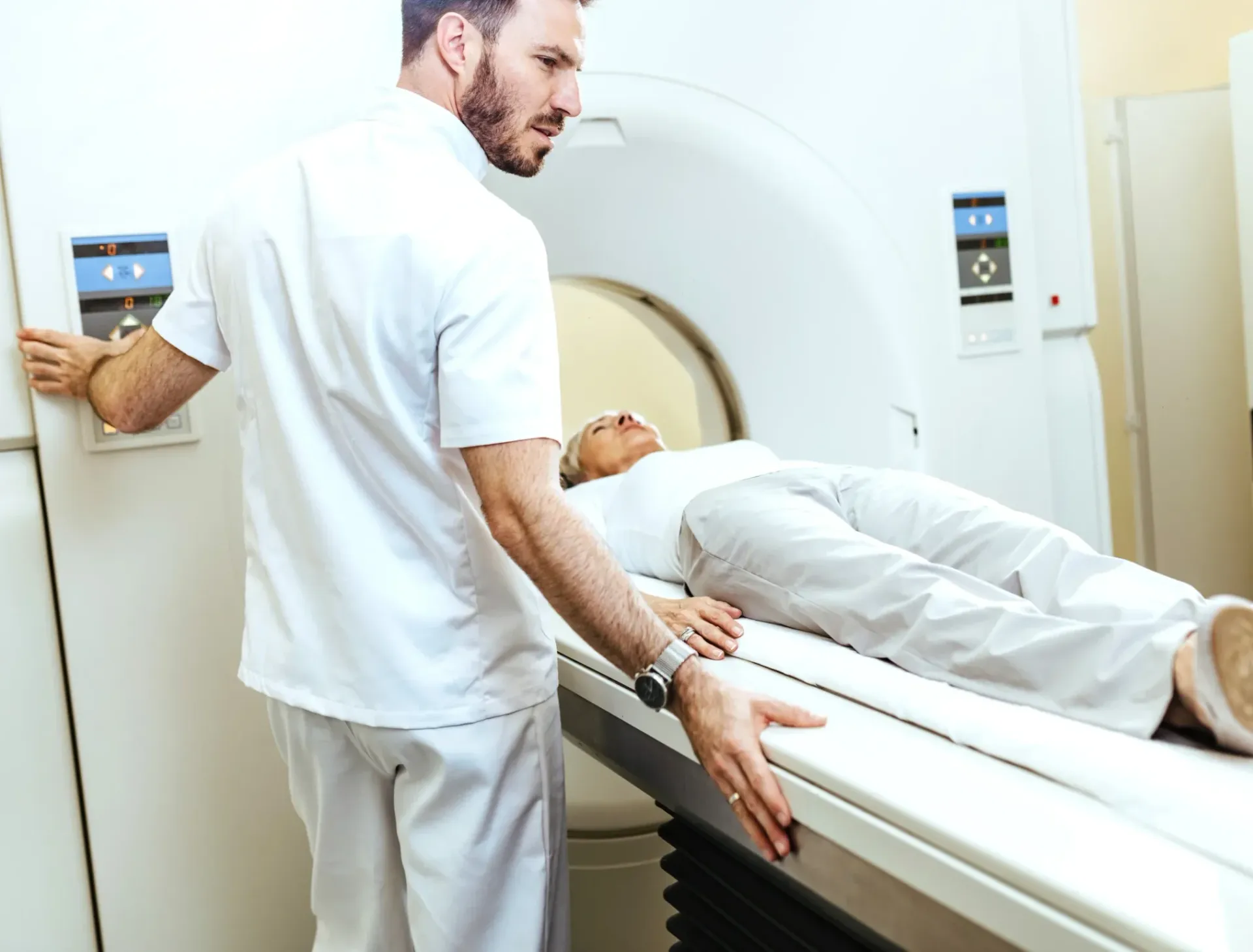
رنين مغناطيسي الكاحل في دبي: ما يُظهره والتكلفة
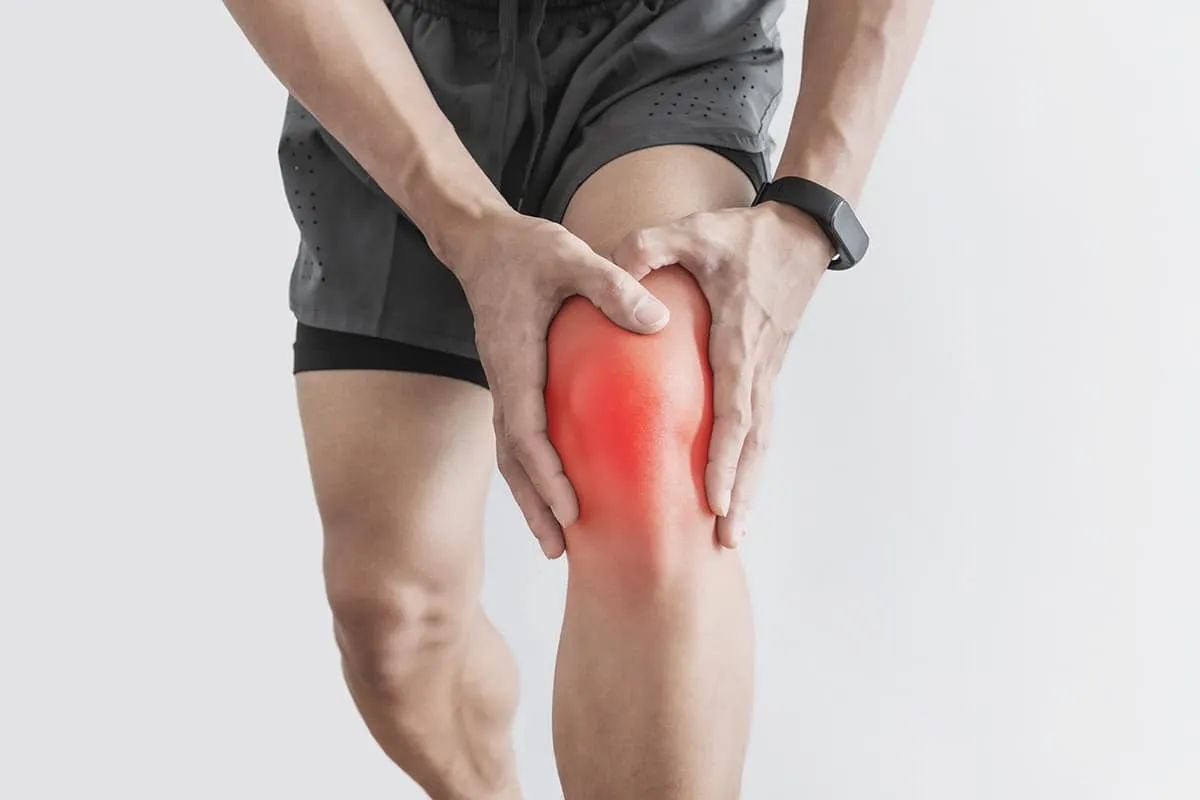
التعافي من الإصابات الرياضية في دبي: PRP وإعادة التأهيل
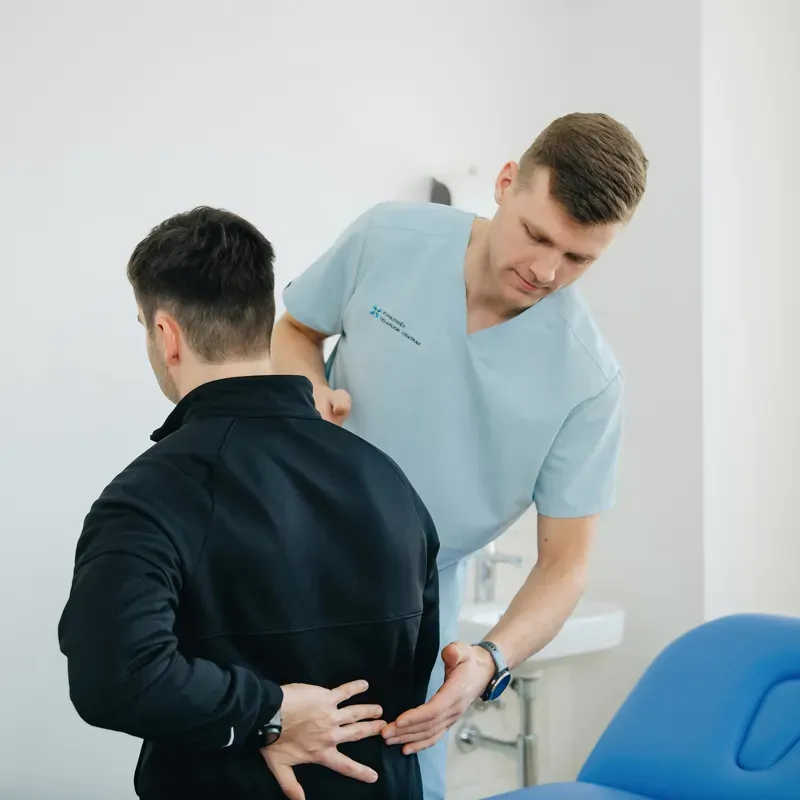
العلاج الطبيعي في دبي: الأنواع والتكلفة والدليل

جلسة العلاج الطبيعي الأولى: ماذا تتوقع
التعافي من إصابة الرباط الصليبي الأمامي: دليل إعادة التأهيل
المزيد في General Health
CBC Test Price Dubai: AED 149, Normal Ranges & Results
اقرأ المزيد
Dubai Clinic Without Insurance: Cost Guide (2026)
اقرأ المزيد
Doctor at Home Dubai: Home Visit Cost From AED 349 (2026)
اقرأ المزيدDoctor on Call Dubai 24/7: Home, Hotel & Office Visits
اقرأ المزيد
Ear Wax Removal & Ear Cleaning Dubai: From AED 300 (2026)
اقرأ المزيد
Emsella for Men: Post-Prostate Care Dubai (2026)
اقرأ المزيد© 2026 Doctors Clinic Diagnostic Center (DCDC), Dubai Healthcare City. Originally published at https://doctorsclinicdubai.ae/blog/ankle-sprain-treatment-dubai. All rights reserved. Unauthorized reproduction is prohibited.