اپنی اپائنٹمنٹ بک کریں
دبئی میں ڈی سی ڈی سی ڈائیگناسٹک سینٹر کے تصدیق شدہ مریضوں کے جائزے
دبئی ہیلتھ کیئر سٹی سے تصدیق شدہ جائزے اور حقیقی مریضوں کی کہانیاں
میں اس طبی کلینک سے بہت مطمئن ہوں۔ میں نے یہاں اپنا پہلا حمل کا معائنہ کروایا۔ یہ سستا اور بہت پیشہ ورانہ تھا۔ ریڈیولوجسٹ خوش آمدید، مہربان تھے اور تجربہ بہترین بنایا۔
آئزان توکمانبیتووا
جمعہ کی رات گھٹنے میں چوٹ لگی اور اتوار کی شام ایم آر آئی کا وقت ملا (اتوار دوپہر بک کیا)۔ تقریباً 2 منٹ انتظار کیا اور 30 منٹ سے زیادہ میں ہو گیا۔ ٹیم شاندار، دوستانہ اور موثر تھی۔
کرسٹن ایونز
ڈاکٹر اسامہ کی ٹیم نرم اور شاندار تھی۔ کہیں اور بری تجربے کے بعد، یہاں میرا پیلوک امتحان بہت زیادہ پیشہ ورانہ تھا۔ بہترین رپورٹ اور بہت درست۔
میری

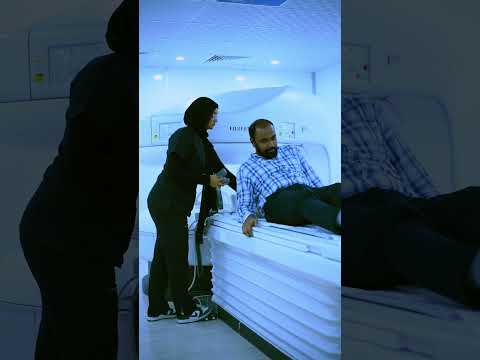
دبئی میں اعصابی بحالی: فالج اور اعصابی حالات سے بحالی
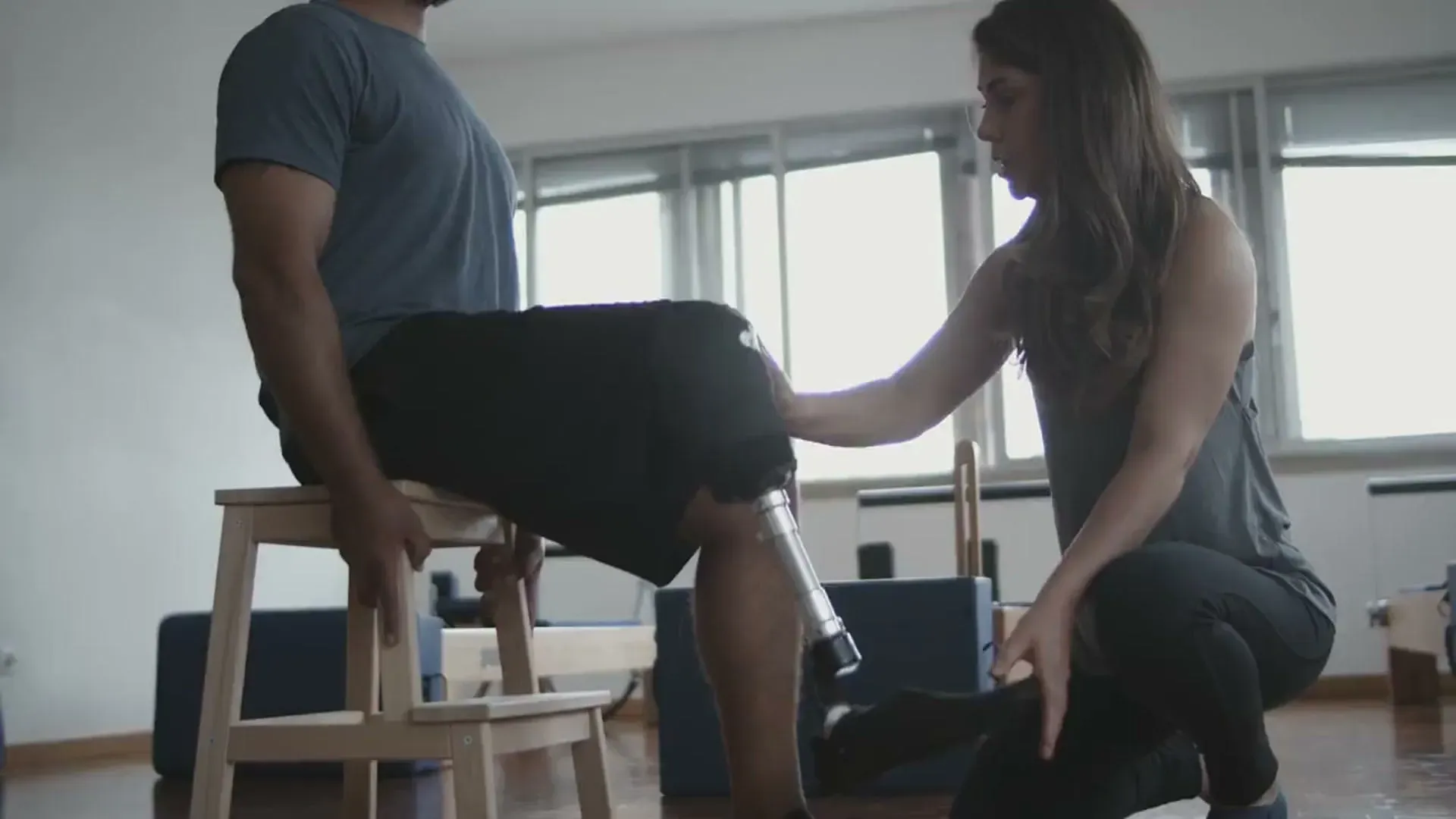
فالج، دماغی چوٹ، MS اور دیگر اعصابی بیماریوں کے لیے ثبوت پر مبنی بحالی

ملٹی ڈسپلنری ٹیم
فزیو، آکوپیشنل اور اسپیچ تھراپسٹ ایک ٹیم میں
ذاتی منصوبے
آپ کے مخصوص اہداف اور فعلی سطح کے مطابق بحالی
جلد مداخلت
اعصابی پلاسٹیسیٹی سے فائدہ اٹھانے کے لیے ابتدائی شروعات
اعصابی حالات جیسے فالج، تکلیف دہ دماغی چوٹ، MS، پارکنسن کی بیماری، یا ریڑھ کی ہڈی کی چوٹ نقل و حرکت، تقریر اور روزمرہ کے فعل کو نمایاں طور پر متاثر کر سکتے ہیں۔ DCDC میں اعصابی بحالی کا پروگرام مریضوں کو زیادہ سے زیادہ آزادی اور جیون کے معیار کو بحال کرنے میں مدد کرتا ہے۔
ہماری ٹیم جامع ملٹی ڈسپلنری بحالی فراہم کرتی ہے جس میں فزیو تھراپی، آکوپیشنل تھراپی اور اسپیچ تھراپی شامل ہیں — سب ایک مقام پر۔ ہم ابتدائی مداخلت پر توجہ دیتے ہیں کیونکہ اعصابی پلاسٹیسیٹی — دماغ کی نئے عصبی رابطے بنانے کی صلاحیت — چوٹ یا واقعے کے بعد پہلے چند مہینوں میں سب سے زیادہ ہوتی ہے۔
DCDC میں ہر بحالی کا منصوبہ انفرادی اہداف، فعلی سطح اور طبی ضروریات کی بنیاد پر تیار کیا جاتا ہے۔ ہم مریضوں اور ان کے خاندانوں کے ساتھ مل کر قابل حصول اہداف مقرر کرتے ہیں اور ان کی طرف مسلسل پیشرفت کا جائزہ لیتے ہیں۔
ملٹی ڈسپلنری ٹیم
فزیو، آکوپیشنل اور اسپیچ تھراپسٹ ایک ٹیم میں
ذاتی منصوبے
آپ کے مخصوص اہداف اور فعلی سطح کے مطابق بحالی
جلد مداخلت
اعصابی پلاسٹیسیٹی سے فائدہ اٹھانے کے لیے ابتدائی شروعات
دبئی میں اعصابی بحالی: فالج اور اعصابی حالات سے بحالی
فالج، دماغی چوٹ، MS اور دیگر اعصابی بیماریوں کے لیے ثبوت پر مبنی بحالی
اعصابی حالات جیسے فالج، تکلیف دہ دماغی چوٹ، MS، پارکنسن کی بیماری، یا ریڑھ کی ہڈی کی چوٹ نقل و حرکت، تقریر اور روزمرہ کے فعل کو نمایاں طور پر متاثر کر سکتے ہیں۔ DCDC میں اعصابی بحالی کا پروگرام مریضوں کو زیادہ سے زیادہ آزادی اور جیون کے معیار کو بحال کرنے میں مدد کرتا ہے۔
ہماری ٹیم جامع ملٹی ڈسپلنری بحالی فراہم کرتی ہے جس میں فزیو تھراپی، آکوپیشنل تھراپی اور اسپیچ تھراپی شامل ہیں — سب ایک مقام پر۔ ہم ابتدائی مداخلت پر توجہ دیتے ہیں کیونکہ اعصابی پلاسٹیسیٹی — دماغ کی نئے عصبی رابطے بنانے کی صلاحیت — چوٹ یا واقعے کے بعد پہلے چند مہینوں میں سب سے زیادہ ہوتی ہے۔
DCDC میں ہر بحالی کا منصوبہ انفرادی اہداف، فعلی سطح اور طبی ضروریات کی بنیاد پر تیار کیا جاتا ہے۔ ہم مریضوں اور ان کے خاندانوں کے ساتھ مل کر قابل حصول اہداف مقرر کرتے ہیں اور ان کی طرف مسلسل پیشرفت کا جائزہ لیتے ہیں۔

Shanika Rajasekara
ہماری خدمات دریافت کریں
DCDC دبئی ہیلتھ کیئر سٹی میں جامع اعصابی بحالی خدمات۔

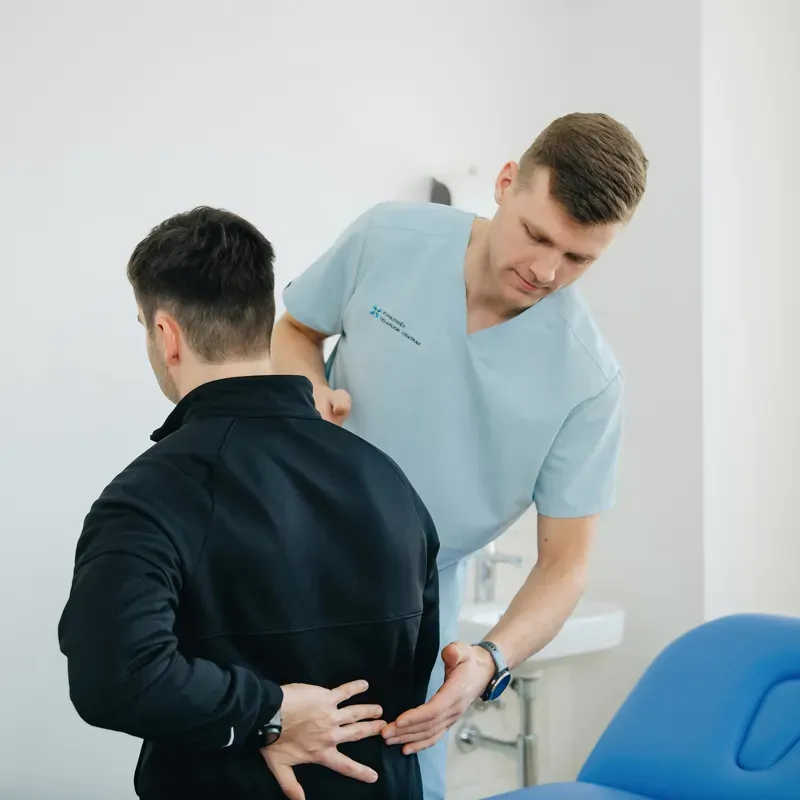
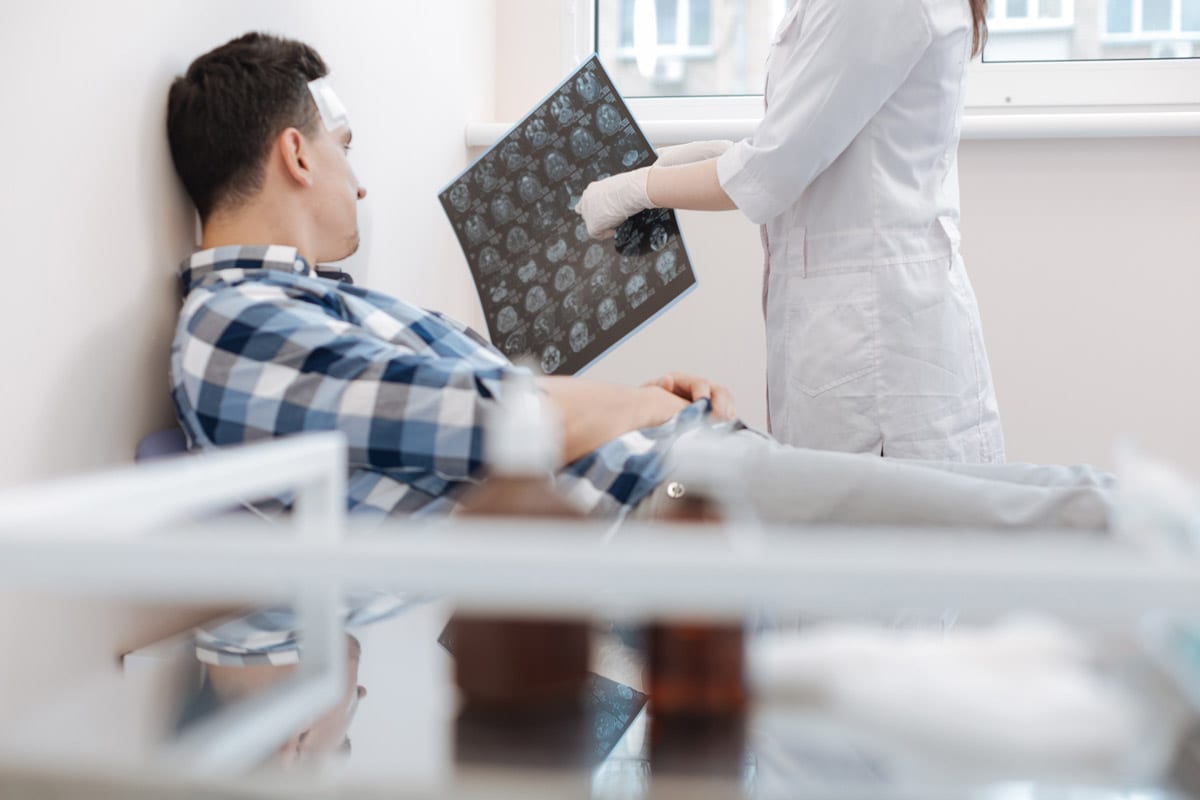
تمام خدمات DHA لائسنس یافتہ ماہرین کے ذریعے انجام دی جاتی ہیں
اعصابی بحالی کسے کروانا چاہیے؟
اعصابی بحالی ان مریضوں کے لیے تجویز کی جاتی ہے جو اعصابی حالات کی وجہ سے نقل و حرکت، تقریر یا روزمرہ فعل میں مشکلات کا سامنا کر رہے ہیں۔
فالج کے بعد بازو، ٹانگ یا چہرے میں کمزوری
فالج کے بعد تقریر کی مشکلات (افیزیا)
MS یا پارکنسن کی بیماری کی علامات
تکلیف دہ دماغی چوٹ کے بعد جسمانی یا ادراکی مشکلات
ریڑھ کی ہڈی کی چوٹ کے بعد جسمانی فعل
گیلن بیری سنڈروم یا پیریفرل نیوروپیتھی
اعصابی بحالی کے لیے DCDC کا انتخاب کیوں؟
MOHAP لائسنس یافتہ، ماہر اعصابی بحالی ٹیم، ذاتی پروگرام اور جامع دیکھ بھال
MOHAP لائسنس یافتہ
ہماری بحالی سہولت MOHAP کے تحت لائسنس یافتہ ہے اور سخت معیاری پروٹوکول پر عمل کرتی ہے۔
ماہر اعصابی بحالی ٹیم
فزیو تھراپسٹ، آکوپیشنل تھراپسٹ اور اسپیچ تھراپسٹ اعصابی بحالی میں تجربہ کار۔
ثبوت پر مبنی طریقے
بحالی پروٹوکول جدید طبی تحقیق اور بہترین طریقوں پر مبنی۔
گھر پر بحالی
کلینک کے علاوہ گھر پر بحالی کا اختیار بھی دستیاب ہے۔
Multidisciplinary
Physical therapy, neurorehabilitation, and medical management coordinated.
DHCC Location
Building 64, Block A, DCDC. Accessible facilities and free parking.
آپ کا آرام دہ دورہ
آرام، رفتار اور درستگی کے لیے ڈیزائن کردہ ایک سادہ، مرحلہ وار اعصابی اسکین عمل۔
اعصابی بحالی کی لاگت
دبئی میں اعصابی کی قیمتیں خدمت کی قسم اور مختلف خدمات کی اقسام کی انشورنس کوریج کے لحاظ سے مختلف ہوتی ہیں۔
- قیمتیں اسکین کی قسم اور کنٹراسٹ کی ضرورت کے مطابق مختلف ہوتی ہیں
- ریفرل اور تصدیق کے ساتھ انشورنس کوریج قبول
- درخواست پر فوری قیمت کے ساتھ شفاف خود ادائیگی کی شرحیں دستیاب
منٹوں میں انشورنس کی تصدیق • کوئی پوشیدہ فیس نہیں • واٹس ایپ پر فوری جواب
مریض کی رہنمائی
اعصابی بحالی کا تجربہ
جامع ابتدائی جائزے سے لے کر ذاتی بحالی پروگرام اور مسلسل پیشرفت کی نگرانی تک۔
انشورنس اور مقام
انشورنس پارٹنرز
- •دبئی میں 20+ انشورنس فراہم کنندگان بشمول ضمان، اے ایکس اے، اے ڈی این آئی سی اور دیگر
- •پری آتھرائزیشن سپورٹ اور براہ راست بلنگ (جہاں قابل اطلاق ہو)
- •کوریج کی تصدیق دبئی ہیلتھ کیئر سٹی میں آپ کی اپائنٹمنٹ سے پہلے
- •شفاف قیمتیں اعصابی بحالی خدمات کے لیے کوئی چھپی فیس نہیں






دبئی ہیلتھ کیئر سٹی میں ہمیں ملیں
ڈاکٹرز کلینک ڈائیگناسٹک سینٹر
بلڈنگ 64، بلاک اے، الرازی میڈیکل کمپلیکس، دبئی ہیلتھ کیئر سٹی، دبئی، متحدہ عرب امارات
عود میتھا روڈ کے قریب · بر دبئی، ڈاؤن ٹاؤن دبئی، بزنس بے سے آسان رسائی · مفت مخصوص پارکنگ دستیاب
کام کے اوقات
پیر-جمعرات، ہفتہ: صبح 8 - رات 10:30 | اتوار: صبح 8:30 - رات 10:30 | جمعہ: صبح 9 - رات 10
DCDC میں انشورنس کیسے کام کرتا ہے
کوریج چیک کریں
تصدیق کریں کہ آپ کا پلان اعصابی بحالی کو کور کرتا ہے
ریفرل حاصل کریں
کچھ بیمہ کنندگان جی پی ریفرل کا تقاضا کرتے ہیں — ہم رہنمائی کر سکتے ہیں
پیشگی اجازت
ہم آپ کے بیمہ کنندہ سے براہ راست پیشگی اجازت سنبھالتے ہیں
براہ راست بلنگ
کوئی پیشگی ادائیگی نہیں — ہم آپ کے بیمہ کنندہ کو براہ راست بل کرتے ہیں
صرف کو-پے
آپ کلینک میں صرف قابل اطلاق کو-پے ادا کرتے ہیں
کوریج چیک کریں
تصدیق کریں کہ آپ کا پلان اعصابی بحالی کو کور کرتا ہے
ریفرل حاصل کریں
کچھ بیمہ کنندگان جی پی ریفرل کا تقاضا کرتے ہیں — ہم رہنمائی کر سکتے ہیں
پیشگی اجازت
ہم آپ کے بیمہ کنندہ سے براہ راست پیشگی اجازت سنبھالتے ہیں
براہ راست بلنگ
کوئی پیشگی ادائیگی نہیں — ہم آپ کے بیمہ کنندہ کو براہ راست بل کرتے ہیں
صرف کو-پے
آپ کلینک میں صرف قابل اطلاق کو-پے ادا کرتے ہیں
Your Specialist
Shanika Rajasekara
Physiotherapist
DHA-licensed Physiotherapist
English · Sinhala · Hindi
مریض کی رہنمائی
اعصابی بحالی کو سمجھنا
اعصابی بحالی وہ طبی شعبہ ہے جو دماغ، ریڑھ کی ہڈی اور پیریفرل اعصابی نظام کو متاثر کرنے والی چوٹ یا بیماری کے بعد فعل کو بحال کرنے کے لیے وقف ہے۔ عام بحالی کے برعکس جو پٹھوں اور ہڈیوں کی بحالی پر توجہ مرکوز کرتی ہے، اعصابی بحالی اعصابی نقصان کے منفرد چیلنجوں کو ہدف بناتی ہے: حرکی کنٹرول میں خلل، بدلا ہوا احساس، متاثر ادراک اور سمجھوتہ شدہ خودکار فعل۔ یہ شعبہ اعصابی بحالی کو فروغ دینے والے پروگرام ڈیزائن کرنے کے لیے نیوروسائنس، بحالی طب اور رویے کی سائنس کو یکجا کرتا ہے۔
فالج اعصابی بحالی کی ضرورت والی سب سے عام حالت اور بالغوں میں طویل مدتی معذوری کی اہم وجہ ہے۔ فالج اس وقت ہوتا ہے جب دماغ کے کسی حصے کو خون کی فراہمی رک جاتی ہے (اسکیمک فالج) یا جب خون کی نالی پھٹ جاتی ہے (ہیمرجک فالج)، جس سے دماغی خلیات کی موت اور تلف ٹشو کے ذریعے کنٹرول ہونے والے علاقوں میں فعل کی کمی ہوتی ہے۔ کمزوری کا نمونہ نقصان کے مقام اور حد پر منحصر ہے: دائیں نصف کرہ کے فالج عام طور پر بائیں جانب کمزوری اور مقامی آگاہی کے مسائل پیدا کرتے ہیں، جبکہ بائیں نصف کرہ کے فالج اکثر دائیں جانب کی حرکت اور زبان کو متاثر کرتے ہیں۔
جدید اعصابی بحالی کی بنیاد نیوروپلاسٹیسیٹی کا اصول ہے، دماغ کی نئے عصبی رابطے بنانے اور تنظیم نو کی صلاحیت۔ یہ اصول یہ بتاتا ہے کہ مناسب طریقے سے ڈیزائن کی گئی بحالی حقیقی اعصابی تبدیلی کو فروغ دیتی ہے، صرف معاوضاتی حکمت عملی نہیں۔
بحالی کی شدت نتائج کا ایک اہم تعین کنندہ ہے۔ مطالعات مسلسل خوراک کا ردعمل تعلق ظاہر کرتے ہیں: زیادہ تھراپی ایک حد تک بہتر نتائج دیتی ہے۔ موجودہ شواہد بتاتے ہیں کہ فالج کے مریض ابتدائی بحالی مرحلے کے دوران روزانہ کم از کم تین گھنٹے فعال بحالی سے فائدہ اٹھاتے ہیں۔ اگرچہ اس سطح کی شدت کو برقرار رکھنا مشکل ہے، یہ اصول سیشنوں کے دوران فعال مشق کے وقت کو زیادہ سے زیادہ کرنے اور کلینک پر مبنی تھراپی کو منظم گھریلو ورزش سے تکمیل کرنے کی اہمیت کو اجاگر کرتا ہے۔ DCDC میں، ہمارے اعصابی بحالی پروگرام ہر مریض کی دیکھ بھال کے اندر تھراپی کی شدت کو بہتر بنانے کے لیے ڈیزائن کیے گئے ہیں۔
اعصابی بیماریاں جن کا ہم بحالی میں علاج کرتے ہیں
فالج کی بحالی
اسکیمک اور ہیمرجک فالج کی جامع بحالی بشمول حرکی بحالی، چلنے کی تربیت، بالائی اعضاء کا فعل، تقریر اور نگلنا، اور روزمرہ سرگرمیوں میں واپسی۔
تکلیف دہ دماغی چوٹ
سر کی چوٹوں کے بعد جسمانی اور ادراکی بحالی جو نقل و حرکت، ہم آہنگی، یادداشت، توجہ، رویے کی تبدیلیوں اور فعلی آزادی کو حل کرتی ہے۔
پارکنسن کی بیماری
چال کی تربیت، توازن، حرکت کی وسعت، دوہری کام کی کارکردگی اور بیماری کے مرحلے کے مطابق گرنے سے بچاؤ پر توجہ مرکوز کرتے ہوئے ورزش پر مبنی تھراپی۔
ملٹیپل سکلیروسس
مستحکم ادوار کے دوران تھکاوٹ، توازن، نقل و حرکت، طاقت اور ادراکی فعل کو حل کرتے ہوئے علامات کا انتظام اور فعلی دیکھ بھال۔
ویسٹیبولر خرابیاں
ویسٹیبولر نیورائٹس، BPPV اور مرکزی ویسٹیبولر حالات کے لیے توازن کی بحالی، عادت ڈالنے، نگاہ استحکام اور توازن کی دوبارہ تربیت کی مشقوں کا استعمال کرتے ہوئے۔
پیریفرل نیوروپیتھی
اعضاء کے فعل کو متاثر کرنے والے اعصابی نقصان کی بحالی بشمول حسی تعلیم نو، تقویت، توازن کی تربیت اور گرنے سے بچاؤ۔
متعلقہ مضامین
Back Pain: Causes and Treatment
Understanding pain management and rehabilitation approaches for spinal conditions.
Lateral Recess Stenosis and CT Scan
How imaging and rehabilitation work together for spinal conditions.
Sports Injury Recovery in Dubai
A guide to structured rehabilitation for injury recovery at DCDC.
متعلقہ خدمات
ہمارے دبئی ہیلتھ کیئر سٹی کلینک میں دستیاب دیگر تشخیصی اور مشاورتی خدمات دریافت کریں۔
اکثر پوچھے گئے سوالات
دبئی میں اعصابی بحالی کے بارے میں عام سوالات۔
جتنی جلدی ممکن ہو — آئیڈیل طور پر فالج کے 24 سے 48 گھنٹوں کے اندر ہسپتال میں۔ ابتدائی بحالی اعصابی پلاسٹیسیٹی سے فائدہ اٹھاتی ہے اور بہتر نتائج کا باعث بنتی ہے۔
یہ حالت کی شدت اور نوعیت پر منحصر ہے۔ کچھ مریض چند ہفتوں میں نمایاں بہتری دکھاتے ہیں، دیگر کو مہینوں یا سالوں تک بحالی کی ضرورت ہو سکتی ہے۔ پیشرفت کی باقاعدہ نگرانی منصوبے کو ایڈجسٹ کرنے میں مدد کرتی ہے۔
ہاں۔ DCDC کلینک میں اور گھر پر بحالی دونوں پیش کرتا ہے۔ گھر پر بحالی خاص طور پر ان مریضوں کے لیے مفید ہے جو کلینک آنے میں دشواری محسوس کرتے ہیں۔
اہم حقائق
طبی جائزہ اور نگرانی
تمام خدمات ہماری MOHAP-تسلیم شدہ سہولت میں لائسنس یافتہ طبی پیشہ وروں کی نگرانی میں فراہم کی جاتی ہیں۔